
Reviewed · SACRED VALLEY
Excursion to the Sacred Valley of the Incas
This Sacred Valley day trip is interesting because it stacks Inca engineering, colonial-era sights, and real working traditions into one long loop starting in Cusco. I like the small group size (up to 10), which makes the viewpoints feel less rushed and more personal. I also like that lunch is included, so you are not hunting for food right in the middle of a sightseeing marathon.
One consideration: the day runs about 11 hours, and parts of the Inca sites mean stairs and some uphill walking, which can be tough at altitude. It is not a dealbreaker, but you will want a slow pace, water, and sensible shoes. Also, a few key entrances are not included, so your final spend may be higher than the headline price.
Key highlights before you go
- Up to 10 people keeps things calmer and helps you get better photo timing
- Buffet lunch in Urubamba takes the pressure off midday logistics
- Chinchero textiles add context that makes later market stops more meaningful
- Moray’s circular terraces show how the Incas tested farming by microclimate
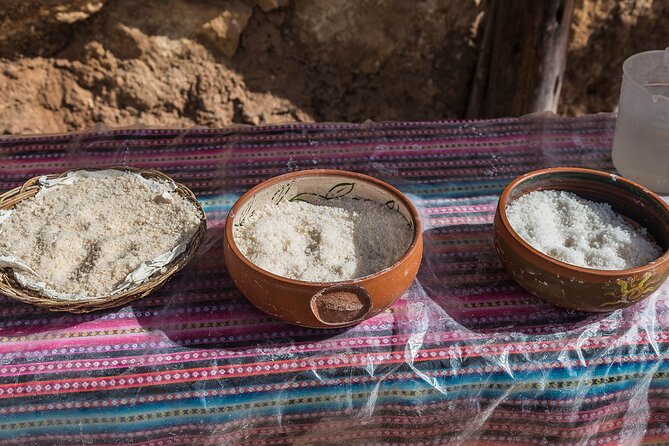
- Salinas de Maras salt wells are a living salt economy, not just ruins
- Pisac views plus a craft market give you both archaeology and local shopping
Sacred Valley from Cusco in one day: what the route is really like
This is a full-day Sacred Valley circuit that starts early, moves efficiently by bus, and then asks you to switch modes from riding to walking to back to riding again. The big win is that you see multiple major stops in one go, instead of spending your limited time hopping between separate half-days.
Cusco’s altitude is the first thing to respect. Even if you are not “hiking,” your body may feel the climb at certain viewpoints and along stone paths. The second thing to respect is time. This is not a slow stroll. Expect a steady pace with structured stops, plus some wandering time for photos and the market.
The tour also leans practical. You get hotel pickup, transport, an English-Spanish speaking guide, and a first aid kit. That combination matters in the Sacred Valley, where entrances, timing, and transit windows can make or break your day.
And yes, you will likely hear about condors at some point during the day, since this route can include a refuge stop. If that is part of your departure, it is the kind of moment that makes the whole loop feel more alive than a list of ruins.
More Sacred Valley days:
- From Cusco: Sacred Valley & Maras Salt Mines Tour with Lunch
★ 4.8 · 2,227 reviews - 2-Day Tour: Sacred Valley and Machu Picchu by Train
★ 5.0 · 1,127 reviews - Cusco: Sacred Valley, Pisac, Ollantaytambo, Salt Mines Moray
★ 4.6 · 1,058 reviews
The 7:00 am hotel pickup: how to make the start painless
The day begins at 7:00 am. Your pickup happens at your hotel lobby, so plan to be ready before the driver arrives. If you are staying on a hill or in a place with narrow access, factor in a little buffer.
A practical tip: eat something light before pickup if you can. Coffee and a banana is often enough. You are going to be on the move, and you do not want a big breakfast sloshing around while you are riding windy roads out of town.
The early start is also a strategy for the rest of the day. With a long route like this, the morning helps you reach viewpoints before the later crowds build up, and it helps you keep energy for the walking portions.
On a small group tour (up to 10 people), the pickup flow tends to feel smoother. Still, you should keep your basics easy to grab: water, a light layer, and your best walking shoes.
Chinchero: Inca walls, a colonial church, and textiles that make you look twice
Chinchero is one of those stops where the location itself does the work for you. You get a mix of Inca stonework and a colonial church, and the contrast helps you understand how the region layered cultures over time.
What I like about this stop is the textile focus. The Textile Interpretation Center gives you a lens for what you are seeing later in markets and on clothing. When you know a little about fibers, patterns, and traditional weaving techniques, the color choices stop looking random and start looking intentional.
The trade-off is that Chinchero is also a place where you will want to move at the group pace. There is walking involved, and you may be listening to explanations at the same time. If you prefer lots of solo time, you might feel a bit “guided,” even though the guide should keep it lively.
Still, Chinchero is a smart early anchor. It sets the tone for the rest of the day, from farming logic at Moray to the working tradition of salt at Maras.
Moray: the Inca agricultural laboratory and why the terraces matter
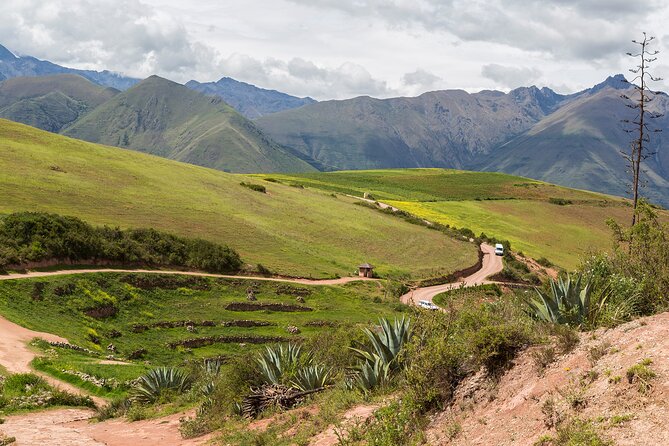
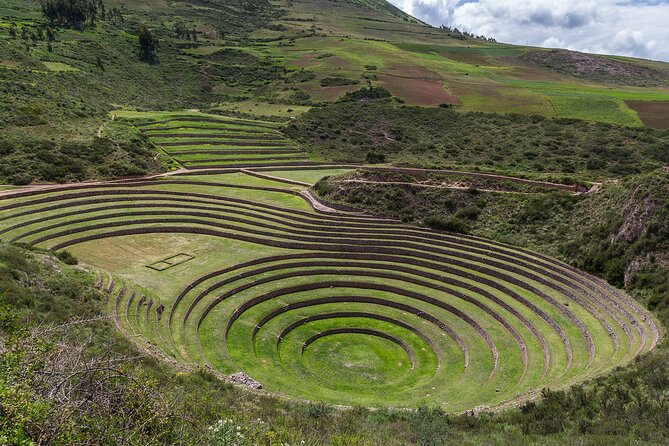
Moray is famous for its circular terraces, and the reason it matters is not just the shape. Each terrace creates a different microclimate, which is exactly what the Incas needed to experiment with crops.
When you are at Moray, the best way to see it is like a scientist’s model. Think “controlled conditions,” not just “pretty ruins.” The terraces are a system. They show how planning, observation, and agriculture were tightly connected.
This stop usually feels surprisingly visual. Even in a short visit, you can spot how the terraces step down, and you can imagine how temperature and exposure change from level to level. If you are the type who likes the how and why behind places, Moray delivers.
The drawback to remember here is energy. Some walking and uneven ground are part of the experience. At this point in the day, altitude can also play tricks. Go slow, take your time at the edges of viewpoints, and do not try to “power through” just to beat the group.
A few more Cusco days worth comparing
- Classic Inca Trail Trek 4D/3N to Machu Picchu (Group Service)
★ 5.0 · 8,653 reviews - Cusco: Rainbow Mountain and Red Valley Day Trip with Meals
★ 4.9 · 4,893 reviews - Machu Picchu: 4-Day Inca Trail Trek with Panoramic Train Ride
★ 5.0 · 4,568 reviews - Salkantay Classic Trek 5 Days from Cusco
★ 5.0 · 4,062 reviews
Salinas de Maras: salt wells still in use (and a small extra fee)
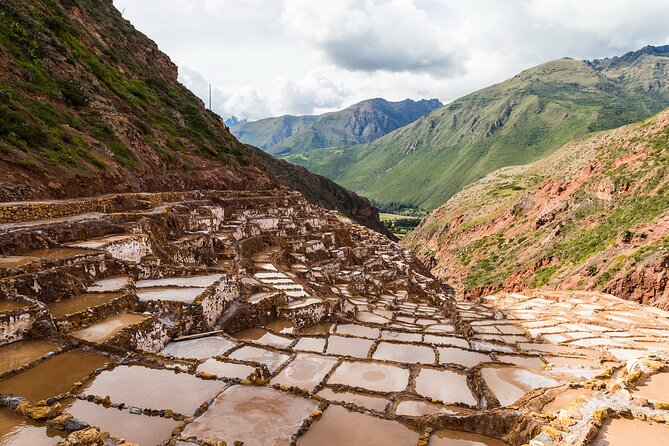
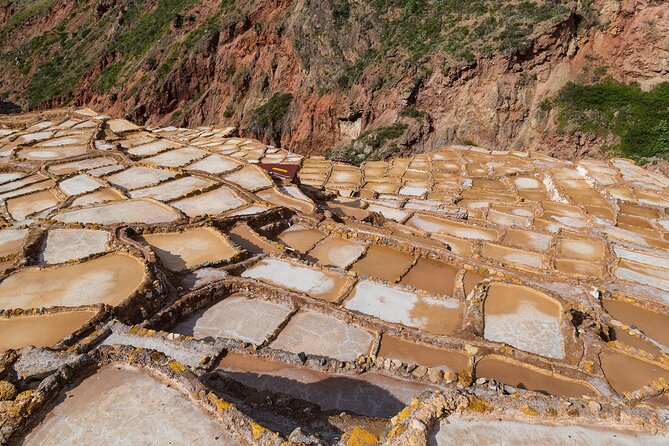
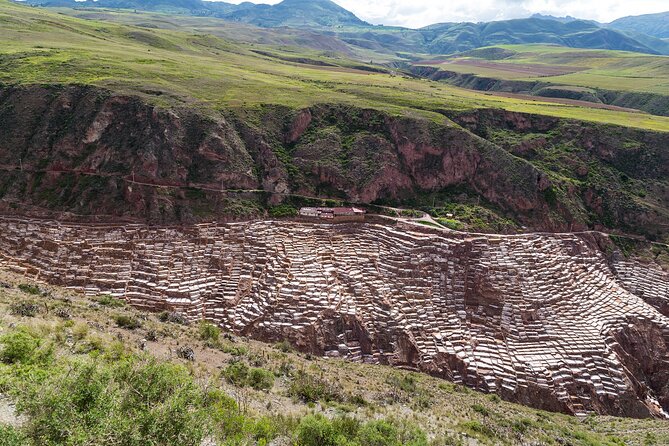
Salinas de Maras is not a museum. It is a working landscape made of thousands of small salt wells. The sheer number is the wow factor, about 2,000 wells, and the fact that locals still exploit them today makes it feel grounded and current.
This is one of the places where you stop thinking only about the Inca past and start thinking about continuity. The Incas built and managed systems to create economic value, and that knowledge still influences how the area works.
You should also budget for the access fee. Salt mine access is listed as PEN20.00 per person, and that is one of the most common “surprise add-ons” if you only plan for the base price.
Walking here is usually easy in terms of length, but you may be on uneven ground and in areas where getting your photos requires careful foot placement. If you want the best angles, give yourself a few minutes to step around rather than trying to shoot from one spot.
Urubamba and lunch: where the day gets its fuel
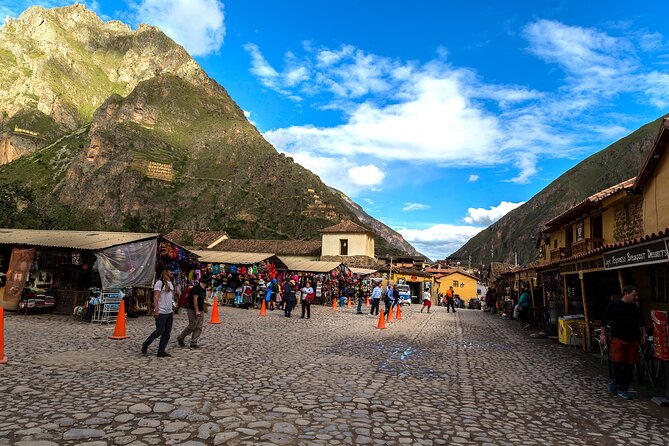
Urubamba is where the tour slows down just enough for a proper break. You get a buffet lunch with local and Cusco cuisine, and it is included. This matters because you are spending most of the day in transit, and Sacred Valley roads can be a little motion-y if you are sensitive.
What makes this lunch stop valuable is variety. You typically get enough options to find something that agrees with your stomach, which is important at altitude. People often expect a bland “tour lunch,” but this one is set up as a buffet, so you can choose.
After lunch, you switch to transport again for the drive onward. This timing helps because the next stops involve more walking and sharper viewpoint moments. If you skip or under-eat, you feel it later.
Practical move: if you tend to get cold at elevation, add a light layer now. Even if the morning felt warm, late hours can cool down quickly.
Ollantaytambo Fortress: a stone stronghold built to watch the valley
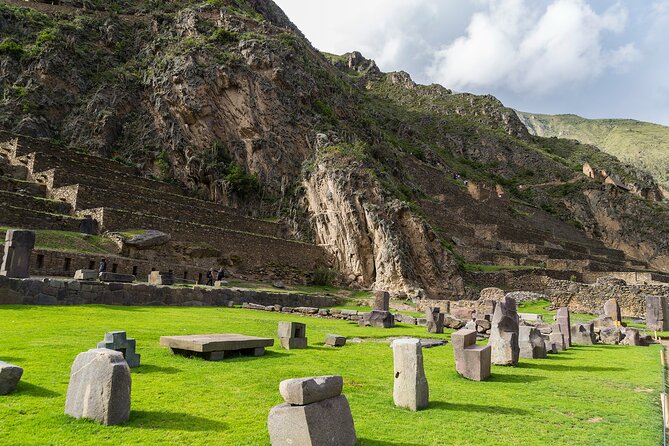
Ollantaytambo is a fortress and a statement. The key idea is defense. It was built to guard the entrance to this section of the Sacred Valley and protect against invasions from the jungle side.
When you are on site, pay attention to sightlines and the feel of the stone. You start to understand why a fortress here is not just a wall, it is a command position. The fortress also means stairs, and this is where fitness matters.
One of the most common real-world challenges on this day is the climbing. You might not be doing a long hike, but you are moving up and down stone steps to access the best views. At altitude, that translates into breathlessness, even for people who are generally fit.
My advice is simple: pace yourself like a local. Take short steps, pause when you need to, and save your energy for the panoramic moments.
If your schedule allows, ask your guide where the best view points are. A good guide will help you pick routes that minimize unnecessary climbing.
Pisac: panoramic ruins and the craft market to end the day
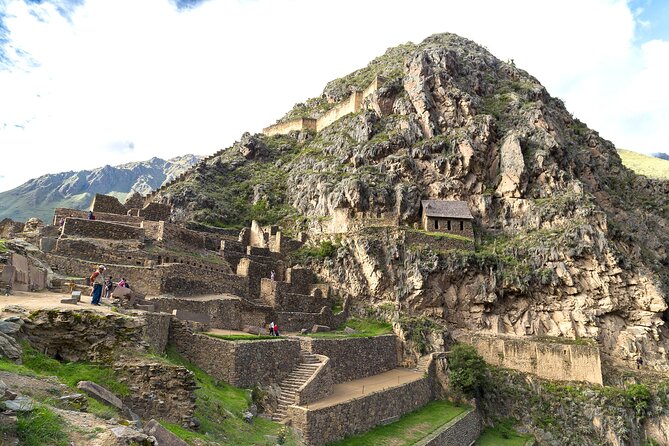
Pisac wraps up the archaeological portion of the day. The site sits on a strategically placed mountain, which is why the views can feel dramatic even with limited time. You are higher up, and you can see how the settlement connects to the valley below.
This stop also comes with more walking and stairs. It is often the part of the day where your legs will tell you what your brain already knows, altitude plus steps equals slower movement. The trick is to keep your effort steady and not sprint to catch up.
After the archaeological time, you get an additional moment to explore Pisac’s craft market on the way back. This is a great place to slow down and browse, especially if you want souvenirs you can tie to what you saw earlier. A textile-focused morning makes the patterns and materials feel more connected.
If you plan to buy, keep your budget in mind and take your time. The best buys are not always the first stall you see, and market prices vary. Also, you will likely be using cash and you might be holding small purchases while you are still traveling back to Cusco, so think about how you will keep things secure.
Price and the real cost: what $60 covers, and what can still be added
The base price is $60.00 per person, and at that level you are paying for a long day that includes hotel pickup, transport, an English-Spanish guide, first aid support, and a buffet lunch.
That is decent value for a full Sacred Valley day, especially because most of the cost savings come from having transport and a guided structure handled for you.
Still, the “real cost” can rise. Entrance to tourist attractions is not included, and salt mine access is PEN20.00 per person. Depending on the exact sites and passes needed during your departure, there can also be additional park or access fees. One detailed account I saw referenced a separate Peruvian parks pass cost of 70 soles, which is the kind of number worth planning for even if it does not apply to every traveler the same way.
So here is a budgeting rule that works: assume your ticket price covers the human and transport pieces, and add a separate buffer for site entrances. If you arrive knowing this, you avoid the late-day headache of card payments and sudden cash requests.
Fitness, altitude, and what to pack for a long Sacred Valley day
Most travelers can participate, and service animals are allowed, so this is designed for a broad range of people. The real limiting factor is not technical difficulty, it is breathing and stamina.
Plan for stairs at multiple Inca sites. Pisac and Ollantaytambo are the usual suspects, and Moray can also involve walking on uneven ground. At altitude, even short climbs can feel big, so do not treat this like a flat city walking day.
What helps most:
- Water, and slow sipping before you feel thirsty
- Comfortable shoes with good grip
- A light layer for changing temperatures
- A willingness to pause without feeling you must keep up with everyone
Also, bring small cash for entrances and any extra access fees that come up. If you are trying to rely on a single card, the timing can get annoying.
Finally, set expectations. This is a day of seeing a lot. If you want long unhurried time in each place, you might find the schedule tight. If you want smart coverage with expert guidance, this tour fits well.
Who this Sacred Valley tour fits best
You will likely love this day if you:
- Want a one-day hit list of Sacred Valley highlights
- Prefer a small group for easier listening and better timing at viewpoints
- Appreciate context from a guide, especially with textiles and Inca engineering
- Are okay with a mix of riding, walking, and photo stops
It may feel less ideal if you:
- Have very limited mobility or struggle with stairs
- Get hit hard by altitude and need frequent rests
- Expect every entrance to be fully covered in the base price
Guide quality can vary, but the tour is set up with a professional guide in English-Spanish. If you need a specific language beyond that, confirm ahead of time, because language requests can matter more than you think for long explanations and quick Q and A moments. I also saw evidence of guides like Nico leading some departures, which suggests the team can be personable.
Should you book this Sacred Valley day trip?
If your priority is seeing Chinchero, Moray, Salinas de Maras, Ollantaytambo, and Pisac in one full day, this is a strong value choice. The included pickup, transport, guide, and lunch do real work for you, and the small group size helps you feel less like you are on a conveyor belt.
Book it if you can handle stairs, you accept that some entrances and access fees are separate, and you arrive with cash and patience for a long day. Skip or choose a gentler alternative if altitude and climbing are a big problem for you, because the schedule does not slow down much at the viewpoints.
If you do book, treat the day like a plan: comfortable shoes, water ready early, budget buffer for entrance fees, and a relaxed attitude about pace. That is how you turn a busy Sacred Valley day into a memorable one.
FAQ
What time does the Sacred Valley excursion start and when do I get back to Cusco?
It starts at 7:00 am with pickup from your hotel lobby. You return to Cusco at approximately 7:30 p.m.
Is hotel pickup included?
Yes. Pickup from your hotel is included.
Is lunch included, and what kind is it?
Yes. The tour includes a buffet lunch in Urubamba. Snacks are not included.
Are entrance tickets included for the sites?
No. Entrance to tourist attractions is not included.
Do I need to pay an extra fee for the salt mines?
Yes. Access to Salinas de Maras (salt mines) is not included, and the access fee listed is PEN20.00 per person.
How many people are in the group?
This tour has a maximum of 10 travelers.
Recently reviewed around Cusco
- 6-Day ||All Included|| Excursion – MachuPichu & Rainbow Mountain-Humantay Lake★ 4.5 · 8 reviews
- Horseback Riding thru the Mountains of Cusco★ 5.0 · 8 reviews
- Cuzco City Tour and Archaeological Ruins in Half Day★ 5.0 · 8 reviews
- Full Day – Rainbow Mountain tour – Group Service★ 5.0 · 8 reviews
- Half Day Tour in Cusco: Exploring the City and Four Ruins★ 4.5 · 8 reviews
- Cusco 4 Days Machu Picchu and Sacred Valley | All included★ 5.0 · 8 reviews
- Machu Picchu and Sacred Valley 2 Day Tour★ 5.0 · 8 reviews
- Walking Tour in Legendary & Historical Cusco City★ 4.5 · 8 reviews
Sacred Valley, compared.
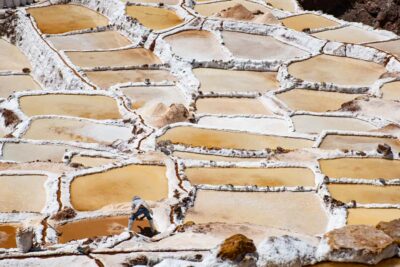
Sacred Valley & Maras Salt Mines Tour with Lunch
Read our review →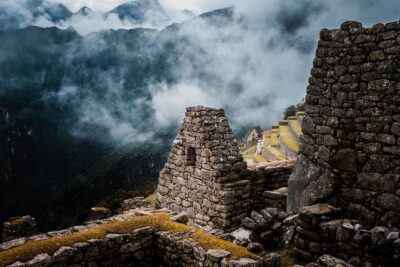
2-Day Tour: Sacred Valley and Machu Picchu by Train
Read our review →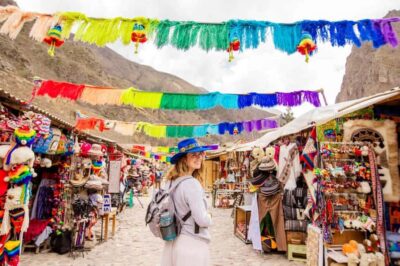
Sacred Valley, Pisac, Ollantaytambo, Salt Mines Moray
Read our review →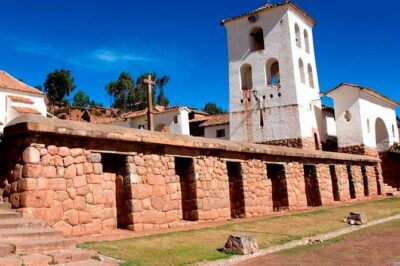
Sacred Valley and Maras Moray Tour with Full Day Buffet Lunch
Read our review →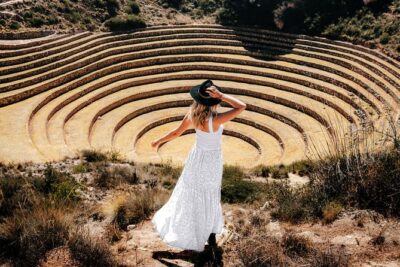

ATV Tour to Moray Maras and Salt Mines in the Sacred Valley
Read our review →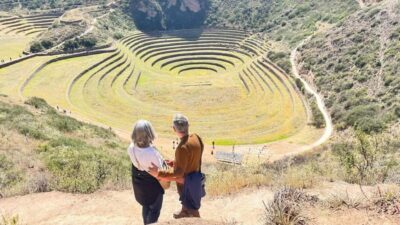
Browse the lists this tour appears in