
Reviewed · MACHU PICCHU
From Cusco: Machu Picchu 2-Day Inca Trail
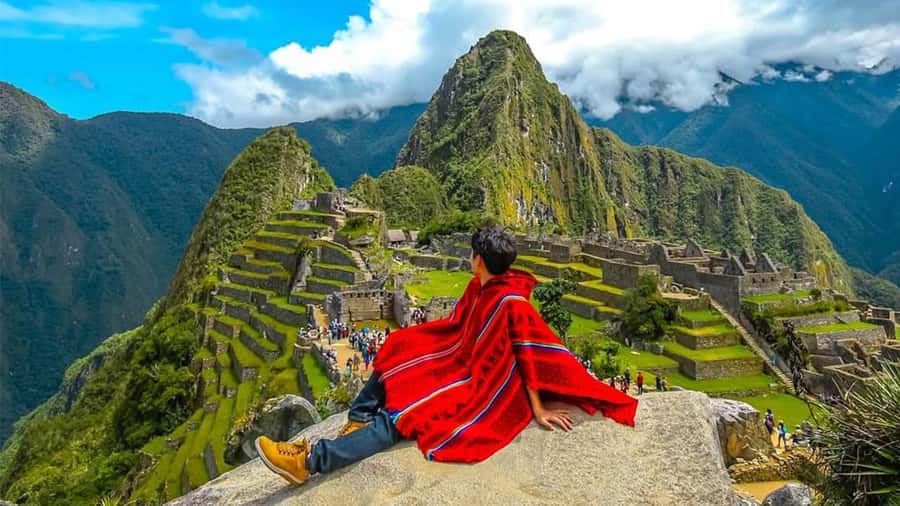
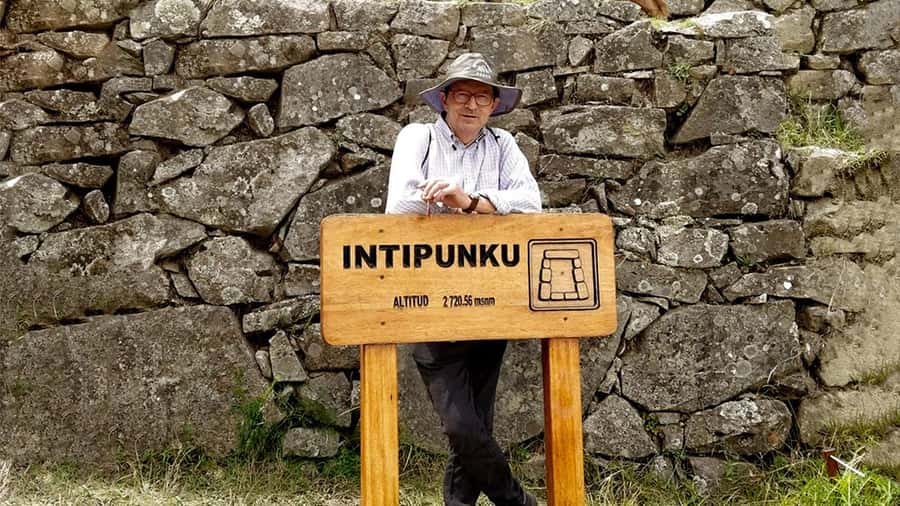
If you want the classic Machu Picchu feeling, this is one of the best ways to get there: you earn the view with a 2-day Inca Trail hike, then Machu Picchu arrives like a reveal at the end of a long day of Andean walking. I especially like how the route moves through different micro-climates and plant life, and how the day includes the Inti Punku (Inca Gate of the Sun) moment before you officially reach Machu Picchu.
The other big win for me is the human part. With a small group capped at 13, your guide can actually manage pace, answer questions, and help you enjoy the trail instead of just ticking off stops. One thing to keep real, though, is that this is not a casual outing. Expect real uphill effort, and if you’re considering optional climbs like Machu Picchu Mountain or Huayna Picchu Mountain, you need solid fitness and the stamina to match.
Key things to know before you go
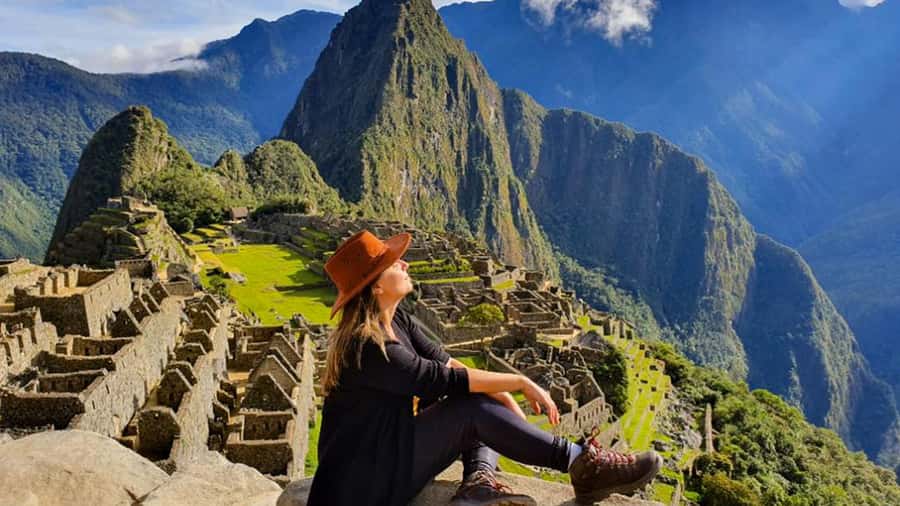
- Small group, max 13 people means more time with your guide and less shuffle during key moments.
- Wiñay Wayna to Inti Punku is the emotional arc, with first Machu Picchu views coming at Inti Punku.
- Cusco to Ollantaytambo by train, then bus up to the Machu Picchu area, keeps the logistics smoother than DIY.
- Guides like Lenin and Raoul stand out for pacing that feels tailored and for lots of on-the-way explanations.
- Aguas Calientes hotel night with dinner sets you up for a focused day 2 tour.
- Optional mountain entries are not included and have limited availability.
Cusco to Ollantaytambo, then onto the trail with real local flow
This tour starts the day before your walking begins, with a pre-departure briefing and a Cusco pickup that is valid for hotels in the historic center. You’ll be asked to wait in the lobby about 10 minutes before your scheduled pickup time. That detail matters. If you show up late, you can’t really fix it once the group is moving.
From Cusco, you transfer to the train station in Ollantaytambo. On the train journey, you get to look out across the Sacred Valley scenery as you head toward the trail start. When you arrive at the train station area, you’ll have time to use the toilets if you need them before boarding.
A key value here is that the tour does the paperwork and setup for the beginning of the hike. You are not stuck figuring out the order of operations while you’re already dealing with altitude and getting your rhythm.
The guide is part of this from the start. They carry out all the procedures to begin the hike, and that immediately reduces stress later when you’re tired and your legs are protesting.
More Inca Trail departures:
- Classic Inca Trail Trek 4D/3N to Machu Picchu (Group Service)
★ 5.0 · 8,653 reviews - Machu Picchu: 4-Day Inca Trail Trek with Panoramic Train Ride
★ 5.0 · 4,568 reviews - Short Inca Trail to Machu Picchu 2D/1N
★ 5.0 · 3,007 reviews
Day 1: Wiñay Wayna trail, endemic plants, and the Inti Punku reveal
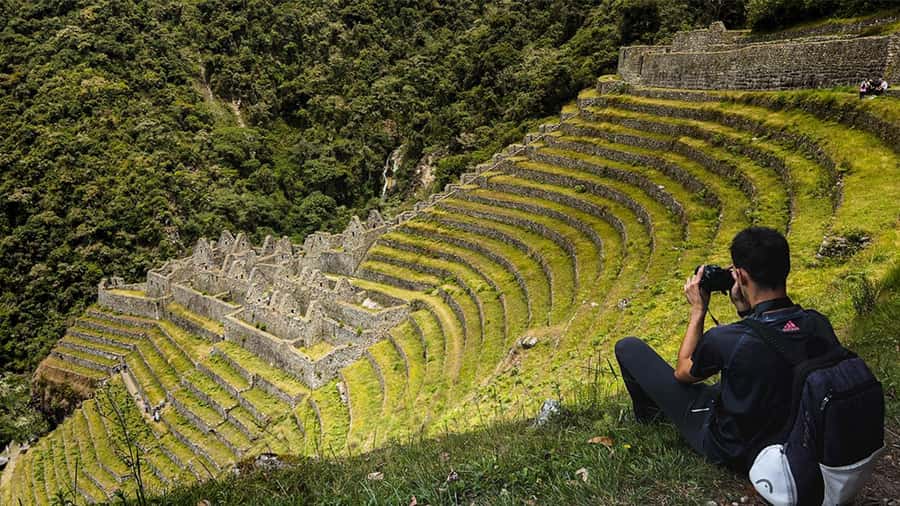
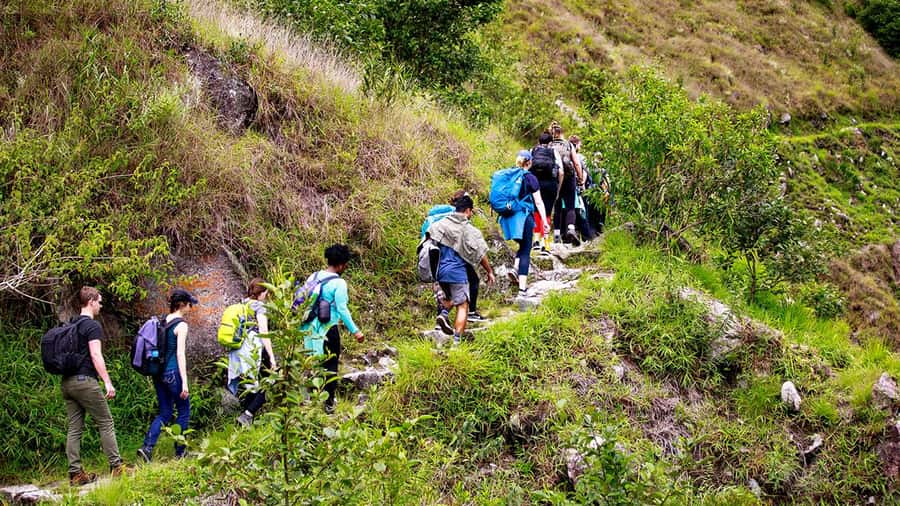
Day 1 is where the experience earns its name. You’ll hike approximately 3 hours to reach the archaeological complex of Wiñay Wayna. The trail is not just about walking from point A to point B. It’s designed to show you how Inca routes connected daily life, with the added bonus that you’re moving through ecosystems and micro-climates as you climb.
As you walk, you’ll learn about endemic flora along the way. Even if you’re not a plant-nerd, the explanations help you notice what you’re stepping past, instead of just staring at your next foot placement. You also get time to appreciate the scenery as Andes weather shifts around you.
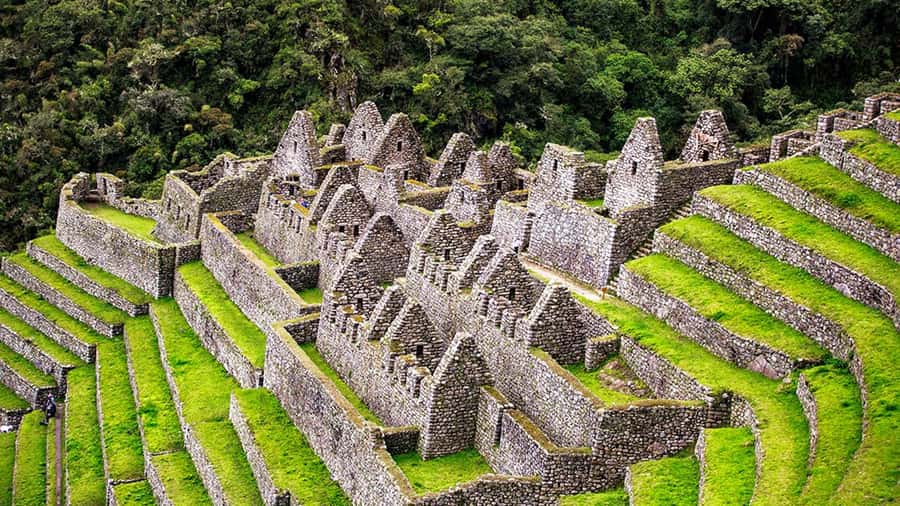
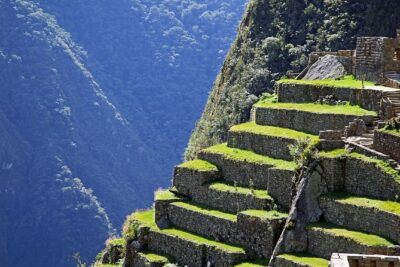
You’ll stop for a packed box lunch after reaching the Wiñay Wayna area. Then you explore the archaeological houses and terraces. This part is not about rushing. The terraces and built spaces are part of the reason people remember this day: the Incas engineered a working landscape using stone, water sense, and elevation, so the structures don’t feel pasted on. They feel like they belong.
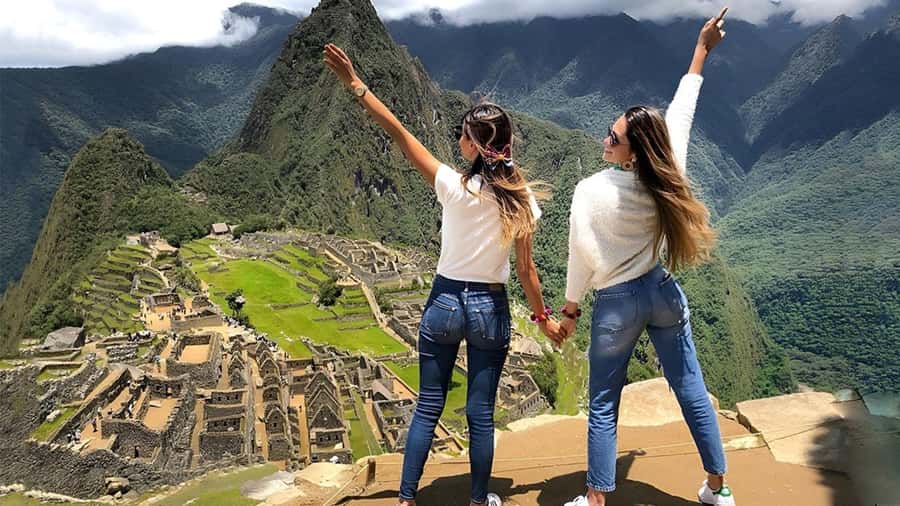
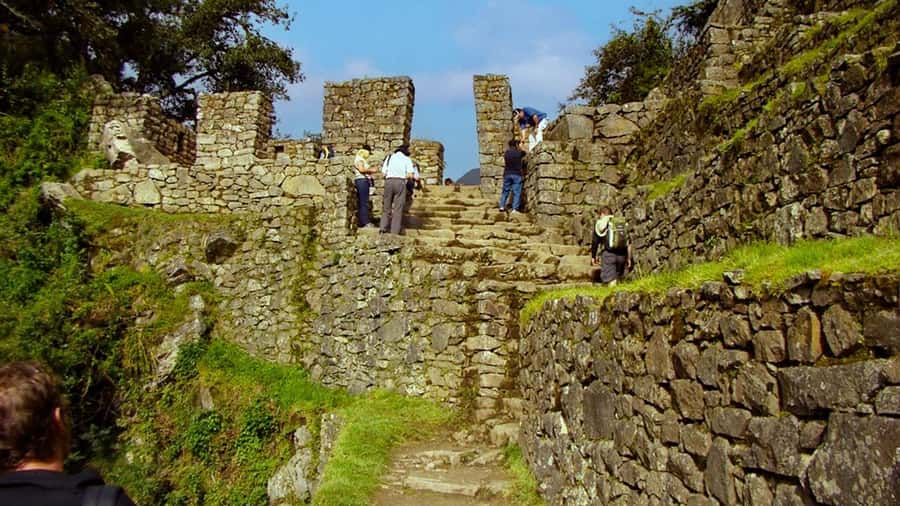
From there, you visit Inti Punku, also called the Inca Gate of the Sun. This is one of the emotional highlights of the full itinerary because it’s one of the first proper Machu Picchu views you get. After that, you take the bus to Aguas Calientes.
Practical note: Aguas Calientes is where you sleep, eat dinner, and get instructions for the next day. You’ll be taken to your hotel for the night, dinner is at a restaurant in town, and then your guide will explain what to expect for day 2.
The Aguas Calientes night: rest up, pack smart, and follow your guide
After day 1, you’re in the pocket where good decisions matter. The itinerary doesn’t give you hours of deep free time, so treat the evening like pre-day fuel.
Your dinner is included, and that’s a real convenience on a night when everyone is thinking about the next morning timing. Plan to eat like a traveler, not like a marathon athlete with a stomach of steel. Then, take a moment to get your daypack ready for day 2 so you’re not scrambling in the morning.
One of the most important logistics points for your comfort: luggage or large bags are not allowed. That means you should travel light in the way that makes sense for short, organized days. Bring a daypack. Bring toiletries. And do not count on improvising if you left something crucial behind.
Also, keep your passport or ID card handy. The tour requires your passport information to confirm services, so being organized now prevents a headache later.
Day 2: Urubamba River canyon views and your guided Machu Picchu tour
Breakfast is at your hotel, and then your guide picks you up and takes you to the bus that ascends toward Machu Picchu. The ride is not just transportation. The bus route includes a point where you can enjoy a spectacular view of the Urubamba River, which shapes the canyon.
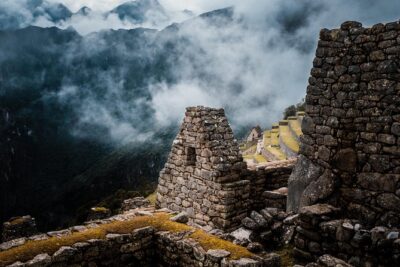
When you arrive, Machu Picchu welcomes you with terraces, staircases, ceremonial enclosures, and the urban areas where energy feels concentrated in the way only a place like this can. The guided tour covers the complex with context, so you’re not just looking at stones and hoping for the best.
This is where having a good guide pays off. In real life, it’s easy to get overwhelmed once you’re there. A strong guide helps you understand what you’re seeing, and gives you a path through the site without turning it into a checklist.
After the guided tour, you get time to have lunch at one of the area restaurants, but lunch is on your own. That’s good to know. Budget extra for the meal because it is not included.
When it’s time to leave, the schedule has you returning by train to the Ollantaytambo train station. From there, transportation is waiting to take you back to your Cusco hotel, ending the trip with your legs still feeling the hike, but your mind focused on what you just saw.
More ways to reach Machu Picchu:
- 2-Day Inca Trail to Machu Picchu with Panoramic Train
★ 5.0 · 1,876 reviews - From Cusco: Full-Day Group Tour of Machu Picchu
★ 4.7 · 1,767 reviews - Machu Picchu Day Trip from Cusco
★ 4.5 · 1,644 reviews - 2-Day Tour: Sacred Valley and Machu Picchu by Train
★ 5.0 · 1,127 reviews
Price and what $653 buys you in the real world
At $653 per person, you’re paying for more than a hike ticket. The value is in how much the tour covers for you, especially if you want to avoid the DIY headache when permits, trains, buses, and site entry all have their own rules.
Here’s what’s included:
- Pre-departure briefing
- Transfers between Cusco and Ollantaytambo
- Accommodation in a standard hotel
- Official guide
- Box lunch (day 1) and dinner
- Entry tickets to the Inca Trail and Machu Picchu
- Bus tickets to and from Aguas Calientes (including the first day and the round trip on day 2)
- Train ticket in tourist class or panoramic style, depending on your selected option
- A first aid box
When you add it up, a big chunk of that cost is basically “time you don’t spend organizing.” If you’re traveling with limited days, or you’d rather be walking than researching, that’s worth real money.
One extra point on value: the guides are often a deciding factor. The experience is frequently improved by guides who adapt pace and explain clearly. In particular, guides named Lenin and Raoul stand out for knowledge, patience, and keeping things fun while staying on schedule.
Inca Trail difficulty and how to decide your pace before day 1
This trek is genuinely active. You should plan for an effort level that challenges you. One account even described long walking time, with a lot of it uphill, and reaching physical limits before pushing through with the guide’s support.
That’s not meant to scare you. It’s meant to set expectations so you don’t show up thinking it’s just a scenic walk.
A good part is that your guide can adjust the pace and allow space for slower moments. You’re not expected to sprint. You’re expected to keep moving while stopping to rest and take in what matters.
If you are considering Machu Picchu Mountain or Huayna Picchu Mountain, the difficulty is described as medium-high. Those entries are limited, and they are not included in the base tour. So if that’s on your wish list, check availability when booking and be honest with your fitness.
Also, this tour is not suitable for:
- Pregnant women
- People with mobility impairments
- Children under 8
What to bring (and the few things that can derail your trip)
Bring:
- Travel insurance
- Toiletries
- A daypack
- Passport or ID card
Important: confirming your reservation requires passport information for each participant. If you update passport details, you must present both documents because the confirmation is made with the document data you originally provided. In plain terms, don’t assume a last-minute change is painless. Be consistent.
Not allowed:
- Pets
- Luggage or large bags
A small practical tip: pack so you can access essentials quickly at train stations and during the bus rides. When you’re tired, it’s amazing how fast “where is my water, and where is my jacket” becomes the whole trip.
Who this 2-day Inca Trail tour is best for
This is a strong fit if you:
- Want Machu Picchu with more meaning than a day trip, by earning part of it on foot
- Like being guided through history and nature at the same time
- Appreciate a small group experience, capped at 13
- Prefer having train and bus logistics handled rather than pieced together
It’s also a good option for first-timers who want structure. You’ll get a briefing before you start, planned meals, a hotel night, and a guide who stays with you through the core stops.
If you’re chasing ultra-light hiking with minimal time on a schedule, you may find the itinerary feel busy. But if your goal is a well-run route with the big highlights handled, this fits nicely.
Should you book this 2-day Inca Trail from Cusco?
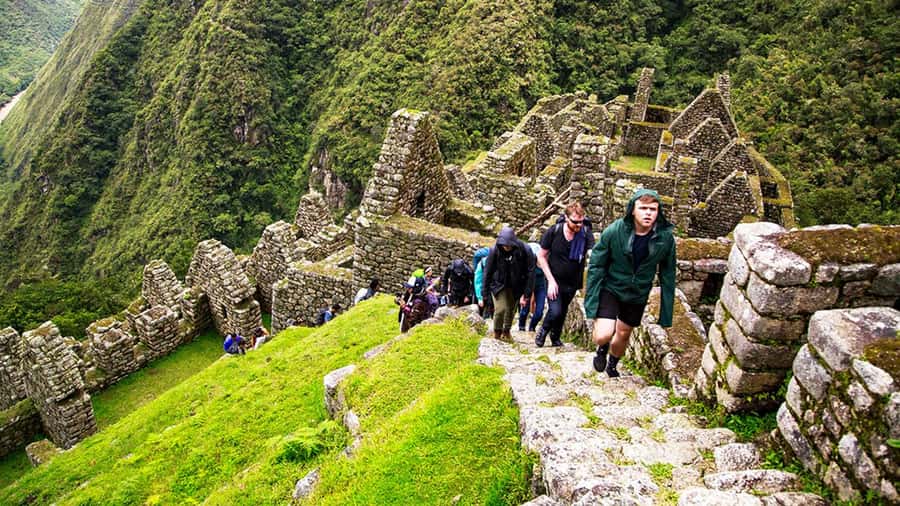
I think you should book if you want the emotional arc of the Inca Trail, not just the postcard view. The Wiñay Wayna walk, the Inti Punku reveal, and the day 2 guided Machu Picchu tour are set up to make you feel the connection between Inca engineering and the mountain environment.
You should pause and plan carefully if:
- You’re not comfortable with a non-casual hike and uphill walking
- You might want to climb Machu Picchu Mountain or Huayna Picchu Mountain, since those are medium-high difficulty and need separate availability
- You need mobility accommodations, since this isn’t designed for mobility impairments
- You rely on carrying large luggage, because large bags are not allowed
If your fitness is solid and you like structure with a human guide, this is a good value way to get the full experience in just two days.
FAQ
How long is the Cusco to Machu Picchu 2-day Inca Trail?
The tour lasts 2 days.
Where do you get picked up in Cusco?
Pickup is included for hotels or establishments within the historic center of Cusco. You should wait in the hotel lobby 10 minutes before your scheduled pickup time.
How big is the group?
This is a small group limited to 13 participants.
What meals are included?
You get a box lunch on day 1 and dinner in Aguas Calientes. Lunch after the Machu Picchu guided tour is not included, and you eat on your own.
Is a hotel included?
Yes. You stay overnight in a standard hotel.
Are train and bus tickets included?
Yes. Transfers include train between Cusco and Ollantaytambo, and buses are included for Machu Picchu to Aguas Calientes on the first day and round trip bus tickets on the second day. You also get a train ticket (tourist class or panoramic).
Do I need to provide passport information to confirm the booking?
Yes. To confirm the reservation, it is essential to provide the passport information of each participant. If passport data is updated, you must present both documents because services are confirmed using the document data provided.
Is entry to Huayna Picchu Mountain or Machu Picchu Mountain included?
No. Entry to Huayna Picchu Mountain or Machu Picchu Mountain is not included, and availability is limited, so you should check when booking.
Is this tour refundable if plans change?
No. The activity is non-refundable.
What is the difficulty level, especially if I add a mountain climb?
The base trek is active, and the optional treks to Machu Picchu Mountain or Huayna Picchu Mountain are described as medium-high difficulty. You should be in good physical condition if you choose either.
Recently reviewed around Cusco
- Cusco Cooking Class by ChocoMuseo in Cusco★ 5.0 · 29 reviews
- ATV Adventure to Moray and Maras Salt Mines – Half Day★ 4.5 · 29 reviews
- 1-day excursion to Machu Picchu from Cusco★ 5.0 · 29 reviews
- Private Tour Sacred Valley, Chinchero, Maras Moray, Ollantaytambo★ 5.0 · 29 reviews
- From Cusco: Humantay Lake with Breakfast and Buffet Lunch★ 4.5 · 29 reviews
- 4 Day – Inca Jungle to Machu Picchu★ 5.0 · 29 reviews
- 2-Day Machu Picchu Tour by Train from Cusco★ 4.5 · 29 reviews
- 2-Day Sacred Valley and Machu Picchu Tour By Train★ 4.5 · 29 reviews
Machu Picchu, compared.
Classic Inca Trail Trek 4D/3N to Machu Picchu (Group Service)
Read our review →
4-Day Inca Trail Trek with Panoramic Train Ride
Read our review →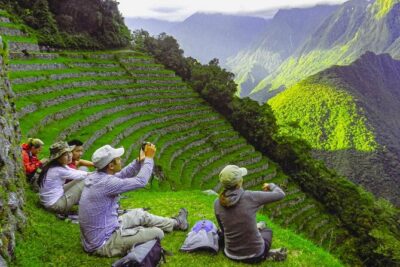
2-Day Inca Trail to Machu Picchu with Panoramic Train
Read our review →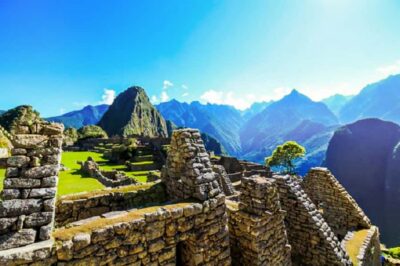

2-Day Tour: Sacred Valley and Machu Picchu by Train
Read our review →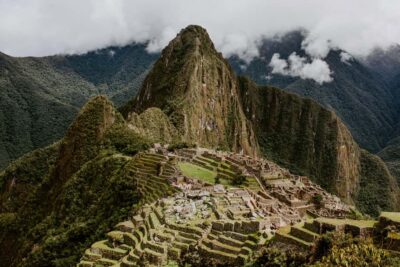
Browse the lists this tour appears in