
Reviewed · MARAS SALT MINES
From Cusco: Moray, Maras Salt Mines & Chinchero Weavers Half-Day
A half-day trip that hits Chinchero, Moray, and the Maras salt mines is a smart way to see why the Cusco region matters. You get Incan-style engineering at Moray, a living textile tradition in Chinchero, and one of Peru’s most iconic salt landscapes at Salineras, all without committing to a full day.
I especially like how the Chinchero stop goes beyond a quick photo stop, with hands-on-style context around how colors come from natural plants and how local Quechua culture still shapes daily life. I also like the way Moray and the salt mines feel very different from each other, so the day doesn’t blur together, even though it’s time-compressed.
The main drawback to plan around is simple: this is a 6 to 7 hour schedule with no breakfast or lunch included, and the ride can feel tight if the mini bus is full. Budget a little extra for the site entrances at Moray and Salt Mines, and bring snacks so you’re not running on altitude and good intentions alone.
Key Highlights Worth Booking For
- A tight Sacred Valley route that works well if you have limited time in Cusco
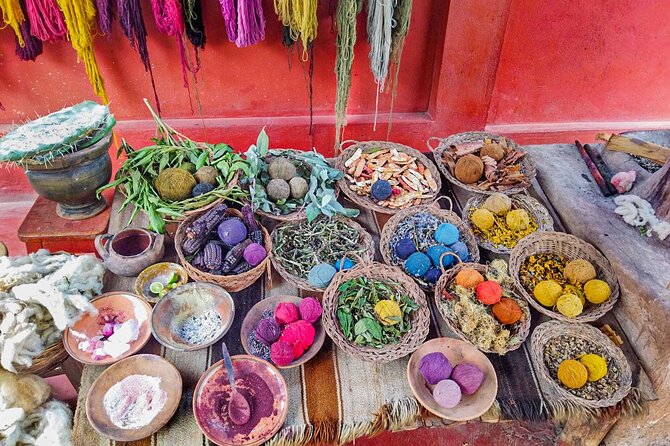
- Chinchero weaving and dyeing rooted in Quechua traditions, plus natural-plant color explanations
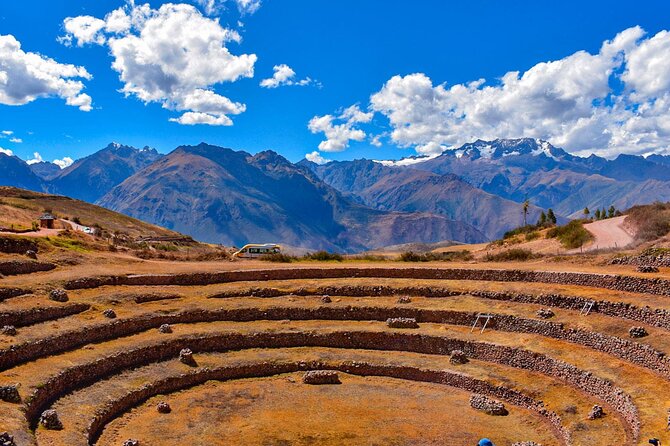
- Moray’s terrace complex with irrigation and a “natural greenhouse” idea behind the design
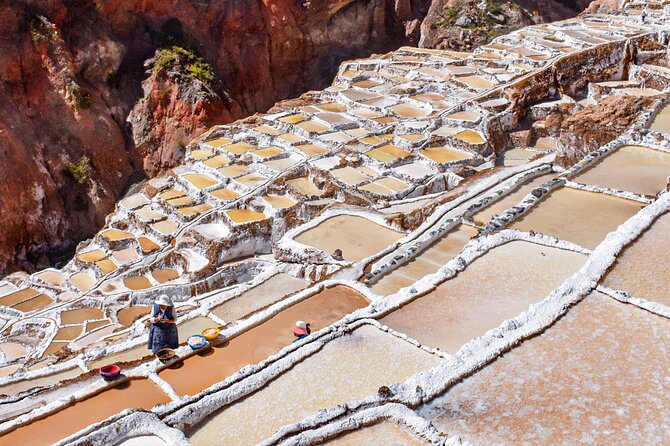
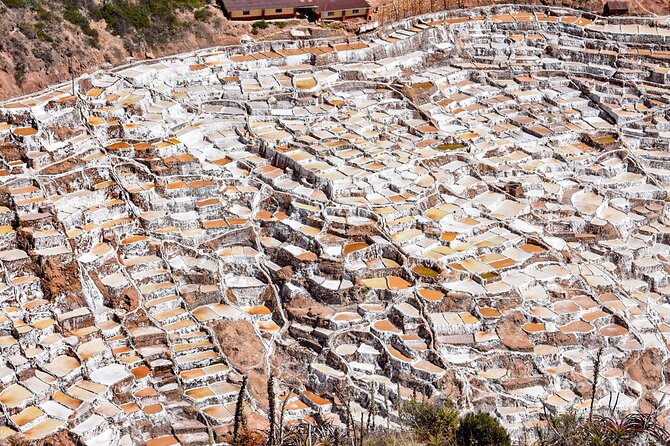
- Maras Salt Mines with 3,000 small pools and a process that still runs today
- Bilingual guiding with help that often extends into photo tips and on-the-ground context
A Small-Group Sacred Valley Route From Cusco
This half-day outing is priced at $15.20 per person, but it’s important to understand what that covers and what it doesn’t. Your ticket cost covers hotel pickup, transportation, and a bilingual tour guide. The two big archaeological and salt-mining entrances, Moray and Salt Mines (Salineras), are not included, so you will want to budget extra on top.
The total ride time is roughly 6 to 7 hours, with pickup from your hotel between 8:20 am and 8:40 am. You’ll return to Cusco around 3:15 pm near Plaza de Armas, which is exactly why this format works for people trying to keep their afternoon open, including anyone planning an evening flight.
The group size is capped at a maximum of 16 travelers, which helps keep things moving. Still, the road from Cusco is what it is, so if your group is on the larger end, the mini bus can feel a bit snug. A comfortable guide and clear pacing matter here, and this one tends to score well for explanations, including guides like Felipe, Manuel, and Julio who are described as switching smoothly between Spanish and English.
If you want a “see three key places, learn why they matter” day, this itinerary is built for you. If you need long lunch breaks and lots of downtime, plan to either snack heavily or consider a longer tour.
More Half-Day Tours in Cusco
- Cusco: Half-Day City Tour with Sacsayhuaman and Q’enco
★ 4.6 · 1,129 reviews - Cusco City Tour Four Ruins in Half-Day
★ 5.0 · 530 reviews - Cusco: City Tour | Half-Day Tour to 4 Archaeological Sites
★ 4.6 · 206 reviews
Chinchero Weavers: Bartering, Natural Dyes, and Quechua Culture
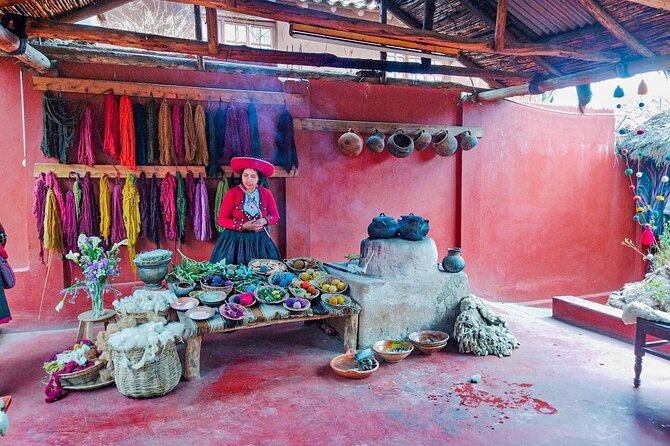
Chinchero is your first real culture hit. After pickup, you travel to Chinchero at about 3,762 meters, so the altitude starts early. The plan is about one hour here, and it’s designed to be more than a quick stop.
You’ll see a traditional market where people practice bartering. That matters because it’s not just watching products sit on shelves. It’s an old-school negotiation culture, and it gives you a sense of how commerce works in everyday life, not only as a tourist performance.
Then you’ll visit a weaving workshop/textile center tied to the Quechua tradition. The most practical part is the color story: you learn how natural plants are used to create dye tones. Even if you do not buy anything, this is the kind of explanation that makes later photos and shopping experiences make more sense, because you start noticing what is dyed where and why certain shades appear.
A nice bonus here is photo-friendly cultural dressing. You may be able to get dressed in Andean clothes for pictures, which can make Chinchero feel less like an observation stop and more like a shared moment.
One thing to keep expectations realistic: Chinchero does have a retail angle. It’s common to see a textile center where you get explanations and then are offered products. In the best cases, shop owners are transparent about materials, including clear notes about whether items are made of alpaca or acrylic blends. I’d treat it like this: ask questions, but decide ahead of time whether you’re buying or just learning.
Moray Terraces: Incan Agricultural Engineering in a “Greenhouse Bowl”
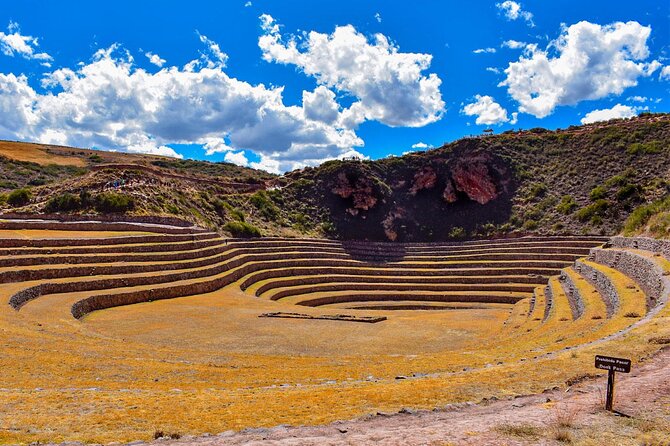
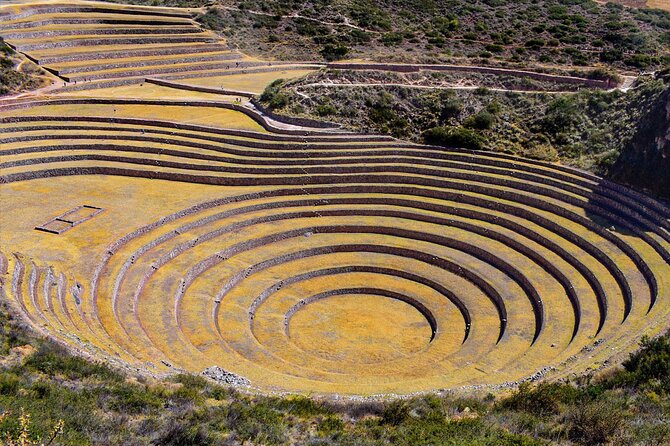
Next up is Moray, at about 3,450 meters, and this stop is where the day turns technical in a good way. You’ll get around one hour to take in the terraced bowl and the irrigation logic that ties the whole design together.
Moray’s core feature is the way the terraces are carved into a large, bowl-shaped structure, with multiple levels. The site includes a complex system of irrigation, and part of the work is thought to have been further excavated by the Incas. The big idea is that these terraces acted like a natural “test environment,” helping people figure out optimal growing conditions for different crops at an altitude that would normally be tough for many plants.
What I like about Moray is that it’s not just pretty. It explains an approach to climate and agriculture that feels very modern: build micro-conditions, compare results, then use the knowledge. You can look at the terracing and irrigation and instantly grasp why someone might call it an agricultural laboratory.
Entrance to Moray is not included. The cost listed is $19 USD (70 soles), so factor that into your total budget. A lot of value in this stop comes from the guide’s narration, because Moray is easy to admire but harder to understand if you’re only looking at stone and steps.
As for physical effort, it’s not described as a long hike, but it is a sight with steps and uneven ground. If you’re already feeling altitude time, take it slowly and avoid sprinting for the best viewpoint.
Salt Mines at Salineras: 3,000 Pools That Still Operate
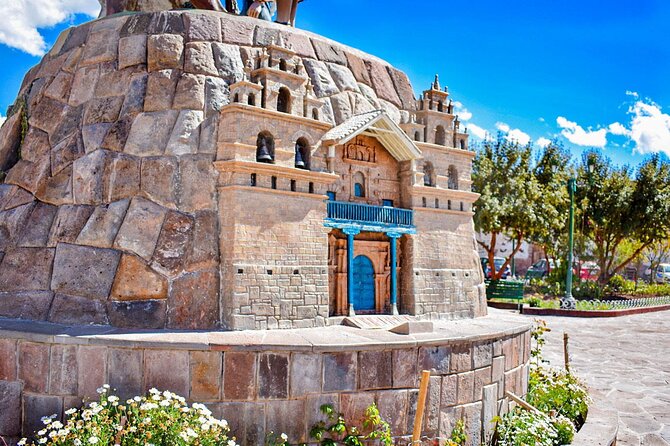
Then you head to the Maras Salt Mines, also called Salineras. On the way, you pass Maras Village, where the colonial architecture is described as still preserved, with buildings made of thin stone. It’s a good warm-up, because it frames what you’ll see later as more than an isolated tourist spot.
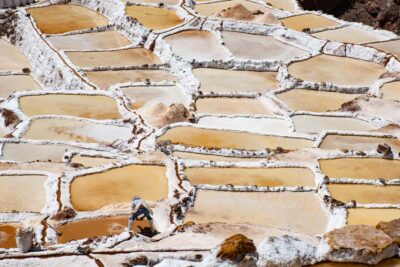
You arrive at a salt mine made up of about 3,000 small pools. The process is tied to the dry season. Workers fill the pools with salt water that comes from a natural hot spring. The rhythm is described as every three days during the dry season.
This is one of those experiences where the guide’s explanation makes the visuals click. From a distance, the pools look like geometric patterns. Up close, you see how the work depends on timing, water access, and repetition. And you also learn that salt production here is not a brand-new business. The site has been worked since pre-Inca time and continues until today.
The tour description also notes what happens to the output: the salt is ground up, treated with iodine, packaged, and sent to markets in the region. I like hearing that last part because it turns “cool photos” into “here’s the full chain from water to product.”
Entrance to the Salt Mines is not included, listed at $6 USD (20 soles). Expect this stop to be one of the main photo moments of the day, and also a place where you’ll want water. Even though you’re not given a lunch break in this tour, the salt mines and Moray both take you through long stretches outdoors.
More of Chinchero:
- From Cusco: Moray, Maras Salt Mines & Chinchero Weavers Tour
★ 4.8 · 1,925 reviews - Cusco:Chinchero,Moray & Salt Mines drop-off in Ollantaytambo
★ 4.8 · 793 reviews - Sacred Valley: Chinchero, Moray, Ollantaytambo & Pisac+Lunch
★ 4.8 · 501 reviews - From Cusco: Chinchero Weavers, Moray, Maras Salt Mines Tour
★ 4.7 · 279 reviews
Timing, Comfort, and Altitude Reality Check
This tour is built for people who want a packed afternoon in the Cusco area. Here’s what matters for your comfort.
Pickup is 8:20 am to 8:40 am, and you’re back around 3:15 pm near Plaza de Armas. That’s a workable window for Cusco sightseeing, but it also means you should plan like a half-day day, not like a full-day day with meals built in.
Meals are the big gap. Breakfast and lunch are not included. In reviews, people call out that the schedule can feel long, especially when there’s no structured time to sit down and eat. I’d treat this as a bring-your-own strategy: pack snacks you can eat quickly between stops, plus water you can sip during transfers.
Comfort is another practical issue. Since the group is capped at 16, it’s usually manageable. But if you’re in a fully loaded mini bus, the ride can feel uncomfortable. A guide can help with the vibe, but physics still wins. I’d bring something small for the ride, like a light layer or a travel pillow if you’re sensitive to long seats.
Altitude starts early too. Chinchero is at 3,762 meters, and Moray is at 3,450 meters. I’m not going to scare you with hypotheticals, but I do suggest you take the day slightly slower than you would at sea level. If you feel winded, stop trying to “power through” and give yourself a few minutes to adjust before rushing to the viewpoints.
Price and Value: What You Pay, What Costs Extra
On paper, the price is very affordable at $15.20. The catch is that the two paid sites are major features of the itinerary.
Not included are:
- Moray entrance: $19 USD (70 soles)
- Salt Mines entrance: $6 USD (20 soles)
So your likely add-on cost for entrances is $25 USD total, assuming you enter both sites. That brings the overall trip cost closer to about $40 USD before tips. For many people, that’s still good value because you’re getting transport across several locations, a bilingual guide, and time at three major Sacred Valley stops.
Where this tour scores highest in value is not just the sights. It’s the explanation layer. Reviews praise guides such as Felipe and Manuel for engaging history and practical stories, including comments that can turn a terrace shape into an agricultural method, and salt pools into a working production system.
If you like “learn while you look,” you’ll probably feel like the guide is doing real work here, not just reciting basic facts. And if you’re traveling in a small group, you’re more likely to get help with pacing, photo spots, and questions.
Who Should Book This Half-Day Cusco Trip
I think this itinerary fits best when you:
- Want an intro to the Sacred Valley without committing to a full day
- Like a mix of culture (Chinchero textiles and dye) and science-ish sites (Moray terraces and irrigation)
- Have limited time, including people catching an evening flight, because the return around 3:15 pm helps
- Prefer a small group up to 16 travelers, where the guide can keep attention and questions moving
You might skip it if:
- You need lunch provided, or you get cranky when meals are “on your own”
- You feel very sensitive to long van rides in small spaces
- You want a slower pace where each site gets lots of wandering time
This is a “best hits” day. It’s not a slow, deep study day. If that matches your style, it’s a strong pick.
Small Tips That Make the Day Smoother
These are the practical things I’d do based on the format and the common issues people note.
Bring snacks and water. This tour doesn’t include lunch, and the day can stretch toward the 7-hour side. Having a small snack ready helps you enjoy the salt mines instead of thinking about food.
Plan your budget for entrances. Moray and Salt Mines are extra, and the tour lists exact costs in both USD and soles, so you can plan ahead.
Dress for altitude and outdoor time. You’ll be above 3,450 meters and in between stops for several hours. Layers are your friend when conditions change.
If you’re traveling as a couple or with a friend, this itinerary is also good for quick photo management. Several guides are described as helping with photo viewpoints, so if pictures matter to you, ask the guide where to stand before you start snapping.
Finally, don’t stress about buying. If textiles tempt you, go in informed. Learn from the dyeing explanation, watch what’s made from natural fibers, and only buy what feels honest to you.
Should You Book It
I’d book this tour if you want a compact Sacred Valley day that includes Chinchero weaving and dyeing, Moray terracing, and Maras salt mines, all with a bilingual guide and a small group. The quality signals are strong, with an average rating of 4.9 and about 98% recommendation, plus repeated praise for guides like Felipe, Manuel, and Julio for clear storytelling.
I would not book it if your top priority is a relaxed pace with meals built in, or if you hate long rides on a tight schedule. In that case, choose a longer tour where your schedule includes time to sit down and eat.
If you do book, you’ll get your money’s worth by treating it as a learn-and-look day: snack ahead, bring water, budget for entrance fees, and let the guide connect the dots between natural dye, agricultural experiment terraces, and salt production that has persisted for centuries.
FAQ
How long is the From Cusco half-day tour?
It runs about 6 to 7 hours.
What time do you get picked up in Cusco?
Pickup is scheduled between 8:20 am and 8:40 am from your hotel.
What time will you be back in Cusco?
You’ll return around 3:15 pm, near Plaza de Armas.
Which stops are included?
You visit Chinchero, Moray, and the Salt Mines (Salineras), with Cusco pickup and return.
Are entrance tickets included for Moray and the Salt Mines?
No. Moray entrance is listed at $19 or 70 soles, and Salt Mines entrance is listed at $6 or 20 soles.
Is lunch included?
No. Breakfast and lunch are not included, so you’ll need to eat on your own.
What’s included in the price besides the tour stops?
The tour includes hotel pickup, transportation, and a bilingual tour guide.
How large is the group?
The tour has a maximum of 16 travelers.
What happens if weather is bad?
The experience requires good weather. If it’s canceled due to poor weather, you’ll be offered a different date or a full refund.
Is cancellation free?
Yes. You can cancel up to 24 hours in advance for a full refund. If you cancel less than 24 hours before, the amount paid is not refunded.
More Visits to the Moray Terraces
- Sacred Valley: Maras & Moray by Quad Bike from Cusco
★ 4.6 · 418 reviews - Tour Sacred Valley & Maras – Moray with buffet lunch
★ 5.0 · 411 reviews - Maras, Moray & Salt Mines Tour
★ 5.0 · 354 reviews - Quad Bike Tour Moray and Maras Salt Mines from Cusco
★ 5.0 · 348 reviews
More Visits to the Maras Salt Mines
- From Cusco: Sacred Valley & Maras Salt Mines Tour with Lunch
★ 4.8 · 2,227 reviews - Cusco: Sacred Valley, Pisac, Ollantaytambo, Salt Mines Moray
★ 4.6 · 1,058 reviews - Sacred Valley and Maras Moray Tour with Full Day Buffet Lunch
★ 5.0 · 670 reviews - ATV Tour to Moray Maras and Salt Mines in the Sacred Valley
★ 4.5 · 530 reviews
Recently reviewed around Cusco
- Cusco Cooking Class by ChocoMuseo in Cusco★ 5.0 · 29 reviews
- ATV Adventure to Moray and Maras Salt Mines – Half Day★ 4.5 · 29 reviews
- 1-day excursion to Machu Picchu from Cusco★ 5.0 · 29 reviews
- Private Tour Sacred Valley, Chinchero, Maras Moray, Ollantaytambo★ 5.0 · 29 reviews
- From Cusco: Humantay Lake with Breakfast and Buffet Lunch★ 4.5 · 29 reviews
- 4 Day – Inca Jungle to Machu Picchu★ 5.0 · 29 reviews
- 2-Day Machu Picchu Tour by Train from Cusco★ 4.5 · 29 reviews
- 2-Day Sacred Valley and Machu Picchu Tour By Train★ 4.5 · 29 reviews
Maras Salt Mines, compared.
Sacred Valley & Maras Salt Mines Tour with Lunch
Read our review →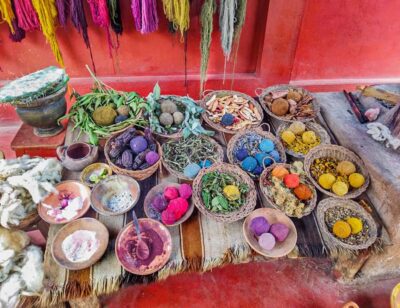
Moray, Maras Salt Mines & Chinchero Weavers Tour
Read our review →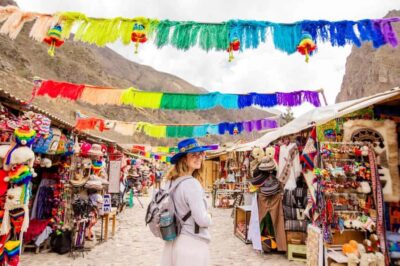
Sacred Valley, Pisac, Ollantaytambo, Salt Mines Moray
Read our review →
Chinchero,Moray & Salt Mines drop-off in Ollantaytambo
Read our review →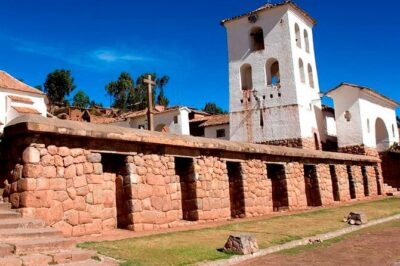
Sacred Valley and Maras Moray Tour with Full Day Buffet Lunch
Read our review →
ATV Tour to Moray Maras and Salt Mines in the Sacred Valley
Read our review →
Tour Sacred Valley & Maras – Moray with buffet lunch
Read our review →Browse the lists this tour appears in