
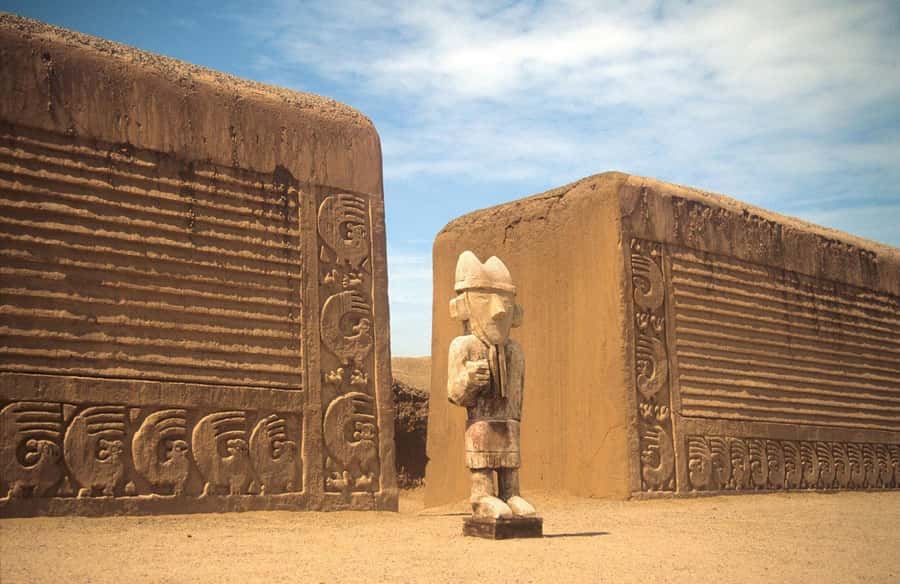
Reviewed · CHAN CHAN
From Trujillo: Temple of the Moon and Sun and Chan Chan
This trip is interesting because it strings together two key Peruvian stories in one day: the Moche world of huacas and deities, then the later Chimú era told through objects and projections. I especially like the chance to learn the symbolism behind Huaca de la Luna, including the deity Aia Paec and the carved iconography like warriors and dancers. I also like how the Chan Chan Site Museum uses ceramics, textiles, metal works, and light and sound to make the history feel organized. The main drawback to weigh is price: it costs $85, and you still need to plan for entrance tickets and lunch on your own.
You’ll be picked up in Trujillo around 10:00 AM, driven about 20 minutes to Campiña de Moche, and then you’ll move site to site until a return drop-off around 6:00 PM. If you get a strong guide, this is a great day. In past tours, guides such as Wilmer and Napoléon have been singled out for being attentive and genuinely into the subject, which makes a big difference when you’re staring at adobe walls all morning.
Before you go, make sure you’re comfortable with a packed day. One itinerary hiccup has been reported where the Huacas de Moche Museum stop didn’t happen as expected, and the pace can feel like a sprint if you want to linger.
Key things I’d focus on before you book
- Moche focus early: Huacas de Moche Museum sets the stage, then Huaca de la Luna delivers the standout visuals.
- Aia Paec and the iconography: you’ll see how the deity connects with warriors, dancers, spiders, and snakes.
- Big scale moment: from the highest level, you get a view down onto the nearby Huaca del Sol, listed at 43 meters.
- A rainbow huaca stop: Huaca Arco Iris, also called Huaca del Dragon, links the rainbow to fertility.
- Chan Chan Site Museum storytelling: ceramics, textiles, metal works, and a Chimú narrative told with light and sound.
- Your budget matters: tickets to the huacas and Chan Chan entrances, plus lunch and drinks, are not included.
From Trujillo to Campiña de Moche: the day starts at 10:00 AM
Your day begins with pickup from your accommodation in Trujillo city center around 10:00 AM. The first drive is short, about 20 minutes to Campiña de Moche, which helps because you start learning before you feel tired. It’s also a smart way to beat the heat somewhat, depending on the season.
From there, the schedule runs like this: museum first, then Huaca de la Luna. After that, you’ll get time for lunch at a restaurant, then you head into the Chan Chan portion in the afternoon. The day is designed to be efficient, not slow and dreamy. That’s good if you want one solid day of history without spending hours figuring out transport yourself.
For this tour to feel worth your time, the pacing works best if you go in knowing you’ll be collecting impressions, not reading every detail like a textbook. Your guide can help you pick out what matters most.
More Chan Chan visits:
- Full Day Trujillo Piramides Sol y Luna , Chan chan y Huanchaco
★ 5.0 · 93 reviews - Full Day Tour Huacas, Chan Chan & Huanchaco – Trujillo
★ 4.5 · 64 reviews - Full Archaeological Chan Chan Tour
★ 5.0 · 30 reviews
Huacas de Moche Museum: a three-room primer that helps the huacas click
Before you reach the religious complex, you start at the Huacas de Moche Museum in Campiña de Moche. You get archaeological remains displayed in three rooms, which is a nice structure if you’re the type who wants context before climbing into ruins.
Here’s why I like this kind of museum stop. At Huaca de la Luna, you’re going to see a lot of symbols and repeated themes. Without a short primer, it’s easy to just admire shapes and move on. With a three-room overview, you’re more likely to notice patterns, like how iconography ties to belief and power.
The museum portion is also the part I’d treat carefully. One past booking reported that the museum stop didn’t occur, which turned the morning into a weaker start. When you book, keep expectations flexible, and if the museum is important to you, consider checking that it’s included in your exact departure time and confirmation details.
Huaca de la Luna: adobe rituals, Aia Paec, and carved stories in motion
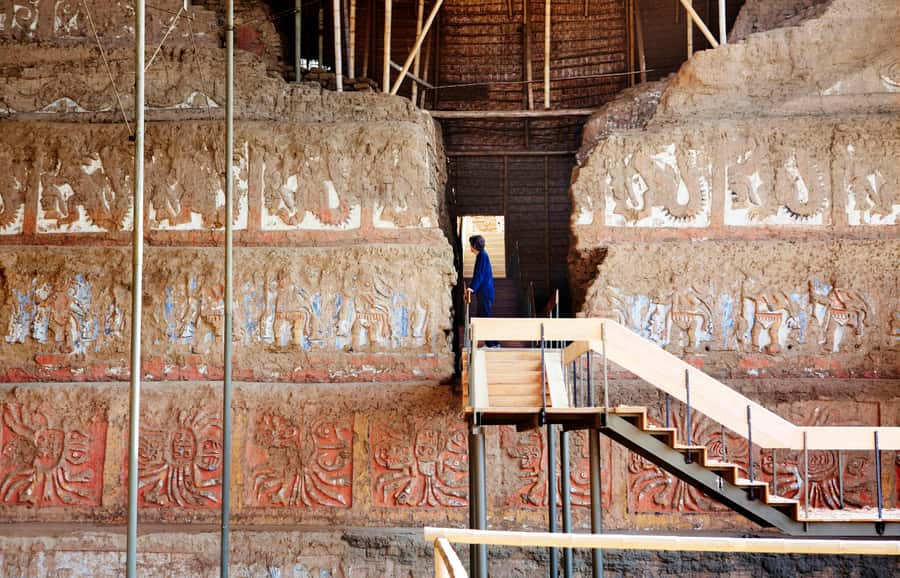
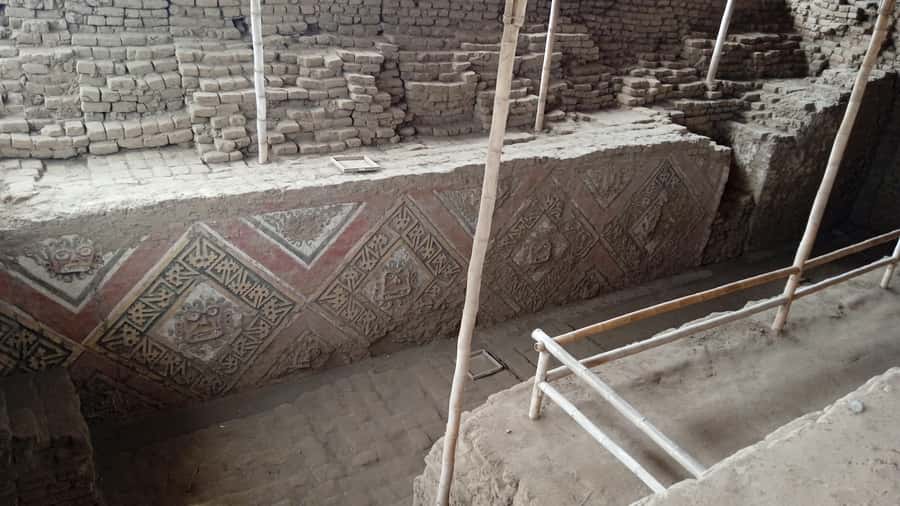
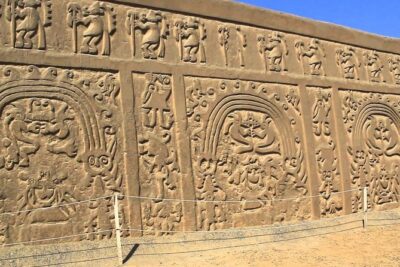
Huaca de la Luna is the big centerpiece of the morning. This is a religious architectural complex made of adobe, and the main star is the image of their deity Aia Paec displayed on site. That one detail alone gives this stop a clear hook. You’re not guessing what you’re looking at. You’re looking at what the site is showing.
What makes the experience more than just a photo stop is the iconography described here: you can spot warriors, dancers, spiders, and snakes. Even if you don’t read every label, those categories help your brain organize the visuals. Warriors and dancers suggest performance and authority. Spiders and snakes add a different kind of symbolism, one that feels linked to belief systems and the natural world.
Also, the site is elevated. From the highest level of Huaca de la Luna, you can see Huaca del Sol, which you’ll think about even if you never spend the morning on it directly. That viewpoint is a reminder that these huacas weren’t isolated monuments. They were part of a larger ceremonial and administrative geography.
If you care about getting meaning from ruins, this is where the guide matters most. A good guide helps you connect the dots between the symbols and the site’s purpose.
Seeing Huaca del Sol from above: why 43 meters changes how you picture it
One of the strongest moments in the morning comes from the view down onto Huaca del Sol, described as a 43-meter-high structure used for administrative purposes in research. That “administrative” detail is useful because it counters the idea that all huacas were purely sacred spaces.
When you’re standing at a higher level, the scale hits differently. A structure that tall can’t be just decorative. It implies coordination, labor, and a system that needed space and authority. Even if you don’t have historical specifics beyond what’s given, you can still feel the practical side of the civilization behind it.
This is also a natural moment to ask your guide a question, something like what the relationship between the two spaces might have meant. Your guide can point out how the religious and administrative functions might have connected, using the info available on site.
More Temple of the Moon walks:
- Horseback Riding Mystic Tour Temple of the Moon & Chacan Mountain
★ 5.0 · 255 reviews - Horseback Riding & Ancestral Secrets: Moon Temple & Inka Sites
★ 5.0 · 175 reviews - Cusco: 3-Hour Horse Riding Tour to the Temple of the Moon
★ 5.0 · 105 reviews - Horse Riding Chacan Mountain And Temple Of The Moon
★ 5.0 · 78 reviews
The lunch window at the restaurant: plan for your own meal and energy
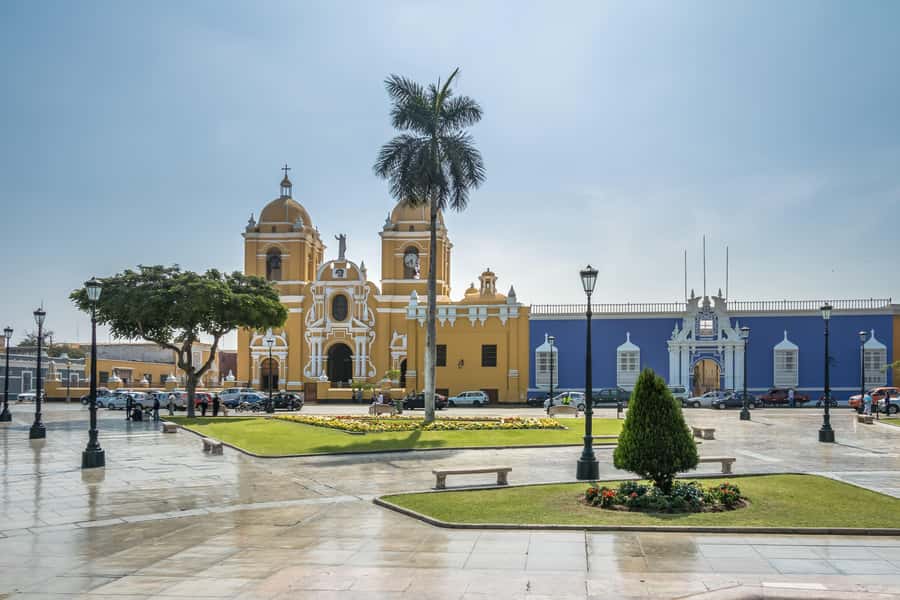
After Huaca de la Luna, you travel to a restaurant where you’re given time to enjoy lunch. Lunch itself is not included, and drinks are not included either, so I treat this part as a budget line you should expect.
The timing is helpful. Lunch time comes before 2:45 PM, and after lunch the tour starts the Chan Chan portion. That means you have enough time to eat without feeling like you’re constantly rushing for the next stop.
Practical tip: if you’re sensitive to heat or you tend to get hungry fast, don’t wait until you’re starving to order. With a scheduled afternoon, waiting can quietly steal time from your next visit. Bring water if you can, or plan to buy it on your own during the restaurant break.
Huaca Arco Iris, also Huaca del Dragon: the fertility rainbow stop
In the afternoon, you visit Huaca Arco Iris, located in the district of Hope. It’s also known as Huaca del Dragon and is dedicated to the rainbow as a symbol of fertility.
This stop is short compared to Huaca de la Luna, but it works as a change of pace. The rainbow tied to fertility is the kind of symbol that feels immediately human. You don’t need deep background to sense what the symbolism is aiming at: growth, renewal, and life cycles.
If you like myth and symbolism, you’ll probably enjoy this more than you expect. If you’re only chasing the biggest structures, you may feel it’s smaller. Either way, it’s a meaningful bridge between the Moche era focus and the later Chan Chan museum storytelling.
Chan Chan Site Museum: ceramics, textiles, metal works, and the Chimú story
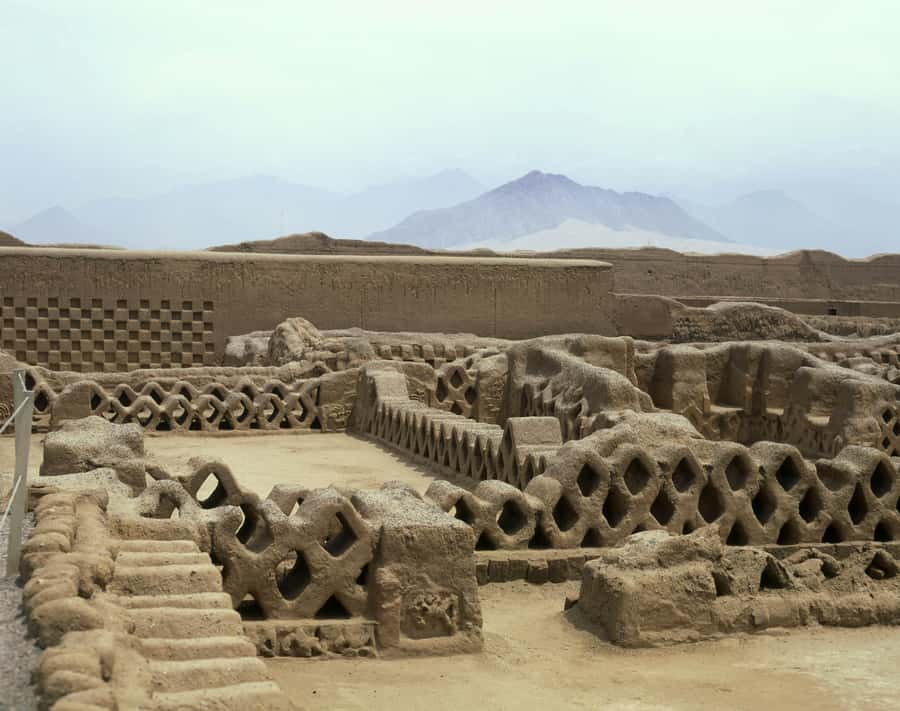
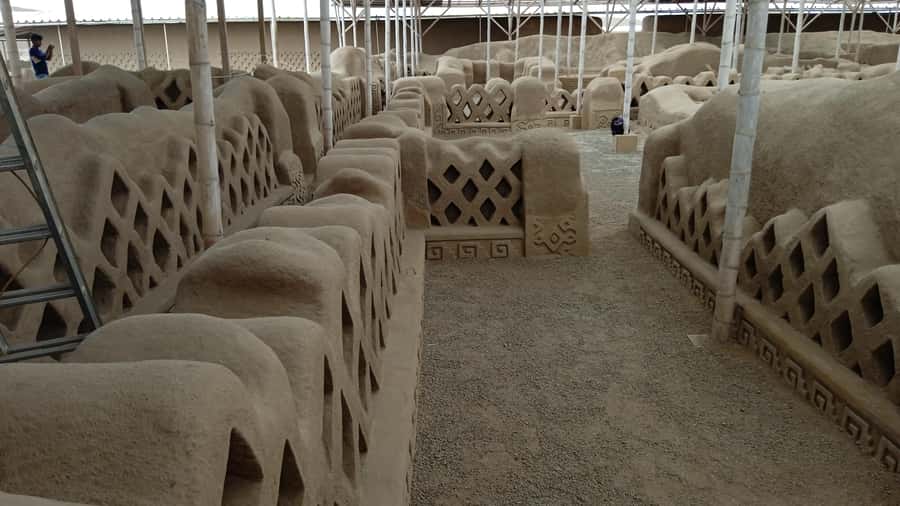
The day culminates at the Chan Chan Site Museum, which is where the focus shifts from huacas you visit to artifacts that explain what people made and valued. Inside, you’ll see ceramics, textiles, metal works, and construction materials.
What I like about the way the museum is set up is the progression through rooms. The second room shows pre-Hispanic cultural development of the region. The final room tells the Chimú story through projections of lights and sound effects.
That light and sound approach is hit or miss for some people, but it’s also one reason this stop can work well in a packed day. When you only have limited time, a short audio-visual narrative can help you understand the arc of the story without needing hours of reading.
Also, this museum setup gives you something practical to do with the day. After seeing carved iconography and adobe architecture, you leave with a clearer sense of what kinds of objects and materials people used. That makes Chan Chan feel grounded instead of abstract.
If you’re the type who loves artifacts, this is your best “slow down and look” moment.
Price and logistics: what $85 really covers, and what you’ll pay extra
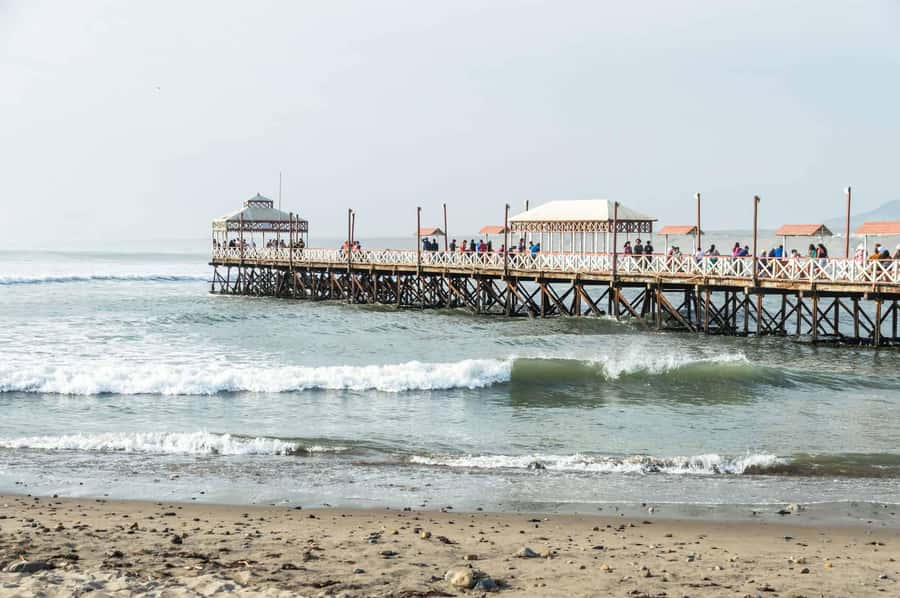
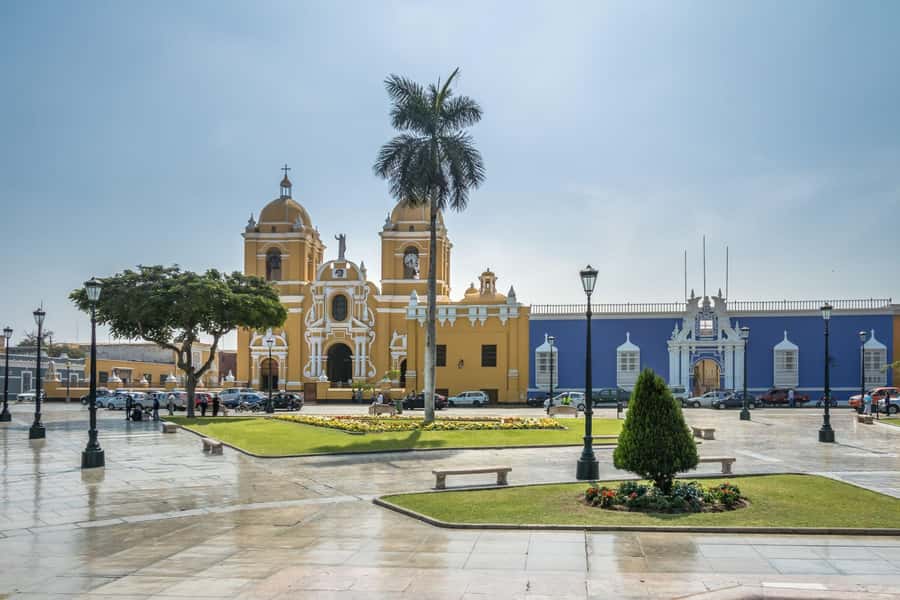
The headline price is $85 per person for a duration of about 8 hours. Included in that price are pickup from your hotel in Trujillo city center, transportation, a professional guide in Spanish or English, and drop-off to Trujillo’s main square.
Not included: tickets to the huacas and entrances to Chan Chan, plus lunch and drinks, and of course any accommodation. That missing list matters. In real terms, you should budget extra for admissions and plan to spend on lunch.
So is $85 good value? It’s fair if you do what the day is designed to do: use the guide to make sense of the sites, enjoy the museum artifacts, and treat lunch as a quick personal stop rather than expecting it to be covered. If you prefer to keep spending tightly controlled or you’re hoping for a full meal included, you may feel the total is higher once you add everything on your own.
The other value question is pace. A past experience described the day as very fast and mentioned the Huacas de Moche Museum did not take place, which hurt the feeling of value. To reduce the risk of disappointment, I’d aim to go with the mindset that you’re buying access plus interpretation, not a guaranteed slow-paced museum day.
Guides make a real difference here: Wilmer and Napoléon as examples
This tour includes a live guide in Spanish or English. That’s not just a comfort perk. It affects what you get out of ruins and symbols.
In past tours, guides such as Wilmer were described as excellent, knowledgeable, and attentive. Napoléon was also highlighted for being very good and passionate about history. Those kinds of guide traits matter because Huaca de la Luna’s value is in the interpretation of Aia Paec and the iconography. Without someone to steer you, you might miss the story the site is trying to show.
When you meet your guide, a simple strategy helps: ask one question about what you’re seeing at the moment. If you’re at Huaca de la Luna and you notice spiders or snakes, ask what those symbols are doing there. If you’re in the museum, ask what material is most important to their story of the region.
Practical tips to get more out of the day
This is an 8-hour day built around walking, sun, and reading symbols. Here’s how I’d prep to avoid a rough finish.
- Wear grip shoes for uneven paths around adobe ruins.
- Bring sun protection since you’re out during the daytime, especially after lunch.
- Use the museum first as intended. If the morning museum is running as scheduled, treat it like your decoder ring for what you’ll see at Huaca de la Luna.
- Plan your spending: set aside money for huaca and Chan Chan entrances, plus lunch and drinks.
- Ask about the highest viewpoint at Huaca de la Luna. That’s where you get the payoff view down toward Huaca del Sol.
- Don’t overpack expectations of time. It’s designed to cover multiple stops, so you’ll want to enjoy each moment rather than waiting for the perfect long pause.
Should you book this tour, or consider something else?
I’d book this day trip if you want a strong introduction to Moche religion through Huaca de la Luna, plus a guided route through Chan Chan’s story via the Chan Chan Site Museum. It’s also a good fit if you like symbolism, carved iconography, and museum artifacts enough to learn something you can actually carry home with you.
I’d think twice if you:
- expect lunch and admissions to be included in the $85
- dislike fast pacing and need long, slow time at each stop
- specifically care about the Huacas de Moche Museum as a must-see, since there have been reports of that portion not happening in at least one case
If you do book, do it with a smart mindset: this is a guided, structured day of highlights, not a fully flexible self-paced visit. If you match that style, you’ll likely feel it was worth it.
FAQ
How long is the tour?
The experience lasts 8 hours.
What is included in the price?
Pickup from your hotel in Trujillo city center, transportation, a professional guide in Spanish or English, and drop-off to Trujillo’s main square are included.
Are the Huaca and Chan Chan entrance tickets included?
No. Tickets to Huaca and entrances to Chan Chan are not included.
Is lunch included?
Lunch and drinks are not included, but you do get time at a restaurant to enjoy lunch.
What time does pickup happen?
Pickup is around 10:00 AM in Trujillo, and the tour returns with drop-off around 6:00 PM.
What languages is the guide available in?
The guide can be in Spanish or English.
Recently reviewed around Trujillo
- Shore Excursion from Salaverry port★ 4.5 · 8 reviews
- Pyramids of the Sun and the Moon, Huanchaco and Chan Chan★ 4.8 · 11 reviews
- Pyramids of the Sun and the Moon, Huanchaco and Chan Chan★ 4.1 · 9 reviews
- Full Archaeological Chan Chan Tour★ 5.0 · 30 reviews
- Customize Cruise Ship Full Day tour – English Guide★ 4.5 · 42 reviews
- Full Day Trujillo Piramides Sol y Luna , Chan chan y Huanchaco★ 5.0 · 93 reviews
- Full Day Tour Huacas, Chan Chan & Huanchaco – Trujillo★ 4.5 · 64 reviews
- From Trujillo: Complete full day tour with museums★ 5.0 · 5 reviews
Chan Chan, compared.
Full Day Trujillo Piramides Sol y Luna , Chan chan y Huanchaco
Read our review →
Full Day Tour Huacas, Chan Chan & Huanchaco – Trujillo
Read our review →
Pyramids of the Sun and the Moon, Huanchaco and Chan Chan
Read our review →Pyramids of the Sun and the Moon, Huanchaco and Chan Chan
Read our review →Browse the lists this tour appears in