
Reviewed · FULL-DAY TOURS IN CUSCO
Full day tour of Qeswachaca Inca Bridge
Cusco has plenty of famous ruins. Qeswachaca gives you something rarer, a working Inca suspension bridge that local families rebuild using grass ropes, right over the Apurimac canyon. It is dramatic, practical, and very real, because you are not just looking at history, you are crossing it.
What I like most is the combo of views with meaning. You start with river confluences tied to Inca Sacred River stories, then you end with the bridge construction process explained on the spot. The other big win is the logistics for a long day: hotel pickup and drop-off, fluent English guide, and included meals help you focus on the experience instead of figuring out rural roads. The one drawback to plan for is the early start and the physical effort, since there is a steep path down for bridge viewpoints and the trip reaches up to 3,800m.
Qeswachaca Inca Bridge Tour at a Glance (Cusco to Apurimac Canyon)
Here is the quick picture: this is a full-day Qeswachaca Inca Bridge day trip from Cusco with a small group size (up to 20). You leave very early, ride out through Canas province, stop at viewpoints and rural towns, and then descend to the bridge before crossing it together.
The official duration is about 12 hours. Pricing is $40 per person, which is low for a full-day van tour that includes a professional guide, transportation, breakfast, lunch, and even a first aid kit with emergency oxygen. Two costs to remember: bridge entrance fees and the mini volcano entrance fee are not included.
Key Reasons This Day Trip Works So Well
- Small group feel (max 20), so you can actually hear the guide and get decent photo time
- A bridge crossing you can do yourself, not just view from the roadside (not recommended for vertigo)
- River confluence viewpoints that connect scenery to Inca geography, especially Salcca and Vilcanota
- Grass rope bridge construction explained on site, with hands-on style guidance from the bridge attendants
- A whole day away from the city, including outlying Canas towns that are hard to reach on your own
More Full-Day Tours in Cusco
- Excursion to Rainbow Mountain Full Day Optional Red Valley
★ 5.0 · 2,996 reviews - Excursión to Humantay Lake Full Day from Cusco
★ 5.0 · 2,150 reviews - From Cusco: Full-Day Group Tour of Machu Picchu
★ 4.7 · 1,767 reviews
Price and Logistics: Why $40 Can Be a Good Deal
At $40, you are paying for the big pieces: pickup and drop-off in Cusco, transportation for a long drive, an English-fluent guide, and meals. You also get a first aid kit that includes emergency oxygen, plus altitude tablets. For an all-day outing at altitude, that is real value, because small extras add up fast when you DIY.
Now the trade-off: two entrances are extra. The Qeswachaka Bridge entrance fee is not included, and the mini volcano entrance fee is not included either. So budget a bit more than the sticker price, and you will feel prepared instead of surprised.
One more practical note: the schedule can feel tight because it is an early departure, a long drive to the canyon edge, then a sequence of stops. If you get motion-sick or need frequent bathroom breaks, use the scheduled stops and pace yourself, since the bus does not have a toilet.
Early Morning Start in Cusco, Then the Long Ride South
This trip starts extremely early. The listed start time is 4:30 am, and the tour notes also mention an early start around 7:00 am because Qeswachaca is about four hours from Cusco by car. That means your best move is to check your confirmation message for the exact pickup timing and meet point details.
Once you are on the road, the point is not just travel time. This is where you shift from Cusco’s rhythm to Canas province. You pass through countryside that feels mostly agricultural and pastoral, with frequent stops that let you slow down. In the process, you get a sense of how locals live and move between farms, fences, and small towns.
The trip reaches a maximum altitude of 3,800m. If you are altitude sensitive, do not ignore that. The tour carries oxygen cylinders and altitude tablets, and they will treat you accordingly if symptoms show up.
Cusipata Breakfast: Fuel Up Before the Canyon Views
Your first main stop is Cusipata, where you have a buffet breakfast that runs about 1.5 hours. This is more than a meal stop. It is your chance to eat calmly before a day that involves early timing, rural roads, and a steep walk down to viewpoint areas.
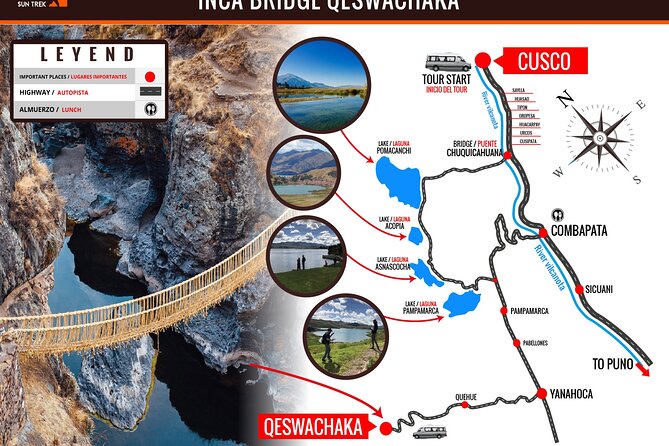
After breakfast, you continue by van for about 30 minutes to the Combapata viewpoint. You get a real payoff for getting up early here: you look out across the place where the Salcca River meets the Vilcanota. The Vilcanota is often described as the Sacred River of the Incas, and this is the kind of geography your guide can tie back to Inca thinking.
If you like photos, this is one of your best light opportunities. If you do not, you still benefit from the break and the views that set the stage for what comes next.
A few more Cusco days worth comparing
- Classic Inca Trail Trek 4D/3N to Machu Picchu (Group Service)
★ 5.0 · 8,653 reviews - Cusco: Rainbow Mountain and Red Valley Day Trip with Meals
★ 4.9 · 4,893 reviews - Machu Picchu: 4-Day Inca Trail Trek with Panoramic Train Ride
★ 5.0 · 4,568 reviews - Salkantay Classic Trek 5 Days from Cusco
★ 5.0 · 4,062 reviews
Combapata Viewpoint: River Confluence and Sacred Geography
The Combapata stop is short, around 15 minutes. That is enough time to take a few photos, catch your breath, and listen while your guide explains what you are seeing.
What makes this stop worthwhile is the connection. You are not just looking at a canyon edge and calling it good. You are looking at river geography that matters in the Inca worldview, especially the Sacred River story around the Vilcanota.
Come prepared for cool air and sun glare. Even when the rest of the day is warm, viewpoints can feel brisk, and you will want layers you can handle without slowing down the group.
Heading Toward Q’ewe District: Steep Roads and First Bridge Glimpses
From the Combapata area, you drive deeper toward the Canas province route. The day moves from big-picture viewpoints into smaller districts, including time in areas around Yanaoca, then onward to the Q’ewe district.
As you approach the canyon edge, you get your first glimpse of the bridge area while you descend. The best part of this phase is that it sets expectations. The bridge is suspended between steep rock cliffs, and the path down is real enough that you will feel it in your legs.
This is a moderate fitness tour. The steep path down to viewpoint areas is part of the experience. If you have knee issues or you hate uneven steps, consider that before booking.
Entering the Bridge Zone: The Walk Down and Photo Viewpoints
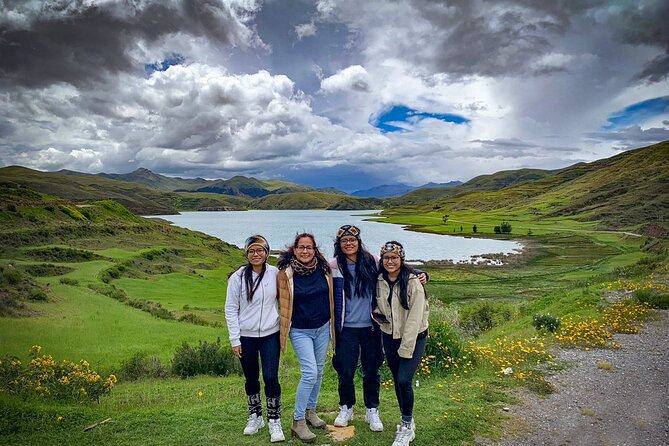
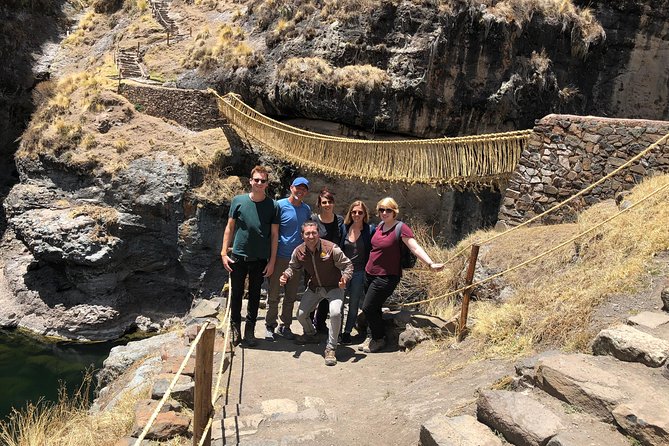
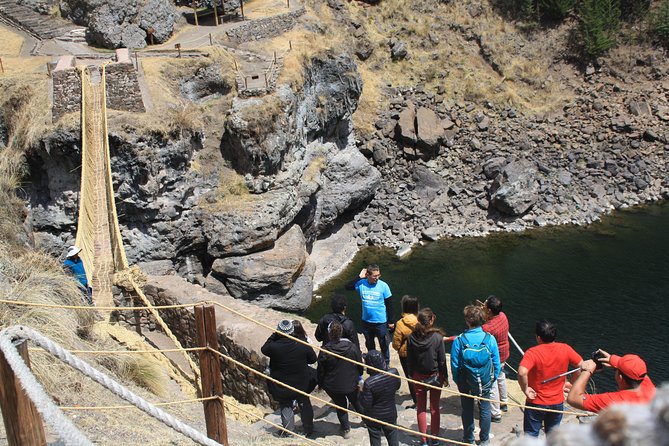
Before crossing, the group leaves the vehicle and heads down a steep path to reach a viewpoint. This stretch is where the day stops being just scenic and starts being physical.
You will likely get time to take photos from the viewpoint before the crossing. Then an attendant greets the group on the far side and gives a brief explanation of the bridge’s history and construction.
This is also when you see the bridge as more than a photo subject. You notice the narrowness and the swaying motion. The rope bridge is about 28 meters long and 1.2 meters wide, and that width matters when you are trying to balance calmly.
Crossing Qeswachaca: What It Feels Like and How It’s Built
Crossing Qeswachaca is the centerpiece. All visitors are welcome and encouraged to cross, but if you have vertigo, it is not recommended. The bridge sways, and you will be looking down at a few meters below at the river.
Here is the practical reality I would plan for: take it slow, keep your eyes mostly forward, and focus on steady steps. This is not a speed challenge. You are crossing something maintained by local knowledge, and your guide and attendants help make it feel safe and orderly.
The construction story is what makes the crossing feel extra meaningful. In the explanations you hear on site, the annual rebuilding process is described as a multi-day effort, with local families playing roles in preparing and weaving grass ropes. One common detail shared during these explanations is that each strand involves soaked and pressed grass, woven into ropes, and that families are responsible for parts of the bridge. Your guide may also discuss the importance of balance and oversight during the rebuild process.
If you pay attention, the bridge becomes a living craft you can picture step by step, not just a cultural photo.
After the Bridge: Mini Volcano Stop and Canas Town Time
Once you cross and head back, the fun keeps going. Your route includes additional stops that help you understand Canas province beyond the bridge headline.
A highlight is the stop at a mini volcano area. Entrance for this is not included, so plan to pay on the spot if it is part of your exact day schedule.
You may also have time in towns such as Pampamarca and surrounding communities, including market plaza vibes and small town landmarks. The goal here is texture: you get a sense of everyday life, not just monumental sites. If you enjoy meeting the local rhythm of the day, this portion is where it clicks.
Picnic Lunch by the Lagoons: A Calm Break From the Canyon Excitement
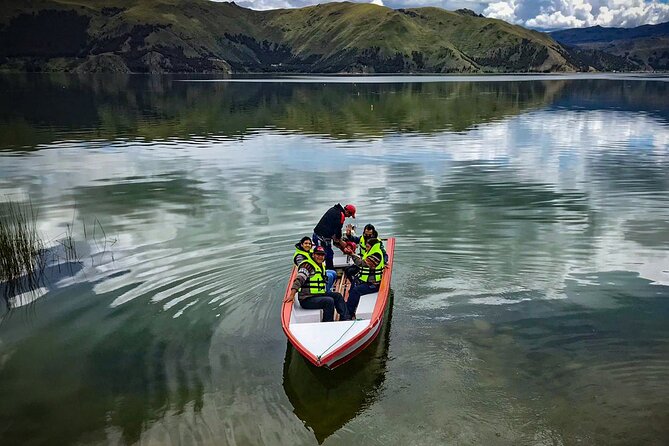
Food on a long day trip matters, and this tour does it right with a semi buffet lunch. The lunch often includes picnic style time by the lagoons, which gives you a quiet reset after the adrenaline of the bridge crossing.
If you care about dietary needs, there is a vegetarian option available when you book. That is not something you can assume on every rural day trip, so it is a plus.
One of the best things about the lagoon time is that you can actually relax. You may find local ladies doing laundry by the water, and you may spot birds depending on the season. Even if flamingos are not guaranteed, the lagoons themselves tend to feel peaceful in a way a city park never quite does.
How the Stops Are Sequenced, and Why It Matters
This day trip works because it builds momentum in a smart order.
1) Breakfast and early viewpoints get you fed and oriented.
2) Scenic stops show river meaning, then canyon scale.
3) Steep descent and bridge crossing is the adrenaline peak.
4) Towns and lagoon lunch bring you back to calm and local life before heading home.
That sequencing matters because it prevents the day from feeling like a rushed scavenger hunt. Even with a packed schedule, you get real breaks at the viewpoints, and you end with a slower, scenic meal period.
Safety, Altitude, and Comfort Tips That Actually Help
Altitude is real on this outing, with a max of 3,800m. The good news is the tour carries emergency oxygen cylinders and altitude tablets, and they have a first aid kit ready. You should still take altitude seriously: hydrate, move slowly on the steep sections, and do not treat the day as if you are at sea level.
For comfort, wear comfortable clothes and walking shoes. The tour includes some walking on uneven ground, especially near the bridge viewpoint descent.
Also, the bus does not have a toilet. You will do better if you plan to use bathroom breaks when they happen rather than waiting until you feel desperate.
If you bring a camera, think about getting extra shots during the bridge explanation moment. The attendant demonstration and the guide’s construction details add context that makes photos better later.
The Best Part: Guide Energy and Operation That Feels Put Together
What consistently shines here is how smoothly the day runs and how much meaning the guide adds. You will meet a professional guide fluent in English. People have praised guides such as Jesus Villafuerte for being organized, and they have also mentioned other staff like Rony and drivers like Willy for going above and beyond.
In practice, that matters because the bridge crossing is easier when you trust the flow. Your group gets clear instructions, the bridge attendant does the on-site explanation, and you are not scrambling for timing or translation when the day gets intense.
It also makes the rural stops more rewarding. When you can connect river confluences, town landmarks, and the canyon setting back to Inca and local context, the day stops being just sightseeing.
Who Should Book This Qeswachaca Full-Day Trip
This is a strong fit if you want:
- a full-day cultural nature outing with a real activity at the end
- the chance to cross a grass rope Inca bridge (if you do not have vertigo)
- a well-run day that includes meals so you are not hungry and stressed at key moments
- a smaller group experience, since the tour caps at 20
It may be less ideal if:
- you are very sensitive to altitude or you struggle with steep steps
- you dislike early mornings and long drive days
- you have vertigo or you know the swaying bridge would spike anxiety
Final Call: Should You Book the Qeswachaca Bridge Day Trip?
If you are in Cusco and you want one unforgettable, high-value day that goes beyond the usual checklist, this is a smart choice. The combination of hotel pickup, included meals, expert guiding, and the bridge crossing makes the $40 price feel reasonable, and the extra entrances are easy to plan for.
If you can handle altitude and you are comfortable with a steep walk and a swaying crossing, I think you should book. If not, you can still enjoy the viewpoints and explanations, but double-check whether your comfort level matches the bridge crossing encouragement.
In short: this is one of those days where the logistics help, and the main event is genuinely worth the long drive.
FAQ
What time does the Qeswachaca Inca Bridge tour start?
The tour start time is listed as 4:30 am, and the day is described as an early departure since the bridge is about four hours from Cusco. Your confirmation message should be your guide for the exact timing.
How long is the full day tour?
It runs for about 12 hours. The tour description also notes it finishes around 7:00 pm.
What’s included in the price?
Pickup from your hotel, a professional guide fluent in English, tourist transportation, semi buffet breakfast, and semi buffet lunch are included. The tour also includes a first aid kit with an emergency oxygen tank.
Are entrance fees included for the bridge and mini volcano?
No. The Qeswachaka Bridge entrance fee is not included, and the mini volcano entrance fee is also not included.
Can I cross the bridge?
Yes. The tour says all visitors are welcome and encouraged to cross, but crossing is not recommended for visitors with vertigo.
What is the maximum altitude on the tour?
The maximum altitude listed is 3,800m (12,468ft).
Is there a toilet on the bus?
There is no toilet on the bus, but the group can stop for toilet breaks.
Recently reviewed around Cusco
- 6-Day ||All Included|| Excursion – MachuPichu & Rainbow Mountain-Humantay Lake★ 4.5 · 8 reviews
- Horseback Riding thru the Mountains of Cusco★ 5.0 · 8 reviews
- Cuzco City Tour and Archaeological Ruins in Half Day★ 5.0 · 8 reviews
- Full Day – Rainbow Mountain tour – Group Service★ 5.0 · 8 reviews
- Half Day Tour in Cusco: Exploring the City and Four Ruins★ 4.5 · 8 reviews
- Cusco 4 Days Machu Picchu and Sacred Valley | All included★ 5.0 · 8 reviews
- Machu Picchu and Sacred Valley 2 Day Tour★ 5.0 · 8 reviews
- Walking Tour in Legendary & Historical Cusco City★ 4.5 · 8 reviews
Full-Day Tours in Cusco, compared.
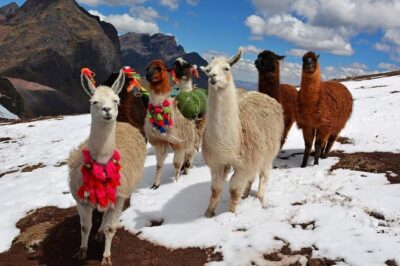
Excursion to Rainbow Mountain Full Day Optional Red Valley
Read our review →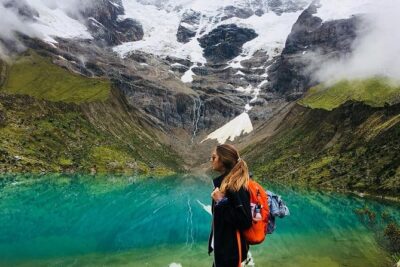
Excursión to Humantay Lake Full Day from Cusco
Read our review →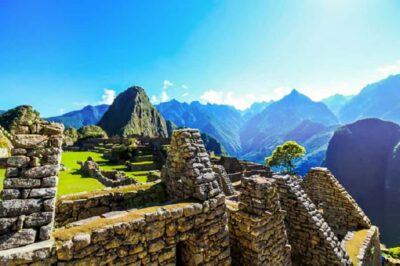
Machu Picchu Full Day from Cusco by Panoramic Train
Read our review →
Humantay Lake Full Day Trek from Cusco with Lunch
Read our review →
Sacred Valley and Maras Moray Tour with Full Day Buffet Lunch
Read our review →Browse the lists this tour appears in