
Reviewed · MACHU PICCHU
Inca Jungle Trail to Machu Picchu 4 Days
If you want Machu Picchu without the same old sit-and-wait routine, this Inca Jungle Trail style trip is interesting because you start high in the Andes and work your way down through jungle areas, with real adventure built in. You get nine included meals, plus a small group feel (max 10 people), and the day that counts most, Machu Picchu, is handled with guided sunrise access and transportation.
I especially like how the itinerary strings together big-feeling activities that actually change the scenery fast, from mountain biking starting around 4,300m down toward the high jungle. I also like that the team behind the tour, Vidal Expeditions, is repeatedly praised for guide care and smooth logistics, with names like Amaru, Francisco, Urbano, and Jose Antonio coming up in the field.
One possible drawback to keep in mind is that this is not a light, casual tour. Between steep altitude changes and long blocks like an 8-hour hike, you should be ready for a physically active 4 days, with weather in the mix too.
Key Highlights at a Glance
- High-to-jungle mountain biking with about 42 km of descent from Abra Málaga to Huamanmarca
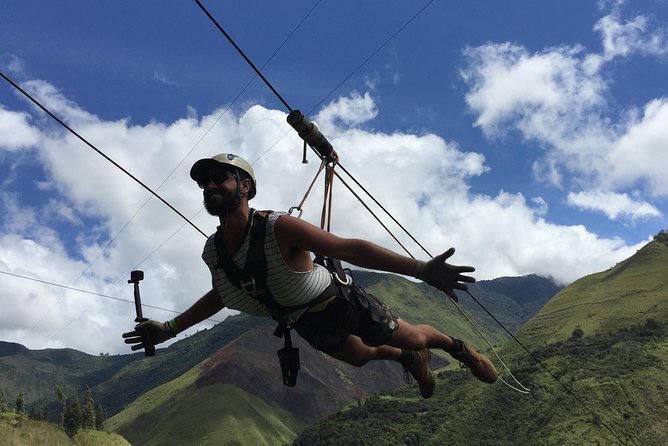
- Adventure-heavy days that can include biking, hiking, rafting (I-II-III), and zipline time over the Urubamba valley
- Nine meals included, with breakfast, lunch, and dinner spread across the trip
- Small group size capped at 10 travelers for a more personal pace
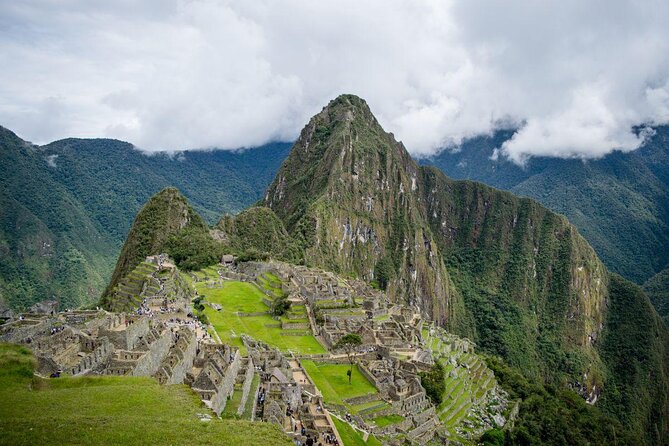
- Machu Picchu admission included, plus an early guided visit for sunrise viewing
- All-in transportation links across Cusco, Santa María, Santa Teresa, Aguas Calientes, and back
Why This Inca Jungle Trail Works So Well
This tour is built for people who want Machu Picchu, yes, but also want the route to feel like a story you lived, not a checklist you crossed off. Instead of flying straight down or taking one long bus day, you ride your way from the high Andes into jungle zones, then add hikes and optional adrenaline time along the way.
The most practical win is the way it reduces stress. You have scheduled pickups, transportation, gear for biking, and lodging for 3 nights. That matters in Cusco because timing can be unforgiving, especially with early departures and connection points like buses, trains, and the Aguas Calientes area.
The second win is the “variety with purpose” pattern. Each day changes your setting and your body workload. You’re not just swapping scenery, you’re swapping effort level too, which helps you stay mentally engaged even when you’re tired.
More Inca Jungle treks:
- 4-Day Inca Jungle Trail to Machu Picchu Hiking and Biking Tour
★ 5.0 · 438 reviews - 4-Day Adventure Tour: Inca Jungle Trail to Machu Picchu
★ 5.0 · 426 reviews - 4-Day Inca Jungle Tour: Machu Picchu Biking, Rafting, and Zipline
★ 5.0 · 241 reviews
Price and Value: What You’re Really Paying For
At $530 per person, you are not just buying a ticket to Machu Picchu. You’re paying for the full structure: 3 nights of accommodation, a guide, biking equipment (bike, helmet, gloves), Machu Picchu admission, and the returning train journey. On top of that, you get breakfast, lunch, and dinner included across the 4 days, plus internal transportation to connect each activity.
To judge value, I look at what you would otherwise have to figure out yourself in Peru. In a place like this, the “hidden cost” is often the coordination: lodging options that actually work for the schedule, the right transport timing, and the right gear. Here, you’re handed those pieces.
Two small items to know so you aren’t surprised: you don’t get a water bottle included, and your package does not include your first breakfast and your last lunch. Everything else in meal terms is covered for 3 breakfasts, 3 lunches, and 3 dinners, which matches the highlight of nine provided meals.
Day 1: Abra Málaga Bike Start, Santa María Lunch, and Rafting Time
Day 1 starts early, with your guide picking you up from your Cusco hotel between 6:00 and 6:30 am. That morning timing matters because you’re moving toward Abra Málaga around 4,315m (14,156 ft). You then pass through Ollantaytambo on the way, which is one of those places where you can briefly feel why so many people base themselves in the Sacred Valley.
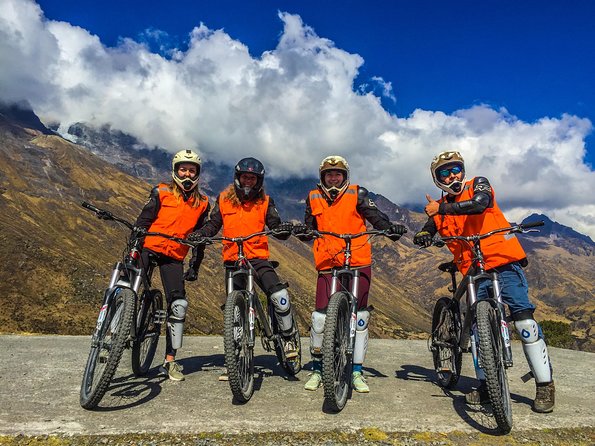
Once you arrive, the biking is the first big “wow, that’s a lot of altitude” moment. You’re looking at about 2.5 hours of mountain biking and a descent around 42 km toward Huamanmarca, headed from the mountains into high jungle. This is not a gentle ride, but it is designed as a controlled downhill style experience, which is part of what makes it so popular.
After a short rest, you continue to Santa María at about 1,200 meters. Lunch and downtime land there, which is smart because you’re shifting from thin air and cooler conditions to warmer, wetter jungle zones.
Then comes the river fun: rafting with a class I-II-III setup and some rapids. In the real world, this is the part where you want to trust the instructors. In multiple accounts tied to this tour, rafting is described as safe with professional guidance, which is exactly what you want if you’re doing this for the first time or you just don’t want to worry about your group’s safety.
You finish Day 1 with your first night at a lodge surrounded by forest. The comfort detail I like here is that accommodations are repeatedly described as private with a bathroom, so you’re not forced into dorm life after an active day.
Day 2: Rain Forest Hike, Local Farms, Inca Trail Footsteps, and Hot Springs
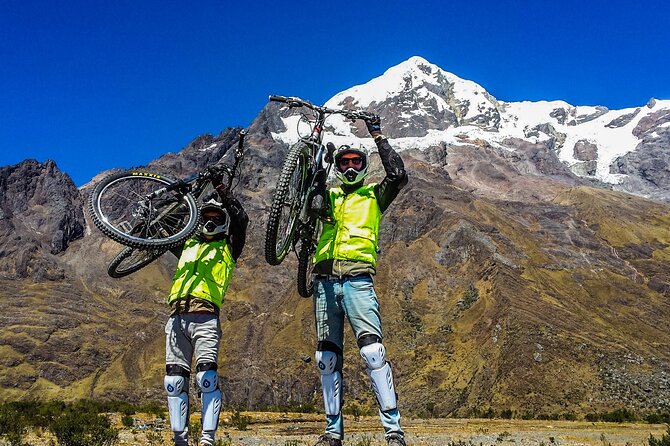
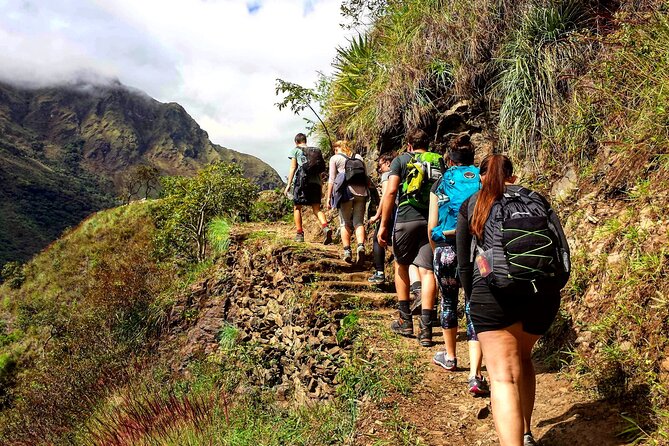
Day 2 is the long one. You start with breakfast and then hike from Santa María through vegetation and mountainous areas toward Santa Teresa. The schedule calls for about 8 hours of walking over roughly 15 km, and it’s set in rain forest terrain, so expect conditions that can feel slippery and damp.
This is also the day where the “cultural” portion doesn’t feel bolted on. You visit local families and their farms, with crops like coca, coffee, and fruits, and you get a window into how people live and work in this region. You’re also hiking on a section described as Inca trail style, with your guide sharing Inca history along the way. If you care about understanding what you’re seeing, this is the day to lean in, because the stops help translate jungle scenes into human stories.
After lunch, you continue your hike toward Banos Termales de Cocalmayo for hot springs relaxation. Here’s the practical note to pay attention to: the itinerary describes the hot springs time as having admission ticket free, but the package details list the hot springs entrance ticket as not included. Because that’s a direct conflict in the provided info, you should check what your specific booking includes before you arrive.
You spend the second night in Santa Teresa. This area is known as a base for jungle-adventure routes, and some accounts connected to this tour mention lodges and nearby local spots like Kat Café in Santa Teresa. If your trip includes time to eat well after a hike, that matters more than you think.
More ways to reach Machu Picchu:
- Classic Inca Trail Trek 4D/3N to Machu Picchu (Group Service)
★ 5.0 · 8,653 reviews - Machu Picchu: 4-Day Inca Trail Trek with Panoramic Train Ride
★ 5.0 · 4,568 reviews - Short Inca Trail to Machu Picchu 2D/1N
★ 5.0 · 3,007 reviews - 2-Day Inca Trail to Machu Picchu with Panoramic Train
★ 5.0 · 1,876 reviews
Day 3: Zipline Over the Urubamba River, Lunch at Hidroeléctrica, and the Walk to Aguas Calientes
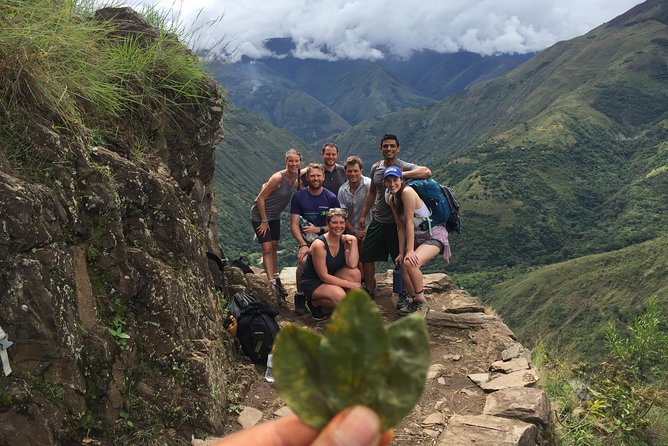
Day 3 starts with the adrenaline option: zipline. You head to the zipline base camp, where instructors explain the setup in detail before you fly. Your booked flight time is listed as about 2 hours over a valley with views tied to the Urubamba River.
One key value point here is safety and training time. In accounts tied to Vidal Expeditions, ziplining is described as fun but also guided well. In other words, this isn’t just a ticket to swing on cables, you get instruction first.
Next, you travel to Hidroeléctrica for lunch. After that, you walk to Aguas Calientes, following the railway line, which takes about 3 hours. This part is more of a steady grind than a big set-piece activity, so pace yourself. You’ll probably find you can enjoy it more if you stop thinking of it as “getting there” and start treating it as part of the lead-up to Machu Picchu.
You spend the third night in a hotel in Aguas Calientes, which puts you in the right position for the sunrise-focused Day 4.
Day 4: Guided Sunrise at Machu Picchu, Circuit 2 Time, and the Train Back
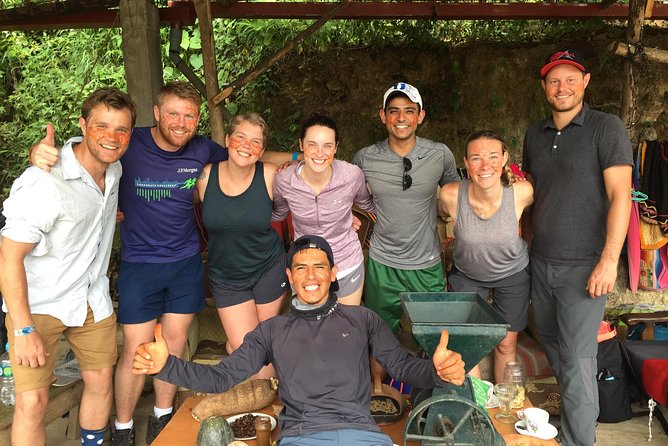
Day 4 is the payoff day. Your guide comes to your hotel very early so you can board the bus up to Machu Picchu. The key detail here is that you go to the best viewing place to catch sunrise, so you’re not wasting time wandering in the dark.
Once you reach the site, you get guided exploration and time to take photos. You also get time for a free segment, because seeing Machu Picchu is one thing, and getting your own photos and deciding what you want to linger on is another.
Your Machu Picchu visit includes admission, and some accounts tied to this tour mention Circuit 2. That’s helpful because Circuit structure affects where you can walk and what viewpoints you hit in what order.
After exploring, you return to Aguas Calientes for lunch time. Then the transport chain continues: you take the train to Ollantaytambo and then ride back to Cusco by bus. The reason I like this setup is simple. When Machu Picchu is involved, the ending often gets chaotic. Here, you get a scheduled train return link instead of trying to improvise your way out.
Guides, Teamwork, and the Small Group Advantage
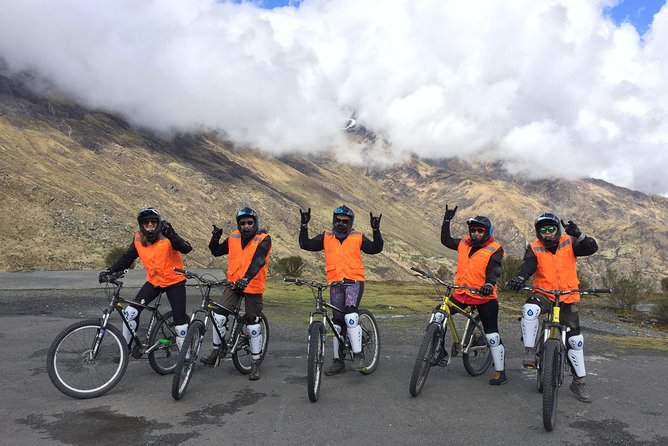
The small group size matters on tours like this because the schedule has moving parts. This experience is capped at 10 travelers, which usually means less waiting around during transitions and more time for your guide to answer questions.
Vidal Expeditions guides are a big part of why people come back to this route. Names that come up include Amaru, Francisco, Urbano, and Jose Antonio, and the common theme is active care. People note guides staying attentive, supporting the group across multiple adventure activities, and sharing context that makes the route feel more meaningful.
There are also practical support details that you can appreciate after you’ve done enough days in Peru. Multiple accounts mention a team of cooks and porters as part of the overall setup. One standout detail you should know is that in at least one case, altitude symptoms were supported during the trek for about 24 hours, which highlights that this is not a “good luck” situation if something goes sideways for you.
Fitness Level and Weather Reality Check
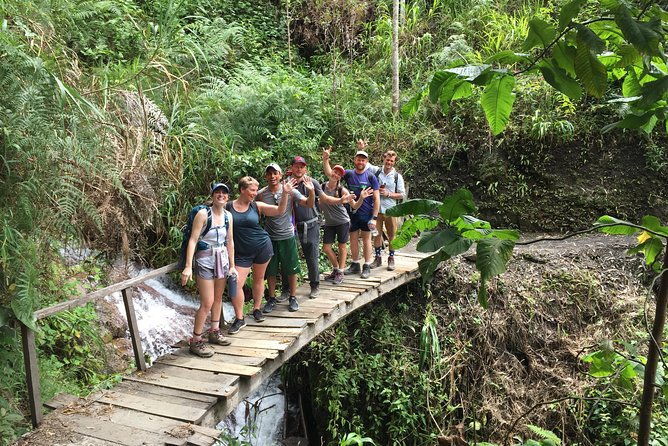
This is listed as moderate fitness. That’s not vague in your body once you see the day plan. Day 1 includes a long downhill ride. Day 2 includes about 8 hours of hiking. Day 3 includes ziplining time and then about 3 hours walking along the railway line.
The altitude also changes quickly. You start Day 1 around 4,315m and move toward 1,200m by the end of the day. That’s exciting, but it also means your body will feel the transitions. If you tend to get altitude headaches or you’re unsure how you’ll respond, consider taking it slow early and let your guide know if you feel off.
Weather is required to be good. This tour specifically notes it depends on good weather and can be changed or refunded if canceled due to poor weather. That matters because jungle-adventure routes can be disrupted by rain, mud, and safety conditions around river activity and trail footing.
What to Expect From the Included Meals and Lodging
Food is a big deal on active tours, because you need calories and you need them at the right times. This package includes 9 meals total across the trip, matching 3 breakfasts, 3 lunches, and 3 dinners.
The best part of an included food plan is timing. When everything is scheduled, you are less likely to get stuck searching for food that matches your energy needs. Accounts tied to this tour describe food as varied and using local ingredients, which I take as a sign you’re not eating the same bland set each day.
Lodging is included for 3 nights. Many accounts describe accommodations as private with a bathroom. That is a quiet comfort after rain forest hikes and active days, and it can change how much you enjoy the next morning.
Optional Rafting and Zipline Costs: How to Decide
Your package details list optional activities: rafting and zipline at $30 USD each. Yet the day-by-day description schedules rafting and zipline time. That likely means your specific booking may include them, or you may add them depending on what you selected.
Here’s how to decide without overthinking it:
- If you’re confident with adventure and want the full “Inca Jungle Trail” feel, plan for rafting and zipline being part of your trip.
- If you want a less intense day, clarify ahead of time what is included versus what is add-on for your exact departure.
Either way, don’t wait until the last moment. You want clarity before you spend money on activities, gear, and transport connections.
So, Should You Book This Inca Jungle Trail to Machu Picchu?
I think this tour is a strong pick if you want Machu Picchu plus a route that feels alive. The value stands out because Machu Picchu admission, 3 nights lodging, biking gear, multiple meals, and the return train are all built into the package. The small group size, max 10 travelers, also makes the experience feel more personal than big-group schedules.
I would hesitate if you want a relaxed, low-effort vacation. The hike blocks and the altitude shifts are real work. Also, be ready for the weather dependency and double-check anything that has conflicting inclusion details, especially hot springs ticket coverage.
If you’re excited by mountain biking from high elevations, rain forest walking with local farm visits, and a sunrise-focused Machu Picchu day, then this is one of the more satisfying ways to reach the site. You’re not just arriving at Machu Picchu, you’re traveling there.
FAQ
What time is pickup in Cusco?
Pickup starts early. The guide comes to your hotel between 6:00 and 6:30 am, and the tour start time is listed as 6:00 am.
How many people are in the group?
This experience has a maximum of 10 travelers, so it stays small.
What’s included in the tour price?
Included items are 3 nights of accommodation, an adventure and cultural guide, mountain biking equipment (bicycle, helmet, gloves), Machu Picchu admission, the returning train journey, and meals listed as 3 breakfasts, 3 lunches, and 3 dinners. It also notes that the Machu Picchu admission is included.
Are rafting and zipline included, or do I pay extra?
Rafting and zipline are listed as optional activities at $30 USD each.
Is the hot springs entrance ticket included?
The hot springs entrance ticket is listed as not included. The day plan also shows hot springs admission ticket free, so you should confirm what your specific booking includes.
What happens if the tour is canceled due to weather or not enough travelers?
The experience requires good weather. If it is canceled due to poor weather, you are offered a different date or a full refund. If it is canceled because the minimum number of travelers is not met, you are offered a different date/experience or a full refund.
Recently reviewed around Cusco
- Cusco Cooking Class by ChocoMuseo in Cusco★ 5.0 · 29 reviews
- ATV Adventure to Moray and Maras Salt Mines – Half Day★ 4.5 · 29 reviews
- 1-day excursion to Machu Picchu from Cusco★ 5.0 · 29 reviews
- Private Tour Sacred Valley, Chinchero, Maras Moray, Ollantaytambo★ 5.0 · 29 reviews
- From Cusco: Humantay Lake with Breakfast and Buffet Lunch★ 4.5 · 29 reviews
- 4 Day – Inca Jungle to Machu Picchu★ 5.0 · 29 reviews
- 2-Day Machu Picchu Tour by Train from Cusco★ 4.5 · 29 reviews
- 2-Day Sacred Valley and Machu Picchu Tour By Train★ 4.5 · 29 reviews
Machu Picchu, compared.
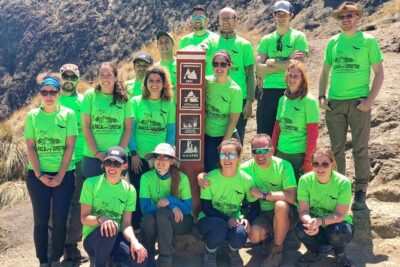
Classic Inca Trail Trek 4D/3N to Machu Picchu (Group Service)
Read our review →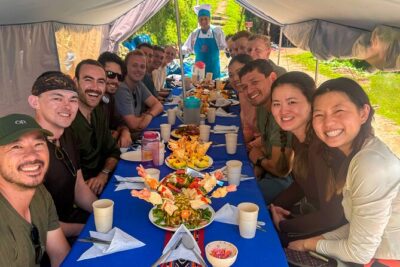
4-Day Inca Trail Trek with Panoramic Train Ride
Read our review →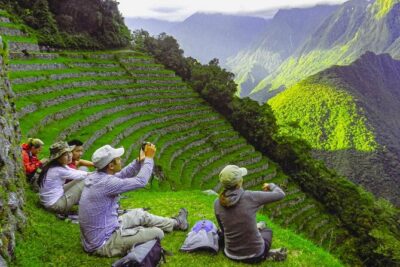
2-Day Inca Trail to Machu Picchu with Panoramic Train
Read our review →

2-Day Tour: Sacred Valley and Machu Picchu by Train
Read our review →
Browse the lists this tour appears in