
Reviewed · MACHU PICCHU
Inca Quarry Trail Trek to Machu Picchu 4-Day
This 4-day Inca Quarry Trail Trek to Machu Picchu is interesting because it strings together big moments: petroglyphs, a waterfall plunge of 328 feet, and then Machu Picchu with guided time and optional mountain climbs. I like the hassle-free transfers and the way your team handles the moving parts, from camp setup to hauling your stuff.
I also love the small-group feel (max 12) and the fact that the experience is led by real people with real stories, like guides Nilton and Roger, plus chefs such as Leonardo who turn “camp food” into actual meals. One possible drawback to consider: this is a serious altitude hike with early starts, including an early morning for Machu Picchu, so if you are sensitive to elevation or mornings, plan accordingly.
Key Highlights You’ll Feel Fast
- Max 12 on the trail, so you get a calmer pace and more attention from the guides
- Guide-led offering ceremony at the summit to the mountain Apus, not just a photo stop
- Waterfall day that includes petroglyphs and an Inca shrine, then a night near Q’orimarca
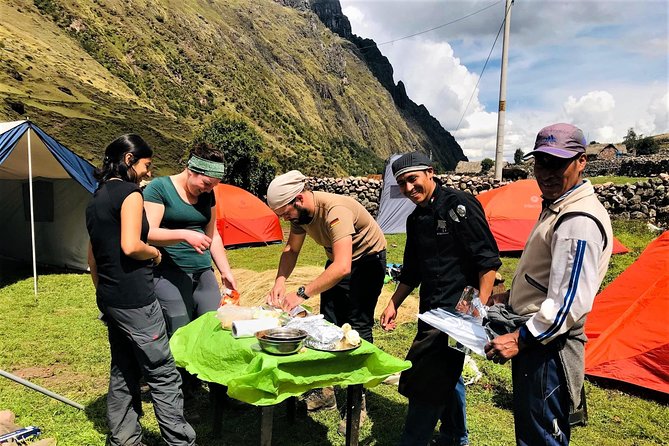
- Camping supported by porters and a chef, with hot meals and teas at the rests
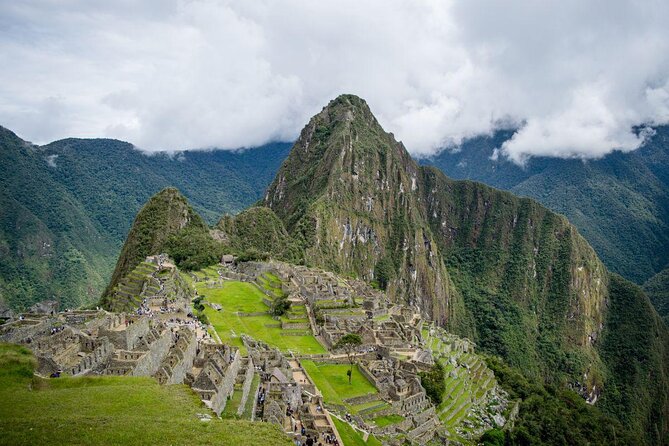
- Vistadome panoramic train and a guided Machu Picchu introduction before you explore on your own
- Limited carry for you (up to 7 kg personal porter load), which matters when you are hiking uphill
A 4-Day Plan That Moves Fast, in a Good Way
This trek is built like a shortcut to the best parts of the region. Instead of spending days only getting used to walking, you start hiking on Day 1 from the Sacred Valley, move into the Inca Quarry area with camp nights, and then close with Machu Picchu and a train ride back.
The trip works because you are not dragging your life on your back. You get a personal porter for up to 7 kg, plus porters to carry food and equipment, and a chef who cooks all your meals (with one small exception I’ll cover later). That means you can spend your energy on the trail, not on improvising.
Still, the schedule is tight. You’ll hike uphill, then higher, then downhill, with altitude throughout. It is not a “walk in the park” kind of adventure.
More Hiking & Trekking in Cusco
- Classic Inca Trail Trek 4D/3N to Machu Picchu (Group Service)
★ 5.0 · 8,653 reviews - Machu Picchu: 4-Day Inca Trail Trek with Panoramic Train Ride
★ 5.0 · 4,568 reviews - Salkantay Classic Trek 5 Days from Cusco
★ 5.0 · 4,062 reviews
Cusco Transfers and the 6:00 pm Briefing That Sets You Up
Your day starts early, with pickup from your hotel and a 7:00 am departure time. Before anything begins, you get a pre-departure briefing the night before at 6:00 pm. That briefing matters more than it sounds, because it’s where you’ll understand how the days flow and what to expect from your hiking rhythm.
Transfers are also handled in the big-picture way you want. The tour includes round-trip transfers from Cusco airport or hotel, which is a relief if you are arriving with travel fatigue. You do not have to negotiate buses, taxis, or unclear meeting points.
Tip that comes straight from the spirit of how this trek is run: expect instructions to be practical and constant. One guide checked in on pace and reminded hikers about sun protection, which is exactly what you want at altitude.
Day 1: Perolniyoq Waterfall, Petroglyphs, and Q’orimarca at Night
Day 1 begins with a drive from Cusco into the Sacred Valley until the community of Racca. Then you step into the hiking.
The first big hit is a 3-hour hike with stops that feel like more than just scenery:
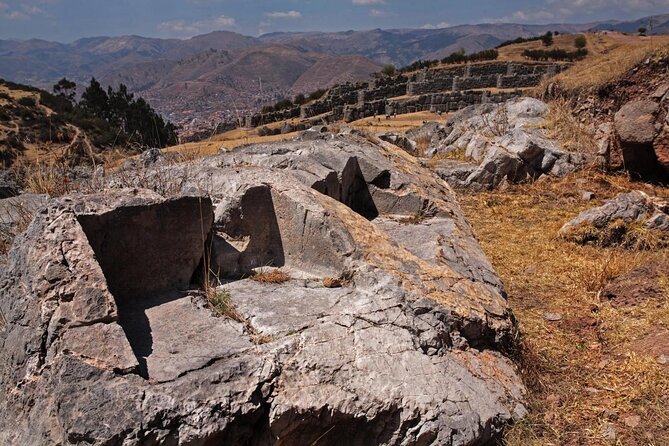
- petroglyphs of Pachar
- the Inca shrine of Ñaupa Iglesia
- the village of Soccma, where lunch is waiting
Then the trail turns more serious. You hike a second 3-hour uphill section to Perolniyoc, one of Cusco’s standout waterfalls. The drop is described at 328 feet, and even if clouds hide every perfect angle, the waterfall itself delivers that “how is this real” feeling.
After you arrive, you head to Q’orimarca (Rayanpata) for the night, sleeping in the surrounding area. This first day is a good gauge for your pace. If you move steadily and drink water early, you’ll feel the payoff later.
Day 2: Charkahuaylla and Buena Negra, Plus Apus Offering at the Summit
Day 2 starts with a small luxury: waking up early with coffee in your tent, then breakfast. You then begin a 4-hour uphill climb to Charkahuaylla (4450 m / 14,599 ft), the highest point of the trek.
At the summit, the guide performs a traditional offering ceremony to the Apus, the mountain spirits. This is the kind of moment that gives the hike meaning beyond checkpoints. It also makes the day feel grounded in local belief, not just in trekking logistics.
After a summit moment, you eat lunch at the banks of a lake, then continue upward toward Buena Negra (4370 m / 14,300 ft). You reach the second summit, get rewarded with big views over the Sacred Valley, then start downhill again.
The next highlight is Intipunku (Sun Gate), reached after about 2 more hours downhill. The description focuses on the breathtaking viewpoint straight toward Veronica Mountain, so if your photography game is weak, blame your altitude, not your skill. Camp follows soon after, at Choquetacarpo (3600 m / 11,811 ft), right in the Inca Quarry area.
This is the day to take altitude seriously. Even fit hikers should keep their pace controlled on the climbs and avoid rushing.
More ways to reach Machu Picchu:
- Short Inca Trail to Machu Picchu 2D/1N
★ 5.0 · 3,007 reviews - 2-Day Inca Trail to Machu Picchu with Panoramic Train
★ 5.0 · 1,876 reviews - From Cusco: Full-Day Group Tour of Machu Picchu
★ 4.7 · 1,767 reviews - Machu Picchu Day Trip from Cusco
★ 4.5 · 1,644 reviews
Day 3: Cachiccata Quarry Ruins, Village Time, and the Train to Aguas Calientes
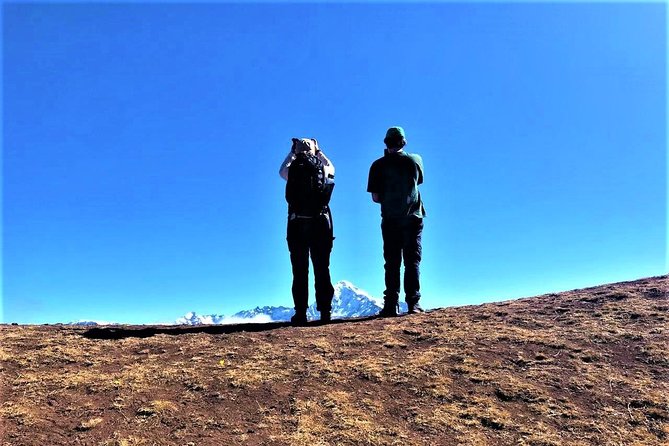
Day 3 starts with a sunrise mood, literally waking up in a spot with a view and starting your hike downhill. The day’s opening stop is Canteras de Cachiccata, described as the biggest quarry in the Inca empire.
This matters because quarrying is part of the story of Machu Picchu. Here, you’re not just seeing ruins. You’re seeing where stone work happened, and the trek connects that to the fact that quarries were abandoned along with Machu Picchu during the Spanish invasion.
You stop for lunch, then interact with local villagers at Cachiccata community. That human time is one of the main reasons this trek feels authentic instead of just scenic.
Afterward, your private bus meets you and takes you to Ollantaytambo. You explore the town and have dinner at a local restaurant. Then you shift to the scenic side of the itinerary: a train to Aguas Calientes, where you spend the night.
One of the nice touches is the inclusion of the Vistadome panoramic train (the listing says round trip, one way Vistadome panoramic). This gives you a more scenic ride than a basic rail transfer.
Day 4: Guided Machu Picchu Intro, Then Your Time to Explore
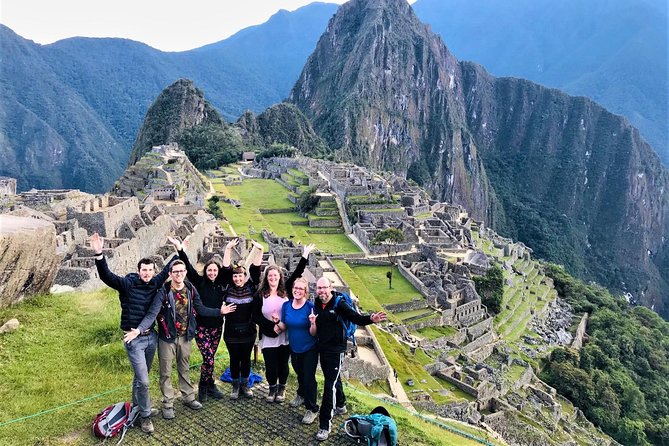
Final mornings on this route are early. You get up, prepare, and take the bus up to Machu Picchu. Once you arrive, your guide provides a 2 to 3 hour tour that is meant to give you the layout and context so your self-guided time makes sense.
Then the plan splits:
- you can explore on your own, or
- you can climb Huayna Picchu or Machu Picchu Mountain
Those two optional climbs must be booked well in advance. If you already have tickets, you are asked to let the operator know.
After Machu Picchu, your guide also walks you through how to handle the return steps:
- bus back down to Aguas Calientes for lunch
- train back to Cusco
- then the bus or transfer connection back into town
If you want the smoothest day, treat it like a checklist day. Get moving fast, listen once, and then enjoy the rest.
Food, Camp, and the Porter System That Actually Works
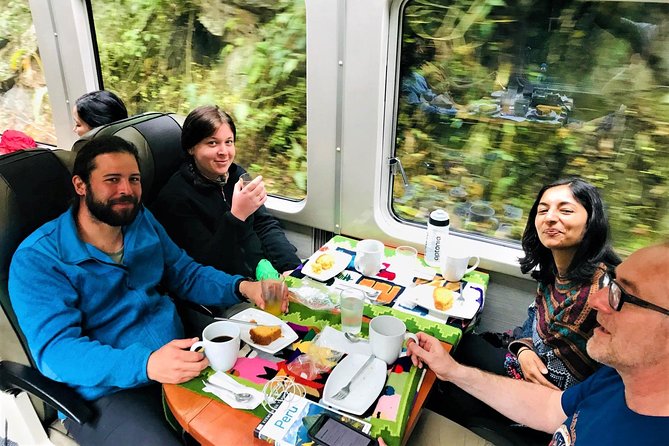
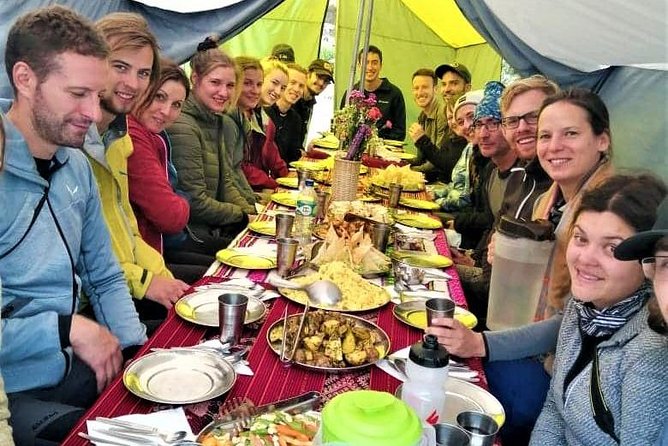
This is the kind of trek where food is not an afterthought. The chef prepares all meals, and multiple hikers praised how hot, fresh, and hearty it was.
Specific menu items mentioned in feedback include ceviche, causas, stir-fry dishes, chaufa, and even corn cakes. If you are vegetarian, there is a stated vegetarian option, and people reported getting a real alternative rather than a sad plate.
Camp support also earns serious credit. Porters are not just carrying bags. They set up camp, keep things running, and handle rest stops with snacks and teas. One review even pointed out that tents stayed dry during heavy rain, and sleeping bags kept warm enough for the conditions. That’s exactly what you want to hear before paying for a camping trek.
The broader value here is simple: the trek is designed so you can hike while you stay fed and comfortable enough to enjoy the next day.
Who This Trek Fits Best, and Who Should Think Twice
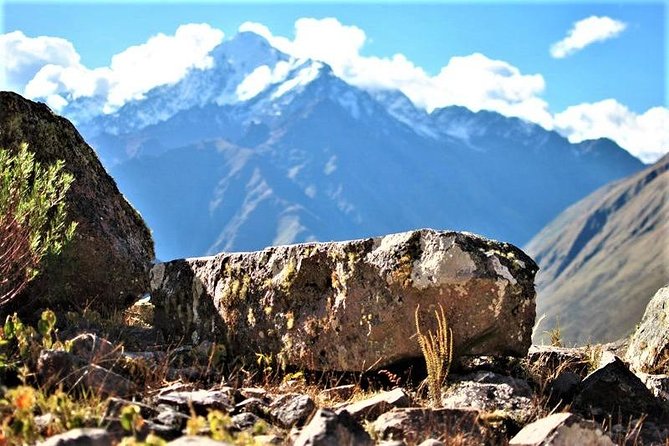
This trek is built for people with moderate physical fitness who are comfortable with uphill hiking and altitude. If you have never hiked at elevation before, don’t panic, but do go in smart:
- maintain a steady pace
- don’t treat the first uphill as a race
- take altitude seriously, especially on Day 2
It also makes sense for couples and first-timers because the support structure is strong. The group is small, your guides and chef run the system, and your personal porter keeps your pack load manageable.
Who might think twice: anyone who really struggles with early mornings, or anyone who is not confident at heights or in wet conditions. Even though the trek is supported, you are still walking on rugged paths at altitude.
Price and Value: What $840 Is Buying You
At $840 per person, this isn’t a budget stroll. But it also isn’t “paying for a view and wishing for the best.”
Here’s what you are paying for in practical terms:
- Transfers in and out of Cusco
- professional English-speaking guides, plus a second guide for groups of 8+
- a chef who cooks all meals
- porters, including a personal porter for up to 7 kg
- camping gear support, with 4-man tents for every 2 people
- bus up and down to Machu Picchu
- train round trip with a Vistadome panoramic experience one way
- guided time at Machu Picchu, plus bus routing instructions back down
Your main extra cost to plan for is the entrance fee setup details and any optional peak tickets. The listing also makes it clear that tickets for Machu Picchu Montaña or Waynapicchu (Huayna Picchu or Machu Picchu Mountain) are extra and need advance booking.
Net: you’re paying for a complete, guided, supported hiking-to-Machu-Picchu transition, not just a trail.
Weather and Altitude Reality Check (So You’re Not Surprised)
This experience requires good weather. If the operator cancels due to poor conditions, you’ll be offered another date or a full refund.
On the hiking side, altitude is real:
- Day 2 peaks at Charkahuaylla 4450 m
- then Buena Negra 4370 m
- you camp at 3600 m
So bring your best strategy: slow down on climbs, hydrate, and don’t underestimate the mental fatigue of altitude. One guide reminder that echoes across hikes here is simple: use sun protection. At these elevations, sun can feel more intense than you expect.
If optional trekking poles are available to rent or guidance is offered for what to bring, that can help your knees on the downhill. The listing also says you can request help for optional mattress, sleeping bag, and trekking poles.
Should You Book the Inca Quarry Trail Trek to Machu Picchu?
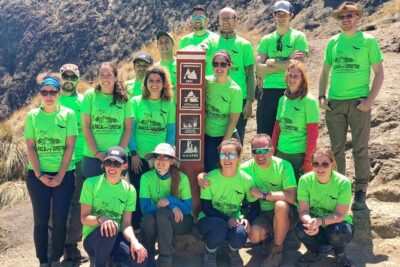
You should book if you want a small-group, supported hike that mixes cultural stops with real trekking days, then lands you at Machu Picchu with a guide who helps you understand what you’re seeing. The guide-and-crew setup is the star here, especially with the chef support that keeps meals hot and varied, plus porters who manage camp so you can focus on the trail.
You might choose something else if you are altitude-sensitive, strongly prefer a very leisurely pace, or you know you won’t wake up early. This itinerary is timed to make Machu Picchu work, so you’re signing up for early starts on multiple days.
If you want your Peru trip to feel both active and meaningful, this is a strong option.
FAQ
Where is this tour based?
It starts from Cusco, Peru and includes pickups from your Cusco airport or hotel.
What time does the tour begin each day?
The stated start time is 7:00 am, with the tour departing around that time and pickup arranged from your hotel.
How big is the group?
The experience has a maximum of 12 travelers.
Are meals included?
All meals are prepared by a chef during the trek. The tour notes that the first breakfast is not included, and the last lunch is available in Aguas Calientes.
Is there a vegetarian option?
Yes. A vegetarian option is available. You need to advise at booking.
Do I need Machu Picchu mountain tickets in advance?
If you want to climb Huayna Picchu or Machu Picchu Mountain, those tickets are not included and must be booked well in advance. If you already have them, you should let the operator know.
What will my porter carry?
Your personal porter carries your personal items up to 7 kg.
What train experience is included?
The tour includes round-trip train service, and one way is described as the Vistadome panoramic train.
Do I need a passport for this tour?
Yes. You must provide passport details at booking, and you need a current valid passport on the day of travel.
What happens if weather is poor?
The experience requires good weather. If it is canceled due to poor weather, you will be offered a different date or a full refund.
Recently reviewed around Cusco
- Cusco Cooking Class by ChocoMuseo in Cusco★ 5.0 · 29 reviews
- ATV Adventure to Moray and Maras Salt Mines – Half Day★ 4.5 · 29 reviews
- 1-day excursion to Machu Picchu from Cusco★ 5.0 · 29 reviews
- Private Tour Sacred Valley, Chinchero, Maras Moray, Ollantaytambo★ 5.0 · 29 reviews
- From Cusco: Humantay Lake with Breakfast and Buffet Lunch★ 4.5 · 29 reviews
- 4 Day – Inca Jungle to Machu Picchu★ 5.0 · 29 reviews
- 2-Day Machu Picchu Tour by Train from Cusco★ 4.5 · 29 reviews
- 2-Day Sacred Valley and Machu Picchu Tour By Train★ 4.5 · 29 reviews
Machu Picchu, compared.
Classic Inca Trail Trek 4D/3N to Machu Picchu (Group Service)
Read our review →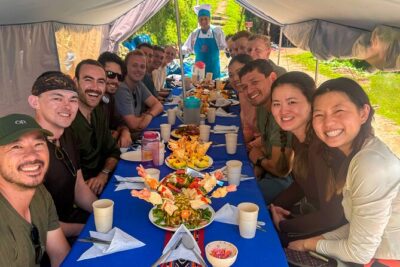
4-Day Inca Trail Trek with Panoramic Train Ride
Read our review →
2-Day Inca Trail to Machu Picchu with Panoramic Train
Read our review →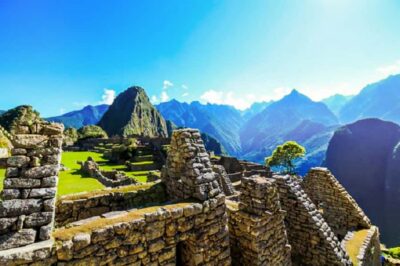

2-Day Tour: Sacred Valley and Machu Picchu by Train
Read our review →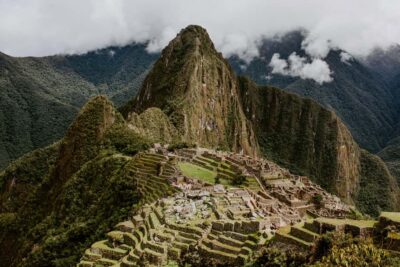
Browse the lists this tour appears in