
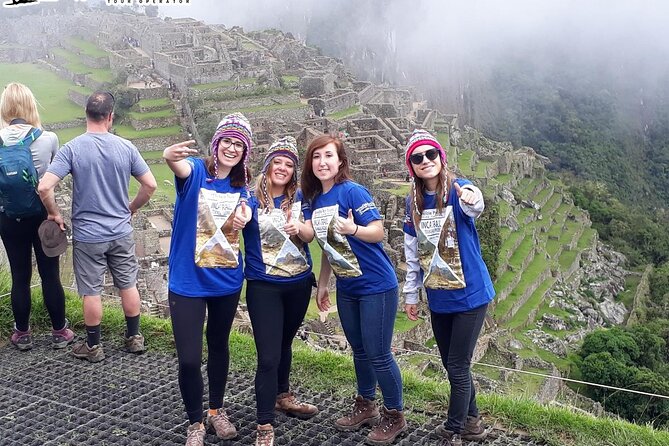
Reviewed · MACHU PICCHU
Inca Trail to Machu Picchu 4 Days – Small Group / Reservations 2026
The Inca Trail to Machu Picchu is interesting because it is not just a hike to a famous place, it is a slow build of Inca sites, high passes, and those early-morning views that most people only see in photos. I like that this trip runs as a small group (max 8) with real guide and porter attention, and I also like how meals are fully handled with cook support so you can focus on walking. One consideration: this route has big altitude days, so you want a moderate fitness level and a willingness to go slow, especially on Day 2.
I also like the way they set you up for success with practical details: wake-up coca tea, morning boiled water for refills, and comfort upgrades like a sleeping mat and delivered pillow. You should still plan for cold at the high points and expect long walking hours, especially around the major passes.
Small group, max 8 trekkers
All meals covered, plus tea times and hot drinks
Guided Machu Picchu circuits 1 and 3 with a professional guide
Porter support plus your own personal porter for up to 7 kilos
Comfort camping setup, including Thermarest mat and a pillow
Huayna Picchu is a paid add-on if you want it
From Cusco Pickup to Km 82: A Smooth Start to the Trail
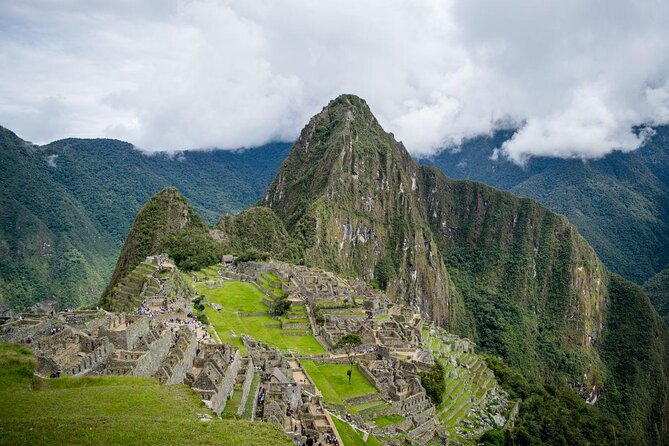
You start early, with a pickup at 6:00 am from your Cusco hotel. If your base is in the Sacred Valley, they can pick you up there too. Before you leave, they tell you clearly to bring your original passport, and if you are a student, your valid ID.
The day’s first big push is a scenic bus ride, about 3.5 hours to the Piscacucho area, the start of the Inca Trail. As you travel, you get Sacred Valley views that include the Urubamba River, Andean towns, and the Inca fortress of Ollantaytambo. There is a stop in Ollantaytambo around the way to use toilets and grab small supplies.
Day 1: Piscacucho Bridge Crossings, Patallacta Terraces, and Wayllabamba Camp
By 10:00 am, you reach Piscacucho (Km 82), where the trip officially begins in the real sense. You meet the full team there, including other visitors, porters, and the cook. This is also where you do the first official control work, presenting permits, entrance tickets, and your passport.
Your walking starts around 11:00 am with a suspension bridge crossing over the Urubamba River. The vibe here is perfect for easing into the altitude and pacing, since this day is described as relatively easy. You start with a slight climb and then follow the river course with about two hours of easier terrain to Miskay.
In Miskay, lunch is prepared by the cook and served by the staff around 1:00 pm. After eating, you continue to Patallacta, an ancient Inca settlement with impressive agricultural terraces. Then the trail keeps tracking along the left bank of the river, bringing in big mountain scenery, including mentions of snowy peaks like Wakay Willka (Veronica). You finish the day in Wayllabamba, arriving around 5:00 pm, and set up camp for your first night.
Once you arrive, you settle into tents, then there’s a tea time with hot drinks and snacks. Dinner is served around 7:30 pm, and you get a night of proper rest in your camping setup.
A practical note: this is the day where your mindset matters most. If you start Day 1 feeling rushed, you will pay for it later. Use the “easy” walking to get your breathing rhythm and water habits dialed in.
More Inca Trail departures:
- Classic Inca Trail Trek 4D/3N to Machu Picchu (Group Service)
★ 5.0 · 8,653 reviews - Machu Picchu: 4-Day Inca Trail Trek with Panoramic Train Ride
★ 5.0 · 4,568 reviews - Short Inca Trail to Machu Picchu 2D/1N
★ 5.0 · 3,007 reviews
Day 2 and Dead Woman’s Pass: The Most Demanding Day You Will Feel
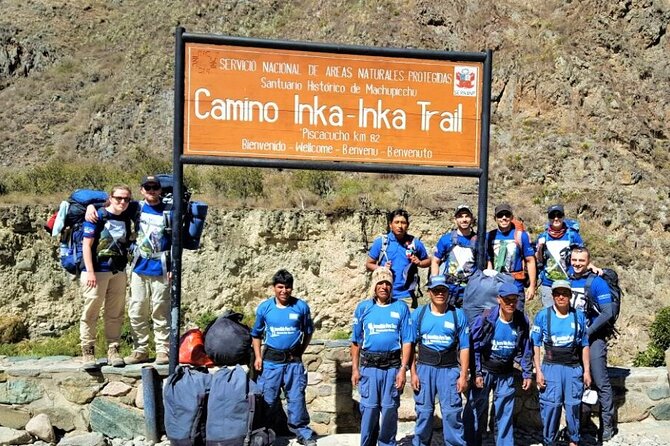
Day 2 wakes you up early, with coca tea delivered to your tent around morning. You’ll also have breakfast with the group, then start walking around 7:00 am. This is the day they call the most difficult, and they are not exaggerating.
You walk about 4 hours toward the route’s highest sections, including Dead Woman’s Pass. The first two hours are uphill, and this is one of the best bird-watching windows on the trek, with mentions of hummingbirds, hawks, and eagles. Later you enter cloud forest and pass straw meadows, along with trees like queñuas.
The plan is to walk at your own pace. You will have support from guides and porters, so you can stop as needed and keep your energy steady. The target in this first stretch is Llulluchapampa, where you arrive around the lunchtime window.
After that, there is another last hard climb about two more hours to Warmiwañusca Pass, also called Dead Woman’s Pass, at about 4,200 m. When you reach the pass, you get time to rest, take photos, and feel that real sense of achievement. But the weather matters here: they specifically warn to have a coat and hat ready, because temperatures can drop fast at altitude.
From the pass you descend toward the Pacaymayo Valley. The descent runs for about two hours until you reach the Pacaymayo River area around 2:00 pm, where lunch is served. Then you camp around 3,600 m, followed by tea time around 5:00 pm, dinner, and another night in the tents.
If you want one practical strategy for Day 2, it’s this: keep your effort controlled. The pass is not something you conquer by speed, it is something you reach by steady pacing and short rests.
Day 3 Through Cloud Forests, Tunnels, and Intipata Terraces to Wiñay Wayna
Day 3 starts with hot tea around 6:00 am and group breakfast close to 7:00 am. You leave camp and begin an ascent for about two hours that includes a stop at Runkuracay and then continuing toward Runkuracay Pass.
Runkuracay is described as a circular Inca archaeological group at about 3,800 m. You get a guided visit there, so it’s not just a quick viewpoint stop. After that, the route keeps moving past two small lagoons and up to around 4,000 m at the pass.
Then you descend to Sayacmarca, an Inca site at about 3,497 m that sits in a dramatic, cliff-surrounded setting. You get guided time there, including explanations about the site and why the location matters. After Sayacmarca, you keep walking toward Chaquicocha, arriving in time for lunch around 1:00 pm and a rest stop.
From Chaquicocha, the trail becomes visually memorable. You walk about 1.5 hours through cloud forest with mentions of orchids, hanging moss, bromeliads, and ferns. You also pass through a tunnel carved into the mountain, then climb gently to a third pass around 3,700 m, with views of snow-capped peaks and the Urubamba River.
Next, you hit a paved stone stretch built by Inca masons, and you visit Phuyupatamarca (Village above the clouds). Then it is two more hours descending down stone stairways to Intipata, a terrace area at about 2,800 m with agricultural water channels.
Finally, you finish Day 3 by reaching the last official camp at Wiñay Wayna around 5:00 pm. This camp is especially popular because it puts you close to Machu Picchu for the next day. You get tea and snacks, then the guide gives important info for Day 4, including how to tackle the main sights early.
That night also includes a small ceremony during dinner, with a chance to thank and recognize the porters and the team. It is a nice emotional touch on a demanding trek.
Day 4 at 5:30 am: Sun Gate, Guided Machu Picchu Circuits, and Huayna Picchu
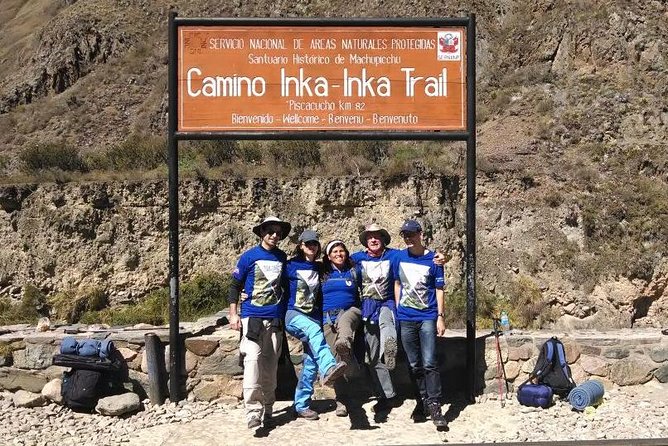
Day 4 begins in the dark, with wake-up around 4:00 am and breakfast at 4:30 am. After breakfast you say goodbye to the cook and porters, then head toward the zone control post to line up for the gate opening at 5:30 am.
From Wiñay Wayna, the walking section is mostly flat at first, then narrows and includes a climb of about 50 steps to reach Inti Punku. The route is described as crossing leafy cloud forest with giant ferns. The target is to arrive around 7:00 am at Puerta del Sol (Sun Gate), a key panoramic viewpoint.
At Sun Gate, you get your first full look at Machu Picchu in the daylight window that many people chase for sunrise views. Then you walk downhill about 40 minutes to Machu Picchu, where the views sharpen the closer you get. This is the classic time for postcard angles, because the approach gives you a widening, framed view.
Once at Machu Picchu, you register at the control post and present passports. Then you start a guided tour of about 2 hours, with a professional guide explaining the history and key spots. The tour includes Circuit 1 and Circuit 3, which means you are not just doing the shortest loop.
After the guided portion, you get free time to explore on your own, take photos, and walk at your pace. If you want extra elevation, there is an option: Huayna Picchu.
Huayna Picchu happens after the Machu Picchu tour, around 10:30 am, and it is an organized climb with the guide. The walk time to the top is about 1 hour, with time for panoramic views, then you descend back to Machu Picchu.
After that, you head to Aguas Calientes around 1:00 pm for lunch in a restaurant included with the tour. If you want, you can also explore town or visit the thermal baths, though your enjoyment there depends on how much time you have and what you prioritize. Around 6:00 pm, you board the train back toward Ollantaytambo, arriving about 7:50 pm. Then a bus takes you back to Cusco, arriving around 10:00 pm for hotel drop-off.
More ways to reach Machu Picchu:
- 2-Day Inca Trail to Machu Picchu with Panoramic Train
★ 5.0 · 1,876 reviews - From Cusco: Full-Day Group Tour of Machu Picchu
★ 4.7 · 1,767 reviews - Machu Picchu Day Trip from Cusco
★ 4.5 · 1,644 reviews - 2-Day Tour: Sacred Valley and Machu Picchu by Train
★ 5.0 · 1,127 reviews
Tents, Meals, and Porter Help That Actually Changes Your Trek
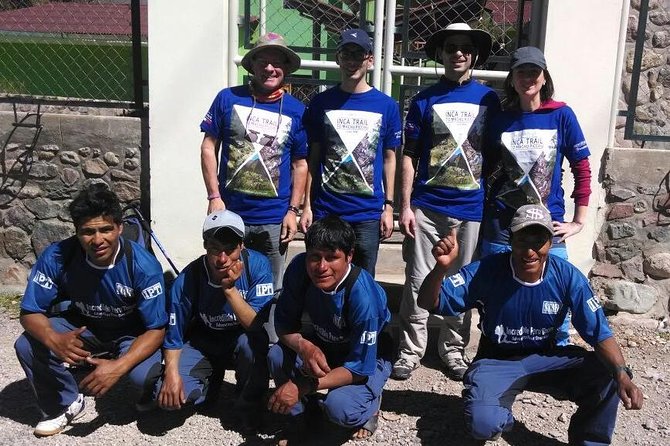
This is one of those treks where the logistics matter, and they handle a lot of them for you.
You get a 4-person bedroom tent used by two people for more comfort. You also get a travel pillow and a Thermarest inflatable mat, delivered at the start of the hike. Meals are arranged by a cook and kitchen assistant, with 3 breakfasts, 4 lunches, 3 dinners, and 3 tea times included, plus hot drinks.
They also address diets directly, including vegetarian, vegan, and special diet meals based on your request. Each morning they provide boiled water so you can refill your bottle, which is a real quality-of-life win on a long trek.
On top of food and camping, the porters carry the heavy camp gear and kitchen setup. You also get a personal porter service for part of your luggage, up to 7 kilos. That means you can keep your day pack lighter and save your legs for the long climbs and descents.
Comfort details are not just fluff here. A gas-lamped dining tent with portable chairs and tables gives you a proper place to eat and decompress at night. And having a first aid kit plus emergency oxygen carried by the guide is a meaningful safety feature.
Price, Inclusions, and What You Still Need to Plan For
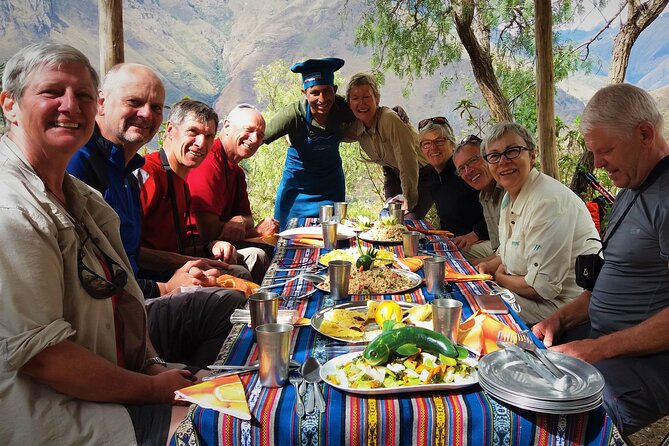
The price is $860 per person for this 4-day small-group version. I think the value is best understood by what is included, because this is not a bare-bones hike.
Included: transport from Cusco (and Sacred Valley hotels), tourist transport from Machu Picchu to Aguas Calientes, the return train service to Ollantaytambo, and the bus back to Cusco. You also get the Inca Trail ticket and Machu Picchu citadel ticket, plus a guided Machu Picchu experience with Circuit 1 and Circuit 3.
Then there is the big cost saver for many walkers: camping comfort and all food. Add in porter service, dining tent setup, and water refills, and the trek becomes far more manageable.
The main costs to watch for are the things not included. A sleeping bag and walking sticks are not included, but you can rent them up to 1 day before the tour in their office. And Huayna Picchu is not included by default, with a cost of $70 per person if you want to climb.
Also remember that personal items like clothes and shoes are on you. If you go without proper footwear and weather gear, you will feel it every day, not just on the passes.
Who This Small-Group Inca Trail Fits Best
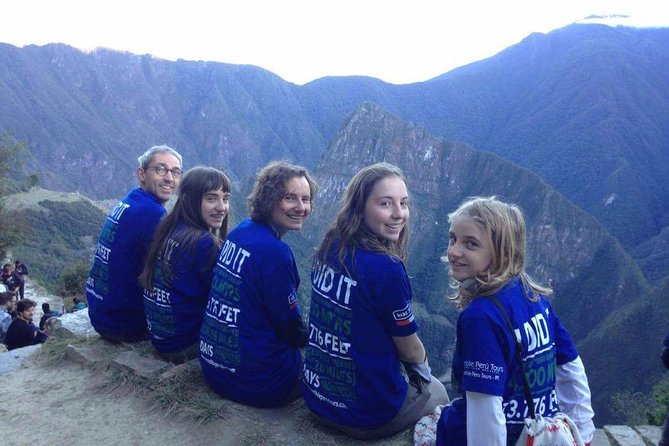
This fits best if you want a focused trip with less crowd noise and more support. The max 8 travelers limit means you should get a more attentive guide experience and smoother camp rhythms.
It also fits if you like structure. The timing is clear, the meals are handled, and the day breaks down into manageable blocks with rest points. That matters because Day 2 is the most demanding, and Day 4 is early and intense.
Choose this if you are comfortable with moderate hiking and altitude. You do not need to be an athlete, but you should be willing to slow down, take breaks, and handle cold at high passes.
If you specifically want a Machu Picchu day with guided context, this is also a good match because the tour includes professional guiding and guided time in key archaeological stops.
Should You Book This 2026 Inca Trail Small Group?
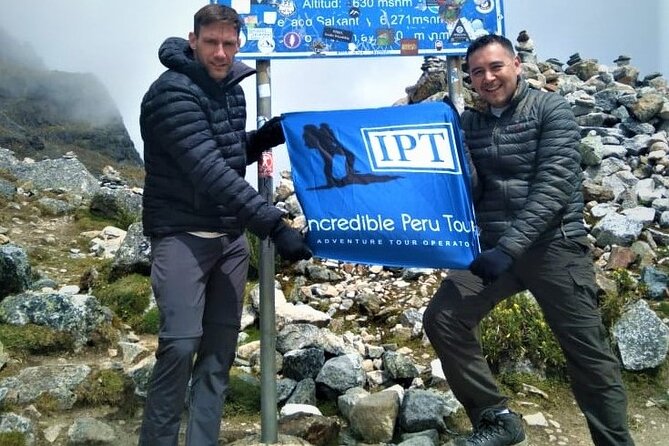
I would book this if you want the Inca Trail experience done with real support and fewer headaches. The mix of small group size, full meal coverage, and camping comfort upgrades like the mat and pillow is the kind of value that shows up at 4:00 am on Day 4.
I would hold off if you are very sensitive to altitude, you hate cold mornings, or you are hoping for a fully independent style of trekking. Also factor in that Huayna Picchu costs extra and that you need to bring your own core hiking gear, since sleeping bag and sticks are rental.
If you want to see Machu Picchu early, walk the passes with guided archaeological stops, and arrive ready for the big sites, this is a strong plan for 2026. Just plan smart, pack for temperature swings, and keep your pace controlled on Day 2.
FAQ
What time do you start on the first day?
You get picked up around 6:00 am in Cusco, and the travel to the trail start begins from there.
Do you pick up from hotels in the Sacred Valley?
Yes. They can pick you up from hotels in Cusco and also from hotels located in the Sacred Valley.
What is the group size for this tour?
This tour is a small group, with a maximum of 8 travelers.
What permits or documents do I need to bring?
You should bring your original passport. If you are a student, bring your valid student ID as well.
Are meals included during the trek?
Yes. Meals are included as 3 breakfasts, 4 lunches, 3 tea hours, and 3 dinners. Vegetarian, vegan, and special diets are also supported if you request them.
Is a sleeping bag included?
No. A sleeping bag is not included, but you can rent one in their office up to 1 day before the tour.
Are walking sticks included?
No. Walking sticks are not included, but they can be rented in the office up to 1 day before the tour.
Is Huayna Picchu included?
No. The Huayna Picchu ticket is not included. If you want it, you must request it in advance for $70 per person.
What time do you arrive back in Cusco on Day 4?
You return to Cusco around 10:00 pm, where you are dropped off at your hotel.
Can I cancel for a full refund?
Yes. You can cancel up to 3 days in advance for a full refund. If you cancel less than 3 full days before the experience’s start time, the amount paid is not refunded.
Recently reviewed around Cusco
- Cusco Cooking Class by ChocoMuseo in Cusco★ 5.0 · 29 reviews
- ATV Adventure to Moray and Maras Salt Mines – Half Day★ 4.5 · 29 reviews
- 1-day excursion to Machu Picchu from Cusco★ 5.0 · 29 reviews
- Private Tour Sacred Valley, Chinchero, Maras Moray, Ollantaytambo★ 5.0 · 29 reviews
- From Cusco: Humantay Lake with Breakfast and Buffet Lunch★ 4.5 · 29 reviews
- 4 Day – Inca Jungle to Machu Picchu★ 5.0 · 29 reviews
- 2-Day Machu Picchu Tour by Train from Cusco★ 4.5 · 29 reviews
- 2-Day Sacred Valley and Machu Picchu Tour By Train★ 4.5 · 29 reviews
Machu Picchu, compared.
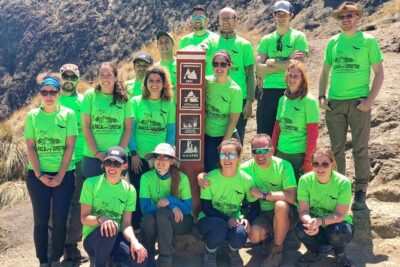
Classic Inca Trail Trek 4D/3N to Machu Picchu (Group Service)
Read our review →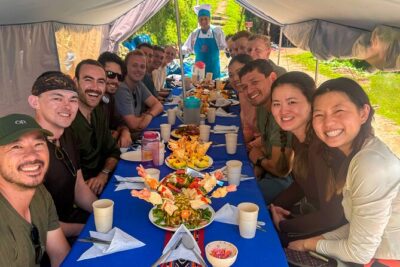
4-Day Inca Trail Trek with Panoramic Train Ride
Read our review →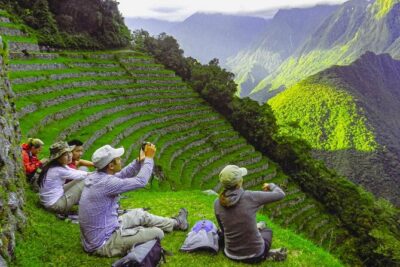
2-Day Inca Trail to Machu Picchu with Panoramic Train
Read our review →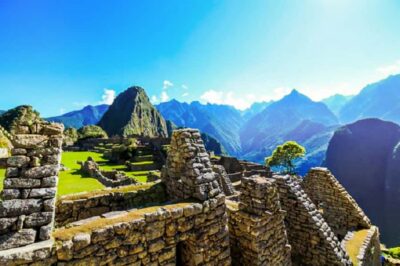

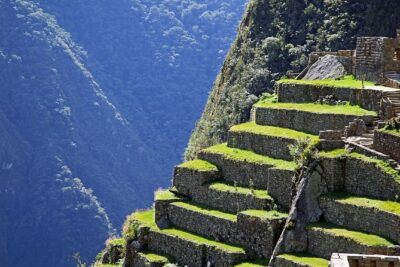
2-Day Tour: Sacred Valley and Machu Picchu by Train
Read our review →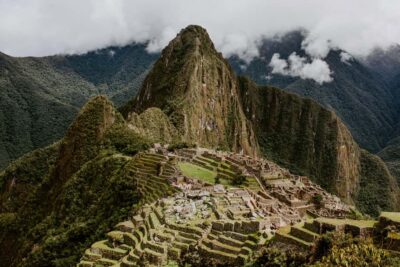
Browse the lists this tour appears in