
Reviewed · MACHU PICCHU
Machu Picchu Day Trip from Cusco Guided Tour & Tickets
Machu Picchu in a single day sounds intense, but what makes this trip interesting is the way it strings together Cusco sights and Sacred Valley ruins around the main event. I like that you get a built-in guide and transportation puzzle solved for you, and I also like that the day includes multiple archaeological stops, not just one photo stop. The one drawback to weigh is timing: it is a long 13 to 14 hour day, and Machu Picchu runs on strict entry rules.
From the start, you roll out of Cusco at 8:00 am with pickup at any hotel. The group stays small, up to 6 travelers, which helps the pace feel more manageable than big coach tours. And if you get a great guide, the whole day clicks, including the Machu Picchu portion led by professionals like Vilma, who has been described as warm and giving an excellent walkthrough.
One more thing to know up front: lunch is not included, so plan on grabbing something on the go or buying snacks. Also, this experience depends on good weather, so keep your expectations flexible.
Key things to know before you go
- Small group size (max 6): less rushing and easier questions when timing gets tight.
- Guide + all the main transit links: Cusco to Ollantaytambo, train, bus up to Machu Picchu, then back.
- Full-day pacing: expect 13 to 14 hours, with several archaeological stops in one sweep.
- Machu Picchu tickets are the make-or-break detail: reserve early when you can.
- Sacred Valley variety: you are not only seeing the citadel, you are seeing Inca sites with different purposes.
- Lunch is on you: budget for it, since it is not part of the package.
A Cusco morning that sets up Machu Picchu
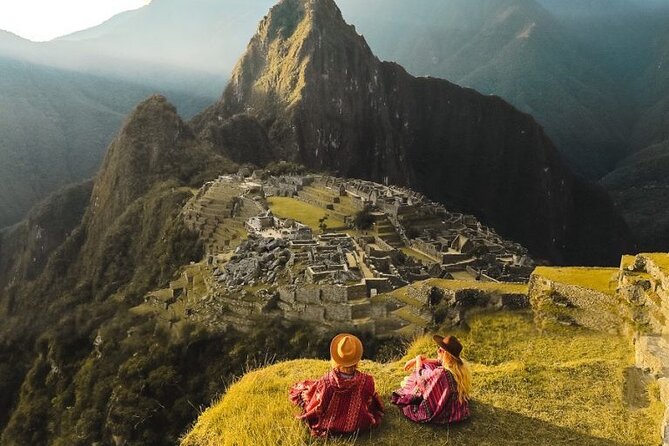
This trip starts by orienting you in Cusco, the historic Inca capital with an Andean city feel and strong colonial-era layers. The point is not just to look at pretty streets. Cusco is the mental map for the rest of the day, because the sites you visit later are easier to understand when you can connect them back to this city’s layout and culture.
You also get that cobblestone, neighborhood-scale vibe early, before the day fully heats up and crowds stack in. If you like walking in short bursts, pausing for explanations, and getting your bearings fast, this kind of start makes the big Machu Picchu moment feel less like a random day trip.
The only practical watch-out is distance and altitude fatigue. You are going to be on the move most of the day, so think of the morning as part city tour, part warm-up, not a long leisurely stroll.
More Day Trips in Cusco
- Cusco: Rainbow Mountain and Red Valley Day Trip with Meals
★ 4.9 · 4,893 reviews - Cusco: #1 Rainbow Mountain & Red Valley Day Trip with Meals
★ 4.8 · 2,342 reviews - Cusco: Rainbow Mountain & Red Valley Premium Day Trip with Meals
★ 5.0 · 2,249 reviews
Qorikancha: the Inca Sun Temple under Spanish walls
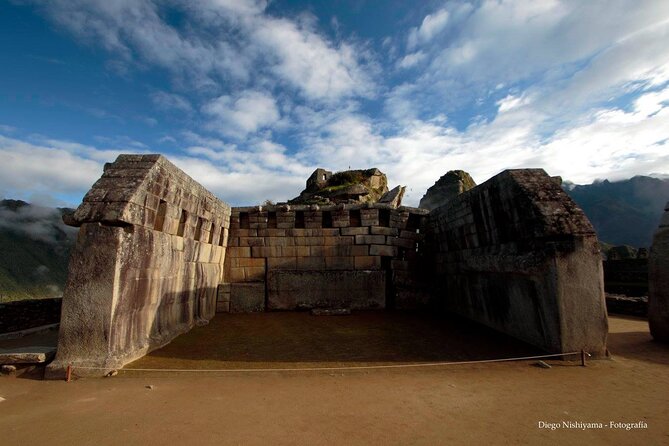
Next up is the once-most-important Inca temple dedicated to the sun god, later built over by a Spanish convent. This stop is a powerful lesson in how places change without fully disappearing. You see Inca stonework and colonial structures working together in the same footprint, and it helps you understand that the landscape you walk today has layers.
I like this stop because it gives you a theme for the day: Inca design that absorbed place and meaning, then later Spanish building that sat right on top of it. Even if you are not a deep architecture person, the mix is tangible.
A consideration here is focus. It is easy to speed through ruins when you know the main event is coming soon. If you want the most out of this day, slow down just a bit at Qorikancha and actually listen to the guide’s explanation of what you are seeing.
Sacsayhuamán fortress views that put Cusco in perspective
Then comes the massive Inca fortress overlooking Cusco, known for enormous, precisely cut stone walls. This stop is about scale and placement. From Sacsayhuamán, you can look back toward the city and start seeing Cusco not as one place, but as a system of ridges, streets, and built elevations.
If you enjoy panoramic viewpoints and photo angles that are more than just a quick snap, you will appreciate this. The stone walls also reward close attention, because the craft shows up in the way the blocks fit and how the structure grips the hillside.
The drawback is simple: it is more standing and viewing. If you are sensitive to altitude or you feel slower in the morning, plan to pace yourself and take short breaks.
Qenqo ceremonial site and the feel of ritual space
Qenqo is different from the fortress and the city streets. It is a ceremonial Inca site with carved rock altars, tunnels, and niches believed to have been used for rituals and offerings. Here, the “why” matters as much as the “what.”
I like this stop because it gives you a shift from walls and buildings to rock spaces shaped for ceremony. The tunnels and niches make it feel less like a monument and more like a working sacred area, designed for specific actions.
One caution: if you are expecting dramatic reconstruction like a theme-park ruin, you might feel it is quieter than you hoped. This stop works best when you treat it as a puzzle of purpose and setting, not just scenery.
More ways to reach Machu Picchu:
- Classic Inca Trail Trek 4D/3N to Machu Picchu (Group Service)
★ 5.0 · 8,653 reviews - Machu Picchu: 4-Day Inca Trail Trek with Panoramic Train Ride
★ 5.0 · 4,568 reviews - Short Inca Trail to Machu Picchu 2D/1N
★ 5.0 · 3,007 reviews - 2-Day Inca Trail to Machu Picchu with Panoramic Train
★ 5.0 · 1,876 reviews
Your day trip logistics: train, bus, tickets, and a long clock
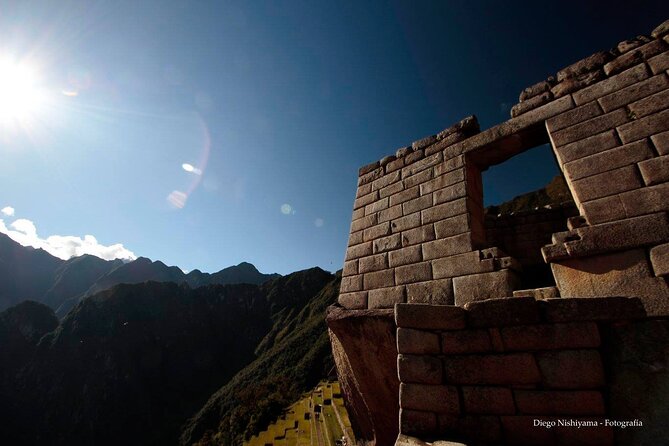
After the Cusco and surrounding sites, the main event is Machu Picchu itself, reached via train plus bus, with entrance included. The tour also includes transfer Cusco to Ollantaytambo and back, and it is guided the whole way.
This is where the day’s structure really matters for value. Paying separately for train, bus up from the station area, and entrance can turn into a headache fast. Here, you are buying a solved route with a guide, which is exactly what you want when you have a single day to do it.
The big thing to understand is how strict timing can be. Machu Picchu entry requires reservations in advance, and if you wait too long to lock in tickets, the whole plan can get fragile. In one unhappy situation tied to last-minute booking, the issue was essentially that there was not enough time to adjust when ticket availability was tight. So if you are reading this and thinking about buying late, I would try to book early rather than gamble.
Also note: this experience requires good weather. If clouds or rain roll in, there can be date changes. That does not make the trip bad, it just means you should not treat it like a guaranteed photo factory.
Entering Machu Picchu: terraces, temples, and the guide effect
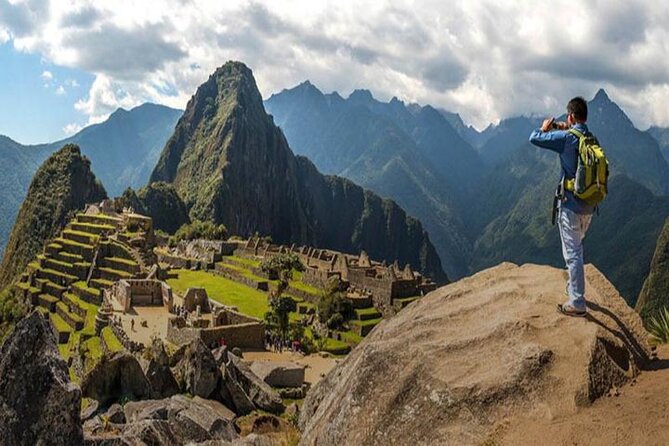
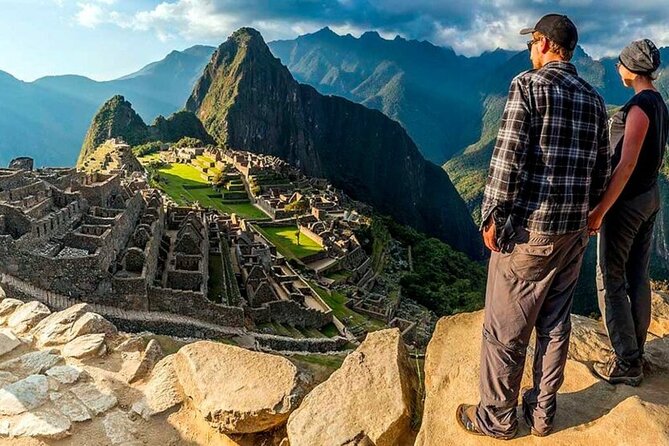
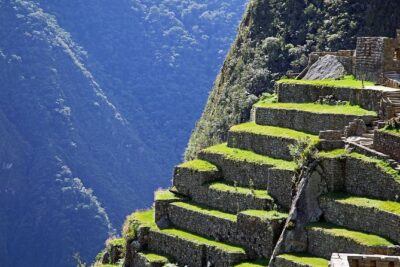
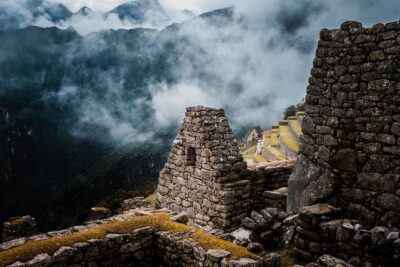
At Machu Picchu, you are stepping into the iconic citadel set high in the Andes, with terraced slopes, temples, and stunning mountain scenery. This is the moment most people picture when they plan Peru.
What makes the guided format worth it here is that Machu Picchu can feel overwhelming on your own. The guide helps you connect terraces and structures to what they were designed for, and that context can turn scattered ruins into a readable place.
You also benefit from having someone lead the flow of walking and viewpoints. One highlight from a guide named Vilma described her as very kind and delivering an excellent tour. Even if your guide is not Vilma, look for that same skill set: clear explanations, good pace control, and practical answers when you have questions in the moment.
The consideration is energy. Machu Picchu is not a sit-and-look stop. It is walking, stairs, and absorbing a lot at once while you wait for the day to move forward. Wear shoes you trust and plan to keep moving.
Ollantaytambo: a living Inca town feel after the citadel
After Machu Picchu, the tour continues with more Sacred Valley archaeology, starting with a living Inca town and archaeological complex. This stop is known for impressive terraces, a fortress, and original Inca urban planning, which makes it feel different from many “ruin-only” sites.
I like this part of the day because it shows you the Inca built for more than ceremony and monuments. You are seeing urban planning and daily life scale in stone and layout, not only temples and skyline views.
A practical note: after Machu Picchu, you might feel your legs getting heavier. That makes it even more valuable to have transport and a schedule handled. Still, you will want to stay aware of your own pace so you do not get caught feeling rushed.
Moray circular terraces and Chinchero textiles
Next come circular Inca terraces built in natural depressions, thought to be an agricultural laboratory for experimenting with crops and microclimates. This is a favorite stop for people who like science and systems. You are not just looking at design, you are seeing a practical approach to how the Inca worked with environmental differences.
Then you finish with an Andean village with Inca ruins, a colonial church, and traditional textile workshops that preserve ancestral weaving techniques. This is a good contrast to Moray. Moray is experiment and climate thinking, while Chinchero is culture you can still find people practicing.
If you care about textiles, this is the kind of stop that can actually deepen your understanding, because weaving traditions connect to geography, crops, and community identity. Even if you do not buy anything, it helps you see why weaving matters beyond souvenirs.
As for drawbacks, this ending portion can feel like the day’s “one more stop” phase. If you are running low on energy, focus on what you can absorb quickly: the main features, the explanation, and then one or two good moments for photos.
Price and value: is $390 fair for a one-day package?
At $390 per person, you are paying for a full-day setup: transfer Cusco to Ollantaytambo and back, train tickets, bus, Machu Picchu entrance, and a guide. Lunch and tips are not included, so you should budget for at least one meal you buy yourself.
So is it worth it? For most people, the value is in removing friction. You get the route stitched together, and you get local guiding in multiple sites across the morning and afternoon. If you tried to do this yourself with tickets, trains, and timing, you could spend more time managing logistics than enjoying Peru.
The other value factor is the small group size, up to 6 travelers. In a long day, smaller groups usually mean more flexibility for questions and fewer bottlenecks.
The only time I would pause is if you are the type who wants to roam freely with no schedule pressure. This is not built for that style. It is built for getting you from place to place with guided context and transport handled.
Who this Machu Picchu day trip fits best
This works especially well if you want Machu Picchu without turning your day into a logistics project. It also suits you if you like variety in archaeology, because you are hitting Cusco, Inca sacred and ceremonial sites, and Sacred Valley ruins around the main citadel.
It is a solid fit for:
- First-timers who want a guided “greatest hits plus context” day
- People who prefer small groups and clear structure
- Anyone who wants Cusco and Sacred Valley meaning tied together, not separate trips
It might be less ideal if:
- You need lots of downtime built into your schedule
- You dislike long days with early starts and continuous moving
- You are booking very close to your travel date and cannot secure Machu Picchu entry comfortably
Should you book this day trip from Cusco?
I would book it if your priority is a guided, organized one-day route that covers Machu Picchu plus major surrounding sites. The included train, bus, entrance, and transfers make it feel like a clean package, and the small group size helps keep the day from feeling like a cattle call.
I would think twice if you are booking late or you are worried about ticket availability, because Machu Picchu entry rules can be strict. If you plan early, treat the day as a full-day challenge, and budget for lunch, this is a practical way to see the big sights with expert help guiding you through what you are looking at.
FAQ
What time does the Machu Picchu day trip start?
The tour starts at 8:00 am.
Do they pick me up from my hotel in Cusco?
Yes. Pickup is offered at any hotel in Cusco.
What is included in the price?
The package includes transfer Cusco to Ollantaytambo and back, train tickets, bus, entrance to Machu Picchu, and a guide.
Is lunch included?
No. Lunch is not included.
How big is the group?
This tour has a maximum of 6 travelers.
Is the tour guided in English?
Yes. The tour is offered in English.
What is the duration of the trip?
It runs about 13 to 14 hours.
What is the cancellation policy?
You can cancel for a full refund up to 24 hours before the experience’s start time.
What if weather is bad?
The experience requires good weather. If it is canceled due to poor weather, you will be offered a different date or a full refund.
Recently reviewed around Cusco
- 6-Day ||All Included|| Excursion – MachuPichu & Rainbow Mountain-Humantay Lake★ 4.5 · 8 reviews
- Horseback Riding thru the Mountains of Cusco★ 5.0 · 8 reviews
- Cuzco City Tour and Archaeological Ruins in Half Day★ 5.0 · 8 reviews
- Full Day – Rainbow Mountain tour – Group Service★ 5.0 · 8 reviews
- Half Day Tour in Cusco: Exploring the City and Four Ruins★ 4.5 · 8 reviews
- Machu Picchu and Sacred Valley 2 Day Tour★ 5.0 · 8 reviews
- Cusco 4 Days Machu Picchu and Sacred Valley | All included★ 5.0 · 8 reviews
- City Tour Cusco With Qoricancha and 4 Ruins★ 5.0 · 8 reviews
Machu Picchu, compared.
Classic Inca Trail Trek 4D/3N to Machu Picchu (Group Service)
Read our review →
4-Day Inca Trail Trek with Panoramic Train Ride
Read our review →
2-Day Inca Trail to Machu Picchu with Panoramic Train
Read our review →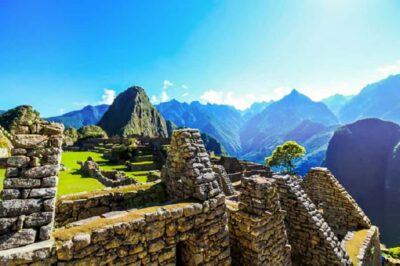

2-Day Tour: Sacred Valley and Machu Picchu by Train
Read our review →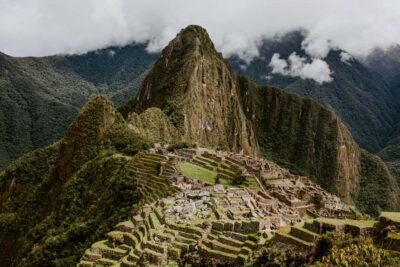
Browse the lists this tour appears in