
Reviewed · NAZCA LINES
Nazca: Overflight of the Nazca Lines
Nazca Lines flights are interesting because you finally see the geoglyphs the way they were likely meant to be read, from straight above. I love the perspective shift you get when the desert turns into a giant diagram in the sky.
The tour also has two practical perks built in: you get a guided explanation and a documentary so you’re not just staring out a window. You do want to plan for one possible drawback, though, because the check-in and flight schedule can feel busy and time-pressured, and weather can affect timing.
Key points at a glance
- Small group (up to 6 passengers): more room to ask questions and settle in.
- Each passenger gets panoramic views: the plane has just 8 seats, so you’re not stuck behind someone’s camera.
- 35 minutes or 1 hour choices: you’ll typically see 13 major figures or 21 figures plus extra finds.
- Strong historical context: Nazca culture, Cahuachi, and theories about solar and lunar calendars are part of the experience.
- You leave with proof: flight certificate plus a map of the lines.
- Practical safety focus: a long safety briefing happens before you fly.
Why Nazca Lines from the air changes everything
Seeing the Nazca Lines from the ground is cool, but it’s also a little unfair. Many figures are hard to piece together at walking height. From the air, the same marks become clear, readable, and honestly mind-bending. The Nazca Desert looks flat, until you’re suddenly looking at a set of giant drawings laid out with intention.
This tour is built around that moment. You don’t just “watch a flight.” You get guided context first, then you fly over some of the most famous geoglyphs of the world, plus additional ones if you book the longer option.
The other thing I really like is how the tour gives you something to do besides guess. You’ll learn about Nazca culture and the competing theories, so when you point at a figure, it has meaning behind it, not just size.
More Nazca Lines flights:
- From Nazca: 35-Minute Flight Over Nazca Lines
★ 4.6 · 583 reviews - Nazca Lines + Cantalloc Aqueducts
★ 4.5 · 120 reviews - Fly Over the Nazca Lines with the Experts
★ 4.5 · 48 reviews
The desert, the mystery, and the facts you’ll hear onboard
The Nazca Lines are in the desert plains between Nazca and Palpa, about 447 kilometers from Lima, in one of the driest deserts on earth. That dryness matters. It helps preserve the lines for centuries, which is a big reason these geoglyphs survived long enough to be studied.
Before you lift off, you’ll hear key milestones in the modern story. The first references to the lines date back to 1547. Then the Peruvian archaeologist Toribio Mejía Xesspe discovered them in 1927. Later, the German archaeologist Maria Reiche dedicated her life to studying and preserving the Nazca Lines, especially from 1946 onward.
You’ll also get the theories, and the point is not to pick a winner. One prominent idea is that the lines may have worked like a giant solar and lunar calendar used by ancient astronomers. Other theories go more fantastical, including the possibility that the figures were made for gods in the sky, or even connected to extraterrestrials. The truth is, the purpose is still not certain.
That uncertainty is part of what makes the experience so good. You end up using your eyes to read the shapes, while the guide helps you connect what you’re seeing to Nazca culture and ritual life.
Nazca to the aerodrome: shared transfers in the real world
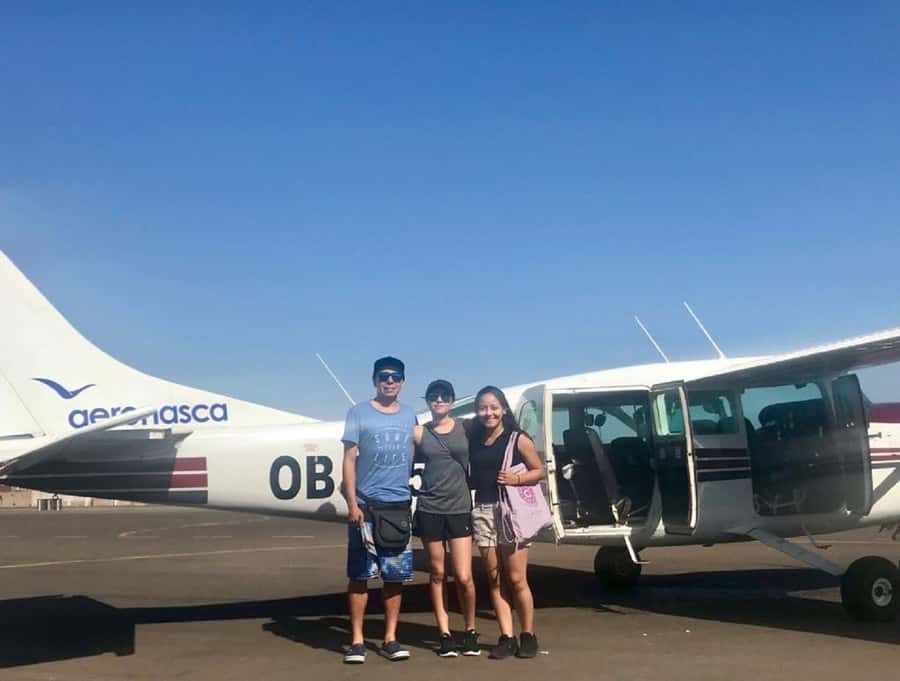
You’ll start with pickup from the bus terminal or a hotel in the center of Nazca. That matters because it keeps the morning simple, especially if you’re not in the mood to coordinate taxis and timing.
Then you ride to the aerodrome Maria Reiche by coach. It’s a short transfer, but it’s also your first chance to get oriented. You’ll typically have time to get your hat, sunscreen, and passport sorted before things move fast.
Small detail, big comfort: the tour includes round-trip shared transfers from hotels in central Nazca, but it does not cover transfers from places on the outskirts. If you’re staying farther out, you may need separate transportation, and that can change your day.
The long safety briefing that makes the flight feel smoother
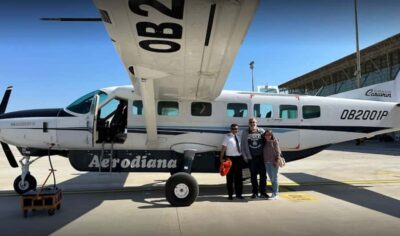
One of the most important pieces of this overflight is the pre-flight routine. You arrive at the aerodromo Maria Reiche, go through necessary procedures, and get a safety briefing that takes about 40 minutes.
Forty minutes feels like a lot when you just want to look out the window, but it’s worth it. The aircraft seats are limited, and the planes can’t delay indefinitely. Getting everyone briefed, checked, and ready is what helps the experience stay controlled.
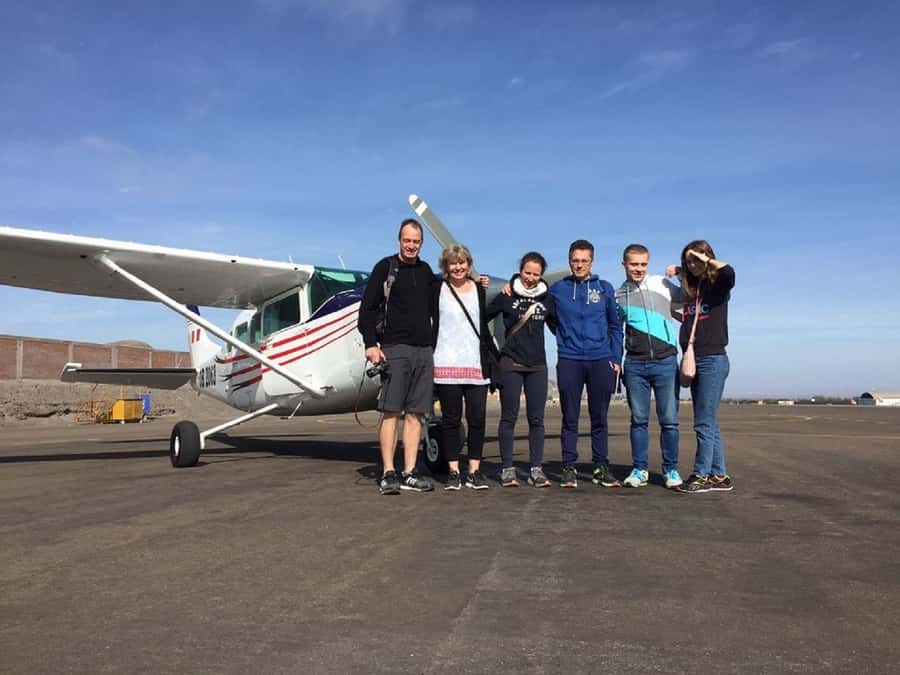
Also, the group is small, limited to 6 participants, and the plane has 8 seats total (2 pilots and 6 passengers). That small footprint is part of why the flight feels personal. You’re not herded around with dozens of strangers, but you also don’t have a lot of time to “figure it out” on the fly.
A few more Nazca days worth comparing
- Flight over the Nazca Lines from Nazca (35 min)
★ 4.0 · 44 reviews - Nazca lines – from Nazca airport
★ 4.0 · 38 reviews - From Nazca: Cahuachi Pyramids Tour and Textile Workshop
★ 4.8 · 21 reviews - From Nazca: Chauchilla Cemetery Tour and Artisans Workshop
★ 4.9 · 20 reviews
Flight option: 35 minutes and the 13 most famous geoglyphs
If you choose the shorter flight, it’s typically about 35 minutes in the air. This option is offered with a minimum of 2 people starting from 1:00 p.m. (as long as scheduling and weather allow).
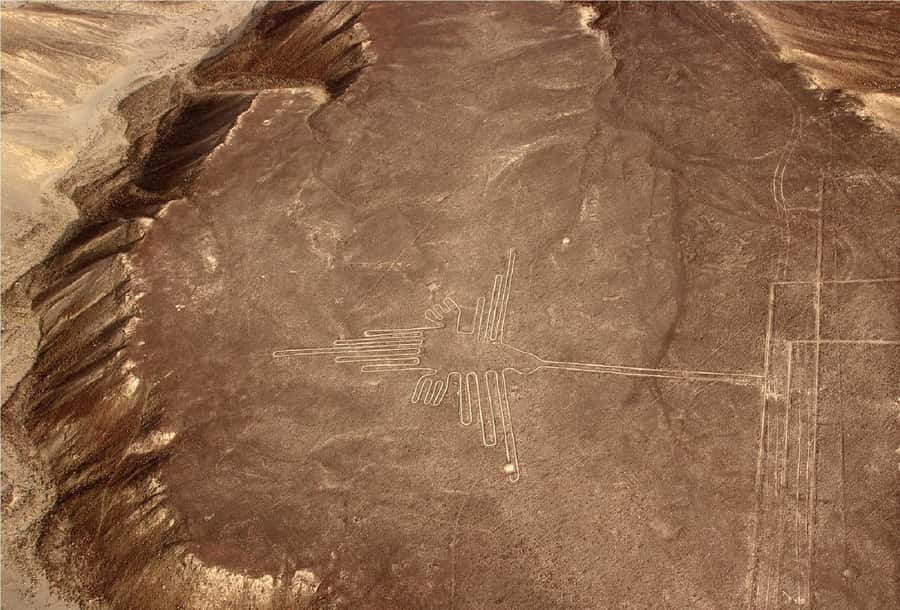
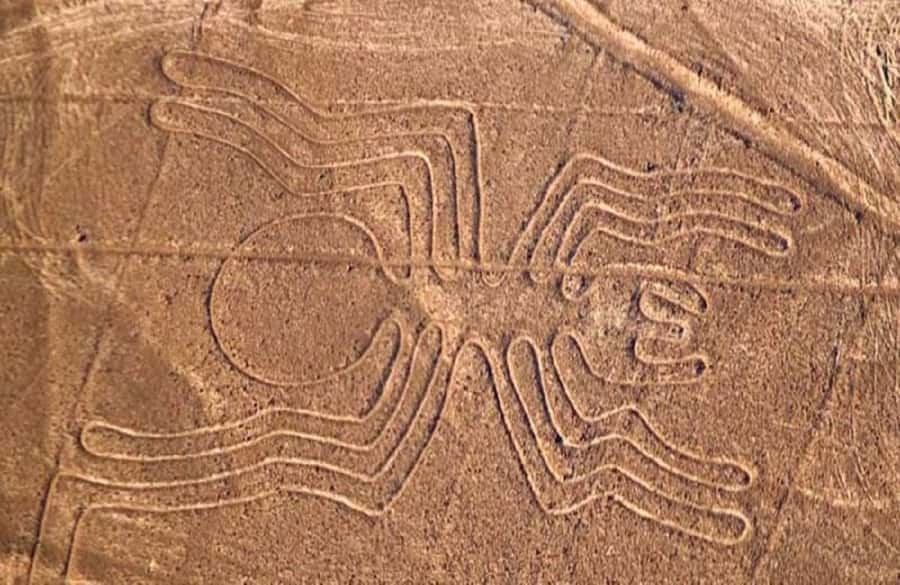
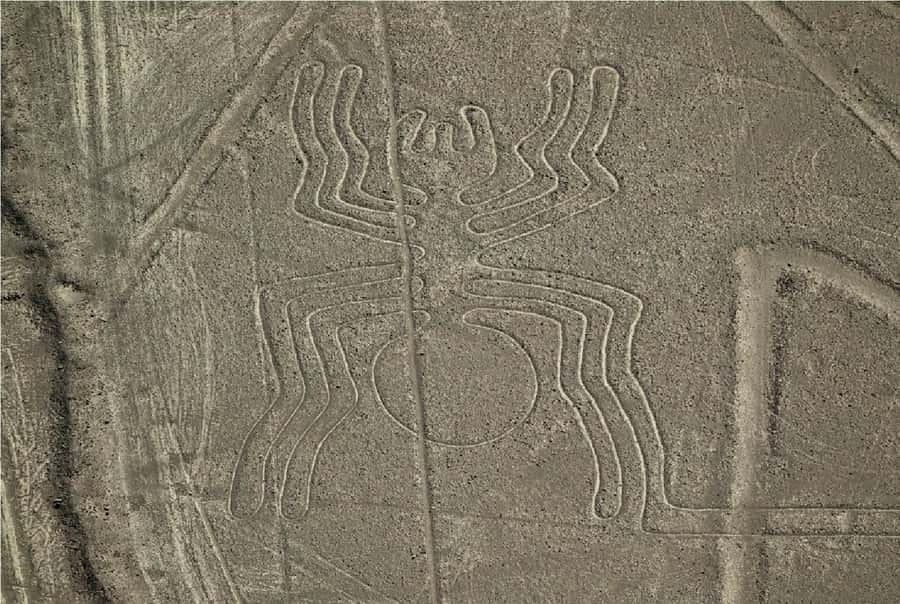
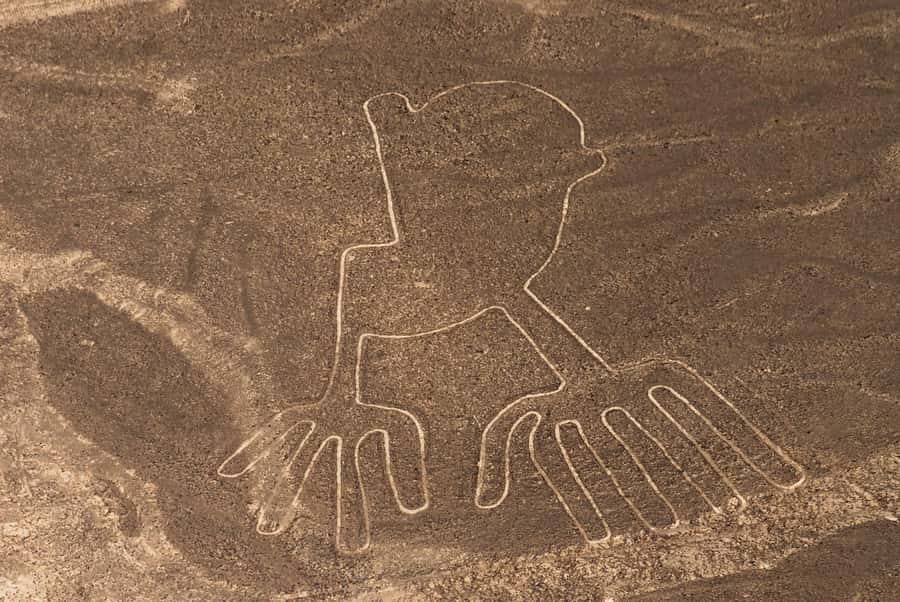
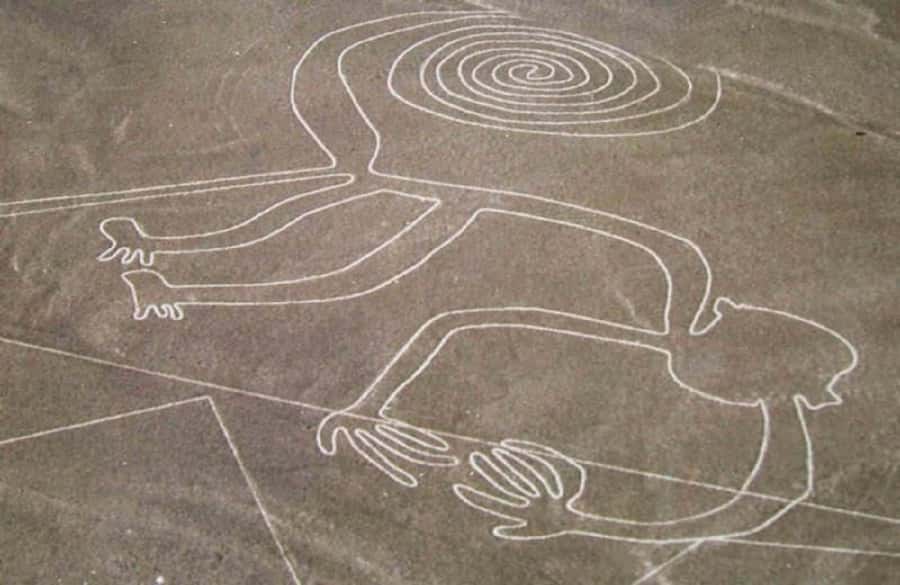
In that time, you’ll see 13 figures, including the whale, trapezoids, the dog, the astronaut, the monkey, the condor, the compass, the spider, the hummingbird, the parrot, the tree, the hand, and the albatross.
What I like about this list is that it mixes categories. You get animals and birds, plus the more symbolic shapes like the compass and hand. The astronaut is especially striking from above because it looks like a human figure reduced to pure geometry. It’s the kind of figure where, once you see it from the air, the ground view suddenly makes more sense.
If you’re short on time or you’re trying to keep your Nazca day flexible, this version is a smart way to get the main hits without committing to a full hour.
Flight option: 1 hour and what you gain with extra figures
The longer option is about 1 hour in flight time, and it’s only scheduled when there’s a minimum group of 4 people. If you’re booking this, treat it as a priority and plan your day around it.
For the 60-minute experience, you can typically appreciate 21 figures across the Nazca and Palpa plains. You’ll first see the same 13 major figures, then you’ll fly over the Palpa area for additional geoglyphs such as the heron, crane, pelican, seagull, parrot, snail, llamas, iguana, lizard, snakes, and various birds.
The value here is simple. More time in the air means more chances for your brain to connect patterns. You’ll also get a better feel for how the lines cluster and how the drawings relate to the terrain.
If you’re a photography person, this is the option that helps most. You can reframe, adjust, and re-look without feeling like you only get one single moment.
Cahuachi, aqueducts, and why the Nazca were more than geoglyphs
The Nazca Lines are famous, but you’ll get context about the Nazca culture that created them. The Nazca culture developed between the 1st and 7th centuries AD. They were especially skilled in polychrome ceramics, textiles, and metalwork.
Their ceremonial center is Cahuachi, located in the Nazca River valley. They also had a network of aqueducts that helped fertilize land and support agriculture. That background makes the lines less like random desert doodles and more like part of a real society with rituals, planning, and engineering.
You’ll hear this connection during the guided component and the documentary. It’s one of the reasons I think this tour is better than doing only an overflight where you’re left to guess.
Documentary, flight certificate, and the map you’ll actually use
This tour includes a documentary about the Nazca Lines. That pre-flight or during-tour context is helpful because the drawings can feel abstract if you don’t know what to look for.
After your flight, you get a flight certificate plus a map of the lines. The certificate is nice as a keepsake, but the map is the practical part. Once you’ve seen the figures from above, a map helps you connect what your eyes caught with what you can’t fully recognize on the ground.
It also gives you a way to keep exploring Nazca after the plane ride. Even if you don’t have the time for more walking tours, you’ll have a reference point for later.
Group dynamics, bilingual guidance, and language expectations
The tour guide provides live help in English and Spanish, and there’s permanent assistance in those languages. The small group size also means you’re more likely to get direct questions answered, not just a one-way lecture.
One consideration: if you were hoping for French guidance, plan accordingly. The materials clearly focus on English and Spanish. So if your comfort language is different, you may feel a little more on your own.
That said, even with language limits, the guide’s job is to connect what you’re seeing. In my experience, the combination of narration plus a documentary plus a map works well even when your language skills are stretched. You can follow the structure: figure names, cultural context, and the big ideas about purpose.
Weather timing, order of arrival, and how to handle uncertainty
Flights run between 09:00 a.m. and 04:00 p.m., and the schedule is subject to weather. Attention is by order of arrival, which means the day is not perfectly clockwork.
This is where I recommend you travel like a pro. Keep your day flexible, and don’t pack in a long lunch reservation right at pickup time. When weather is involved, it’s easy for the morning to shift even if you did everything right.
Also remember the procedures take time. Even before you’re in the air, you’re looking at a longer onsite block, including check-in steps and the safety briefing.
Motion sickness and camera habits: a real risk near the end
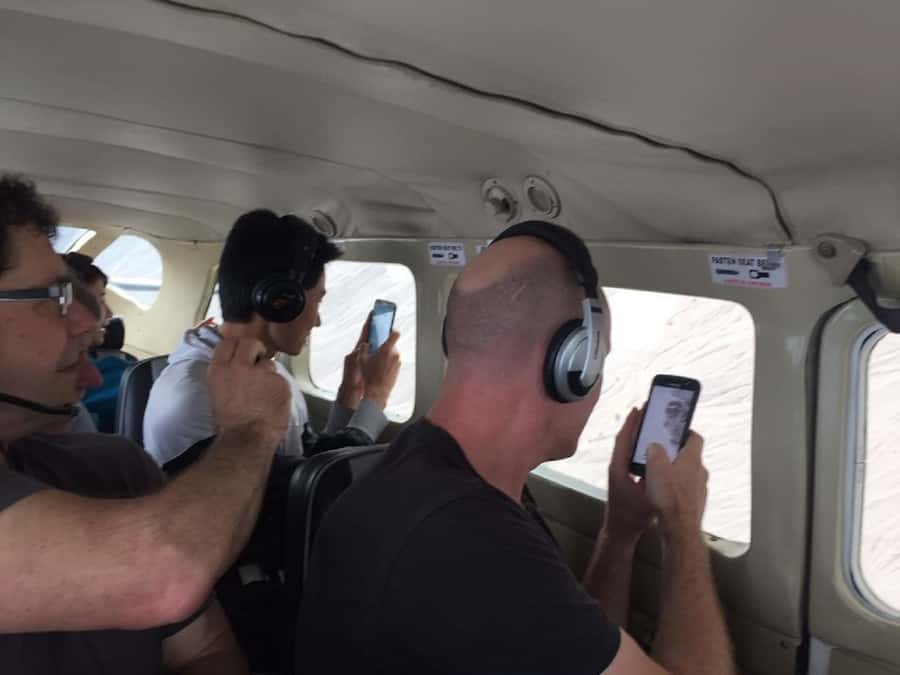
One review note that’s worth respecting: if you get motion sickness, you might still be fine for a while, then feel it near the end, especially when you’re focused on camera screens or taking lots of photos. Photos can keep your head still, but they also keep your attention locked in one direction.
If you’re prone to nausea, consider bringing motion-sickness medication and using it as directed before the flight. If you’re not prone, you might still want a backup plan like ginger candy or water on hand, just in case.
Price and value: what you pay, what you still must cover
The base price is listed at $129 per person, for an experience that includes shared round-trip transfers from central Nazca, bilingual guidance, a documentary, and the flight itself. You also get a panoramic view for each passenger and paperwork like the flight certificate and map.
But there’s one additional cost you should plan for: air taxes of about S/. 77.00 or USD 25.00, paid in cash before boarding. That doesn’t change the overall value story, but it does change what you should budget. If you’re traveling with limited cash, make sure you have enough on you ahead of time.
In plain terms: you’re paying for a short, well-organized flight day plus context. That’s hard to beat if you want the Nazca Lines experience without spending hours on guesswork.
Who this overflight is best for (and who should reconsider)
This tour fits you if you want the big “wow” quickly. You get aerial clarity, historical context, and a small group setup. It’s also a good match if you’re on a tight Nazca schedule but still want something more meaningful than a quick bus stop and a look.
It may be less ideal if you hate uncertain timing. Weather can adjust flight schedules, and the order of arrival can make the day feel hectic.
Also, keep weight rules in mind. People weighing more than 209 pounds or 95 kilos pay 50% more, and those over 253 pounds or 115 kilos need an additional seat. You should report weight at booking so the seating can be arranged correctly.
Finally, if you’re staying far outside central Nazca, confirm how you’ll get to the pickup point, since outskirts transfers aren’t included.
Practical packing checklist for a smoother Nazca morning
You’ll want the basics because the desert sun is real. Bring a passport, sunscreen, and a hat. Also bring some cash for air taxes paid before boarding.
If you’re sensitive to motion or you plan to take photos constantly, bring a motion-sickness remedy. It’s better to have it and not need it than to regret it when you’re already in the air.
Should you book the Nazca Lines overflight?
Book it if seeing the geoglyphs from above is your priority, and if you want a small-group setup with bilingual guidance. The combination of aerial views plus a documentary plus a certificate and map makes this feel like more than a ride. It’s a structured way to understand what you’re looking at, even when the purpose of the lines remains a mystery.
If you’re on the fence, choose the 1-hour option when you can. The extra time typically adds more figures, which gives your brain more chances to connect shapes and patterns. If time is tight, the 35-minute flight still delivers the most iconic names on the Nazca chart.
Finally, this is a good place to be flexible. Weather matters here, and the day can shift. If you plan your schedule with that in mind, you’ll be in the right mood when the plane lifts off.
FAQ
How long is the Nazca Lines overflight?
The flight duration is about 30 minutes to 1 hour, depending on the option you choose.
What’s included in the tour price?
Round-trip shared transfers from central Nazca, a documentary about the Nazca Lines, a flight certificate and map of the lines, permanent assistance in English and Spanish, and a panoramic view for each passenger in the plane.
Are air taxes included?
No. Air taxes are approximately S/. 77.00 or USD 25.00 per person, paid in cash before boarding.
What languages will the guide speak?
The live tour guide provides English and Spanish.
What do I need to bring?
Bring your passport, sunscreen, a hat, and cash.
Are there weight limits?
Yes. If you weigh more than 95 kilos (209 pounds), there is a 50% additional charge. If you weigh more than 115 kilos (253 pounds), you need an additional seat. Let the operator know your weight when booking.
How many people are needed to run each flight option?
The 35-minute overflight requires a minimum of 2 people starting from 1:00 p.m. The 60-minute overflight requires a minimum of 4 people.
Recently reviewed around Nazca
- Nazca lines – from Nazca airport★ 4.0 · 38 reviews
- Flight over the Nazca Lines from Nazca (35 min)★ 4.0 · 44 reviews
- Fly Over the Nazca Lines with the Experts★ 4.5 · 48 reviews
- Nazca Lines + Cantalloc Aqueducts★ 4.5 · 120 reviews
- Nazca : Mirador of Nazca Lines★ 4.9 · 5 reviews
- Nazca: Maria Reiche Museum and Nazca Lines Viewpoint Tour★ 4.5 · 6 reviews
- Nazca: Light aircraft flight over the Nazca Lines★ 3.7 · 4 reviews
- Nasca: Ocongalla Aqueduct Sandboarding in the Usaka desert★ 4.4 · 4 reviews
Nazca Lines, compared.

2 Day Tour from Lima: Nazca Lines Flight, Paracas, and Huacachina
Read our review →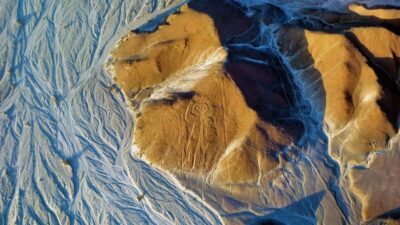
3 Day Tour from Lima: Nazca Lines Flight, Paracas, and Huacachina
Read our review →
4 Day Tour from Lima: Nazca Lines Flight, Paracas, and Huacachina
Read our review →
Full Day Nazca Lines, Huacachina Oasis with Buggy and Sandboard
Read our review →
Ballestas & Huacachina Day Trip w/ Nazca Lines Flight
Read our review →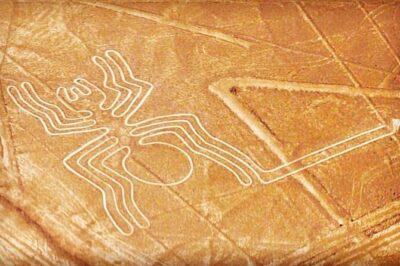
Private Tour to the Astonished Nazca Lines and Huacachina Oasis
Read our review →Browse the lists this tour appears in