
Reviewed · MACHU PICCHU
Private Tour: 2-Day Exploration of the Sacred Valley and Machu Picchu
This is the kind of trip that works because it’s built for time and logistics, not because it tries to do everything slowly. You start with the Sacred Valley stops near Cusco, then you move on to Aguas Calientes, and finally you’re guided through Machu Picchu the next morning.
What I like most is that you get the hard parts handled for you: round-trip train tickets to Machu Picchu and entrance to Machu Picchu are included, so you are not piecing together multiple companies at altitude. I also really value the private setup, with a professional bilingual guide and private vehicle transfers, which makes long travel days feel more manageable.
One consideration: the Day 1 sites can have extra entry costs (Maras, Moray, and Chinchero are not fully covered), and the included hotel is a 3-star option in a village setting. If you are sensitive to insects, plan for it, because one traveler’s experience included ants and bugs in the room.
Key highlights and why they matter
- Private pacing across a long route, so you can ask questions without feeling swept along
- Chinchero, Moray, and Maras in one day, with Moray’s circular terraces and the salt pools at Maras as standout stops
- Train plus bus coordination so Machu Picchu happens early, when the light and crowds are often more forgiving
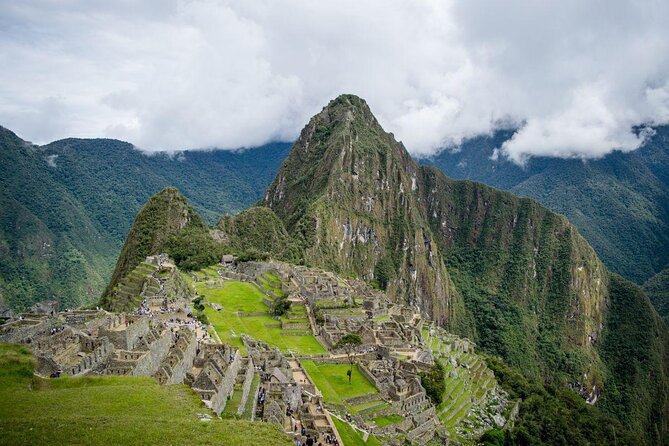
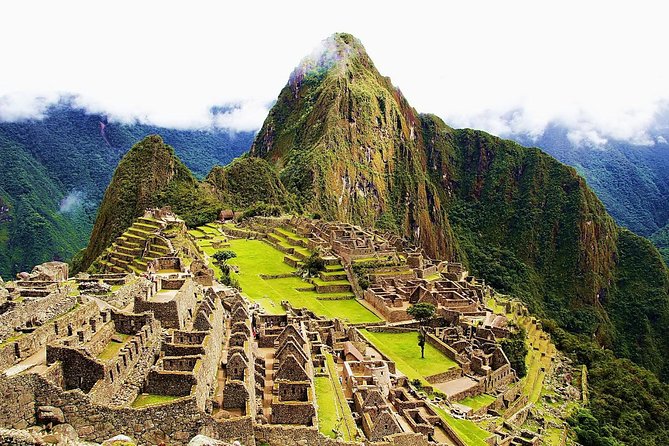
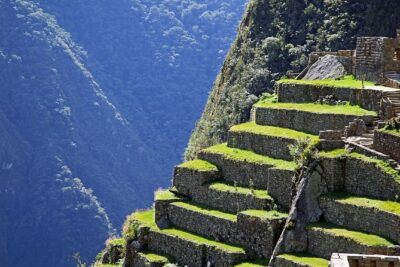
- Guided Machu Picchu visit focused on temples, ceremonial spaces, terraces, and storage structures
- Optional add-on viewpoints (Huayna Picchu or Machu Picchu Mountain) if you hold the extra ticket
- A guide named Yeny in the operator’s orbit who is praised for being thoughtful and steady through the whole flow
Two Days that Feel Tight, Not Chaotic
A 2-day Sacred Valley plus Machu Picchu schedule can either feel exhausting or efficient. This one aims hard at efficient. You start at 8:00 AM in Cusco, you hit three Sacred Valley highlights on Day 1, and you end the day in Aguas Calientes. Then Day 2 is an early start focused on Machu Picchu itself, before you head back toward Cusco.
The tradeoff is simple: you will be traveling at altitude for a couple of days, and you will walk during the visits. If you like a plan that keeps moving, you’ll appreciate the structure. If you want lots of downtime and unhurried meals, this format may feel a bit rushed.
Still, the private nature matters. When it is just your group, timing is easier to manage, and you can adapt in small ways, like slowing down for photos or clarifying what you are seeing at each stop. That matters a lot at Machu Picchu, where small navigational decisions can change how your visit feels.
More Sacred Valley days:
- From Cusco: Sacred Valley & Maras Salt Mines Tour with Lunch
★ 4.8 · 2,227 reviews - 2-Day Tour: Sacred Valley and Machu Picchu by Train
★ 5.0 · 1,127 reviews - Cusco: Sacred Valley, Pisac, Ollantaytambo, Salt Mines Moray
★ 4.6 · 1,058 reviews
Price and what you truly get for $549
At $549 per person, this is not the budget route. But it includes several expensive, time-sensitive pieces that usually cost extra or require planning: round-trip train tickets to Machu Picchu, round-trip buses to the citadel, Machu Picchu entrance, and one night at a 3-star hotel in Aguas Calientes (Golden Sunrise Hotel or similar).
That is why the price can make sense for the right traveler. If you were to book train, bus, and entrance on your own while also trying to coordinate Sacred Valley sites, you could easily lose time and run into availability issues. Also, the tour includes hotel pickup and drop-off and private transportation for both days, which is where DIY plans often leak time.
The not-included items are worth knowing up front so there are no surprises. Meals are not included, so you’ll be paying your own way for lunch and any other food along the route. Also, entrances to Chinchero, Moray, and Maras Salt Mines are listed as extra, with a stated total of $25.00 for those sites.
Day 1 from Chinchero to Maras: the Sacred Valley route that packs value
Day 1 starts with a hotel pickup in Cusco at 8:00 AM. From there, you roll through the Sacred Valley with a private guide and vehicle, which makes it easier to recover from the morning pace when each stop is spread across different elevations.
Chinchero: Inca walls, a main square, and a weaving demo
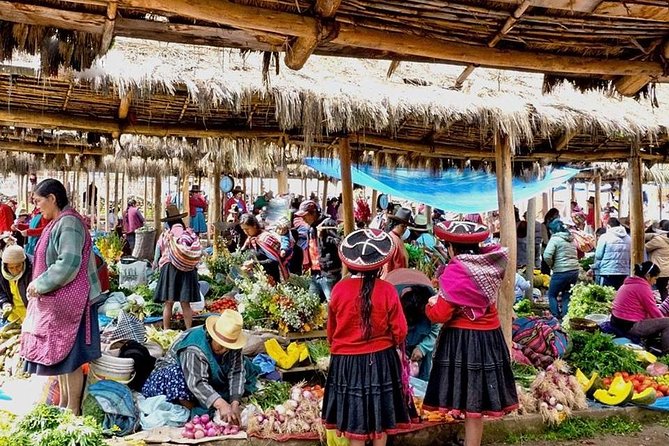
Your first major stop is Chinchero. This is the kind of place that feels alive because it has an actual town layout: preserved Inca walls, altars, and a main square that gives you context beyond a photo spot. The textile center stop adds a hands-on element. You’ll get a demonstration from Andean weavers on dyeing and weaving techniques, passed down through generations.
Here is the practical heads-up: the textile stop can feel sales-driven. Some visitors are happy with it, others feel pressured to buy. If that part is not your thing, treat it like a cultural stop, not a shopping obligation. Go in with a clear budget, and remember you can always politely decline.
More ways to reach Machu Picchu:
- Classic Inca Trail Trek 4D/3N to Machu Picchu (Group Service)
★ 5.0 · 8,653 reviews - Machu Picchu: 4-Day Inca Trail Trek with Panoramic Train Ride
★ 5.0 · 4,568 reviews - Short Inca Trail to Machu Picchu 2D/1N
★ 5.0 · 3,007 reviews - 2-Day Inca Trail to Machu Picchu with Panoramic Train
★ 5.0 · 1,876 reviews
Moray: circular terraces that still feel experimental
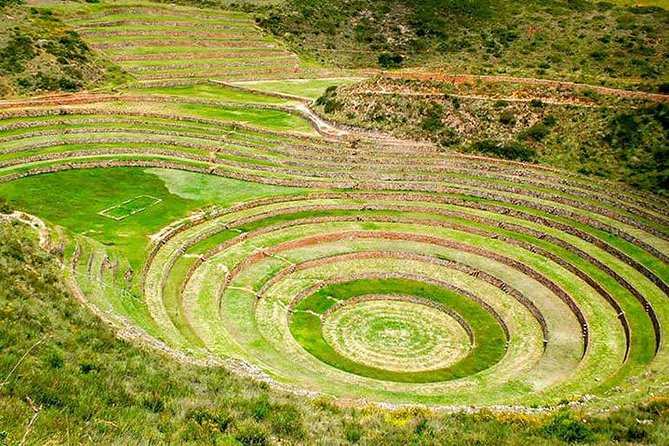
Next up is Moray, known for its circular terraces. These terraces were used as an Inca agricultural laboratory, meaning the layout was designed to test conditions for crops. Even if you do not know the technical details, the structure is easy to grasp visually. The circles create a natural sense of layers, like you are looking at an engineered system.
The advantage of having a guide here is that you do not just see shapes. You understand why the terraces were built the way they were and what that means in terms of how the Incas experimented with farming.
Maras Salt Mines: thousands of salt pools fed by a spring
Then you reach Maras Salt Mines. This is the part that tends to make people stop talking, because it is visually busy in the best way. You see about 3,000 salt pools, fed by mineral-rich spring water, and the scene changes as you move your viewpoint.
What you should plan for is walking on uneven ground and standing in spots to take photos. Even when the pace is private, you are still at altitude and outdoors.
Ollantaytambo to Aguas Calientes by train
In the afternoon, you head to Ollantaytambo and board the train to Aguas Calientes. This train ride is included, and it is one of the biggest reasons a guided package like this can feel worth it. You avoid the stress of figuring out timing and tickets while you are already tired from Day 1 sightseeing.
The train is described as basic in comfort level. That does not mean it is a bad ride, just that you should not expect luxury touches. Bring a layer and plan to spend most of your attention on the route outside.
When you arrive in Aguas Calientes, you check into your included 3-star hotel for the night.
Aguas Calientes overnight: where comfort meets practicality
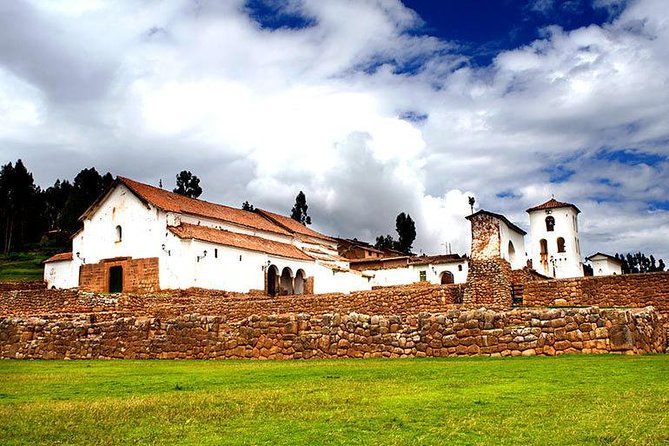
Aguas Calientes is the base village for Machu Picchu. It is convenient, but it has a different feel than Cusco. You will be closer to the action, and you will also be sleeping somewhere that is geared toward short stays for hikers and sightseers.
The included hotel is Golden Sunrise Hotel or similar, 3-star category. In a rural village setting, expect basic service. One traveler reported bugs and ants in the bathroom, which is not something you can control with the tour. The best you can do is come prepared. Pack insect repellent, and if you have any sensitivities, bring a small backup plan for bathroom cleanliness.
On the positive side, breakfast is described as homey and cozy. That matters on a day where you wake up early and want energy without overthinking it.
Day 2 Machu Picchu: early start, guided focus, and bus timing
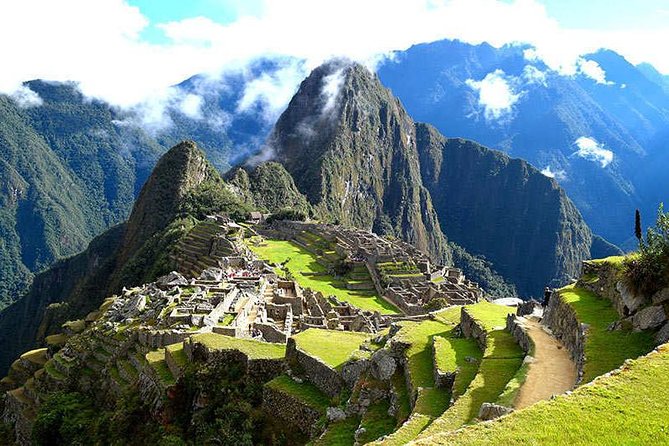
Day 2 begins with breakfast, then you take one of the morning buses up to Machu Picchu. The bus ride is part of the included package, and early timing matters because it affects visibility, crowd levels, and how much time you get on the grounds.
When you enter Machu Picchu, you get a guided tour of the main features. The focus is on the elements that define the site: temples, ceremonial areas, terraces, and storage structures. A guide is useful here because it turns what could be a list of monuments into a story you can actually follow while walking.
One small reality check: this is still a timed route. You will have morning bus time, a guided window, and a return plan. The best way to enjoy it is to treat the guided walk as your foundation, then use whatever open minutes you have to explore carefully.
Weather happens, so pack for it
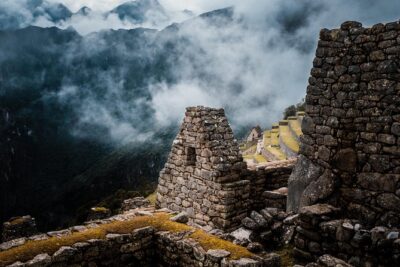
Even with a great plan, Machu Picchu weather can change fast. One traveler’s experience included rain and clouds that hid much of the view. This is not a tour problem, it is just the nature of the place.
If rain is possible during your travel dates, bring a rain layer and quick-dry clothing. If clouds roll in, it helps to stay patient, because views can shift. Also, bring a small plan for photos when visibility is low, like focusing on textures and architectural lines rather than only far valley views.
Lunch and downtime in Aguas Calientes
After Machu Picchu, you return to Aguas Calientes for rest and lunch. This break is important. It gives you time to regroup after walking and altitude.
Then, in the afternoon, you take the train back to Ollantaytambo, where a private van is waiting to bring you back to Cusco.
Optional viewpoint: Huayna Picchu or Machu Picchu Mountain
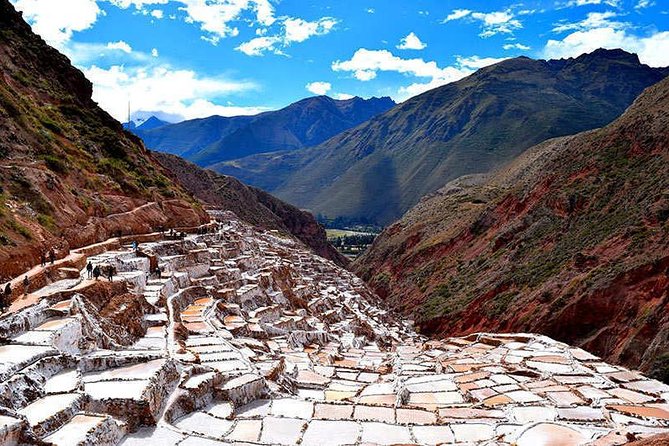
You have an option to add extra views if you booked the relevant ticket in advance: Huayna Picchu or Machu Picchu Mountain. Entrance to Machu Picchu itself is included, but these extra viewpoints are not.
The key tradeoff is effort versus reward. Huayna Picchu and Machu Picchu Mountain both mean extra climbing and time management. If you already know you want one of those big viewpoint hikes, plan your purchase early and be strict about your stamina.
If you do not have the extra ticket, you can still get a full guided Machu Picchu experience. The included visit still covers the core areas of the citadel.
The private guide advantage: what really changes on a tight schedule
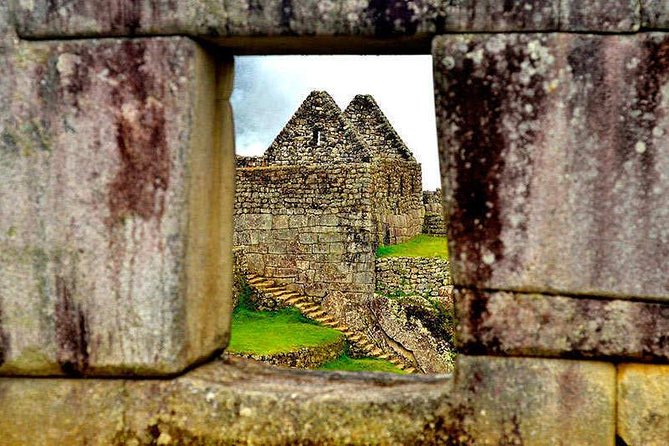
The guide experience is not just about facts. It changes how your day feels.
Guides in this setup often become your filter for Machu Picchu priorities and your translator for what you are seeing in the Sacred Valley. One guide name that came up in feedback is Yeny, praised for being attentive, thoughtful, and helpful at keeping things smooth through the day.
You should still stay proactive. Bring your questions. If there is any add-on ticket like a mountain viewpoint, make sure you confirm timing early with your guide so it fits the plan. On long days, tiny communication gaps can feel bigger than they should.
Practical tips so you get the best version of this 2-day plan
These are the details that tend to make or break a Machu Picchu trip, and they fit this itinerary well.
1) Start your day ready for altitude
You are starting in Cusco, then visiting sites at different elevations, then going up to Machu Picchu. Keep your pacing calm, drink water, and avoid acting like you are in flat-country.
2) Bring walking support
A heads-up from real experiences: packing walking sticks can help on Machu Picchu trails and the stair-heavy sections. If you already use poles, bring them. If not, consider lightweight sticks.
3) Pack for rain and insects
Rain gear is smart for Machu Picchu. For the hotel night, insect repellent can save you from an unpleasant surprise.
4) Budget for Day 1 entrances and your own meals
Maras, Moray, and Chinchero have extra entrance costs listed for the tour. Meals are not included, so plan for lunch and any snacks.
5) Accept that the included train is basic
This is about getting you to the right place at the right time. Do not treat the train like a comfortable lounge car. Bring a layer, something to do, and move on with your day.
6) Be ready for a hotel that is functional, not glamorous
Golden Sunrise Hotel or similar is a 3-star option. In a base village, rooms can be simple. If you want high comfort, you may need a different hotel choice.
Who should book this private Sacred Valley and Machu Picchu tour?
This private 2-day plan is a strong fit if you want:
- A structured route with minimal planning stress
- Machu Picchu early bus timing and a guided walk without juggling train and entrance logistics
- A single team that handles transfers between Cusco, the Sacred Valley, Aguas Calientes, and back
It may not be the best fit if you:
- Want a relaxed vacation with lots of free time
- Are extremely picky about hotel comfort level in a village setting
- Hope to do everything at your own pace without a fixed schedule
The tour works best for couples and small groups who value a clean itinerary and hate the mental load of booking every piece separately.
Should you book this private 2-day plan?
If you want Machu Picchu and you care more about getting it done well than doing it slowly, I think this is a smart booking. The included train, buses, entrance, hotel night, and private transfers remove the biggest headaches that can otherwise eat up your energy.
Book it if your priorities match the format: early Machu Picchu, guided clarity, Sacred Valley highlights in one day, and a smooth handoff back to Cusco.
I would book with eyes open about two things: the Sacred Valley site entrances on Day 1 are extra, and the hotel is 3-star with a village setting where insects can happen. If you plan for those realities, the value is strong for a time-pressed trip, and the experience is likely to feel personal and well-paced rather than chaotic.
FAQ
What is included in the price for Machu Picchu?
Round-trip train tickets to Machu Picchu, round-trip buses to Machu Picchu, the Machu Picchu entrance fee, hotel pickup and drop-off, and one night at the included 3-star hotel in Aguas Calientes are included.
Does the tour include the Sacred Valley site entrances on Day 1?
Chinchero, Moray, and Maras Salt Mines entrances are not included. An additional total of $25.00 is listed for those entrances.
What hotel do I stay in for the night?
You stay for one night at a 3-star hotel at Golden Sunrise Hotel or similar, based on double occupancy.
Are meals included?
Breakfast is included. Meals other than breakfast are not included.
Can I add Huayna Picchu or Machu Picchu Mountain?
Yes, if you have the extra ticket in advance, you can explore either Huayna Picchu or Machu Picchu Mountain. The entrance fee for these is not included.
What time does the tour start, and where?
The tour starts at 8:00 AM with hotel pickup in Cusco. It also ends in Cusco.
Is this tour refundable if my plans change?
No. This experience is non-refundable and cannot be changed for any reason.
How far in advance do people usually book this?
On average, this tour is booked 86 days in advance.
Recently reviewed around Cusco
- Cusco Cooking Class by ChocoMuseo in Cusco★ 5.0 · 29 reviews
- ATV Adventure to Moray and Maras Salt Mines – Half Day★ 4.5 · 29 reviews
- 1-day excursion to Machu Picchu from Cusco★ 5.0 · 29 reviews
- Private Tour Sacred Valley, Chinchero, Maras Moray, Ollantaytambo★ 5.0 · 29 reviews
- From Cusco: Humantay Lake with Breakfast and Buffet Lunch★ 4.5 · 29 reviews
- 4 Day – Inca Jungle to Machu Picchu★ 5.0 · 29 reviews
- 2-Day Machu Picchu Tour by Train from Cusco★ 4.5 · 29 reviews
- 2-Day Sacred Valley and Machu Picchu Tour By Train★ 4.5 · 29 reviews
Machu Picchu, compared.
Classic Inca Trail Trek 4D/3N to Machu Picchu (Group Service)
Read our review →
4-Day Inca Trail Trek with Panoramic Train Ride
Read our review →
2-Day Inca Trail to Machu Picchu with Panoramic Train
Read our review →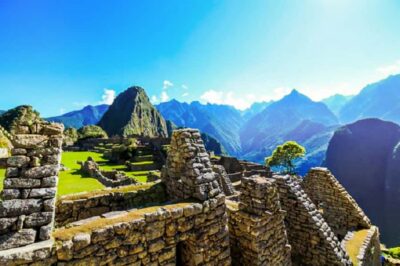

2-Day Tour: Sacred Valley and Machu Picchu by Train
Read our review →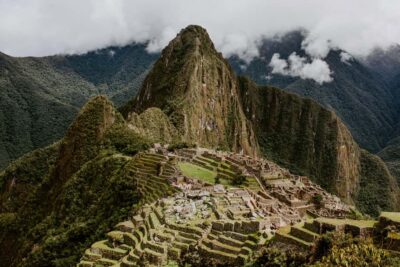
Browse the lists this tour appears in