
Reviewed · UROS FLOATING ISLANDS
Puno: 3-hour trip to the floating Uros Islands
If you want something memorable in Puno without losing a whole day, the Uros experience is a smart pick. You get a real Lake Titicaca boat ride, then a guided visit to the famous floating islands built from totora plants.
I like that this tour uses a tourist boat with safety equipment and keeps the pacing friendly for a short outing. I also like the human part, local families welcoming you and explaining their traditions, community life, and textile arts.
One consideration: the total time is tight, so if you prefer a slow, stay as long as you want kind of visit, the schedule can feel a bit structured.
Key highlights at a glance
- Calm sailing on Lake Titicaca for about 25 to 30 minutes each way
- Local families as your hosts, sharing how they live and build their community
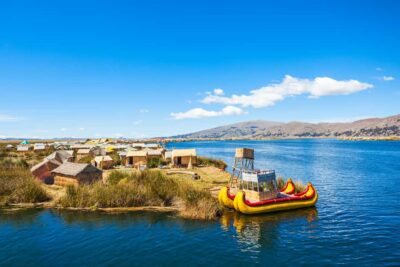
- Totora-made islands, including homes, rafts, and platforms
- Small group or private options, with a bilingual guide in Spanish and English
- Skip the ticket line, plus entry ticket included
- Watch what is not included, especially the traditional boat ride and totora raft option
Why the Uros floating islands feel like a real stop, not just a photo stop
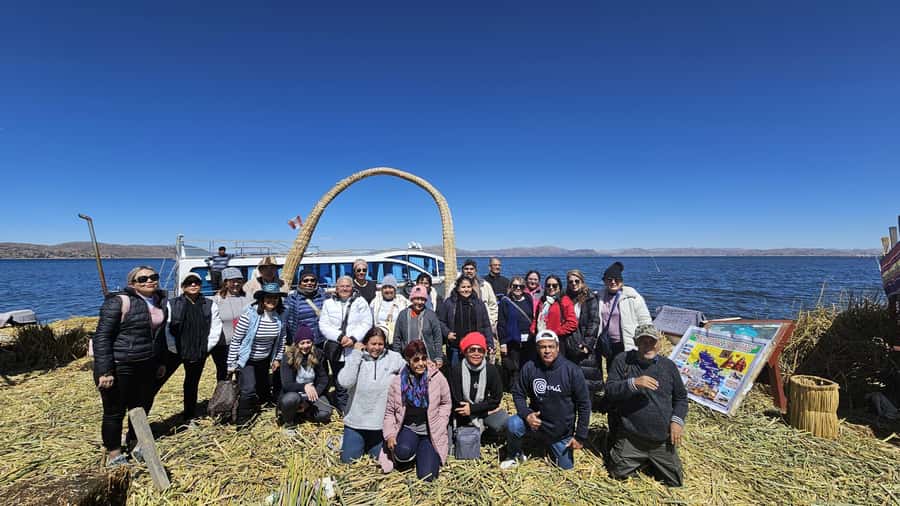
The Uros floating islands are one of those places you can understand fast, but never fully stop learning from. These islands are built entirely of totora, an aquatic plant, and that fact shapes everything you see: how structures are made, how they are maintained, and how daily life works on water.
What makes this tour especially good value in a short time is that you do not just look from a distance. You get welcomed by local families and you hear the story behind the islands, including how their community organizes itself and how their traditions have been passed down.
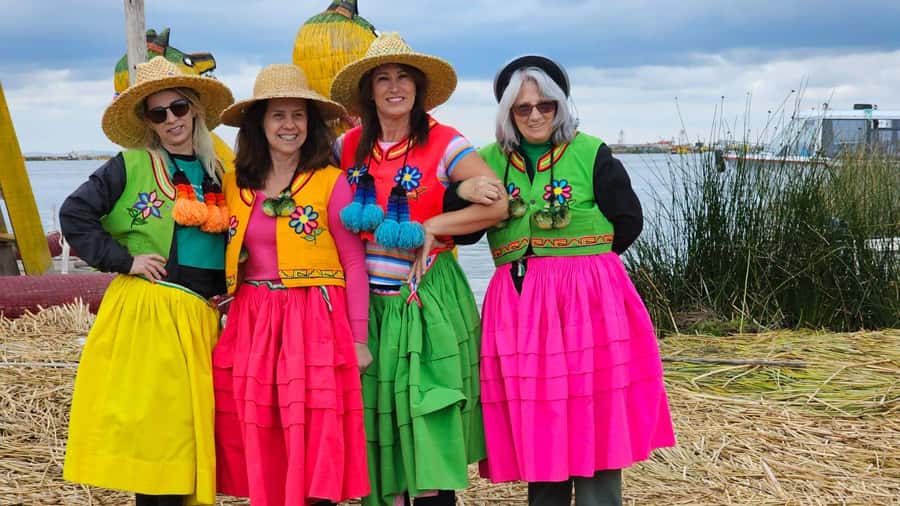
The visit also pays attention to culture beyond the obvious. You get to appreciate textile art and colorful clothing, which is a good reminder that this is not only a tourist set-up, it is a living community with skills and identity.
More visits to the Uros floating islands:
- Lake Titicaca (Day Trip) Uros & Taquile Islands
★ 4.5 · 245 reviews - Lake Titicaca 2-Day Tour to Uros, Amantani and Taquile
★ 4.4 · 199 reviews - Puno: Full-Day Tour of Lake Titicaca and Uros & Taquile
★ 4.4 · 178 reviews
The 3-hour format: how to fit the islands into a Puno schedule
This is built as a short tour from Puno, with a duration of about 3 hours. That matters because Puno itself is often a base for bigger Lake Titicaca plans, like trips to other parts of the region, and you may not want another full half-day.
You start with a pickup arranged from your hotel or the bus station. The guide or pick-up staff looks for you about 15 minutes before the chosen start time, and that helps the whole day stay on track.
Then, you spend part of the time sailing on calm water and part of the time on the islands with a guided explanation. You are not stuck in long transfers or complicated logistics. You get a complete experience that still respects the time most people have in Puno.
Pickup timing and the tourist boat ride you should expect
The tour begins with a transfer from where you are staying in Puno, or from the bus station. Plan to be ready right at the arrival window. The staff finds you by name, about 15 minutes before departure, so you do not have to hunt around or call.
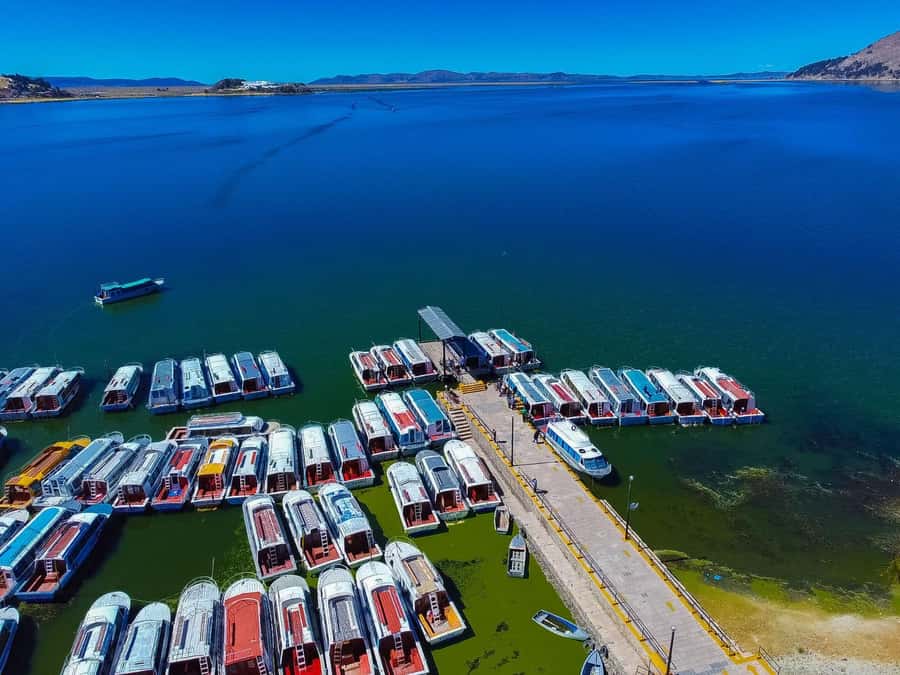
Once you are on the water, the sailing portion is relatively short. You spend about 25 minutes sailing to the Uros islands and about 25 minutes sailing back to Puno, which lines up with the general idea of a roughly 30-minute boat segment.
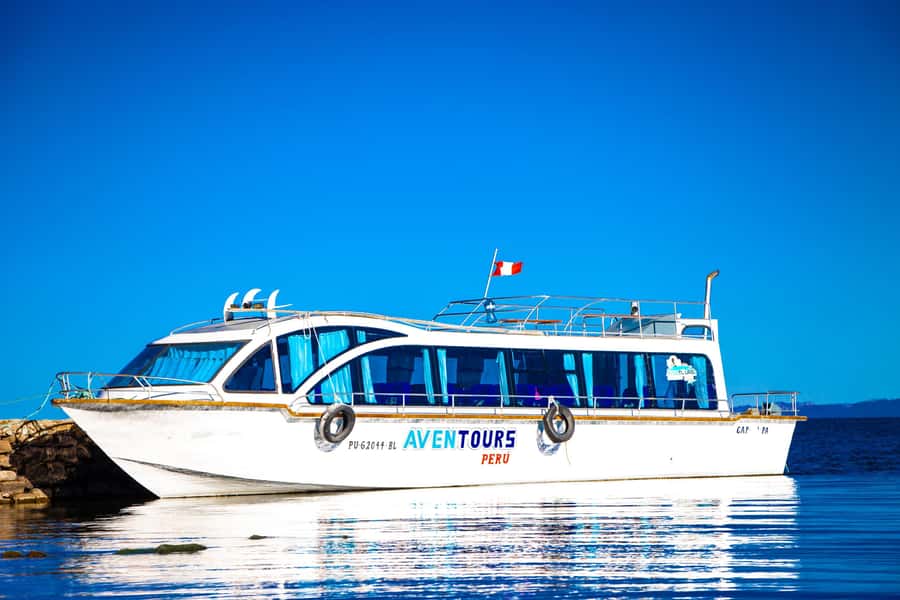
This is not a sketchy, bare-bones water crossing. You travel on a tourist boat with safety equipment, which is a big deal when you are trying to enjoy the experience instead of worrying about the basics. You also get skip-the-line ticket handling, which reduces wasted waiting time before the islands visit.
Guided time on the islands: what local families actually explain
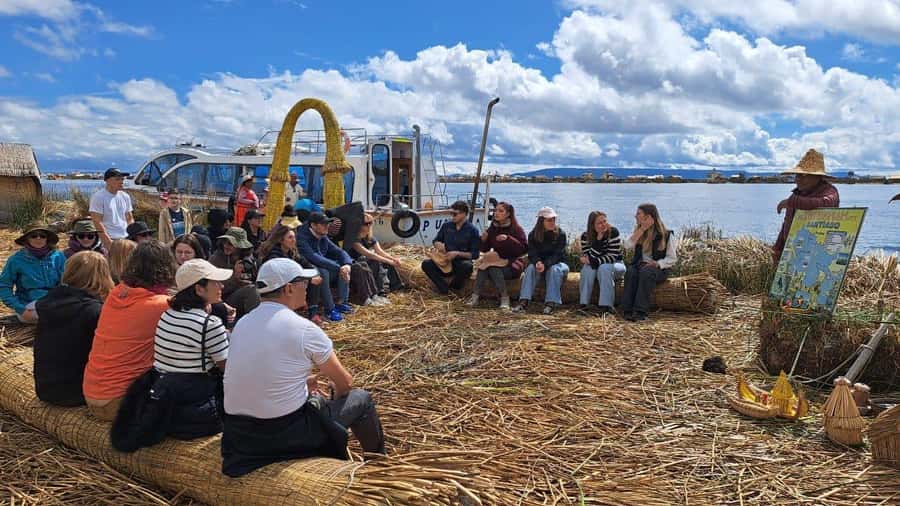
The core of the experience is the guided visit on the Uros islands. You are welcomed by local families who share their traditions, history, and way of life.
Here is what you should look and listen for during the talk:
- How totora is used not just for a surface, but for building structures like homes, rafts, and platforms
- How the community organizes itself, since life on water requires constant coordination
- How maintenance works, because totora-based structures need ongoing upkeep
- Textile art and clothing, which is a practical way to learn about culture in motion, not a frozen display
This kind of explanation helps you connect the visuals to reality. If you only take pictures, you might miss the point. If you pay attention to the building and maintenance story, the whole visit makes more sense.
A few more Lake Titicaca days worth comparing
- Lake Titicaca (2 Days)
★ 4.5 · 188 reviews - Lake Titicaca, Uros and Taquile Full-Day Tour
★ 4.3 · 69 reviews - Full Day Lake Titicaca Tour to Uros and Taquile Islands
★ 4.5 · 56 reviews - Uros Reed Floating Islands & Taquile Island Titicaca Puno Full Day
★ 4.0 · 38 reviews
Totora building and textile traditions: the two things you should pay attention to
It is easy to get focused on the novelty of floating islands, but the real value is understanding the details that make the islands function.
Totora building is the big one. Totora plants are used to create the island structures, and that means the island is not a one-time construction. It is an evolving platform. You might hear about how the community makes and maintains their totora-based homes and how the platforms support daily life.
Textiles and clothing offer a second layer that many visitors appreciate more than they expect. This tour gives you a chance to connect what you see, colorful clothing and textile work, to the way of life and culture being described. If you are the type who likes small craft details, you will probably enjoy this part.
The schedule pace and the optional activities: where expectations need to be clear
This is a short outing, and that affects the vibe. Some people like a smooth, on-time plan. Others can feel a little pressure to complete the activities that support the livelihoods of the community.
Also, two important items are not automatically included:
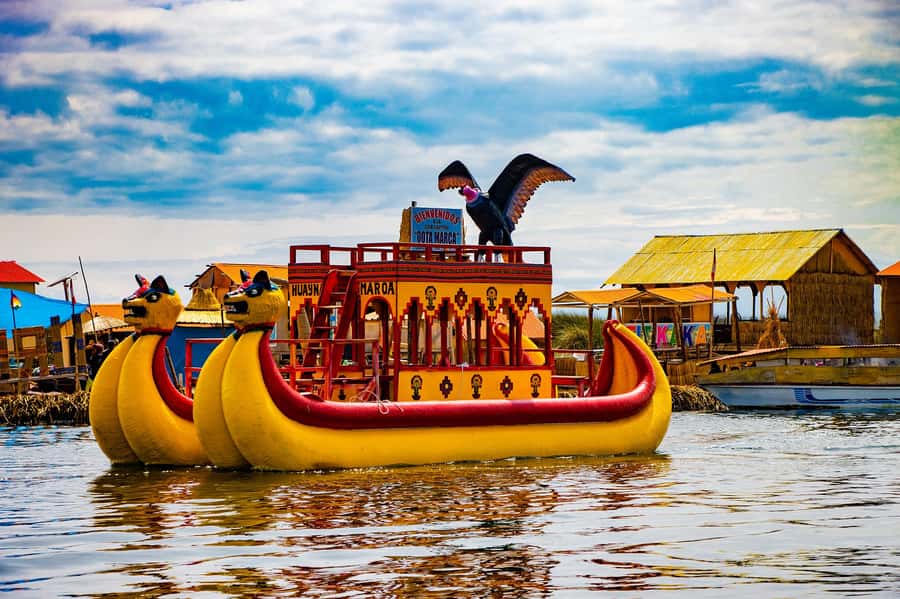
- The traditional boat ride is not included in the tour price
- The totora raft offered by the Uros community is not included
In practice, that means you should decide in advance what you want. If you want to limit extra spending and keep it strictly to the tour, you can. If you want more hands-on time on the water, expect to pay for optional add-ons or at least handle them separately from the included items.
The smart approach is simple: ask what is optional during the visit, confirm what is included in your ticket, and then choose only what feels worth it to you.
Price and value: is $5 really enough to make sense?
At about $5 per person, this tour is priced for affordability. The key question is what that money buys you in real terms.
Here is what you are getting for that value:
- Pickup from your hotel or bus station
- A tourist boat ride with safety equipment
- A bilingual guide (Spanish and English)
- Entry ticket handling
- Skip-the-ticket-line support
- A focused itinerary that fits a 3-hour window
That combination is what makes the price feel realistic for many budgets. You are not paying for a long private charter or extended transfer time. You are paying for a compact, guided introduction to a place that would be hard to arrange on your own without getting lost in logistics.
One more value point: small groups or private options are available. Even if you do not go private, the small-group format tends to make the guide’s explanations easier to follow and helps you ask questions instead of shouting over a crowd.
Who this tour is best for, and who should skip it
This tour is a good match if you:
- Want a short cultural stop from Puno
- Like guided explanations, especially about how communities maintain their way of life
- Prefer an organized plan with pickup and a clear timeline
- Want a bilingual guide in Spanish and English, with French also available
It may be less ideal if you:
- Want a long, unhurried visit with lots of extra time on the islands
- Do not want to deal with optional add-ons, since some water experiences are not included
There is also a specific suitability note. The tour is not suitable for people over 95 years. If you are in that range, you should choose a different option.
Wheelchair access is listed, so mobility needs should be considered with the operator, but the activity does say wheelchair accessible.
What to bring, and how to get the most out of the visit
The practical packing list is simple. Bring comfortable shoes. You will be walking around on the island environment, and comfort matters more than style here.
Then focus on the mindset side:
- Ask questions about construction and maintenance. Those are the ideas that turn the floating-island novelty into understanding.
- Pay attention to textile details and what the guide says about meaning or tradition.
- If you care about the optional boat ride or totora raft experience, ask what costs extra before you commit.
For language support, you can count on Spanish and English with guide support, and French is also available. If you speak one of these, you will likely get more out of the explanations.
Should you book the Puno Uros floating islands tour?
Book it if you want a high-value, short trip that combines sailing time, a guided cultural visit, and a clear plan starting from Puno. The price is low enough that you can justify it even if you are doing other Lake Titicaca activities later, and the inclusions cover the basics you do not want to scramble for on your own.
Skip it or look at alternatives if you need a lot of free time on the islands or you dislike structured schedules. Also, if you are expecting a traditional boat ride or the totora raft experience to be included automatically, adjust your expectations, since those are not included.
If you are choosing between doing this and doing nothing with your Puno time, I would choose this. It is one of the fastest ways to understand why the Uros islands are more than a postcard.
Recently reviewed around Lake Titicaca
- Titicaca Lake 2 Day 1 Night from Cusco to Puno★ 4.5 · 33 reviews
- Full day trip to Lake Titicaca, the Uros and Taquile Islands.★ 4.5 · 34 reviews
- Uros Reed Floating Islands & Taquile Island Titicaca Puno Full Day★ 4.0 · 38 reviews
- Lima Machupicchu and Lake Titicaca Tour 9 days★ 5.0 · 51 reviews
- Full Day Lake Titicaca Tour to Uros and Taquile Islands★ 4.5 · 56 reviews
- Full Day Lake Titicaca Tour from Cusco★ 4.5 · 91 reviews
- 6-Day Best of Peru: Cusco, Machu Picchu, and Lake Titicaca Tour★ 5.0 · 123 reviews
- Lake Titicaca (2 Days)★ 4.5 · 188 reviews
Uros Floating Islands, compared.
Tour to Uros and Taquile Islands in a Fast Boat
Read our review →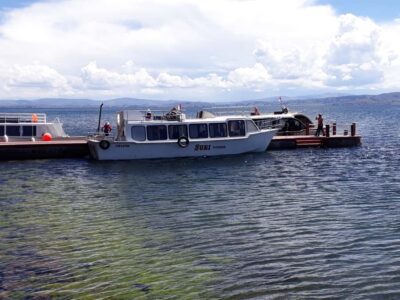

Uros and Taquile Islands on New and Comfortable SpeedBoat
Read our review →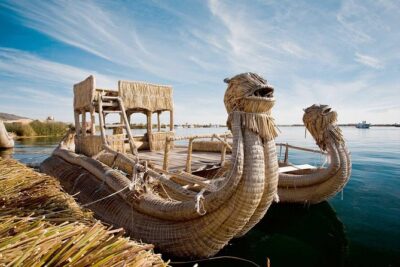
Lake Titicaca (Day Trip) Uros & Taquile Islands
Read our review →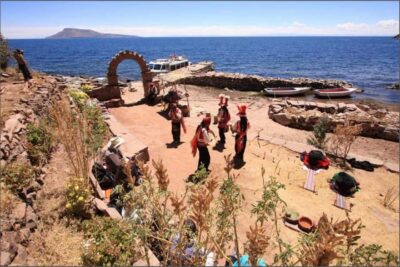
Lake Titicaca 2-Day Tour to Uros, Amantani and Taquile
Read our review →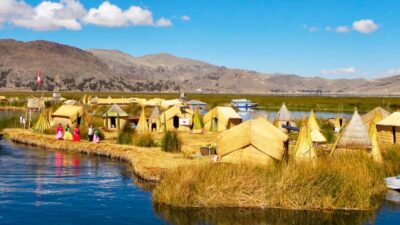
Full-Day Tour of Lake Titicaca and Uros & Taquile
Read our review →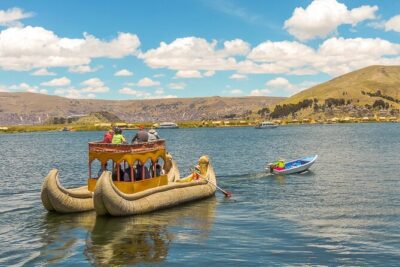
Speedboat Day Trip to Uros and Taquile From Puno
Read our review →Browse the lists this tour appears in