
Reviewed · MACHU PICCHU
Sacred Valley and Machu Picchu 2 Days Tour
This trip is interesting because it connects everyday Inca life in the Sacred Valley to Machu Picchu at the start of the day, when the site feels calmer and more magical. I especially like the early Machu Picchu timing and the fact it runs as a small group (up to 10), so you get real answers instead of rushed talking.
The main drawback to think about is the pace. You begin at 7:00 am, and you’ll spend two full days moving between sites, including a guided Machu Picchu portion and then transport back toward Cusco.
Key highlights before you go
- Up to 10 people, which keeps the tour personable and question-friendly
- Circuit 2 at Machu Picchu, led by a guide plus time at a classic photo viewpoint
- Day 1 hits four big Sacred Valley stops, from Chinchero to Ollantaytambo
- Meals included, with lunch and dinner covered (plus breakfast, but not your very first morning bite)
- Salt Mines of Maras entrance costs extra (20 soles), so plan a little cash
The two day flow that actually helps you see more
This is a tight but well-balanced plan: Sacred Valley first, Machu Picchu next. Day 1 is about seeing how the Incas used place and altitude, then Day 2 is about one thing only, Machu Picchu, guided and timed thoughtfully.
I like that the schedule is built around logistics you’d otherwise fight. You get the Machu Picchu ticket handled, plus the round trip train setup, and you’re guided through the big decisions like what to look for during Circuit 2. Your day still feels active, but it feels controlled, not chaotic.
One more good sign is the way your day is paced for photos. Guides have helped people hit the best light and the best viewpoints from the classic angles, including catching Machu Picchu in the early morning before bigger groups show up. And yes, that means an early start, but it pays you back with calmer moments.
More Sacred Valley days:
- From Cusco: Sacred Valley & Maras Salt Mines Tour with Lunch
★ 4.8 · 2,227 reviews - 2-Day Tour: Sacred Valley and Machu Picchu by Train
★ 5.0 · 1,127 reviews - Cusco: Sacred Valley, Pisac, Ollantaytambo, Salt Mines Moray
★ 4.6 · 1,058 reviews
Chinchero’s Inca walls and weaving time you can participate in
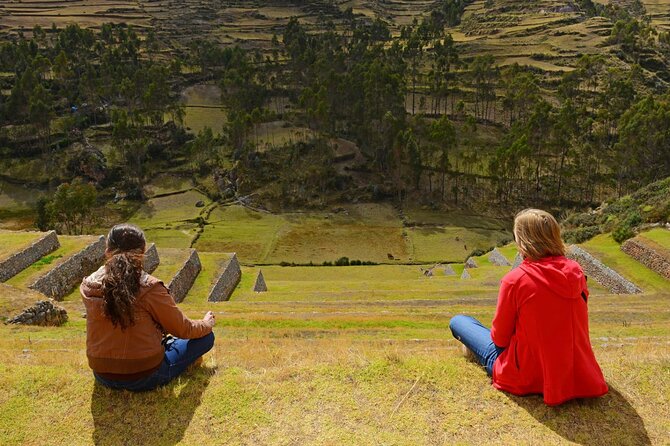
Chinchero is where the Sacred Valley story gets personal fast. You’re looking at Inca-style building blocks, big walls and terraces, and a colonial church sitting inside the same area, so the layers of time are right in front of you.
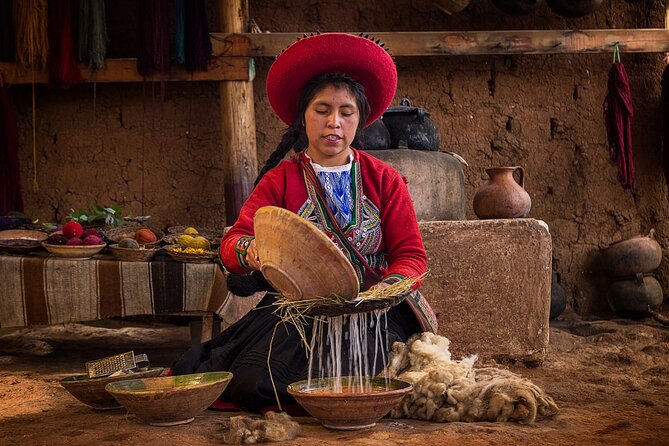
What makes this stop more than a quick walk-by is the weaving activity. You’ll learn techniques and use of natural materials, then you get time to shop for hand-made textiles if you want a souvenir that actually connects to what you just saw.
Practical tip: if you care about textiles, go slow here. The weaving demo is usually where you’ll catch details that make the later shopping feel less like impulse buying and more like you know what you’re paying for.
The only “watch out” is time and energy. Chinchero is a great start, but it’s also the first site on a long day, so come ready with water and a relaxed attitude. (Bottled water is not included, so plan on grabbing some separately.)
Moray’s terraces: how the Incas studied crops and climates
Moray is one of those places that feels scientific without being boring. These are Inca farming terraces used to study different crops across changing conditions like altitude and climate.
Your visit isn’t just about looking from the edges. You’ll walk and learn about the range of Andean products grown there, including corn, potatoes, beans, and other staples. The view helps, but the point is understanding how the Incas tested and adapted agriculture in a tough environment.
If you’re the kind of traveler who likes “why” answers, Moray is a strong stop. It helps you connect the later ruins and stonework with something practical: food systems. And that turns Machu Picchu from a museum visit into part of a larger way of living.
One practical note: Moray is included with admission. That’s a small detail, but it helps you keep the day from turning into add-on surprises.
Salinas de Maras salt pools: the 3,000-plus working landscape
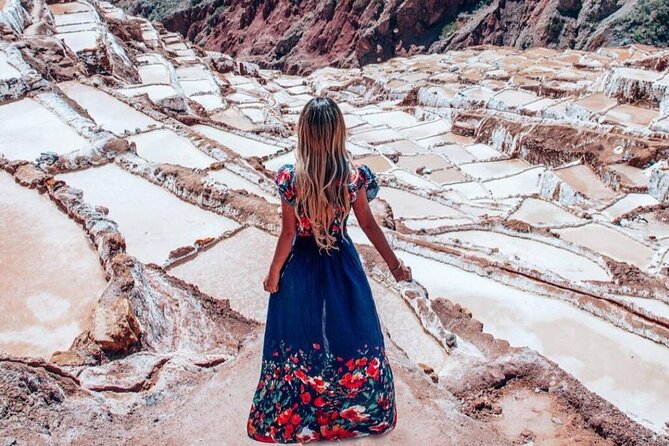
Maras is famous for its salt mines and the 3,000-plus salt pools that have been used since pre-Inca periods and continue today. What you’re seeing here is not a “stopped” ruin, it’s an active craft tied to the land.
Your guide explains the types of salt, the extraction techniques, and the full process, so it’s not just a view. This stop works well if you like hands-on agriculture stories, or if you want a break from stone ruins and into something more everyday and physical.
Budget heads up: the Salt Mines ticket is not included, and it costs 20 soles. I’d bring some cash just for this, even if you already have everything else sorted. It’s the one named add-on on the tour plan, so it’s easy to plan around once you know it’s coming.
More ways to reach Machu Picchu:
- Classic Inca Trail Trek 4D/3N to Machu Picchu (Group Service)
★ 5.0 · 8,653 reviews - Machu Picchu: 4-Day Inca Trail Trek with Panoramic Train Ride
★ 5.0 · 4,568 reviews - Short Inca Trail to Machu Picchu 2D/1N
★ 5.0 · 3,007 reviews - 2-Day Inca Trail to Machu Picchu with Panoramic Train
★ 5.0 · 1,876 reviews
Ollantaytambo: huge stones, terraces, and the mystery of function
Ollantaytambo is a major Inca complex, and you’ll feel it the moment you get close. The stones are massive and beautifully cut, and the terraces and water features keep reminding you that this was engineered for real use.
This is also one of the stops where you’ll hear the “what was it for” side. There are buildings that still puzzle people, plus farming terraces and water fountains that give you clues. Even if you don’t leave with a perfect answer, you leave with a sense of scale and design thinking.
Another reason I like Ollantaytambo for a guided tour is the mix of time periods. You’ll be seeing the Incas at work, then you’ll see how the valley’s history continued and layered over time.
Admission is listed as free here, which helps keep Day 1 from feeling like a pay-to-enter marathon. Still, do expect lots of walking between viewpoints.
Machu Picchu guided Circuit 2, plus the classic photo moments
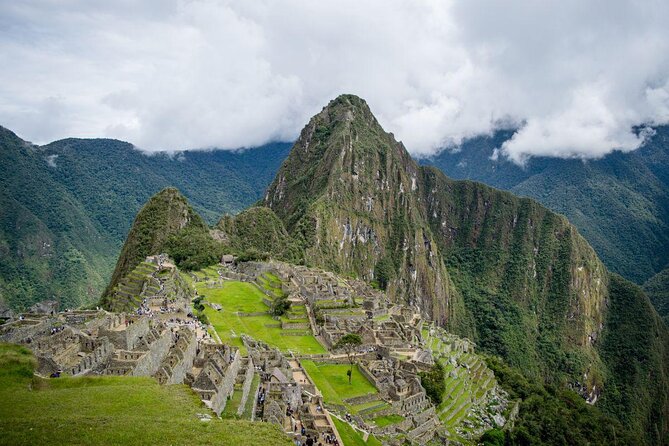
Day 2 is built around Machu Picchu at the top of the mountain, hidden by forests and towering peaks. The guided visit follows Circuit 2, and you’ll learn about the temples you pass plus the history tied to what you’re seeing.
You’ll also get time for photos from the classic spot. The helpful part is that your guide can steer you toward the viewpoints that make sense for photos and timing, rather than you wandering around trying to figure out where the “best” angle is.
Then you board the bus down to Aguas Calientes and take the returning train back to Ollantaytambo. That train connection is one of the biggest reasons this tour is worth considering. If you’ve ever tried to line up bus, ticket timing, and train schedules in a place with limited flexibility, you’ll appreciate having this handled.
A scheduling detail you should care about: the Machu Picchu portion is listed at 4 hours with admission included. That tells you you’re not getting a rushed, photo-only glance. It’s a guided experience that gives you context, then gives you time to look.
Guides who make it stick, with real photo support
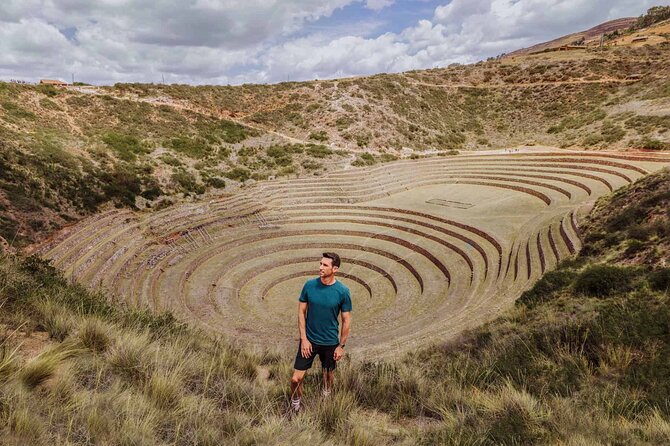
The most repeated win in the experience is the guide. People name guides like Urbano and Chino for clear English and for explaining what you’re looking at, not just reciting facts.
I also like that the best guides here help with the practical stuff: getting people from place to place smoothly, answering questions as they come up, and helping with pictures. One person even described the guide guiding them to the most spectacular moment in the cloudy morning for photos, plus helping take great shots with a phone and a camera.
In at least one case, the guide worked in a quick extra stop for a waterfall encountered along the route, showing that the tour is not totally rigid if there’s a safe, reasonable opportunity. That kind of flexibility can make the trip feel more human.
One caution: “amazing guide” is not something you can guarantee on every date, so don’t wait to be impressed. If you want the most out of your guide, come with a few questions about agriculture, architecture, or everyday life, and you’ll get more out of the answers.
Meals and timing: what’s covered, what’s on you
You’re not left guessing about food. Breakfast, lunch, and dinner are included, along with all fees and taxes. The one exception is that the very first breakfast is not included, meaning your morning before pickup is on you.
Lunch after Machu Picchu is also not included. That matters because Day 2 ends in the Aguas Calientes area before you continue onward, so plan for buying a meal there if you need one.
Also, bottled water is not included. That’s pretty standard in Cusco-area tours, but altitude can make you feel it. I’d grab water before each block of walking or sightseeing time.
Finally, the tour starts at 7:00 am. If you’re coming from somewhere else in Cusco, build in time to get to the meeting point without stress. The meeting point is near public transportation, which helps, but early starts still make slowdowns feel big.
Price and value: why $560 can make sense here
At $560 per person for about two days, the price looks steep until you break down what’s actually inside it. You’re paying for guided visits, admissions for Sacred Valley stops and Machu Picchu, plus a round trip train ticket, and multiple meals.
This is one of those tours where the value is mostly in removing friction. Machu Picchu is not just a ticket, it’s timing, routes, and getting to the right places at the right moments. When a tour handles the train and the entry logistics, you spend your energy on the experience instead of planning stress.
You also have a cap of 10 travelers, which often means a better experience than larger bus-and-herd days. That small group size matters more than it sounds, especially when you want your guide to answer questions without shouting.
If you’re traveling on a tight budget, the extras are manageable. Salt Mines of Maras entrance costs 20 soles, and you’ll need to cover bottled water and lunch after Machu Picchu. Still, those are predictable, not surprise expenses that pop up late.
Who this tour fits best
This works best if you want a guided, time-efficient visit that still covers major places: Chinchero, Moray, Maras salt pools, Ollantaytambo, then Machu Picchu. It’s a good match for first-time Cusco visitors who want the highlights without losing hours figuring out transport.
It can also suit families. One of the named guide experiences involved a party with an 11-year old, and the guide was described as supportive along the trail. If you have kids, the key is going in with a realistic pace and plenty of patience for altitude and early mornings.
If you want maximum independence, you might prefer a self-planned Machu Picchu day. But if you want a “get it done, see it right, learn as you go” style trip, this format is strong.
Should you book this Sacred Valley and Machu Picchu 2 day tour?
I’d recommend booking if you care about guided context, want Machu Picchu handled with Circuit 2 and the return train setup, and like small group tours. The early timing for Machu Picchu and the way the guide supports photos and questions are real advantages, not fluff.
I would not book if you dislike early wake-ups or you’re looking for a slow, flexible vacation with lots of free time. This plan is active, scheduled, and designed to move efficiently between major sites.
One last decision helper: the typical booking window is about 57 days in advance, which is a hint that seats and planning windows can fill up. If this tour dates matter to you, don’t wait.
FAQ
What is the price of the Sacred Valley and Machu Picchu 2 day tour?
The tour costs $560.00 per person.
How long is the tour?
It runs for 2 days, approximately.
When does the tour start?
The start time is 7:00 am.
What places do you visit during the two days?
You visit Chinchero, Moray, Salinas de Maras, Ollantaytambo, and Machu Picchu.
Are meals included?
Yes. Lunch, breakfast, and dinner are included. Breakfast is included, but the first breakfast is not included, and lunch after Machu Picchu is not included.
Is the Salt Mines of Maras ticket included?
No. The Salt Mines ticket is not included and costs 20 soles.
Are Machu Picchu tickets included?
Yes. Machu Picchu admission is included.
Do I get round-trip train tickets?
Yes. A round-trip train ticket is included.
How many travelers are in the group?
The tour has a maximum of 10 travelers.
Can the itinerary be changed or refunded after booking?
This experience is non-refundable and cannot be changed for any reason, including amendments or cancellations.
Recently reviewed around Cusco
- 6-Day ||All Included|| Excursion – MachuPichu & Rainbow Mountain-Humantay Lake★ 4.5 · 8 reviews
- Horseback Riding thru the Mountains of Cusco★ 5.0 · 8 reviews
- Cuzco City Tour and Archaeological Ruins in Half Day★ 5.0 · 8 reviews
- Full Day – Rainbow Mountain tour – Group Service★ 5.0 · 8 reviews
- Half Day Tour in Cusco: Exploring the City and Four Ruins★ 4.5 · 8 reviews
- Cusco 4 Days Machu Picchu and Sacred Valley | All included★ 5.0 · 8 reviews
- Machu Picchu and Sacred Valley 2 Day Tour★ 5.0 · 8 reviews
- Walking Tour in Legendary & Historical Cusco City★ 4.5 · 8 reviews
Machu Picchu, compared.
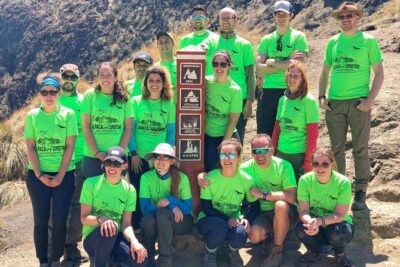
Classic Inca Trail Trek 4D/3N to Machu Picchu (Group Service)
Read our review →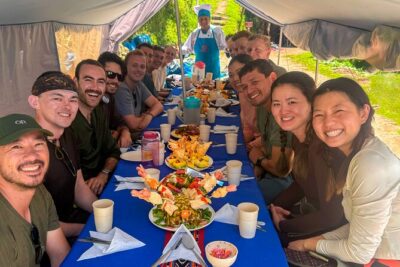
4-Day Inca Trail Trek with Panoramic Train Ride
Read our review →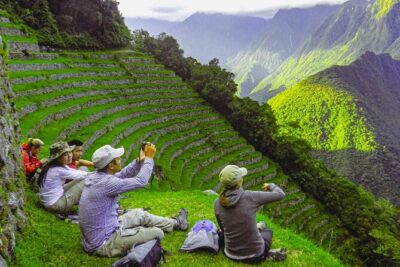
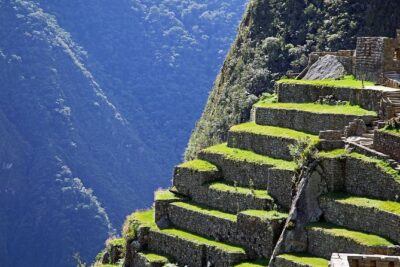
2-Day Inca Trail to Machu Picchu with Panoramic Train
Read our review →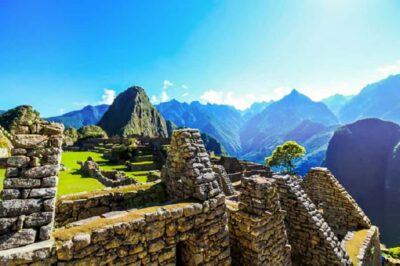

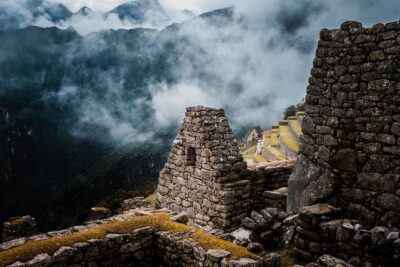
2-Day Tour: Sacred Valley and Machu Picchu by Train
Read our review →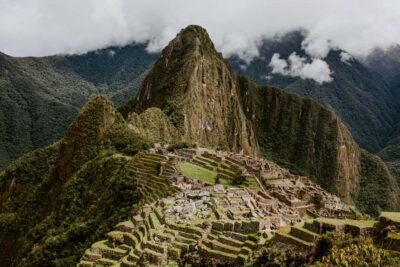
Browse the lists this tour appears in