
Reviewed · SACRED VALLEY
Sacred Valley of the Incas with Moray and Salt mines
Cusco has a way of turning history into something you can touch, and this Sacred Valley tour does that fast. You move through Inca agriculture, salt harvesting, and stonework in one packed day, starting early and ending back in Cusco.
Two things I really like: the stop at Moray, where those circular terraces act like an Inca agricultural laboratory, and the fact that your guide ties together how people farm, mine, and make textiles. One possible drawback is the pace and the number of structured stops, which can feel like a lot if you dislike shopping-style stops or want lots of slow time.
Key highlights to know before you go
- Chinchero’s mix of Inca stone and a 16th-century colonial church, plus local textile-making you can see up close
- Moray’s circular terraces explained as an agricultural testing site
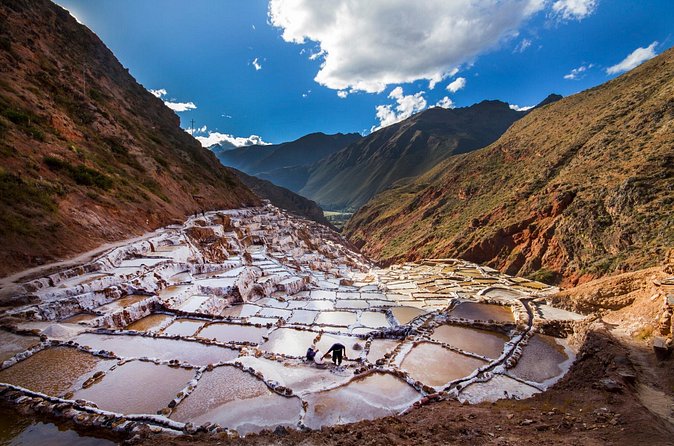
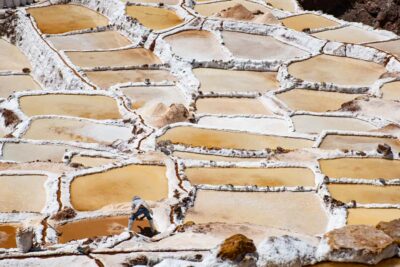
- Salinas de Maras salt mines with hundreds of years of natural salt harvesting
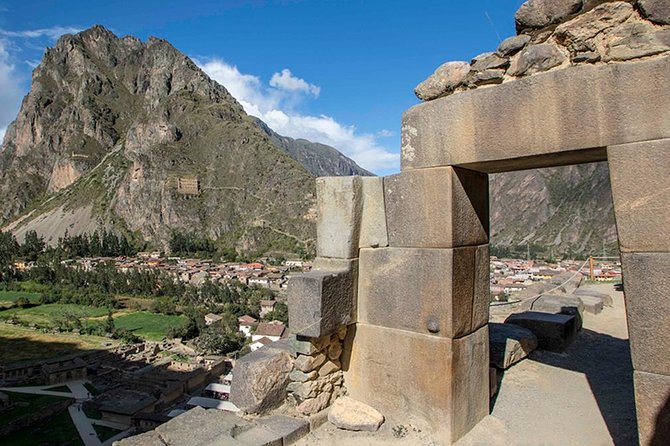
- Ollantaytambo’s Inca fortress stonework in a set, high-impact stop
- Pisac’s layout across urban, agricultural sectors, and a cemetery, before the ride back to Cusco
- A small group in a 20-person van with a bilingual guide and lunch included
Sacred Valley logistics: an early start and a full 10 to 11 hours
This is a long day in the best way. The tour starts at 6:30 am, with your meeting point at Portal de Comercio 169, Cusco. Your end point is Del Medio 177, Cusco, so you are not left guessing where to go when it is over.
You will spend the day moving between major Sacred Valley sites, with shorter on-site times at some stops. You have listed durations of about 1 hour for Chinchero and Ollantaytambo, 30 minutes for Moray, 40 minutes for the salt mines, and 1 hour for Pisac, plus travel time between them.
Transport is handled for you. You get hotel pickup and drop-off from selected Cusco hotels and travel by a van limited to about 20 people, which keeps things organized. If you hate early mornings, this one will still work, but you will need to be ready for the day to start before you feel fully awake.
More visits to the Maras salt mines:
- From Cusco: Sacred Valley & Maras Salt Mines Tour with Lunch
★ 4.8 · 2,227 reviews - From Cusco: Moray, Maras Salt Mines & Chinchero Weavers Tour
★ 4.8 · 1,925 reviews - Cusco: Sacred Valley, Pisac, Ollantaytambo, Salt Mines Moray
★ 4.6 · 1,058 reviews
Price and real value: $65 plus the Boleto turistico entrance fee
The tour price is $65.00 per person, and the big win is that key basics are already included. You get round-trip hotel pickup and drop-off (selected hotels), transport in a van for up to 20 people, a bilingual English and Spanish guide, and a lunch buffet.
What is extra is the entrance cost. The tour notes an entrance fee for the Boleto turistico, described as covering Sacred Valley entry plus Salineras de Maras, for $28.00 per person. The itinerary also lists Ollantaytambo and Pisac as admission free, so you are not paying the same way for every stop.
Here is how I think about the value: you are paying for a guide-led day that links the places together, not just for the sites themselves. If you already know you will visit Chinchero, Moray, and Maras anyway, the included lunch and transport help you avoid the stress of coordinating bus timing and ticket lines on your own.
Bottom line: plan on budgeting $93 per person total if you add the Boleto turistico. If that fits your trip plan, the structure of the day makes it a solid deal.
Chinchero, Inca stone plus a 16th-century church and alpaca textiles
Chinchero is a strong first stop because it shows two eras right beside each other. After about an hour ride, you arrive at the Complejo Arqueologico Chinchero, where you can see Inca constructions placed next to a colonial church built in the 16th century.
I like this stop because it is not only about ruins. You can also observe local textile-making, including people working with alpaca materials to produce clothes. Since the tour is meant to explain Inca textile techniques, this is a practical place to start thinking about materials, production, and everyday craft, not just monumental stone.
Time-wise, this is listed as 1 hour. It is enough to get oriented and see what is in front of you, but not enough to hang around for a long, detailed conversation at every point. Admission for this stop is not included, so you will want your extra fee plan set before you arrive.
One note on expectations: this kind of textile-focused stop can also come with built-in opportunities to purchase items. If you prefer to just observe and keep walking, you may want to be clear with yourself about how much shopping time you are willing to tolerate.
Moray’s circular terraces: an agricultural laboratory in plain sight
Then you move on to Moray, which is one of those places where the layout tells you the purpose. You have about 30 minutes here, and the main visual is the circular terraces.
The tour frames Moray as a type of Inca agricultural laboratory. That description matters because it changes how you look at the site. Instead of thinking of terraces as only scenic farming steps, you can think of them as engineered plots used to test growing conditions.
This is where your guide’s job really shows. You are not just looking at stone patterns, you are getting an explanation for why these terraces were designed the way they were. Even in a short stop, having someone connect the dots helps you feel like you understood what you came to see.
Admission is not included for Moray. If you are budgeting the Boleto turistico, plan for it here along with the salt mines.
More visits to the Moray terraces:
- Cusco:Chinchero,Moray & Salt Mines drop-off in Ollantaytambo
★ 4.8 · 793 reviews - Sacred Valley and Maras Moray Tour with Full Day Buffet Lunch
★ 5.0 · 670 reviews - ATV Tour to Moray Maras and Salt Mines in the Sacred Valley
★ 4.5 · 530 reviews - Sacred Valley: Chinchero, Moray, Ollantaytambo & Pisac+Lunch
★ 4.8 · 501 reviews
Salinas de Maras salt mines: natural harvesting that’s been going for centuries
Next comes Salinas de Maras, the salt mines. From the previous point, you have about 20 minutes of travel time and then roughly 40 minutes to see the salt harvesting area.
The tour description is straightforward: these salt pools have been harvested for hundreds of years naturally. That line is worth taking seriously. The value of Maras is not just that it looks unusual, it is that it connects a physical resource to long-term local work.
This is also where the tour’s theme shifts toward mining in a broader sense. It is not a dark, industrial mine. It is an extraction process shaped by water and evaporation, done in place for generations. If you want to understand the Inca approach to using what the land provides, Maras gives you a direct example.
Admission for Salinas de Maras is part of that extra Boleto turistico cost. Make sure you do not miss it in your planning. And because your time is limited here to about 40 minutes, it helps to decide what you want most, wide views across the salt pans or closer looks at how the pools are organized.
Ollantaytambo’s fortress stonework, then Pisac’s city sectors and cemetery
Ollantaytambo is billed as an Inca fortress, and it is remembered for the quality of its stonework. You get about 1 hour here, and importantly, admission is listed as free.
I like Ollantaytambo because it is a compact way to see power and planning. You can look at the stone shaping and feel how seriously the Inca builders treated durability. Even if you are not into architecture details, this stop tends to hit visually because the work is so solid and intentional.
After that, you head to Pisac, the last stop before heading back to Cusco. You have about 1 hour at Pisac, and it is also listed as admission free.
Pisac is described as an Inca city with multiple pieces: an urban sector, an agricultural sector, and a cemetery. That breakdown is useful because it tells you to stop treating Pisac as one single highlight. Instead, you can follow what each part of the city was for. Your guide will help you frame what you are seeing in a way that fits the tour themes.
Then you leave Pisac and return to Cusco with about 40 minutes of ride time.
The guide experience: how you get meaning, not just stops
A lot of day tours list ruins. This one tries to connect them to how people lived and worked. The guide is described as explaining Inca agricultural, mining, and textile techniques, and the itinerary is built around those themes.
Chinchero gives you the textile angle through what you can see locally making clothing from alpaca. Moray supports the agriculture angle with circular terraces as a test site. Salinas de Maras brings in mining as salt harvesting over a long timeline. Ollantaytambo and Pisac then add the stone and city-planning angle to round out the picture.
Your guide is bilingual English and Spanish, which matters because it increases your chance of getting answers that fit your questions, not just general talking points. With a smaller group in a 20-person van, you are more likely to hear the guide clearly and stay part of the group instead of getting lost in the shuffle.
One other reality check: with this many stops, the guide can only go so far at each one. Still, the payoff is that you leave with a sense of connections between sites, not just photos.
Pacing, group size, and making the most of short visits
This tour works best if you like an efficient day. The total time is 10 to 11 hours, and most sites are short blocks of time. That means you will not get a slow, museum-like visit. You will get orientation, explanation, and a chance to absorb the key moments.
The upside is momentum. You are not waiting around all day. The van pick-up and drop-off reduce friction. And with a maximum group size of 20 travelers and transport in a van for about 20 people, the day feels controlled rather than chaotic.
One practical consideration: the itinerary has several structured stops, including moments tied to textiles. If you want to avoid extra retail stops, keep your energy focused. Decide your priorities before you arrive, like ruins and salt pans over browsing.
Also, start time matters. The 6:30 am start means you should be ready to move right away. If you are arriving in Cusco that day, make sure you are not underestimating how early the start feels.
Who this Sacred Valley tour suits best
This is a good fit if you want a guided, theme-based Sacred Valley day that covers multiple major sites without doing logistics yourself. It also suits you if you enjoy understanding how people worked, not only admiring what was built.
It is especially relevant if you care about agriculture and materials. Moray and the salt mines connect to working the land and extracting resources. Chinchero and the textiles angle add a craft and production layer that many Sacred Valley tours skip.
It may not be the best match if you prefer open-ended wandering or long stops at a single site. Your time at each place is set. You also want to be aware that the day can include shopping-style moments around textile demonstrations.
Should you book this Sacred Valley tour?
If you want the biggest Sacred Valley highlights in one day and you value a guide that explains agriculture, salt harvesting, and textiles, I think this is a strong booking. The included lunch buffet, organized transport, and bilingual guide help you keep your trip moving without extra hassle.
I would book it with two expectations in mind. First, you will pay the extra Boleto turistico for Sacred Valley entry and the Salineras de Maras portion. Second, the schedule is structured, so you may want to mentally prepare for shorter time blocks and some retail-adjacent moments.
If that sounds like your style, this is a very practical way to experience the Sacred Valley with meaning, not just movement.
FAQ
How long is the Sacred Valley tour with Moray and Salt mines?
The tour runs about 10 to 11 hours.
What is the tour price?
The price is $65.00 per person.
Does the price include the entrance tickets?
No. Entrance fees are not included. The tour lists an extra Boleto turistico cost of $28.00 per person.
Are any stops admission free?
Yes. The itinerary lists Ollantaytambo and Pisac as admission free.
What is included in the tour?
Included are hotel pickup and drop-off (selected hotels only), tourist transport in a van (up to 20 people), a professional bilingual guide (English/Spanish), and a lunch buffet.
What is the pickup and meeting information?
You meet at Portal de Comercio 169, Cusco 08002. The start time is 6:30 am, and Plaza Kusipata is about one block behind Plaza de Armas.
What time does the tour start?
It starts at 6:30 am.
How many people are in the group?
The tour has a maximum of 20 travelers and uses a van for up to 20 people.
Is lunch provided?
Yes, a lunch buffet is included.
Is a passport required?
Yes. A current valid passport is required on the day of travel.
What is the cancellation policy?
This experience is non-refundable and cannot be changed for any reason. If you cancel or ask for an amendment, the amount you paid will not be refunded.
More Sacred Valley Days
- 2-Day Tour: Sacred Valley and Machu Picchu by Train
★ 5.0 · 1,127 reviews - The Ultimate Full Day Sacred Valley Tour
★ 5.0 · 644 reviews - Sacred Valley & Machu Picchu 2D1N
★ 5.0 · 617 reviews - 6 Days Exploring Cusco, Sacred Valley & Machu Picchu
★ 5.0 · 470 reviews
Recently reviewed around Cusco
- 6-Day ||All Included|| Excursion – MachuPichu & Rainbow Mountain-Humantay Lake★ 4.5 · 8 reviews
- Horseback Riding thru the Mountains of Cusco★ 5.0 · 8 reviews
- Cuzco City Tour and Archaeological Ruins in Half Day★ 5.0 · 8 reviews
- Full Day – Rainbow Mountain tour – Group Service★ 5.0 · 8 reviews
- Half Day Tour in Cusco: Exploring the City and Four Ruins★ 4.5 · 8 reviews
- Machu Picchu and Sacred Valley 2 Day Tour★ 5.0 · 8 reviews
- Cusco 4 Days Machu Picchu and Sacred Valley | All included★ 5.0 · 8 reviews
- City Tour Cusco With Qoricancha and 4 Ruins★ 5.0 · 8 reviews
Sacred Valley, compared.
Sacred Valley & Maras Salt Mines Tour with Lunch
Read our review →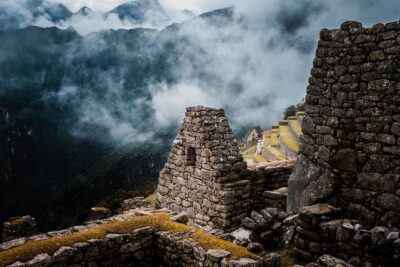
2-Day Tour: Sacred Valley and Machu Picchu by Train
Read our review →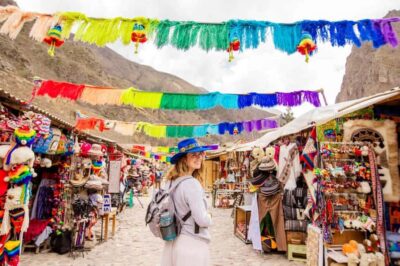
Sacred Valley, Pisac, Ollantaytambo, Salt Mines Moray
Read our review →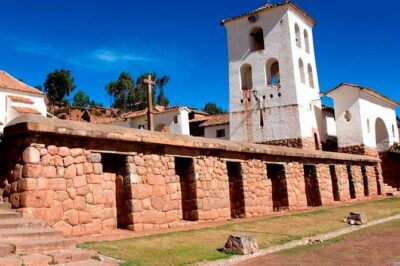
Sacred Valley and Maras Moray Tour with Full Day Buffet Lunch
Read our review →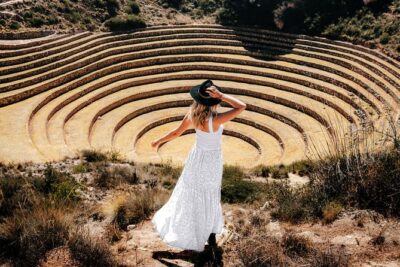

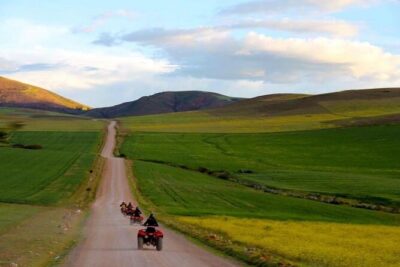
ATV Tour to Moray Maras and Salt Mines in the Sacred Valley
Read our review →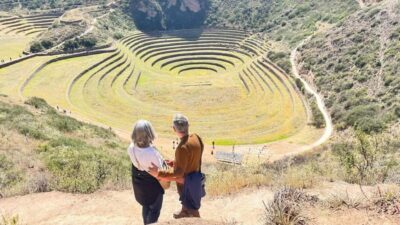
Browse the lists this tour appears in