
Reviewed · SACRED VALLEY
Sacred Valley Textile Workshop – Dyeing & Weaving in Cusco
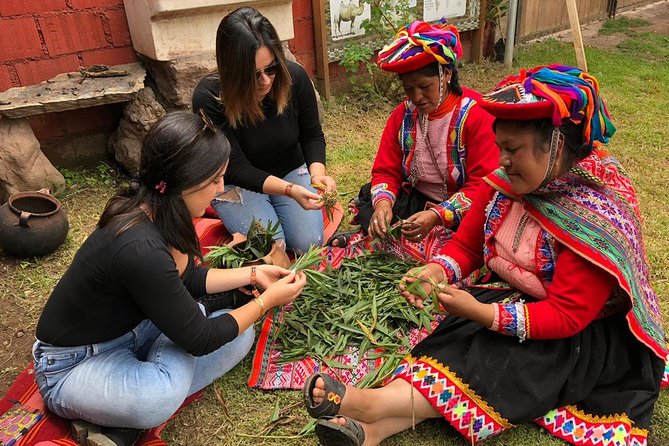
Cusco can feel like a nonstop parade of stone and viewpoints. This experience slows you down with hands-on craft, led by Ruth Pimentel, Peru’s only UNESCO-Awarded Indigenous master weaver, right from the hills near Cusco.
Two things I really like: you do the work, from foraging botanicals to dyeing alpaca yarn and weaving on a backstrap loom. And you leave with a finished piece, plus elegant packaging and a signed provenance card, so your souvenir has real meaning beyond a photo.
One thing to consider is time and effort. Plan on a full day, and the weaving part can be tricky at first since you are learning the physical method, often while seated on the floor.
Key Points at a Glance
- Ruth Pimentel leads the day personally in an atelier near Cusco, supported by master weavers
- Natural dyeing with seasonal botanicals, including time spent collecting plant material
- You learn backstrap weaving hands-on, not just watch demonstrations
- A real included meal with coffee or tea, plus breaks in a calm countryside setting
- Your work becomes a take-home item (often bookmarks, bracelets, or similar woven pieces), with provenance
Ruth Pimentel’s Loom: Why This Cusco Workshop Feels Different
This is interesting because it is built around the full textile chain, not a single trick. You start with the plants and dye bath, move through yarn prep, and then work a backstrap loom with guidance from master weavers.
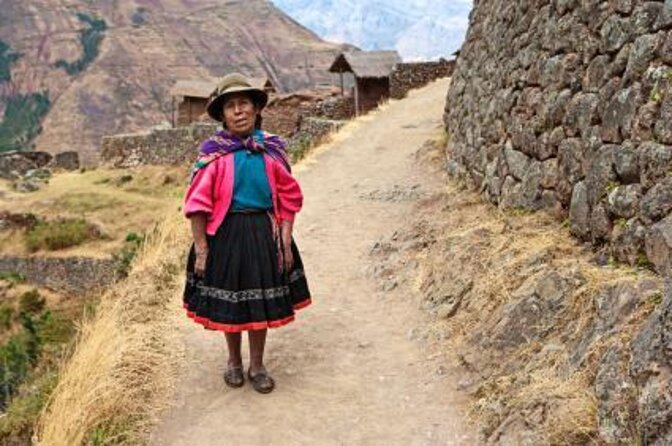
The standout name is Ruth Pimentel. The workshop frames her as a guardian of Peru’s living textile heritage and a UNESCO-recognized Indigenous master weaver, and she is the person welcoming you at the private atelier.
I also like how the day is structured for learning. You are shown techniques, then you do them. That is how you understand why Andean textiles take time and why the details matter.
More Workshops in Cusco
- Peruvian Cooking Class Cocktails and Market Tour in Cusco
★ 5.0 · 1,712 reviews - Cusco Cooking Classes and San Pedro Market Tour
★ 5.0 · 691 reviews - Cusco: Peruvian Cooking Class, Cocktails & Local Market Tour
★ 4.9 · 512 reviews
Your 8-Hour Day From 8:30 AM: The Real Rhythm
The day starts at 8:30 am with hotel pickup by private transport in Cusco. The experience is designed as private, so only your group participates, which makes it easier to ask questions and work at your pace.
Expect a countryside drive. Some guests note it is about an hour and a half one way, which is why the day can feel like a full commitment even though the active workshop portion is only part of the total time.
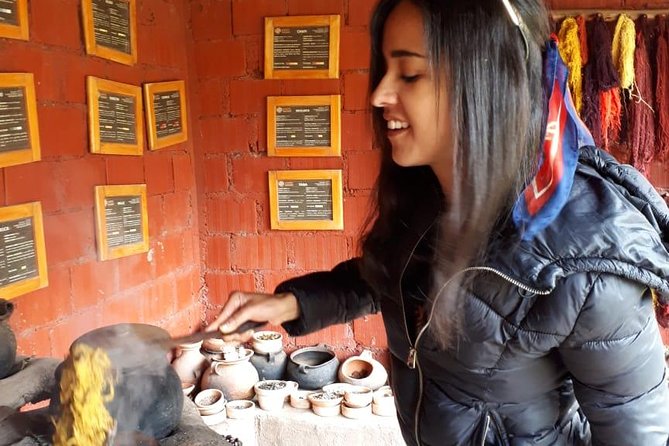
Once you arrive, you are welcomed and introduced to the social-impact behind the craft. Then you get hands-on: choosing dye materials, preparing for dyeing, and moving into weaving work.
In the day’s flow, you typically get a snack and then lunch together. Several reviews mention a communal meal and a relaxed atmosphere where the weavers and your group interact naturally.
At the end, you may also see traditional clothing and group dancing. That part is not the main goal, but it is a memorable touch that shows this craft lives inside everyday culture, not only inside a museum.
Hotel Pickup and the Countryside Drive: Worth Planning For
Hotel pickup is offered, so you do not spend your morning hunting a bus or trying to decode directions. A private driver handles the route, and it usually runs smoothly if you are ready right at the pickup time.
The drive through the countryside is part of the experience, not just transit. Many people comment on the views and the fact that it helps the day feel like a retreat rather than an errand.
The practical consideration is simple. If you are tight on energy after arriving in Cusco, plan an early start and keep expectations realistic. One reviewer even said it can help with altitude adjustment because it is a gentle day compared to back-to-back tours.
Picking Botanicals and Making Natural Dyes: The Part Most People Remember
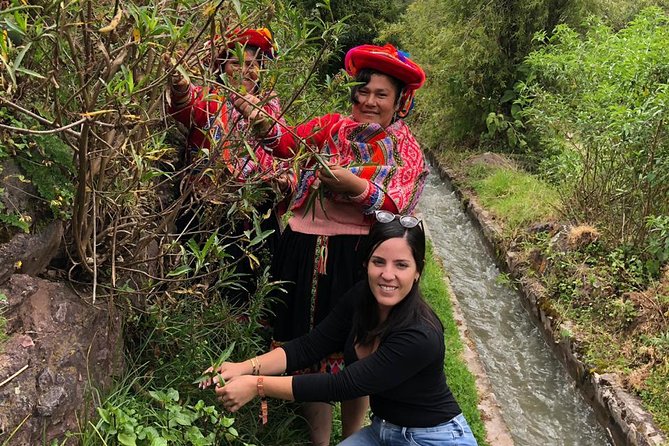
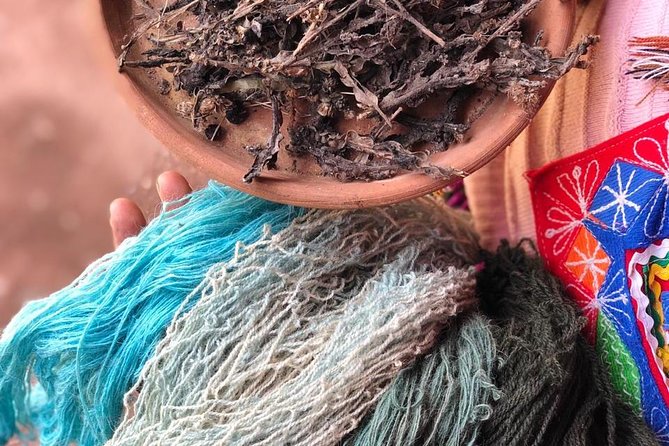
Natural dyeing is the heart of the day, and it is handled in a very step-by-step way. You select seasonal botanicals, then you prepare dye materials using traditional methods.
You should expect at least some foraging. Multiple reviews mention walking to collect leaves for dye, and that you learn what plants are used for and why.
Even if you have interest in textiles already, the plant-to-color connection can still surprise you. You see how much prep goes into dyeing, and you understand why color has meaning in the textile tradition.
When it comes time to dye, you will work with hand-dye premium baby-alpaca yarn. That detail matters for value: alpaca fiber is not a throwaway material, and you are learning dye processes that are meant to work with natural fibers.
And yes, you do not just watch dyeing happen. You take part in the process, from preparation to dye work, with help from the weaving teachers and guide.
More Sacred Valley days:
- From Cusco: Sacred Valley & Maras Salt Mines Tour with Lunch
★ 4.8 · 2,227 reviews - 2-Day Tour: Sacred Valley and Machu Picchu by Train
★ 5.0 · 1,127 reviews - Cusco: Sacred Valley, Pisac, Ollantaytambo, Salt Mines Moray
★ 4.6 · 1,058 reviews - Sacred Valley and Maras Moray Tour with Full Day Buffet Lunch
★ 5.0 · 670 reviews
Spinning, Yarn Prep, and Why the Work Takes Longer Than It Looks
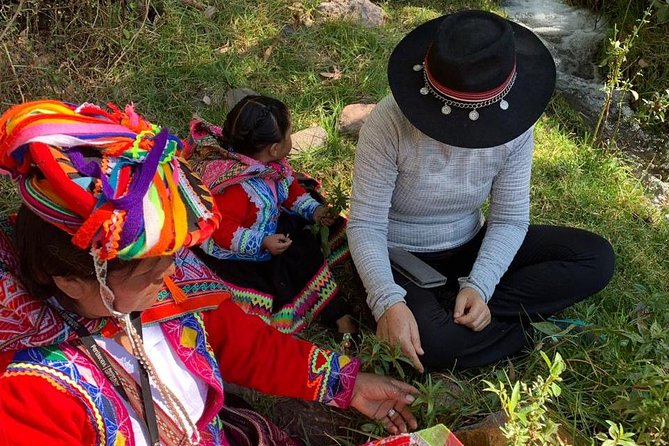
After dye work, you typically move into spinning and yarn prep. Guests mention learning traditional spinning techniques, plus winding and handling yarn so it is ready for weaving.
This is where patience pays off. Reviews make it clear that spinning and weaving are physical skills with a learning curve, not instant crafts.
If you are a beginner, that is still the point. You get a real sense of how these methods are passed down, practiced, and refined over time by Andean women.
It is also a good moment for curiosity. You can ask about materials and why certain steps happen before dye or before weaving, and you get answers from the people doing the work.
The day also tends to include a snack break. That is helpful because by then you have been focusing on color, fiber, and manual tasks for hours.
Backstrap Loom Weaving: Your Hands, Their Guidance
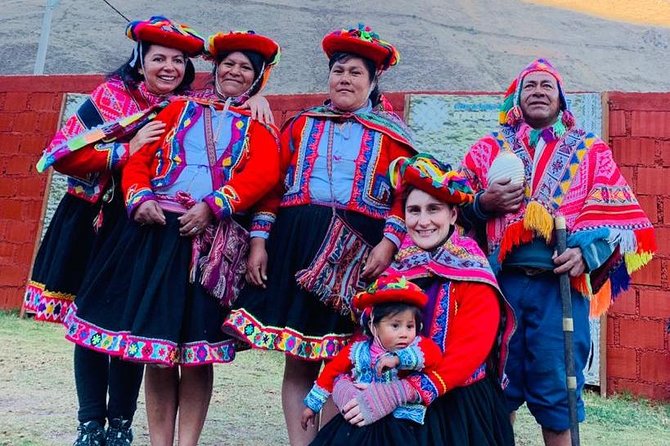
This is not a quick demo. You sit down and learn backstrap weaving with a loom set up for training, and you get practical help when your tension or angle is off.
Backstrap weaving is meditative in the way it forces focus. Your body learns through repetition, and you feel how careful control shapes the final pattern and texture.
One important note: the weaving portion can be challenging. Several reviews directly say it takes effort and that it is hard in a good, educational way. Expect time sitting on the floor while you work, since that is where weaving often happens in the workshop setting.
What you make depends on the day and the option your group chooses. Some guests made bracelets, some made bookmarks, and others mention headbands. In all cases, you end up with a woven item you can take home, often with yarn you dyed yourself.
Your progress is usually paced by instruction. In reviews, guides and weavers keep helping step by step, so you are not stranded with a loom you cannot use.
Lunch, Coffee or Tea, and the Community Atmosphere
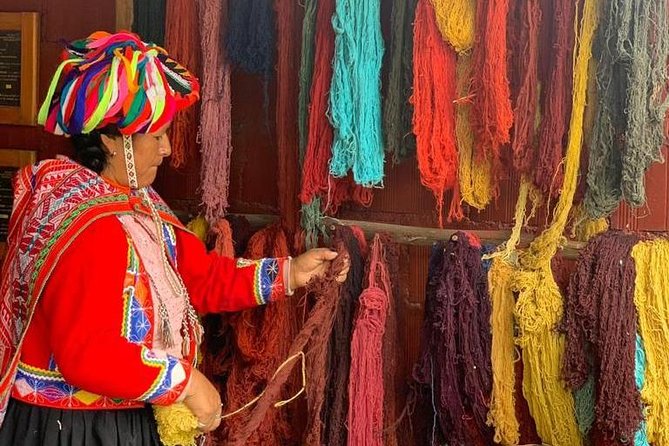
Lunch and coffee or tea are included. That might sound basic, but in practice it matters because it keeps the day human. You stay in the same place and keep learning, instead of chasing a meal during a long workshop day.
Reviews describe homecooked food and friendly interactions at the table. People also mention chatting with the weavers and the translator, which is where a lot of the cultural learning happens beyond fiber techniques.
If you like connecting through shared food, you will probably enjoy this part. It is one of those moments where you stop working and you can ask, learn, and listen more casually.
Guides and People You Meet: Ruth, Nayda, Edwin, and the Weaving Teachers
This experience is led by master weavers, with Ruth Pimentel as the central welcome and teaching figure at the atelier.
For guidance and translation, names that come up include Nayda and Edwin. One reviewer also mentioned meeting a driver named Pedro, who picked them up and made the day feel easy from the start.
You may meet other weaving teachers as well, with names like Delia, Martina, Ruth’s team members, and others tied to the weaving community. Reviews consistently describe the weavers as welcoming and patient.
This people-first element is a real reason to book. You are not paying only for a class. You are paying for time and attention from artisans who are proud of their process.
What You Take Home: Packaging and Provenance That Makes It Last
You finish your creation on site. You are presented with a completed textile piece in elegant packaging, and you receive a signed provenance card.
That is more valuable than it sounds. Instead of bringing home a random souvenir, you get a tangible story, tied to a real craft lineage and your own work during the day.
You may also purchase handmade items from the shop during the day. Several reviews mention that the shop prices were reasonable and that buying directly from the women artisans felt fair and grounded.
Also, you may take home yarn that you dyed during the workshop. That is a nice bonus if you want to keep experimenting after your trip.
Price and Value: Why $420 Can Actually Make Sense
At $420 per person for about 8 hours, this workshop is not a budget activity. It is priced as a private, hands-on cultural craft day with real materials and real instruction.
Here is what supports the value:
- You get private instruction as a group, not a large public class.
- The day includes dye materials, alpaca yarn for your project, and time with master weavers.
- You receive a finished take-home piece with provenance packaging.
- Lunch, plus coffee or tea, is included.
When you compare this to a typical entry-level workshop where you make something small after a short talk, the difference is how much of the process you touch. Here you do multiple steps: selecting botanicals, preparing and dyeing yarn, and then weaving on a backstrap loom.
If you care about craft, color, and the actual steps that make Andean textiles what they are, the cost becomes easier to justify.
Who Should Book This Textile Workshop, and Who Might Skip
Book it if you:
- Want hands-on learning in the Sacred Valley culture zone
- Care about natural dyes and fiber work, not only about photos
- Like meeting artisans in a smaller, private setting with time to ask questions
- Are okay with sitting and concentrating for hours
Skip or rethink if you:
- Want a low-effort, standing and strolling kind of tour
- Hate manual work that is hard at first, since weaving takes practice
- Are not able to handle a long day with a drive from Cusco
Good news for many people: the day is described as suitable for most travelers. Service animals are allowed too, which is helpful information for planning.
Tips to Make Your Day Easier in Cusco and Calca
Plan for a full day. Even if you think you are booking an 8-hour activity, the drive and setup add time, so you should not schedule a tight dinner right after.
Wear something comfortable for seated work. Since weaving can happen on the floor, you will want breathable layers and footwear that is easy for you to keep on or remove as needed.
Bring curiosity, not perfectionism. Your first woven item will look like your learning process, and that is part of the joy.
If you have dietary needs, ask ahead. The day includes lunch plus snacks and coffee or tea, so it helps to confirm what is available for your situation. (The details of menus are not listed here, so you will want to confirm directly.)
Finally, give yourself permission to slow down. This workshop rewards focus. If you treat it like a checklist, you will miss what makes it special.
Should You Book Ruth Pimentel’s Dyeing and Weaving Workshop?
I think you should book if you want a meaningful craft day with real instruction, not a quick souvenir stop. The mix of natural dyeing, hands-on backstrap weaving, and take-home packaging with provenance gives you both skills and a lasting artifact.
It is also a good match if you dislike big crowds. The experience is private, and reviews describe a calm, welcoming atmosphere with time to connect.
Choose another option if you are looking for a mostly visual tour with minimal physical effort. This is hands-on learning, and the weaving part asks more from your hands than you might expect.
If you do book, go in early, be patient with the learning curve, and enjoy the process of making color and cloth from the plants and fiber that start it all.
FAQ
What time does the workshop start?
The start time is 8:30 am, and hotel pickup is offered by private transport.
How long is the experience?
It runs about 8 hours (approx.).
What will I be doing during the workshop?
You will dye yarn using organic materials, learn traditional spinning techniques, and then weave on a backstrap loom with guided instruction. You also select botanicals for the dyeing process.
Is lunch included?
Yes. Lunch and coffee or tea are included with the textile workshop experience.
What can I take home at the end?
You finish your textile piece on site and receive it in elegant packaging with a signed provenance card. Guests also mention taking home items like bookmarks, bracelets, or headbands, and sometimes yarn they dyed themselves.
What if the weather is bad?
This experience requires good weather. If it is canceled due to poor weather, you will be offered a different date or a full refund.
What is the cancellation window?
Free cancellation is available up to 24 hours in advance for a full refund. Canceling within 24 hours of the start time does not result in a refund.
Recently reviewed around Cusco
- Cusco Cooking Class by ChocoMuseo in Cusco★ 5.0 · 29 reviews
- Private Tour Sacred Valley, Chinchero, Maras Moray, Ollantaytambo★ 5.0 · 29 reviews
- ATV Adventure to Moray and Maras Salt Mines – Half Day★ 4.5 · 29 reviews
- 1-day excursion to Machu Picchu from Cusco★ 5.0 · 29 reviews
- From Cusco: Humantay Lake with Breakfast and Buffet Lunch★ 4.5 · 29 reviews
- 4 Day – Inca Jungle to Machu Picchu★ 5.0 · 29 reviews
- 2-Day Machu Picchu Tour by Train from Cusco★ 4.5 · 29 reviews
- 2-Day Sacred Valley and Machu Picchu Tour By Train★ 4.5 · 29 reviews
Sacred Valley, compared.

Sacred Valley & Maras Salt Mines Tour with Lunch
Read our review →
2-Day Tour: Sacred Valley and Machu Picchu by Train
Read our review →
Sacred Valley, Pisac, Ollantaytambo, Salt Mines Moray
Read our review →
Sacred Valley and Maras Moray Tour with Full Day Buffet Lunch
Read our review →


ATV Tour to Moray Maras and Salt Mines in the Sacred Valley
Read our review →
Browse the lists this tour appears in