
Reviewed · MARAS SALT MINES
Salt Mines of Maras & Moray
What makes this trip fun is the contrast: you start with a working salt landscape made of thousands of tiny pools, then you move to Moray, where the Incas shaped giant depressions into something like a prototype greenhouse. I love that you get both sites in one day, and I also like that the pace is simple, with tourist transportation plus a professional guide doing the hard work.
One thing to think about: the tour price is low, but you’ll still need to budget for the Salt Mines entrance ticket and the tourist ticket (BTG or BTP). If you hate juggling logistics, check your paperwork before 8:30 am so you do not lose time.
Key Highlights If You Like Real-World Peru
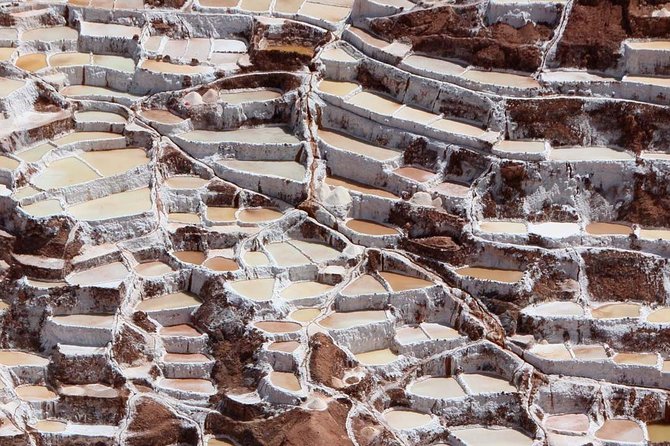
- 2,000 salt pools at Salinas de Maras, still worked by locals using a system that traces back to Inca times
- Dry-season water rhythm: filling the pools every three days for a month, so salt can gradually solidify
- Moray’s giant depressions and terraces, built with irrigation channels like a greenhouse prototype
- Altitude at Moray (3,385 m), worth planning for with slow movement and water
- Small group size (max 15), which usually means less crowd pressure at the best photo spots
- 6 to 7 hours total from a convenient 8:30 am start, returning you to the meeting point
Why Maras Salt Pools and Moray Terraces Work So Well for a 6-to-7 Hour Day
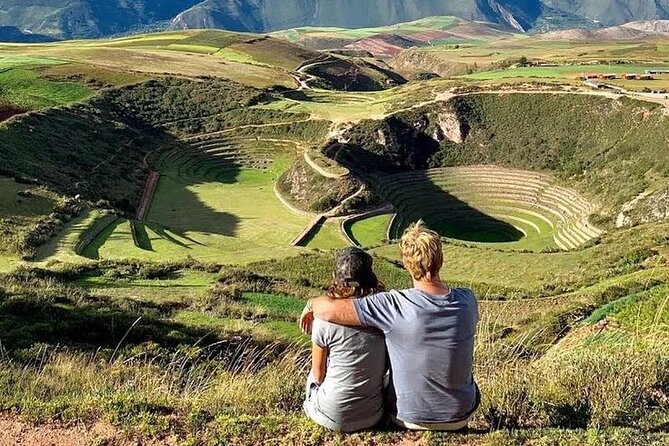
If you only have a half-day in the Cusco area, this is a smart pairing. Salinas de Maras is one of those places that looks like a patchwork map you could reach through, but it is also an active production site. Then Moray hits a different nerve. The terraces there feel technical and experimental, like the Incas were testing how to grow crops under controlled conditions.
For me, the best kind of tour is the one that gives you context fast. You will not just take photos of salt pools and terraces. You’ll also understand the logic behind them, especially the water and irrigation ideas that connect both sites.
One more practical note: Moray sits at 3,385 meters. You do not need to be an athlete, but it helps to move slowly, hydrate, and accept that you might feel the altitude sooner than you expect.
More visits to the Maras salt mines:
- From Cusco: Sacred Valley & Maras Salt Mines Tour with Lunch
★ 4.8 · 2,227 reviews - From Cusco: Moray, Maras Salt Mines & Chinchero Weavers Tour
★ 4.8 · 1,925 reviews - Cusco: Sacred Valley, Pisac, Ollantaytambo, Salt Mines Moray
★ 4.6 · 1,058 reviews
Getting There From Cusco: Start Time, Drive Time, and Altitude Reality
This tour starts at 8:30 am and runs about 6 to 7 hours. It includes tourist transportation, so you do not have to figure out buses or shared taxis while you are still half in the Cusco morning haze.
You’ll be traveling to Moray too, which is about 7 km southwest of Maras and roughly 53 km from Cusco, at that higher 3,385 m altitude. That matters because Moray is not just a pretty set of terraces. It is a working landscape of stone and channels, and you will feel the altitude when you walk between viewpoints.
If you’re coming from Cusco, I suggest keeping expectations realistic. You will probably be fine, but you may want to:
- take breaks without rushing
- sip water often
- keep snacks simple and easy to digest
If you usually move fast, dial it back for the first hour. It makes the whole day more enjoyable, not less.
Stop 1: Salinas de Maras Salt Mines and the 2,000-Pool Water System
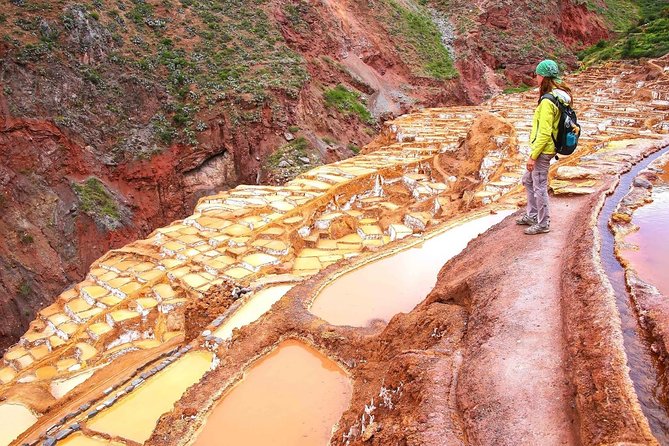
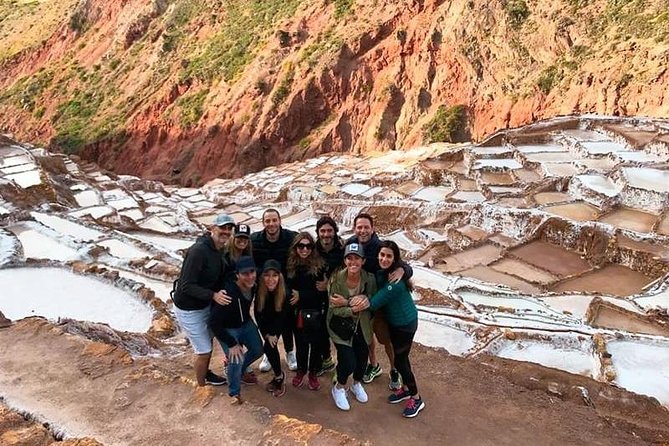
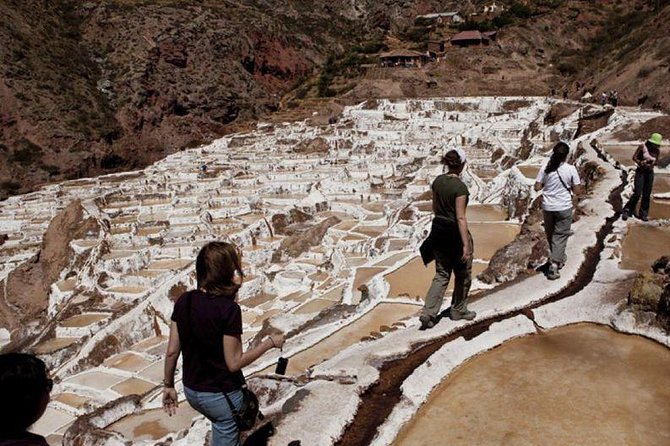
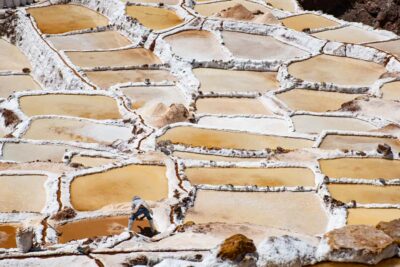
Salinas de Maras sits to the northwest of the town of Maras, and the scale is the first surprise. The mines are made up of about 2,000 small pools, carved and arranged to hold salty water.
Here is what makes it more than a tourist stop: the process is tied to the way water behaves through seasons. The idea is straightforward. A salty spring flows from the mountain. During the dry season, that water is used to fill the pools on a cycle described as every three days for a month. Over that time, the salt gradually solidifies.
Think of it like a practical schedule. You are not just seeing salt. You are seeing a production method where timing matters. Once the salt is ready, it is processed for consumption in the region.
What you’ll notice on the ground
You’ll likely see pools layered across the slope, and you’ll get a sense of how the geography controls the work. The pools are small, but together they form a wide system. It is easy to assume it is purely historical, like a museum. It is not. Locals still work the area today, so the place feels alive rather than staged.
More visits to the Moray terraces:
- Cusco:Chinchero,Moray & Salt Mines drop-off in Ollantaytambo
★ 4.8 · 793 reviews - Sacred Valley and Maras Moray Tour with Full Day Buffet Lunch
★ 5.0 · 670 reviews - ATV Tour to Moray Maras and Salt Mines in the Sacred Valley
★ 4.5 · 530 reviews - Sacred Valley: Chinchero, Moray, Ollantaytambo & Pisac+Lunch
★ 4.8 · 501 reviews
The likely drawback
The tour notes that the Salt Mines entrance ticket is not included. That means you must plan for an extra payment on top of the $15.99 tour price. If you arrive without the right ticket, you could lose time and momentum.
Also, salt pools are exposed. If you are visiting during a cold or windy moment, bring a layer even if the sun looks friendly.
A practical tip
When you arrive, do not try to see every single pool at once. I’d focus on one viewpoint first, learn the layout, then work your way toward angles that show how the water and pools step down the hillside.
Stop 2: Moray’s Greenhouse-Like Terraces and Why the Stone Looks Engineered
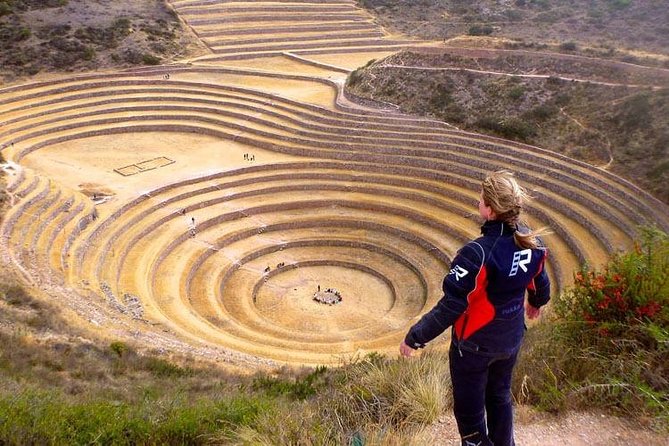
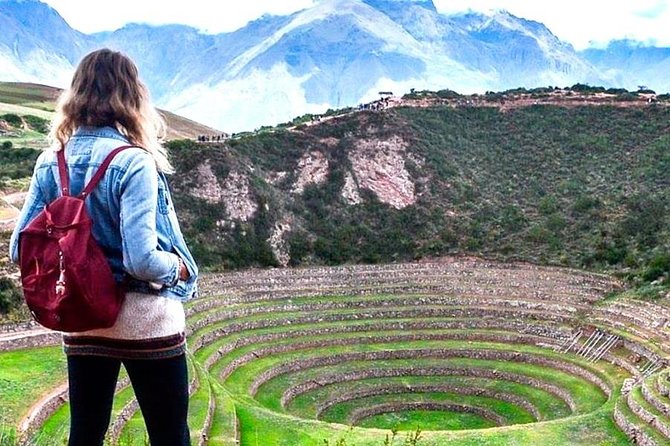
Moray is the second stop, about 7 km southwest of Maras. At 3,385 meters, it’s higher than you might expect, so give yourself permission to take breaks. The Moray Archaeological Complex is famous because it looks like nature created it, but it was clearly shaped by humans.
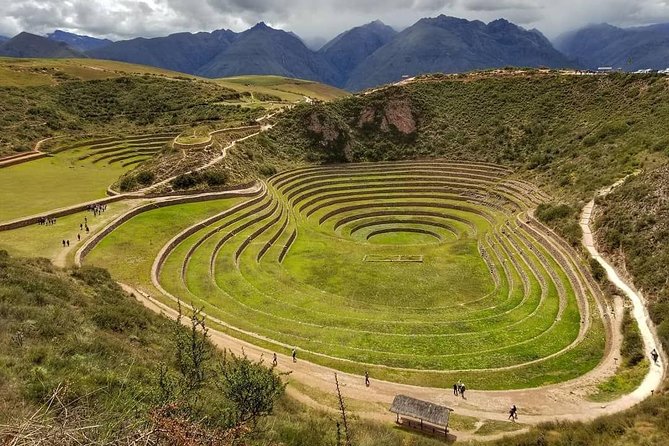
The core of the site is giant natural depressions. The Incas built agricultural terraces into those depressions and added irrigation channels for each level. In plain terms, the design creates different micro-conditions as you move across heights and temperature zones.
The tour describes Moray as essentially a prototype of a greenhouse. That is a useful way to understand it. Instead of imagining one environment for crops, the Incas built an agricultural testing system that can help manage growing conditions.
Key features you should look for
Even if you are not a stone expert, the numbers help you understand the scale. The largest depression is described as 150 meters deep. The terraces have an average height of about 1.80 meters, and there is space between terraces for movement and irrigation structure.
What this means for your visit: you’ll likely be looking down into the depressions and across the stepped platforms. Stand back for a moment to take in the geometry. Then walk slowly and notice how the channels and terrace levels relate.
Possible drawback
Because it sits at higher altitude, Moray can feel harder than Salinas de Maras. You might not need long, but you do need steady effort. If you get winded, stop early rather than pushing through, because you still want to enjoy the views and the terraces.
My advice for taking it in
At Moray, I’d aim to understand the logic rather than collecting trivia. Ask yourself: how does the shape of the ground change temperature and growing conditions? Once you see that idea, everything else clicks.
Tour Value: What the $15.99 Price Really Covers (and What You Must Pay Separately)
The tour price is $15.99 per person, and it includes tourist transportation and a professional guide. For Cusco area day trips, that is an excellent baseline value, especially because you are getting two major sites in one go.
But the tour also makes something clear: key tickets are not included. You’ll need to arrange or pay for:
- the tourist ticket (listed as BTG or BTP)
- entrance ticket to the Salt Mines
If you add those costs, the total day might feel less like a bargain and more like a normal Cusco excursion. Still, it remains good value because you are not paying for a long private driver all day, and you are getting a guide who can connect what you see to how it worked.
Why the guide matters here
Both sites have technical ideas hidden inside simple visuals. Salt pools can look like a craft project. Terraces can look like scenery. A guide helps you interpret the systems: water flow, timing, terrace spacing, and irrigation. That is what turns the trip from sightseeing into understanding.
Small Group Comfort: Max 15 Travelers and a Plan That Moves
This tour caps at 15 travelers, which I like for two reasons. First, you can hear the guide without constantly shouting. Second, you typically spend more time in the right spot rather than constantly getting shuffled by crowds.
Even when the itinerary is only about 6 to 7 hours, having a small group means you can pause longer at the places that catch your eye. Salt pools and terrace views are naturally “stand here and stare” locations.
The schedule also helps. You start at 8:30 am, do Salinas de Maras first, then continue to Moray, and the activity ends back at the meeting point. That flow reduces stress. You do not need to worry about getting from one site to the next on your own.
What to Bring for a Smooth Day: Layers, Water, and Ticket Checks
Since the Salt Mines and Moray involve walking, stairs, and higher altitude, your packing needs to be practical.
I’d bring:
- a light layer for wind or chill (especially at altitude)
- water and a small snack you can tolerate at higher elevation
- comfortable shoes with decent traction
- your tourist ticket readiness (BTG or BTP), plus plans for the Salt Mines entrance ticket
Here’s the part many people overlook. If tickets are not included, you should confirm what you need before the day begins. A simple check the night before can save you from a slow scramble at the start.
Also, because pickup timing matters, I recommend you reconfirm your pickup details the day before. There was an incident reported in which a participant was not picked up and communication became difficult, which cost them a day. That is not typical, but it is a reminder that morning tours rely on simple things working smoothly.
Who This Tour Fits Best (and Who Might Prefer Something Else)
This tour is a great match if you want:
- an easy, guided day that covers two high-interest sites
- a compact itinerary without complicated logistics
- a chance to learn the practical logic behind both salt production and terrace agriculture
It’s also a good option for first-time visitors to the Cusco area who want a strong “Inca engineering meets everyday production” storyline.
It might be less ideal if you:
- dislike altitude and would rather do a lower site with more rest time
- want to minimize ticket juggling and prefer tours where most admissions are bundled
- prefer a very slow pace with lots of free time at each stop
Should You Book This Salt Mines of Maras and Moray Tour?
Yes, I’d usually tell you to book it if you’re planning to do both Salinas de Maras and Moray in one day and you’re okay paying tickets separately.
This choice comes down to value and structure. The tour gives you transportation and a guide for $15.99, keeps the group to 15 travelers, and schedules a manageable 6 to 7 hours. Those are the kind of details that protect your energy and your time.
My decision rule is simple: if you can handle a bit of altitude at Moray and you can prep for the extra tickets (BTG or BTP and the Salt Mines entrance ticket), this is an efficient, memorable day.
If you hate last-minute ticket stress or altitude surprises, consider adjusting your expectations, carrying a backup plan for pickup timing, and arriving ready to start at 8:30 am without delay.
FAQ
What time does the tour start?
The tour starts at 8:30 am.
How long is the Salt Mines of Maras & Moray tour?
It runs about 6 to 7 hours.
What is included in the price?
The tour includes tourist transportation and a professional guide.
Are entrance tickets included?
No. The tourist ticket (BTG or BTP) and the entrance ticket to the Salt Mines are not included.
How much does the tour cost?
The price is $15.99 per person.
What is the group size?
The tour has a maximum of 15 travelers.
Is free cancellation available?
Yes. You can cancel for a full refund if you cancel at least 24 hours before the experience’s start time, and changes inside 24 hours are not accepted.
Recently reviewed around Cusco
- 6-Day ||All Included|| Excursion – MachuPichu & Rainbow Mountain-Humantay Lake★ 4.5 · 8 reviews
- Horseback Riding thru the Mountains of Cusco★ 5.0 · 8 reviews
- Cuzco City Tour and Archaeological Ruins in Half Day★ 5.0 · 8 reviews
- Full Day – Rainbow Mountain tour – Group Service★ 5.0 · 8 reviews
- Half Day Tour in Cusco: Exploring the City and Four Ruins★ 4.5 · 8 reviews
- Machu Picchu and Sacred Valley 2 Day Tour★ 5.0 · 8 reviews
- Cusco 4 Days Machu Picchu and Sacred Valley | All included★ 5.0 · 8 reviews
- City Tour Cusco With Qoricancha and 4 Ruins★ 5.0 · 8 reviews
Maras Salt Mines, compared.
Sacred Valley & Maras Salt Mines Tour with Lunch
Read our review →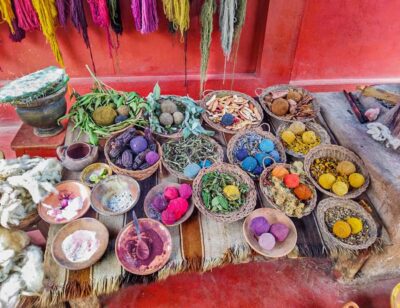
Moray, Maras Salt Mines & Chinchero Weavers Tour
Read our review →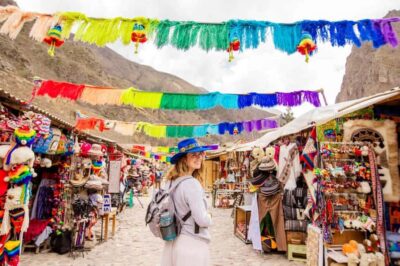
Sacred Valley, Pisac, Ollantaytambo, Salt Mines Moray
Read our review →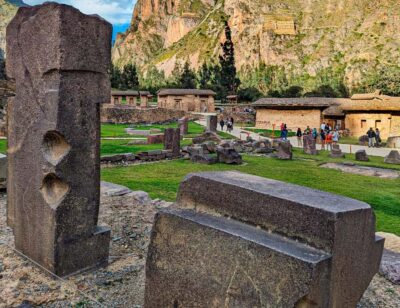
Chinchero,Moray & Salt Mines drop-off in Ollantaytambo
Read our review →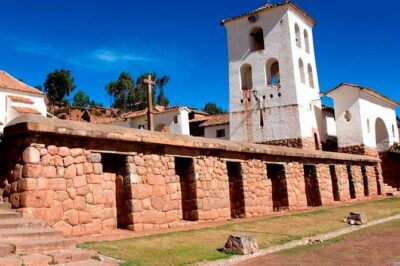
Sacred Valley and Maras Moray Tour with Full Day Buffet Lunch
Read our review →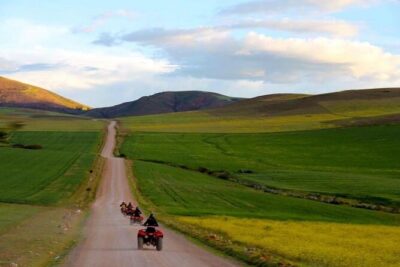
ATV Tour to Moray Maras and Salt Mines in the Sacred Valley
Read our review →
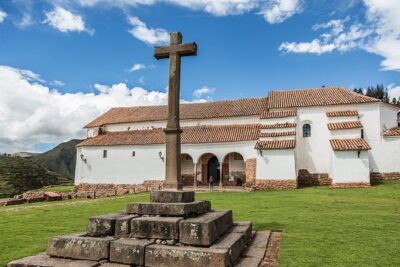
Tour Sacred Valley & Maras – Moray with buffet lunch
Read our review →Browse the lists this tour appears in