
Reviewed · SILLUSTANI
Sillustani: Chullpas de Sillustani Afternoon Half-Day Tour
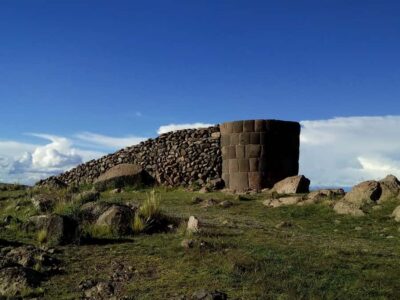
Sillustani is interesting because it puts you face to face with chullpas, circular stone towers built as part of pre-Inca and Inca funerary traditions on the altiplano. The setting near Lake Titicaca also makes the whole visit feel big, quiet, and slightly mysterious.
I like that the tour is structured so you actually understand what you are looking at, not just walk past stones. I also like the built-in time for questions and photos, plus the guide shares cultural context, including how Quechua and Aymara ties into daily life in the Puno area.
One possible drawback is weather. Even when the tour is on track, heavy rain can limit visibility and comfort, and you may end up further from certain viewpoints than you hoped.
Key highlights you should know before you go
- A focused chullpa visit with a clear look at circular funerary architecture
- Chullpa del Lagarto, including how it was built in the Inca era and later damaged
- A site museum stop where Kolla, Tiahuanaco, and Inca pieces are preserved
- Umayo lagoon views with a reflective water pause near the vicuña reserve island
- A guide that keeps things moving, but still makes time for questions and photos
Why Sillustani’s chullpas feel different from a typical ruin visit
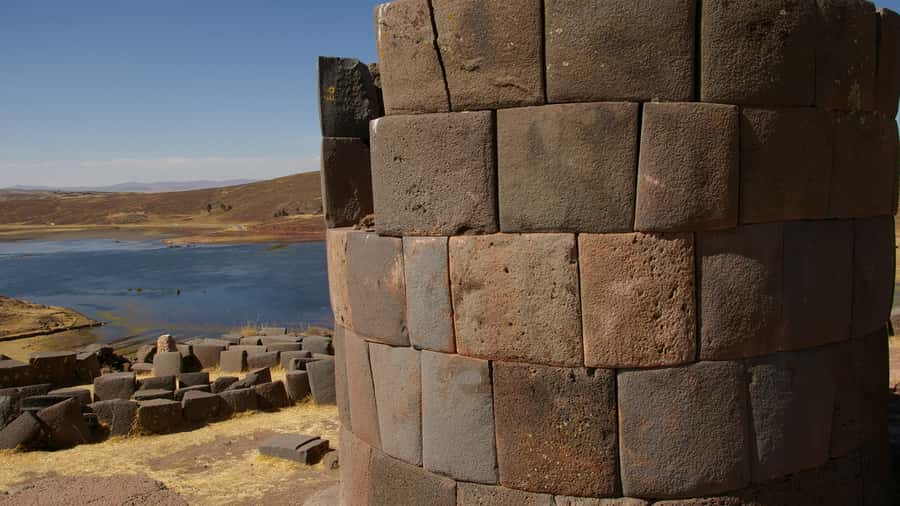
Most archaeological sites try to impress with scale. Sillustani impresses with intent. Those stone towers were built to hold funerary remains of important authorities of the ancient settlers of Collao, in the altiplano region. When you stand close enough to notice the design details, you start to feel the engineering choices behind that shape.
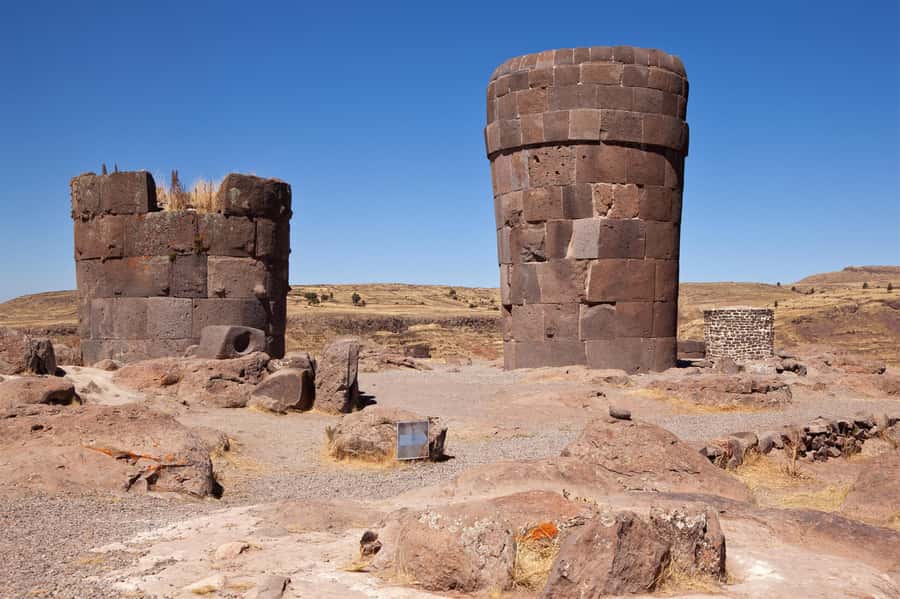
The circular form matters. Many of the chullpas are wider at the bottom and taper toward the top, and some reach around 12 meters high. That shape is not decorative. It reads like a system, built to last, built to hold something, built for ceremony.
This is also why the afternoon timing works. You are coming from Puno, you are heading out to a separate world for a short, meaningful block of time, then you are back before dinner. It fits well if you want history without burning an entire day.
More Sillustani visits:
- From Puno: Sillustani Tombs and Tourist View Point Puma
★ 4.7 · 156 reviews - Full-Day Tour of Uros, Taquile and Sillustani from Puno
★ 5.0 · 41 reviews - Half Day Tour to Sillustani from Puno
★ 4.5 · 36 reviews
The 2:00 PM pickup and the 34 km run from Puno
Your tour starts with hotel pickup in Puno around 2:00 PM, with the ride out to the Sillustani ceremonial center about 34 km away. Total time on the outing is roughly 6 hours, and you return to Puno around 5:00 PM.
This drive distance is short enough that the day does not feel like a long grind. Still, treat it like part of the experience: you are changing altitude and scenery, and the closer you get, the more you understand why people built these towers in this place.
Practical note: if your hotel is outside the Puno city center, you will meet at a designated point instead. Also, the tour does not allow luggage or large bags, so pack light and keep your essentials easy to reach.
Entering Sillustani: the ceremonial center and what to look for
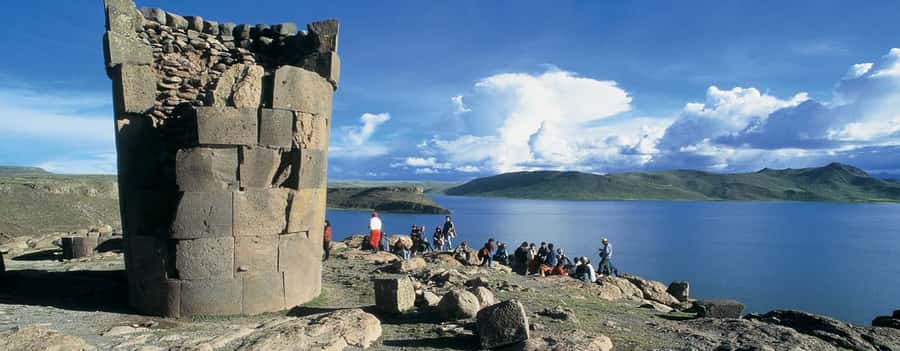
The visit at the complex takes about 1 hour. That can sound brief, but it is plenty if you know where to focus. Your guide will help you connect the “what” with the “why,” walking you through the funerary tower architecture and the cultural layering around it.
Here is what I would actively look for:
- The circular tower form and how the taper changes the silhouette
- The stone construction and how the stones fit the shape of the structure
- How the chullpas are arranged as part of a ceremonial space, not random ruins
- The difference between individual towers, including which one is described as especially famous
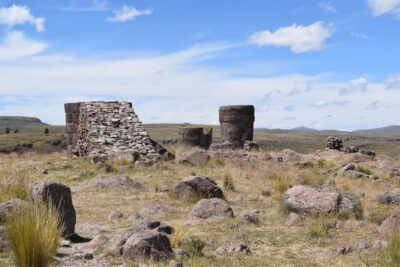
Even if some structures are worn or partially damaged, you can still read the building logic. Think of it as a kind of stone language. Once you notice the pattern, the site becomes easier to understand fast.
Chullpa del Lagarto: why this tower is the star attraction
One of the best-known stops at Sillustani is the Chullpa del Lagarto. It is known as the tallest chullpa in the complex, and it was built in the Inca era.
What makes this tower more than a name on a sign is the story of its construction and later destruction. The description you will hear from your guide includes that it was raised with square stones that fit perfectly. Then, in the early 19th century, it was destroyed by huaqueros, people who sought treasures from the site.
That blend of careful construction and later harm is uncomfortable, but it is also part of how you should understand these places today. You are not just seeing an ancient engineering achievement. You are also seeing the effects of what happened after people lost interest in preservation.
If you care about photography, arrive with a simple plan. Get one wide shot early for context, then come back for closer details once you understand the form.
A few more Puno days worth comparing
- From Cusco: Vinicunca Rainbow Mountain ATV Tour with Meals
★ 4.6 · 1,060 reviews - From Puno: Uros, Amantaní & Taquile Islands 2-Day Tour
★ 4.5 · 452 reviews - Tour to Uros and Taquile Islands in a Fast Boat
★ 5.0 · 419 reviews - From Puno: Floating Islands of the Uros Half-Day Tour
★ 4.4 · 394 reviews
The site museum: Kolla, Tiahuanaco, and Inca context in one stop
A short distance from the archaeological complex is the site museum. This matters because the chullpas can feel like “just towers” if you only see the stone in the open.
Inside, you’ll find pieces preserved from the Kolla, Tiahuanaco, and Inca cultures. Your guide will use these artifacts to help you connect the architecture you saw outside to broader cultural patterns across the altiplano.
This is the kind of museum stop that adds real value. It is not a long indoor detour, and it does not demand hours. You are learning enough to make the outdoor stones feel more specific and less abstract.
Umayo lagoon: the calm water stop that balances the history
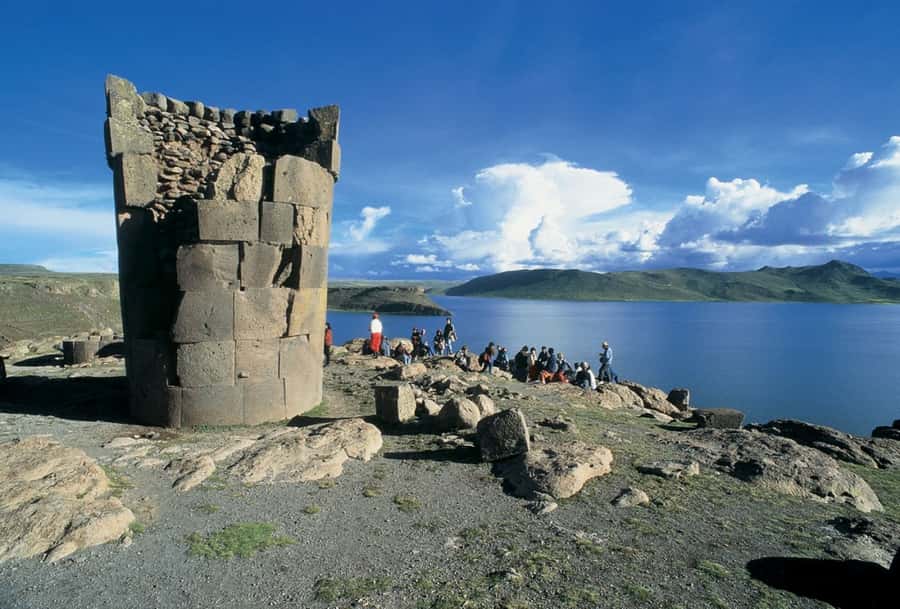
After the chullpa time, you will head toward Umayo lagoon, where you can see an incredible mirror of water reflecting the blue sky and white clouds over Puno.
This stop is about more than views. It breaks the intensity of reading stone history. It gives you that pause where you can actually look at the surroundings that supported life around the lake and, in turn, shaped what people built nearby.
The lagoon also includes an island that functions as a reserve for the protection of vicuñas. You may not see animals up close depending on conditions, but knowing the reserve exists helps the whole scene feel connected to conservation today, not only archaeology from the past.
Timing and pace: how to get the most out of a 6-hour afternoon
This is an afternoon half-day tour, but it is still a full logistics loop. Pickup is around 2:00 PM, the complex visit is about 1 hour, and you return to Puno around 5:00 PM, with travel time filling the rest.
In practice, what makes it work is the balance:
- A compact, guided archaeological walk
- A short museum stop that upgrades your understanding
- A scenic lagoon moment to reset your brain
From what I’ve seen with this type of tour structure, the best way to enjoy it is to go in expecting a highlight format. If you try to “collect everything,” you will feel rushed. If you focus on the chullpa architecture and ask questions as you go, the hour at the complex becomes a lot more rewarding.
Also, bring patience for photo time. The tour includes time to take pictures, but the guide keeps the group moving so you do not get stuck waiting in one spot.
Price and value: is $45 fair for what you get?
At $45 per person for a roughly 6-hour outing, this tour feels fairly priced if you compare it to the cost of transport plus paid entry plus a guide. You get pickup, transport, entrance fees, and a professional guide.
The value sweet spot here is the guide’s job: explaining the chullpa design, the cultural references tied to the museum, and the bigger human story behind the site. If you are the kind of traveler who likes to walk through ruins with context, that’s exactly what you are buying.
What you should watch: meals are not included. So you either eat before pickup or plan a proper meal back in Puno after you return.
Who should book this tour, and who might want something else
This Sillustani afternoon tour is a strong match if you:
- Want meaningful history without a full-day commitment
- Prefer a guided experience where you can ask questions on the spot
- Are staying in Puno and want an easy way to see the altiplano funerary tradition beyond Lake Titicaca surface views
It may not be the best fit if:
- You need wheelchair accessibility, since it is not suitable for wheelchair users
- You want a long, slow, solo-style visit where you can linger for hours
- You are traveling with bulky luggage, since luggage or large bags are not allowed
Also, the guide language is Spanish and English, so it helps to know you will get a live explanation in your preferred language.
What to pack (and wear) for Sillustani’s stone and wind
Wear comfortable shoes. You will be walking around an outdoor archaeological site, and you want grip and support.
Wear comfortable clothes you can move in. The altiplano can feel different from Puno city, especially with wind. Pack layers if you run cold easily.
If rain is in the forecast, plan for it. The site is outdoors, and heavy rain can make visibility tougher and create discomfort. One traveler’s experience included intense rain affecting how closely the group could get for filming and viewing. You can’t control weather, but you can reduce the downside with a light rain layer and a plan for photos that still work when the air is wet.
Rain and reality: how weather can change what you see
Sillustani is scenic and peaceful, but it sits in the kind of environment where weather can shift. In bad conditions, you might feel like the experience is slightly less than you hoped, because rain can limit what you can see clearly and how close you can stand.
If you arrive and the sky looks questionable, do two things:
- Keep expectations flexible for the views, not just the ruins
- Focus on what you can control, like reading the chullpa features through your guide’s explanation and using photo opportunities when conditions briefly improve
If you are the type who needs “perfect conditions” to enjoy a site, you might consider pairing this outing with another backup plan in Puno for the same day, just in case.
Should you book the Chullpas de Sillustani afternoon tour?
I’d book this tour if you want a high-impact cultural stop that does not steal your whole day. For many travelers in Puno, it is one of the best ways to connect the Lake Titicaca region to pre-Inca and Inca funerary traditions. The included guide time, entrance fees, and transport make it easy to do right, without spending mental energy on logistics.
Skip or reconsider if you are traveling with mobility needs, require stroller or wheelchair access, or you strongly dislike weather risks since the visit is outdoors. Also, bring light packing because large bags are not allowed.
If you choose to go, go with a curious mindset. Ask questions. Notice the tower shapes. Let the museum help you translate what you see. That is when Sillustani stops being “cool stones” and starts feeling like a real human story told in architecture.
FAQ
What time does the pickup happen in Puno?
Pickup is scheduled around 2:00 PM in Puno.
How far is Sillustani from Puno?
Sillustani is about 34 km from Puno.
How long do I spend at the Sillustani complex?
The visit to the archaeological complex takes about 1 hour.
What time will I return to Puno?
You should arrive back in Puno around 5:00 PM.
Is the price $45 per person?
Yes, the price is listed as $45 per person.
Does the tour include entrance fees and a guide?
Yes. It includes transport, entrance fees, and a professional guide.
Are meals included?
No. Meals are not included.
What languages are the tours offered in?
The guide provides a live tour in Spanish and English.
Is it suitable for wheelchair users?
No, it is not suitable for wheelchair users.
Can I bring luggage or large bags?
No. Luggage or large bags are not allowed.
Recently reviewed around Puno
- Full day trip to Lake Titicaca, the Uros and Taquile Islands.★ 4.5 · 34 reviews
- Half Day Tour to Sillustani from Puno★ 4.5 · 36 reviews
- Uros Reed Floating Islands & Taquile Island Titicaca Puno Full Day★ 4.0 · 38 reviews
- 2 Day Tour to Uros, Amantani and Taquile from Puno★ 5.0 · 38 reviews
- Two-Day Tour to Uros with Amantani and Taquile from Puno★ 5.0 · 44 reviews
- Full Day Guided Tour of the Aymara Route from Puno★ 5.0 · 55 reviews
- Full Day Lake Titicaca Tour to Uros and Taquile Islands★ 4.5 · 56 reviews
- Puno: Full-Day Tour of Lake Titicaca and Uros & Taquile★ 4.4 · 178 reviews
Sillustani, compared.

Full-Day Tour of Uros, Taquile and Sillustani from Puno
Read our review →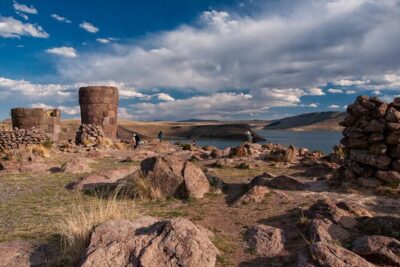
Browse the lists this tour appears in