
Reviewed · SACRED VALLEY
Super Sacred Valley: Chinchero – Salt Mines – Moray & Ollantaytambo
This Sacred Valley day tour is interesting because it stitches together four standout stops into one focused route, which is great when your time in Cusco is tight. I especially like the private guide who explains what you’re seeing, and the hotel pickup and drop-off that keeps the day from eating itself alive. One drawback to plan for: you’ll pay extra for key site fees and you start very early.
I also like how the route gives your legs a reason to work, but not a reason to suffer. Chinchero sits at about 3,800 m, so expect altitude effects while you watch dyeing and weaving in action. The payoff is that you learn how Inca-era people used textiles, water, and farming know-how in the same day.
By the time you’re at Ollantaytambo, the terraces and stonework make more sense because you’ve already seen the logic at work in Moray and the water systems at Maras. It’s a full day of highlights, but it’s built for first-timers who want the best of the Sacred Valley without a long time commitment.
Key things you’ll notice on this tour
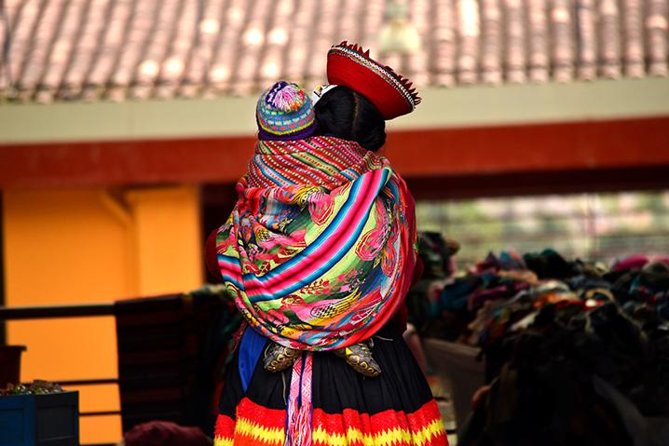
- Chinchero weaving house visit and hands-on style dyeing and weaving demo
- Chinchero market time in a high-altitude village setting
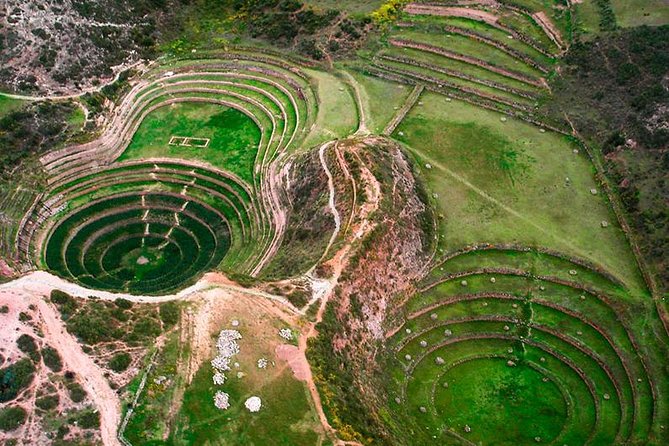
- Moray’s amphitheater-like terraces carved into a bowl shape for crop testing ideas
- Maras salt mines with over 3,000 salt pools on the mountainside
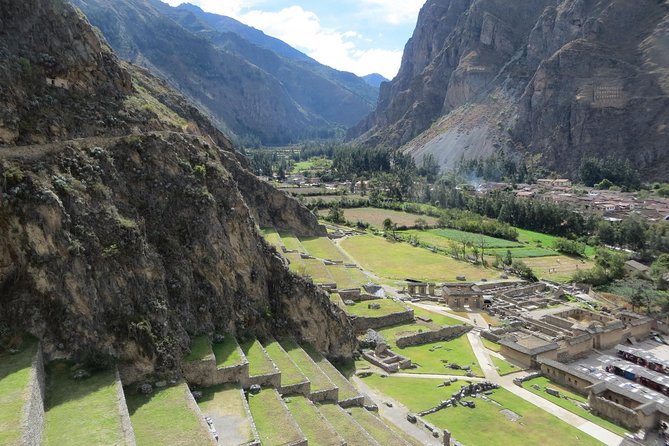
- Ollantaytambo terraces descending from the village center for great photo angles
- Private transportation and guide, only your group, plus extra site fees and lunch
A one-day Sacred Valley plan that actually respects your time
If you’re arriving in Cusco for the first time, it’s easy to feel like you have to choose between “historic sites” and “actually enjoying your trip.” This tour leans into the best-of approach in a smart way: you see Chinchero, Moray, Maras, and Ollantaytambo in a single day, with a private driver doing the long stretches while you focus on the sights.
The private setup matters more than you’d think. It means you’re not squeezed into a big group rhythm, and your guide can adjust explanations based on what you care about. The driver also helps you use the day efficiently, since driving and parking logistics in the Sacred Valley are not the fun part of travel for most people.
One small but real consideration: the day starts early, and you may feel it. The itinerary is packed, so if you’re the type who likes slow mornings and long meals, you’ll want to treat this as a “get it done” day, then relax afterward.
More of Chinchero:
- From Cusco: Moray, Maras Salt Mines & Chinchero Weavers Tour
★ 4.8 · 1,925 reviews - Cusco:Chinchero,Moray & Salt Mines drop-off in Ollantaytambo
★ 4.8 · 793 reviews - Sacred Valley: Chinchero, Moray, Ollantaytambo & Pisac+Lunch
★ 4.8 · 501 reviews
Chinchero weaving at 3,800 m: dye, threads, and a real market stop
Chinchero is famous for textiles, and the day starts there for a reason. At roughly 3,800 m (about 12,500 ft), you’ll be high enough to feel the altitude, even if you don’t want to think about it. The key is to take it gently. Slow steps, frequent water sips, and a calm pace help you enjoy the experience instead of just surviving it.
You’ll visit a weaving house where you can watch a demonstration on dyeing and weaving techniques. This is the kind of stop that turns “textiles are beautiful” into something more useful. You start noticing the work behind the colors, the steps behind the patterns, and the fact that weaving is not just art, it’s knowledge passed down.
After the demo, you’ll head to the Chinchero market. Even if you’re not shopping, the market time gives context. You see how everyday life connects to what you just learned in the weaving house. And if you enjoy culture that isn’t locked behind velvet ropes, this is the type of place where it feels grounded.
The guide style can make or break this stop. In past tours with this company, guides like Yeny have been praised for being kind, thoughtful, and especially good at keeping the weaving and textile presentation engaging. Other guides, like Jenny and Ronald, were noted for clear explanations, which is a big deal when you’re learning a craft and want it to click, fast.
Practical tip for this stop: dress for cool air. High-altitude villages can feel colder than Cusco, especially in the morning. Bring a light layer you can keep on during the demo so you’re not distracted by the chill.
Moray’s terraced bowls: why an Inca site like this matters
From Chinchero, you descend toward Moray, one of the Sacred Valley stops that feels more like a lesson than a sightseeing checkbox. Moray has three amphitheater-like terraces carved deep into the earth in a bowl shape. You walk around this bowl and realize the place is designed for controlled growing conditions, not just dramatic views.
The idea tied to Moray is that the Incas used these terraces to determine optimal conditions for crops. That concept makes the site click. It’s not random architecture. It’s experimentation, observation, and practical engineering applied to agriculture. You start looking at the terraces and thinking about temperature, sun angles, and how water and soil might behave in different parts of the bowl.
Moray also works well in a one-day format. Unlike some archaeological stops that require long guided time to appreciate, Moray’s design is easy to understand quickly. You get enough time to walk, picture the “testing” idea, and connect it back to what you’ve learned about Inca practical knowledge.
Potential drawback: because Moray’s meaning is partly interpretive, you’ll enjoy it more if your guide is good at explaining. That’s why I like the private-guide format here. Guides like Ernesto Cusi were praised for making cultural and historical details understandable, and this kind of stop rewards that skill.
Maras salt mines: 3,000+ pools and a water story you can see
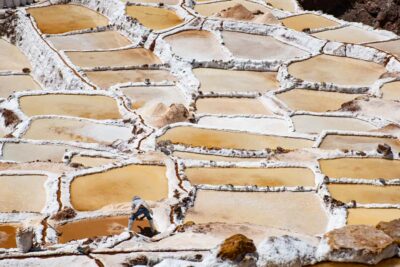
Maras is where the Sacred Valley gets visually memorable. This village is known as a former salt-producing center, with roots that are thought to reach back to pre-Inca times. The headline detail is huge: there are over 3,000 salt pools carved into the mountainside.
What makes it feel more than just scenic is the water connection. The pools are filled daily by a stream of water. Standing above or near the pools, you can see how the system depends on a steady flow. It’s not just salt. It’s water management and a long-running economy tied to the land.
Because there are thousands of small pools, the place can feel like a “where do I look first” scene. A good guide helps you pick the best angles and pacing. Past guides were praised for guiding people efficiently, and for knowing where to stop for photos away from the worst crush. Even when the crowd level changes, a guide who understands timing can make your visit feel calmer.
What to expect physically: this is a hillside area. You’ll likely do more walking than at a flat viewpoint, so wear shoes with good grip. If you’re sensitive to altitude, take your time at the first viewpoints so you don’t blow energy early in the day.
More of Ollantaytambo:
- Cusco: Sacred Valley, Pisac, Ollantaytambo, Salt Mines Moray
★ 4.6 · 1,058 reviews - Pisac Indian Market and Ollantaytambo Fortress with Lunch
★ 4.5 · 395 reviews - Combo Sacred valley Pisac Moray Salt mines and Ollantaytambo
★ 5.0 · 202 reviews - Cusco:Sacred Valley Pisaq,Ollantaytambo,Chinchero with Lunch
★ 4.8 · 183 reviews
Ollantaytambo terraces: the day’s payoff in stone and structure
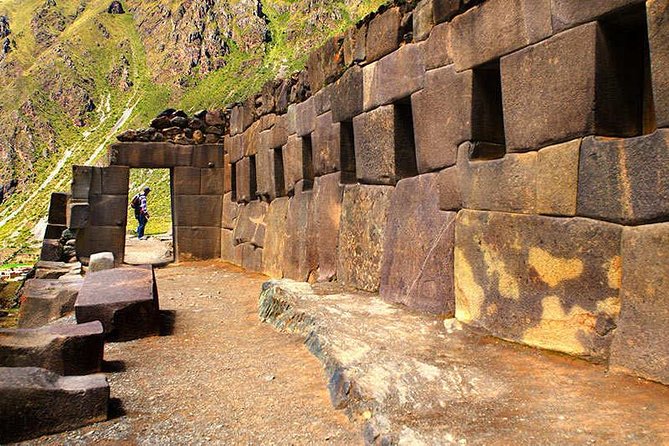
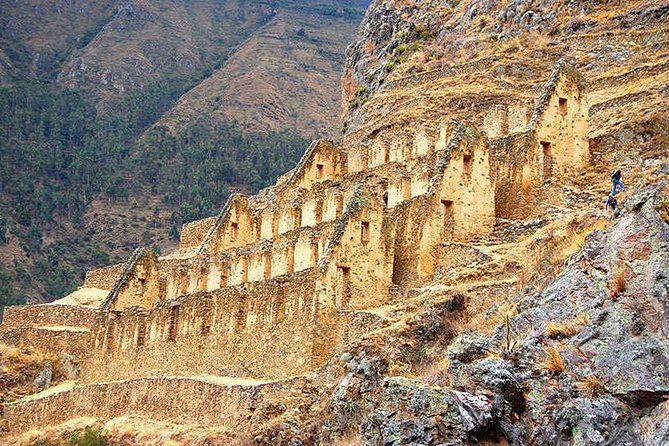
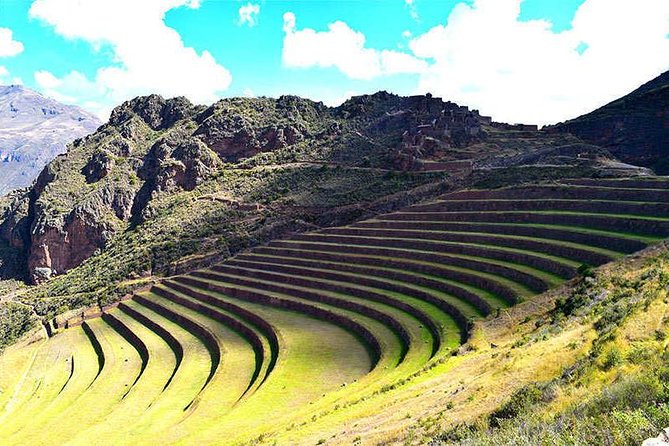
After Moray and Maras, Ollantaytambo feels like a reward. This site features an impressive set of terraces leading from the village center. The stonework looks solid and intentional, and the terraces give you a sense of how the Incas structured daily life in a place where farming and settlement had to work together.
What you get in this stop is both visual and mental. You’ve just seen crop-testing ideas at Moray and a water-and-economy system at Maras. Now you see a village-level expression of engineering and agriculture. It’s easier to interpret the terraces when you’ve already built context earlier in the day.
Ollantaytambo is also a strong photo stop. Terraces naturally create layers, and you can find viewpoints from different directions. If you care about family photos or you’re traveling with someone who needs help, guide support matters. In one experience profile, a team member, Eddy, was specifically praised for being helpful with taking great family photos, including support for a grandma traveling with a wheelchair. That kind of practical care can make a big difference at a site that has stairs and uneven ground.
One word of advice: don’t rush the village section just because you’re done with the big photo. Walk for a few minutes, then pause again. The best impressions of Ollantaytambo often come from small observations, not just the landmark view.
Price and logistics: what $135 really covers, and what costs extra
At $135 per person, this is a mid-priced tour, but the value is in the private format. Your cost includes private transportation and a private tour guide, and hotel pickup and drop-off are included. That means you’re paying for someone to handle driving, route decisions, and on-the-ground explanations.
Then there are the fees you must budget for. The archaeological ticket is not included, listed at S/. 70 soles or about $25 USD per person. The salt mines entrance fee is also not included, listed at S/. 10 soles or about $3.3 USD per person. Lunch in Urubamba is not included either.
When I look at the math, I treat this as roughly:
- $135 base
- about $28.3 in listed site fees (archaeology ticket plus salt mines fee)
- plus lunch (your choice)
Total ballpark before lunch: around $163 per person, assuming the listed USD equivalents hold for your booking. I also like that the tour is quick and efficient, because your time has a cost in Cusco. One day that replaces a bunch of independent planning can be worth it.
Also note this is a popular tour, with bookings averaging 140 days in advance. If your dates are fixed, don’t wait until the last minute.
Timing, altitude, and comfort tips that help this day feel doable
This is an early-day commitment. The start time is listed as 12:30 am, and the day is described as starting early. If you’re not used to waking up at night for travel, plan for it like an expedition, not like a leisurely sightseeing day.
Here are the practical things that make a difference:
- Hydrate and move slowly at Chinchero. That 3,800 m altitude can make you tired fast.
- Plan for cooler conditions. Even if it’s sunny, high-altitude mornings can feel chilly.
- Keep cash handy. The fees are listed in soles and USD, and you don’t want a last-minute scramble.
- Bring layers for the car. Private cars can run cooler or warmer than you expect.
The private ride is not just convenience. It helps you stay present. When you’re not thinking about roads, parking, or where to stand, you can actually enjoy the scenery and focus on learning. The experience is built so you can “let someone else drive,” then spend your energy at the stops.
Who should book this Sacred Valley day tour
This tour says most travelers can participate, and the private format tends to work well for families and mixed groups. One parent profile also highlights doing it with a 12-year-old, and another mentions a grandma traveling with a wheelchair and receiving real help from the guide team.
So I’d say it fits best if you:
- are short on time in Cusco
- want a first-timer overview of the Sacred Valley
- like a guide who explains what you’re seeing, not just where to stand
- prefer private transport over group logistics
Who might struggle? If you want a long, relaxed day with lots of downtime, this might feel like too much. The stops are meaningful, but the schedule is tight.
Also, if you’re very altitude-sensitive, consider how you handle high elevations. Chinchero is the altitude anchor of the day, and the learning experience happens while you’re at that elevation.
Should you book this Chinchero, Moray, Maras and Ollantaytambo day tour?
Yes, if you want an efficient, high-impact Sacred Valley introduction and you like the idea of having a private guide guide your understanding. The stops connect into a clear theme: textiles and culture at Chinchero, agricultural testing logic at Moray, water and production at Maras, and settlement terraces at Ollantaytambo.
I’d book it now rather than later if your schedule is fixed, since it’s popular and often reserved well ahead. But if you’re chasing a slow travel vibe, or you know you need extra recovery time from early starts and altitude, you may prefer a longer, less packed plan.
FAQ
How long is the tour?
The experience is listed as about 1 day, and the on-site timing is shown as about 6 hours, depending on pace.
Where does the tour start and finish?
The tour starts and finishes in Cusco. If you want to start in the Sacred Valley instead, there is an extra payment.
What is included in the tour price?
Private transportation and a private tour guide are included. Hotel pickup and drop-off are also included.
What costs extra while you’re on the tour?
You’ll pay for a tourist ticket for archaeological sites and you’ll pay the salt mines entrance fee. Lunch in Urubamba is not included.
Is this a private tour?
Yes. It is private, and only your group participates.
What time does the tour start?
The start time is listed as 12:30 am.
Can I cancel for a full refund?
Yes, you can cancel for a full refund if you cancel at least 24 hours before the experience start time. Free cancellation is offered, with the usual terms if you cancel later than that window.
More Visits to the Moray Terraces
- Tour Sacred Valley & Maras – Moray with buffet lunch
★ 5.0 · 411 reviews - Maras, Moray & Salt Mines Tour
★ 5.0 · 354 reviews - Quad Bike Tour Moray and Maras Salt Mines from Cusco
★ 5.0 · 348 reviews - From Cusco: Quad bike tour Moray and Salt Mines
★ 4.7 · 314 reviews
More Visits to the Maras Salt Mines
- From Cusco: Sacred Valley & Maras Salt Mines Tour with Lunch
★ 4.8 · 2,227 reviews - Sacred Valley and Maras Moray Tour with Full Day Buffet Lunch
★ 5.0 · 670 reviews - ATV Tour to Moray Maras and Salt Mines in the Sacred Valley
★ 4.5 · 530 reviews - Sacred Valley: Maras & Moray by Quad Bike from Cusco
★ 4.6 · 418 reviews
Recently reviewed around Cusco
- 6-Day ||All Included|| Excursion – MachuPichu & Rainbow Mountain-Humantay Lake★ 4.5 · 8 reviews
- Horseback Riding thru the Mountains of Cusco★ 5.0 · 8 reviews
- Cuzco City Tour and Archaeological Ruins in Half Day★ 5.0 · 8 reviews
- Full Day – Rainbow Mountain tour – Group Service★ 5.0 · 8 reviews
- Half Day Tour in Cusco: Exploring the City and Four Ruins★ 4.5 · 8 reviews
- Cusco 4 Days Machu Picchu and Sacred Valley | All included★ 5.0 · 8 reviews
- Machu Picchu and Sacred Valley 2 Day Tour★ 5.0 · 8 reviews
- Walking Tour in Legendary & Historical Cusco City★ 4.5 · 8 reviews
Sacred Valley, compared.
Sacred Valley & Maras Salt Mines Tour with Lunch
Read our review →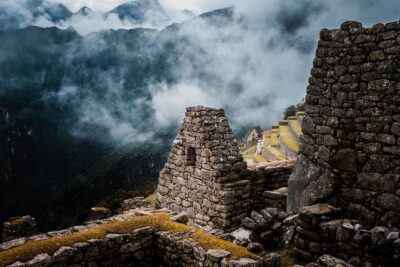
2-Day Tour: Sacred Valley and Machu Picchu by Train
Read our review →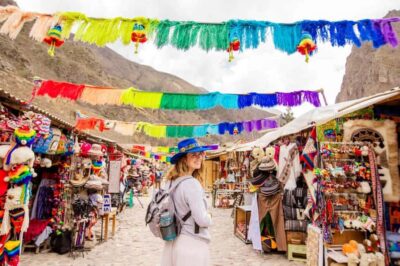
Sacred Valley, Pisac, Ollantaytambo, Salt Mines Moray
Read our review →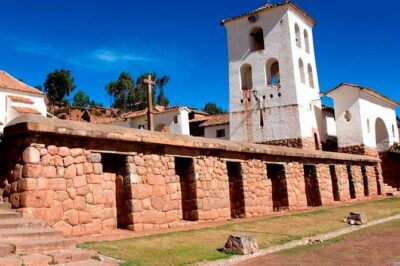
Sacred Valley and Maras Moray Tour with Full Day Buffet Lunch
Read our review →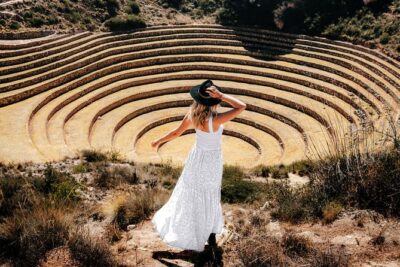

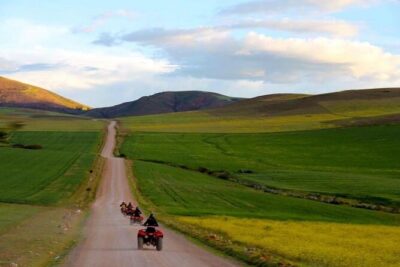
ATV Tour to Moray Maras and Salt Mines in the Sacred Valley
Read our review →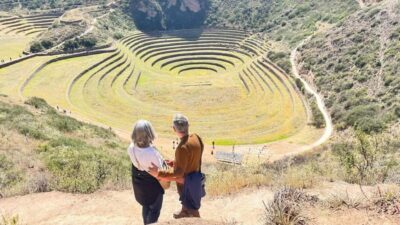
Browse the lists this tour appears in