
Reviewed · HUARAZ TOURS
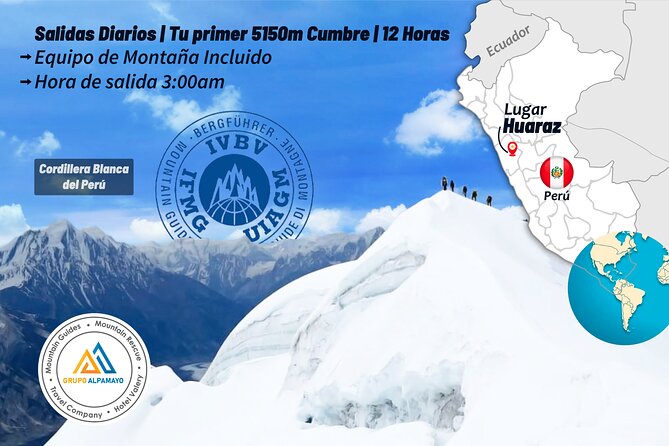
Tour Climbing Nevado Mateo | Your First 5,150 m Summit | 12 Hours
Climbing Nevado Mateo is interesting because it is a practical way to get your first serious taste of high altitude glacier travel near Huaraz, without needing you to be an expert. I especially like the certified guide support in both English and Spanish, and the way they help you through the tricky ice sections with rope when conditions demand it. One thing to consider: the morning starts early, and the climb at around 5,150 m is still tough, so you should come with solid stamina.
What makes this day feel worth the effort is that the trip mixes logistics that work with real climbing skill. Guides like Richard, Lucho, Fredy, and Eric are the kind of people who slow things down when you need it, and that matters at altitude. The possible drawback is simple: it is a steep, cold objective, so you will feel it in your legs and lungs, even if you are excited and motivated.
Key Things That Make This Climb Worth Your Time
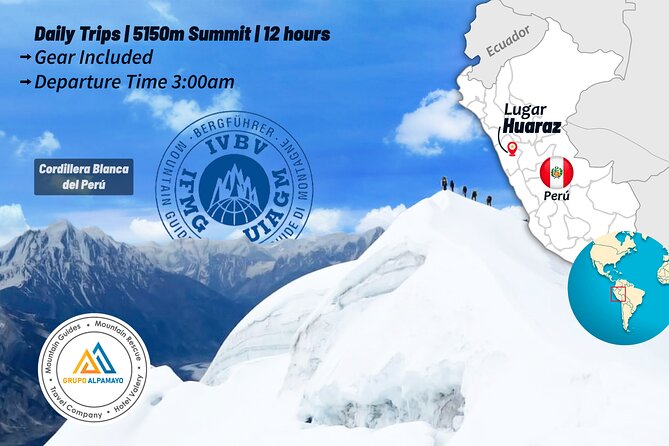
- First 5,150 m summit focus: You are built up for a one-day high point, not a long multi-day expedition.
- Crampons and rope when needed: You do not just hike, you learn safe glacier movement.
- Guide help you can understand: English and Spanish guidance, with hands-on support on slippery spots.
- A huge payoff view time: From the top of San Mateo, you get glacier and mountain views like Contrahiervas remnants and the Cancora Lagoons.
- A long day, but efficient: Early start, then back to Huaraz by mid-afternoon.
- Small-group feel within a shared bus: Up to 30 travelers, plus continuous assistance.
Why Nevado Mateo Works as a First Real Summit
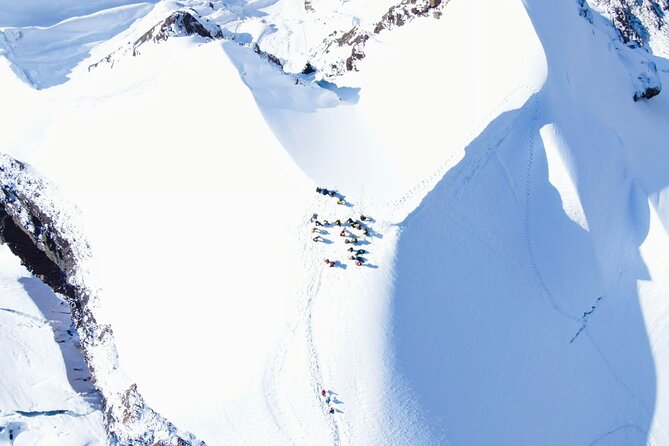
Nevado Mateo is sold as your first climb around 5,150 m, and the format matches that goal. This is not a long trek where you forget why you came, it is a focused push to a summit with technical support. If you are aiming to build glacier confidence, the day is structured to teach you the basics without turning into a full training course.
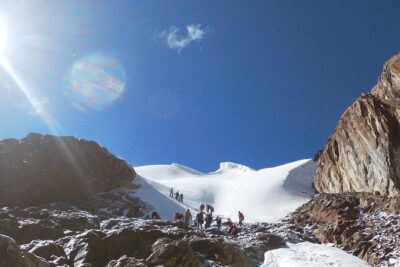
I like that the climb is paired with real safety steps. You reach the glacier base, then you put on the crampons, you rope up, and you start the ascent. That sequence gives you a clear mental model for what is happening, especially if you have never worn crampons before.
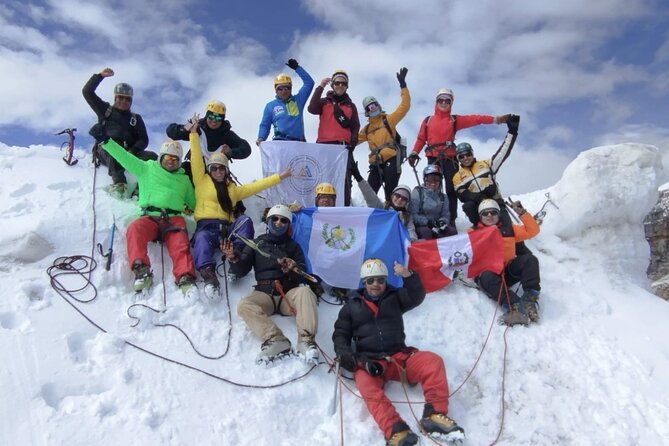
The best part is the emotional side of getting there. Sitting on ice at 5,150 m, looking out toward some of Peru’s big high peaks, gives a sense of achievement that is hard to fake. It is not just a photo stop, it is a moment where you realize you actually did the hard part.
A few more Huaraz days worth comparing
- From Huaraz: Hike to the Lagoon 69
★ 4.4 · 121 reviews - From Huaraz: Tour to the Pastoruri Glacier and Puya Raimondi
★ 4.3 · 68 reviews - Climbing Mateo – Your first 5 thousand
★ 5.0 · 52 reviews
Getting Out of Huaraz: The Early Morning Reality
Your day starts with hotel pickup at 3:30 AM. There is a 2.5 hour drive north from Huaraz, passing through Carhuaz and Shilla, before you enter Huascarán National Park. If you hate alarm clocks, this is the moment they strike.
That said, the early drive can be part of the fun. One of the joys people describe is the night-sky feel before sunrise, then the gradual shift as the landscape wakes up. When you pull into the area and the hike begins, you also get that first dramatic look at the big mountain backdrop.
You should plan to be ready to move quickly. The schedule is tight, and the tour uses that early start to give you enough time for the ascent and descent in daylight.
Huascarán National Park and Punto Olimpia: The Start Point
Once you arrive in Huascarán National Park, you park at Punto Olimpia and get going. There is a park entrance fee of 30 soles per person, and it is not included in the tour price. This is normal here, but it is worth confirming ahead of time so you do not end up scrambling for cash at the gate.
The hike begins around 6:00 AM with about an hour along the glacier moraine. A moraine walk can feel like a warm-up, but it is still part of the work. The ground and pace teach you how your body responds before you step onto the ice world.
This is also when you get your mental setup for the technical phase. You will want to stay steady, keep your breathing controlled, and treat this first hour like preparation, not sightseeing.
Glacier Moraine to Crampons: When the Trip Gets Technical
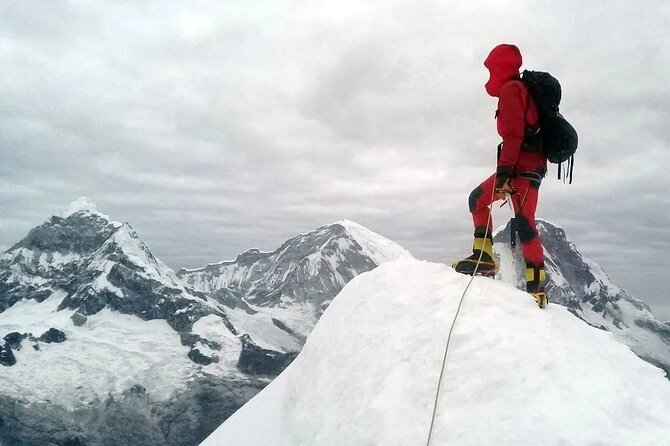
After the moraine section, you reach the glacier base. This is where the trip makes its key transition: put on crampons, rope up, and start the summit ascent.
If you are new to crampons, this is the moment to pay attention. The equipment is provided, including boots, crampons, harness, ice axe, and a helmet, so you are not left on your own. Still, it helps if you listen carefully to the guide’s instructions for foot placement and balance, because crampons feel different than normal shoes.
A major advantage of this tour is the constant support style. You are not just following behind someone and hoping for the best. The guides provide continuous, personalized help, and that often shows up exactly where you least expect it, when a slope turns slick.
A different kind of day out of Huaraz:
- From Huaraz: Tour to Llanganuco Lakes (Chinancocha Lake)
★ 3.6 · 19 reviews - Huaraz: Laguna 69 | Cordillera Blanca | Hike to Lake 69
★ 4.5 · 9 reviews - Full Day to Rocotuyoc and Congelada Lagoons
★ 3.7 · 9 reviews - Ancash: Trekking to Paron Lagoon with Entrance | Full day|
★ 4.1 · 9 reviews
The Ascent to San Mateo: Ropes, Timing, and Confidence
The ascent segment is roughly one hour once you begin climbing toward the top of San Mateo. That is a short time window, but you are doing it at high altitude, on glacier terrain. The result is that every step matters.
The most praised part of the experience is how guides handle the tricky moments. People describe guides speaking clearly in English, showing a safe path to follow, and even rope you up for short sections where slipping could happen. On steep and icy parts, that kind of intervention reduces fear fast.
I also like that the support is not only technical, it is motivational. Stories include guides calming nervous climbers, holding hands, and tethering people to themselves when confidence wobbles. That is not fluff. At 5,150 m, fear can make your pace worse, and a calmer plan helps you move better.
Because the guide team is certified and bilingual, you can ask questions in a way that actually lands. That matters when you are tired, cold, and focused on balance.
Summit Time: Contrahiervas Remnants and Cancora Lagoons
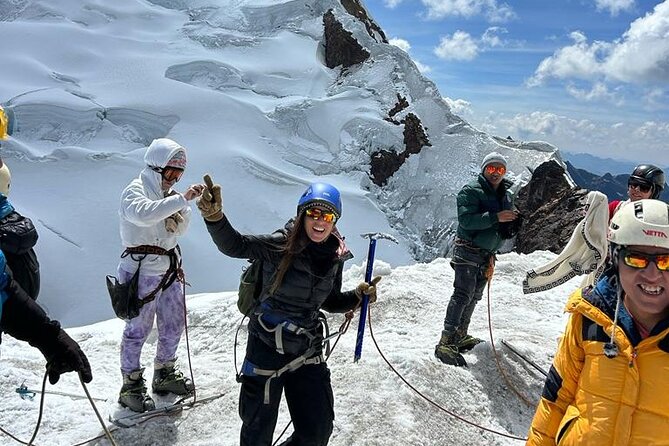
Once you reach the top, you get a payoff view from the summit. From the top of San Mateo, you can enjoy views of the remains of Contrahiervas Mountain and the Cancora Lagoons.
The key is that summit time is not just a quick stamp for a picture. You get time to relax and take in the scenery before starting the descent. That pause is important because it helps your breathing settle and gives you a chance to look at where you came from.
This is also the moment that makes the day feel like more than a workout. One person described the sensation of being on a glacier at 5,150 m with the highest mountains of Peru ahead of them. Even if you do not have the same exact words, you will likely feel the same kind of realization.
Descending the Same Route: Fast, Focused, and Less Forgiving
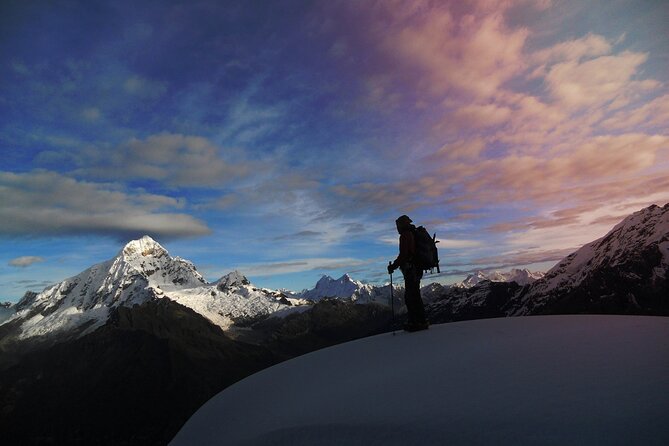
The descent follows the same route. The tour packs up and returns you to the vehicle once you are back at the start point area, then you drive back to Huaraz. You should expect an arrival around 2:30 PM.
Descending on glacier and moraine terrain can be surprisingly tricky. When you are tired, your feet want to slide into old habits. That is when rope support and guide guidance become especially valuable again, even if the climb felt manageable earlier.
The biggest takeaway for you: treat the descent like part of the climb, not a victory lap. Staying balanced and listening for guide cues helps you finish the day safely and still feel proud, not battered.
Guides and Gear: What You Get, What You Still Need
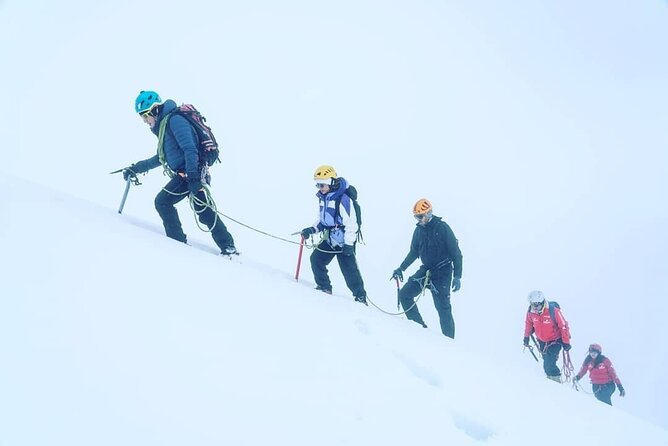
This tour includes personal technical equipment: boots, crampons, harness, ice axe, and helmet. That is a big value for first-timers because buying or borrowing proper glacier gear can be expensive and stressful.
Guides are certified and support you in English and Spanish. You also get a basic first aid kit with the group, and the tour recommends bringing your own first aid as well. I like that they are clear about what is provided and what you should handle yourself.
What you still need to bring is where people often make mistakes. The tour specifically lists items like a headlamp, snow goggles, appropriate clothing, and personal medications. You do not need to overpack, but you do need cold-weather essentials and visibility gear.
If you forget headlamp and you are still moving early or late in the day, it can turn into an annoying problem fast. If your eyes are not protected from snow glare, your focus will suffer. This is one case where being prepared helps you enjoy the mountain more.
Price and Value: Is $140 a Good Deal?
At $140 per person, this climb is priced like an active day with real technical work and real gear. What you are paying for is not only transportation, but the guide team, certification, and the glacier-specific equipment setup.
The big value points are:
- Technical equipment included, so you do not pay extra or improvise.
- Continuous, personalized assistance, which can change the whole experience for nervous or inexperienced climbers.
- A bilingual guide setup that reduces confusion when you are tired.
Two items to factor into your budget:
- The Huascarán National Park entrance fee of 30 soles per person is not included in the tour price.
- Meals are not included, so you will need to plan for breakfast and food before and after, depending on how you handle your schedule in Huaraz.
When you add up gear and guidance, this looks like solid value for a first high-altitude summit attempt. Just go in with eyes open about the day being physically demanding.
Who This Tour Fits Best (And Who Might Want Something Else)
This trip says most travelers can participate, and the experience descriptions back up that it works for people trying their first serious summit. If you can handle a steep hike, you can follow instructions, and you are okay with early mornings, you will likely enjoy this.
It is especially a good match if you:
- Want a first glacier summit experience without needing your own equipment.
- Appreciate clear coaching, including ropes for slippery sections.
- Like the idea of being guided step by step, not left to guess.
It might feel like a poor fit if you:
- Struggle with demanding hikes at altitude, even with guidance.
- Are not comfortable with cold, early starts, and technical glacier movement.
In other words, this is for adventurous beginners who still take safety and effort seriously.
Should You Book Nevado Mateo for Your First 5,150 m Summit?
Book it if you want a structured, guided path to a genuine high point near Huaraz, with the equipment you need and guide support you can actually understand. If you have been waiting to try crampons and rope work with a team that knows how to handle anxious first-timers, this is a strong choice.
Skip it or reconsider if you are expecting a casual stroll. This is a tough day at high elevation, and your body will feel the altitude. If you can accept that reality and show up prepared, you should walk away with a real summit accomplishment, not just a nice bus ride.
FAQ
How long is the Climbing Nevado Mateo tour?
The duration is listed as about 11 to 12 hours.
What time is the hotel pickup in Huaraz?
Pickup is at 3:30 AM.
How long is the drive from Huaraz to the park area?
The drive is about 2.5 hours north of Huaraz.
Is the Huascarán National Park entrance fee included?
No. The park entrance fee is 30 soles per person.
What time does the hike start?
The hike begins around 6:00 AM.
Is a summit reached, and what height is it aimed at?
The tour is for your first 5,150 m summit.
What climbing gear is included in the price?
You get boots, crampons, harness, ice axe, and a helmet.
What language are the certified mountain guides?
Guides provide support in English and Spanish.
Are meals included?
No. Breakfast, lunch, and dinner are not included.
How many travelers are in the group?
The maximum group size is 30 travelers.
What should I bring that is not included?
The tour lists items like a headlamp, snow goggles, appropriate clothing, and personal medications.
Recently reviewed around Huaraz
- Climbing Mateo – Your first 5 thousand★ 5.0 · 52 reviews
- Huaraz: Full-day Tour to Lake Parón with Optional Lunch★ 4.9 · 4 reviews
- From Huaraz: Lake 69 Trek Day Tour – White Mountain Range★ 4.7 · 7 reviews
- Huaraz: Pastoruri Glacier Day Trip★ 5.0 · 8 reviews
- Huaraz: Visit to Laguna 69★ 4.2 · 5 reviews
- Huaraz: 3-hour Trek to Laguna 69 with Optional Lunch★ 4.7 · 7 reviews
- Huaraz: Laguna 69 | Cordillera Blanca | Hike to Lake 69★ 4.5 · 9 reviews
- Huaraz-Excursion to the Pastoruri Snows and Puyas Raymondi★ 3.3 · 4 reviews
Huaraz Tours, compared.

Ancash: Trekking to Paron Lagoon with Entrance | Full day|
Read our review →
Browse the lists this tour appears in