
Reviewed · MARAS SALT MINES
Valle Sagrado:Chinchero, Moray, Maras, Ollantaytambo y Pisac
This route is interesting because it stitches together three big Sacred Valley themes in one long day: Inca agriculture, salt-making history, and major archaeological sites. If you get guides like Sandro or Cristian (both show up in the best experiences), the day feels planned, not random.
I especially love how the morning focuses on places you can’t really fake with photos. Moray’s agricultural terraces feel like a real working experiment, and the Maras salt pans make you understand how geography can power an industry. The tone tends to be practical, with a guide who can also help with photos, not just lectures.
The main drawback is time and pace. This is a full-on day, and even with a good guide, a couple stops can feel slightly rushed if the group moves quickly or crowds build up.
Key highlights you should care about
- Moray’s terraces as an agricultural laboratory, not just another ruin photo stop
- Maras salt pans (Salineras), with working salt pools that connect past and present
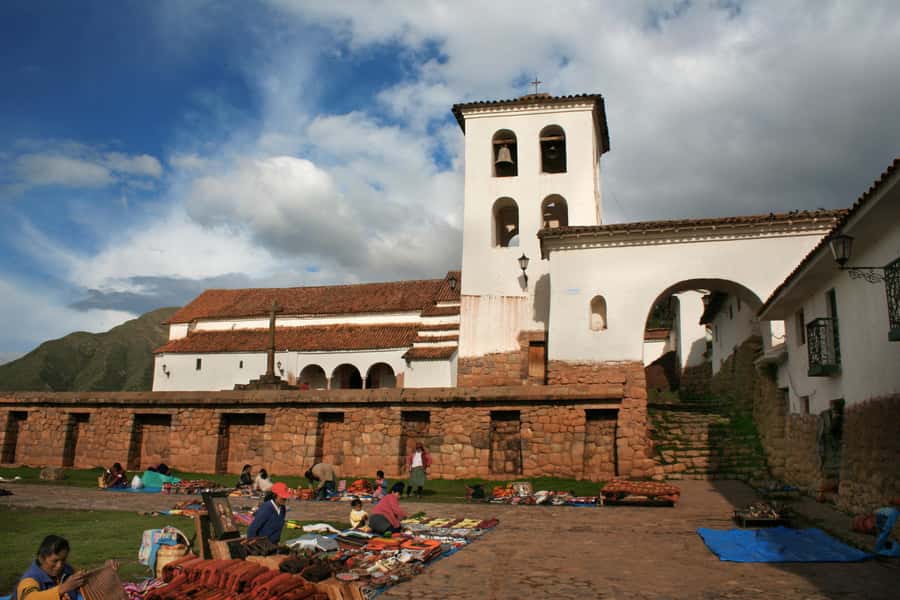
- Chinchero’s mix of Inca site + colonial-era religious architecture
- Ollantaytambo and its train-terminal setting, so you’re not only viewing ruins
- Pisac’s terraces and cemetery area, one of the more visually “complete” archaeological views
A one-day Sacred Valley loop that starts early and ends late
The tour runs as a classic Sacred Valley day trip from Cusco. Pickup is from the historic center, usually around 6:30 am, and you’re back in Cusco at 7:00 pm. That long span is the tradeoff for hitting five major stops: you get a lot of variety, but you should plan to move.
Transport is handled with a driver and a bilingual guide (English and Spanish). In many cases, groups are small, around eight people, which makes it easier to ask questions and keep the day organized.
Comfort-wise, think “long bus day plus walking.” You’ll climb into viewpoints at several sites, then get back on the vehicle and head onward. Bring layers, because mornings can feel cooler, and afternoons in valleys can turn hot fast.
More of Pisac:
- Cusco: Sacred Valley, Pisac, Ollantaytambo, Salt Mines Moray
★ 4.6 · 1,058 reviews - Sacred Valley: Chinchero, Moray, Ollantaytambo & Pisac+Lunch
★ 4.8 · 501 reviews - Pisac Indian Market and Ollantaytambo Fortress with Lunch
★ 4.5 · 395 reviews
Chinchero: Inca site energy and a colonial temple moment
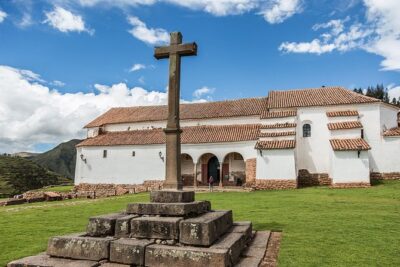
Chinchero is a smart first stop because it sets the tone for the day. You’ll visit the archaeological area and also the colonial temple. That mix matters, because it shows how Spanish-era religious power was layered over earlier Inca meaning.
What I like about Chinchero on this kind of itinerary is pacing. You get an early culture hit before the day gets physically demanding. It’s also a good place to start asking your guide what to look for. A strong guide like Cristian or Sandro tends to connect the architecture and layout to how people lived and worked in the region, not just what the stones look like.
One practical heads-up: Chinchero and nearby stops sometimes include brief craft-related explanations. You might see items connected to alpaca textiles, and there can be a gentle sales angle while someone explains how products are made. You do not have to buy, but if you hate interruptions, keep that in mind.
Moray: agricultural terraces that feel like a real experiment
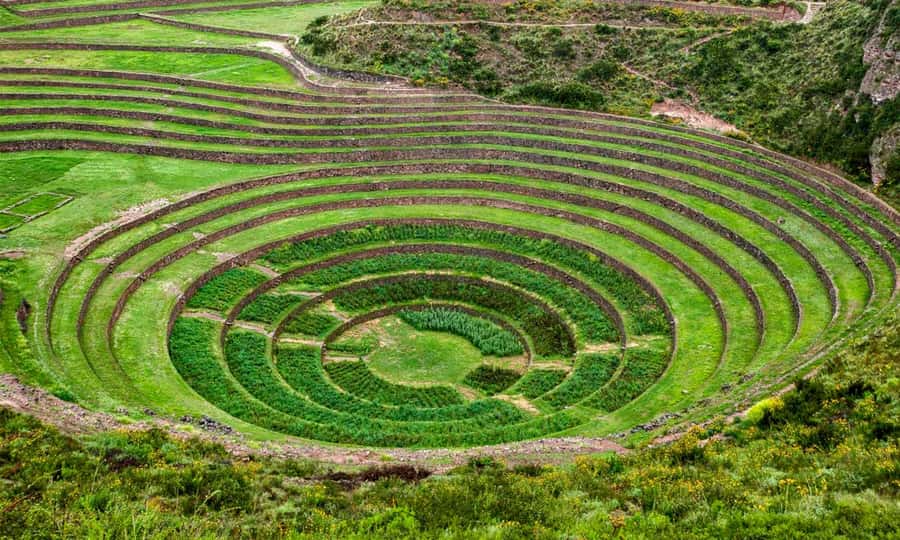
Moray is one of those places where the shape of the land does the storytelling. The terraces are set in a circular depression, and the guide explanation turns this from ruins into an idea you can grasp quickly. You’ll hear how Moray was used like an agricultural laboratory, a place to experiment with growing conditions.
On a day when you’re hitting multiple sites, Moray’s value is how it changes your perspective. Instead of only thinking about temples or walls, you start thinking like a farmer. Why would someone arrange terraces in this way? How could microclimates be useful? Moray gives you real “aha” moments.
A small caution: this stop can also be part of the reason the day runs full speed. There’s usually enough time to see the terraces and get photos, but not endless wandering. If you’re the type who wants long quiet time, arrive ready to move.
Maras Salt Pans (Salineras): the white squares of working history
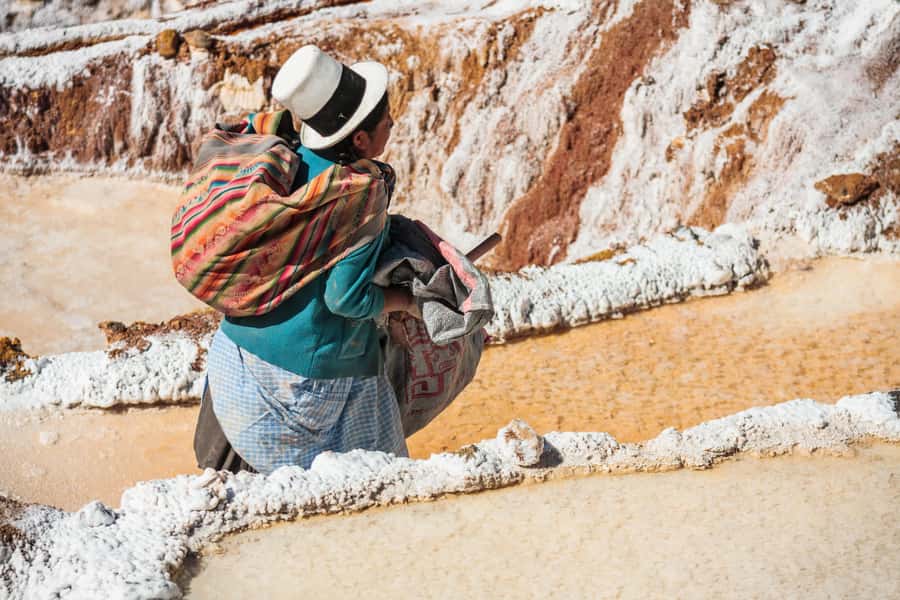
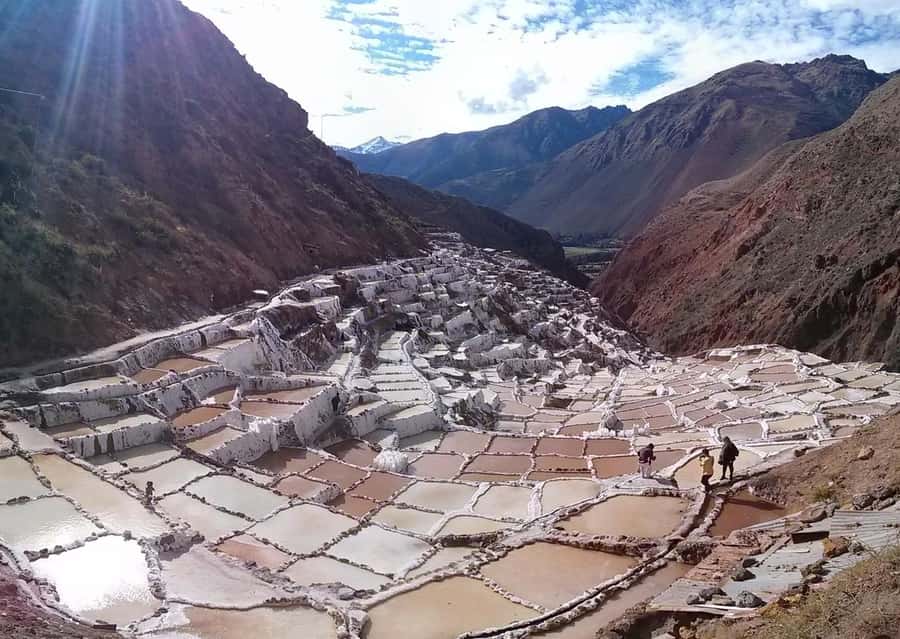
Then comes Maras, and it’s often the favorite part for people who like practical, physical processes. You’ll visit the salt ponds, commonly called the salt mines of Maras or Salineras. The key detail is that salt production here is tied to long use, including Inca period exploitation, and it’s still happening.
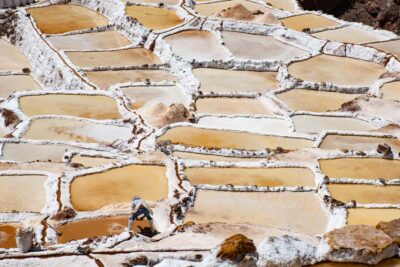
Visually, it’s dramatic. The pools create a patchwork of pale squares down a hillside, and the guide can help you understand why. Salt formation is a slow chemistry story, but on-site it feels immediate because you can actually see the result of that time.
This stop is also a place where timing and crowding matter. Even when the schedule is tight, you’ll want a moment to pause. If the area is busy, focus on the edges where the lines are clearer and where you can get photos without trying to fight for position.
If you want to learn fast, ask your guide what affects the salt color and how the pools operate. The best guides, the ones who switch smoothly between English and Spanish like some of the Cristian-Sandro-Rudy style guides in the field, keep the explanations simple and tied to what you’re literally standing above.
More of Chinchero:
- Cusco:Sacred Valley Pisaq,Ollantaytambo,Chinchero with Lunch
★ 4.8 · 183 reviews - From Cusco: Chinchero, Moray, Maras and Ollantaytambo
★ 4.5 · 83 reviews - From Cusco: Moray, Maras Salt Mines & Chinchero Weavers Tour
★ 4.8 · 1,925 reviews - Cusco:Chinchero,Moray & Salt Mines drop-off in Ollantaytambo
★ 4.8 · 793 reviews
Urubamba lunch break and how to use it wisely
After Moray and the salt pans, you head to Urubamba. You’ll have free time there and a chance to enjoy an Andean buffet lunch. Lunch is not included in the base price, so you’ll be paying this day out of pocket.
This is also where you should reset. You’re halfway through a long route, and your energy is the real currency. If the buffet is set in a way that means food sits out, don’t assume everything will be steaming hot. I’d treat the lunch as fuel, not a culinary highlight. Still, the food is typically regional and filling.
Urubamba also helps with flow. It breaks the day into chunks: morning archaeology and geology, then a midday reset, then late-day archaeological centers.
A practical trick: if you’re sensitive to crowds, use the lunch time to plan your photo strategy for the afternoon. Ollantaytambo and Pisac can get busy, and having a plan helps you avoid frustration when you arrive.
Ollantaytambo: ruins with a live town built around them
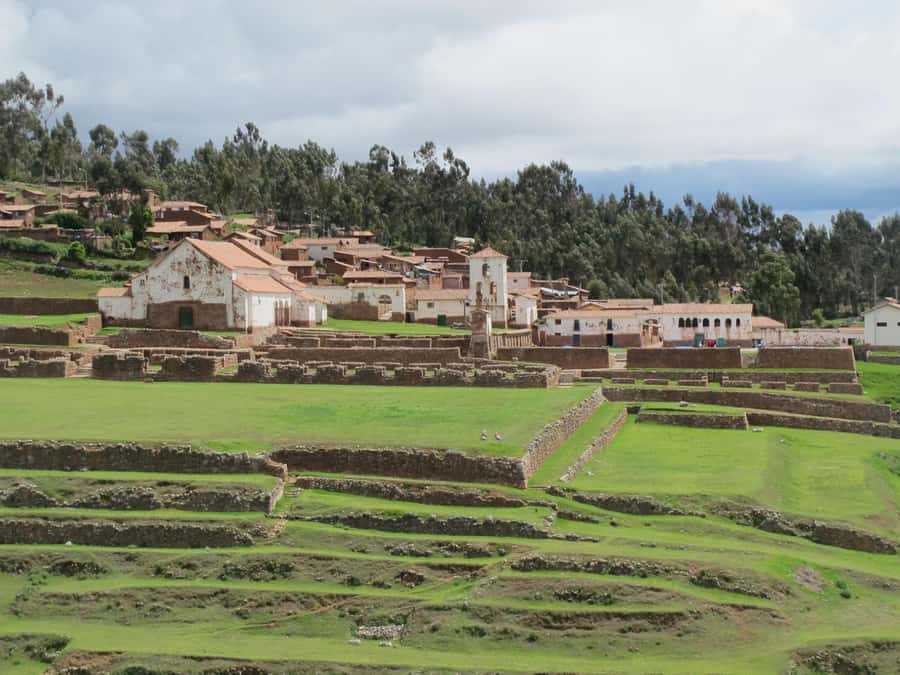
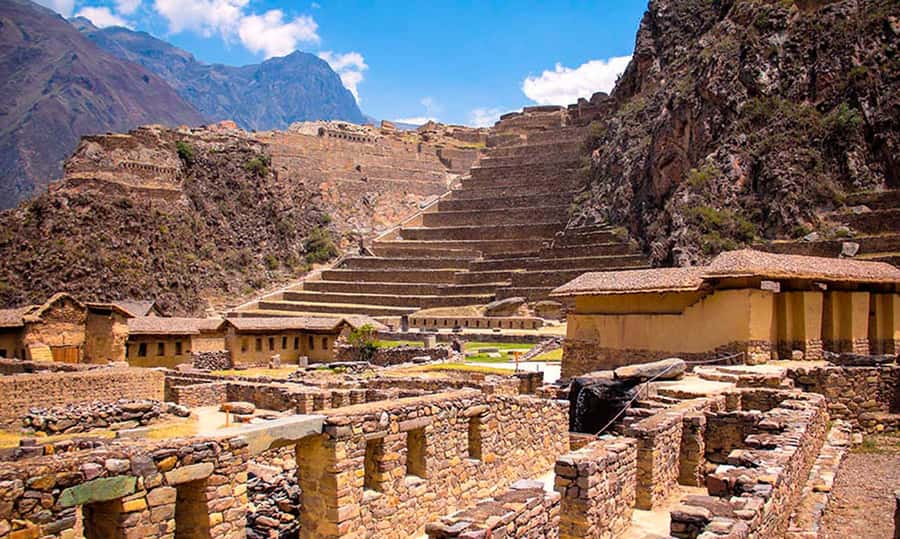
Next stop is Ollantaytambo. You’ll visit the archaeological part, and the setting is special because the town includes a train terminal. That means you get more than stones. You get the sense of people still moving through this place every day.
Ollantaytambo is often where the Inca story starts feeling organized and military-practical to many first-time visitors. The layout and stonework can read like a plan, not just a view. A good guide will help you spot the details quickly, and the bilingual format can keep everyone on the same page.
One drawback to be ready for: this is a popular site, and the day’s schedule may not give you as much time as you’d like. Some experiences note that portions of the visit can feel rushed. If you know you want longer time here, bring patience and a short list of what matters most: best photo angles, main structures, and a place to sit for a few minutes.
Also, if you want to catch trains or meet up with connections later, this stop’s terminal setting makes it useful for timing awareness. Just remember your tour return to Cusco is fixed.
Pisac: terraces and a cemetery area that feel more complete
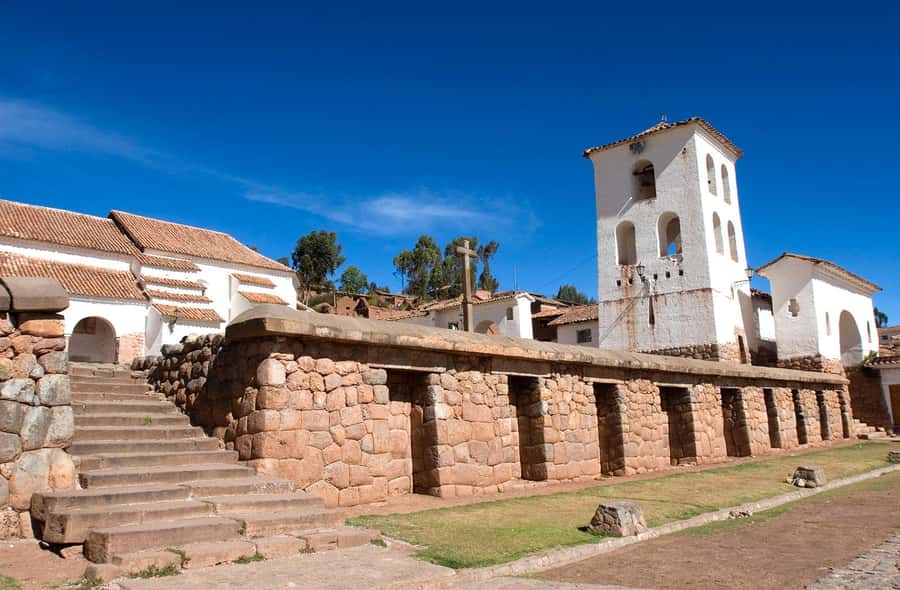
Finally, you’ll end at Pisac, the archaeological center that brings the day to a close. Here, the focus is on the Andean terraces and a cemetery area that’s described as one of the most preserved within the Andean culture context. In plain terms, Pisac tends to feel more “whole,” with the terrain doing a lot of the visual work.
What I like about Pisac at the end of the day is that it rewards slower attention, even if the schedule is still moving. The terraces can pull your eyes across the site, and once you understand how the terraces relate to farming and settlement, the place clicks.
Be realistic though: afternoon crowds can build, and walking distances still add up. If you feel your legs getting heavy, prioritize the areas your guide points out first. You’ll get more meaning per minute that way than wandering in every direction.
And when you’re done, you’ll return to Cusco for the night. Plan to be tired, and plan to be happy about it. This is a day where you store memories, then crash.
Price and what it really costs for a full day out
The price listed is $20 per person for a 1 day tour. That’s a strong baseline value, especially with transport and a bilingual guide included.
But you should budget for the add-ons that are clearly marked:
- Entrances: 70 soles
- Salt mines entrance: 20 soles
- Lunch: not included
So, the real out-of-pocket day cost is base tour price plus the entrance fees, plus lunch. If you add everything up, you can feel whether it’s worth it for you. For me, it’s worth it when you want convenience, tight logistics, and an explanation that helps the sites make sense, not just be seen.
If you’re traveling on a strict budget and enjoy figuring routes yourself, you might save money by doing parts independently. But the time you’d spend coordinating is exactly what this tour solves, and in the Sacred Valley, time matters because daylight and crowds are real.
Practical tips for altitude, heat, and a day that never pauses
Cusco altitude is part of the reality here. A tip included with the tour is to drink coca tea before the tour to help prevent altitude sickness. I’d follow that advice. It’s common-sense in Cusco: hydrate, go easy the first day, and don’t treat the morning like a sprint.
What to bring:
- Passport or ID card
- Cash
Comfort items to consider, even if not listed: a sun hat, sunscreen, and a light layer for cooler mornings. Some sites are open, and heat can sneak up quickly in the valley.
Also note what you should avoid: alcohol and drugs are not allowed. Keep that in mind for a long day out, especially if you tend to relax with a drink.
Finally, don’t ignore punctuality. Pickup is time-bound, and if you’re not at the meeting point on schedule, the transport continues. If you’re the type who runs late, set two alarms, then add a buffer.
Who this tour fits best, and who should skip it
This tour is a good match if you want a structured overview of the Sacred Valley in one day. It’s especially appealing if you like variety: terraces, salt production, and multiple major archaeological centers.
Small-group dynamics often help. Experiences with guides like Sandro and Cristian describe a smooth flow, and guides like Victor or Rudy are praised for keeping things friendly and well organized. That matters, because Sacred Valley sites can overwhelm you if you don’t know where to look.
It’s not a fit if you’re pregnant, because the tour is listed as not suitable for pregnant women. It may also be tough if you have limited mobility, since you’re doing walking and uneven terrain at multiple stops, but the tour’s formal suitability details given are specifically about pregnancy.
If you hate crowds or need lots of slow time at each site, this schedule could frustrate you. Some experiences point to sites being crowded, and some note shorter visits. If that would bother you, consider a longer multi-day approach instead.
Should you book Valle Sagrado: Chinchero, Moray, Maras, Ollantaytambo y Pisac?
If you want one day that covers the Sacred Valley’s biggest themes, I’d book it. The combination makes sense: Chinchero for the layered cultural story, Moray for the agricultural “lab” concept, Maras for the working salt ponds, and then Ollantaytambo plus Pisac for the archaeology payoff.
I’d especially lean toward booking if:
- you want guided explanations that connect what you see to why it matters
- you value convenience, including transport and hotel pickup
- you’re okay with a long, active day and a bit of pace
Skip it or reconsider if:
- you want lots of quiet time at each site
- you get annoyed when a schedule is tight
- you need a more comfortable, less walking-heavy day plan
FAQ
What is the meeting point for hotel pickup?
Pickup is included from the hotel in the historical center of Cusco. The guide contacts you about 10 minutes before arriving at the meeting point.
What time does the tour start and when do we return?
The tour starts with pickup at 6:30 am and you return to Cusco at 7:00 pm.
How long is the tour?
The duration is 1 day.
What does the tour cost?
The price is $20 per person.
Is lunch included?
No. Lunch is not included.
How much are the entrance fees?
Entrance fees are 70 soles, and the salt mines entrance is 20 soles.
What languages is the guide?
The tour includes a live guide in English and Spanish.
What should I bring?
Bring passport or ID card and cash.
Should I drink coca tea before the tour?
Yes. Drinking coca tea before the tour is suggested to help prevent altitude sickness.
Is this tour suitable for pregnant women?
No. It is listed as not suitable for pregnant women.
More Visits to the Maras Salt Mines
- Cusco: Valle Sagrado VIP, Maras, Moray y Almuerzo Buffet
★ 4.8 · 34 reviews - From Cusco: Sacred Valley & Maras Salt Mines Tour with Lunch
★ 4.8 · 2,227 reviews - Sacred Valley and Maras Moray Tour with Full Day Buffet Lunch
★ 5.0 · 670 reviews - ATV Tour to Moray Maras and Salt Mines in the Sacred Valley
★ 4.5 · 530 reviews
More of Ollantaytambo
- from Urubamba & Ollantaytambo:Sacred Valley Full-Day Private
★ 4.9 · 31 reviews - Cusco: Sacred Valley and Salt Mines Ending in Ollantaytambo
★ 4.6 · 5 reviews - Combo Sacred valley Pisac Moray Salt mines and Ollantaytambo
★ 5.0 · 202 reviews - Full-Day Excursion to Sacred Valley, Pisac and Ollantaytambo from Cusco
★ 4.5 · 174 reviews
Recently reviewed around Urubamba
- Super Sacred Valley★ 3.8 · 6 reviews
- From Cusco: Chinchero, Moray, Maras and Ollantaytambo★ 4.5 · 83 reviews
- Machu Picchu: 1-day tour by Vistadome Panoramic train★ 4.7 · 15 reviews
- Machupicchu 2025: The best ticket Circuit 2★ 3.5 · 6 reviews
- Machu Picchu: Tour Guide Service & Entrance Ticket Circuit-2★ 4.6 · 90 reviews
- Machu Picchu: Huayna Picchu Entry Ticket★ 2.8 · 4 reviews
- Machu Picchu: historical and photographic guided tour★ 4.9 · 27 reviews
- Machu Picchu: Group Guided Tour★ 4.7 · 102 reviews
Maras Salt Mines, compared.
Sacred Valley & Maras Salt Mines Tour with Lunch
Read our review →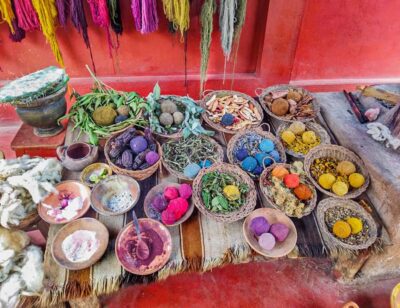
Moray, Maras Salt Mines & Chinchero Weavers Tour
Read our review →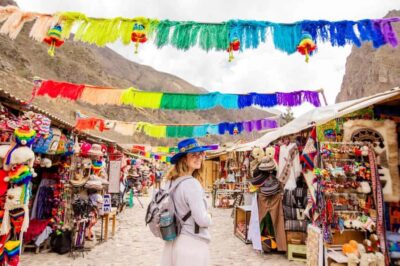
Sacred Valley, Pisac, Ollantaytambo, Salt Mines Moray
Read our review →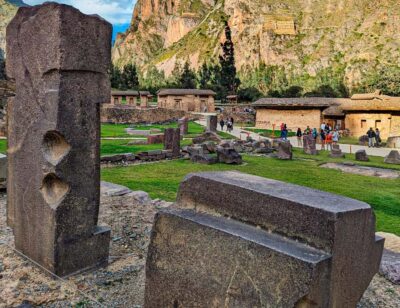
Chinchero,Moray & Salt Mines drop-off in Ollantaytambo
Read our review →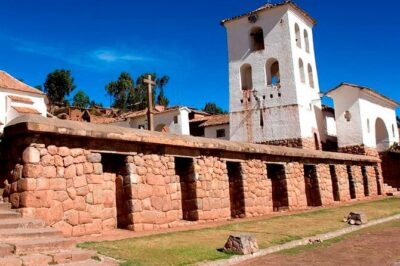
Sacred Valley and Maras Moray Tour with Full Day Buffet Lunch
Read our review →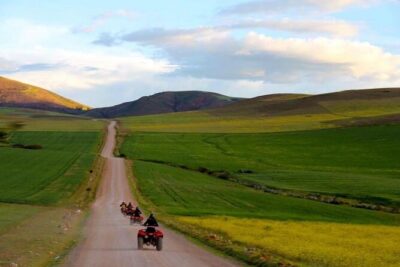
ATV Tour to Moray Maras and Salt Mines in the Sacred Valley
Read our review →
Tour Sacred Valley & Maras – Moray with buffet lunch
Read our review →Browse the lists this tour appears in