
Reviewed · SANTA CATALINA MONASTERY
Walking Tour Arequipa Including Santa Catalina Monastery
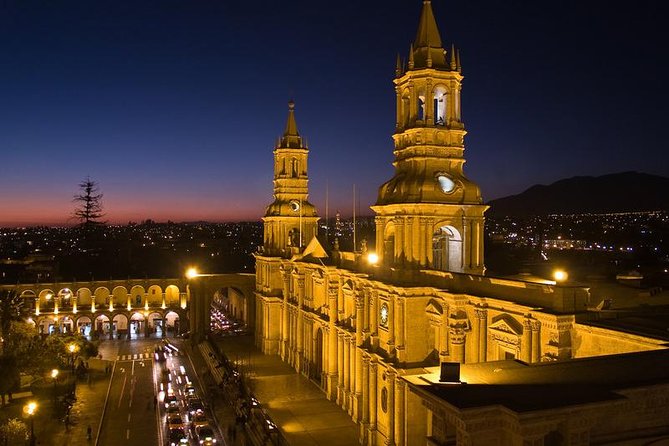
Arequipa has a special kind of magic, and this walking tour is a smart way to catch it on foot. You’ll see why the city is called the White City thanks to volcanic ashlar stone, then spend real time inside the Santa Catalina Monastery, a place that feels like a whole neighborhood dropped into the middle of town.
I like two things most about this tour. First, the guide-led walk through the historic center gives you practical context for what you’re seeing, not just names and dates. Second, the Santa Catalina Monastery entrance and English-guided time inside are included, so you’re not stuck outside waiting for your own tickets.
One consideration: this is not a sit-and-stare outing. It’s a walking tour with a moderate fitness level requirement, and if you’re older or less steady on your feet, the overall distance and any steeper stretches could be a bit much.
Key highlights you will feel on this tour
- Historic center orientation that explains Arequipa’s ashlar stone and UNESCO status while you walk
- Ticketed Santa Catalina Monastery visit with about one hour inside
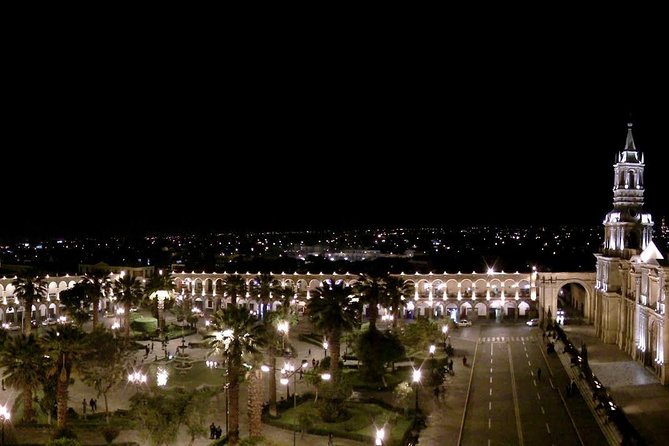
- A solid sample of churches and plazas around Plaza de Armas and the cathedral area
- Barrio San Lázaro stop that shifts the mood away from postcard scenery
- Mundo Alpaca museum time with alpacas and llamas, plus textile and wool shopping
- A small dose of local culture at Plaza San Francisco and nearby artisan areas
Arequipa’s White City, explained the way you actually notice it
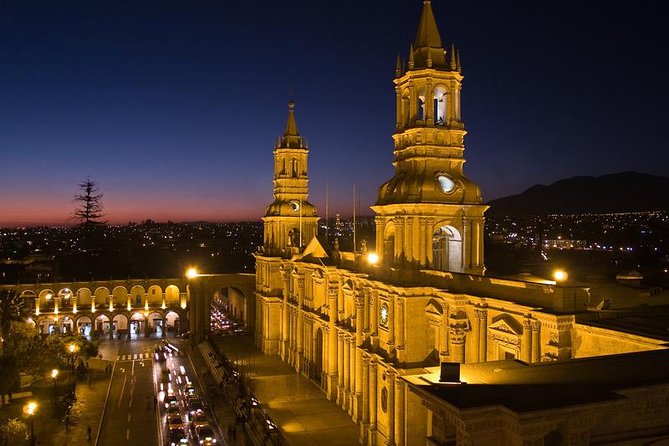
Arequipa sits high in the Andes, about 2,325 meters above sea level, at the foot of El Misti volcano. That altitude and dry air mean the city’s stone buildings catch the light in a way that’s hard to forget. And that’s the point of learning about the material used across town: ashlar, the pale volcanic rock locals used for many buildings.
When you walk, you start to see the pattern. The “white” look is not just paint or fancy lighting. It’s the volcanic rock itself, cut and built into buildings that still hold their shape and details today. It makes Arequipa feel cohesive, almost like a single design language stretching through neighborhoods.
You’ll also get an easy intro to why the historic center matters. The center was named a UNESCO World Heritage site in 2000 for its architecture and overall historical integrity. In plain terms, that means you’re not just touring pretty streets. You’re walking through an area with strong protection and a genuine architectural story.
More Walking Tours in Arequipa
- Walking tour in the Historic Center of Arequipa
★ 4.4 · 180 reviews - Arequipa: Walk through the Historic Center of the City
★ 4.9 · 87 reviews - Arequipa Walking Tour city center and drinks experience
★ 5.0 · 72 reviews
Pickup, timing, and how to start the walk without stress
This tour is designed for people staying downtown. You can get hotel pickup if your hotel is in the Arequipa centre area, and the meeting is set up around that. That matters because getting to the right starting point in a city center can be harder than it sounds, especially if you’re arriving from a bus station or you’re still adjusting to the altitude.
The total time is about 3 hours 30 minutes, and the schedule is built around short stops and short walks between them. That structure is great if you want a first-day feel for the city. It’s also why the tour asks for moderate physical fitness. You’re moving for most of the experience.
Also note the practical style of the tour. There’s a strong emphasis on sun protection, and the guidance is not to wear short clothes. You’ll be outdoors, and Arequipa sun can feel sharp. I’d treat that as a real tip, not advice for advice’s sake.
Historic Centre stops: churches, stone details, and why short moments still count
You start in the Historical Centre of the City of Arequipa, and your guide sets you up with the bigger picture fast: where Arequipa sits, why the stone matters, and how the city’s colonial-era building methods shaped what you see today. There’s a lot of information you could miss if you were just wandering, and this gives you a working map in your head.
Then you move through the religious and civic core with several quick hits:
- You’ll pass Iglesia de la Compañía de Jesús, a beautiful church where the key value is seeing it in context as part of the neighborhood fabric.
- You’ll visit the cloisters of the Company, where the focus shifts to architecture. Cloisters are where you notice proportions, textures, and how space is used for calm and routine.
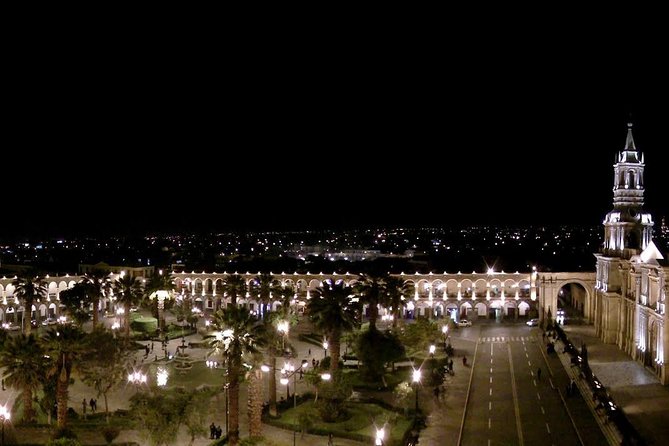
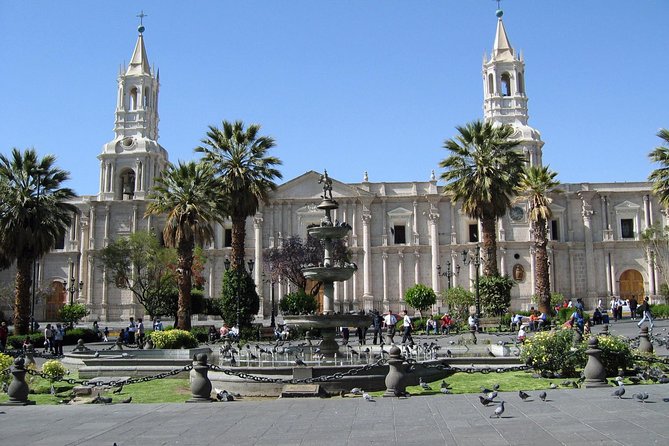
- You’ll pass Plaza de Armas, Arequipa’s main square. Even with a short stop, it helps you orient everything that comes after.
Next is the Basilica Cathedral of Arequipa. The tour is set up so you can enter if it’s open. If it’s not, you’ll see the exterior. That flexibility is smart, but it also means you should mentally plan for “seeing” more than “going in” at that specific moment.
The value of these stops is that they layer together. Plaza, cathedral area, churches, cloisters. You get the city rhythm instead of a checklist of separate attractions.
Barrio San Lázaro: a good mood shift in the middle of the walk
After the core, you’ll shift to Iglesia de San Lázaro and spend time in the Barrio San Lázaro area. This is a meaningful change because it pulls you away from only the most formal, central postcard view.
In places like this, you tend to see the local side of a city: daily life, street texture, and community character. The tour framing also helps you understand that churches are not just standalone buildings. They’re anchors for neighborhoods and traditions.
The downside is the same as with any neighborhood stop. It may be more visually “real” than “museum-like,” and it’s not always as dramatic as a grand façade photo. If your goal is maximum wow in every minute, this could feel more subtle than Santa Catalina. But it’s also the stop that makes the overall day feel lived-in.
More Santa Catalina Monastery visits:
- Arequipa, Historic and Colonial City and Santa Catalina Monastery
★ 4.5 · 42 reviews - Arequipa: Walking Tour and Santa Catalina Monastery
★ 4.4 · 7 reviews - Arequipa: City Tour and Santa Catalina Monastery
★ 4.5 · 6 reviews - Arequipa Walking Tour and Santa Catalina Monastery
★ 5.0 · 4 reviews
Mundo Alpaca and textile time: animals plus shopping, with a practical angle
Next up is Mundo Alpaca Arequipa, where you’ll spend about 20 minutes. This is a museum-type stop with alpacas and llamas, textile exhibits, and a wool store.
Here’s how to get value from it. Don’t treat it as only a shopping stop. Use it as a quick primer on fiber and weaving culture, especially if you haven’t seen this kind of textile tradition before. Even if you skip purchases, you’ll likely come away with a better sense of why alpaca wool is treated differently than ordinary wool.
If you are sensitive to commercial stops, you might want to keep your expectations grounded. You’ll probably see merchandising alongside education. That said, the presence of animals gives it more heart than a purely retail experience.
Plaza San Francisco and artisan areas: the small stop that adds texture
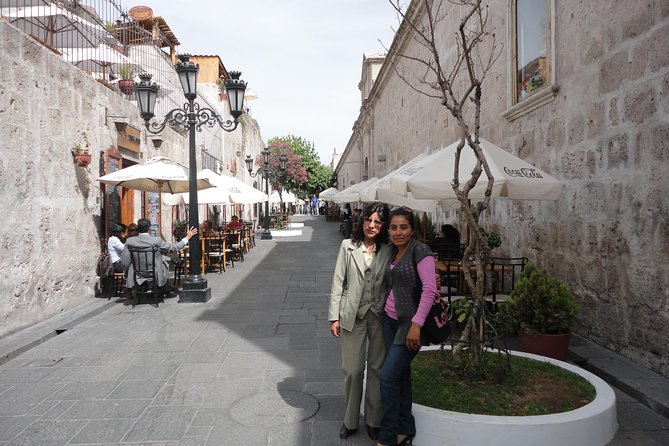
You’ll pass Plaza San Francisco and also the area known as Fundo El Fierro, where local artisans are present. This is a good palate cleanser between bigger-ticket moments. It’s shorter, but it helps you see how craft and city life sit side by side.
This is also where you can be a bit picky. If something catches your eye, ask questions and take a look. If not, it’s easy to move on because the stop is not meant to eat up your whole afternoon.
Santa Catalina Monastery: a city-sized place inside a city
Then comes the main event: Santa Catalina Monastery. You’ll get about one hour inside, and the entrance ticket is included, with an English guide working with you during the visit.
This monastery is often described as a city within a city, and the scale is part of why that phrase makes sense. The complex covers about 20,000 square meters and is organized around four neighborhoods that reflect the urban layout style from the early years of the Colony.
When you’re inside, pay attention to the way the spaces connect. You don’t just walk through one corridor of rooms. You move through clusters, courtyards, and neighborhood-like areas, which helps you understand how the monastery functioned as a self-contained world.
There are two practical tips for getting the most out of this hour:
First, take your time with key viewpoints inside the property. Quick photo shots are fine, but the best moments often come when you pause and let the layout make sense.
Second, wear comfortable shoes. Even if you think you’re ready for a 3.5-hour walking tour, the monastery is where your feet will remind you that stone floors are not always forgiving.
Because cathedral access depends on whether it’s open, Santa Catalina is the one site you can count on. That makes it the most reliable “anchor” of the tour.
How the pace feels on the ground: pleasant if you’re prepared
The tour is built for a steady walking rhythm rather than a sprint. In the best cases, it feels paced and organized, with a guide who keeps you moving at a comfortable speed. The idea is to cover real ground without turning it into a nonstop march.
That said, you’re outdoors and it’s altitude country. If you start the day dehydrated, the walk can feel longer than it is on paper. I’d bring water, use sun protection, and be ready for bright light. The guidance about not wearing short clothes is also about comfort and sun, so plan accordingly.
And one more thing that can change your experience: the fit between your pace and the group’s. With a private group format, you might not share the tour with strangers, but your group still has its own walking comfort level. If you think you’ll need frequent breaks, mention it early so expectations stay aligned.
Price and value: what $48 buys you in Arequipa time
At $48 per person, you’re paying for a guided orientation walk plus a ticketed visit where the timing matters. The tour includes English professional guiding, hotel pickup from downtown hotels, and the Santa Catalina Monastery entrance with guide support inside.
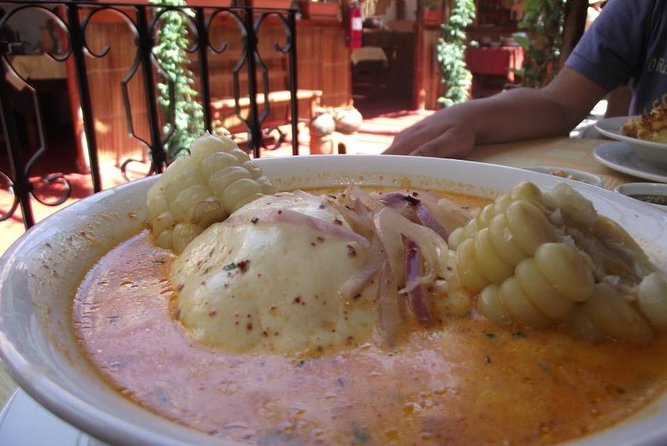
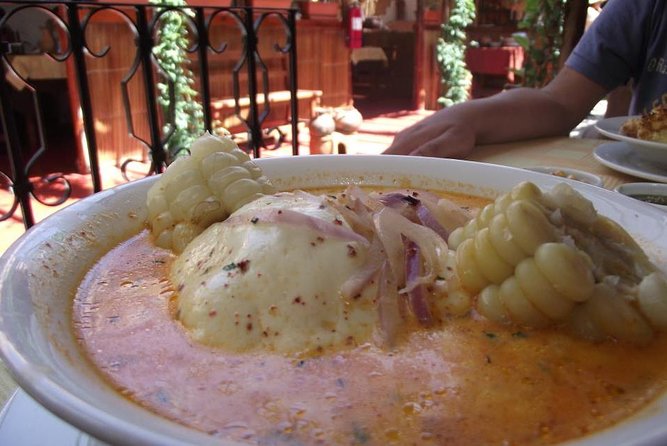
What you should keep in mind is that food and drinks are not included. The highlights mention a potato snack with dipping sauces, but since food is listed as not included, I’d treat meals as on you. Plan to snack on your own if you want a full lunch plan, and carry water so you’re not stuck buying mid-walk.
Where this tour tends to be best value is when you want a first impression that connects the city pieces. If you’re the kind of traveler who likes to know why a building is there, why the stone is pale, and what the monastery’s layout means, you’ll feel like the guide time was well spent.
If you only want photo stops with no explanation, you could likely do it self-guided for less. But you’d miss the “why” that turns Arequipa from pretty to understandable.
Who this walking tour suits best
You’ll likely love this tour if:
- You want a first-day introduction to Arequipa’s main sights
- You like colonial architecture and want to learn the meaning behind what you see
- You want Santa Catalina Monastery covered with a guide and included ticket
- You’re comfortable walking for most of a half-day
You might want to skip or adjust if:
- You struggle with longer walks or steep moments
- You prefer very short, mostly indoor visits
- You get grumpy in the sun, even with protection
If you’re visiting from abroad and want an organized, English-friendly overview, this is a solid way to get your bearings fast, without spending your day bouncing between tickets and timing.
Should you book this Arequipa walking tour with Santa Catalina Monastery?
Book it if you want an efficient, guided way to see the “White City” look, learn how ashlar shapes Arequipa’s character, and get a guided, ticketed visit into Santa Catalina. It’s a good mix of plazas, churches, neighborhood texture, and one major interior stop where timing and context matter.
Consider skipping if you hate walking, want no uncertainty about indoor access anywhere, or you’re extremely sensitive to sun and uneven stone surfaces. If those are you, plan a lighter day and save Santa Catalina for a separate visit when you can take your time.
FAQ
How long is the walking tour?
It runs for about 3 hours 30 minutes.
Is hotel pickup included?
Yes, hotel pickup is offered from hotels in the Arequipa centre area.
Is the tour in English?
Yes, the tour is offered in English, with an English professional guide during the walking portion and an English guide during the monastery visit.
How much of the tour is inside Santa Catalina Monastery?
You’ll spend about 1 hour at Santa Catalina Monastery, and the entrance ticket is included.
Are food and drinks included?
No, food and drinks are not included.
Is transportation provided during the tour?
No. This is a walking tour, so transport is not included.
Do I need a certain fitness level?
The tour is for travelers with a moderate physical fitness level.
What should I wear?
You’re advised to use sun protection and not wear short clothes.
Can I cancel for a full refund?
Yes. You can cancel up to 24 hours in advance for a full refund. If you cancel less than 24 hours before the start time, the amount paid is not refunded.
Recently reviewed around Arequipa
- Colca Trek – 2 Days Tour★ 5.0 · 8 reviews
- Arequipa and Secret Bars★ 4.5 · 8 reviews
- 3 Hour Congata Rover Biking Ride Tour in Arequipa★ 5.0 · 8 reviews
- 2-Day Group Tour to Colca Canyon from Arequipa to Puno★ 4.0 · 9 reviews
- Colca Canyon Tour 2 Days★ 5.0 · 9 reviews
- Colca Canyon / 2 Day 1 Night Trek★ 4.5 · 9 reviews
- Tour 10 Hours Pillones Waterfall and Puruña Stone Forest★ 5.0 · 9 reviews
- Salinas Lagoon + Mini Volcano DE Lojen★ 5.0 · 9 reviews
Santa Catalina Monastery, compared.
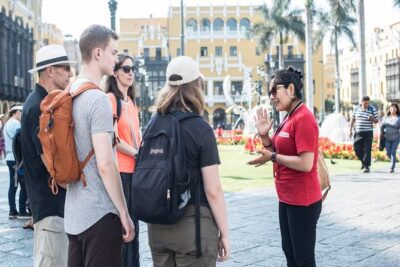
Lima Walking Tour: Historic Center, Market & Monastery
Read our review →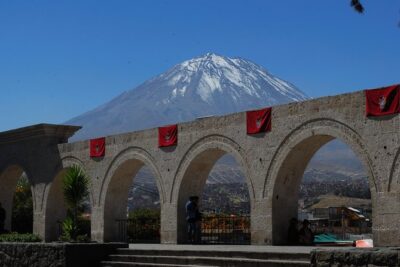
Arequipa, Historic and Colonial City and Santa Catalina Monastery
Read our review →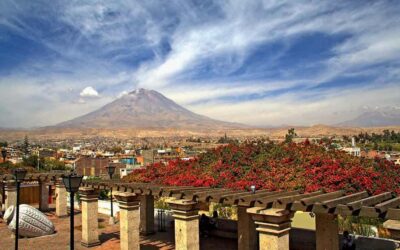
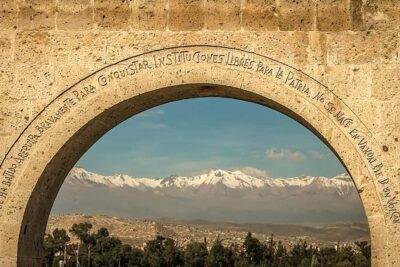
Arequipa Walking Tour and Santa Catalina Monastery
Read our review →Browse the lists this tour appears in