
Reviewed · COLCA CANYON
Turist Bus Colca Canyon (Chivay) To Puno
This route is interesting because it turns a simple transfer into a string of Andes viewpoints and wildlife spotting along the way, with a licensed bilingual guide keeping you on track. You’re not just watching the scenery slide by, you’re stopping, stepping out, and taking it in at key places like Abra Patapampa and Laguna Lagunillas.
What I like most is the professional bilingual guiding during the sightseeing stops and the comfort basics, like an air-conditioned bus with Wi-Fi, onboard toilet, and phone/tablet/laptop charging. One possible drawback to consider: while the experience is described as including refreshments and Wi-Fi, I’d still plan your day as if you might need to buy water or snacks if the onboard service is limited on your specific departure.
Quick take: what you’ll notice on this Chivay to Puno transfer
- Abra Patapampa viewpoint for major Andes volcano views and Apachetas stone-offering piles
- Pampa Cañahuas area at Patahuasi with vicuñas, llamas, alpacas, and chances for guanacos or foxes
- Laguna Lagunillas for mirror-like lake views and Andean flamingos depending on season
- Short, timed stops (often 8 to 15 minutes) that favor photos and quick walks
- Comfort details that matter: air conditioning or heating, onboard toilet, and charging ports
- Group size capped at 40 for a less chaotic experience on the stops
Touring the Andes instead of just riding through them
If your plan is Chivay to Puno, this is the kind of ride that makes the hours feel more useful. The bus takes you through the Andes mountains, but the real value is the built-in stops, guided explanations, and photo breaks at viewpoints that most people would miss if they were doing this transfer on their own.
This route also makes a nice match for people who want to see the landscape without committing to a full day hike. Your time is structured around key scenic lookouts, so you get a “greatest hits” slice of southern Peru’s high-country scenery, plus some animal spotting.
The tone here is practical. You’ll be outside briefly at each stop, you’ll get a quick education on what you’re looking at, then you’re back on the bus to keep momentum. That is a good way to travel if you want to arrive in Puno still feeling like you had a real experience, not just a long ride.
More Colca Canyon trips:
- 2-Day Tour Colca Canyon in Arequipa with end in Puno
★ 4.6 · 248 reviews - From Arequipa: 1-Day Guided Tour to Colca Canyon with Meals
★ 4.1 · 144 reviews - From Puno to Arequipa: 2 Days/1 Night Colca Canyon Tour
★ 3.6 · 83 reviews
Getting on board in Chivay, then settling into Nativa Express comfort
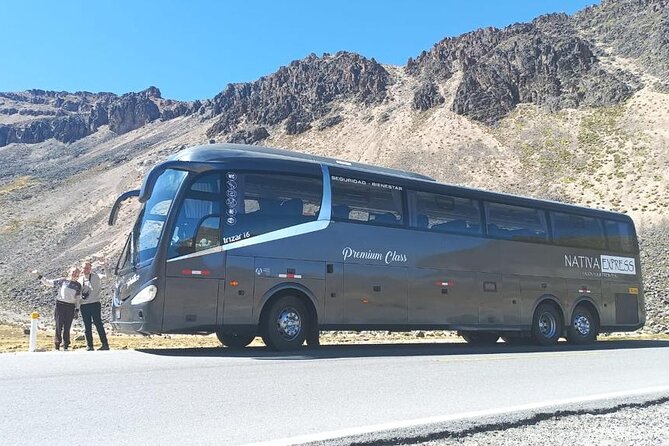
You meet in Chivay at the operator’s office beside the church in the main Plaza. Plan to show up between 12:30 pm and 1:10 pm, then you’ll depart around 1:15 pm. The total ride is listed at about 6 hours 30 minutes, though mountain-road time can stretch with conditions.
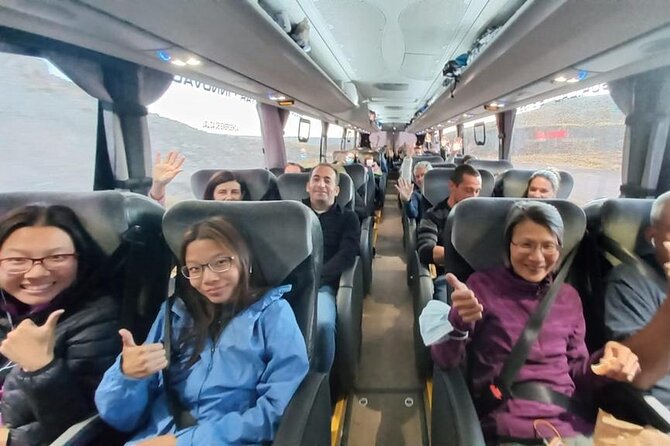
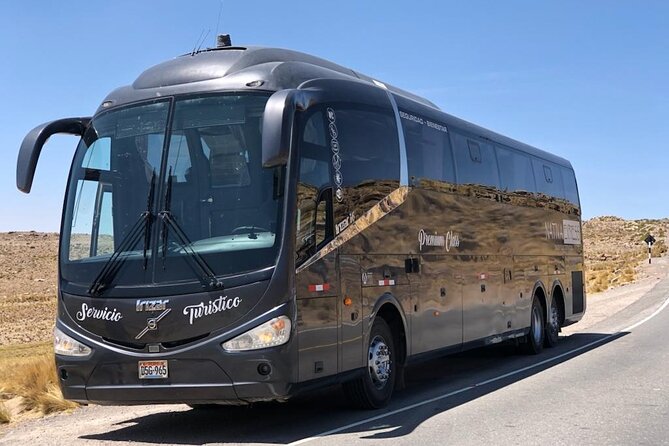
Once you’re on board, you’ll have the comfort basics that really change how you feel on a long transfer:
- An air-conditioned bus with air conditioning or heating
- Wi-Fi included
- An onboard toilet
- Charging ports for phones, tablets, and laptops
- A reading light at your seat
Also, the operation runs with a maximum group size of 40 travelers, which usually helps with getting everyone out smoothly at each stop. The guide is bilingual (Spanish and English), and that matters on this specific route. If you care about what you’re seeing, the explanations help you connect the scenery to the place.
Abra Patapampa: Andes volcano views and Apacheta stone offerings
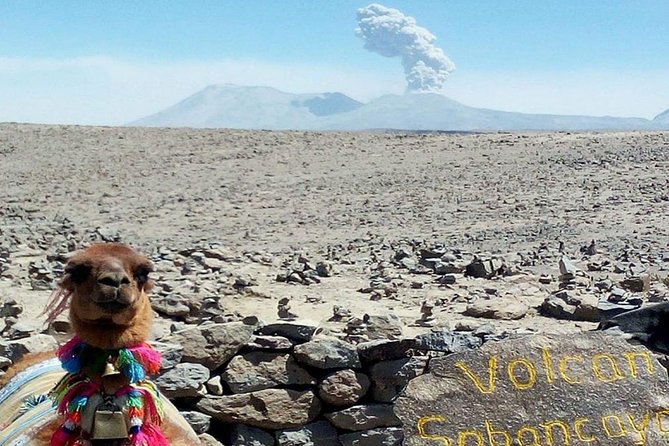
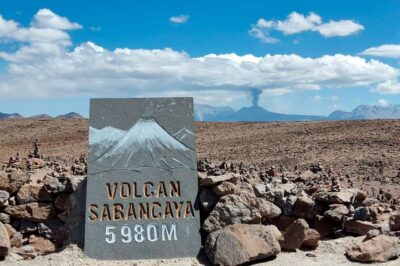
The first major stop is Abra Patapampa, a viewpoint often described as a “Mirador de los Andes.” This is your big sky moment. Expect to pause long enough to take in a wide panorama that includes major volcanoes in the region: Ampato, Sabancaya, Hualca Hualca, and Mismi, plus the Cordillera del Chila.
One reason this stop stands out is that it’s not just scenery, it’s also context. The guide points out the Apachetas, small stone towers that travelers historically left as offerings to their gods. Even if you are not religious, the idea is powerful. It explains why you’ll see piles of stones along high routes in this part of Peru, and it gives the landscape a human layer.
You’ll have about 8 minutes here. That sounds quick because it is, but it’s enough for:
- a few photos from the best angle
- a brief look around the horizon
- absorbing the volcano names and what the guide is pointing out
Practical tip: if photography matters, stand where you can shoot quickly without having to walk back and forth. This is a “get set fast” stop.
Potential drawback: because the stop is short, if you want extended wandering and a long reading of the view, you may feel rushed. If you prefer slow travel, you might choose a different format for this route. If you’re fine with quick hits and crisp photos, it’s a great first viewpoint.
Tocrapampa and quick camelid spotting in their natural habitat
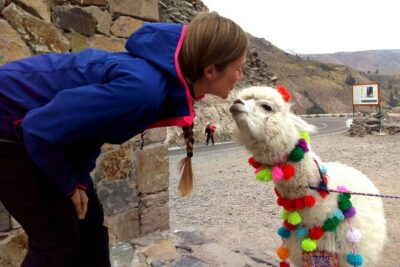
Next comes a more wildlife-focused break at Tocrapampa. This is essentially a technical stop for looking for the animals that define this high Andean setting: llamas and alpacas grazing in their natural habitat. If conditions line up, you may spot vicuñas, the more elusive animal known for very fine and costly fiber used in textiles.
This stop feels like a palate cleanser after the volcano panorama. The guide’s job here is important because the animals can be subtle, especially from a distance. With a guide, you’re not left guessing what counts as a camelid in the brush. You’re looking with someone who knows where to scan.
The time here is not spelled out as precisely as some later stops, but you should expect a brief window. Plan your mindset for a “look then listen, then reboard” style of stop.
Why this is worth it: wildlife spotting on your own can turn into a guessing game. This stop gives you a short, guided chance to see animals that you would otherwise only read about.
A few more Chivay days worth comparing
- Tour Fullday Colca Canyon with Breakfast and Typical Lunch
★ 4.3 · 35 reviews - From Arequipa Trek : 2-Days of Hiking in the Colca Canyon
★ 4.5 · 35 reviews - From Arequipa: Fullday Tour Colca Canyon + Transfer To Puno
★ 4.4 · 17 reviews - From Arequipa: One Day Trip to Colca Canyon Ending in Puno
★ 4.0 · 14 reviews
Patahuasi (Pampa Cañahuas): wildlife plus warm herbal drinks
Then you reach Patahuasi, also called Pampa Cañahuas, located in the Reserva Nacional de Aguada Blanca, with the Chachani volcano mentioned as the backdrop. This is one of the most satisfying stops for animal lovers.
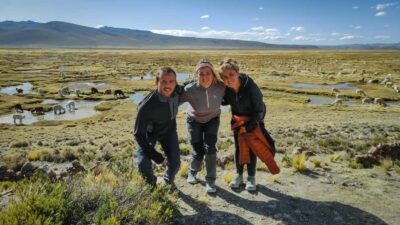
Here you can look for vicuñas, llamas, and alpacas, and with luck, the guide may point out other wildlife far off, like zorros (foxes) and guanacos. Even if you only see the core camelids, it’s still a strong stop because you’re in the kind of setting these animals are adapted to.
This is also a more “comfort break” stop. You can enjoy hot drinks made from natural herbs. The herbs specifically mentioned are chachacoma and muña. If you’re traveling long hours on a mountain route, that kind of warmth can feel surprisingly grounding.
You should also have access to facilities and time to browse:
- There are SS.HH available at this stop
- You may be able to buy artesanías and souvenirs
The stop time listed is about 15 minutes. That’s a better pace than the first viewpoint, enough to take photos, scan for animals, and enjoy the hot drink without feeling totally rushed.
A key consideration: animal spotting is always about luck and light, and the stops are timed. If you’re coming mainly for wildlife, show up ready to scan quickly. If nothing appears in the exact minute you’re focused elsewhere, you still get the scenery and the guided explanations, and you keep the day moving.
Laguna Lagunillas: a photo-friendly finish with flamingo chances
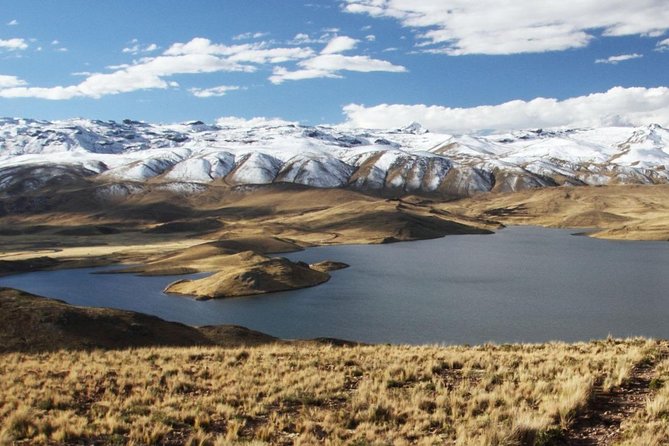
Finally, you’ll stop at Laguna Lagunillas. This is the “look at the water mirrors” moment on the route. You get a panoramic view of small lakes that can reflect the sky like mirrors.
This stop is also described as habitat for Andean flamingos and other birds, depending on season. Even if flamingos are not visible every day, the lake view is still a strong reason to look. This is where the route ends with a sense of calm before you arrive in the busier city.
Stop time is listed at about 15 minutes. Again, it’s not long, but it works for:
- photographing reflections
- checking for birds on the shoreline
- taking in the full horizon view from the viewpoint area
If you enjoy landscapes, this is the most visually “complete” stop. You’ll likely feel like, yes, this was worth the ride, because the scenery ends on a satisfying note.
Arriving in Puno around 7:00 to 7:30 pm, and what that means for your evening
The bus arrives in Puno at about 7:00 pm to 7:30 pm. If your hotel is in the Centro Histórico, you may be directed to your hotel, which helps you avoid the extra hassle of finding transport late in the day.
For planning, keep the long-day reality in mind. Mountain roads plus multiple stops can make the day feel closer to seven or more hours from door-to-door. If you’re planning a dinner reservation, aim for something flexible, or build in time to settle.
This timing also makes the tour a practical “bridge day” between activities. You’re not losing a whole day to travel and you still arrive with energy to enjoy Puno’s evening.
Price and value: what $41.03 buys you on this route
At $41.03 per person, this feels like a budget-friendly way to connect Chivay and Puno while still getting guided stops that add real value. The big thing you’re paying for is not distance, it’s the combination of:
- a bilingual guide who explains what you see
- four sightseeing stops with admissions listed as free
- bus comfort: air conditioning or heating, onboard toilet
- basic amenities like charging and Wi-Fi
In other words, you’re buying time well spent. Instead of spending your travel day scanning for viewpoints and figuring out what to look for, the schedule already puts you at places designed for views and wildlife.
One thing to be aware of: the experience description mentions complimentary snacks, water, and coffee, but I’d treat those as a bonus rather than a guarantee for every departure. If you have to work during the ride or you’re counting on snacks to get you through the long route, carry a backup plan: keep some of your own water or a small snack on hand.
That small caution protects you from an annoying surprise.
The guide experience, and why it matters on high-country stops
On a route like this, the guide is not a “nice to have.” It changes what the stops mean. When someone is explaining the difference between the volcanic panorama names and where the river source myth or geography fits in, it’s easier to feel like you’re learning something instead of just taking pictures.
The guide is described as professional and bilingual. And one standout detail from real-world experience with this kind of operator is the way they help with practical situations. If you have transfer or connection concerns once you arrive, the guide’s attention to your follow-through can make the late-day logistics less stressful.
So even if you’re mainly interested in the scenery, your guide’s role is part of the value.
Who should book this tour, and who might be happier choosing another option
This is a good fit if you:
- want a comfortable, organized transfer instead of DIY logistics
- enjoy short viewpoints and quick guided explanations
- want a chance to see camelids and possibly flamingos
- like arriving in the destination with a full day’s worth of scenery, not just transportation
It may not be ideal if you:
- hate time limits and prefer long stays at viewpoints
- need reliable Wi-Fi for work with zero backup options
- are sensitive to the idea that refreshments and extras might not match the promise exactly on your specific departure
If you’re traveling with kids, the structure can work well because it’s clear when you stop, what you do, and when you reboard. But you’ll still want to manage expectations about short time windows at each stop.
Should you book Turist Bus Colca Canyon (Chivay) to Puno?
If your goal is to turn the Chivay to Puno transfer into a memorable Andean day, I think this is a strong choice. The reason is simple: you’re not just moving from point A to point B. You’re getting four guided stops that cover volcano views, Apacheta history, camelids at Tocrapampa and Pampa Cañahuas, and the lake panorama at Laguna Lagunillas.
Book it if you want convenience plus real scenery, and you’re fine with quick stops. If you need guaranteed onboard Wi-Fi for work or you rely on refreshments to get you through, bring a backup snack and plan your expectations for a “bonus” rather than a certainty.
For many travelers, that balance makes it a smart value buy.
FAQ
What city does this tour start from?
It starts in Chivay.
What is the approximate start time?
The departure is about 1:15 pm.
Where do I meet the group in Chivay?
You wait at the operator’s office next to the church in the Plaza principal de Chivay.
How long is the trip?
The duration is about 6 hours 30 minutes (approx.), though your actual time can vary with road conditions.
Where does the tour end?
It ends in Puno. If your hotel is in the Centro Histórico, they may direct you to your hotel.
What sightseeing stops are included?
There are four stops: Abra Patapampa, Tocrapampa, Patahuasi (Pampa Cañahuas), and Laguna Lagunillas.
What is included in the price?
Included items are 4 stop sightseeing, bottled water, free Wi-Fi, onboard toilet (type depends on unit), professional bilingual guide Spanish-English, reading light, air-conditioned bus, and chargers.
Is Wi-Fi actually included on the bus?
Yes, Wi-Fi is included.
What is the group size limit?
The tour has a maximum of 40 travelers.
What should I know about weather?
The experience requires good weather. If it’s canceled due to poor weather, you’ll be offered another date or a full refund.
Recently reviewed around Chivay
- Tour Fullday Colca Canyon with Breakfast and Typical Lunch★ 4.3 · 35 reviews
- Offer Price: Colca Canyon One Day in Arequipa with Breakfast★ 4.5 · 4 reviews
- Full day excursion to Colca Canyon★ 4.2 · 6 reviews
- Full Day Trip to Colca Canyon from Arequipa ending in Puno★ 4.5 · 4 reviews
- From Puno: 2-Day Tour to Colca Canyon ending in Arequipa★ 4.1 · 4 reviews
- From Puno to Arequipa: 2 Days/1 Night Colca Canyon Tour★ 3.6 · 83 reviews
- From Arequipa Trek : 2-Days of Hiking in the Colca Canyon★ 4.5 · 35 reviews
- FROM CABANACONDE: VISIT TO THE CRUZ DEL CONDOR VIEWPOINT, DURATION 2 HOURS★ 5.0 · 5 reviews
Colca Canyon, compared.
2-Day Tour Colca Canyon in Arequipa with end in Puno
Read our review →
Browse the lists this tour appears in