Reviewed · COLCA CANYON
2 day 1 night trek / Colca Canyon
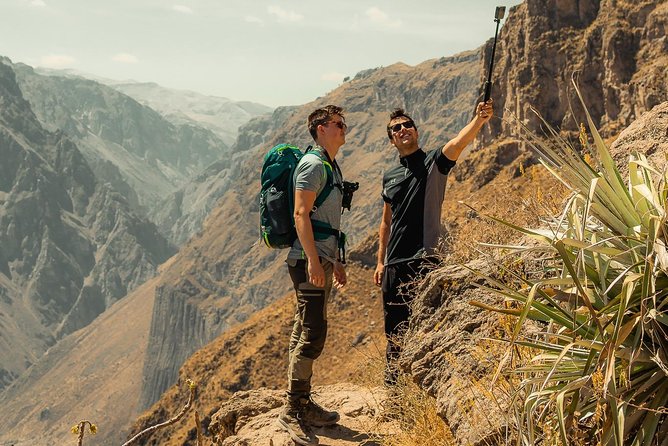
Colca Canyon in 2 days is interesting because you get the full rhythm of the canyon, big viewpoints, a real descent, a local overnight oasis, then a steep climb back out. I love the small-group size (max 11) and how guides like Alex or Carlos turn the hike into something you actually understand, not just walk through. The main consideration is that drinking water is not included, so plan ahead for buying water and carrying what you need.
Logistics are mostly handled for you, with a one-way transfer from Arequipa to the start of the trek and return transport from Cabanaconde to Arequipa. You get bilingual support, with guidance in English and Spanish, plus meals built around the hiking schedule.
This is not a casual hike. You’ll be dealing with a long downhill day 1, then an early, uphill day 2, and several people flag that it can be tough on knees, even if you feel fit.
Key points to know before you go
- Max 11 people means you’re not swallowed by a huge group.
- Bilingual guides (English and Spanish) are a big part of the value, with strong praise for guides like Alex and Carlos.
- Meals are included, but not snacks, and water is not.
- Day 1 is mostly downhill and can be hard on knees for about 6 hours.
- Day 2 is early and uphill, so headlamp and knee support can matter.
- Optional hot springs can be added for an extra fee after the climb.
How the Colca Canyon trek really plays out in 2 days
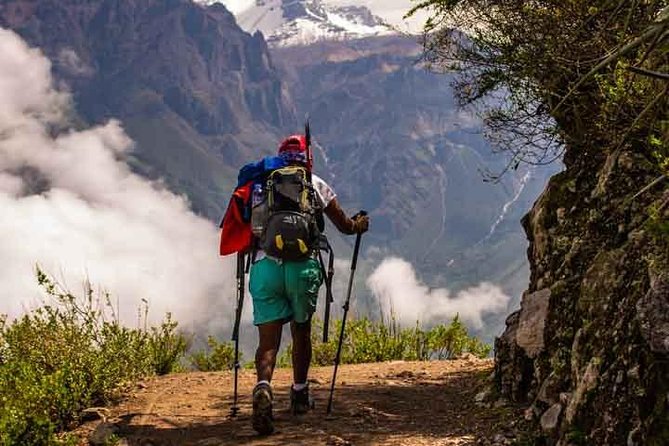
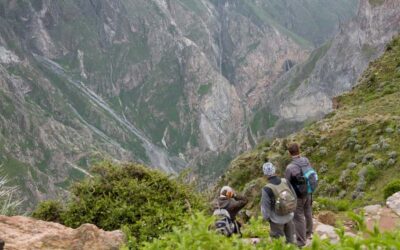
If you’ve only seen Colca Canyon from a viewpoint, this trek is a different way to experience it. You start above, get classic lookout time at Cruz del Condor, then you move down into the canyon on foot, spending the night near San Jaun and Oasis de Sangalle. The next morning is the payoff, because you earn the views back with a hard climb upward.
The biggest reason this works for many people is pacing and structure. You’re not stuck planning bus segments or meal stops. Instead, you get transfers, a guide, and a clear “down then up” route that forces you to actually live the canyon for a full day and a night.
My only caution is the practical stuff that can quietly stress people out: water and snacks are not included, and the timeline is aggressive. One person noted dinner can run late, then you’re up before dawn, which makes it even more important to come prepared.
More Evening Experiences in Arequipa
- Colca Canyon Trek 3 Day 2 Night
★ 5.0 · 328 reviews - 2 Day 1 Night Trek / Colca Canyon
★ 4.5 · 92 reviews - From Puno to Arequipa: 2 Days/1 Night Colca Canyon Tour
★ 3.6 · 83 reviews
From Arequipa to Chivay, then down toward the canyon
Most days start with a transfer from Arequipa to the trekking area. This tour includes the one-way transport to the start of the hike, so you’re not guessing which rides to line up. The route runs through Chivay, which is useful in a practical way: it’s a “gear shift” town where you’ll transition from city altitude life into canyon life.
Chivay also helps break up the journey so you’re not doing everything in one long straight shot. That matters because once you begin the hike, you’re going to feel it, especially on the knees during the descent.
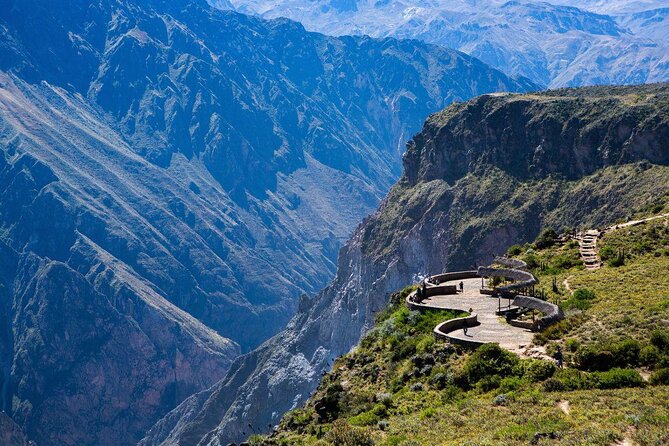
Then you move toward the canyon viewpoint at Cruz del Condor. This stop is a key moment because it gives you context. You can look out over the canyon before you commit your legs to it. It’s also where the trip becomes real, since you stop thinking in terms of distance and start thinking in terms of scale.
Cruz del Condor: the viewpoint stop that sets your expectations
Cruz del Condor is the pre-trek reality check. From up there, the canyon looks dramatic and wide. That’s important, because it helps you understand why the hike feels like more than “just stairs.”
It’s also a good time to slow down and get oriented. Even if you are an experienced hiker, this is where you confirm your footing strategy: poles if you use them, how you’ll handle long descents, and how you’ll pace yourself so day 2 does not ruin your whole trip.
If you’re prone to altitude stress, this is also a moment to pay attention to how you feel. Even people who considered themselves fit mentioned altitude sickness can still show up. That doesn’t mean you shouldn’t do it. It does mean you should not treat the schedule like a casual afterthought.
Day 1 trekking: long downhill time and knee care
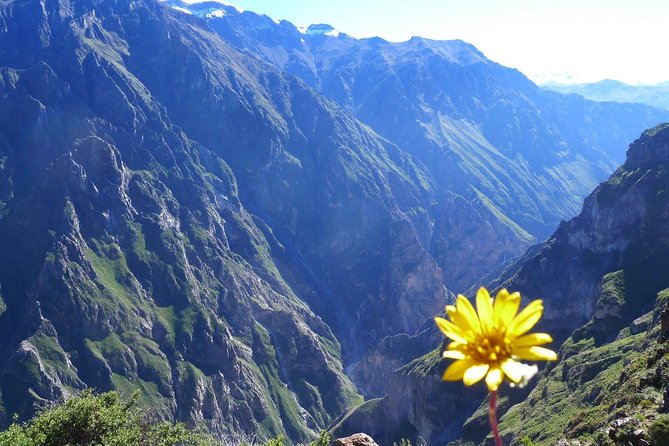
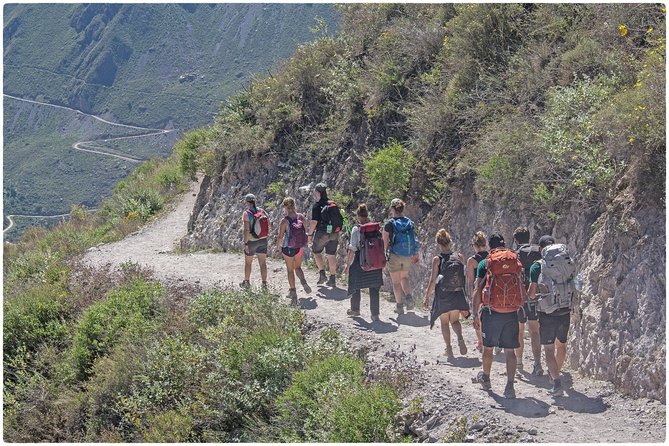
Day 1 is the one that surprises most people. The hike includes a major descent, and at least one group described it as roughly 6 hours of going down. That’s great for scenery, but it’s hard on knees and toes. If your knees get cranky on long stairs at home, bring that reality into the canyon.
What I like about how this tour is set up is that the day is not random. It’s designed to get you down into the area where you’ll sleep, including the stop for meals along the way. Lunch and dinner are included, and breakfast is included as part of the overall package.
The downside, based on real-world feedback, is that water planning can make or break your comfort. One issue that came up clearly is that the tour does not include drinking water, and some camps may not provide water you can drink on the spot. So you should assume you’ll need to buy water along the way and you might need to carry extra.
More Hiking & Trekking in Arequipa
- From Arequipa: Sillar Route Trek
★ 4.2 · 461 reviews - From Arequipa: 2-Day Colca Canyon Trekking Tour
★ 4.8 · 243 reviews - Colca Trekking 2days from Arequipa
★ 4.5 · 212 reviews - 4 hours Tour: Route of Sillar with Trek in Culebrillas
★ 4.2 · 69 reviews
Staying near San Jaun and Oasis de Sangalle: more than a bed
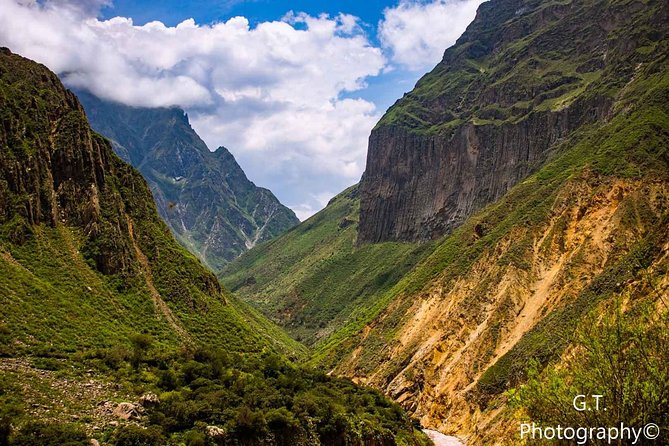
Overnight is at the San Jaun and Oasis de Sangalle area. And yes, this matters. A trek like this is not just about the hike. It’s about whether you can recover enough for day 2.
Most people describe the overnight stop as comfortable, with welcoming hosts and a chance to unwind. Some mention a pool as a much-needed reset after day 1. On the other hand, a few reviews were blunt about basic conditions, including minimal bathroom lighting and issues like insects or cleanliness problems in specific rooms. That doesn’t mean your experience will be bad, but it does mean you should treat this as simple lodging, not a hotel.
Here’s what I recommend for this portion: bring a headlamp or small flashlight. If lighting is limited, you’ll be glad you have it. Also pack earplugs if you are sensitive to noise. In places like this, sound travels.
Day 2 starts before sunrise, and the uphill is real
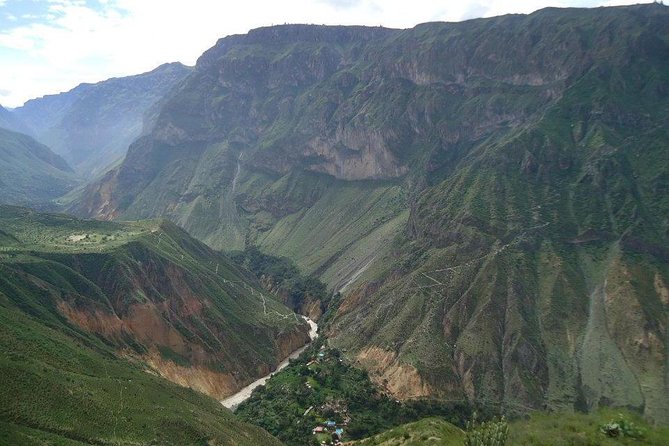
Day 2 is the grind. You wake up very early, and the hike begins before sunrise for some departures. One person mentioned needing a headlamp even though it wasn’t explicitly in the packing list, and that’s good advice. A dark trail plus steep effort is not the moment to rely on streetlight-level visibility.
The climb is uphill for hours. One group described an all-uphill morning and even suggested that about half the group needed a donkey on day 2. Another mentioned a continuous climb for around 6 km. That doesn’t mean you cannot do it. It means you should pace it like a marathon, not a sprint.
If you’ve got knee issues, you’ll want to go slow early. Don’t wait until you are already in pain. Also, some guides offer the option of renting a mule if needed, which can keep the trip enjoyable instead of medical.
Optional hot springs after the hike, worth the extra budget
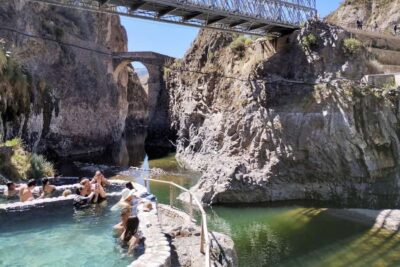
After you hike back up, you can add hot springs for an additional fee. The tour lists hot springs as optional, and one common price given is S/ 15. People praise this part as a treat after the long effort.
Even if you skip it, you’re likely to feel how much your body wants recovery. If you do go, plan time so you’re not rushing at the end of your day. And if water is limited in what you’re carrying, remember that hot springs do not replace the need for drinking water.
Food and meals: what’s included, what’s not, and why it matters
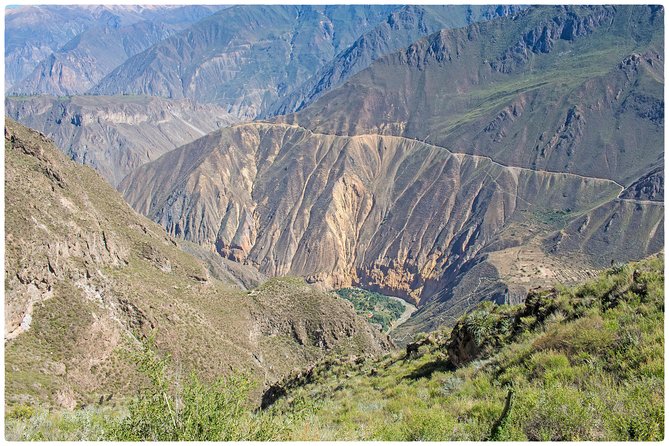
This tour includes lunch and dinner, plus two breakfasts. That’s a solid base because it reduces decision fatigue during a tough physical schedule. It also means you’ll have planned fueling at the times you actually need it.
But here’s the part that can surprise people: snacks are not included, and waters are not included either. If you are a person who likes to nibble continuously during climbs and you don’t want to rely on buying things in small quantities, you should bring snacks with you.
Also note that there is a final lunch that is not included. Some groups describe a buffet style lunch at the end for an extra cost. If you love having that last big meal moment, budget for it ahead of time so it doesn’t feel like an unexpected add-on.
Price and value: why $90 can work, and what to budget too
The listed price is $90 per person, and for many people the overall value comes down to structure plus guide quality. You’re getting:
- Transfers (Arequipa to start trekking, and return from Cabanaconde to Arequipa)
- An English-Spanish guide
- Lunch and dinner
- Two breakfasts
However, you should budget extra for the canyon ticket and on-the-ground essentials. The tour notes a tourist ticket cost, with S/ 40 for Latin American nationalities and S/ 70 for other nationalities. Hot springs are optional at S/ 15, and waters and snacks are not included.
So the real value equation is simple:
1) The $90 covers the core service and meals.
2) You cover the canyon entrance and your personal hydration/snacks.
3) You decide if you want hot springs and the final lunch add-on.
If that math fits your travel style, the trek is a good deal for what you get: two full days of canyon immersion without having to assemble all the parts yourself.
Guides, group size, and pace: how much control you’ll have
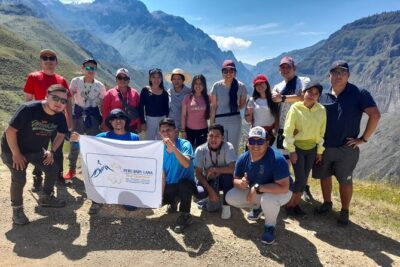
A maximum group size of 11 is a big deal here. It usually means you’re not lost in a sea of people, and your guide can actually notice who is struggling. Many people gave standout praise to guides by name, including Alex, Carlos, Rafael, Cesar, and Eric, with comments about care, organization, and sharing details about plants, animals, and the canyon culture.
That said, pace can vary by guide and by the day. Some reviews described a fast, non-stop hiking rhythm and even a lack of check-ins for people who fell behind. Others described the guide as supportive and attentive to personal pace. Your best move is to communicate early if you need slower breaks.
Bring hiking poles if you use them, and use them correctly. If someone in your group recommends it, you’re not being sold on gear. On a long downhill and steep climb, poles can save your knees.
What to pack for knees, early mornings, and simple lodging
You can do this trek with the basics, but you’ll feel better if you pack for the pain points that show up here: knees, darkness, and hydration.
Bring:
- Supportive footwear with grip
- Hiking poles (if you use them)
- A headlamp or small flashlight for the early morning start and possible low lighting at the overnight
- Snacks, because snacks are not included
- Water planning items, because waters are not included
For knees, consider compression sleeves or a knee strap if that works for you. Some people do the trek without extra help. Others need a donkey on day 2. Even if you never plan on using one, having a plan for your joints turns this from stressful to manageable.
Should you book the Oasis Palmeras 2D/1N Colca Canyon trek?
Book it if you want a guided, structured 2-day experience that takes you from Arequipa down into the canyon and back out with real overnight time near San Jaun and Oasis de Sangalle. It’s especially worth it if you like learning from guides and you want meals handled for you during a physically demanding schedule.
Skip it, or at least think twice, if you hate early mornings, have fragile knees, or dislike the idea of paying extra for water, canyon entry, and add-ons like hot springs. This hike is doable, but it is not gentle, and you’ll have more fun if you arrive ready for steep effort.
If you are on the fence, I’d make one decision rule: make sure your hiking pace is slower than your ego. On day 2, the climb rewards patience.
FAQ
What’s included in the $90 per person price
Lunch, dinner, and two breakfasts are included. You also get a one-way transfer from Arequipa to the start of the trekking area, plus return transportation from Cabanaconde to Arequipa. The tour includes an English-Spanish guide, and the maximum group size is 11.
How much is the Colca Canyon tourist ticket
The tourist ticket is listed as S/ 40 for Latin foreigner and S/ 70 for foreign travelers from the rest of countries.
Are hot springs included
Hot springs are not included. They are optional, and the listed price is S/ 15.
Is drinking water provided during the trek
No. Waters are not included, and you should plan to buy water as needed.
How physically difficult is this trek
It requires a strong physical fitness level. The hike includes a major downhill day and an uphill day, and it can be tough on knees and can affect people even if they are fit.
Is free cancellation available
Yes. You can cancel for a full refund if you cancel at least 24 hours in advance. If you cancel less than 24 hours before the experience starts, the amount paid is not refunded.
More Colca Canyon Trips
- From Arequipa: Colca Canyon Full-Day Guided Tour with Meals
★ 4.5 · 982 reviews - Colca Full Day Tour
★ 4.5 · 429 reviews - 2-Day Tour Colca Canyon in Arequipa with end in Puno
★ 4.6 · 248 reviews - Colca Canyon Plus
★ 5.0 · 198 reviews
Recently reviewed around Arequipa
- 2-Day Tour to the Magical Colca Canyon★ 4.5 · 29 reviews
- Full Day Tour to Colca Canyon from Arequipa★ 4.0 · 34 reviews
- Full Day Tour To The Salt Lake Salinas in Arequipa★ 4.5 · 34 reviews
- Full Day Trip to Colca Canyon from Arequipa★ 4.0 · 34 reviews
- Tour Fullday Colca Canyon with Breakfast and Typical Lunch★ 4.3 · 35 reviews
- Colca 2 Days and 1 Night★ 5.0 · 35 reviews
- 2 Day Trek Including Transfer to Puno / Colca Canyon★ 4.5 · 38 reviews
- 3-Day Colca Canyon trek with Professional Guide★ 5.0 · 40 reviews
Colca Canyon, compared.
2-Day Tour Colca Canyon in Arequipa with end in Puno
Read our review →