
Reviewed · CITY TOURS
City Tour Cusco
What makes this Cusco city tour really interesting is how it links major Inca sites just outside town to the look and feel of Cusco’s streets and buildings. I love the way the guide helps you spot the Inca-Spanish architecture story in plain sight, and the Sacsayhuamán views make Cusco feel like one connected whole.
I also like that the route is built for understanding, not just checking ruins off a list. You’ll go from the Q’enqo Puma shrine and sacrifice altar concepts to the practical Andean idea of water still shaping daily life at Tambomachay. One drawback to plan around: entrance tickets, meals, and snacks are not included, and the tour is not suitable for people with mobility impairments.
Key points at a glance
- Sacsayhuamán in three levels: you’ll tour multiple tiers, including the upper bases of the great towers that once dominated Cusco
- Q’enqo’s Puma shrine: an ancient temple space tied to the Pachamama concept, with an altar for sacrifices inside
- Tambomachay’s living water: spring sources that still irrigate the city’s fields and terraces
- Puca Pucará as a strategy point: a watchtower position that dominates the valley and the imperial city
- A guide you can ask questions to: English and Spanish live guidance, with strong praise for being gentle and very prepared
A 5-hour Cusco plan built around Inca power centers
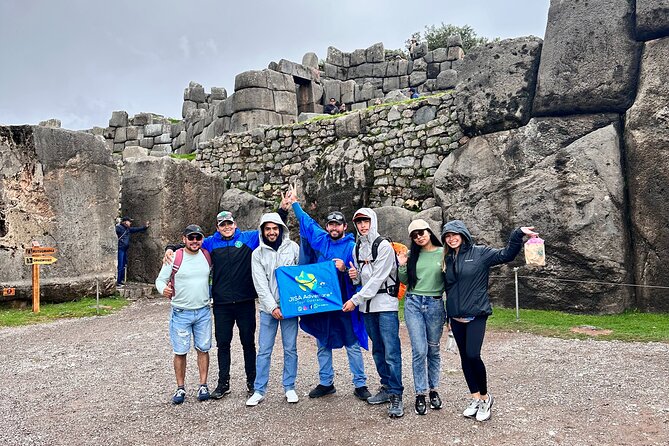
This tour works because it is not random. It’s a tight circuit around Cusco’s Inca-world “high points,” each one showing a different side of how the empire thought and organized life. In about half a day, you get architecture, ritual spaces, and practical water systems, all linked by the same geography.
Cusco can feel like a maze when you’re on your own. With a guide, the ruins stop being isolated stops and start being clues. You’ll also spend part of the time on the move, with scenic views on the way between sites, so it feels like you’re getting out of the city without needing a full-day commitment.
For context, this is where the “big picture” matters. The Inca did not build only for tourists. They built for ceremonies, governance, and survival. When you learn what each location was used for, Cusco’s stone forms make more sense and even the smaller details start to click.
More City Tours in Cusco
- Cusco: Half-Day City Tour with Sacsayhuaman and Q’enco
★ 4.6 · 1,129 reviews - City Tour Cusco Qoricancha Sacsayhuaman y Tambomachay
★ 4.7 · 617 reviews - Cusco City Tour Four Ruins in Half-Day
★ 5.0 · 530 reviews
Price and what $15 gets you, plus what it doesn’t
At $15 per person, this tour is priced like a value option for people who want guidance and transportation, not just a self-guided walk. What you’re paying for is the practical stuff: tourist transportation, a professional tourist guide, and guided time on the sites for about 5 hours. You also get agency assistance 24/7, which is useful if anything goes sideways with timing.
What is not included matters, because it can change your total day cost. Entrance tickets are not included, and meals, beverages, and snacks are also not included. Plan to budget for those separately so you are not surprised once you arrive.
If you’re flexible, the reserve now and pay later option can be a nice safety net while you figure out your Cusco schedule. And with free cancellation up to 24 hours in advance, you’re not locked in if weather or altitude logistics rearrange your plan.
Bottom line: for the combination of transport plus a live guide focused on the sites, $15 is a fair deal. Just remember to keep some cash or card ready for entrance fees and to bring a snack if you know you get hungry quickly at altitude.
Getting picked up in Cusco, then moving out efficiently
The day starts with pickup included. You can choose between two pickup location options in Cusco, and you can also coordinate pickup from a neutral meeting point with the provided collection schedule. In many cases, it’s from your hotel, which is a big help when you’re still trying to get your bearings.
You’ll finish back at Cusco’s Main Square (Plaza de Armas). That matters because it saves you the headache of figuring out your own transport back into the center after you’re tired from walking among ruins.
Two practical notes to keep your day smooth. First, luggage or large bags are not allowed, so travel light. Second, bring your passport or ID card, since you’ll need it for the tour.
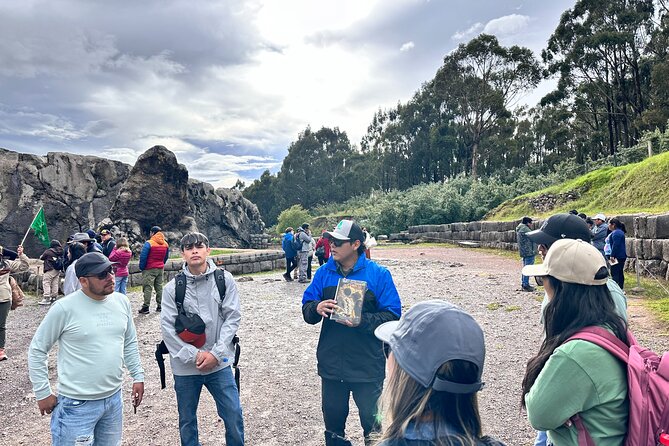
This isn’t a sit-and-watch experience. You’ll be on your feet at each site, and the route is not suitable for people with mobility impairments. If that applies to you, it’s better to ask for an alternate accessible plan rather than trying to force it.
Sacsayhuamán: the ceremonial fortress and its tower-level details
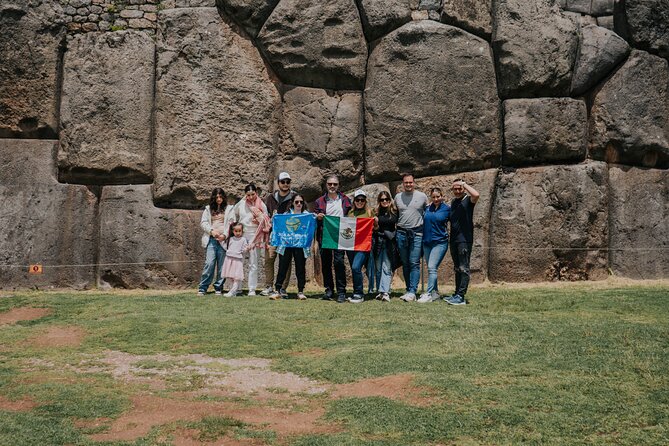
Sacsayhuamán is the big opener, and it sets the tone immediately. You leave Cusco to visit the impressive ceremonial fortress, famous for its colossal stone constructions and the way the structures fit into the surrounding terrain. Even if you’ve seen photos, being there helps you understand scale.
Here’s what makes this stop special on a guided tour. You don’t just look from one angle. You’ll tour the three levels of the site, including what’s on the upper part. The guide points out the bases of the great towers that once dominated Cusco in Inca times. That detail is easy to miss when you’re browsing ruins alone, because your eyes want to focus on the most obvious walls and curves.
This stop is also where you learn a useful reading skill for Inca sites. The shapes are not decorative. They reflect power, planning, and ceremony. When the guide connects the stones to their purpose, the fortress stops feeling like a pile of rocks and starts feeling like an engineered statement.
A small practical consideration: expect uneven ground and some walking. Even if the route feels manageable, altitude can make everything slower. Go at a steady pace and don’t rush the explanations, because that’s where the value is.
A few more Cusco days worth comparing
- Classic Inca Trail Trek 4D/3N to Machu Picchu (Group Service)
★ 5.0 · 8,653 reviews - Cusco: Rainbow Mountain and Red Valley Day Trip with Meals
★ 4.9 · 4,893 reviews - Machu Picchu: 4-Day Inca Trail Trek with Panoramic Train Ride
★ 5.0 · 4,568 reviews - Salkantay Classic Trek 5 Days from Cusco
★ 5.0 · 4,062 reviews
Q’enqo: the Puma shrine and the Pachamama altar concept
After Sacsayhuamán, the tour moves into the world of ritual. Next up is the Inca shrine of Q’enqo, described as an ancient temple of the Puma. The key detail you’ll want to pay attention to is that it houses an altar for sacrifices inside the Pachamama.
That phrase, Pachamama, is more than a name on a sign. It’s the idea of the earth as part of spiritual and practical life. On this stop, the guide’s job is to help you understand how the architecture points toward that worldview. Instead of treating Q’enqo as a generic “archaeology spot,” you’ll learn how the space was meant to function.
What I like about this stop is that it adds texture to the Inca story. You’ve already seen fortifications and grand construction. Now you see how Inca sacred sites could be focused, symbolic, and specific in purpose.
The drawback here is simple: if you’re expecting a hands-on experience, you won’t get it. This is about observation and interpretation. Still, the guide’s explanations help you see past the surface carvings and understand what the site was designed to communicate.
Tambomachay: architectural excellence and water that still matters
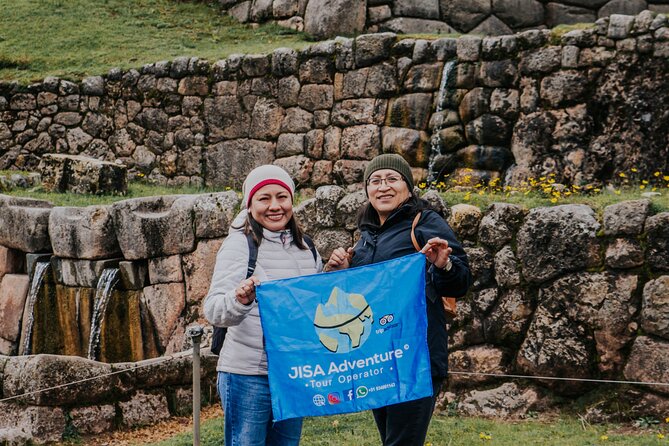
Tambomachay is a different kind of stop, and that’s a good thing. The site is considered a monument of remarkable architectural excellence and one of the pillars of Andean cosmovision. What ties it to everyday life is the spring water sources that still irrigate the fields and terraces of Cusco.
This is where the tour becomes practical, even if you’re not thinking about farming. You see that the Inca weren’t only building for ceremonies or defense. They were also shaping water systems and using the environment intentionally. When a place still functions, the ruins stop feeling frozen in time.
On a guided tour, the value is in connecting the design to the purpose. The guide helps you connect the stonework to the water logic, so you’re not just admiring old construction. You’re learning how the system worked and why it mattered to life around the city.
If you tend to get thirsty, this is a good stop to plan for it. The tour length is only about half a day, but you can feel the pace at altitude. Bring water if you’re allowed to, and take short breaks when you need them.
Puca Pucará watchtower: where strategy meets the valley view
The final site is Puca Pucará, a watchtower that dominates the valley and the imperial city. This is a strong closing stop because it pulls everything into one mental map. After seeing fortifications, ritual space, and water systems, you end with the idea of control and oversight.
A watchtower is not just a pretty viewpoint. It represents planning. From higher ground, you can monitor movement and understand the landscape around you. Even if you don’t have a technical background, the guide’s interpretation helps you understand why a location like this would matter in Inca times.
This stop is often where your photos start looking better, because you’re finally using distance as context. You can see how Cusco’s city layout relates to the surrounding terrain. If you’re someone who likes learning by looking, you’ll probably enjoy this finale.
Again, wear shoes that handle uneven areas. Even a short walking circuit at altitude can feel longer than you expect.
Tour quality: why the guide matters as much as the sites
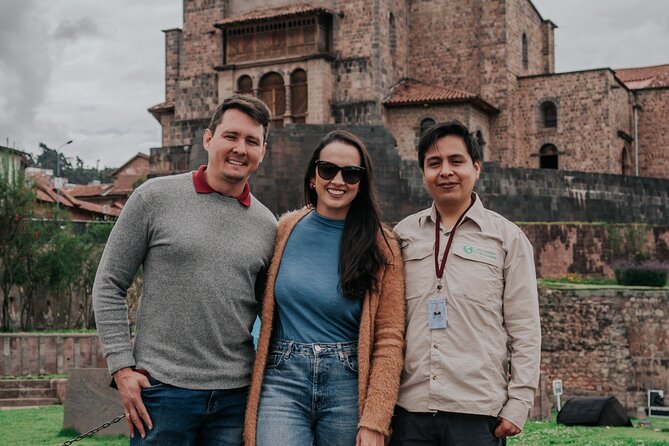
A major part of why this tour works is the guide. There’s consistent praise for the guidance style: gentle, prepared, and full of knowledge across multiple topics. That matters because these sites have details you can miss without context.
A good guide does two things well. First, they point out features that are physically there but mentally invisible. For example, the upper-level tower bases at Sacsayhuamán are the kind of detail you might overlook. Second, they explain why those features existed, so the visit sticks.
The tour includes live guidance in English and Spanish. If you’re traveling in either of those languages, you can actually ask questions and get direct answers rather than guessing from a sign.
If you want a more authentic-feeling experience in Cusco, pay attention to how the explanations are delivered. This tour is built for that, not for speed-running through monuments.
Who should book this Cusco city tour, and who should skip it
This tour is a great fit if you want a structured half-day outing that still feels meaningful. It’s especially useful when:
- you’re short on time in Cusco and want multiple sites in one day
- you like understanding how Inca sites functioned, not only how they look
- you enjoy scenic travel between stops with guided context
It’s less ideal if:
- you need an accessibility-friendly route, since the tour is not suitable for people with mobility impairments
- you want a meal included or you hate buying entrance tickets separately
- you’re traveling with large bags or luggage, since these are not allowed
If you’re the type who enjoys learning the “why” behind the “what,” this tour fits your style. If you only want a quick view, you might find it better to pair a self-guided walk around Plaza de Armas with a separate plan for ruins.
Should you book City Tour Cusco?
Yes, I’d book it if you’re looking for value, structure, and guided interpretation in a half-day. For $15, you’re getting transportation plus a professional guide, and the itinerary covers four core Inca-related sites that each explain a different side of Cusco.
The main reason to book is simple: you’ll understand more during the walk. The tour is designed so the guide can point out details that are easy to overlook, like the tower bases at Sacsayhuamán and the ritual concepts at Q’enqo. You also end with a strategic viewpoint at Puca Pucará that turns the whole circuit into a clearer picture.
The main reason to hesitate is also simple: plan for extra costs and walking. Entrance tickets, meals, and snacks are on you, and accessibility limitations apply. If you can handle that, this is an efficient, well-supported way to experience Cusco beyond the main square.
FAQ
How much is the Cusco city tour?
The price is $15 per person.
How long does the tour last?
The duration is about 5 hours (the route time is listed as about 5.5 hours with guidance and scenic travel).
Where do pickups happen?
Pickup is included, with two pickup location options in Cusco, including Plaza de Armas. Hotel pickup is also mentioned, and you can coordinate pickup from a neutral meeting point with the collection schedule you receive.
What languages is the live guide available in?
The live tour guide is available in English and Spanish.
Are entrance tickets included?
No. Entrance tickets are not included.
Are meals and beverages included?
No. Meals, beverages, and snacks are not included.
What should I bring?
Bring your passport or ID card.
Is there any restriction on luggage or accessibility?
Luggage or large bags are not allowed. The tour is not suitable for people with mobility impairments.
Recently reviewed around Cusco
- Cusco Cooking Class by ChocoMuseo in Cusco★ 5.0 · 29 reviews
- ATV Adventure to Moray and Maras Salt Mines – Half Day★ 4.5 · 29 reviews
- 1-day excursion to Machu Picchu from Cusco★ 5.0 · 29 reviews
- Private Tour Sacred Valley, Chinchero, Maras Moray, Ollantaytambo★ 5.0 · 29 reviews
- From Cusco: Humantay Lake with Breakfast and Buffet Lunch★ 4.5 · 29 reviews
- 4 Day – Inca Jungle to Machu Picchu★ 5.0 · 29 reviews
- 2-Day Machu Picchu Tour by Train from Cusco★ 4.5 · 29 reviews
- 2-Day Sacred Valley and Machu Picchu Tour By Train★ 4.5 · 29 reviews
City Tours, compared.
Lima Half-Day City Walking Tour (Small Groups)
Read our review →
Half-Day City Tour with Sacsayhuaman and Q’enco
Read our review →
City Tour Panoramic Bus Departure From Larcomar
Read our review →
City Tour Cusco Qoricancha Sacsayhuaman y Tambomachay
Read our review →
Lima’s lively Heritage: Exploring the City’s Landmarks Half-day
Read our review →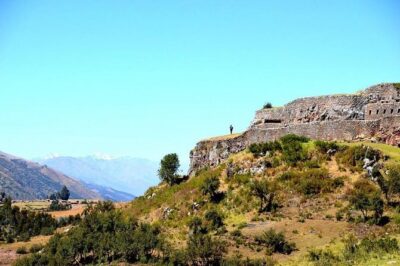
Sightseeing Tour of the City on an Open-Top Bus
Read our review →
Lima City, Central Market & Catacombs Tour (Pick-up & Drop Off)
Read our review →Browse the lists this tour appears in