
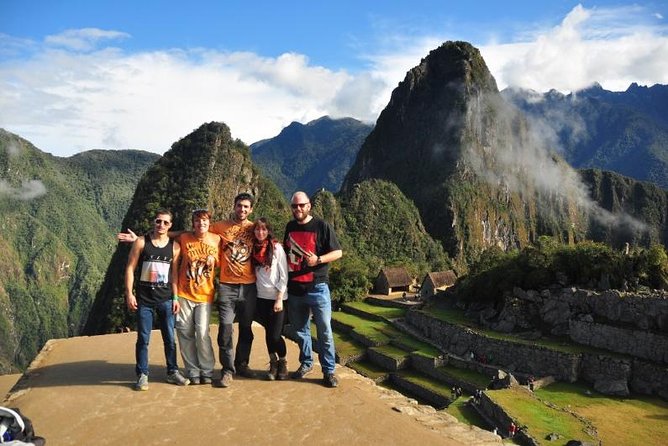
Reviewed · MACHU PICCHU
4-Day Jungle Adventure to Machu Picchu: Biking, Ziplining, Rafting and Hiking
This is the kind of Machu Picchu trip that starts with sweat and ends with stone temples at sunrise. You trade slow sightseeing for a multi-sport route through the Andes and jungle, then finish with a guided walk in the Inca citadel.
I like that it packs real adventure into a tight schedule, not just one activity. I also like that the Machu Picchu portion is guided and timed for the early light, so you’re not stuck waiting around in the crowd crush.
One consideration: it’s not a soft trip. You’ll leave Cusco early, sleep in basic lodgings for two nights, and you need a moderate fitness level to handle long days that mix biking, rafting, zip-lining, and hiking.
Key Highlights You’ll Feel From Day One
- 6:30 am Cusco departure keeps the momentum high from the start.
- Malaga High Pass downhill biking includes a long descent with jungle-river crossings and stops along the way.
- Urubamba River rafting (Class III and IV) is the big adrenaline hit on Day 1.
- South America’s highest canopy zip-line flies over treetops on one of the longest cable rides.
- Walking the railway route helps you trade vehicles for views on the way to Aguas Calientes.
- Sunrise at Machu Picchu plus a 2-hour guided tour gives you structure and first impressions.
Cusco to Machu Picchu, With the Right Kind of Chaos
This tour is interesting because it treats Machu Picchu like the finish line, not the whole race. Day after day you move: high pass biking, river rafting, jungle hiking, canopy zip-lining, and then two long walking stretches toward Aguas Calientes. If you like being active and you want your first Machu Picchu trip to feel like an earned reward, this fits.
The best part for me is how the day structure keeps you busy and removes decision fatigue. A professional bilingual guide is there for the trek and the Machu Picchu tour, and that matters when you’re bouncing between activities, towns, and big logistics days.
The tradeoff is that you are sharing the schedule with a group and you should expect basic comfort for the jungle nights. Some past participants have reported hot-water issues and mosquito attention, so plan accordingly, not like it’s a resort.
More Cycling Tours in Cusco
- 4-Day Inca Jungle Trail to Machu Picchu Hiking and Biking Tour
★ 5.0 · 438 reviews - Rainbow Mountain In Quad Bike
★ 4.5 · 421 reviews - Sacred Valley: Maras & Moray by Quad Bike from Cusco
★ 4.6 · 418 reviews
Day 1: Malaga High Pass Biking and Urubamba Class III to IV Rafting
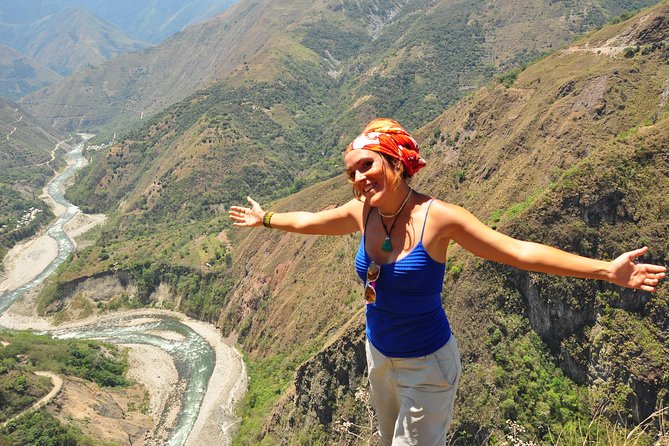
Your day starts early with a van ride out of Cusco at 6:30 am. There’s a breakfast stop in Ollantaytambo, which is helpful because you’ll be burning energy almost immediately after. Then you climb into the Andes to Malaga High Pass at 4,350 meters, with a safety briefing before you gear up.
The biking is the headline: a 2.5-hour downhill mountain bike descent. You don’t just point downhill and hope for the best. You’ll pass the Huamanmarca Archaeological site, roll by fruit plantations, and even splash through jungle rivers. Expect changing terrain, real bumps, and a chance to get a little dirty in the best way.
In the afternoon you reach Santa Maria around 2:00 to 2:30 pm. You settle in, and then the adrenaline ramps up again with whitewater rafting on the Urubamba (Vilcanota) River. The rafting run is about 2.5 hours and includes Class III and IV rapids, so this is not a gentle float.
If you’re not rafting, you can still spend time in Santa Maria on foot. Dinner is included, and you’ll likely sleep hard after a day like this.
Practical note: bring a plan for wet and cold. Even if it feels warm in Cusco, high altitude and river spray can cool you down fast.
Day 2: Santa Teresa Jungle Trek, Then Optional Hot Springs
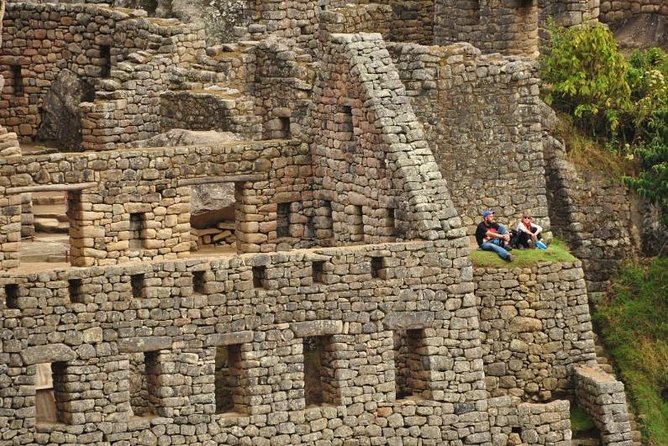
Day 2 begins with breakfast, then you head into a jungle mountain trek through Santa Teresa. This is where the trip shifts from machines and water to your own legs. You’ll hike through scenery with colorful plants, with chances to spot local wildlife and see how people live along the trail.
The pace is the key thing here. You’re given enough structure for a comfortable day rhythm, but it still counts as a real trek. There’s a scenic lunch break along the way, which helps a lot because you get to reset instead of rushing through the middle of the day.
By afternoon you arrive in Santa Teresa, at 1,680 meters. You’re in guesthouse style lodging for the night, and dinner is included.
The best recovery option is the optional hot springs soak. It’s not included, but it’s reasonably priced at PEN 20.00 per person. If you want this part, pack a bathing suit. Also consider long pants for the hike and zip-line later since mosquitoes can hang around close to the ground.
A small comfort detail: rooms on this route can be basic, and some people have mentioned limited hot water. If you’re sensitive to that, set expectations now so you’re not annoyed later. A towel and quick rinse routine go a long way.
Day 3: Zip-Line Over the Canopy and the Walk Into Aguas Calientes
Day 3 is your big “fly and walk” combination. You start with zip-lining, then you move on to a trek that uses the railway corridor as your guide.
The zip-line portion is one of the most praised parts of the trip. You fly over the treetops on what’s described as South America’s highest canopy zip-line. The setup uses 2,500 meters of cable, with the longest ride around 400 meters and the highest section reaching about 150 meters above the forest floor. If heights make you nervous, this can be a challenge, but it’s designed as a guided adventure, and you’ll get coaching before you launch.
After landing, you shift to walking. You’ll take a three-hour trek from Santa Teresa to the Hydroelectric Station, strolling along train tracks through cloud forest type terrain. It’s a nice change because you’re not just looking at views from a bus window. You’re in it, with time to breathe and take photos without racing the schedule.
Lunch is included at the Hydroelectric Station. Then comes the next walking block: a three-hour hike to Aguas Calientes, the town that acts as your base for Machu Picchu.
If you’d rather avoid that final hike, there’s an optional train transfer from the Hydroelectric Station to Aguas Calientes for $32 USD.
Once you arrive, you get time to relax and explore. This is the night where a shower matters, and it’s also where the pace slows down enough to feel like you’re actually in the gateway town for Machu Picchu, not just passing through.
More Hiking & Trekking in Cusco
- Classic Inca Trail Trek 4D/3N to Machu Picchu (Group Service)
★ 5.0 · 8,653 reviews - Machu Picchu: 4-Day Inca Trail Trek with Panoramic Train Ride
★ 5.0 · 4,568 reviews - Salkantay Classic Trek 5 Days from Cusco
★ 5.0 · 4,062 reviews - 4-Day Salkantay Trek with Sky Camp Stay
★ 5.0 · 3,346 reviews
Day 4: Sunrise Machu Picchu, a 2-Hour Guide, and Optional Peaks
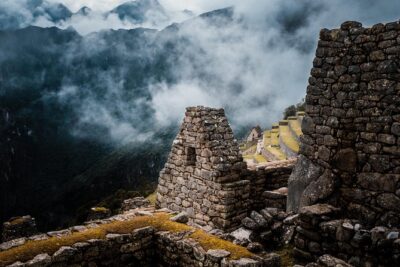
Machu Picchu day starts before you feel ready. You take an early bus ride so you can catch sunrise before the biggest crowd wave. You’ll reach the ruins through morning mist, and then the citadel reveals itself as the light comes in on the stonework and mountain views.
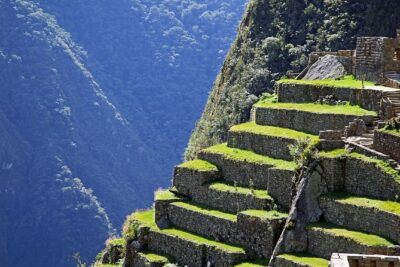
The guided portion is about two hours. This is where you get the shape of the place: temples, terraces, sacred spaces, and the big picture of how the Inca built and used it. This is especially valuable for first-time visitors. If you’ve only read about Machu Picchu, the guide helps you translate what you’re seeing into a mental map.
After the guided tour, you have time to explore on your own. You can go back to favorite viewpoints, slow down for photos, or just sit with the setting and let it sink in.
If you want extra effort, there are optional climbs. The Huayna Picchu summit hike is offered as an optional activity and requires advance booking at least two weeks ahead, with a price of 50 soles. There’s also an optional Machu Picchu Mountain hike for 50 soles, booked at least one week ahead. Plan these early since permits and slots can be tight.
On the way back, you take a return bus to Aguas Calientes, and if time permits you can browse the local market near the train station. Then you train to Ollantaytambo, and finish with a bus back to Cusco, arriving around 8:00 pm at Plaza San Francisco.
The Comfort Reality: Lodging, Food, and Mosquito Logic
Let’s talk comfort in plain terms. You’ll have two nights in basic guesthouse accommodations in Santa Maria and Santa Teresa, plus one night in a 3-star hotel in Aguas Calientes. That’s the tradeoff for doing so much adventure in four days.
Food is included in a structured way: 3 breakfasts, 3 lunches, 3 dinners, plus 3 snacks, with typical menus at local restaurants. Also remember that Day 1 breakfast and Day 4 lunch are not included, so you’ll want to plan cash or snacks for those gaps.
Some people have mentioned rooms that were clean but without hot water, and one person noted mosquitoes and the need to open a window. You can’t control that from afar, so control the basics:
- pack long pants for hiking and zip-lining
- bring something for bug protection
- keep your sleep expectations realistic, especially on the jungle nights
On the plus side, you’re not dragging your bags through town every hour. Transport is handled between major points, and you’re guided where it counts: trek days and Machu Picchu.
Price and Value at $719: What You Actually Get
At $719 per person, this isn’t the cheapest way to see Machu Picchu. But it is trying to be a value package, meaning you’re paying for a whole chain of moving parts.
Here’s what that price covers, in human terms:
- your multi-day active route: biking, rafting, and zip-lining
- local guides and safety support, including first aid kit and emergency oxygen
- core logistics: transfers between Cusco, high passes, Santa Maria, Santa Teresa, Aguas Calientes, Machu Picchu, and back
- the main Machu Picchu experience: tour bus up from Aguas Calientes, a 2-hour guided tour, and the timed sunrise approach
- lodging and meals for the adventure stretch
What costs extra is mainly the add-ons and the loose ends. You’ll need to budget for bottled water, plus optional items like hot springs (PEN 20.00), optional peak hikes (50 soles each), and optional train routing from Hydroelectric to Aguas Calientes ($32 USD). Tips are also optional, but the guide recommendations listed are 40 to 60 soles per guide per trekker.
To me, the price makes sense if you want to do more than a standard Machu Picchu day trip. If you only care about the ruins and you’d rather travel slow and rest more, you might find better value elsewhere. But if you want your money to translate into movement, this is built for you.
How to Pack, Prepare, and Prevent the Small Trips From Becoming Big Problems
This tour is the kind that rewards people who show up ready. Your altitude climb starts high, and you’ll spend multiple days hiking and doing active sports.
Use this packing guidance as your baseline:
- rain pants and a rain poncho (rain can change your comfort level fast)
- trekking boots, warm socks, warm layers (you’ll want layers more than you think)
- sun protection, hat, sunglasses, and sunscreen
- a small headlamp or flashlight, since there can be limited electricity during trekking
- waterproof bags for your camera
- hiking poles if you use them
- hand sanitizer and a personal first aid kit
- bring extra cash for snacks and drinks along the trail, since some items can cost more up the mountain
Also, make sure you have your passport documents exactly right. This type of operator booking requires you to provide the full passport name, birth date, passport number, and expiration date, and any mismatch can cause permit and ticket issues. If you’ve renewed or replaced your passport after booking, bring the old one too, or you can be stuck.
For your body: the tour recommends moderate fitness, and it’s a moderately difficult hike with long days plus multi-sport activities. If you can handle brisk uphill walking and you’re comfortable riding a bike downhill, you’re on the right track.
Should You Book This Jungle Adventure to Machu Picchu?
Book it if:
- you want Machu Picchu with a dose of adrenaline and outdoors time
- you like a clear structure and included logistics
- you’re okay with basic jungle accommodations for two nights
- you value a guided start at Machu Picchu, then free time to wander afterward
Skip it or look for another option if:
- you want a more relaxed, comfortable trip with minimal physical effort
- you’re sensitive to basic lodging realities, like limited hot water
- you need frequent rest stops and shorter walking blocks
One more smart move: ask about your guide. This route often runs with strong guides, and names that have stood out include Junior, Freddy, Percy, Rodrigo, and Vincent Chacmana. A good guide can turn the tough parts into the best parts, especially on trek days.
FAQ
What time does the trip start from Cusco?
It starts with an early departure at 6:30 am from Cusco.
What fitness level do I need?
The trip is for travelers with moderate physical fitness. It combines long hiking days with multi-sport activities like mountain biking, river rafting, and zip-lining.
What is included for meals?
Meals include 3 breakfasts, 3 lunches, 3 dinners, and 3 snacks. Day 1 breakfast and Day 4 lunch are not included.
Is Machu Picchu sunrise included?
Yes. Day 4 is built around an early bus to reach Machu Picchu before crowds for sunrise, followed by a guided tour.
Are Huayna Picchu or the Machu Picchu Mountain hike included?
They are optional. Huayna Picchu costs 50 soles and must be booked at least 2 weeks in advance. The Machu Picchu Mountain hike costs 50 soles and must be booked at least 1 week in advance.
Is hot springs in Santa Teresa included?
No. Hot springs are optional and cost PEN 20.00 per person.
What transport is included on the route?
Included transport covers bus from Cusco to the Malaga High Pass area, round-trip bus between Aguas Calientes and Machu Picchu, a train between Aguas Calientes and Ollantaytambo, and a bus back from Ollantaytambo to Cusco. Note that you are not accompanied by a guide during bus and train transfers.
What equipment is provided for the adventure activities?
The tour includes mountain biking equipment (bicycle, helmet, gloves), rafting trip and equipment, and zip-line canopy adventure.
More Ways to Reach Machu Picchu
- Short Inca Trail to Machu Picchu 2D/1N
★ 5.0 · 3,007 reviews - 2-Day Inca Trail to Machu Picchu with Panoramic Train
★ 5.0 · 1,876 reviews - From Cusco: Full-Day Group Tour of Machu Picchu
★ 4.7 · 1,767 reviews - Machu Picchu Day Trip from Cusco
★ 4.5 · 1,644 reviews
More Rafting in Cusco
- 4-Day Inca Jungle Tour: Machu Picchu Biking, Rafting, and Zipline
★ 5.0 · 241 reviews - 4-Day Machu Picchu Tour with Biking, Rafting, and Ziplining
★ 5.0 · 133 reviews - Rafting & Zip line Urubamba River 1 Day
★ 5.0 · 75 reviews - 4-Day Inca Jungle Adventure, Mountain Biking, Rafting and Zipline
★ 5.0 · 60 reviews
Recently reviewed around Cusco
- Cusco Cooking Class by ChocoMuseo in Cusco★ 5.0 · 29 reviews
- ATV Adventure to Moray and Maras Salt Mines – Half Day★ 4.5 · 29 reviews
- 1-day excursion to Machu Picchu from Cusco★ 5.0 · 29 reviews
- Private Tour Sacred Valley, Chinchero, Maras Moray, Ollantaytambo★ 5.0 · 29 reviews
- From Cusco: Humantay Lake with Breakfast and Buffet Lunch★ 4.5 · 29 reviews
- 4 Day – Inca Jungle to Machu Picchu★ 5.0 · 29 reviews
- 2-Day Sacred Valley and Machu Picchu Tour By Train★ 4.5 · 29 reviews
- 2-Day Machu Picchu Tour by Train from Cusco★ 4.5 · 29 reviews
Machu Picchu, compared.
Classic Inca Trail Trek 4D/3N to Machu Picchu (Group Service)
Read our review →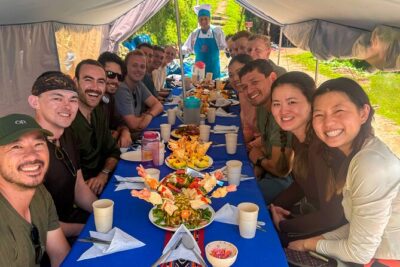
4-Day Inca Trail Trek with Panoramic Train Ride
Read our review →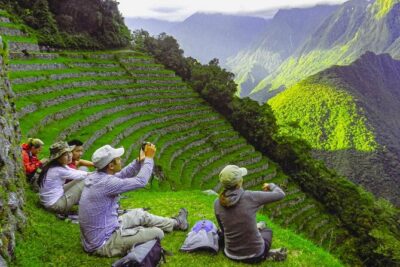
2-Day Inca Trail to Machu Picchu with Panoramic Train
Read our review →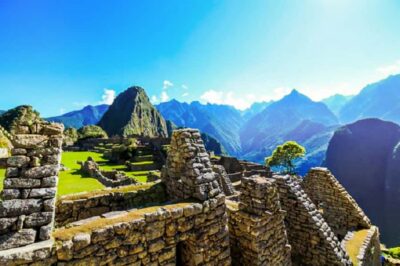
2-Day Tour: Sacred Valley and Machu Picchu by Train
Read our review →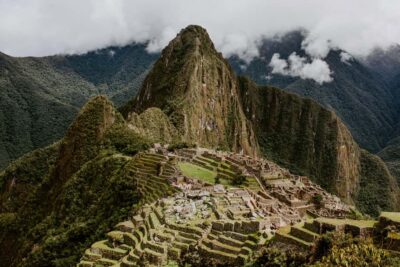
Browse the lists this tour appears in