
Reviewed · MACHU PICCHU
4-Day Salkantay Trek to Machu Picchu
This is a serious Peru trek with big payoffs, the kind that starts before sunrise and ends with Machu Picchu in the first light. I love the way the trip keeps things human and organized, with a small-group setup (max 16, avg 4) and a bilingual guide team that actually explains what you’re seeing. I also like the practical support, camping gear, a 3 hotel in Aguas Calientes, and extra help from horsemen and mules for cooking and camp equipment. The one drawback to consider is the altitude and cold, especially the highest campsite at about 3,920m, so you need a real fitness and layering plan.
What makes the Salkantay route feel different is how quickly the scenery changes. You’ll go from Andean lake views to a high pass near 4,650m, then down into warmer jungle zones by Day 3, before you come out of it all to tour Machu Picchu at dawn. Guides like Percy, Junior (Jr.), Francisco, and Cesar show up in real stories for a reason: they focus on pacing, local plants and geography, and keeping you moving safely without turning it into a race.
If you’re the type who wants a perfectly laid-back walk with zero discomfort, this might not be your style. But if you want value, clear logistics, and the satisfaction of earning that view, this 4-day Salkantay Trek is a strong pick.
Key highlights worth planning for
- Small group pace (max 16, avg 4), so your guide can adjust rhythm for the group
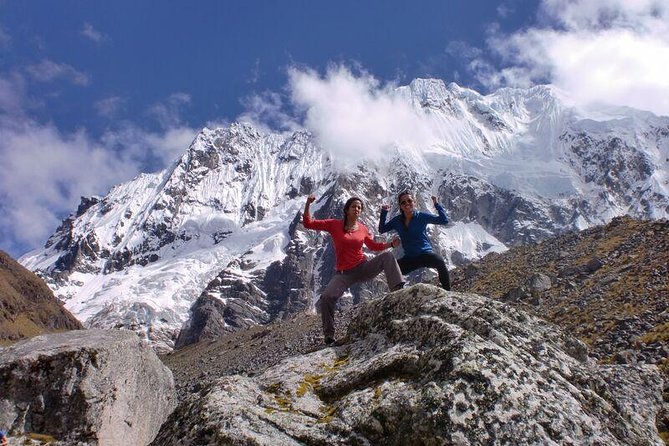
- High pass views from about 4,650m, with a real chance of snow in season
- Cold Day 1 campsite at roughly 3,920m, plus sleeping pad, tent, and foam mat included
- Jungle day that warms up with Santa Teresa River crossings, waterfalls, and tropical plants
- Dawn Machu Picchu via early bus, plus about a 2-hour guided walk on site
- Real guide experience with names like Percy, Junior (Jr.), Francisco, Cesar, and Chino credited in group memories
Cusco start, then straight into Humantay Lake country
The trek begins early in Cusco, with pickup around 5:30am. You’ll ride in a tourist-class bus to Mollepata at about 2,900m, where you can stretch your legs and grab snacks before the final push toward the trailhead. Then it’s car transport to Challacancha, where the team checks equipment and gets everyone sorted. That matters more than it sounds. When your pack, layers, and footwear are ready, the rest of the day feels steadier.
From Challacancha, Day 1 is a 3-hour walk to Soraypampa at about 3,920m, where lunch comes with panoramic mountain views. This is your first taste of what the Salkantay trek does well: you’re not just hiking, you’re working through altitude in chunks, with built-in breaks that keep you from blowing up your energy too early.
After lunch, you hike up to Laguna de Humantay. The round-trip time is about 1.5 hours each way. Expect changing conditions under Andes weather, and don’t ignore the altitude breathing. The lake area looks postcard-pretty for a reason, but the real win is that you reach it before the day gets crowded in the popular spots.
Then you head back to camp for your first night at roughly 3,920m, which the trip notes as the highest and coldest campsite. This is where your comfort setup matters. You’re sleeping in a tent with basic sleeping pads plus a foam sleeping mat, so you’re not starting from scratch, but cold nights are still cold nights. Dinner is followed by an early sleep, and that’s a good strategy, since Day 2 is more demanding.
Practical takeaway for Day 1: if you tend to feel cold easily, plan for it at night. The hike itself is one thing, but the temperature drop after sunset is where people feel surprised.
More Hiking & Trekking in Cusco
- Classic Inca Trail Trek 4D/3N to Machu Picchu (Group Service)
★ 5.0 · 8,653 reviews - Machu Picchu: 4-Day Inca Trail Trek with Panoramic Train Ride
★ 5.0 · 4,568 reviews - Salkantay Classic Trek 5 Days from Cusco
★ 5.0 · 4,062 reviews
Day 2 over the Salkantay Pass: the 4,650m moment
Day 2 starts with breakfast around 6:00am, then the long climb to the highest pass on this route, around 4,650m. This is the heart of the Salkantay Trek to Machu Picchu. The trail takes about 4 hours to reach the pass, positioned between two giant mountains: Salkantay to the right and Humantay to the left.
The guide will point out the view lines, and this is where a good guide earns their pay. Real guide stories often highlight that they know local geography and plants and can explain what you’re seeing, not just where you’re walking. When you’re at that height, it’s nice to understand the “why” behind the terrain.
There’s also an optional horse rental to reach the high pass for 100 to 120 soles. Even if you don’t use it, it’s a useful option for different fitness levels within the group.
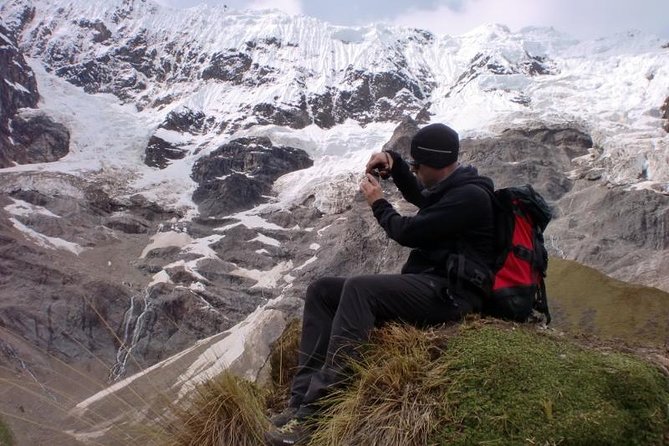
From the pass, you do a 2-hour downhill hike. That downhill section is the decompression after a major climb. Views at the top can include snow in some seasons, so keep your eyes open even if the sky looks clear earlier.
Lunch comes after that descent at Huayracpampa, then the day continues for another 3-hour trek toward camp near the start of the high jungle region around 2,900m (campsites listed as Challhuay or Colcapampa). The altitude shift here is a big reason the Salkantay route feels like a variety show. By tomorrow you’ll be moving through warmer zones.
Possible drawback to keep in mind: Day 2 can feel harder if you push too fast on the early climb. The safest strategy is simple, go slow enough that you can keep breathing steadily.
Day 3: Santa Teresa River, tropical stops, and Aguas Calientes comfort
Day 3 shifts the mood. Breakfast is around 6:30am, and the trek moves through upper jungle zones. You’ll cross the Santa Teresa River and pass small brooks along the way. The walk is described as featuring valleys, waterfalls, and tropical fruits and plants. This is the day when the trek stops feeling like pure mountain physics and starts feeling more alive and green.
For lunch, you stop at La Playa around 2,200m. Then it’s not all foot power. You transfer by car to Santa Teresa town at about 1,700m. That drop helps the body. It also makes this day more comfortable for people who were getting cold on the ridge lines.
From Santa Teresa, you go by car to the Hydroelectric Station (about 40 minutes), then walk around 3 hours to Aguas Calientes. You’ll recognize Aguas Calientes as the base for Machu Picchu, and it’s built for recovery. The trip notes internet cafes, plus cafes with board games and cards, shops, and places to relax. After two big hiking days, downtime is part of the experience, not a distraction.
You also have an optional upgrade: the train transfer from Hydroelectric Station to Aguas Calientes for $30 per person. If your legs are screaming, this can be worth it.
Night 3 is a 1-night 3 hotel in Aguas Calientes. That hotel break is a real value point. It gets you ready for the early wake-up and bus ride on Day 4.
Practical takeaway for Day 3: enjoy the change. This is not just a transfer day. The river and plant scenes help you understand why this route earned its reputation beyond one famous site.
Machu Picchu at dawn: bus timing and a guided walk you can build on
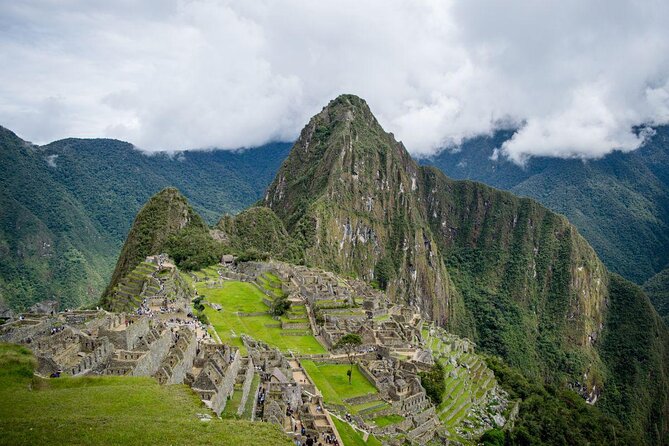
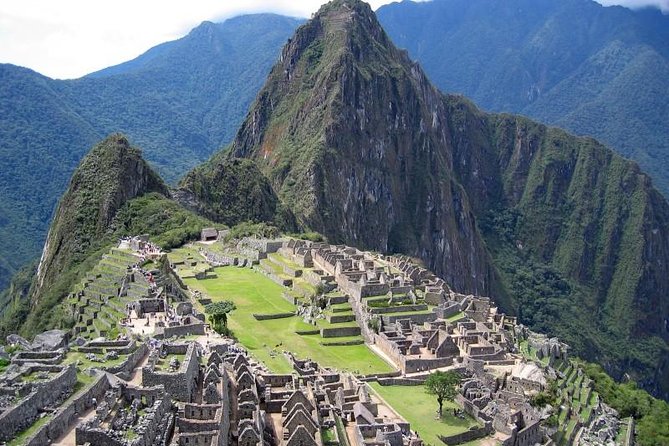
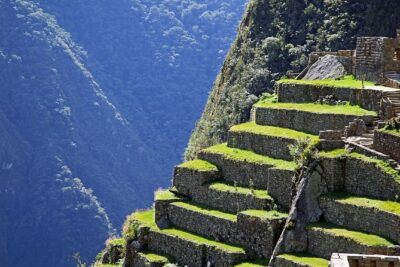
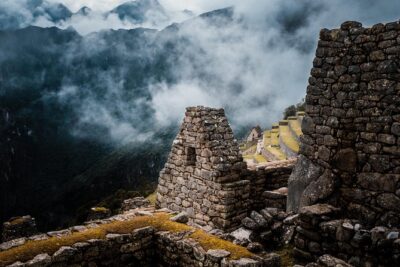
Day 4 is Machu Picchu, and it’s done the smart way. You catch one of the first buses, listed as around 05:30am, so you can see the ruins in early morning light while mist dissipates. That timing affects your photos and your comfort, because the site is typically less chaotic earlier.
Once you arrive, you get a walking tour of about 2 hours with your guide. This is where having a bilingual, professional guide pays off. A good guide doesn’t just point at stones. They help you understand layout, key vantage points, and what to look for as you explore on your own after the tour.
After the guided part, you’re free to explore independently. If you still have energy, there’s an optional add-on: Huayna Picchu. You need to book it in advance and it costs extra. Capacity is limited to 400 people per day, so this is not a last-minute whim. The trip also points out that you should email directly to request this extra ticket.
If Huayna Picchu is not on your list, you still get a great experience just doing Machu Picchu with your guide plus your own walking time.
Getting back is straightforward. You can take the bus back to Aguas Calientes (buses from the entrance every 15 minutes) or walk down on a trail that takes about 1 hour. Then it’s train from Aguas Calientes to Ollantaytambo, followed by a bus back to Cusco. You’re dropped off late at Plaza San Francisco, and after that you handle your own way to your accommodation.
Possible drawback to consider: the Day 4 schedule is active. Even though you’re riding between sites, you should still expect a long day with early morning start and late arrival back in Cusco.
More Salkantay treks:
- 4-Day Salkantay Trek with Sky Camp Stay
★ 5.0 · 3,346 reviews - Salkantay Trek 5D/4N with Glass Cabins, Domes and Hobbit House
★ 5.0 · 2,488 reviews - 5-Day Premium Salkantay Trek
★ 5.0 · 788 reviews - Ultimate Salkantay Trek to Machu Picchu 5 Days
★ 5.0 · 588 reviews
Price and value: what the $810 covers, and what you should budget
The tour price is $810 per person for the 4-day trek plus Machu Picchu activities. Here’s how I’d judge value. You’re getting a trained bilingual guide for both the trek and the Machu Picchu visit, small-group experience, camping setup, meals, and transportation between key points, plus one night in a 3 hotel. For many travelers, that blend of support and included logistics is what makes Salkantay feel doable.
But you must budget for required fees and a few add-ons. The list of what is not included includes:
- Salkantay Trail trekking permit: PEN 133
- Machu Picchu entrance fee: PEN 48
- Optional Huayna Picchu trek: PEN 200
- Optional Machu Picchu Mountain hike: PEN 200
- Train transfer Hydroelectric Station to Aguas Calientes: $30 if you choose it
- Optional sleeping bag rental: $15 per person
- Bottled water is not included
- Day 1 breakfast and Day 4 lunch and dinner are not included
Also, your guide does not cover bus and train transfers. Those connections are on your own, while the trek and Machu Picchu tour are guided. That sounds minor until you realize how early and how many moving pieces exist. If you like clear handoffs and you’d rather not manage details during hectic travel windows, the included guided time is still worth it, even if the transport legs are self-managed.
Tips are optional. The trip suggests guidelines if you want to tip: 40 to 60 soles per trekker for the guide, 30 to 40 soles per trekker for an assistant guide, 60 to 80 soles total for horsemen from the whole group, and 150 to 200 soles total for the cook from the whole group. You can decide your own amount, but having the ranges helps you avoid awkward math at altitude.
My value take: this price makes sense if you want small-group guidance plus the equipment and food organized for you, without sacrificing the route’s big hiking moments.
Sleeping, gear support, and the altitude reality check
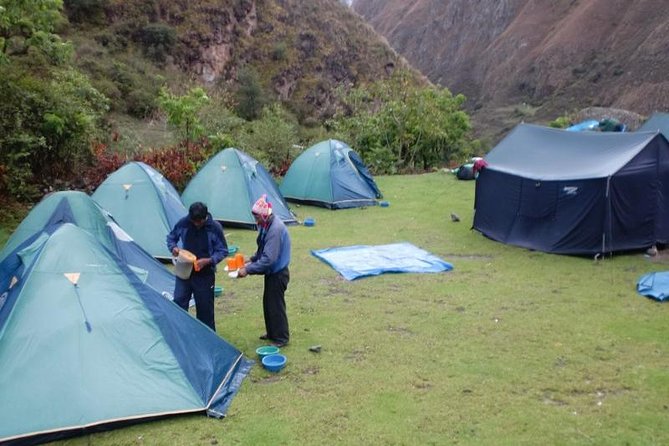
You’re camping for two nights and in a hotel for one night. Camping includes a tent setup for two people plus basic sleeping pads and a foam sleeping mat. Single travelers share a tent or room with another traveler. Couples get a tent or room to themselves. If you’re sensitive to cold, that single detail matters for comfort.
The trekking team also uses horsemen and mules to carry cooking and camping equipment, plus a total of 7 kilos for each trekker. The trip breaks that down as 3 kilos for your sleeping bag and mattress, plus 4 kilos for personal items. That means you carry a smaller personal load than on many DIY treks. Your legs still work, but you’re not dragging all the camp weight uphill.
You’ll also be surrounded by temperature changes. The trip explicitly warns about important altitude shifts, from around 4,000 meters down to 2,000 meters. That is a huge swing for clothing and hydration habits. The coldest night is early in the trip at the 3,920m camp on Day 1, so don’t wait until the last day to think about warmth.
Safety support is part of the package too. You get a first aid kit and an emergency oxygen bottle. That doesn’t eliminate risk, but it’s reassuring when you’re dealing with high altitude and a demanding trek.
Which kind of traveler should choose Salkantay, and who should think twice
This is best for you if:
- you like challenging hikes but want structure and a real guide
- you want small-group energy rather than a huge herd
- you’re okay with cold nights early on
- you value learning, not just walking
This may be a mismatch if:
- you know altitude hits you hard
- you want an easy, low-altitude trek
- you hate early starts (the schedule is built around 05:30 and 06:00 breakfasts and departures)
The minimum age is 7 years, so families can fit in if a child meets the physical demands. And the trip strongly emphasizes that you should be in good physical condition. That’s not marketing language. It’s the core of what makes the experience work.
Should you book this 4-day Salkantay Trek to Machu Picchu?
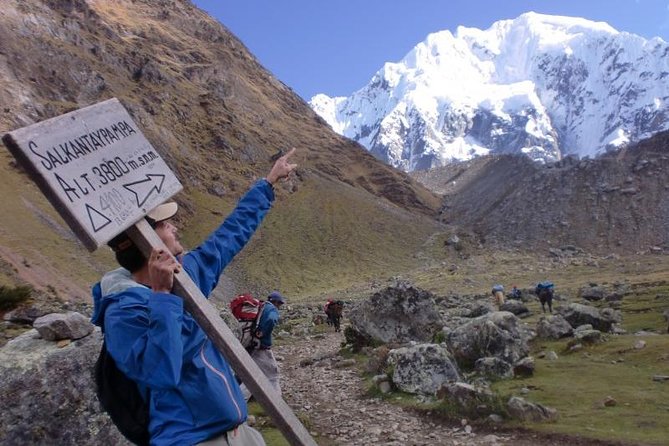
If you want the real Salkantay experience, not a watered-down version, this is a strong booking. I’d recommend it when you care about three things: a small guided group, a route with major altitude moments, and a clean bridge into Machu Picchu with a dawn visit and a guided start on site. If your fitness is solid and you can plan for cold at the highest camp, you’ll likely feel proud of yourself by Day 4.
Only think twice if you’re unsure about altitude, or if you need a plan with minimal early mornings and less physical strain. In that case, consider a different route style. But if your goal is to hike your way to Machu Picchu, this one is built for that.
FAQ
How long is the 4-day Salkantay Trek to Machu Picchu?
The tour runs for 4 days (approximately).
What is the price, and what fees are not included?
The price is $810 per person. Not included fees include the Salkantay Trail trekking permit (PEN 133), Machu Picchu entrance fee (PEN 48), and optional add-ons like Huayna Picchu or Machu Picchu Mountain Hike (PEN 200 each), plus optional items like the train transfer from Hydroelectric Station to Aguas Calientes ($30) and sleeping bag rental ($15).
Are vegetarian meals available?
Yes. A vegetarian option is available, and you need to advise the provider at the time of booking.
What are the sleeping arrangements during the trek and in Aguas Calientes?
During the trek, you camp in tents with a basic sleeping pad and a foam sleeping mat. Single travelers share a tent or room with another traveler, while couples have their own tent or room. In Aguas Calientes, you stay 1 night in a 3 hotel.
Is Huayna Picchu included, and can I add it?
Huayna Picchu is optional. It must be booked in advance at an extra cost, and capacity is limited to 400 people per day.
After Machu Picchu, how do you get back to Cusco?
You return to Aguas Calientes by bus (every 15 minutes from the entrance) or by walking down (about 1 hour). Then you take the train from Aguas Calientes to Ollantaytambo and a bus to Cusco, dropped off late at Plaza San Francisco. You handle your own way from there to your accommodation.
What happens if I cancel this tour?
This experience is non-refundable and cannot be changed for any reason. If you cancel or ask for an amendment, the amount you paid will not be refunded.
More Ways to Reach Machu Picchu
- Short Inca Trail to Machu Picchu 2D/1N
★ 5.0 · 3,007 reviews - 2-Day Inca Trail to Machu Picchu with Panoramic Train
★ 5.0 · 1,876 reviews - From Cusco: Full-Day Group Tour of Machu Picchu
★ 4.7 · 1,767 reviews - Machu Picchu Day Trip from Cusco
★ 4.5 · 1,644 reviews
Recently reviewed around Cusco
- Cusco Cooking Class by ChocoMuseo in Cusco★ 5.0 · 29 reviews
- ATV Adventure to Moray and Maras Salt Mines – Half Day★ 4.5 · 29 reviews
- 1-day excursion to Machu Picchu from Cusco★ 5.0 · 29 reviews
- Private Tour Sacred Valley, Chinchero, Maras Moray, Ollantaytambo★ 5.0 · 29 reviews
- From Cusco: Humantay Lake with Breakfast and Buffet Lunch★ 4.5 · 29 reviews
- 4 Day – Inca Jungle to Machu Picchu★ 5.0 · 29 reviews
- 2-Day Machu Picchu Tour by Train from Cusco★ 4.5 · 29 reviews
- 2-Day Sacred Valley and Machu Picchu Tour By Train★ 4.5 · 29 reviews
Machu Picchu, compared.
Classic Inca Trail Trek 4D/3N to Machu Picchu (Group Service)
Read our review →
4-Day Inca Trail Trek with Panoramic Train Ride
Read our review →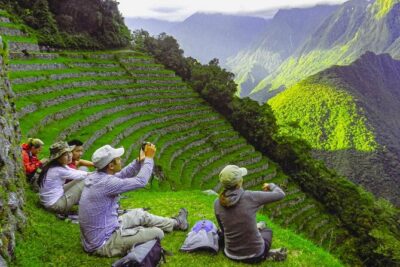
2-Day Inca Trail to Machu Picchu with Panoramic Train
Read our review →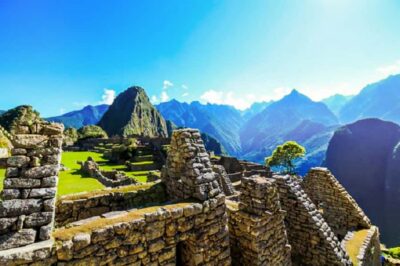
2-Day Tour: Sacred Valley and Machu Picchu by Train
Read our review →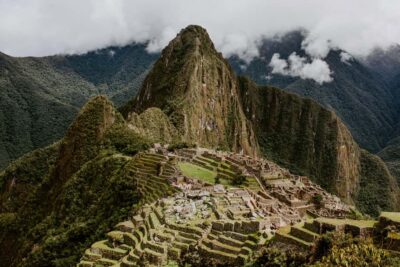
Browse the lists this tour appears in