
Reviewed · INCA TRAIL
4 Days of Tour and Adventure along the Inca Trail
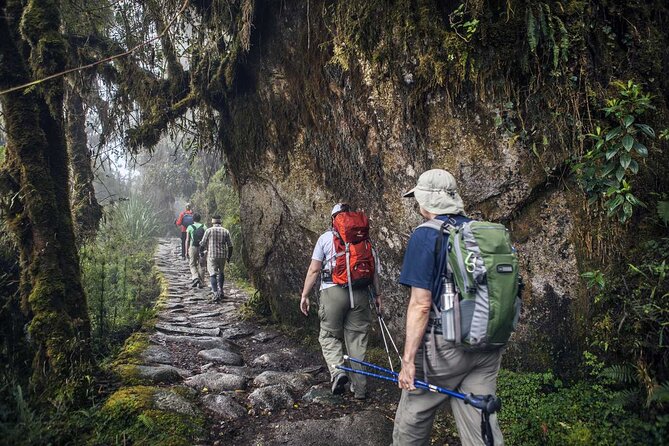
This 4-day Inca Trail trek is interesting because it mixes classic high-Andes hiking with the payoff of Machu Picchu, reached the day after a sunrise at Inti Punku. You start early, you camp in the mountains, and you walk through Inca sites along the way.
I especially like the way the itinerary balances effort with scenery, with three different trail days plus a calmer final day. I also like that the package includes the big logistics, like entrance tickets, tents and mats, and the train plus the Aguas Calientes bus connection.
One drawback to consider is the physical load. Day 2 is listed as strong, with a big climb to Warmihuañusca at 4200 m, so you’ll want to arrive in Cusco feeling fit, not rushed.
Key things I’d circle on the map before you go
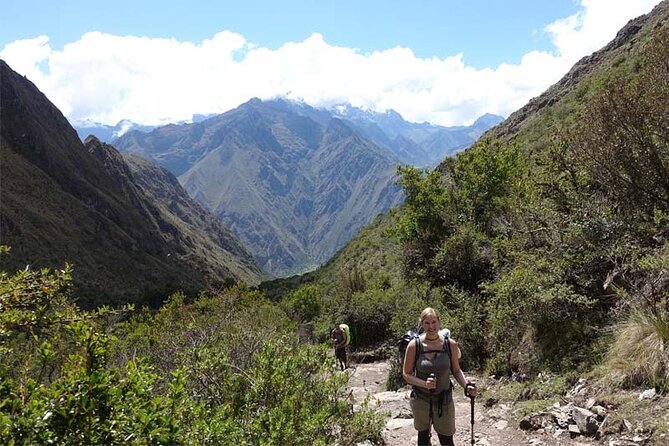
- Small group size (max 10), which usually means less waiting around and a calmer pace
- Early starts with a 5:30 AM Cusco pickup and an Inti Punku sunrise push on day 4
- Three nights of camping support with tents and mats plus a group porter
- Big altitude moments including the Warmihuañusca pass (4200 m) on day 2
- Included Inca Trail and Machu Picchu entry, so you’re not scrambling for tickets
- Optional extra climbs (Huayna Picchu or Machu Picchu mountain) if you reserve in advance
Price and logistics: what your $900 actually covers
At $900 per person for about 4 days, this tour can feel like a lot until you see what is bundled. You’re paying for more than a guide. You’re also getting Inca Trail and Machu Picchu entrance, round-trip transport, tents and mats, and multiple meals.
That matters because the Inca Trail is where costs pile up fast. Sleeping setups, guide time, permits, and the train plus local bus connections can each be expensive on their own. Here, they’re built into one package, which usually makes planning less stressful.
Still, keep your budget realistic. Some common extras are not included:
- Sleeping bag rental is $25 USD (and walking poles are $15 USD)
- Tips are not included
- If you want Huayna Picchu or a Machu Picchu mountain climb, that’s an additional $35 and must be arranged in advance
- A personal porter is optional, $40 per day, for up to 12 kilos
If you’re the type who likes to travel light, you’ll likely skip the personal porter. If you know you’re going to overpack, paying for a porter can be the difference between a fun hike and a sore shuffle.
More Inca Trail departures:
- Classic Inca Trail Trek 4D/3N to Machu Picchu (Group Service)
★ 5.0 · 8,653 reviews - Machu Picchu: 4-Day Inca Trail Trek with Panoramic Train Ride
★ 5.0 · 4,568 reviews - Short Inca Trail to Machu Picchu 2D/1N
★ 5.0 · 3,007 reviews
Day 1: Cusco pickup to km 82, Miskay lunch, and Yuncachimpa camp
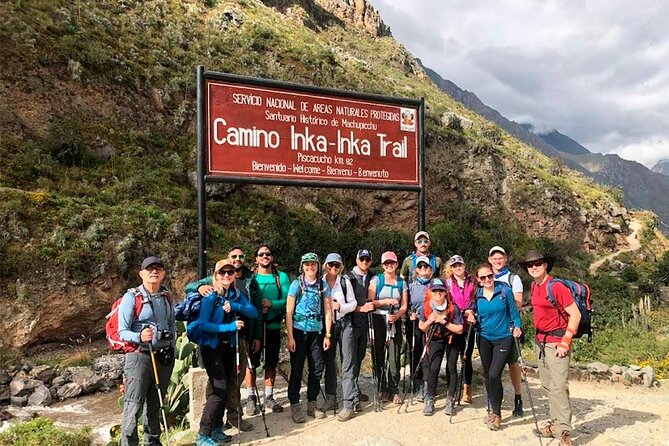
Day 1 starts at 5:30 AM. You get picked up from your hotel in the historic center and ride to Ollantaytambo for breakfast. Then the group heads toward km 82, the first checkpoint of the Inca Trail.
At km 82, you’ll present your passport and (if applicable) your student license. This is one of those details that can trip people up if you pack documents in the wrong place. Keep your passport accessible and easy to grab. After the entry control, the real adventure begins with your group.
The hike itself is listed around 11 km and about 7 hours with a moderate difficulty level. What I like about this first day is that it gives you time to find your rhythm before the bigger altitude challenges. You pass through Miskay, where lunch is served on the banks of a small river with a view toward the archaeological center of Llactapata.
Then you cross the Valley of Cusichaca toward Wayllabamba (3100 m) and continue until Yuncachimpa (about 3300 m) where you camp. You’re not just walking, you’re gradually moving into the higher trail world, so your body gets a chance to adjust.
Practical takeaway: day 1 is where you test your walking pace and your hydration strategy. Don’t go full sprint mode just because everyone’s excited.
Day 2: Warmihuañusca pass at 4200 m, Runkurakay, and Chaquicocha
Day 2 is the day most people feel in their legs. Breakfast comes first, then you start in the Llulluchapampa valley. After about 3 hours, you begin the ascent to the highest point of the Inca Trail: Warmihuañusca, also called the Dead Woman Pass, at 4200 m (13776 ft).
This is a strong day by the tour’s own rating, listed as strong (challenge to get over) and around 15 km for about 9 hours.
From the pass, you get panoramic views of the surrounding mountains, including snow-capped peaks when conditions allow. Then the descent begins, heading toward the Valley of Pacaymayo, and continuing through Runkurakay until Chaquicocha (about 3650 m, 11975 ft) where you camp.
What’s valuable here is the sense of stepping over a major altitude line and then earning your descent. It’s hard, but it’s also memorable in a clear, physical way. If you’ve practiced hiking on inclines back home, this day will feel less like a surprise and more like a challenge you already know how to manage.
Two simple tactics that help:
- Go slower than you think you need to on the ascent. High altitude punishes ego.
- Use short, steady breaks. Let your breathing recover before you keep moving.
Day 3: Subtropical shift, orchid and bird spotting, and Wiñayhuayna
Day 3 is listed as moderate and shorter at about 10 km for roughly 6 hours. But don’t treat it like an easy day in disguise. You still have altitude in the mix, and the pace changes as the environment changes.
The big theme is that you descend until the trail reaches subtropical jungle. You’re leaving the Andes behind and trading cold wind for warmer air and richer plant life.
This is one of the itinerary parts I really like because it can feel like a different world. You might spot more variety of flora, including orchids, and more birds as the vegetation thickens.
You also stop at several archaeological sites:
- Runcuracay
- Sayacmarca
- Phuyupatamarka, described as the city above the clouds (around 3600 m)
Then you continue to Wiñayhuayna (2650 m), where it’s your last camp.
Why this day matters for most people: it’s where the trek turns from a pure hike into a multi-sensory experience. You get forest sounds, changing light, and the sense that the Inca Trail was built to move through zones, not just up and down one line of mountain.
If you love photos, day 3 can be great, especially around Phuyupatamarka when visibility cooperates. If you’re not into photos, it’s still a good day because the pace is kinder, and your body gets a break before the big Machu Picchu finish.
A few more Cusco days worth comparing
- Cusco: Rainbow Mountain and Red Valley Day Trip with Meals
★ 4.9 · 4,893 reviews - Salkantay Classic Trek 5 Days from Cusco
★ 5.0 · 4,062 reviews - 4-Day Salkantay Trek with Sky Camp Stay
★ 5.0 · 3,346 reviews - Excursion to Rainbow Mountain Full Day Optional Red Valley
★ 5.0 · 2,996 reviews
Day 4: Inti Punku sunrise, Machu Picchu citadel time, and Aguas Calientes baths
Day 4 is a long day, but it’s the one you planned the whole trip around. At 4:30 AM, you set out toward Inti Punku (Door of the Sun). The goal is to watch sunrise over Machu Picchu.
Important detail: sunrise depends on weather conditions. So manage expectations. Even if the sky is cloudy, you still arrive for Machu Picchu with the momentum of an early start.
After seeing the views from Inti Punku, you continue to the citadel. You’ll have enough time to tour Machu Picchu together with your guide. Then there’s an optional add-on: you can ascend Huayna Picchu or Machu Picchu mountain if you reserved ahead. That extra costs $35 and needs advance reservation.
Then you descend to Aguas Calientes. Here you get time to visit the thermal springs and have lunch. It’s a smart final-day reward after four days of moving your body uphill and down.
Finally, you take the train back to Cusco, a trip listed around 4 hours. The tour day itself runs about 9 hours, depending on timing and connections.
If you’re wondering what to do emotionally, do this: treat the thermal springs as your reset button. Your legs will thank you.
The guide, the group vibe, and names to look for
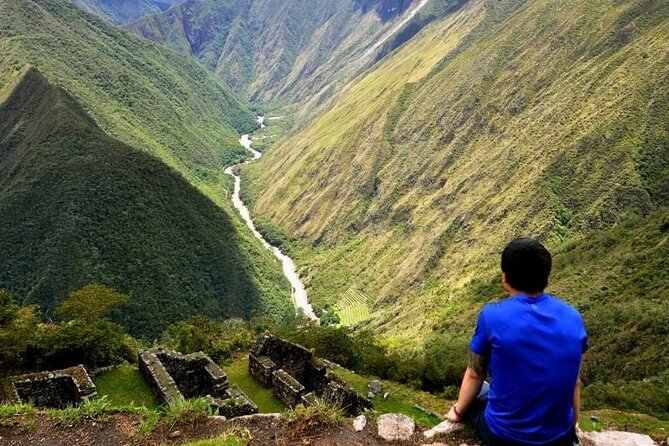
This tour caps the group at 10 travelers, and that’s one of those small details that can change everything. Smaller groups typically mean less crowding at viewpoints and fewer delays at checkpoints.
In the kind of feedback this operator tends to earn, guidance shows up as a standout. Guides like Percy are described as passionate, informative, and friendly, and there’s also mention of a driver named Fortunato and a team member called Katherine. I can’t promise you’ll get the same crew, but it’s a good sign when you see repeated praise for how the team manages logistics and keeps things on track.
What you should expect from “professional guidance” on a hike like this:
- Clear instructions at checkpoints like km 82
- A pace that helps you survive Day 2
- Explanations as you pass major points, including the archaeological stops
One more thing: the tour includes first aid supplies. That doesn’t mean you’ll need them, but it adds confidence when you’re trekking at altitude.
What to pack and how to not ruin your trek
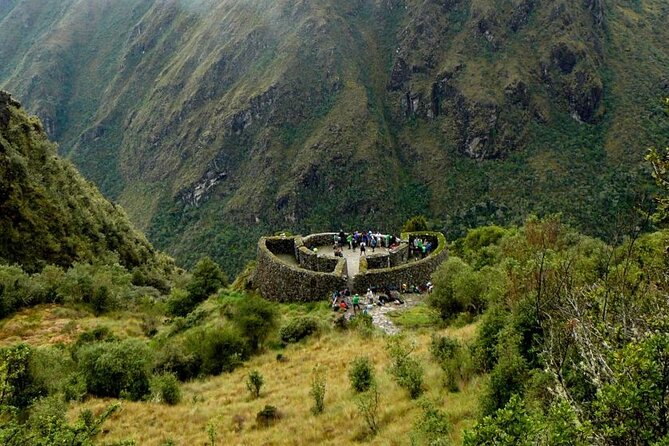
You’ll hike high. Even if you’re fit, altitude is a new workout for your body.
The tour includes tents and mats, plus a group porter. That means you can travel lighter than many do on their own. Still, you are hiking with your own comfort needs, and you might want to rent or bring:
- Sleeping bag rental for $25 USD
- Walking poles for $15 USD if your knees like support on descents
Pack your day-to-day items so you can access them quickly in the morning. On an early start like 5:30 AM, fumbling is annoying, and annoyance burns energy.
Also, keep in mind what’s included and what isn’t:
- Breakfast is not included on day 1 (you get breakfast at Ollantaytambo)
- Lunch and dinner on the last day are not included, because you’ll have time for lunch in Aguas Calientes
If you’re the type who needs a little extra margin, bring a small snack you can eat without ceremony. You’ll be grateful on the climb.
Altitude reality check and when weather matters
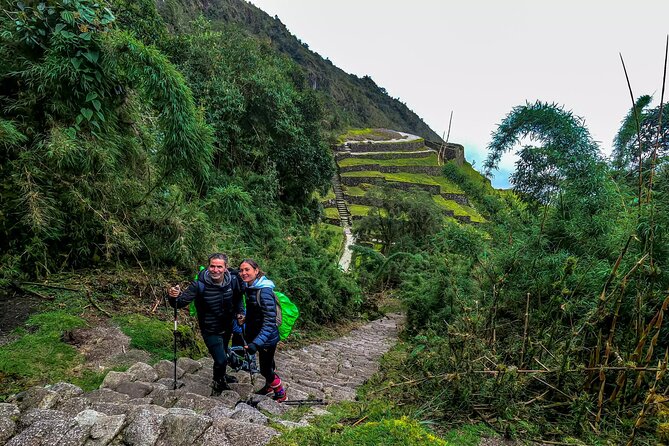
This itinerary hits meaningful altitude points:
- Day 1 camp around 3300 m
- Day 2 includes Warmihuañusca at 4200 m
- Day 3 drops down to Wiñayhuayna at 2650 m
- Day 4 focuses on Machu Picchu, starting before dawn
Day 2 is the big one. If you feel fine in Cusco on Day 1, don’t assume you’ll feel fine at 4200 m. Go slow. Hydrate. Use breaks.
Weather matters in two ways:
- The sunrise timing on day 4 can be affected, since sunrise depends on conditions
- The tour also requires good weather overall
If poor weather causes cancellation, you’ll be offered a different date or a full refund, according to the tour’s rules. Still, the experience is listed as non-refundable and cannot be changed for any reason, so you want to book carefully and avoid risky flight schedules.
How good is the value versus other ways to do Machu Picchu?
If you compare costs piece-by-piece, this package looks more reasonable. You’re getting:
- Inca Trail and Machu Picchu entrance tickets
- Tents and mats
- Guide
- Group porter
- Train back to Cusco
- Downhill bus between Machu Picchu and Aguas Calientes
- Meals: breakfast (3), lunch (3), dinner (3)
That’s why $900 can work for people who want structure. It’s a “show up and hike” style experience. Less time in planning mode, more time walking and adapting to altitude.
The trade-off is that you can’t easily customize. Optional climbs cost extra, and you’ll need to think ahead if you want Huayna Picchu or Machu Picchu mountain tickets.
Who this trek suits best
This tour is best for you if:
- You have strong physical fitness
- You want a guided route with included camping and meals
- You like small group travel, with max 10 travelers
- You’re excited for the classic Inca Trail rhythm, including archaeological stops and a sunrise push
It’s less ideal if:
- You want a casual stroll. Day 2 is a real climb
- You dislike early mornings. Day 1 starts at 5:30 AM and day 4 starts at 4:30 AM
Should you book this 4-day Inca Trail adventure?
I’d book this if you’re ready for a physically demanding Day 2 and you want the heavy lifting handled: permits, entrances, camping setup, meals, and the train link back to Cusco. The price makes sense when you factor in tickets, camping gear, and transit.
But I’d hesitate if your schedule is fragile. There has been at least one case of a last-minute cancellation reported, which can wreck flight and hotel plans. If your trip includes tight connections, build in buffer time around Cusco, and keep your Machu Picchu day flexible.
If you want a small-group, structured trek that ends with a real Machu Picchu morning, this is a strong option to consider. Just train a bit for hills, pack smart, and respect the altitude on Warmihuañusca.
FAQ
What time and where do we meet for the tour in Cusco?
You meet at Plaza Regocijo in the historic center area, with the tour starting between 5:30 AM and 7:00 AM on weekdays. The activity ends back at the meeting point.
How hard is the hiking on this Inca Trail trek?
The itinerary is rated moderate on Day 1, strong (challenge to get over) on Day 2, and moderate on Day 3. Day 2 includes a major ascent to Warmihuañusca at 4200 m.
Is entrance to the Inca Trail and Machu Picchu included?
Yes. Entrance tickets to the Inca Trail and Machu Picchu are included in the tour price.
What meals are included, and what are you responsible for?
Breakfast is included for three days and lunch is included for three days, plus dinner for three days. The tour notes that day 1’s breakfast is not included, and lunch and dinner on the last day are not included.
Can I rent a sleeping bag or walking poles?
Yes. You can rent a sleeping bag for $25 USD and walking poles for $15 USD.
Are there optional extra activities at Machu Picchu?
Yes. You can optionally climb Huayna Picchu or Machu Picchu mountain. The extra cost is $35, and it requires advance reservation.
What happens if poor weather cancels the experience?
The experience requires good weather. If it’s canceled due to poor weather, you’ll be offered a different date or a full refund.
Recently reviewed around Cusco
- 6-Day ||All Included|| Excursion – MachuPichu & Rainbow Mountain-Humantay Lake★ 4.5 · 8 reviews
- Horseback Riding thru the Mountains of Cusco★ 5.0 · 8 reviews
- Cuzco City Tour and Archaeological Ruins in Half Day★ 5.0 · 8 reviews
- Full Day – Rainbow Mountain tour – Group Service★ 5.0 · 8 reviews
- Half Day Tour in Cusco: Exploring the City and Four Ruins★ 4.5 · 8 reviews
- Machu Picchu and Sacred Valley 2 Day Tour★ 5.0 · 8 reviews
- Cusco 4 Days Machu Picchu and Sacred Valley | All included★ 5.0 · 8 reviews
- Walking Tour in Legendary & Historical Cusco City★ 4.5 · 8 reviews
Inca Trail, compared.
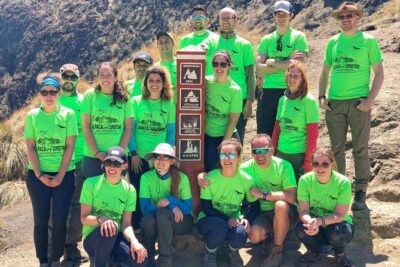
Classic Inca Trail Trek 4D/3N to Machu Picchu (Group Service)
Read our review →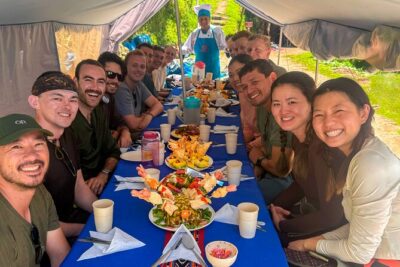
4-Day Inca Trail Trek with Panoramic Train Ride
Read our review →
2-Day Inca Trail to Machu Picchu with Panoramic Train
Read our review →
Inca Trail 4-Day 3-Night Trek to Machu Picchu with Expert Guides
Read our review →
4-Day Inca Trail to Machu Picchu with Accommodation
Read our review →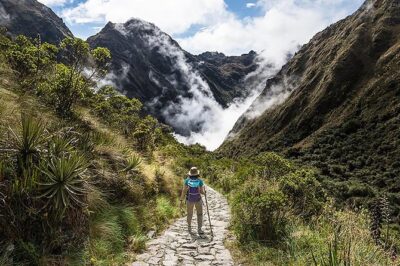
4-Day Trek to Machu Picchu Through the Inca Trail
Read our review →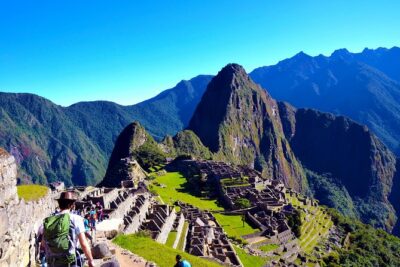
4 Day – Inca Trail to Machu Picchu – Group Service
Read our review →Browse the lists this tour appears in