
Reviewed · SACSAYHUAMAN
Cusco 4-Hour Private Tour Including Sacsayhuaman and Qenqo
A private Cusco tour like this is interesting because it stitches together Inca power and Spanish-era Cusco in one tight half-day loop. You’ll visit Sacsayhuaman (Saqsaywaman), Qorikancha, Q’enqo, and Tambomachay, then swing into the city core for Plaza de Armas. In many bookings, guides such as Alfredo, Patricia, and Ruben are praised for turning a stack of ruins into one clear story.
Two things I especially like: you get a smart mix of famous sites plus smaller, more atmospheric archaeological stops, and you’re not stuck hunting transportation. Hotel pickup and drop-off, plus a private vehicle, lets you spend your limited time breathing the view instead of figuring out routes.
The main drawback to plan for is cost at the gates. Sacsayhuaman, Qorikancha, and parts of the cathedral require extra entrance fees, so your final total is a bit higher than the $87 headline price.
Key points that make this tour worth your time
- Private guide + private vehicle, with hotel pickup and drop-off
- Inca sites in a logical order, from Sacsayhuaman down through Q’enqo and Tambomachay
- Plaza de Armas included, which anchors you in the Spanish-and-Inca city story
- Optional textile factory stop at no extra charge
- Snack support plus time-saving pacing for a short Cusco visit
- Multiple guide languages available (English- or Spanish-speaking)
A 4-hour Cusco route that connects ruins to real city life
This tour is designed for travelers who want a high-impact overview without losing the whole day to logistics. It runs for about 4 hours, with transfers done by private vehicle, and short on-foot visits at each major place. That pacing matters in Cusco, where altitude can turn long walks into a slog.
The big win is that the stops tell a sequence. You start at Sacsayhuaman, the Inca citadel on the northern outskirts of Cusco, and you end with Tambomachay, another Inca site known for its waterworks. In between, you get Qorikancha and Q’enqo, plus the Plaza de Armas and Cusco Cathedral, so you see how the city evolved after the Spanish arrived.
You’ll be with a guide who speaks either English or Spanish. Based on guide names that show up often, people appreciate how the explanations connect the monuments, instead of treating each stop like a random photo op.
More of the Cusco ruins circuit:
- City Tour Cusco Qoricancha Sacsayhuaman y Tambomachay
★ 4.7 · 617 reviews - Cusco: Half-Day City Tour with Sacsayhuaman and Qenqo
★ 4.5 · 77 reviews - Half-Day City Tour of Cusco Including Tambomachay
★ 4.5 · 59 reviews
Price and the real cost at the entrance gates
The tour price is $87 per person, and that includes the private guide, snacks, and transport with hotel pickup and drop-off. What’s not included is entrance pricing for several of the key sites.
Here’s the extra you should budget for entrance fees (per person):
- Sacsayhuaman: PEN 70
- Cusco Cathedral: PEN 40
- Qorikancha: PEN 15
Plaza de Armas is listed as included, and that helps keep at least one part of the itinerary from turning into an add-on fee headache. If you’re carrying a tight budget, this is the place to do the math before you book, because the extra entrances are the only thing that can swing your total.
Is it still good value? For me, yes, because the guide does a lot of the heavy lifting. When time is short in Cusco, the difference between reading a sign and having a guide stitch the stories together is huge. You’re also paying for private transport, which can save you time and energy when you’d rather be sitting in the shade with a snack.
Sacsayhuaman: why the stone feels engineered and ancient at once
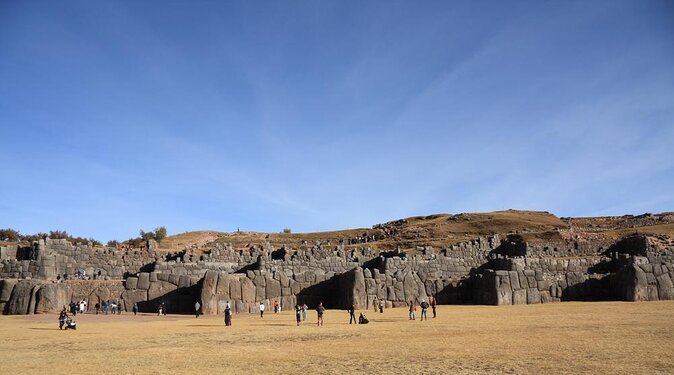
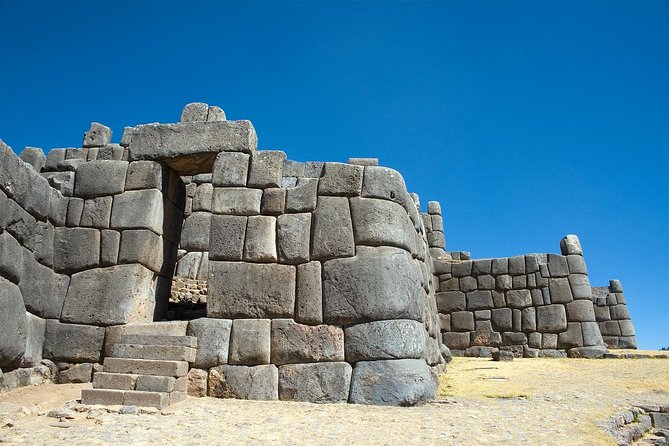
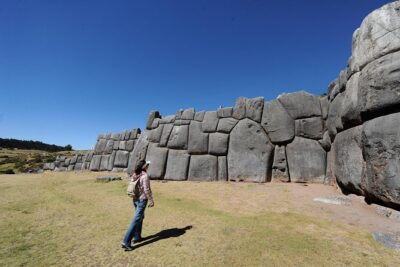
Saqsaywaman (you’ll see many spellings) is a citadel on the northern edge of Cusco. The first sections were built around 1100 CE by the Killke culture, which had occupied the area since around 900 CE. That matters because it frames Sacsayhuaman as part of a longer regional story, not just a single Inca moment.
You’ll spend about 30 minutes here, and the tour uses that time for the highlights. This is the kind of place where your guide’s eye makes a difference, because the patterns in the stonework and the overall layout take a minute to decode. Bring your camera, and use your time to get photos from a couple of angles, not just one.
Admission is not included for Sacsayhuaman, so plan to pay that fee on the day. Also, since it’s on the outskirts of Cusco, the weather can change how comfortable the visit feels, especially if it’s windy or chilly.
Plaza de Armas: the city center that links Inca origins to Spanish architecture
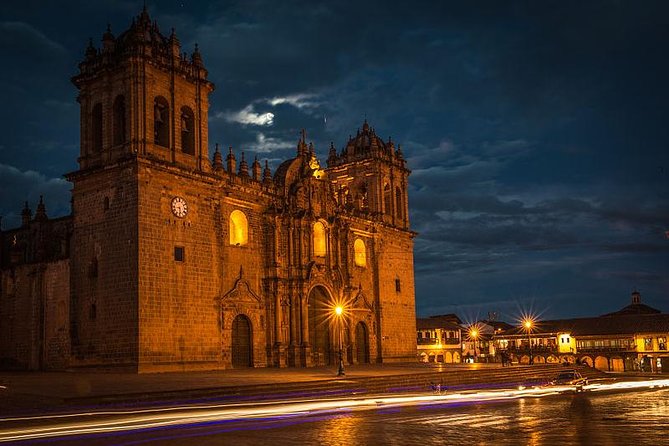
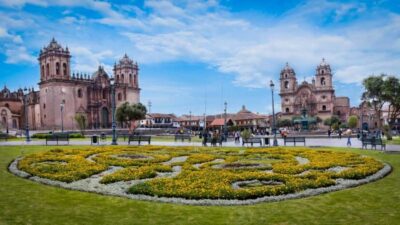
The Plaza de Armas is the heart of Cusco, and the tour gives you about 10 minutes here. It’s the chosen starting point for developing the Imperial City, which became the capital of the Inca Empire. That alone is worth a quick stop, but what makes it memorable is the mix of eras in one view.
You’ll see colonial architecture that reflects Spanish influence, but you’ll also be reminded that this place existed long before the conquest. In a short tour, this stop functions like an anchor, helping you reorient your mind after looking at ruins with very different city logic.
Because Plaza de Armas is included, you can focus on wandering and absorbing rather than worrying about entry steps. If you’re feeling altitude fatigue, this is also the kind of place where you can step back and regroup without losing the core experience.
More Sacsayhuaman visits:
- Cusco: Half-Day City Tour with Sacsayhuaman and Q’enco
★ 4.6 · 1,129 reviews - Cusco City Sightseeing and Sacsayhuaman Archeological Park Tour
★ 4.5 · 101 reviews - Sacsayhuaman Temple, Tambomachay and Puca Pucara Half-Day Tour
★ 4.5 · 59 reviews - Private Cusco City Tour with Sacsayhuaman & Inca Sites
★ 5.0 · 52 reviews
Cusco Cathedral on the Plaza: a church stop, but also a time marker
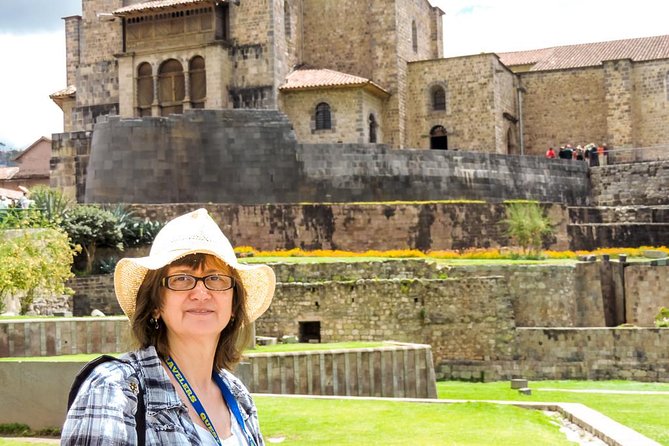
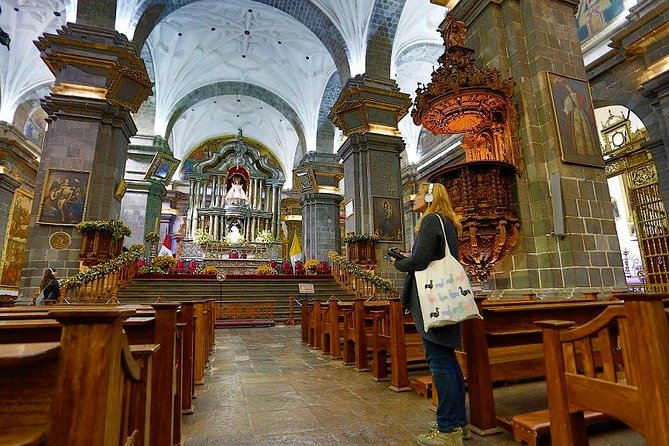
Next comes the Cusco Cathedral, also known as the Cathedral Basilica of the Assumption of the Virgin. It’s the mother church of the Roman Catholic Archdiocese of Cusco, and it sits right on the Plaza de Armas.
You’ll have about 20 minutes here. Entrance is not included, so it’s another fee to budget for. What you’ll get out of it on a half-day tour is a concrete way to see Spanish power and religious change written into the city’s most central space.
A practical tip: if you’re running low on energy, decide early whether you want to commit the full time. This tour is packed, and one common strategy is to keep your pace realistic rather than forcing every scheduled stop.
Qorikancha (Intikancha): the gold temple idea, rebuilt through history
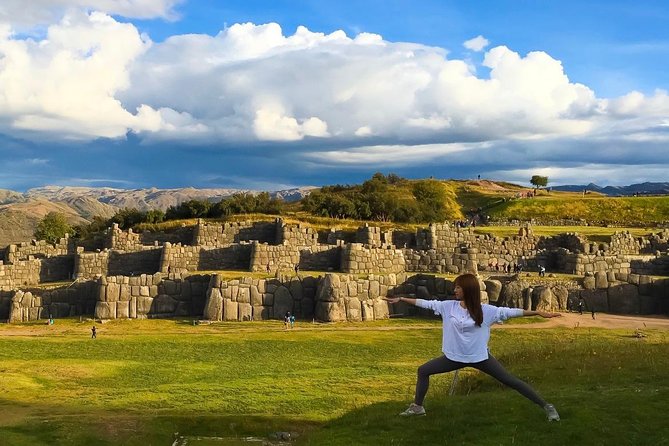
Qorikancha is one of those stops where the story is almost as visible as the stones. Its earlier names include Intikancha or Intiwasi, and it was dedicated to Inti, the sun. After the 16th-century war with Spanish conquistadors, much of the temple was destroyed, and settlers took apart structures to build their own churches and residences.
The Santo Domingo Convent uses much of that stonework, and the convent itself was rebuilt after the 1650 earthquake destroyed an earlier Dominican convent. You’ll spend about 20 minutes here, which is enough time for the main takeaways if you use your guide well.
Entrance is not included for Qorikancha (PEN 15), so plan ahead. This is also a good place to ask questions, because it’s the kind of site where people often assume it was only destroyed or only preserved. The reality is more layered, and your guide can help you see those layers instead of just memorizing facts.
Puka Pukara: a checkpoint fortress watchtower with roadside significance
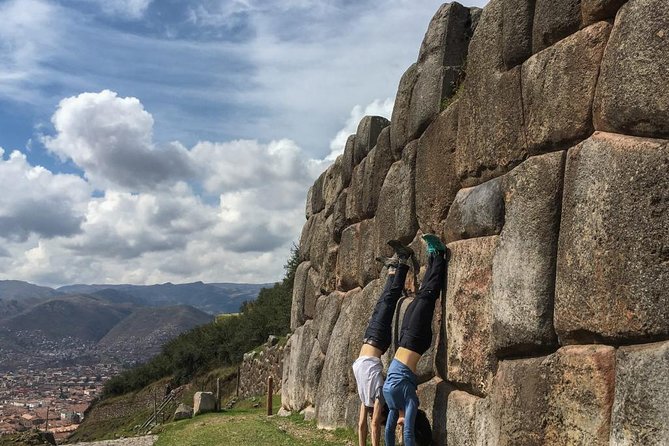
Puka Pukara is located about 6 km from Cusco. The name comes from Quechua, where puca means red and pucara means fortress-watchtower. That positioning is important, because this site sat along a strategic route to the Antisuyo, the jungle part of the Inca empire.
This is a military and administrative center, not just an impressive pile of stones. You’ll have about 15 minutes here, and the value is in understanding what kind of Inca geography it served. Roads in the Inca world were not just travel corridors, they were control systems and lifelines.
Admission is not included, so keep that in mind if you’re tracking your day’s expenses. Also, with a shorter stop, you’ll want to focus on how the location relates to movement rather than trying to read every detail like a mini museum.
Q’enqo: the zig-zag canal and the mystery of ritual purpose
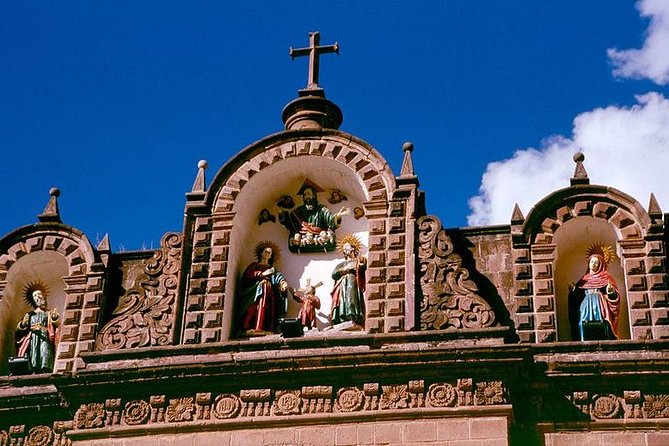
Q’enqo is named for a labyrinth or zig-zag, and the temple is associated with a crooked canal cut from its rock. You can see the idea immediately, but the details behind it are harder.
Researchers have been forced to guess at what the canal carried. Hypotheses include holy water, chicha (corn beer), or blood. Each possibility points toward a ritual use, including death rituals, such as embalmment or ways of judging whether a person lived a good life based on how the liquid traveled.
You’ll spend about 15 minutes at Q’enqo. That sounds short, but it’s enough for the essentials when you have a guide who can explain the competing ideas without turning the site into a debate club. Entrance is not included here, so again, expect extra fees.
This is also a good stop for photographers who like more than big vistas. Q’enqo rewards close attention to shape and function.
Tambomachay (El Baño del Inca): water channels you can almost hear
Tambomachay is an Inca-associated archaeological site near Cusco, and it’s also known by the Spanish alternative name El Baño del Inca. The site consists of terraces and a system of aqueducts, canals, and waterfalls that run through the rocks.
You’ll have about 25 minutes here, which is longer than several of the earlier stops. That extra time matters because waterworks are best when you can slow down and trace the channels visually. If you’re lucky with weather, the site feels more alive, because the terraced stone and rushing water bring the engineering story to life.
Entrance is not included. This is also one of the places where a guide’s explanation can help you move beyond “pretty ruins” into “people built systems.”
Textiles, snacks, and how to keep the day comfortable
One small but real bonus is the optional textile factory visit. It’s available at no additional charge, and it can be a nice change of pace if you want a cultural stop that isn’t another archaeology site. If you do the add-on, keep your eyes open for traditional fiber crafts and how they connect to the region’s long textile tradition.
Snacks are included, and that’s a serious help on a short day. When you’re adjusting to altitude, a snack break can be the difference between finishing the tour comfortably and feeling wiped out halfway through.
Dress according to the season, and since this tour relies on good weather, bring layers. Cusco weather can swing, and you’ll feel it when you’re outside at the ruins.
Bring your camera. It’s recommended, and honestly, with multiple stops that mix city views and stone patterns, you’ll be glad you did.
Who this tour fits best
This is a smart choice if you want an efficient overview of Cusco’s Inca sites near the city. It’s also a good fit for couples, solo travelers, and families, especially if you want private pacing instead of following a large group.
It’s particularly appealing if you’re planning a bigger trip later, like Machu Picchu and the Sacred Valley, because this tour helps you get your bearings on Cusco’s Inca and post-Inca story. Several guides named in bookings are praised for linking what you see here to what you’ll encounter later, so the monuments stop feeling random.
If altitude has been rough, you’ll probably appreciate the rhythm of private vehicle transfers with manageable walking segments. It’s designed to fit into half-day energy levels, not a full day of hiking.
How to make this private half-day feel worth every minute
First, decide how you’ll handle entrances. If you want the smoothest experience, bring enough cash or payment method to cover Sacsayhuaman, Qorikancha, and Cusco Cathedral entrance fees. That way you do not lose time waiting or negotiating at ticket points.
Second, use your guide actively. This tour works best when you ask for specific context, like how Sacsayhuaman connects to Killke-era building history or what the Q’enqo canal theories mean. Guides listed in bookings, including Alfredo, Patricia, Ruben, and others, are repeatedly praised for clear explanations and patient answers.
Third, keep your pace realistic. With 4 hours total and seven stops, each location gets a highlight-focused visit. If you’re not up for every scheduled stop, prioritize the ones you care about most and treat the others as extras you can enjoy if you feel good.
Fourth, consider where you’ll stand for photos. For Sacsayhuaman and Qorikancha, changing angles can make the difference between a flat postcard shot and something that shows the structure clearly. This is where your camera time is best spent.
Should you book this Cusco 4-hour private tour?
Book it if you want a private way to see the most important Inca sites near Cusco plus the city centerpiece Plaza de Armas, without turning your day into transport stress. The value is strongest when you care about history with context, because the guide role is central here, and the pacing helps you fit a lot into a short visit.
Skip it or choose a slower alternative if you hate paying entrance fees at multiple sites or if you want long, museum-style time at the cathedral and temples. Also, if you’re very sensitive to weather changes, note that this experience requires good weather, and you may be offered a different date or a full refund if conditions force a change.
If your goal is a sharp introduction to Cusco’s Inca world, then this is an efficient and enjoyable way to get there.
FAQ
What is the duration of the Cusco private tour?
The tour lasts about 4 hours.
Where does the tour take place?
It takes place in Cusco, Peru.
What is included in the price?
The tour includes a private English- or Spanish-speaking guide, hotel pickup and drop-off, snacks, and transport by private vehicle.
What entrance fees are not included?
Entrance fees not included are for Cusco Cathedral (PEN 40.00 per person), Qorikancha (PEN 15.00 per person), and Sacsayhuaman (PEN 70.00 per person). Plaza de Armas is listed as included.
Is the textile factory stop included?
An optional visit to a textile factory is available at no additional charge.
How many people are on the tour?
This is a private tour/activity, so only your group will participate.
Are there any age requirements?
You must be at least 2 years of age.
What should I bring or wear?
Dress according to the season, and it is recommended to bring your camera.
What happens if the weather is poor?
The experience requires good weather. If it is canceled due to poor weather, you will be offered a different date or a full refund.
What is the cancellation policy?
Free cancellation is available if you cancel up to 24 hours in advance for a full refund. If you cancel less than 24 hours before the start time, the amount paid will not be refunded.
Recently reviewed around Cusco
- Cusco Cooking Class by ChocoMuseo in Cusco★ 5.0 · 29 reviews
- ATV Adventure to Moray and Maras Salt Mines – Half Day★ 4.5 · 29 reviews
- 1-day excursion to Machu Picchu from Cusco★ 5.0 · 29 reviews
- Private Tour Sacred Valley, Chinchero, Maras Moray, Ollantaytambo★ 5.0 · 29 reviews
- From Cusco: Humantay Lake with Breakfast and Buffet Lunch★ 4.5 · 29 reviews
- 4 Day – Inca Jungle to Machu Picchu★ 5.0 · 29 reviews
- 2-Day Machu Picchu Tour by Train from Cusco★ 4.5 · 29 reviews
- 2-Day Sacred Valley and Machu Picchu Tour By Train★ 4.5 · 29 reviews
Sacsayhuaman, compared.
Half-Day City Tour with Sacsayhuaman and Q’enco
Read our review →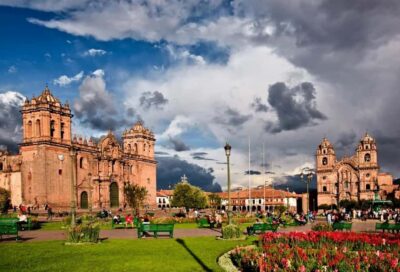
City Tour Cusco Qoricancha Sacsayhuaman y Tambomachay
Read our review →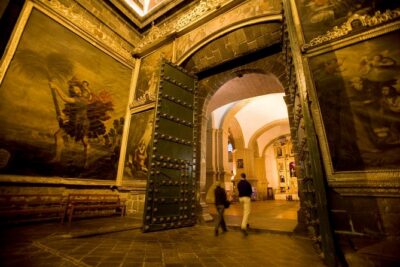
Cusco City Sightseeing and Sacsayhuaman Archeological Park Tour
Read our review →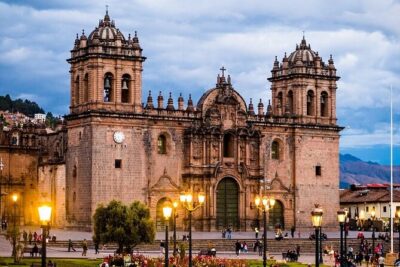
Sacsayhuaman Temple, Tambomachay and Puca Pucara Half-Day Tour
Read our review →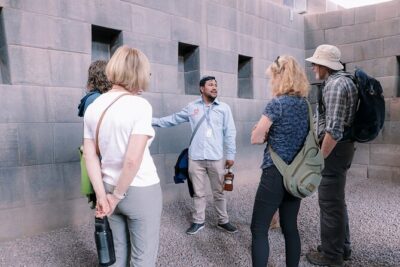
Private Cusco City Tour with Sacsayhuaman & Inca Sites
Read our review →
Cusco City Tour with Sacsayhuaman & Inca Sites – Small Group
Read our review →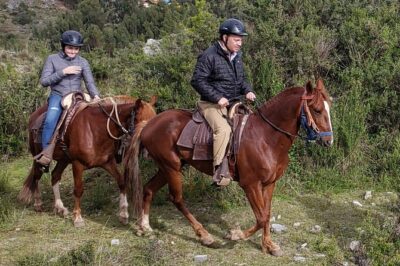
Horseback Riding Plus Tour to Sacsayhuaman, Quenqo, Puka Pucara and Tambomachay
Read our review →Browse the lists this tour appears in