
Reviewed · MACHU PICCHU
5-Day All-Inclusive Salkantay Trek To Machu Picchu
This trek is interesting because it strings together four very different Andean worlds in just five days, from high glacial views to jungle cloud forest, then it lands you at Machu Picchu. I especially like the small group size (max 8) and the fact that entrance fees are included, so the trip feels more like a plan you can trust than a scavenger hunt.
Here’s the one real consideration: altitude. You’ll start high in Cusco, go higher on the Salkantay route, and the long days can hit hard if you show up un-acclimatized. The tour includes an oxygen bottle and first aid kit, but the best move is still to build in time to adjust.
Key highlights at a glance
- Small group experience (max 8) with a professional English-speaking guide and a chef
- Entrance fees covered for Machu Picchu and the in-town bus arrangement
- Salkantay Pass big views and that classic glacial scenery at Humantay Lake
- Cloud forest day with wildlife chances plus waterfalls and nearby farms
- Rest night in Aguas Calientes at WAMAN Hotel, so you’re not rushing the morning of Machu Picchu
- Pack support via mules for cooking and camping gear, plus 7 kg of your personal items
Why the Salkantay Route Feels More Real Than a Single-Stop Excursion
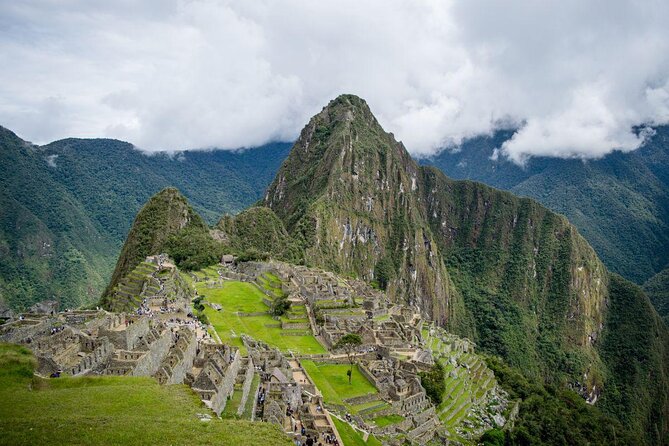
If your only plan for Machu Picchu is a day trip from Cusco, you miss the point. The Salkantay trek is different because it earns Machu Picchu through effort and altitude. You feel the Andes changing around you, day by day, and that makes the final arrival in Aguas Calientes and the morning bus into the citadel feel earned, not scheduled.
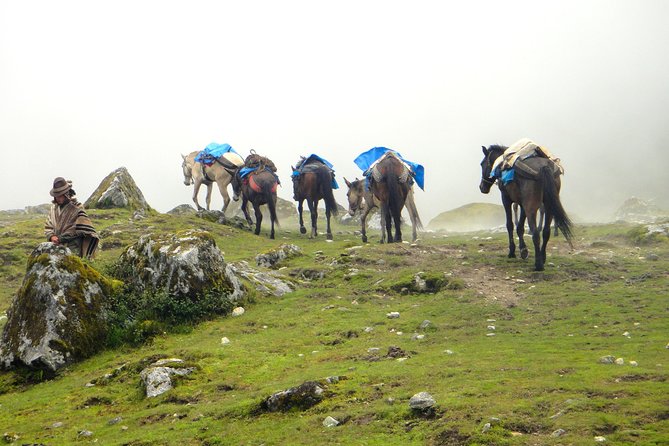
This is also a logistics win. The trek is built around a guided rhythm, with horses or mules handling the camp and cooking equipment, and you walking the scenic parts. That means you still get the full hiking experience, but with less of the heavy carrying stress that can drain your energy before you even reach the high pass.
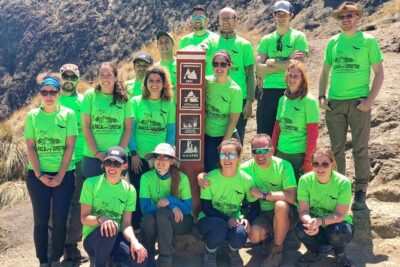
And since the group stays small, you tend to get more personal service. In past departures, guides like Edwin, Julio Cesar, and JC have been praised for pace, attention, and keeping the experience comfortable for the actual group they have that week.
More Hiking & Trekking in Cusco
- Classic Inca Trail Trek 4D/3N to Machu Picchu (Group Service)
★ 5.0 · 8,653 reviews - Machu Picchu: 4-Day Inca Trail Trek with Panoramic Train Ride
★ 5.0 · 4,568 reviews - Salkantay Classic Trek 5 Days from Cusco
★ 5.0 · 4,062 reviews
Price and Value: What $699 Covers, and What You Should Budget For
At $699 per person for about five days, this sits in the “serious value” zone for a guided, all-inclusive trek that ends at Machu Picchu. You’re paying for the whole chain: transportation from your Cusco hotel to the trail start, meals during the trek, camping setup, and the Machu Picchu day entry and bus ride.
Here’s what the price includes that matters in real life:
- A professional English-speaking guide and a chef
- Mules for cooking and camping equipment, plus carrying up to 7 kg of your personal items
- Hotel in Aguas Calientes on Day 4 (WAMAN Hotel, listed as 3-star)
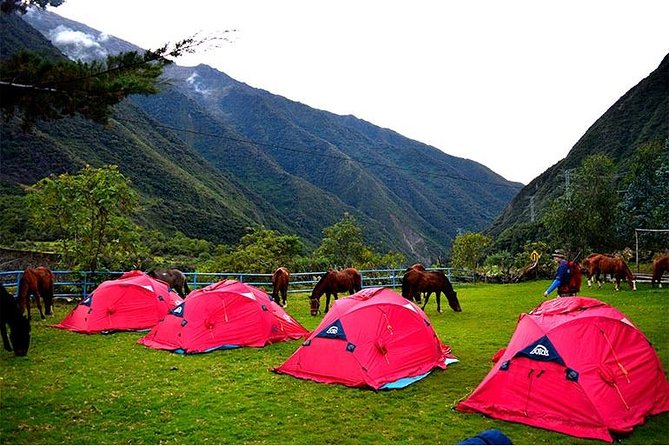
- Inflatable sleeping mattress (Thermarest) and tents (4-person tent for every 2 trekkers)
- Oxygen bottle and a first aid kit
- Round-trip bus from Aguas Calientes to Machu Picchu
- Transportation Ollantaytambo to Cusco
- Meals listed as included: Breakfast (4), Lunch (4), Dinner (4)
What you should still plan to pay for:
- Sleeping bag rental is listed as available locally for $25 USD
- Breakfast on Day 1 is not included
- Lunch and dinner on Day 5 are listed as not included
- Huayna Picchu entrance is not included (it’s an add-on ticket)
- Travel insurance is strongly recommended but not included
If you’re comparing options, don’t just compare the headline cost. The practical test is whether you’ll need to buy major items on the fly. This one reduces that, especially with the hotel and the Machu Picchu bus being handled.
Getting Ready in Cusco: Altitude Can Make or Break Your Trek
The tour strongly suggests spending time at high altitude before you start. They recommend at least 2 to 3 days above 3,000 meters (like in Cusco) to lower the odds of altitude sickness. I think that’s not “nice to have.” It’s the difference between enjoying the scenery and feeling stuck.
Also note the tour timing. You’ll depart early from Cusco, and the meeting start time is 5:30 am. That’s early enough that poor sleep can matter, so plan to go to bed earlier than you think you need to.
Gear matters more than people expect on this trek. The essentials they list are:
- Walking boots
- Waterproof jacket or rain poncho
- Warm jacket, hat, gloves
- Sunscreen factor 35 or higher
- Insect repellent
- Torch with spare batteries
- Personal medication and toiletries/hand sanitizer
- Passport with you on the day of travel
One more practical point: water is provided after the first part of the hike, but you still need to bring water for the first 4 hours of the trek. If you forget that early bottle, you’ll feel it.
Day 1: Cusco to Challacancha, Soraypampa, and Humantay Lake
Day 1 starts with a bus transfer out of Cusco (3,399 masl) toward Mollepata (2,900 masl), then on to Challacancha (3,600 masl). The short break at Mollepata is useful, because it gives you time to buy last-minute supplies, stretch, and use the restrooms before the trek begins.
From Challacancha you meet support staff and your camp gear logistics start to work in your favor. Mules handle cooking and camping equipment, and they carry up to 7 kg of your personal items. That helps you walk with a smaller pack, which matters because Day 1 is already building altitude from the start.
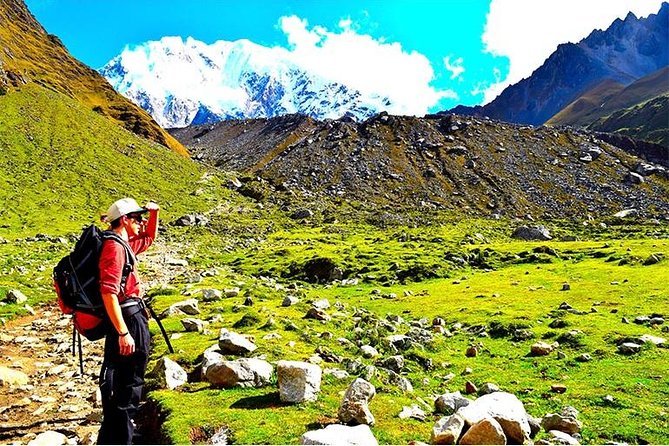
The scenery here is classic Salkantay: panoramic views of Salkantay and the Apurímac Valley as you head toward Soraypampa (3,900 masl). You’ll stop for a hearty Peruvian lunch there, which is exactly what you want before climbing higher.
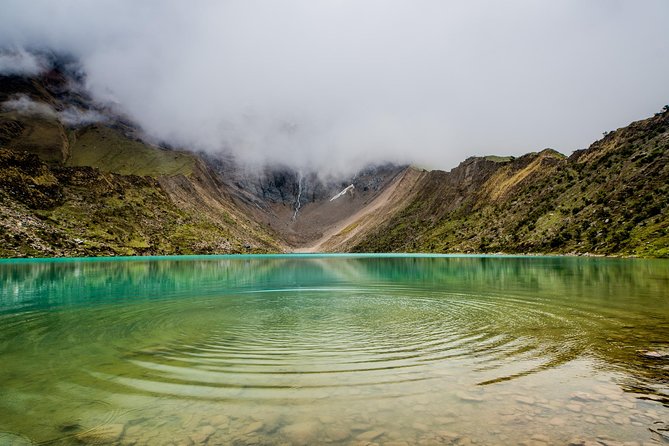
In the afternoon the trek takes you to Humantay Lake (4,200 masl). This is the moment many people remember most from the whole itinerary, because the turquoise water reflects towering peaks. Then it’s back to camp for tents already set up and a warm dinner, so you can actually rest instead of “figuring out camp” after hiking.
Expect: around 8 hours of trekking and a big first-day introduction to the mountain air.
More Salkantay treks:
- 4-Day Salkantay Trek with Sky Camp Stay
★ 5.0 · 3,346 reviews - Salkantay Trek 5D/4N with Glass Cabins, Domes and Hobbit House
★ 5.0 · 2,488 reviews - 5-Day Premium Salkantay Trek
★ 5.0 · 788 reviews - Ultimate Salkantay Trek to Machu Picchu 5 Days
★ 5.0 · 588 reviews
What could be tricky
This is a long, early start day. If you’re prone to motion sickness on buses or you slept poorly in Cusco, take that seriously and keep water and snacks simple and steady.
Day 2: Ascent to the Salkantay Pass, Lunch at Huayracmachay, and Down to Challway
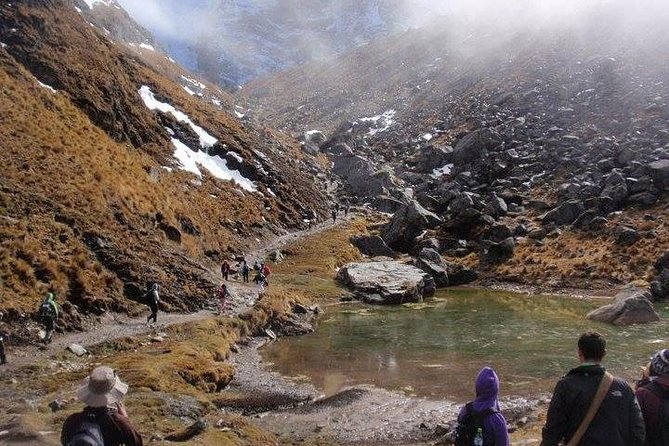
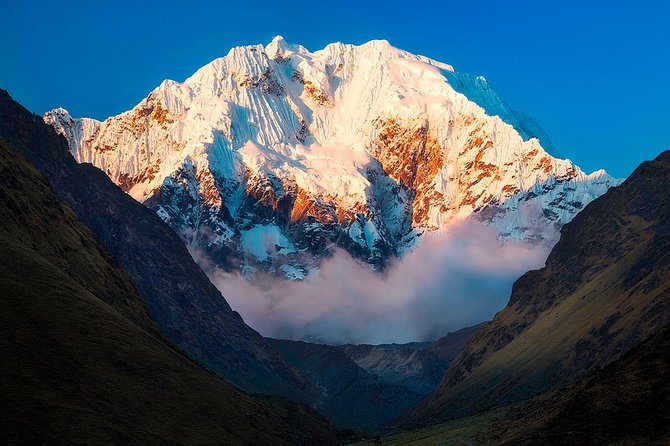
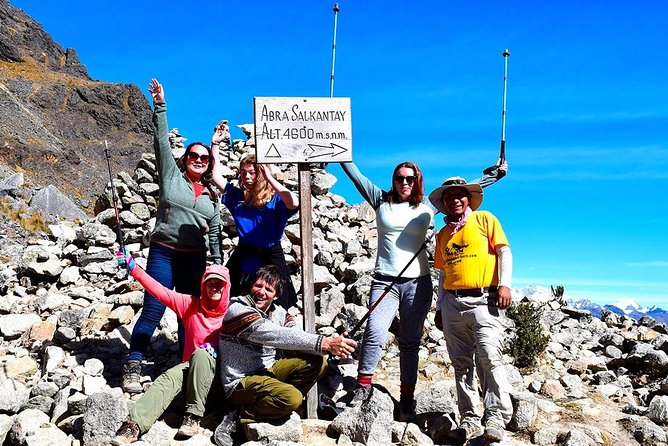
Day 2 is where the trek flexes its altitude. After breakfast, you begin the ascent toward Salkantay Pampa and gradually approach the face of Salkantay Mountain (the route climbs toward 6,264 masl). The high point experience on this day is the Salkantay Pass, listed at 4,600 masl.
Midday pass time is what makes Salkantay famous. You get sweeping views of Salkantay Peak and the valleys below, and you feel how massive the Andes are when you can see them spread out in layers.
After the pass, you descend to Huayracmachay for lunch, then continue into warmer, greener terrain. The route aims for Challway (2,920 masl) in the evening, where you’ll have dinner and rest.
Expect: around 8 hours total, with the pass as the day’s centerpiece.
How to make Day 2 easier
This is the day to take pace seriously. You don’t need speed. You need consistency. In small-group treks, guides like Edwin and Julio Cesar have been praised for matching pace to the group and giving you space when you need it.
Also, Day 2 can be psychologically tough. The pass is high, then the reward is the descent. If you break the day into chunks in your head, it stops feeling like one giant wall.
Day 3: The “Eyebrow of the Amazon” to Lucmabamba, with Waterfalls and Coffee Farms
Day 3 shifts from alpine to jungle cloud forest. After an early start, you trek for about five hours through what’s described as the eyebrow of the Amazon, with cascading waterfalls, fruit trees, and lively plant life.
This is also a wildlife day if conditions cooperate. The tour notes you might spot the Cock of the Rock, plus butterflies and other birds. Even if you don’t spot anything flashy, the soundscape changes, and that alone makes the day feel different.
You stop for lunch at Playa Sahuayaco, a calmer pocket in the jungle setting. In the afternoon you continue downstream through small Andean farms and coffee plantations before arriving at Lucmabamba (2,000 masl). This campsite night is the gateway to tomorrow’s Inca complex at Llactapata.
Expect: about 6 hours of hiking.
The real benefit of Day 3
You’re not just burning calories. You’re resetting your body and your mind. After two big altitude days, the lighter-feeling jungle day helps you end the trek with less fatigue than you might expect.
Day 4: Llactapata, Hydroelectric Lunch, and the Railway-Line Walk to Aguas Calientes
Day 4 starts with a gradual climb of about two hours to Llactapata (2,840 masl). Llactapata is an ancient Inca complex on a ridge, and the key payoff is the view. From here you can see Machu Picchu framed by cloud forest, plus Sayacmarca in the distance.
After exploring the site with your guide, you descend for about 1.5 hours to the Hydroelectric Station, where you stop for lunch. Then comes a different kind of trek segment, about three hours walking along railway tracks to reach Aguas Calientes (2,040 masl), also called Machu Picchu town.
Once you arrive, you check into your hotel (WAMAN Hotel is listed) and get time to rest and explore at your pace. In the evening you reunite for dinner at a local restaurant before the big Machu Picchu morning.
Expect: about 7 hours total, including the railway-line walk.
Why I like this structure
You’re not doing Machu Picchu on day 4 night fatigue. You hike into town, get a real hotel, and you can manage your energy and your packing the next morning. That makes the Day 5 visit feel more relaxed.
Day 5: Guided Machu Picchu, Optional Views, Then Train and Van Back to Cusco
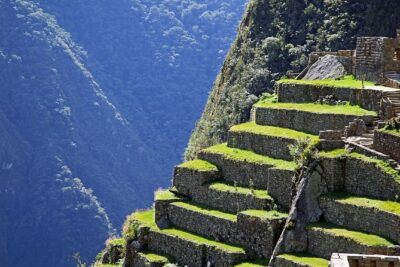
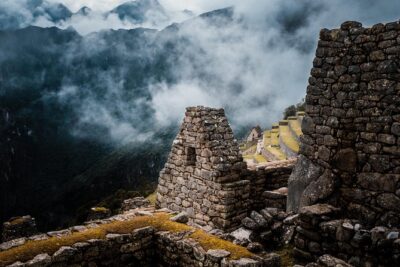
Machu Picchu day begins early, with breakfast and a bus ride from Aguas Calientes to the citadel. Once inside, your guide leads an in-depth tour focused on the sites you actually care about: temples, ceremonial areas, terraces, and storage structures. It’s the kind of guided walk that turns “big ruins” into a place with logic.
If you secured the add-on ticket ahead of time, you can also visit Huayna Picchu or Machu Picchu Mountain for a different perspective of the surroundings. The tour lists Huayna Picchu as not included in the base price, so treat that as a separate decision.
After the guided tour, you return to Aguas Calientes for a brief rest. The tour description mentions lunch time, but the pricing notes say lunch and dinner on Day 5 are not included, so plan to buy your meal on your own.
In the afternoon, you board the train back to Ollantaytambo, and then a private van returns you to Cusco.
Expect: about 7 minutes listed for admission time, plus the full morning and afternoon travel flow that comes with Machu Picchu logistics.
Who This Trek Is Best For (and Who Should Rethink It)
This trek is positioned as ideal for families, and the company keeps group sizes small (max 8). That small-group feel matters if you want questions answered in real time, and not lost in a crowd.
It also fits people with moderate physical fitness who want a guided camping experience without hauling everything themselves. If you like structure, you’ll probably enjoy this one.
It is not recommended for participants with back problems, heart disease, or other serious medical conditions. And because altitude is part of the plan, you should take acclimatization seriously even if you’ve hiked before.
Should You Book This Salkantay Trek to Machu Picchu?
If you want the full Salkantay experience with camp comfort (tents, mattresses, chef, oxygen bottle) and a Machu Picchu day that’s handled end to end, I think this is a strong pick. The value comes from the way it covers the hard parts: logistics, guide leadership, and key entries so you can focus on walking and soaking up the changing scenery.
Book it if:
- You want a small group (max 8) and personal guide attention
- You want camping with support, not full backpacking chaos
- You’re comfortable with long days and altitude prep
Hold off if:
- Altitude scares you and you cannot realistically acclimatize in Cusco or similar high-altitude time
- You don’t want optional extra costs like a sleeping bag rental or Huayna Picchu access
- Your schedule or budget depends on having meals fully included on Day 5 (those are listed as not included)
If you do decide to go, my best advice is simple: arrive in Cusco with enough time to adjust, pack for cold early starts and wet weather, and pace yourself on the pass. That combo makes the whole trek feel smoother, and Machu Picchu will land the way it should, as the payoff.
FAQ
What time does the trek start?
The meeting point start time is 5:30 am.
How long is the trek?
The duration is listed as 5 days (approx.).
What is included in the price?
The tour includes a professional English-speaking guide, chef, mules for cooking and camping equipment plus 7 kg of personal items, hotel in Aguas Calientes (Day 4), tents and inflatable sleeping mattresses, oxygen bottle and first aid kit, transportation from your Cusco hotel to the trail start, and Machu Picchu bus (round trip). It also lists meals: breakfast (4), lunch (4), and dinner (4).
What is not included?
Not included items are a sleeping bag (rental available for $25 USD), breakfast on Day 1, and lunch and dinner on Day 5. Huayna Picchu entrance is also not included. Travel insurance is not included.
Do I need a sleeping bag?
A sleeping bag is not included, and you can rent one locally for $25 USD.
Is Huayna Picchu included?
No. Entrance to Huayna Picchu Mountain is listed as not included, so it requires an additional ticket if you want it.
Is the group large?
The group maximum is 8 travelers.
Is this trek okay for families?
The tour summary lists it as an ideal choice for families. There is also a minimum age of 5 years.
Can I get a refund if I cancel?
No. The experience is non-refundable and cannot be changed for any reason.
Is the trek recommended for people with medical issues?
It is not recommended for participants with back problems, heart disease, or other serious medical conditions.
More Ways to Reach Machu Picchu
- Short Inca Trail to Machu Picchu 2D/1N
★ 5.0 · 3,007 reviews - 2-Day Inca Trail to Machu Picchu with Panoramic Train
★ 5.0 · 1,876 reviews - From Cusco: Full-Day Group Tour of Machu Picchu
★ 4.7 · 1,767 reviews - Machu Picchu Day Trip from Cusco
★ 4.5 · 1,644 reviews
Recently reviewed around Cusco
- Cusco Cooking Class by ChocoMuseo in Cusco★ 5.0 · 29 reviews
- ATV Adventure to Moray and Maras Salt Mines – Half Day★ 4.5 · 29 reviews
- 1-day excursion to Machu Picchu from Cusco★ 5.0 · 29 reviews
- Private Tour Sacred Valley, Chinchero, Maras Moray, Ollantaytambo★ 5.0 · 29 reviews
- From Cusco: Humantay Lake with Breakfast and Buffet Lunch★ 4.5 · 29 reviews
- 4 Day – Inca Jungle to Machu Picchu★ 5.0 · 29 reviews
- 2-Day Machu Picchu Tour by Train from Cusco★ 4.5 · 29 reviews
- 2-Day Sacred Valley and Machu Picchu Tour By Train★ 4.5 · 29 reviews
Machu Picchu, compared.
Classic Inca Trail Trek 4D/3N to Machu Picchu (Group Service)
Read our review →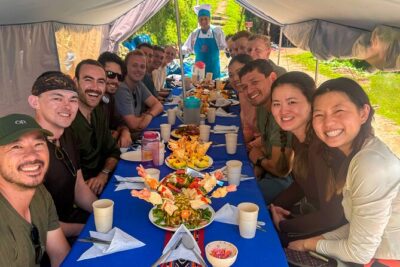
4-Day Inca Trail Trek with Panoramic Train Ride
Read our review →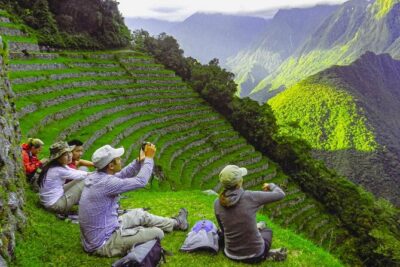
2-Day Inca Trail to Machu Picchu with Panoramic Train
Read our review →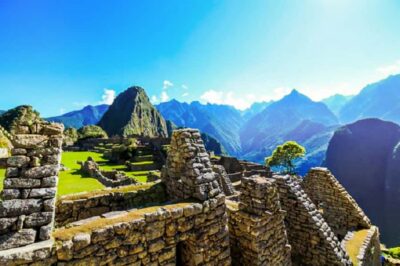

2-Day Tour: Sacred Valley and Machu Picchu by Train
Read our review →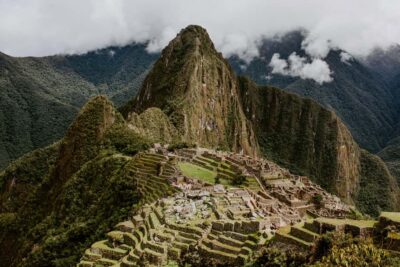
Browse the lists this tour appears in