
Reviewed · MACHU PICCHU
Salkantay Trek 5 days to Machu Picchu by Glamping Sky Lodge Dome
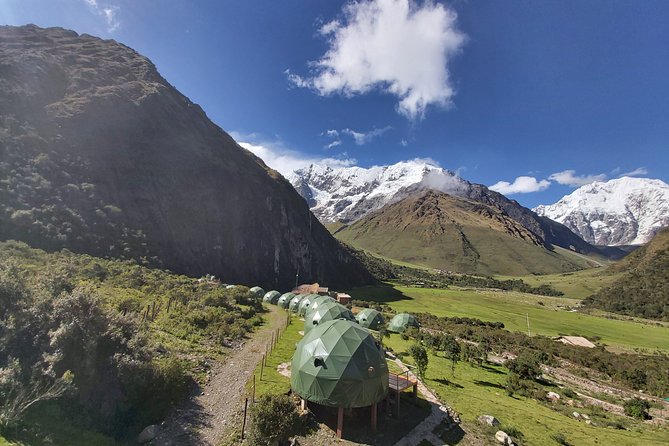
This Salkantay trek to Machu Picchu is interesting because you get the big mountains and the switchbacks, then you arrive at Machu Picchu without needing a private vehicle or a complicated plan. I like that the day-by-day route is clearly built around altitude, forests, and the dramatic pass views. I also like the Sky Lodge Dome glamping style, so you trade some misery for a warm basecamp experience.
My favorite part is the people handling the tough bits well. Guides like José and Asencio (and cooks such as Julián in some groups) show up prepared, keep you moving, and keep the group from feeling like a random line of walkers. Another strong plus is the food plan: multiple meals included, with vegetarian options at no extra cost.
The main drawback to consider is simple: this is a real trek with a high pass and long walking days. If you are not used to hiking at altitude or long hours on your feet, the longest day and the cold campsites can feel like a challenge.
Key points I’d mark on your map
- High pass day with possible snow at the top, then downhill through cloud forest
- Sky Lodge Dome nights plus a real night in Aguas Calientes, not just a tent and hope
- Support system: horses/porters carry camping gear and you only carry up to 7 kg
- Machu Picchu timing choices: sunrise bus option or the early walk up
- Included big-ticket items: Machu Picchu entrance, expedition train back, and key transport legs
- Emergency readiness: first-aid kit with emergency oxygen bottle
Why this Salkantay to Machu Picchu trek feels different
This is not a casual “see Machu Picchu and call it a day” package. You’re trekking the Salkantay route for five days, and the itinerary actually matches the changing terrain. You start in colder, higher country, then work through forest, rivers, and valleys, then you end with the classic Machu Picchu day.
What makes it especially good value for the money is that the hard logistics are handled for you. You get pick up, trailhead transport, professional guide and cook support, camping setup, meals, and the Machu Picchu side with train and bus included. Add the glamping dome nights, and it turns a punishing trek into something you can survive with dignity.
I’d also call out the small group size. This tour has a maximum of 20 travelers. That matters because it usually means less waiting around, more guide attention, and a better group feel.
More Hiking & Trekking in Cusco
- Classic Inca Trail Trek 4D/3N to Machu Picchu (Group Service)
★ 5.0 · 8,653 reviews - Machu Picchu: 4-Day Inca Trail Trek with Panoramic Train Ride
★ 5.0 · 4,568 reviews - Salkantay Classic Trek 5 Days from Cusco
★ 5.0 · 4,062 reviews
Getting started: the early wake-up and drive to Mollepata
Plan on an early start. You get hotel pick up around 4:30 a.m., then you drive about 3 hours to Mollepata, where you have breakfast before the trekking rhythm starts. One of the practical advantages here is that your cook and horseman handle the camp load right after breakfast, so you start the hike with less chaos.
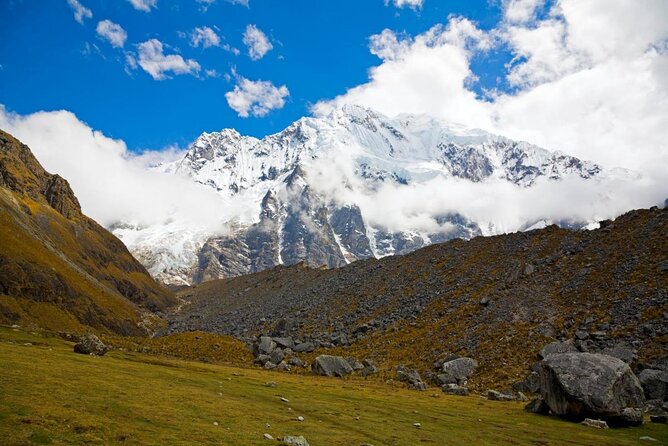
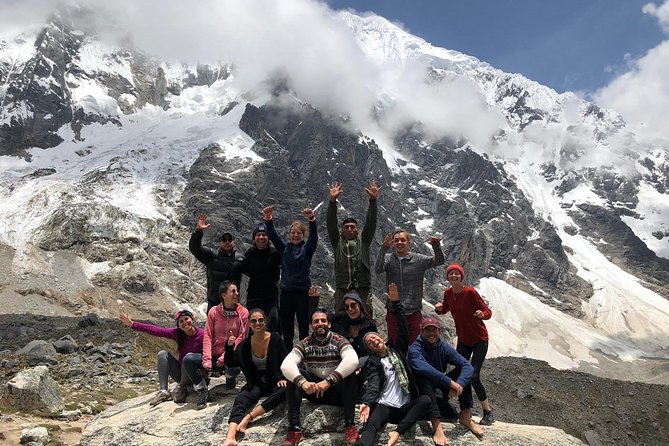
The trek itself begins with a warm-up of sorts: the first three hours are “a little uphill” as you move toward Cruzpata for lunch. That lunch stop is not just food. It’s your first chance to soak in the big snow-capped names on the horizon, including Humantay (4120m) and Salkantay (6271m).
If you want the day to feel smoother, you should treat the first hours like a gear shift. You are not racing. You’re building rhythm so the higher altitude later doesn’t punish you.
Stop 1: Cruzpata views and the cold, high Soraypampa campsite
After lunch at Cruzpata, you continue toward Soraypampa, your first campsite at 3800 m. This is described as the highest and coldest campsite of the trip. That means night comfort matters, and it’s also why the packing list you get is so important.
The key tradeoff on Day 1 is that it’s early and uphill, but it’s also your entry point. You’re learning the pace with a clear payoff: panoramic mountain views at lunch, then a campsite high enough to feel the chill quickly.
Practical tip: if you’re the type who gets cold easily, don’t under-pack on warmth. Your sleeping bag is rated to -11 C / 12 F, which tells you the cold is real, not a marketing line.
Stop 2: The long day over 4,650m, then down through cloud forest
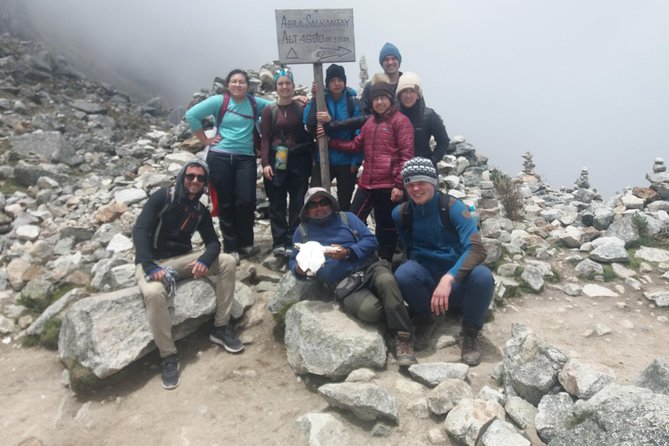
Day 2 is the longest day. You start trekking after breakfast around 5:30 a.m. and the first four hours are uphill to the highest point on the route, 4650 m. This is the point where the views get intense, sitting roughly between Salkantay to the right and Tucarhuay to the left.
There is also a specific weather consideration: snow is possible at the pass. That doesn’t mean it will snow, but it’s a reminder that you should assume cold conditions at the top and dress for it.
Once you rest, you head downhill. Then comes the good stuff for people who love variety: you hike through a dramatic cloud forest toward Huayracpunku for lunch. After lunch, you keep walking in the direction of the jungle start until you reach Chaullay Campsite.
This day is where you feel why the tour earns such strong ratings. When guides are solid, this day becomes manageable. When they are not, it can turn stressful fast. The route is demanding, so having a guide who controls pacing matters.
More Salkantay treks:
- 4-Day Salkantay Trek with Sky Camp Stay
★ 5.0 · 3,346 reviews - Salkantay Trek 5D/4N with Glass Cabins, Domes and Hobbit House
★ 5.0 · 2,488 reviews - 5-Day Premium Salkantay Trek
★ 5.0 · 788 reviews - Ultimate Salkantay Trek to Machu Picchu 5 Days
★ 5.0 · 588 reviews
Stop 3: Upper jungle, Lluskamayo River, and the La Playa shift
On Day 3, your pace changes again. You leave at about 6:30 a.m., walking through upper jungle and crossing the Lluskamayo River, plus smaller brooks along the way. The day’s walking time is listed around 6 hours to La Playa, and it’s a nice change from the high, open-feeling pass day.
You’ll get lunch once you arrive at La Playa, then you rest and camp at La Loreta in La Playa. For me, this is a “reset day” in the best sense. The air feels different, the scenery shifts, and your body starts to understand that the toughest altitude work is behind you, even if you still have more walking ahead.
If you’re thinking about comfort, this is the day to treat your hydration seriously. Water sources and timing matter on trekking routes, and you’ll also have a plan for bottled water sold at parts of the trek, with your guide advising.
Stop 4: Llactapata on the Inca Trail, hydroelectric roads, and Aguas Calientes
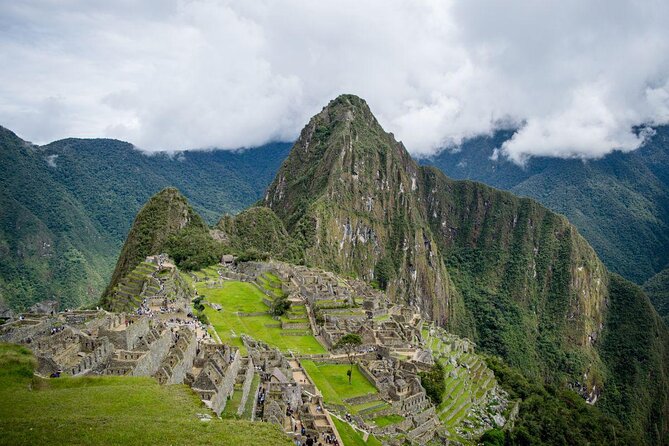
Day 4 is the bridge between the trek and the Machu Picchu finale. You start after breakfast at 8:00 a.m., then walk up on an original Inca Trail to Llactapata, where you get a chance to see Machu Picchu far away. This is one of those moments that changes the whole trip mood. You stop thinking about the next step and start thinking about the destination.
After Llactapata, you continue through crop plantations and pass examples like coca and banana. Then you hike to the hydroelectric station. After lunch, there’s a “two and a half hours” stretch along the train road to Aguas Calientes, where you sleep in a hostel for the night.
Aguas Calientes is your decompression point. The hot springs are a real option, and the entry price is listed at 10 soles. This is not luxury, but it can be a lifesaver for sore legs.
Stop 5: Sunrise options for Machu Picchu, guided walk, and Huaynapicchu if you want it
Day 5 starts very early again. You wake around 4:00 a.m., eat breakfast around 4:30 a.m., then either hike up to Machu Picchu (listed as about 1.5 hours) or take the first bus, which leaves at 5:30 a.m. and takes about 25 minutes.
The sunrise bus option is practical because it saves your legs for the walking inside the site. The early hike option is great if you like moving in the dark, watching the light arrive, and getting your senses tuned to the moment.
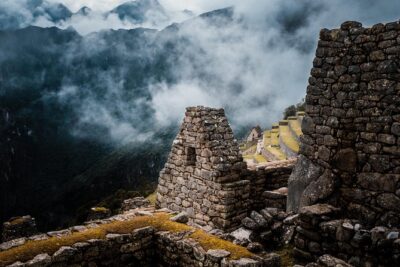
Once you reach Machu Picchu, you’ll get a walking tour of about 2 hours with your guide, then you can explore on your own. If you still have energy, there’s an optional climb to Huaynapicchu, listed as 45 minutes to reach the top.
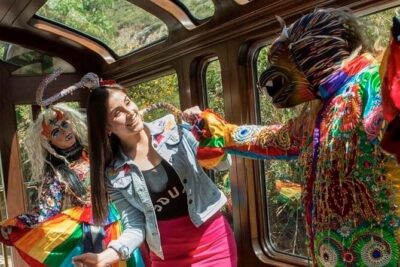
After Machu Picchu, you return down to Aguas Calientes, then take the expedition train back to Ollantaytambo, followed by a bus back to Cusco. This structure is worth appreciating: the hardest part of your day is the altitude hike and the stairs, not the transportation puzzle.
Sky Lodge Dome glamping: comfort that actually helps you hike
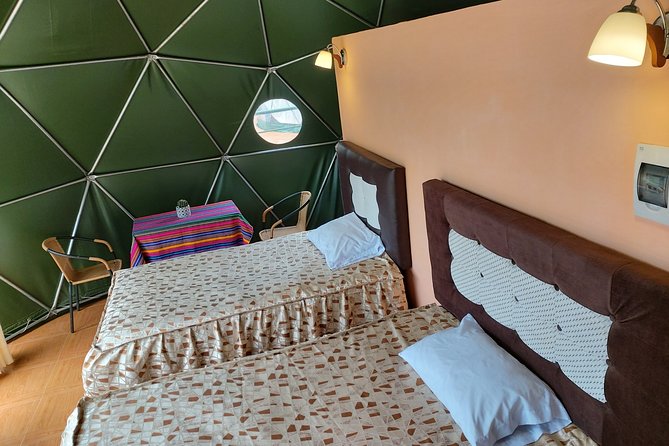
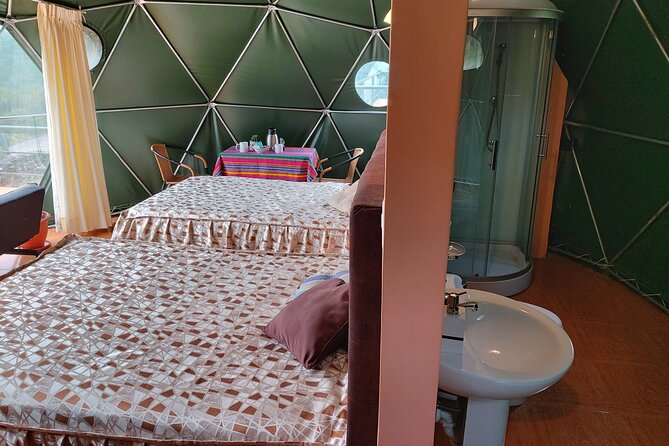
The big selling point here is that your trek doesn’t end with “sleep on the ground and survive.” Your camping nights are at the Sky Lodge Dome setup, with multiple nights in dome-style accommodation plus an additional night in Aguas Calientes.
In the experience feedback I saw, the domes are described as friendly and helpful, and they also offer hot water. That sounds small until you’ve spent days in cold air, climbing higher, and sweating in the middle altitude. Hot water can take the edge off a lot of the discomfort.
From a practical perspective, your gear plan also helps. You get a duffel bag for personal belongings, and porters or horsemen handle camping gear plus personal items up to 7 kg. That means you can keep your day pack focused on essentials like layers, water, and snacks.
Food, guide care, and why people rate this so high
You get 4 breakfasts, 4 lunches, and 4 dinners included. The itinerary also flags that breakfast on Day 1 and lunch on Day 5 are not included, so you should expect those as your only gaps. Vegetarian options are included with no extra cost.
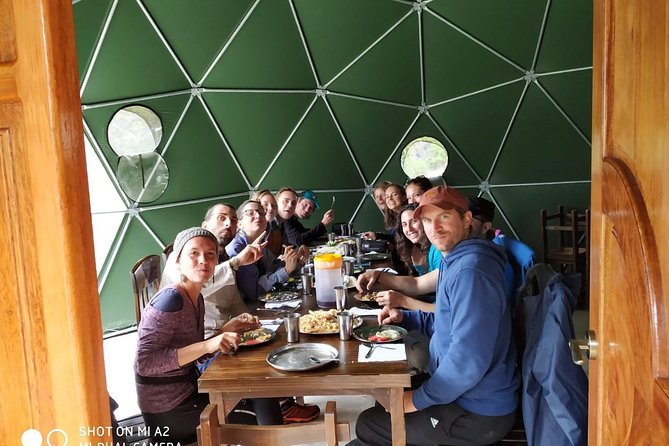
The food quality shows up in the feedback as both delicious and abundant. That matters on a trek like this, where a small calorie shortfall can feel like a big performance hit. It’s also easier to keep walking when meals are consistent and your guide team handles cooking logistics.
Guide impact is another standout. Names that came through in the feedback include José, Asencio, and a Jose Luis guide example, plus guides like Sam showing flexibility when weather shifted. Some groups also mention Julián the cook. The theme is the same: guides that manage pacing, encourage the whole group, and adjust plans when conditions demand it.
And then there’s safety basics that you often only appreciate after you’ve seen them work. You’ll get a first-aid kit including an emergency oxygen bottle. That is not a guarantee you’ll need it, but it reduces the stress feeling that safety is missing.
Price and logistics: what you pay for, what you still pay for
The price is $761.91 per person for about five days. The key value point is what’s bundled.
Included items:
- Hotel pick up and major transport legs
- Tourist bus to the trailhead area
- Sky Lodge Dome nights and camping setup support
- Meals: 4 breakfasts, 4 lunches, 4 dinners
- Professional guide and professional cook
- Horses or porters for food, camping, cooking equipment, and your personal items up to 7 kg
- Machu Picchu entrance fee
- Expedition train back from Aguas Calientes to Ollantaytambo
- Tourist bus from Ollantaytambo to Cusco
Not included:
- Salkantay trek entrance fee: PEN 20 per person
- Breakfast on Day 1 and lunch on Day 5
- Sights like hot springs entry (listed as 10 soles for Aguas Calientes)
When you look at it this way, you’re not just buying a hike. You’re buying transport, camp staff, guided days, and the train plus Machu Picchu entry. That can easily wipe out a big chunk of the cost you’d face if you pieced it together on your own.
Who should book this Salkantay dome trek
This suits you best if:
- You have moderate fitness and you’re comfortable walking long days
- You want the challenge of Salkantay, but you still want real comfort at night
- You prefer guided logistics over DIY planning for Machu Picchu entry and train times
- You want a max 20 group to keep it from feeling chaotic
You should think twice if:
- You know you struggle with high altitude treks or long climbs and long downhill days
- You hate early starts. This trek hits the ground running every morning.
Should you book this Salkantay Trek 5 days to Machu Picchu with Sky Lodge Dome?
I think you should book it if your priorities are: guided support, dome-style comfort, and a straightforward ending at Machu Picchu with included entrance and train. The mix of professional team care, hot-water dome nights, and the full transportation wraparound makes it feel like the trek and the finale are both handled.
You might skip it if you want a gentler route or you’re trying to minimize early mornings. Also factor in the extra charges that aren’t included: the PEN 20 trek entrance fee and a few meals you’ll need to cover yourself.
FAQ
What time do I need to be ready on the first day?
Hotel pick up is about 4:30 a.m., and the meeting point lists a start time of 5:00 a.m. at Plaza San Francisco in Cusco.
How long is the trek?
The duration is listed as 5 days, approximately.
What is included in the price?
The tour includes pick up, key transport to the trailhead, Sky Lodge Dome nights, 4 breakfasts, 4 lunches, 4 dinners, a professional guide and cook, porters or horses for carrying up to 7 kg, the Machu Picchu entrance fee, and the train back from Aguas Calientes to Ollantaytambo plus bus transport to Cusco.
What is not included that I should budget for?
Not included are the Salkantay trek entrance fee (PEN 20 per person), breakfast on day 1, and lunch on day 5. Hot springs at Aguas Calientes are an extra cost, listed as 10 soles.
Is vegetarian food available?
Yes. Vegetarian options are included with no extra cost.
How much will I personally carry?
You can have porters or horses carry food and camping equipment, plus personal belongings up to 7 kg, with the rest in a duffel bag.
Do I need special trekking equipment?
No special equipment is required beyond regular good-quality trek gear. You should bring items like a sleeping bag rated to -11 C / 12 F, rain protection, warm layers, gloves, and trekking poles.
How do I get to Machu Picchu on the final day?
You can either hike up, which takes about 1.5 hours, or take the first bus at 5:30 a.m., which takes about 25 minutes.
What if my plans change after booking?
This experience is non-refundable and cannot be changed for any reason.
More Ways to Reach Machu Picchu
- Short Inca Trail to Machu Picchu 2D/1N
★ 5.0 · 3,007 reviews - 2-Day Inca Trail to Machu Picchu with Panoramic Train
★ 5.0 · 1,876 reviews - From Cusco: Full-Day Group Tour of Machu Picchu
★ 4.7 · 1,767 reviews - Machu Picchu Day Trip from Cusco
★ 4.5 · 1,644 reviews
Recently reviewed around Cusco
- Cusco Cooking Class by ChocoMuseo in Cusco★ 5.0 · 29 reviews
- 1-day excursion to Machu Picchu from Cusco★ 5.0 · 29 reviews
- Private Tour Sacred Valley, Chinchero, Maras Moray, Ollantaytambo★ 5.0 · 29 reviews
- ATV Adventure to Moray and Maras Salt Mines – Half Day★ 4.5 · 29 reviews
- From Cusco: Humantay Lake with Breakfast and Buffet Lunch★ 4.5 · 29 reviews
- 4 Day – Inca Jungle to Machu Picchu★ 5.0 · 29 reviews
- 2-Day Machu Picchu Tour by Train from Cusco★ 4.5 · 29 reviews
- 2-Day Sacred Valley and Machu Picchu Tour By Train★ 4.5 · 29 reviews
Machu Picchu, compared.
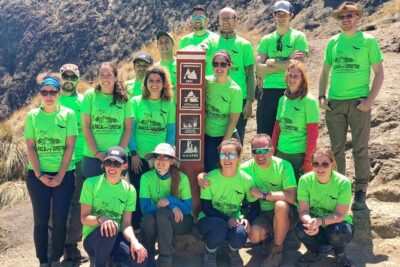
Classic Inca Trail Trek 4D/3N to Machu Picchu (Group Service)
Read our review →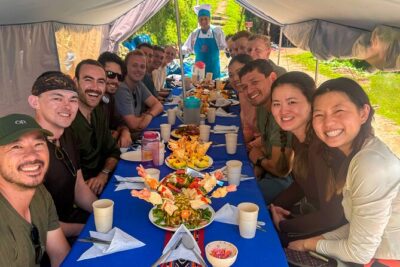
4-Day Inca Trail Trek with Panoramic Train Ride
Read our review →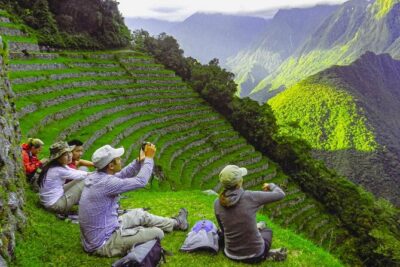
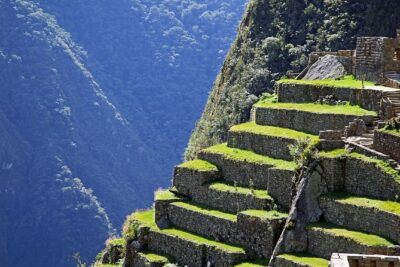
2-Day Inca Trail to Machu Picchu with Panoramic Train
Read our review →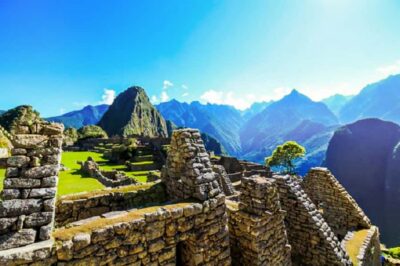
2-Day Tour: Sacred Valley and Machu Picchu by Train
Read our review →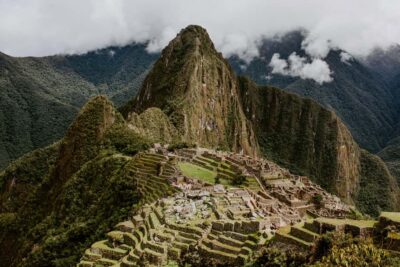
Browse the lists this tour appears in