
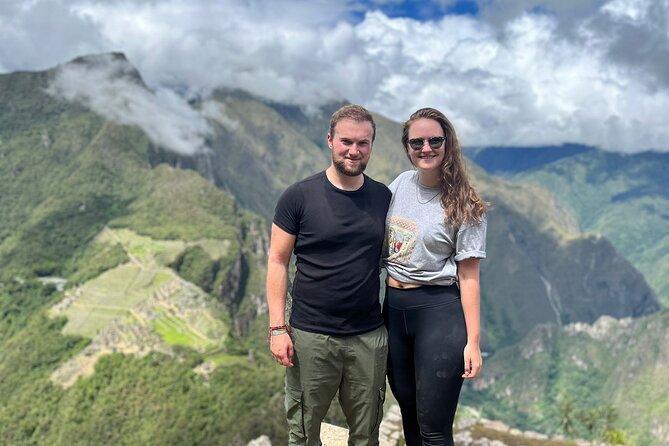
Reviewed · MACHU PICCHU
Multi Day Tour of Salkantay Trek to Machu Picchu in from Lima
This is interesting because you do the Andes the hard way, then cash it in at the end with a guided sunrise arrival at Machu Picchu. I like that the trek is built around big altitude moments like Humantay Lagoon and the Salkantay Pass, not just a long walk for the sake of walking. I also like that you get real structure, with an English/Spanish mountain guide, meals, and the Machu Picchu guided portion handled for you. One consideration: altitude is no joke, and a couple of sights can cost extra on top, like the Humantay Lagoon entry.
You start before dawn in Cusco, take on serious hiking days, then slow down in the warm-water breaks and camp nights. In a few accounts, the trek quality and guiding were excellent, with names like Henry Javier, Edwin, Franco, and Willi showing up as standout guides. Still, I’d be careful about Machu Picchu ticket details. If you have a tight flight schedule, confirm your circuit timing early, in writing, and keep a little buffer.
This tour fits best if you’re the kind of traveler who wants authentic trail time and doesn’t mind being awake early, cold at night, and tired by day four. If you’re expecting a luxury walk, you will be disappointed. If you want a life-tilting hike with a solid finale, you’ll probably be thrilled.
Key highlights at a glance
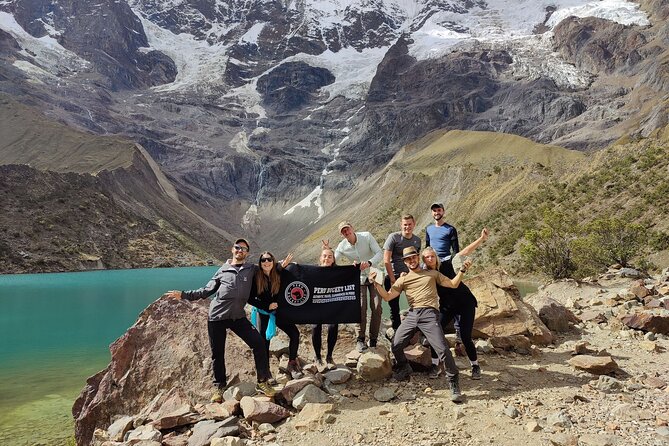
- Salkantay Pass (4,650 m): the day’s “pinch me” moment with big glacier views.
- Humantay Lagoon at 4,200 m: turquoise water and sharp climbs, paid attention to and timed well.
- Cloud forest descent: the trail changes character fast, with greenery, orchids, and bromeliads.
- Llactapata lookout on Day 4: a Machu Picchu view from a distance before you’re actually there.
- Sunrise Machu Picchu with a guided tour: early departure, then a 2-hour history-focused circuit.
- A small-group vibe: listed as up to 16 travelers, with details also mentioning up to 14.
Salkantay to Machu Picchu in 5 days: what you are really signing up for
This is a classic “hit the highlights” version of Salkantay. You are walking multiple long days, with steep altitude gains and drops, then finishing with a sunrise entry and guided route at Machu Picchu Circuit 2. It’s not a gentle trek. The itinerary gives you numbers so you can judge it: Day 1 is a multi-hour climb up to Humantay Lagoon, Day 2 tops out at the Salkantay Pass, and Day 4 includes both the Inca path section and a walk along the train tracks.
What makes it work for most people is the rhythm. Each day has a plan, but you also get meals, camp support, and built-in breaks. You do sleep in shared cabins or tents for two nights, then a shared hotel night in Aguas Calientes. That’s a normal trade for this kind of trek value.
The best part, for me, is that Machu Picchu is not an isolated day trip. You arrive after days of hiking, when the route, the altitude, and the Inca path details start to click. You feel the payoff in your legs and your brain, which is exactly what you want on a once-in-a-lifetime trip.
More Hiking & Trekking in Cusco
- Classic Inca Trail Trek 4D/3N to Machu Picchu (Group Service)
★ 5.0 · 8,653 reviews - Machu Picchu: 4-Day Inca Trail Trek with Panoramic Train Ride
★ 5.0 · 4,568 reviews - Salkantay Classic Trek 5 Days from Cusco
★ 5.0 · 4,062 reviews
Cusco starts at 4:00 am: the pre-trek setup that actually matters
Your day begins early. You’ll get a 4:00 am pickup from your Cusco hotel (or meet at Cusco Plaza de Armas if you’re outside the pickup area). The tour includes private transportation from Cusco to the trek starting point, so you’re not figuring out logistics at dawn.
A few included extras are worth taking seriously. You get coca tea each morning to help you wake up and deal with altitude better. You also get an oxygen tank and first aid kit, plus first-aid equipment overall, which is the kind of thing you don’t notice until you do. And there’s a mountain guide in English and Spanish.
One practical detail: you get a duffle bag allowance of 6 kg included. That’s a clue that you’re not carrying everything yourself. You’ll still want to bring a day pack for layers and water, but the heavy stuff should be managed as part of the trek setup.
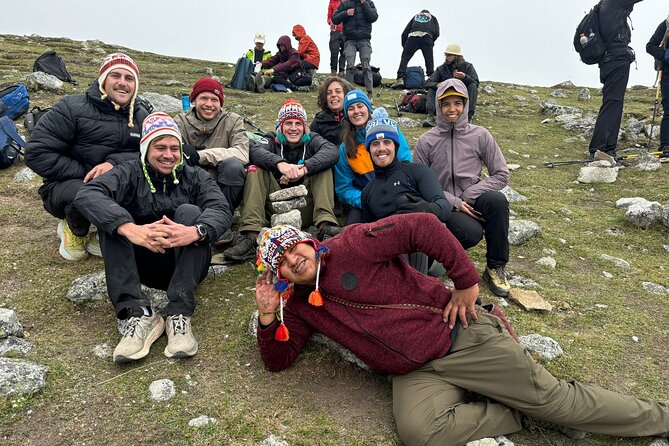
Group size is capped. The info says maximum 16 travelers, and it also lists up to 14 elsewhere. Either way, you’re not in a giant moving crowd, which makes it easier to hike at a reasonable pace.
Day 1 Mollepata to Soraypampa and Humantay Lagoon: first altitude hits
Day 1 starts with a scenic drive out of Cusco, breakfast in Mollepata, then trekking from Challacancha (3,800 m). You hike for about 5 hours toward Soraypampa (3,900 m). The big thing here is that you’re already climbing before your body fully wakes up. You’ll notice waterfalls, rivers, and wide mountain views, but the real focus is adjusting to the altitude.
After lunch, you ascend to Humantay Lagoon (4,200 m). This is a highlight for a reason. The water is described as crystal-clear turquoise with snow-capped peaks reflected around it. The hike up is a challenging ascent, and you’ll feel it. Bring patience, not ego.
That afternoon excursion is where you get your first real “this is why we’re here” moment. You also get a cultural option: the guide can support a traditional offering to Pachamama (Mother Earth). Then you descend back to camp and end the day with tea, dinner, and stargazing.
Important cost note for Day 1: Humantay Lagoon entrance is not included. It’s listed as PEN 20 per person. The tour also says Day 1 breakfast is not included, but breakfast after pickup in Mollepata is part of your start.
Day 2 Salkantay Pass and the cloud forest drop to Colpapampa
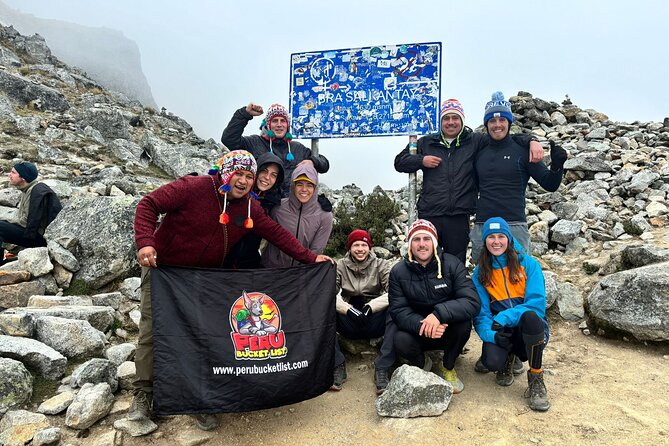
Day 2 is the headline day. You start with breakfast plus coca tea, then tackle a long trek of about 22 km with big elevation changes. The route climbs from roughly 3,900 m up to 4,650 m at the Salkantay Pass, then drops down toward 2,800 m.
At the pass, the tour description includes a traditional Pachamama ceremony. Whether you treat it as spiritual, cultural, or both, it adds meaning to the effort. You also get summit views of towering peaks and glaciers, which is the whole reward logic of Salkantay.
Then comes the hard-to-explain part, in a good way. The descent into the cloud forest feels like you’re switching ecosystems mid-trek. You’ll move from high, thinner air into lush greenery with cascading rivers around you. Your lunch is at Rayanniyoc (3,300 m), then you continue toward Colpapampa (2,800 m).
By the time you reach camp, you’re not just tired. You’re relieved. The itinerary includes tea, dinner, and stargazing again, plus optional hot showers and Wi-Fi for extra cost. That’s one of the reasons I like these structured trek formats: they give you a small “recovery menu” after a punishing altitude day.
More Salkantay treks:
- 4-Day Salkantay Trek with Sky Camp Stay
★ 5.0 · 3,346 reviews - Salkantay Trek 5D/4N with Glass Cabins, Domes and Hobbit House
★ 5.0 · 2,488 reviews - 5-Day Premium Salkantay Trek
★ 5.0 · 788 reviews - Ultimate Salkantay Trek to Machu Picchu 5 Days
★ 5.0 · 588 reviews
Day 3 Cocalmayo hot springs area and the move toward Santa Teresa
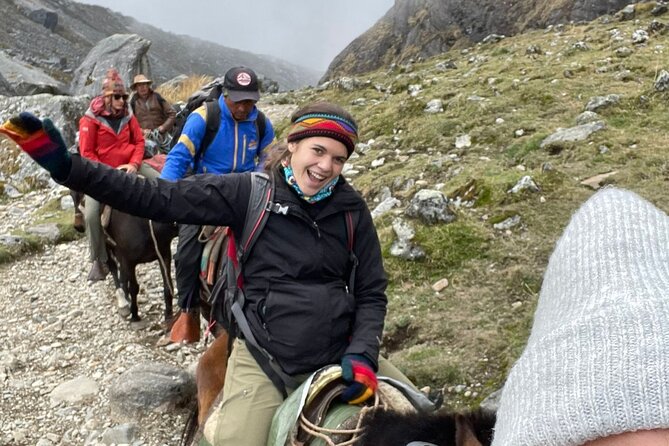
Day 3 shifts gears. You’re walking around 16 km and dropping from about 2,800 m down to 2,000 m. That elevation change matters. It often feels easier than the first two days, even though the day is still long.
The itinerary describes cloud forest scenery, with talk of plants like orchids and bromeliads, plus wildlife sounds like birds and distant animal calls. You’ll also pass small local plantations where people grow coffee, bananas, and avocados. It’s a good day if you enjoy seeing everyday life alongside big scenery.
Lunch is at La Playa (2,000 m), then you have two optional add-ons. One is Cocalmayo Hot Springs (optional, extra cost). The other is a zip-line option for thrill-seekers.
After that, you move to your campsite in Santa Teresa. Dinner comes with tea, and there’s even a small celebration included: a Pisco Sour. That’s not just a free drink. It helps mark the mental shift from “survive the trek” to “we’re finishing strong.”
Day 4 Inca path to Llactapata, Hidroeléctrica lunch, then the rail-track walk to Aguas Calientes
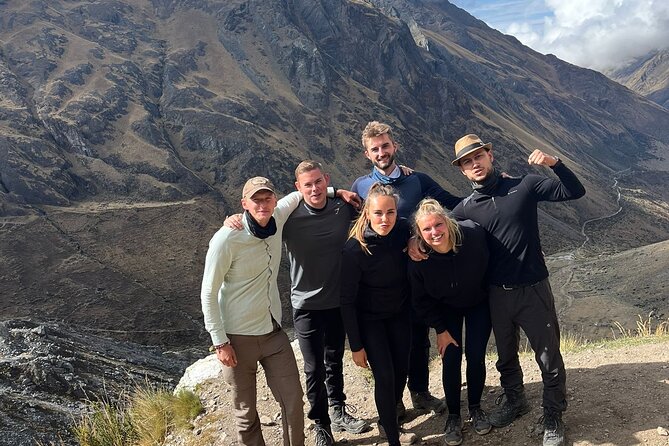
Day 4 is where you start moving from trek mode into destination mode. After breakfast, you hike along an ancient Inca path toward Llactapata (2,800 m). The big payoff is a stunning view of Machu Picchu in the distance. It’s that moment where the finish line stops being a concept and becomes a real place you can point at.
From there, you descend to Hidroeléctrica Station. You pass waterfalls and lush scenery, and you get lunch there. Then the unique part: in the afternoon, you walk about 3 hours along the train tracks to Aguas Calientes (2,040 m).
This rail-track walk is not everyone’s favorite part because it can feel repetitive, but it also has a purpose. It gets you into town in daylight, and it sets up the next morning’s Machu Picchu visit. Once you arrive, you check into your shared hotel, then you can relax, explore, and have dinner. Your guide also prepares you for the Machu Picchu day.
If you hate the idea of long walks on top of trekking, this is the day to mentally pre-game. It’s still part of the journey, and for many people it’s the last “trails and steps” chapter before you step into stone history.
Day 5 sunrise Machu Picchu with a Circuit 2 guided tour
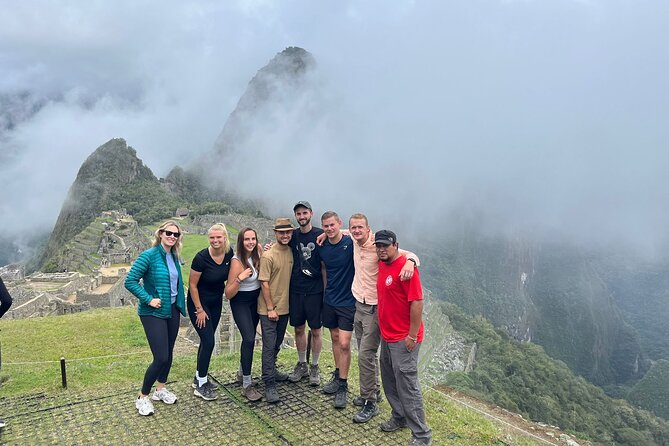
Your final morning starts at 4:30 am for sunrise at Machu Picchu. The tour gives you two options for getting up: you can hike about 1.5 hours to the entrance, or take a bus for an additional USD 12.
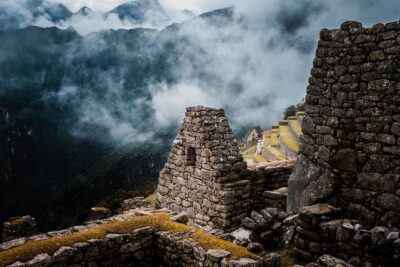
When the citadel emerges from the mist at sunrise, it’s exactly the kind of dramatic reveal that makes early mornings feel worth it. After you enter, you get a guided tour for about 2 hours, focused on Machu Picchu’s sacred temples, terraces, and stone structures.
Then you get free time. This is where you can adjust to your group and your energy. Some people choose to hike further toward the Sun Gate (Inti Punku), and others just slow down and take in the view.
The tour’s Machu Picchu entrance is listed as Circuit 2, “subject to availability at the sales site.” That wording is important. If you care deeply about exact entrance times or specific add-on hikes, check that your booked circuit and timing are confirmed, not just promised.
Price and value: what $290 includes, and where costs quietly add up
At $290 per person, this tour can be good value if you compare what you’re getting. You’re not just buying a “walk.” You’re buying organized transport from Cusco, a mountain guide, meals across multiple days, 2 nights in shared tents or little huts, and 1 hotel night in Aguas Calientes. On top of that, you get entrance and a guided tour at Machu Picchu.
The big “value signal” is the inclusion of Machu Picchu Circuit 2 tickets and the guided history tour. For a lot of people, that’s the hardest part to coordinate. Here it’s listed as included, with the note that availability depends on the sales site.
Still, a few extra costs are common on this route. Based on the provided info:
- Humantay Lagoon entrance: PEN 20 per person (Day 1)
- Hot spring access: optional, with listed extra cost
- Sleeping bag rental: $20 if you need it
- Trekking poles rental: $10 if you need them
- Optional add-ons on Day 3: zip-line at $35
- Optional mountain hikes: Huayna Picchu or Machu Picchu Mountain at $70 each, subject to availability
- Optional transport choices later in the route: train transfer is listed as optional and can range from $70 to $100
If you want to keep your budget controlled, plan for the PEN 20 lagoon entry plus one optional splurge at most. If you budget nothing extra, you might feel annoyed on a day when everyone else is paying in the moment.
Guide quality and group dynamics: names you might hear on the ground
A big reason to choose a trek with a named guide team is safety plus interpretation. Good guiding changes everything. You get help pacing at altitude, and you get real context as you hike.
In accounts tied to this kind of experience, guides such as Henry Javier, Henry, Edwin, Franco, Wellington, and Willi show up as people who helped groups feel looked after and informed. The best parts mentioned include a focus on health and safety at altitude, explanations about plants and animals, and history notes about Quechua and the Inca world.
There is also a caution I think you should respect. Some people report communication and ticket stress when booking is handled through layers of providers. The trek itself can still be excellent, but the Machu Picchu ticket piece can become stressful if it is not handled cleanly early. My advice is simple: after booking, make sure you receive clear written confirmation of your Machu Picchu circuit and visit timing, and keep those messages saved. Then if anything changes, you catch it quickly instead of waiting for the last minute.
Packing and pacing tips so you don’t waste money or energy
The tour includes rentals you might need (sleeping bag and trekking poles), but rentals add cost. If you can travel with your own hiking poles and a warm layer, it usually helps both your comfort and your budget.
For pacing, take the first two days seriously. Day 2, especially the climb to Salkantay Pass, is the kind of effort where slow is fast. If you’re breathing hard early, you’re not failing. You’re just working altitude.
Cash is also useful because a few entries are explicitly not included, like Humantay Lagoon. Also, the Machu Picchu bus option is USD 12, and optional add-ons can be paid on the spot depending on availability.
Finally, bring a practical mindset. This is a tour where you’re up early, hiking long days, and sleeping in shared accommodations. If you treat it like a moving schedule instead of a flexible vacation, it goes smoother.
Who should book this Salkantay trek, and who should skip it
This tour is best for you if:
- you have moderate physical fitness
- you want a guided trek with meals and camp support
- you’re excited by altitude highlights like Humantay Lagoon and Salkantay Pass
- you want Machu Picchu with a guide and a sunrise start
You might want to skip or choose a gentler option if:
- long days at high altitude are a hard no for you
- you cannot handle early mornings and cold nights
- you’re traveling with very tight timing and zero buffer for Machu Picchu logistics, since the circuit timing is tied to availability
This is also a good fit for couples and friends who want shared trail time without being swallowed by a huge group. With a cap around 14 to 16 travelers, you’ll feel the group, but you won’t disappear into the crowd.
Should you book this Salkantay trek tour?
I’d book it if you want one of the more organized ways to do Salkantay to Machu Picchu, with a strong emphasis on the key altitude landmarks and a guided Machu Picchu finale. The price makes sense when you factor in transport, meals, guide support, and Machu Picchu entry and tour time.
I would pause and do extra homework if you are the kind of traveler who needs absolute certainty on exact entry details, because Circuit selection is listed as subject to availability, and some travelers have reported stress when tickets were not secured smoothly behind the scenes. If that applies to you, ask for confirmation in writing as soon as you reserve, and protect your schedule with a little breathing room.
If you go in knowing it’s a serious trek with early starts, you will likely come away with the kind of story you keep telling, because the mountain days and the sunrise at Machu Picchu don’t feel like a typical checklist stop.
FAQ
What time is the pickup in Cusco?
Your pickup is listed for 4:00 am. If you are not in the pickup area, you meet at Cusco Plaza de Armas, and the pickup time is shared the day before by 8 pm.
How long is the tour?
It’s listed as 5 days (approx.) for the Multi Day Tour of Salkantay Trek to Machu Picchu in from Lima, with the itinerary laid out across five days.
What Machu Picchu ticket type is included?
The tour includes Entrance ticket to Machu Picchu Circuit 2, subject to availability at the sales site, plus a guided tour.
Is Humantay Lagoon entrance included?
No. Humantay Lake entrance is not included and is listed as PEN 20 per person.
Are hot springs included?
Hot springs are optional. Cocalmayo Hot Springs is not included and would be an extra cost.
Do I need a sleeping bag and trekking poles?
A sleeping bag rental costs $20 per person (not included). Trekking poles rental costs $10 per person (not included).
Is the bus to Machu Picchu included on the final day?
You can hike up or take a bus. The bus is listed as optional with an extra cost of USD 12.
What accommodations are included during the trek?
You get 2 nights in little huts, tents (shared) and 1 night hotel in Aguas Calientes (shared).
Is this tour refundable if weather is bad?
Yes. The tour states it requires good weather, and if it’s canceled due to poor weather, you’ll be offered a different date or a full refund. It also lists free cancellation up to 24 hours in advance for a full refund.
More Ways to Reach Machu Picchu
- Short Inca Trail to Machu Picchu 2D/1N
★ 5.0 · 3,007 reviews - 2-Day Inca Trail to Machu Picchu with Panoramic Train
★ 5.0 · 1,876 reviews - From Cusco: Full-Day Group Tour of Machu Picchu
★ 4.7 · 1,767 reviews - Machu Picchu Day Trip from Cusco
★ 4.5 · 1,644 reviews
Recently reviewed around Cusco
- 6-Day ||All Included|| Excursion – MachuPichu & Rainbow Mountain-Humantay Lake★ 4.5 · 8 reviews
- Horseback Riding thru the Mountains of Cusco★ 5.0 · 8 reviews
- Cuzco City Tour and Archaeological Ruins in Half Day★ 5.0 · 8 reviews
- Full Day – Rainbow Mountain tour – Group Service★ 5.0 · 8 reviews
- Half Day Tour in Cusco: Exploring the City and Four Ruins★ 4.5 · 8 reviews
- Machu Picchu and Sacred Valley 2 Day Tour★ 5.0 · 8 reviews
- Cusco 4 Days Machu Picchu and Sacred Valley | All included★ 5.0 · 8 reviews
- Walking Tour in Legendary & Historical Cusco City★ 4.5 · 8 reviews
Machu Picchu, compared.
Classic Inca Trail Trek 4D/3N to Machu Picchu (Group Service)
Read our review →
4-Day Inca Trail Trek with Panoramic Train Ride
Read our review →
2-Day Inca Trail to Machu Picchu with Panoramic Train
Read our review →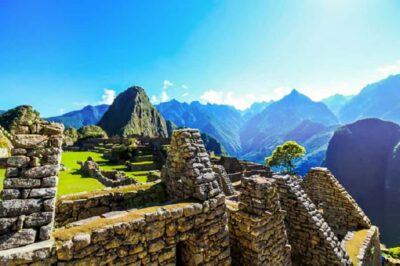

2-Day Tour: Sacred Valley and Machu Picchu by Train
Read our review →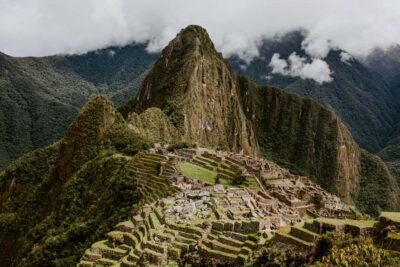
Browse the lists this tour appears in