
Reviewed · MACHU PICCHU
Machu Picchu: 4-Day Inca Trail Trek with Panoramic Train Ride
Machu Picchu is the headline, but what makes this trip special is the Inca Trail build-up, not just the final ruins. I like that you get a guided, slightly strenuous hike with real cultural stops along the way, then a comfortable return by Vistadome train through the Sacred Valley.
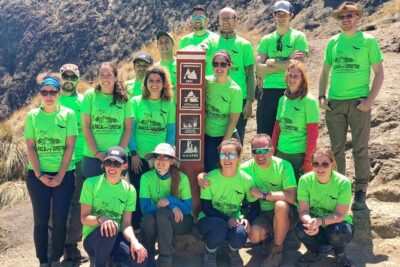
Two things I especially like: the small-group feel (max 16) and the fact that the operation runs with chefs and porters doing the heavy lifting, so you can focus on walking, breathing, and soaking up the views. One drawback to consider is the altitude and early starts. You are climbing to high passes, and the schedule begins fast, with pickup at 4:30 a.m.
Key things I’d plan around on this Machu Picchu Inca Trail trek
- 4:30 a.m. start means you see Machu Picchu in early light, not later in the day rush
- Dead Woman’s Pass and other high points are the real test of the trek
- Inca sites at the edges of the route (like Willkaraqay, Intipata, Sayacmarca) add context beyond the main attraction
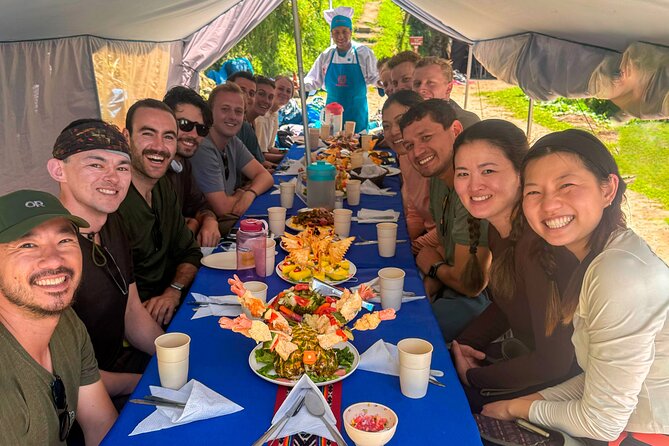
- Meals + hot drinks during trekking days help you keep pace on tough climbs
- Vistadome panoramic train is a scenic, relaxing reward ride back toward Cusco
- Comfortable camping setup plus a porter team carrying up to 7 kilos helps you travel lighter
Why the 4:30 a.m. pickup matters for your Machu Picchu moment
This tour starts the way the Inca world tends to start, early. You get picked up from your Cusco hotel at 4:30 a.m. and drive toward the trek start point at Km 82. If you are staying in the Sacred Valley, the pickup timing shifts later (around 6:00 a.m.), but you still keep that morning momentum.
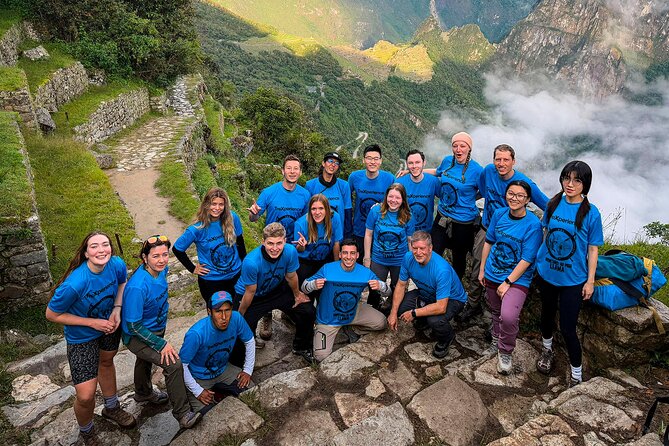
Why do this early? Because the next part needs it. Gates for the final entrance open at 5:30 a.m. on Day 4, and you hike to Intipunku, also called the Sun Gate. That timing is what gives you the first view of Machu Picchu bathed in early light, instead of a hurried arrival. I also like that it turns the hike into a countdown, not a vague plan. You know exactly when the payoff arrives.
More Hiking & Trekking in Cusco
- Classic Inca Trail Trek 4D/3N to Machu Picchu (Group Service)
★ 5.0 · 8,653 reviews - Salkantay Classic Trek 5 Days from Cusco
★ 5.0 · 4,062 reviews - 4-Day Salkantay Trek with Sky Camp Stay
★ 5.0 · 3,346 reviews
Price check: what you get for about $756.50 per person
At $756.50, you are not just paying for a ticket to Machu Picchu. You are paying for logistics that are hard to DIY: trail organization, the guide team, the chef and porter setup, camping gear (but not everything), entrance fees, food, and the train segment back.
Here’s what the package includes, in practical terms:
- Pickup from your hotel on tour morning
- All transportation during the trek, including getting you between Cusco-area locations and the trail start
- Duffle bag up to 7 kilos carried by porters (you still hike, but you travel lighter)
- Professional guides, chef, and porters
- 3 nights camping with comfortable equipment
- Entrance tickets for both the Inca Trail and Machu Picchu
- Bus down to Aguas Calientes from Machu Picchu
- Panoramic train return (Vistadome or 360°)
- Meals: breakfast (4), lunch (3), dinner (3)
What is not included is also important for budgeting:
- Sleeping bag and air mats are not included (and you will likely want them). You can rent them through the operator.
- Trekking poles are also not included, but you can rent them.
- Huayna Picchu tickets are not included.
- Travel insurance is not included.
So is it good value? For me, it is best value if you want the full guided experience with minimal planning stress. If you already have hiking logistics figured out, a cheaper DIY approach can exist. But for most people, this price buys time, support, and safety.
Day 1 from Cusco to Km 82: breakfast in Ollantaytambo and Ayapata camp
Day 1 is about transition and acclimation through motion. You leave Cusco early, then the drive takes about 2.5 hours to reach Km 82 around 8:00 a.m. You meet the team of chefs and porters there, and they set the tone for how the next few days will feel: organized, steady, and practical.
A stop in Ollantaytambo is built in for a hearty breakfast. It is a good move. You start the trek with energy instead of guessing how your stomach will do at altitude.
Then you move toward the first hiking segment, with a trailhead briefing and passport check. You hike for around 3 hours toward the Patallacta area, with village scenery and Andes views. You also get an Inca stop at Willkaraqay, plus a viewpoint for Llactapata ruins. This is one of those moments where the route feels bigger than just a footpath. You start to understand how the Incas designed movement through the Andes.
Later, you reach Hatunchaca, where your chefs prepare lunch. After lunch, you hike another 2 hours toward Ayapata. By about 5:00 p.m., you arrive at camp. The vibe here matters. You get hot drinks and snacks, then tea time with popcorn, coffee, and cookies before dinner. It is not just about comfort. That routine helps you recover so you can face Day 2.
Day 2 Dead Woman’s Pass and the high-pass grind you train for
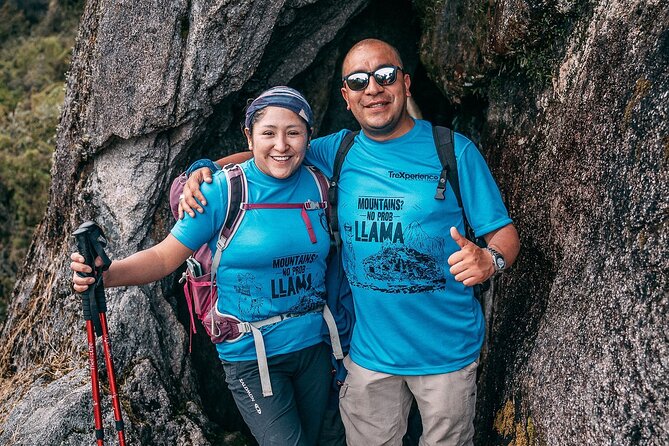
Day 2 is the hardest day, and the schedule is built around that reality. You start at camp with hot coffee or coca tea delivered to your tent, then hike for about 4 hours up to Dead Woman’s Pass.
Dead Woman’s Pass is the highest point on the route, at about 4,215 m (13,829 ft). This is where your body pays attention. The views are the reward, but your breathing becomes the real project. You pause here to take in the scenery, then your guide performs a traditional ceremony honoring the mountain spirits, the Apus. It adds meaning to the climb, and it also slows the group down for a moment, which can help people who feel winded.
After the pass, you descend into the Pacaymayo Alto Valley for lunch at the Pacaymayo campsite. In the afternoon, you head toward the second pass, Runkurakay. You climb for about 2 hours, then spend time descending while exploring the Runkurakay ruins and learning their significance.
From there, you continue to Sayacmarca, a well-preserved ruin site with great views. After exploring, you reach Chaquicocha for the night. The timing here is a payoff too. The plan includes a sunset over the Vilcabamba mountain range and star watching after dinner. That is one of the best ways to end a tough day, because it turns effort into awe.
More train journeys to Machu Picchu:
- 2-Day Inca Trail to Machu Picchu with Panoramic Train
★ 5.0 · 1,876 reviews - Machu Picchu Full Day from Cusco by Panoramic Train
★ 5.0 · 857 reviews - Lares Trek to Machu Picchu 4 days with Panoramic Train
★ 5.0 · 298 reviews - Cusco: Machu Picchu 2-Day Inca Trail with Panoramic Train
★ 4.9 · 260 reviews
Day 3 cloud forests to Wiñay Wayna: the trail gets lighter, the sites get better
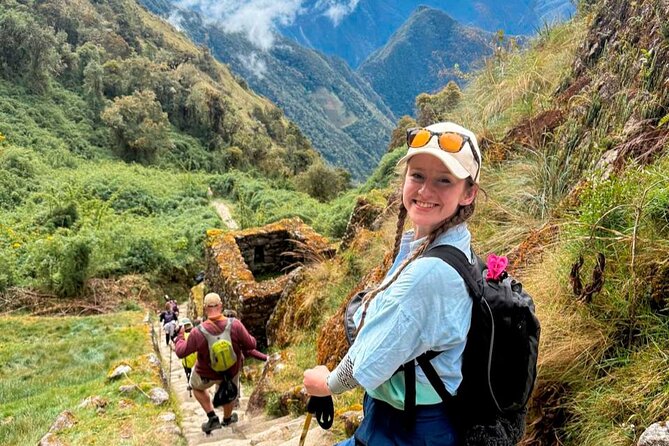
Day 3 is shorter on paper, and it feels that way on your legs. You hike for about 5 hours, and the experience shifts toward scenery changes and Inca sites.
Your route passes through cloud forests and open areas with views of Salkantay Mountain. One highlight is reaching Phuyupatamarca, known as the City in the Clouds. From here you get broad views of the Urubamba River and the Machu Picchu Mountain in the distance. That sight is a psychological reset. After two days of passes and effort, seeing Machu Picchu loom ahead makes the finish feel real.
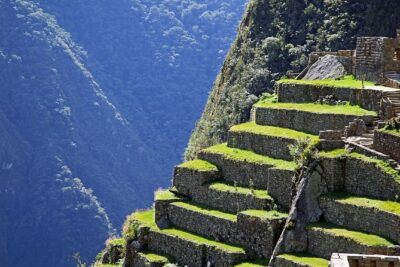
Next you visit Intipata, famous for its expansive agricultural terraces. Terraces are not just pretty. They show how the Incas farmed steep ground, captured water, and worked with microclimates. This is the kind of stop where a guide can make the details click.
By early afternoon, you arrive at Wiñay Wayna Camp. You get lunch, then free time to relax or explore camp. Later, you visit the Wiñay Wayna Inca site, with your guide bringing it to life through stories and insights. Then you return to camp for dinner and a farewell surprise. On some departures, people mention extra sweetness on the last day, so if you have a sweet tooth, keep it ready.
Day 4 Sun Gate first light, Machu Picchu with a guide, then the Vistadome return
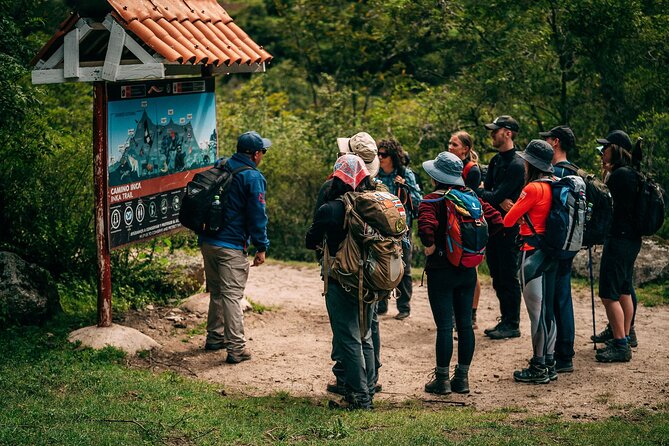
Day 4 begins with another early wake-up, then breakfast. You head to the checkpoint and wait for the gates to open at 5:30 a.m. Once they open, the final hike begins.
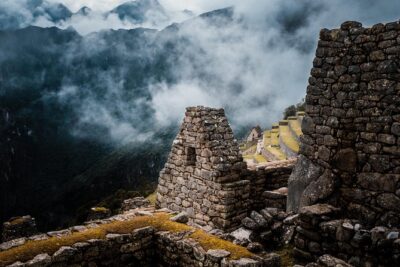
You walk to Intipunku (Sun Gate), and you get your first real view of Machu Picchu. This is not a quick glance either. It is meant to be savored. After that, you continue downhill to Machu Picchu itself, with about 3 hours to explore the ruins with your guide.
This guide time is the difference between seeing stones and understanding a civilization. You learn about Inca architecture and culture, plus the mysteries that surround the site. Even if you think you know Machu Picchu already, you will usually pick up new angles once someone shows you how the buildings relate to the terrain and the bigger story of the Andes.
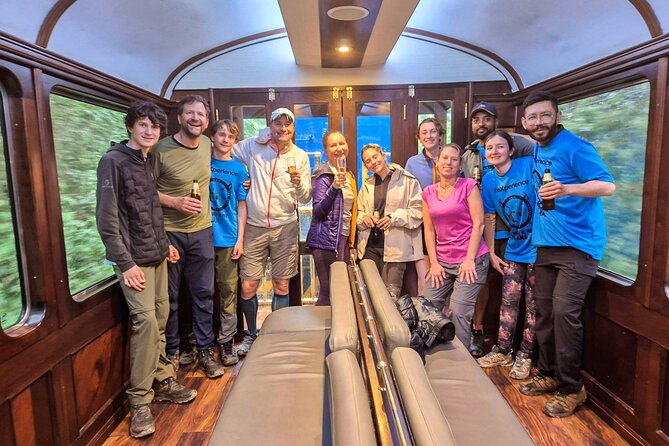
After your ruins time, you descend to Aguas Calientes for lunch and relaxation. Then you board the PeruRail Vistadome in the afternoon for the scenic return through the Sacred Valley. The Vistadome is designed for views, with large windows, so you can look back across valleys instead of staring at a wall.
You arrive in Ollantaytambo, then private transport brings you back to Cusco, generally around 7:00 p.m. That arrival timing matters too. It gives you a real end point so you can sleep like a normal human again.
Guide and crew reality: why this trip feels organized in the mountains
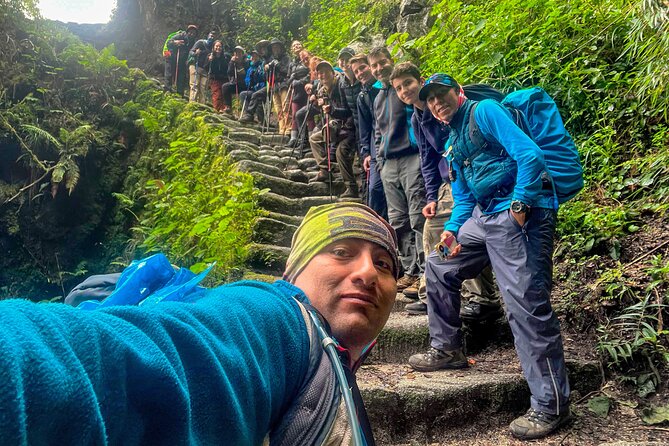
This is a serious trek, and the people running it are a big part of why it works smoothly.
The operation includes professional guides, plus a chef and porters, and the small group size helps. You are not stuck with a rotating crowd and a guide shouting directions. The plan is built for you to get support at the points that matter, like the high passes, the transitions between segments, and the camp rhythm at night.
Food and camp setup are also handled by the team, which changes your mindset. When meals show up reliably, you stop rationing your energy mentally. And when porters manage a shared load, you can hike with less strain. The tour includes a duffle bag up to 7 kilos carried for you, which is a practical sweet spot for many hikers.
From the experiences people describe, the common theme is safety plus morale. Guides are seen as caring, upbeat, and willing to help slower walkers keep moving without pressure. That matters because the Inca Trail has a way of separating confidence from reality. It is okay to go slower. A good guide helps you do it while still making the schedule.
Altitude, pacing, and what to pack so the trek stays enjoyable
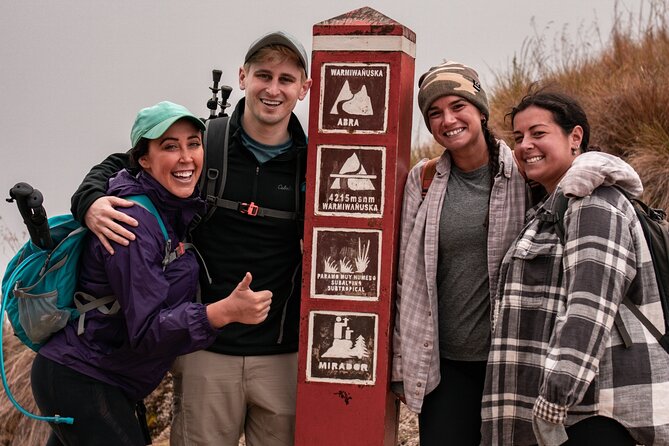
This trip is for people with strong physical fitness. The trek spans about 26 miles (42 km) with elevations reaching around 13,800 ft (4,200 m). Even if you are a strong hiker, you should expect the thin air to slow you down, especially on the climbs to passes.
A few practical preparation tips that match what this schedule asks for:
- Plan for early starts. Day 4 gate time is 5:30 a.m., and the whole rhythm runs on morning momentum.
- Keep expectations realistic for Day 2. Dead Woman’s Pass is the big effort.
- Bring the right footwear. Good hiking boots are not optional for comfort.
- Don’t ignore the overnight gear gap. The sleeping bag and air mat are not included, but you can rent them, so get that set ahead of time.
- Consider renting trekking poles if your knees tend to complain on descents.
Also, you will need your passport details when booking, because there is a passport check at the trailhead. If you like to travel light, remember you can use the 7-kilo porter duffle option, but you still need to carry your day basics yourself.
Who should choose this Inca Trail package, and who should skip it
This tour fits best if:
- You want a guided Inca Trail with a support team handling camps and meals
- You like the idea of a small group max 16
- You want Machu Picchu arranged so you reach the ruins after a proper early-morning hike
- You value the scenic return by Vistadome train through the Sacred Valley
You might skip or reconsider if:
- You are not comfortable with high-altitude hiking and long days (even though Day 3 is shorter)
- You want a totally flexible schedule. This route follows set timings like the 5:30 a.m. gates
- You specifically want Huayna Picchu too, since those tickets are not included
If you are traveling with family, the age factor matters less than the fitness factor. The route is described as slightly strenuous overall, with real intensity on Day 2.
FAQ
What time is pickup for this tour?
Pickup starts at 4:30 a.m. from your Cusco hotel on tour day.
Where does the trek begin?
The trek begins at Km 82, after a drive from Cusco.
How long is the trek and how strenuous is it?
The experience runs for about 4 days and covers around 26 miles (42 km). It is described as slightly strenuous, with the highest point reaching about 13,800 ft (4,200 m).
Are Machu Picchu and Inca Trail entrance tickets included?
Yes. Entrance ticket(s) to the Inca Trail and Machu Picchu are included in the package.
What train ride is included on the return?
You get a panoramic train ride back through the Sacred Valley, Vistadome or 360°.
Is camping included?
Yes. You get 3 nights camping with comfortable equipment, but sleeping bag and air mats are not included.
Are meals included?
Yes. Meals are included: breakfast (4), lunch (3), and dinner (3).
Do they offer vegetarian or vegan meals?
Yes. Vegetarian and vegan options are available if you advise at booking.
What is not included, and can I rent it?
Sleeping bag, air mats, and trekking poles are not included, but you can rent trekking poles and other items through the operator.
Is the tour refundable if it is canceled?
The experience is non-refundable and cannot be changed. If it is canceled due to poor weather, you will be offered a different date or a full refund.
Should you book this Machu Picchu 4-day Inca Trail trek?
If you want the classic Machu Picchu story with real support behind you, I think this is a strong choice. The big wins are the early-morning Sun Gate approach, the guided Inca sites along the way, and the fact that chefs and porters handle the parts that usually ruin your planning.
I’d book it if you are ready for early starts and you can handle a high-pass day. I’d hesitate if you are uncertain about altitude or you expect a leisurely pace. For the right fit, it is the kind of trip that turns a famous destination into a lived route, one camp, one pass, and one guided set of ruins at a time.
More Ways to Reach Machu Picchu
- From Cusco: Full-Day Group Tour of Machu Picchu
★ 4.7 · 1,767 reviews - Machu Picchu Day Trip from Cusco
★ 4.5 · 1,644 reviews - 2-Day Tour: Sacred Valley and Machu Picchu by Train
★ 5.0 · 1,127 reviews - Machu Picchu: Full-Day Tour from Cusco with Optional Lunch
★ 4.6 · 927 reviews
More Inca Trail Departures
- Short Inca Trail to Machu Picchu 2D/1N
★ 5.0 · 3,007 reviews - Inca Trail 4-Day 3-Night Trek to Machu Picchu with Expert Guides
★ 5.0 · 733 reviews - Cusco: 4-Day Inca Trail to Machu Picchu with Accommodation
★ 4.8 · 432 reviews - 4-Day Trek to Machu Picchu Through the Inca Trail
★ 5.0 · 373 reviews
Recently reviewed around Cusco
- Cusco Cooking Class by ChocoMuseo in Cusco★ 5.0 · 29 reviews
- ATV Adventure to Moray and Maras Salt Mines – Half Day★ 4.5 · 29 reviews
- 1-day excursion to Machu Picchu from Cusco★ 5.0 · 29 reviews
- Private Tour Sacred Valley, Chinchero, Maras Moray, Ollantaytambo★ 5.0 · 29 reviews
- From Cusco: Humantay Lake with Breakfast and Buffet Lunch★ 4.5 · 29 reviews
- 4 Day – Inca Jungle to Machu Picchu★ 5.0 · 29 reviews
- 2-Day Machu Picchu Tour by Train from Cusco★ 4.5 · 29 reviews
- 2-Day Sacred Valley and Machu Picchu Tour By Train★ 4.5 · 29 reviews
Machu Picchu, compared.
Classic Inca Trail Trek 4D/3N to Machu Picchu (Group Service)
Read our review →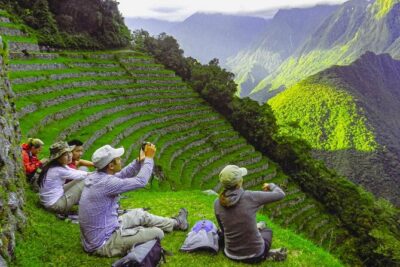
2-Day Inca Trail to Machu Picchu with Panoramic Train
Read our review →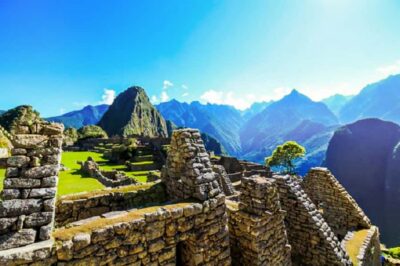

2-Day Tour: Sacred Valley and Machu Picchu by Train
Read our review →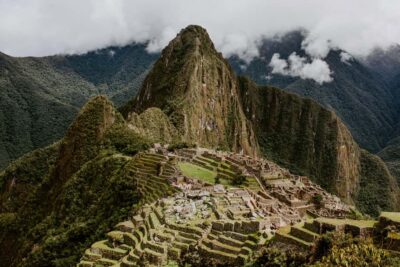
Machu Picchu Full Day from Cusco by Panoramic Train
Read our review →Browse the lists this tour appears in