Reviewed · MACHU PICCHU
Inca Jungle Trek to Machu Picchu 4 Days: (Biking-Rafting-Zipline)
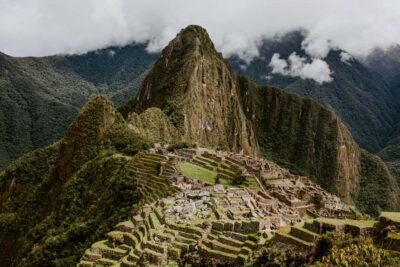
This is a fun way to get from Cusco to Machu Picchu when you want more than buses and photos. You trade the usual stroll for downhill biking, river rafting, and a zipline day, then you land at Machu Picchu early the next morning.
I especially like the way day 1 stacks big views with real action, and how guides build context while you move. I also love the balanced flow of the trip, with jungle time, a hot-spring break, and a guided Machu Picchu visit that includes the main sights.
One possible drawback: this is not for couch-fit bodies. You need moderate fitness, plus rafting requires you to be able to swim.
Key highlights you should know before you go
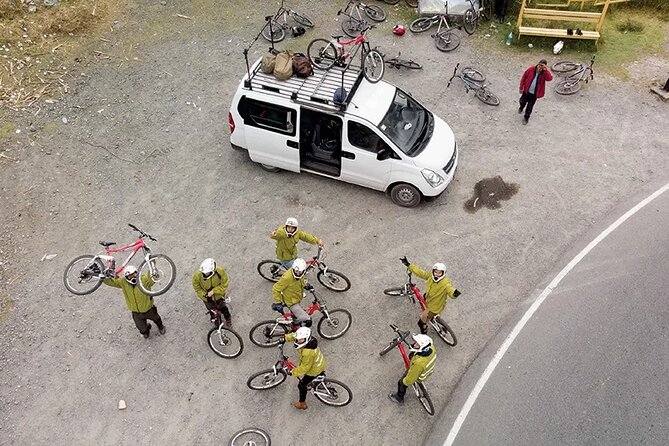
- Abra Malaga downhill biking: a 45-kilometer ride from a high pass (about 4,350 m) with strong safety gear and tutorial time first.
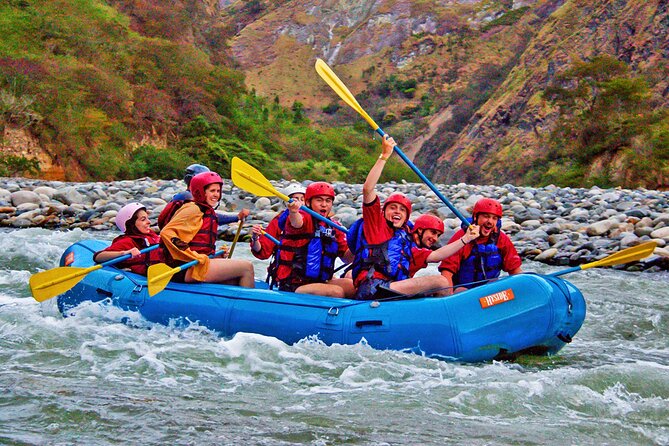
- Vilcanota River rafting (Level II-III): about 2 hours on the water, with helmets, life jackets, and windbreakers, and yes, you must swim.
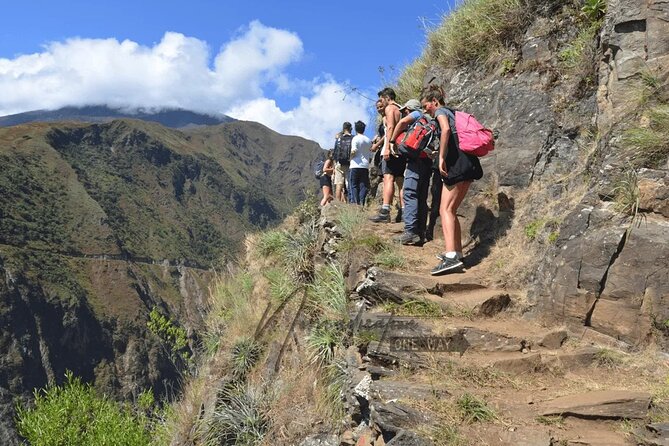
- Jungle walk with Inca Trail pieces: about 5 hours through tropical plants and medicinal herbs, plus a short section of the Antisuyo route.
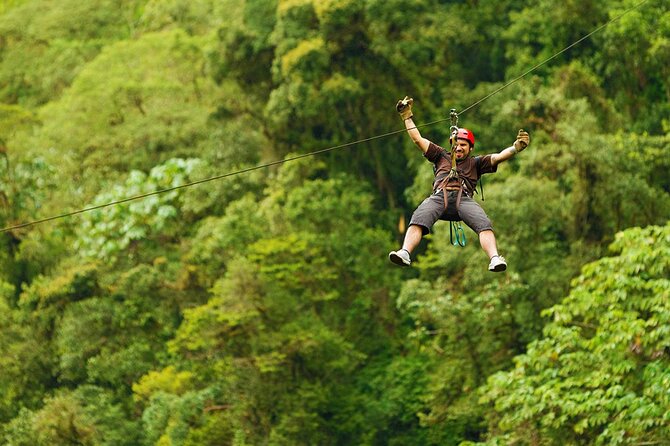
- Zipline and Tibetan bridge: four cables totaling nearly 2,880 meters and a 250-meter bridge crossing.
- Machu Picchu Classic Circuit 2 guided tour: a structured visit about 2.5 hours, timed with an early start.
Why this Inca Jungle Trek is a smart alternative to the usual route
Most Machu Picchu trips start with a train and end with a guided walk. This one adds real-world jungle adventure in between, so Machu Picchu feels like the payoff, not the only event.
The value for your $620 price comes from volume. You’re not just buying a single attraction. You’re getting transportation, lodging for three nights, meals across the main trek days, and a package of action activities that would cost you extra if you booked them separately in Cusco.
It also helps that the group stays small, up to 12 people. That usually means fewer delays and more chance your guide can keep an eye on pace, gear fit, and timing.
More Cycling Tours in Cusco
- 4-Day Inca Jungle Trail to Machu Picchu Hiking and Biking Tour
★ 5.0 · 438 reviews - Rainbow Mountain In Quad Bike
★ 4.5 · 421 reviews - Sacred Valley: Maras & Moray by Quad Bike from Cusco
★ 4.6 · 418 reviews
Price and value: what you get for $620, and what costs extra
At $620 per person for 4 days, the tour earns its keep by bundling the big ticket items you’d otherwise price individually.
What’s included on the core package:
- A professional English guide
- Hotel pickup and transport to Santa Maria
- Machu Picchu entrance ticket for the Classic Circuit 2
- Downhill biking with bikes and full safety equipment
- Rafting on the Vilcanota River with safety gear
- Zipline plus a Tibetan bridge with safety gear
- 3 nights lodging (hostel-style rooms for double, triple, or matrimonial setups)
- Multiple meals, including 3 breakfasts, 3 lunches, 3 dinners
- Ground transport back toward Cusco on day 4
What you should treat as add-ons or confirm in advance:
- Hayna Picchu climb is optional (listed as $60 extra)
- Optional train from Aguas Calientes back to Cusco is listed as $125 extra
- Optional bus to Machu Picchu instead of the hike is listed as $24 extra
- Hot-spring admission is listed in different places as included or not included, so I’d treat this as a must-confirm item before you go. It’s the kind of small mismatch that can lead to a last-minute line or surprise payment.
Day 1: Sacred Valley start, Abra Malaga biking, then Vilcanota rafting in Santa Maria
Your day begins early, with pickup from your Cusco-area hotel and a drive toward the Sacred Valley. You’ll stop near the historic Inca town area of Ollantaytambo for a break, and then continue on to Abra Malaga Pass at about 4,350 m.
The biking setup: tutorial first, then the steep joy ride
Before you point your bike downhill, you get a biking tutorial and you’re outfitted with full safety equipment. Then the main ride is about 45 kilometers of downhill terrain, with views of snow-capped Veronica Peak mentioned as part of the payoff.
You’ll also stop at the Inca site of Huamanmarca for a break. It’s a nice reminder that this is not only an adrenaline schedule. You’re moving through places that mattered to the Incas.
More Hiking & Trekking in Cusco
- Classic Inca Trail Trek 4D/3N to Machu Picchu (Group Service)
★ 5.0 · 8,653 reviews - Machu Picchu: 4-Day Inca Trail Trek with Panoramic Train Ride
★ 5.0 · 4,568 reviews - Salkantay Classic Trek 5 Days from Cusco
★ 5.0 · 4,062 reviews - 4-Day Salkantay Trek with Sky Camp Stay
★ 5.0 · 3,346 reviews
Santa Maria rafting: fun, but don’t skip the swimming requirement
After biking, you head to Santa Maria for a hearty meal and then the rafting happens on the Vilcanota River. The trip is described as Level II-III rafting, about 2 hours on the water.
The key practical detail: you must be able to swim. You’ll get helmets, life jackets, and windbreakers. The gear matters here. So does your comfort in water.
Day 1 stamina reality check
This day hits fast. Altitude in the morning plus downhill biking plus rafting later can stack fatigue. If you want the trip to feel fun instead of punishing, eat your breakfast, hydrate early, and don’t try to sprint between stops.
Day 2: Santa Teresa jungle walk, Antisuyo trail section, and hot springs recovery
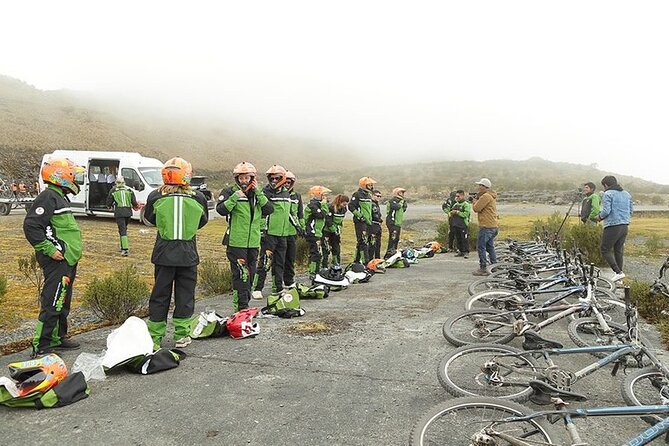
Day 2 is where the trip turns from action-heavy to nature-focused, with a long hike through the jungle area near Santa Teresa.
Tropical jungle trail time (about 5 hours of walking)
After breakfast, you walk for around 5 hours and spend time around tropical flora and fauna, including medicinal plants that locals use for different remedies. You’ll also visit a short section of an original Inca trail, tied to the Antisuyo route (the Amazon-connected path). That section is listed around 1,758 m.
This is the day where you’ll understand the word Inca more clearly. You’re not just looking at stones. You’re seeing how people moved through and used this terrain.
Lunch with local families: a cultural break that actually matters
You’ll eat lunch prepared by a local family. The practical upside is that it’s part of the pace. You’re not searching for a restaurant while everyone waits. The bigger upside is context. This is one of the moments that makes the trip feel more human-scale.
Hot springs in Santa Teresa: two hours to reset
After a rest, you travel to Santa Teresa near the hot springs area. You’ll get about 2 hours soaking and swimming.
The water temperature is described as roughly 38 to 45 Celsius, and the hot springs setting is described as sub-tropical jungle with an average annual temperature around 21 degrees. The stated benefit is joint and muscle relief, which makes sense if your legs are already angry after day 1 and the day 2 hike.
Also noted: night entry is an unforgettable experience. If you have flexible timing, you’ll probably want to maximize the evening soak.
Day 3: Zipline plus a Tibetan bridge, Hidroeléctrica lunch, then the walk to Aguas Calientes
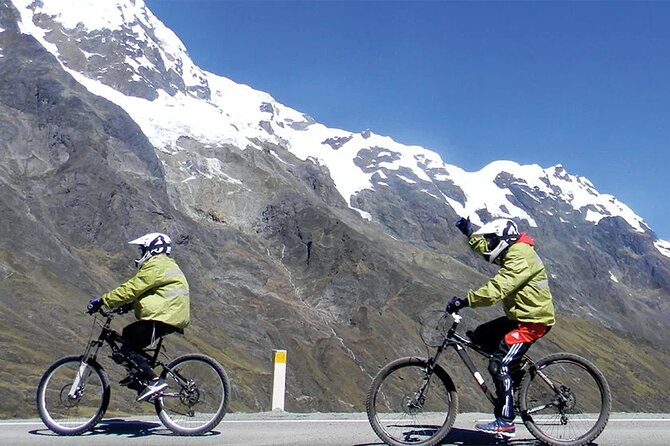
Day 3 is the peak adrenaline day, then it adds a classic route walk to set up Machu Picchu the next morning.
Zipline and bridge crossing: the distances are no joke
After breakfast, you do zipline and a Tibetan bridge. You’ll glide along four different cables:
- Two cables at 440 meters each
- Two cables at 900 meters each
That totals nearly 2,880 meters of cable length.
Then you cross a Tibetan bridge listed as about 250 meters long. If you’re scared of heights, this is where you’ll learn quickly whether you can handle it. The flip side is that it’s also one of those once-per-trip experiences where the fear fades as you’re doing it.
Lunch near Hidroeléctrica, then 10 kilometers to Aguas Calientes
After the zipline portion, you travel to Hidroeléctrica train station for lunch. Then you walk about 10 kilometers, roughly 3 hours, to Aguas Calientes.
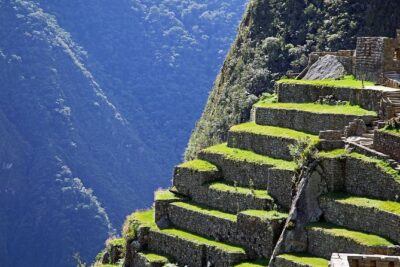
Along the way, you’ll see Inca agricultural terraces that feel perched on the mountain edge. They’re part of the broader Machu Picchu archaeological complex area. It’s a good “train your eyes” day, so the next morning doesn’t feel like the first time you’ve seen this terrain.
You’ll have dinner and overnight in Aguas Calientes.
Day 4: Early Machu Picchu entry, guided Classic Circuit 2, and the return to Cusco
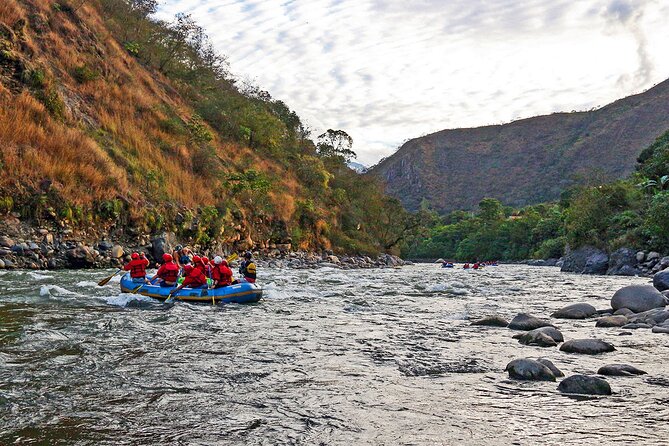
Day 4 starts extremely early, around 4:30 am for breakfast. You then head toward Machu Picchu for an ascent of about 1.5 hours, with an optional bus alternative if you don’t want to hike up.
Guided tour: you’ll focus on the key zones
You enter Machu Picchu in the morning and get a guided tour of about 2.5 hours. The tour covers major areas like:
- The urban area and main square
- The Temple of the Sun
- Agricultural terraces
- The Temple of Three Windows
This is the point where a good guide earns their pay. From the trip stories I’ve seen, the guides were praised for history and practical tips that help you move efficiently once you’re on-site. Guides named Everton and Jonathan are specifically mentioned as attentive, knowledgeable, and helpful in making the whole day feel organized rather than chaotic.
The return plan: back to Hidroeléctrica, then Cusco by bus
After the guided portion, you’ll connect the return route toward Hidroeléctrica so you can take transport back to Cusco. You’re listed as arriving around 20:00 at the Cusco main square.
There is also an optional train return from Machu Picchu area back to Cusco if you prefer not to walk the final stretch again.
Guides, pacing, and what moderate fitness really means
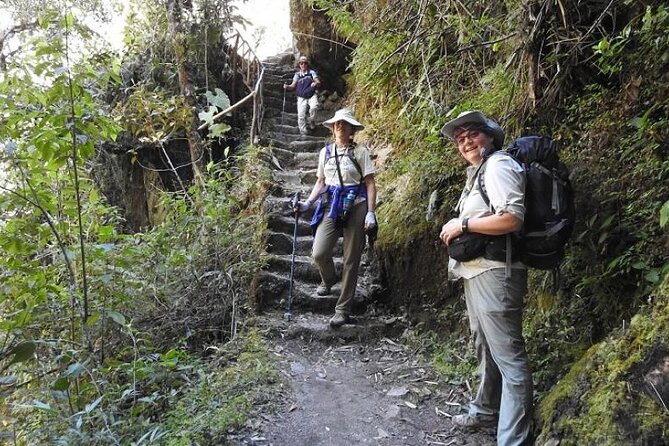
The trip is described as requiring moderate physical fitness, and that matches how the itinerary feels. You’re doing long days with movement:
- A high-altitude biking start
- River rafting that requires comfort in water
- A jungle hike of about 5 hours
- Another hike of about 3 hours after ziplining
- A Machu Picchu climb if you skip the bus option
The group maximum is 12, and most of the activity is guided. Still, pace is real. You’re not just sightseeing. You’re doing exercise with safety checks.
If you’re coming from lower elevation, you might want to take altitude seriously. One review recommendation included doing altitude training if possible, and that same idea shows up as practical advice from guides who know how quickly people can feel the altitude.
Where you’ll sleep and how the meals support active days
You get 3 nights lodging, described as hostel-based in double, triple, or matrimonial rooms. It’s not a luxury trip, so the comfort level will depend on your room setup and the specific lodge used on your departure.
Upgrades are listed if you want it nicer:
- Private farm lodge accommodation in Santa Maria (+$30)
- A private lodge with jacuzzi in Santa Teresa (+$70)
- A 3-star category hotel in Aguas Calientes (+$60)
Meals are built in. You’ll have 3 breakfasts, 3 lunches, and 3 dinners. Vegetarian and lactose-free meals are listed as available, which is a big practical win for food stress reduction.
In general, the trip seems designed so you’re fed before the next activity, not after. That matters when you’re constantly moving and dealing with timing.
Tickets, add-ons, and the practical stuff to confirm
Before you go, I’d double-check these points because they affect your day-of choices:
- Machu Picchu access type: the entrance is included and described as Classic Circuit 2.
- Bus vs hike to the citadel on day 4: hike is part of the default, but bus is optional for an extra $24.
- Optional Huayna Picchu climb: listed as Hayna Picchu, extra $60.
- Train options: return train ticket for Voyager or Expedition service is listed as $125 extra, plus transport choices around the final day depending on whether you return by train or bus.
- Hot springs admission: it’s listed both ways in different sections of the info. Confirm directly with the operator so you don’t carry uncertainty into day 2.
Also, make sure your identification details are current. Machu Picchu ticket purchases depend on passport or ID data, and the info provided stresses sending passport/ID photos with valid expiration dates.
Should you book this Inca Jungle Trek to Machu Picchu?
Book it if you want Machu Picchu but you also want to earn the day with adventure. This tour fits best if you’re excited by biking, rafting, and zipline style activities, and you want the jungle and Inca-trail flavor between Cusco and the citadel.
Skip it or choose a different style of trip if you’re not comfortable with physical effort. The walking totals, altitude, and the rafting swimming requirement are the big deal makers and deal breakers here.
If you do book it, you’ll get the most value by taking it seriously early. Hydrate from the start, dress for cold-to-hot changes, and keep your energy for the hikes, not the photo stops. Done right, this trip turns Machu Picchu into a finish line you actually feel in your legs.
FAQ
What time is hotel pickup in Cusco?
Pickup is listed as offered at around 5:30 a.m., and day 1 also mentions passing through towns starting with a morning pickup around 6:30 a.m., depending on your exact schedule.
Does the tour include an English guide?
Yes. A professional English guide is included.
What activities are included besides Machu Picchu?
The package includes downhill biking, Vilcanota River rafting (Level II-III), and ziplining plus a Tibetan bridge, plus hiking portions on days 2 and 3.
Do I need to be able to swim for rafting?
Yes. The rafting activity specifies that participants must be able to swim.
Is the Machu Picchu entrance ticket included?
Yes. Machu Picchu entrance is included, listed as the Classic Circuit 2 with a guided tour.
How long is the guided Machu Picchu visit?
The Machu Picchu guided tour is listed as approximately 2.5 hours.
Are hot springs included?
Hot spring admission for Cocalmayo in Santa Teresa is listed as sometimes not included in the activity description, while other parts list it under included items. Confirm with the operator before departure.
Can I choose between hiking and taking a bus to Machu Picchu?
Yes. Day 4 includes an ascent of about 1.5 hours on foot, with an optional bus alternative for an extra cost.
What upgrades are available if I want nicer lodging or extras?
Upgrades listed include private farm lodge in Santa Maria, jacuzzi lodge in Santa Teresa, a 3-star category hotel in Aguas Calientes, and an optional Hayna Picchu climb for an additional fee.
More Zip Lines in Cusco
- 4-Day Inca Jungle Adventure, Mountain Biking, Rafting and Zipline
★ 5.0 · 60 reviews - Cusco Rafting and Zipline Adventure
★ 4.5 · 47 reviews - From Cusco: Via Ferrata and Sky Lodge Zipline
★ 5.0 · 16 reviews - Zipline over the Sacred Valley Trip
★ 5.0 · 11 reviews
More Rafting in Cusco
- 4-Day Inca Jungle Tour: Machu Picchu Biking, Rafting, and Zipline
★ 5.0 · 241 reviews - 4-Day Machu Picchu Tour with Biking, Rafting, and Ziplining
★ 5.0 · 133 reviews - 4-Day Jungle Adventure to Machu Picchu: Biking, Ziplining, Rafting and Hiking
★ 5.0 · 82 reviews - Rafting & Zip line Urubamba River 1 Day
★ 5.0 · 75 reviews
Recently reviewed around Cusco
- 6-Day ||All Included|| Excursion – MachuPichu & Rainbow Mountain-Humantay Lake★ 4.5 · 8 reviews
- Horseback Riding thru the Mountains of Cusco★ 5.0 · 8 reviews
- Cuzco City Tour and Archaeological Ruins in Half Day★ 5.0 · 8 reviews
- Full Day – Rainbow Mountain tour – Group Service★ 5.0 · 8 reviews
- Half Day Tour in Cusco: Exploring the City and Four Ruins★ 4.5 · 8 reviews
- Cusco 4 Days Machu Picchu and Sacred Valley | All included★ 5.0 · 8 reviews
- Machu Picchu and Sacred Valley 2 Day Tour★ 5.0 · 8 reviews
- Walking Tour in Legendary & Historical Cusco City★ 4.5 · 8 reviews
Machu Picchu, compared.
Classic Inca Trail Trek 4D/3N to Machu Picchu (Group Service)
Read our review →
4-Day Inca Trail Trek with Panoramic Train Ride
Read our review →
2-Day Inca Trail to Machu Picchu with Panoramic Train
Read our review →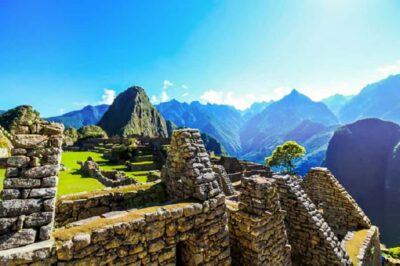
2-Day Tour: Sacred Valley and Machu Picchu by Train
Read our review →