
Reviewed · MACHU PICCHU
4 Day Inca Quarry Trail to Machu Picchu
The Inca Quarry Trail to Machu Picchu is interesting because you do not just arrive at the famous stones. You hike the route tied to how the Incas worked and quarried stone, then finish with a morning visit to Machu Picchu. It is a four-day mix of Andean scenery, high trail effort, and real Inca sites.
I really like the way the day starts early and stays active, with a 5:00 AM pickup from Cusco and multiple stop-and-walk moments that keep your mind on the terrain and the history. You are moving through small towns like Pachar and Colquemarca, not sitting in a van all day.
One consideration is that this trek is challenging and you are camping on the trail, in high altitude conditions. If you are not used to long uphill days, you will feel it. Still, the support staff, first aid, and emergency oxygen help you focus on the hike instead of worrying about the basics.
Key highlights to know before you go
- Small group size (max 9) keeps the days feeling human and easier to manage on narrow paths.
- Camping gear is included, including tents and inflatable sleeping mats, plus porters who handle equipment and food.
- Inca Quarries guided visit gives context for the chisel marks and abandoned stones used for major Inca construction.
- Sacred Valley stepping-stone towns like Ollantaytambo and Aguas Calientes break up the long travel days.
- Machu Picchu is guided first, then you get time to wander on your own while it is calmer than later in the day.
Why this Inca Quarry Trail feels like a real hike, not a transfer
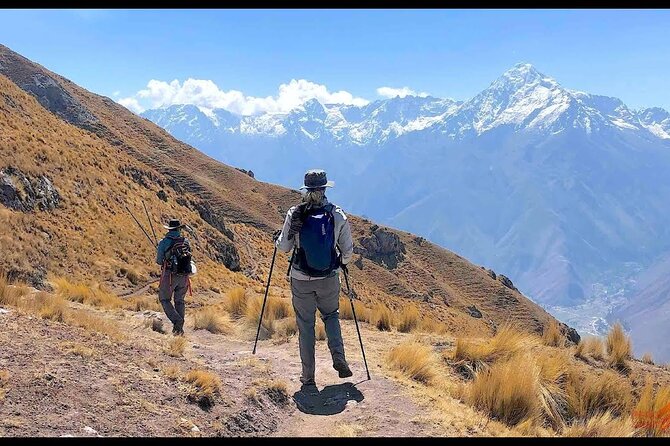
The big difference here is the pacing. You are not doing a quick bus-and-walk day. You are trekking across multiple days, with campsites along the way, and each day includes both walking time and Inca-related stops.
The trail also avoids the same intensity you might expect from the most famous Machu Picchu treks. In practice, this means you can often take your time with the ruins, look around, and soak in the view without feeling rushed.
More ways to reach Machu Picchu:
- Classic Inca Trail Trek 4D/3N to Machu Picchu (Group Service)
★ 5.0 · 8,653 reviews - Machu Picchu: 4-Day Inca Trail Trek with Panoramic Train Ride
★ 5.0 · 4,568 reviews - Short Inca Trail to Machu Picchu 2D/1N
★ 5.0 · 3,007 reviews
Day 1: Cusco at 5:00 AM, Huarocondo views, then Pachar to Colquemarca
You start with a very early pickup in Cusco, 5:00 AM. From there, you drive to Huarocondo, about a 2-hour trip covering roughly 62 kilometers. The ride is not just logistics, you get your first sweep of the Andes right away, and it helps you mentally shift from city pace to trail pace.
Next comes the drive toward Pachar, a smaller village where you begin the walking portion. Pachar is a good setup point because you are not thrown immediately into a brutal hike. You can adjust a bit to altitude, get your bearings, and likely eat a hearty breakfast before you head out.
From Pachar you trek toward Colquemarca, and the route mixes farmlands and higher, rockier ground as you gain elevation. You also reach your first Inca site of the trip at Corimarca, where you can explore an ancient settlement tucked into the mountainside. This is the night you camp, so day 1 is where you go from sightseeing mode into real trek mode.
A practical note: because day 1 includes both a long start and a first hike, I would treat your first night as your chance to get sleep early, even if you are excited.
Day 2: Tough trail work plus multiple Inca ruins, ending at Queuñacancha
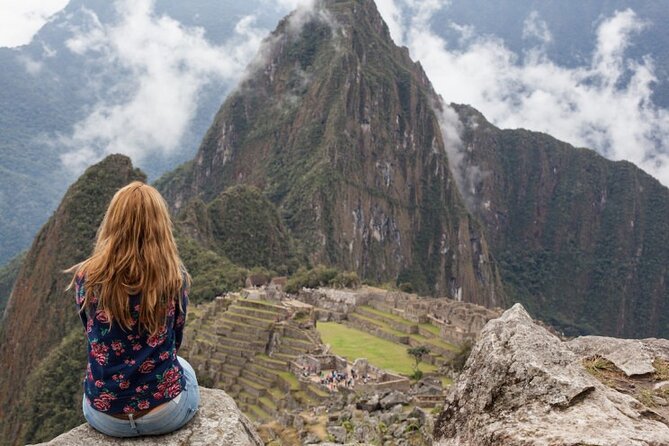
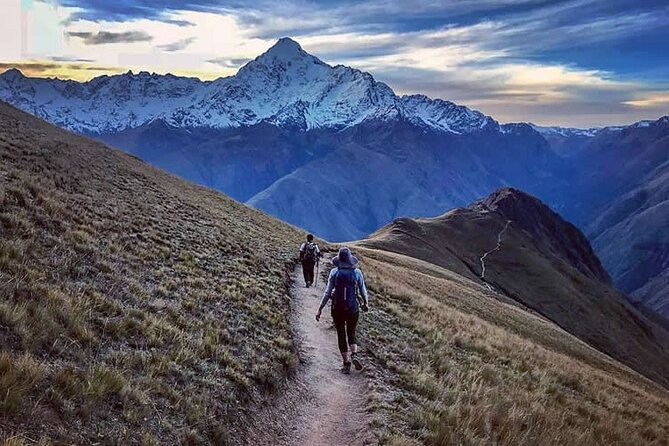
Day 2 starts with camp break and breakfast, then the hike continues toward Queuñacancha. This day is described as notably challenging, and the setting backs that up: you are walking through high Andean terrain, often with thin air and steep effort.
One of the best parts is that the day is not just one long slog. You hike along ancient Inca paths, and you pass Inca ruins with their own distinct significance. These are the moments where you start to feel the purpose of the trail, not only its scenery.
You end the day in Queuñacancha, a high meadow where you camp for the night. This is a good payoff after a hard walking day because it gives you open space to breathe, recover, and enjoy the sky before the next push.
Day 3: Inca Quarries chisel marks, then Ollantaytambo and Aguas Calientes by train
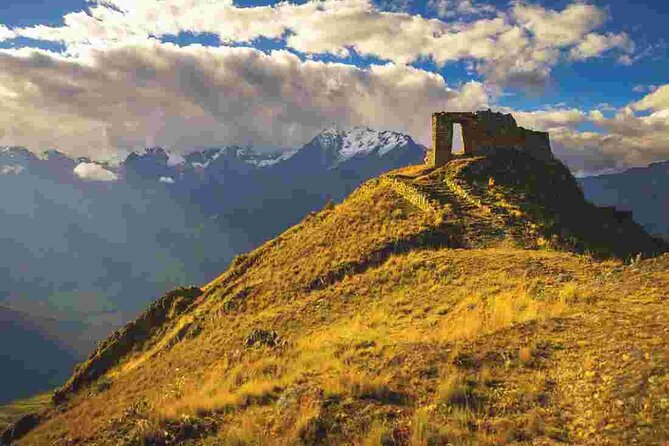
After breakfast in Queuñacancha, you keep trekking toward the Inca Quarries. The trail climbs and you get widening views of valleys and peaks as you go, so it feels like effort plus reward.
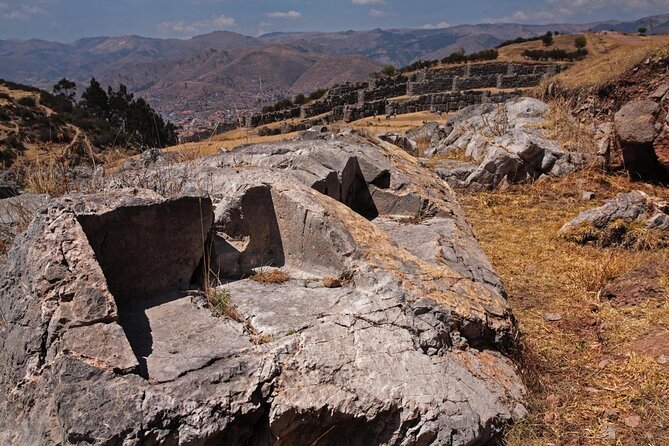
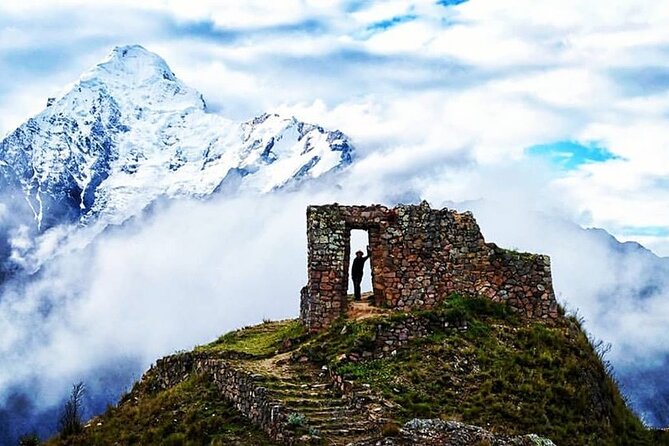
When you reach the Inca Quarries, this stop becomes the history centerpiece. This is where the Incas carved stone for construction projects, including work used for Ollantaytambo. You can still see quarry remnants and chisel marks, and you may also notice abandoned stones that never made it down the mountain.
You also get a guided tour here. For me, a guide at this kind of site matters because the significance is physical, not just written. When someone points out what you are looking at, you understand why those marks were worth the labor, and how the Inca system worked across years, not just one moment.
From the quarries you trek onward to Ollantaytambo. The route descends through vegetation and includes scattered traces of Inca stonework along the way. Once you arrive, you get a brief window to rest and refuel, then you can wander Ollantaytambo’s narrow cobblestone streets and preserved Inca walls.
After that, you head to the train station to ride to Aguas Calientes. The train ride is long enough to feel like a reset, and it drops you into the cloud forest town at the foot of Machu Picchu. That matters because your Machu Picchu morning starts early.
A few more Cusco days worth comparing
- Cusco: Rainbow Mountain and Red Valley Day Trip with Meals
★ 4.9 · 4,893 reviews - Salkantay Classic Trek 5 Days from Cusco
★ 5.0 · 4,062 reviews - 4-Day Salkantay Trek with Sky Camp Stay
★ 5.0 · 3,346 reviews - Excursion to Rainbow Mountain Full Day Optional Red Valley
★ 5.0 · 2,996 reviews
Day 4: Morning bus up to Machu Picchu, guided tour, then train back via Ollantaytambo
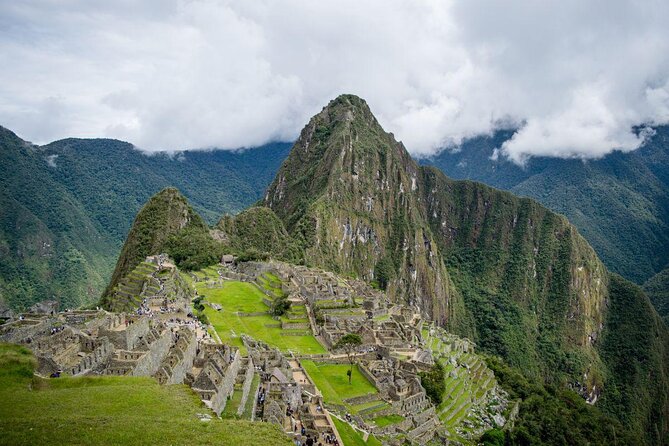
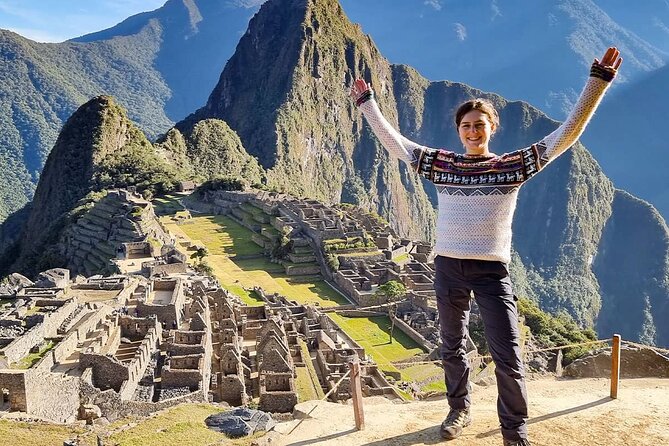
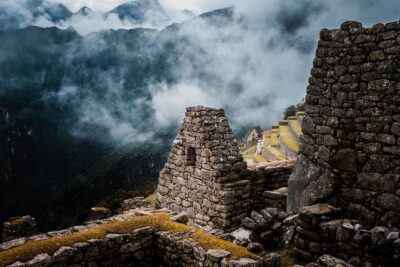
You wake up early for Machu Picchu. The transfer is by bus up the mountainside to the entrance, then you walk into the site. The first sight is famously dramatic, with Machu Picchu framed by misty mountains.
You get a guided tour through key areas. Expect stops like the Sun Temple and the Room of the Three Windows, plus other structures your guide connects to Inca life and design. This is the part of the day where having a guide in front helps. Machu Picchu can feel like random stone shapes until someone explains the logic.
After the guided portion, you get time to explore on your own. I like this structure because you can pair the facts you just learned with your own walking pace, photos, and quiet moments.
Later, you return by train from Aguas Calientes to Ollantaytambo. You then transfer back to Cusco by private transport, with drop-off at your hotel area. It is a long day, but it is also the most satisfying because you close the loop from trail to ruins to the final return.
Price and value: what $801.29 buys you and why it is more than a ticket
At $801.29 per person, this is not a budget “just add a hoodie” kind of deal. The good news is the price covers a lot of the expensive, annoying parts that usually add up for Machu Picchu trips.
Here is what is included that affects real value:
- Round-trip transportation from Cusco to the trailhead and from Aguas Calientes back to Cusco
- Bilingual professional guide for the trekking portion and guided stops
- Entrance fees for both the Inca Quarry Trail and Machu Picchu
- Camping equipment, including tents and inflatable sleeping mats
- Meals across the trek, including 4 breakfasts, 3 lunches, and 2 dinners
- Porters or pack animals to carry camping gear, food, and personal items
- First aid and emergency oxygen for safety
- Train tickets, Ollantaytambo to Aguas Calientes and back
When you compare that to planning Machu Picchu on your own, you are paying for coordination and a lot of logistics you do not want to manage while adjusting to altitude. You also get the benefit of having support staff and safety basics already built in.
What is not included is also clear, and you should plan for it: travel insurance, personal trekking equipment, optional snacks or drinks, optional activities, and tips for guides and porters.
The camping and porter setup that makes or breaks your comfort
This tour includes camping gear, like tents and inflatable sleeping mats, plus other necessary camping equipment. That is a big deal because good sleep is not optional on a four-day trek.
Porters or pack animals handle a lot of the weight. They carry camping equipment, food, and personal items. You are still doing the walking, but your day-to-day load should be far lighter than what you might carry if you self-organized.
From the experience, this is also where I see the tour standing out in the feedback. People appreciated the service level, the food quality, and the fact that logistics felt taken care of. One guide named Anthony got praised specifically for being engaging and supportive, and for sharing lots of on-the-ground details that made the hikes feel more meaningful.
If you are the type who worries about being cold, wet, or exhausted, this kind of support matters.
Fitness and altitude: what moderate really means here
The tour says you should have moderate physical fitness. In plain terms, expect long hiking days with elevation. Day 1 already starts early, and day 2 is described as notably challenging.
Altitude plays a role. You gain elevation during the trek, and the air gets thinner, especially on higher sections. If you have never trekked above 3,000 meters, take the first two days seriously. Go slow, sip water, and do not treat this like a gym cardio session.
I also recommend packing smart for altitude and night temperatures, even though personal trekking gear is not included. Bring layers. Bring a warm layer for camp. Keep your essentials close.
Who this trek suits best, and who might want another option
This is a strong fit if you want:
- A multi-day hike that ends at Machu Picchu
- A smaller group, max 9 people, with attention from a guide
- Camping with support staff and included sleep gear
- A guide-led approach at the main historical sites, especially the Inca Quarries and Machu Picchu
It may not be the best match if you:
- Hate early starts and long walking days
- Do not want to camp on a multi-day trek
- Are hoping for a fully easy, minimal-effort Machu Picchu day
Also consider your comfort with train and bus segments. The experience mixes trekking with transport, so you will have days where you transition a lot.
My booking advice: how to time it and what to prepare for
This trip is typically booked about 25 days in advance on average, so do not wait until the last week if your dates are fixed. Also, because you start at 5:00 AM in Cusco, plan your Cusco logistics like you live by a clock.
On packing, focus on personal trekking equipment since it is not included. Also bring a water and snack plan that works for you, even though meals are covered.
Finally, pick a mindset. This is not a photo shoot where you move every five minutes. It is effort-based travel. When you accept that, the trail becomes the point, and Machu Picchu turns into the payoff.
Should you book the 4 Day Inca Quarry Trail to Machu Picchu?
I think you should book this if you want a less standard path to Machu Picchu, with included camping setup, a guide-led history thread, and a small group feel. The Inca Quarries stop is a standout, and the way the day-by-day plan builds toward Machu Picchu makes the final morning visit feel earned.
Skip it if you are looking for a super easy Machu Picchu day, or if camping is a hard no for you. This trek is demanding enough that the included safety items and porters help, but you still need to show up physically ready.
If you match that, it is one of the better ways to connect the trail to the stones, and to leave with more than a single postcard view.
FAQ
What time is pickup in Cusco?
Pickup is at 5:00 am.
How long is the trek?
It is listed as 4 days, approximately.
What is the maximum group size?
The group size is limited to a maximum of 9 travelers.
Are entrance fees included?
Yes. Entrance fees for the Inca Quarry Trail and Machu Picchu are included.
Is camping gear included?
Yes. Camping equipment is included, including tents and inflatable sleeping mats, plus other necessary gear.
Are meals included?
Yes. The tour includes 4 breakfasts, 3 lunches, and 2 dinners, as mentioned in the itinerary.
Are train tickets included?
Yes. The cost covers the train ride from Ollantaytambo to Aguas Calientes and back.
Is first aid and emergency oxygen included?
Yes. First aid and emergency oxygen are included.
Do I need personal trekking equipment?
Personal trekking equipment is not included, so you should bring your own.
Is there free cancellation?
Yes. Free cancellation is available if you cancel up to 24 hours in advance for a full refund. If you cancel less than 24 hours before the start time, the amount you paid will not be refunded.
Recently reviewed around Cusco
- 6-Day ||All Included|| Excursion – MachuPichu & Rainbow Mountain-Humantay Lake★ 4.5 · 8 reviews
- Horseback Riding thru the Mountains of Cusco★ 5.0 · 8 reviews
- Cuzco City Tour and Archaeological Ruins in Half Day★ 5.0 · 8 reviews
- Full Day – Rainbow Mountain tour – Group Service★ 5.0 · 8 reviews
- Half Day Tour in Cusco: Exploring the City and Four Ruins★ 4.5 · 8 reviews
- Cusco 4 Days Machu Picchu and Sacred Valley | All included★ 5.0 · 8 reviews
- Machu Picchu and Sacred Valley 2 Day Tour★ 5.0 · 8 reviews
- Walking Tour in Legendary & Historical Cusco City★ 4.5 · 8 reviews
Machu Picchu, compared.
Classic Inca Trail Trek 4D/3N to Machu Picchu (Group Service)
Read our review →
4-Day Inca Trail Trek with Panoramic Train Ride
Read our review →
2-Day Inca Trail to Machu Picchu with Panoramic Train
Read our review →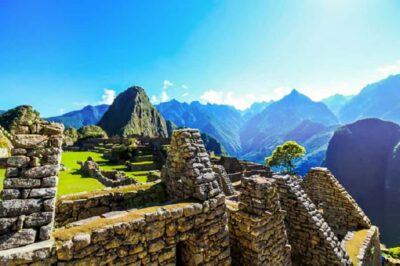

2-Day Tour: Sacred Valley and Machu Picchu by Train
Read our review →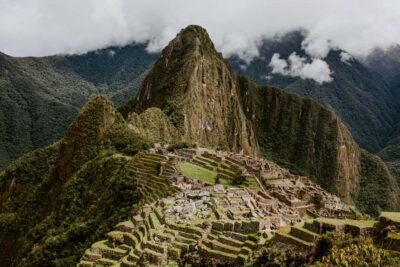
Browse the lists this tour appears in