
Reviewed · FOOD & DRINK
Meet Quechua people, food & traditions
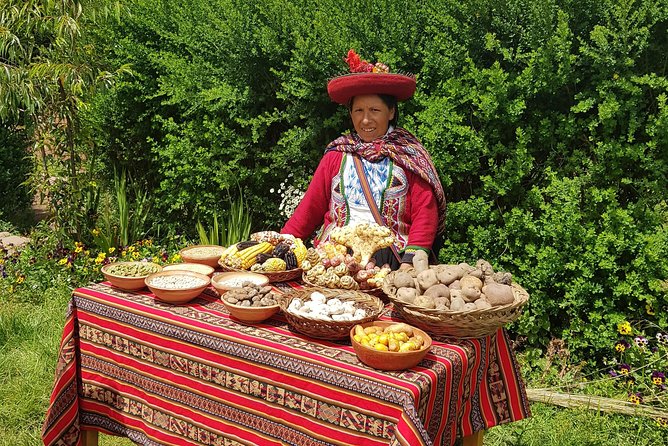
If you want Cusco culture that feels real, not staged, this half-day trip to Chincheros is a strong choice. You meet the Quechua women who run the day-to-day work of cooking, dyeing wool, and keeping traditions alive, and you get to see how their clothing and textiles connect to family life.
I especially like the small group size (capped at 10, often even smaller). It makes it easier to ask questions, and you actually get time with the people, not just a photo stop.
One watch-out: it is only a few hours, and at Cusco altitude, you may find your appetite limited during the food tasting and pachamanca moments.
Key highlights to look for
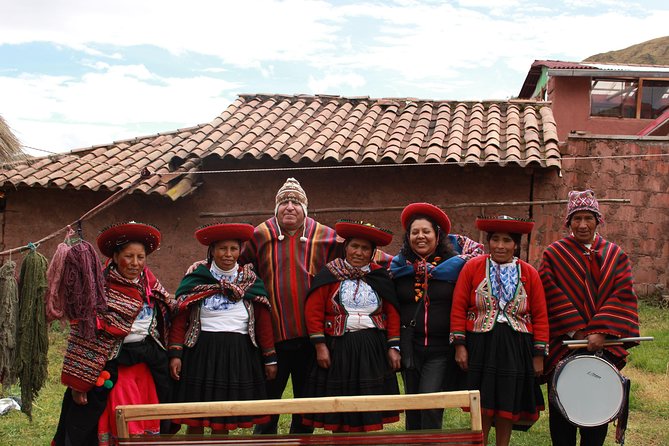
- A real community home welcome in Chincheros, with songs and family storytelling
- Hands-on pachamanca-style cooking and participation in the meal process
- Clothing and hair meaning explained, including differences for single vs. married women
- Wool cleaning, dyeing, and weaving taught step-by-step, tied to everyday life
- Blankets with practical uses (not just fashion) and why they matter in Andean conditions
- Shop time without pressure, with woven goods often priced far below Cusco
A Warm Quechua Welcome in Chincheros, 10 People Max
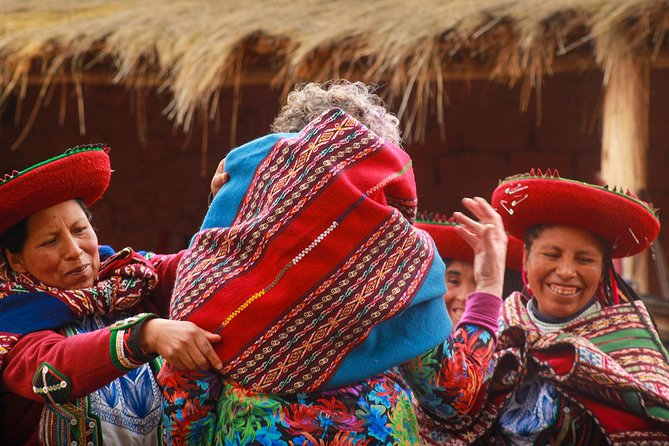
This experience starts with the kind of welcome you usually only get when someone knows you are coming. You drive out of Cusco toward the Centro poblado Chincheros area, and then the women from the community greet you right there, with warmth and a song. It sets the tone immediately: this is about relationship, not performance.
The group size matters a lot here. With a maximum of 10 travelers, the conversation stays human. In practice, some groups are even smaller, so you feel more like you are being invited into someone’s day than guided through a checklist.
A big part of the magic is that the people you meet are not trying to impress you with big speeches. They share practical knowledge: how they work with sheep and alpaca wool, how clothing and hair reflect social life, and how food is made for special occasions. When the guide, including Jane as the translator/host described in multiple reviews, steps in, you get context fast and you can follow along without guessing.
More Food & Drink in Cusco
- Group Cooking Class in Cusco with Pisco Tasting
★ 5.0 · 335 reviews - Curious Monkey Cusco- Eat the Streets, Walking Food Tour
★ 5.0 · 160 reviews - Food and Culture Full day Tour in the Sacred Valley
★ 5.0 · 144 reviews
Price and What You Really Get for $99
At $99 per person for about 5 to 6 hours, the value comes from what is bundled in. You are not just paying for entry somewhere. You are paying for transportation, a host who explains the culture in English, the community activities, and a food tasting.
Here is the practical part. If you were trying to cobble this together on your own, you would still need a driver, time, and translation help. And you would not easily arrange a home-based welcome and hands-on food and textile work with the same access.
Another value angle that shows up in the experience is the chance to buy woven goods directly from the women. One review described prices that were about half, or even less, compared to what you might pay back in Cusco. I cannot promise every item will be cheaper, but it is a credible reason to think of this tour as a cultural visit plus a fair shopping opportunity.
The 8:30 Departure, Short Drive, and Where the Day Happens
The tour starts at 8:30 am. The meeting point is the front entrance of the Costa Del Sol Wyndham Cusco on Calle Santa Teresa 344. You can also expect hotel pickup and drop-off from selected hotels, so you do not necessarily have to meet at the hotel if your lodging is in the pickup zone.
The drive is quick. You head to Chincheros, described as about 15 minutes away from the town. Once you arrive, most of your time is spent with the community, not on the road.
What you should plan for is a half-day rhythm: you get a strong slice of culture in a short window. If you like slow travel, give yourself a buffer afterward to rest. If you like structured day trips that still feel personal, this fits well.
Inside Chincheros: Clothing Meaning, Hair Rules, and Daily Life
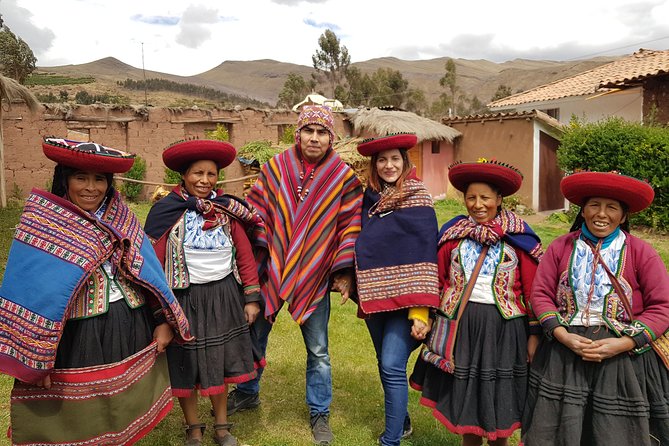
Once the group arrives, the women welcome you and explain what they do and why it matters. Several reviews highlight the same core themes, so you can expect that this is not just a quick talk. The community shares meaning behind details, especially in clothing and hair.
One of the most memorable parts is the explanation of how clothing and hairstyle can signal status, including differences between single vs. married women. It is the kind of detail that makes you look differently at what you see in markets later. Instead of treating textiles as decoration, you understand that they carry identity and family roles.
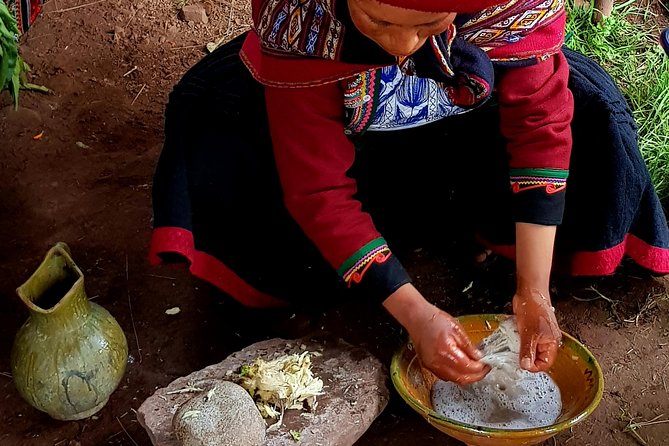
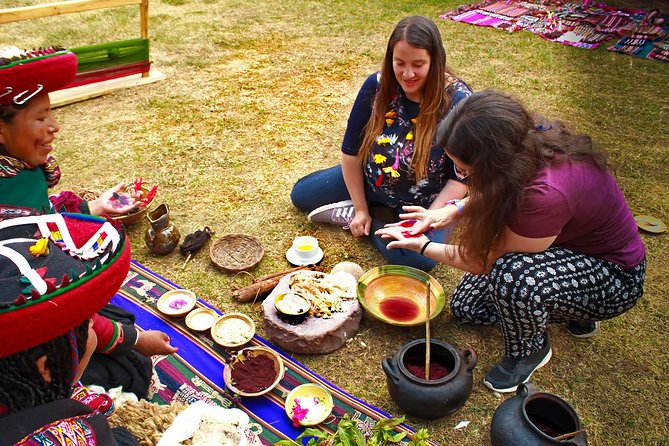
You can also expect hands-on demonstrations that connect directly to daily work. Wool is cleaned, dyed, and woven. You may see how dyes and colors connect to tradition and how textiles are constructed with care rather than speed. If you have ever wondered why some blankets and garments look like they take forever to make, you will get an answer here: the effort is real, and it is done by people who understand the material.
Some reviews also mention medicinal plants. That is part of the way the community shares practical knowledge beyond textiles and food. You may hear about plants used for everyday needs, explained in plain terms so you can follow even if you are new to Andean culture.
More food and drink in Cusco:
- The 10 Tastings of Cusco With Locals: Private Food Tour
★ 4.5 · 71 reviews - Cusco Food Walking Tour & Central Market
★ 5.0 · 48 reviews - Curious Monkey Cusco- Market and Streets, Walking Food Tour
★ 5.0 · 31 reviews - Wonders of the Sacred Valley VIP! Tour Full day with Food
★ 5.0 · 13 reviews
Food Tasting That Actually Feels Like Participation
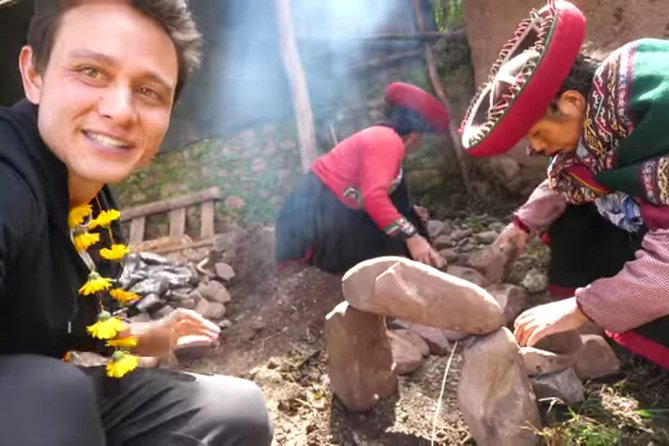
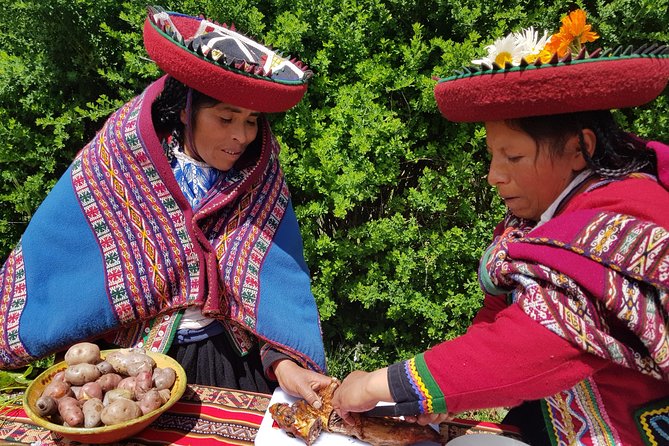
Food is the centerpiece, and it is not just you being handed a plate. You get a traditional Inka meal sampling, plus a chance to participate in the cooking side.
One review specifically described pachamanca preparation, with hands-on involvement. That matters because you learn what you are eating. You see how the meal comes together and you understand that it is tied to place, timing, and community rather than just being a tourist dish.
At the same time, stay realistic about food volume. A few people mentioned they wished they could eat more, and they connected it to altitude. That is common in Cusco. If you get full quickly, do not stress it. Take small bites, sip water, and treat it as a tasting and learning moment, not a competition.
If you are traveling with kids, this portion tends to work well. Reviews describe children learning a lot because the cooking and textile work is visual and active. Adults also benefit because it is easy to remember once you have seen the steps with your own eyes.
Weaving, Dyeing, and Blankets With Practical Uses
If textiles are your interest, this is where you will likely spend your mental energy. You are not just told that weaving is important. You see the process: wool handling, cleaning, dyeing, and then making textiles from thread to finished product.
One of the standout things from reviews is the focus on multi-purpose blankets and why they matter beyond appearance. You hear how blankets connect to warmth and everyday protection in Andean conditions. Another review mentioned learning how their blankets can help protect against dangerous wildlife. I cannot confirm the exact phrasing from every guide session, but it lines up with the idea that textiles are a tool for daily life, not just craft.
You will also likely notice how the demonstrations lead to real shopping. The women guide you toward their shop, and while you might expect a sales push, reviews say there was no pressure. The key is to treat this as a conversation. Ask about what you are looking at. Learn the difference between fibers, patterns, and how items are made.
A good practical tip: if you want to buy, check your budget before you fall in love. Bring cash if you can, since the reviews mention prices paid in soles (S/ ). Also, set expectations that you are buying from the makers, so the value is tied to labor and tradition, not just a low price.
The Role of Your Guide and Translation (Jane and Friends)
Language can make or break small cultural tours, and here you get English support through a tour escort or host. In reviews, Jane Camacho is named as the guide who translated and organized the day. When you meet the community, you get meaning behind what you see, instead of just watching hands move.
You may also meet community members by name during the welcome and demonstrations. Reviews mention Mariluz, Tiburcia, and Reyna as generous hosts who explained weaving, cooking, and daily life. Seeing names attached to faces helps you feel more connected to people rather than to an activity.
If you are the type who asks lots of questions, this tour works. With a small group, your questions do not get swallowed by the crowd. You can also request clarity when something is explained about clothing meaning or the process behind dyes and fibers.
Getting the Best Experience: What to Do and What to Skip
This tour is best if you want to learn through doing and talking. If your idea of a day trip is only monuments and photo views, you might find this too home-centered and conversation-based.
Here are practical moves that make it better:
- Arrive with a curious mindset about clothing, weaving, and food.
- Ask what the community shares about status markers like hair and garments.
- Take your time during demonstrations. The steps are part of the point.
- If you plan to buy textiles, go in with a limit so you can shop happily, not impulsively.
What you can skip, mentally, is expecting a long lecture. The day is paced. It is a half-day, and the best part is that it stays personal and active.
Also, do not overpack your schedule afterward. Even if the drive is short, the day can be emotionally and physically tiring, especially at altitude.
Who Should Book This Quechua Culture Visit
Book this if:
- You want a small-group cultural experience near Cusco
- You care about textiles and want to understand wool work beyond market browsing
- You like food experiences where you learn what you are eating and how it is made
- You prefer respectful community access, with time to talk and ask questions
Consider skipping if:
- You only want major sightseeing stops and minimal interaction
- You get uncomfortable in home-based settings
- You are looking for a long, multi-stop itinerary, since this is focused and time-limited
This is also a great choice for families. Reviews mention kids learning a lot because the activities are tangible, like cooking participation and weaving demonstrations.
Should You Book This Quechua Home Visit in Chincheros?
My take: if you want one half-day outside Cusco that feels human and educational, this is a smart pick. The combination of community welcome, hands-on food, and textile learning makes it more than a drive-by cultural stop. And the pricing makes sense when you consider what is included, the small group size, and the direct access you get.
If you are sensitive to altitude and you worry about eating, plan for a gentle food tasting pace. If you are excited about textiles and fair shopping, you are likely to leave with both better understanding and better buying choices.
If your goal is to see Cusco culture through markets only, you might still enjoy it, but you would miss the explanation behind the craft. This tour is for people who want the story and the process, not just the product.
FAQ
How long is the Quechua people, food & traditions trip from Cusco?
It runs for about 5 to 6 hours, and you spend around 2 hours at the Chincheros community area.
What time does the tour start, and where do I meet?
The start time is 8:30 am. The meeting point is the front entrance of the Costa Del Sol Wyndham Cusco on Calle Santa Teresa 344.
Is pickup available from hotels in Cusco?
Yes, hotel pickup and drop-off are offered for selected hotels.
What is included in the price?
The tour includes private vehicle transport, hotel pickup and drop-off (selected hotels), a tour escort or host, all activities, and a food tasting.
Are food and drinks included?
Food and drinks are not included unless specified. You should plan on food tasting rather than a full meal being included.
What is the cancellation policy?
This experience is non-refundable and cannot be changed for any reason. If you cancel or request an amendment, the amount you paid will not be refunded.
Recently reviewed around Cusco
- 6-Day ||All Included|| Excursion – MachuPichu & Rainbow Mountain-Humantay Lake★ 4.5 · 8 reviews
- Horseback Riding thru the Mountains of Cusco★ 5.0 · 8 reviews
- Cuzco City Tour and Archaeological Ruins in Half Day★ 5.0 · 8 reviews
- Full Day – Rainbow Mountain tour – Group Service★ 5.0 · 8 reviews
- Half Day Tour in Cusco: Exploring the City and Four Ruins★ 4.5 · 8 reviews
- Cusco 4 Days Machu Picchu and Sacred Valley | All included★ 5.0 · 8 reviews
- Machu Picchu and Sacred Valley 2 Day Tour★ 5.0 · 8 reviews
- Walking Tour in Legendary & Historical Cusco City★ 4.5 · 8 reviews
Food & Drink, compared.
Peruvian Cooking Class, Local Market Tour & Exotic Fruit Tasting
Read our review →
Street Food, Market & Old Eateries Tour in Lima’s Historic Center
Read our review →
Food Tour and Market Experience: 12 Peruvian Snacks
Read our review →
Group Cooking Class in Cusco with Pisco Tasting
Read our review →Browse the lists this tour appears in