
Reviewed · SALKANTAY TREK
5-Day Private Guided Salkantay Trek from Cusco with Accommodation
This is one of those trips where the effort feels earned fast, because you’re moving through big altitude, cloud forests, and Inca country in just 5 days. I love how the route mixes high-Andes moments with jungle-edge scenery, and I like that it’s a private guided experience with English and Spanish support.
The tradeoff? You’re up very early, and you’ll spend long days on your feet, including a hike to the Salkantay pass at 4600 masl. If you’re not used to altitude and steady uphill walking, plan on going slow and smart, not heroic.
Key things I’d mark on your map before you go
- Private group feel: only your group joins you, so the pace and space feel more under control.
- Early starts built into the plan: pickups around 4:00 am and 4:30 am help you beat crowds and weather.
- Real variety in one trek: Humantay to Salkantay pass to the jungle edge and onward to Aguas Calientes.
- Family-style lodging (social tourism): you sleep in local accommodation rather than bringing tents and sleeping gear.
- Big hitters included: Laguna Humantay and Machu Picchu entry, plus the return train to Cusco.
- Optional side choices: Cocalmayo hot springs and a Day 4 zip line can change how you spend your afternoon.
Entering Humantay Lagoon Territory from Cusco, with a 4:00 am Pickup
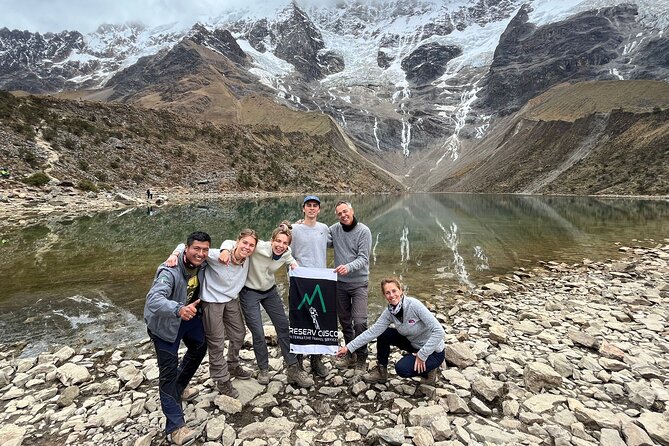
The best thing about starting this trek at dawn is that you spend daylight where it counts, on the walking and on the views. On Day 1, you get picked up from your hotel in Cusco at around 4:00 am, then head out toward Soraypampa, where the trek begins in earnest.
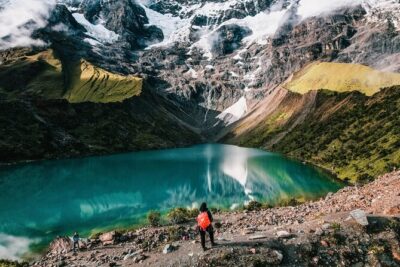
Your first stop is Humantay Lagoon, a classic high-altitude water view with sharp mountain backdrops. The timing matters here. Early starts help you get to the area with better light for photos, and they give your body some time to settle into the day before you’re moving again. You’ll also see how fast Peru can switch from Cusco highland rhythm to true trekking country once you’re past the main roads.
What I like about Day 1 is the structure. You go out, you do the highlight, and then you come back for a local lunch plus dinner at the lodging. That matters if you’re trying to recover well before the steeper Day 2 push. If you arrive in Cusco just the night before, you might feel altitude more strongly. Take it easy during the first day walk, and treat the early hours like part of the training.
One practical note: Day 1 runs long, about 16 hours, not a casual half-day excursion.
More Hiking & Trekking in Cusco
- Classic Inca Trail Trek 4D/3N to Machu Picchu (Group Service)
★ 5.0 · 8,653 reviews - Machu Picchu: 4-Day Inca Trail Trek with Panoramic Train Ride
★ 5.0 · 4,568 reviews - Salkantay Classic Trek 5 Days from Cusco
★ 5.0 · 4,062 reviews
The Salkantay Pass Day: Early 4:30 am Climb, 4600 masl, and the Photo Window
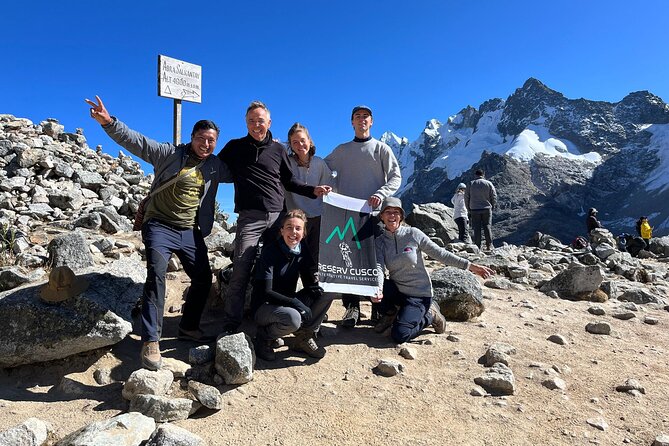
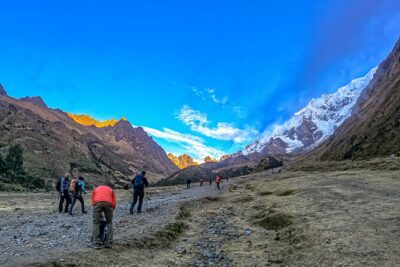
Day 2 is the “put your head down and keep moving” day. After breakfast, you leave at approximately 4:30 am and climb toward the Salkantay pass at 4600 masl. This is the kind of hike where your breathing sets the pace. The good news is that the route is planned with breaks and meal stops, including a lunch at Huayracmachay.
The big moment here is reaching the pass area, where the view frames the iconic Apu Salkantay. The itinerary is built around getting those pictures when conditions tend to be best, which is exactly what you want in high mountains where weather can change quickly.
Then it’s down. After the pass, you descend toward Huayracmachay for lunch, and you keep walking toward Callway for your dinner break in country rooms before the next day.
I love that this day isn’t just “suffer then summit.” It’s guided, so you’re not guessing the route or timing. And it’s paced with real stops, so you can focus on steady effort rather than logistics.
The drawback is obvious: this is a tough day. It also helps to know the route is longer than many people expect. Day 2 is about 18 hours, so bring a mindset of “long day, small steps,” not “quick hike.”
Jungle-Edge Switch and Cocalmayo Hot Springs Option on Day 3
Day 3 is where the trek identity shifts. You leave very early again after breakfast and enter the jungle edge, where you’re surrounded by dense vegetation and followed along an imposing river for stretches of the walk. If you’ve only seen Peru from train windows or city streets, this day changes your mental map fast.
You hike toward Lucmabamba, stopping for lunch with products from the area. Then you continue on toward Santa Teresa, where you have an option to visit the thermal baths of Cocalmayo.
Here’s how I’d think about the hot springs choice: it’s optional because your priorities might differ. If your calves and knees need recovery, Cocalmayo can feel like a reset button. If you’re chasing daylight for the next transfer, you might skip the baths and focus on sleep and recovery at lodging.
Either way, your day ends with dinner and lodging, with a total time around 18 hours. The long hours can feel like a lot, but this is also the day where you start to feel the rewards of switching ecological zones.
Aguas Calientes Plan on Day 4: Zip Line Choice or Hydroelectric Walk Along the Rails
Day 4 brings you closer to Machu Picchu in a way that feels more like an approach than a final destination scramble. After breakfast, you have two options.
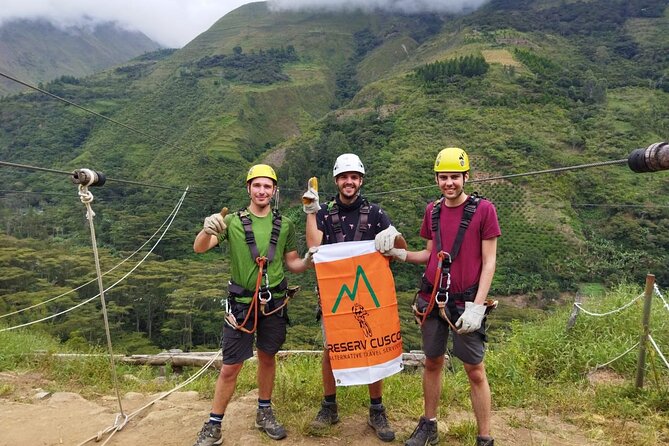
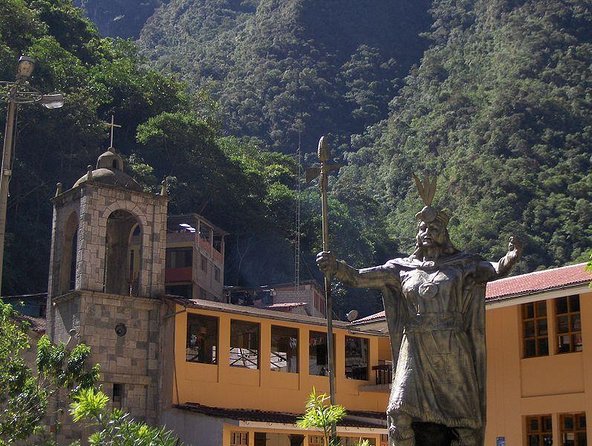
Option one is to do a zip line activity (Tiroleza) to continue toward Hidroelectrica. Option two is to start walking to the hydroelectric area on foot, then lunch there before continuing. Either way, after that you walk following the train lines until you reach Machu Picchu Pueblo (Aguas Calientes), where dinner and hotel lodging are waiting for you.
I like this design because it gives you control. If you’re feeling energetic, the zip line can add fun without taking away the core walking to Aguas Calientes. If you want to keep things simple and steady, the hydroelectric walk is a straightforward progression.
One caution: walking along train lines is not automatically “easy.” You’ll still be on your feet, and you’ll still want good energy management. Bring water and snacks if you think you’ll need them, but note that beverages in bottles are not included.
Day 4 is also about 18 hours total, so plan to treat the night in Aguas Calientes as real recovery time, not a party night.
More Salkantay treks:
- 4-Day Salkantay Trek with Sky Camp Stay
★ 5.0 · 3,346 reviews - Salkantay Trek 5D/4N with Glass Cabins, Domes and Hobbit House
★ 5.0 · 2,488 reviews - 5-Day Premium Salkantay Trek
★ 5.0 · 788 reviews - Ultimate Salkantay Trek to Machu Picchu 5 Days
★ 5.0 · 588 reviews
Machu Picchu for About 3 Hours, Then Train and Bus Back to Cusco
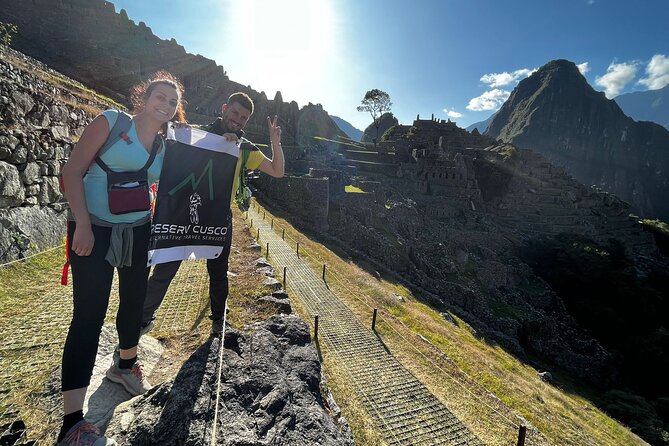
Day 5 is the finale. You walk to the Machupicchu Archaeological Park and visit for an average of 3 hours. That time window is solid. You get enough time to appreciate the main areas without turning it into an all-day grind.
After your visit, you return to Aguas Calientes and take the train to Ollantaytambo, then the bus back to Cusco.
The reason this ending works well is that it matches how Machu Picchu feels. It’s not a “quick stop,” but it’s also not a full-week experience. Three hours, with a guide and a plan, is a smart use of time, especially after 4 days of physical effort.
Also, the fact that the experience includes the entrance to Machu Picchu matters. Machu Picchu costs time and money on your own. Having it rolled in keeps you from doing last-minute ticket math while you’re tired from the trek.
Price and Value: What $650 Covers, and Where Costs Could Surface
At $650 per person, this trek can feel like a deal once you count what’s included. You’re paying for:
- A private guided experience with support in English and Spanish
- Accommodation in family lodging (social tourism)
- Meals including dinner and lunch, plus breakfast is listed as included twice
- Shared transport from Cusco to Soraypampa
- Entrance fees for Laguna Humantay, Salkantay, and Machu Picchu
- Return train to Cusco after Machu Picchu
For many travelers, the biggest “hidden costs” on treks are permits, entrance tickets, and the transport puzzle at the end. Here, the big-ticket elements are already folded in. That’s the value.
Where you need to watch for extras:
- Thermal baths are not included
- Bottled beverages are not included
- Trekking poles are not included, though optional rental is available
- A boarding bus to Machu Picchu is listed as optional
So I’d treat $650 as a base package that covers the core trek and the main admissions, then add a little padding for optional activities and comforts.
Fitness reality check: Moderate fitness, long days, and how to make it work
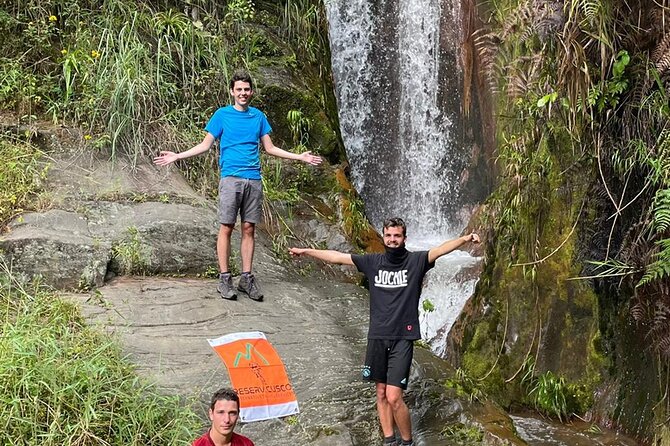
The trek is described as requiring moderate physical fitness. I’d interpret that as: you don’t need to be a mountain athlete, but you do need to be comfortable hiking uphill for hours at a time, at altitude, with early starts.
Your days are long, about 16 to 18 hours, and you’re hitting big walking blocks on Day 2 and Day 4. Even if your pace is slower, the total time on your feet adds up.
I strongly suggest you plan your prep around endurance and legs, not just confidence. The biggest mistake isn’t lack of ability, it’s starting too fast. On Salkantay pass day, pacing is everything. If you want the best experience, you have to arrive at the pass with enough energy to enjoy the view, not just survive it.
Also, you’ll want to think about traction and comfort. Since trekking poles are optional rental and not included, decide ahead of time whether you’ll want help for descents.
Guides, small moments, and why people remember this trek
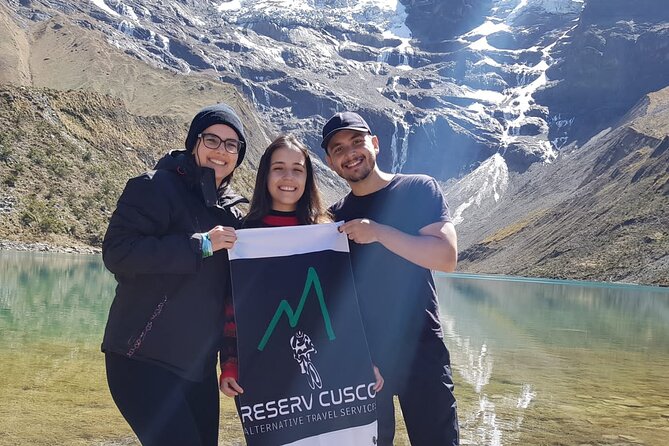
This is the part I care about as a practical traveler, because it’s what turns a trek from a checklist into a real experience.
People consistently connect their enjoyment to the guide experience. Names like Julio Cesar and Marco show up as standout guides, especially for being friendly and for explaining the history of Peru. Mauricio/Mauritius also comes up as someone attentive to the group, which matters when you’re tired and the route feels demanding.
The other “feel good” factor is lodging. This trek uses family accommodation in the social tourism style, and that can be a big quality-of-life win. You are not stuck with the full camping gear burden. One of the biggest practical relief points in this kind of trek is not having to bring tents or sleeping bags, and the structure here is built around local lodging instead.
Finally, the meals matter. The food is described as hearty and Peruvian, with products from the area at stops like Lucmabamba. That’s not just comfort. It helps you keep energy up for long walking days without relying on buying snacks at the wrong moments.
Who this private Salkantay trek suits best
This is a great fit if you want:
- A private guided trek rather than a crowded group
- A plan that includes the big admissions, especially Laguna Humantay and Machu Picchu
- Family lodging that avoids heavy camping gear
- The flexibility of optional choices like Cocalmayo thermal baths and the Day 4 zip line option
It might not be the best fit if you want short days, lots of free time, or minimal walking. This is a working trek, with early starts and long hours.
Should you book this Salkantay trek from Cusco?
If your priority is doing Salkantay in a way that’s guided, structured, and built around admissions and transport being handled, I think this is a smart choice. The included value is real, especially with Machu Picchu entry plus the return train to Cusco.
Book it if you’re willing to work for the views, and if you can handle long days and altitude. You’ll enjoy the progression from Humantay to the pass to the jungle edge, and the finish at Machu Picchu feels earned rather than rushed.
I’d pause before booking if you’re unsure about your ability to hike several long days at elevation. In that case, you may want a less demanding trek, because this one is designed to be a true adventure, not a light day trip.
FAQ
How long is the Salkantay trek?
It’s scheduled for 5 days.
Is this a private tour?
Yes. It’s described as private, meaning only your group participates.
What time do you get picked up in Cusco?
On Day 1, pickup from your hotel is around 4:00 am. Day 2 is also very early, around 4:30 am after breakfast.
Are meals included?
Yes. Lunch and dinner are included, and breakfast is listed as included twice.
Are entrance tickets included for Humantay and Machu Picchu?
Yes. The tour includes entrance to Laguna Humantay, Salkantay, and Machu Picchu.
Are the thermal baths included?
No. Thermal baths are listed as not included, though visiting Cocalmayo is an option on Day 3.
Do I need trekking poles?
Trekking poles are optional rental and are not included in the package.
How do you get back to Cusco after Machu Picchu?
You take the train to Cusco (with the plan described as train to Ollantaytambo and then bus back to Cusco).
Can I cancel for a full refund?
Yes. There is free cancellation, and you can cancel up to 24 hours in advance for a full refund.
If you want, tell me your fitness level and when you’re traveling, and I’ll help you decide if this exact 5-day pace feels right for you.
Recently reviewed around Cusco
- 6-Day ||All Included|| Excursion – MachuPichu & Rainbow Mountain-Humantay Lake★ 4.5 · 8 reviews
- Horseback Riding thru the Mountains of Cusco★ 5.0 · 8 reviews
- Cuzco City Tour and Archaeological Ruins in Half Day★ 5.0 · 8 reviews
- Full Day – Rainbow Mountain tour – Group Service★ 5.0 · 8 reviews
- Half Day Tour in Cusco: Exploring the City and Four Ruins★ 4.5 · 8 reviews
- Cusco 4 Days Machu Picchu and Sacred Valley | All included★ 5.0 · 8 reviews
- Machu Picchu and Sacred Valley 2 Day Tour★ 5.0 · 8 reviews
- Walking Tour in Legendary & Historical Cusco City★ 4.5 · 8 reviews
Salkantay Trek, compared.
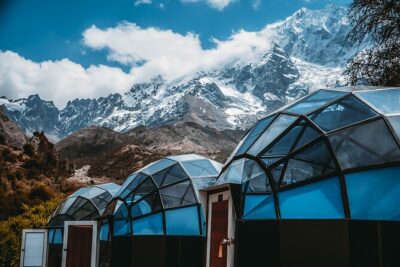
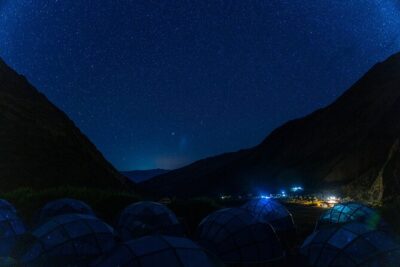
Salkantay Trek 5D/4N with Glass Cabins, Domes and Hobbit House
Read our review →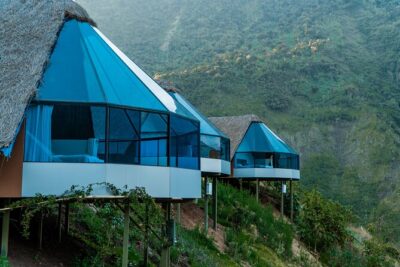
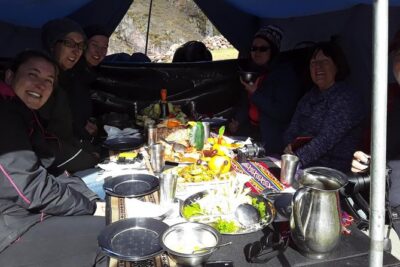
Ultimate Salkantay Trek to Machu Picchu 5 Days
Read our review →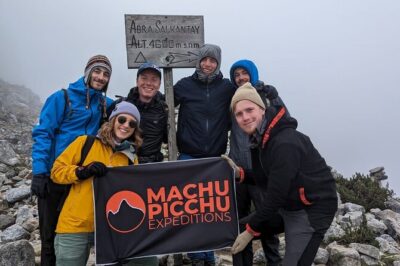
Salkantay Trek to Machu Picchu 5 Days / 4 Nights by Glamping
Read our review →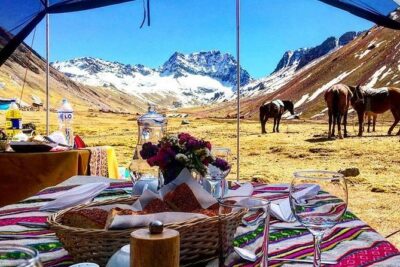
Humantay Lake and Salkantay Pass Trek – 2 Days / 1 Night
Read our review →Browse the lists this tour appears in