
Reviewed · SALKANTAY TREK
Salkantay Trek Standard 5D/4N
What makes this trek especially interesting is the way it takes you from high Andes passes to coffee-growing lowlands, then ties it up with a sunrise visit to Machu Picchu. I also like that this is a tight small-group trek (max 15), so you spend more time paying attention to the scenery and less time waiting around. The best part for your stress level is that a guide, cook, key transport, and entrance fees are built in.
The one real consideration is that this plan has early starts and big altitude moments, and it is also non-refundable if your plans change. If you hate wake-up-at-4-am logistics, or you are on the edge with altitude, you will feel it.
Key Points at a Glance
- Small group size (15 max) keeps the trek feeling personal instead of factory-tour busy
- Humantay Lake, Salkantay Pass, cloud forest, and Llactapata hit major highlights in one run
- Horses carry camping equipment, so your hike load stays more manageable
- Machu Picchu sunrise is included with a private guide once you get up early
- Camping, meals, and guide support are largely handled, so you pack smarter
Cusco to the Andes, Without the Usual Headaches
This is the kind of trip you choose when you want the Peruvian Andes experience, but you do not want to play logistics whack-a-mole for five days. Cusco is your launchpad, and the route is designed like a highlight reel, but still practical: you move each day, eat well, sleep properly (within the camping and hostel style described), and you get guided transitions to the next big view.
I like that you are not left piecing together the day-by-day plan. The schedule takes you up to Soraypampa (3900 m), then pushes higher to Humantay Lake (4200 m), then later gets you over the Salkantay Pass (4600 m). You also do the Andes-to-cloud-forest-to-lower-jungle rhythm instead of repeating the same type of hike.
One more thing: the tour’s structure is built around having the trip staff run the show, including a cook and assistants. That matters on a trek because good food and smooth camp operations are not perks. They are energy management.
More Hiking & Trekking in Cusco
- Classic Inca Trail Trek 4D/3N to Machu Picchu (Group Service)
★ 5.0 · 8,653 reviews - Machu Picchu: 4-Day Inca Trail Trek with Panoramic Train Ride
★ 5.0 · 4,568 reviews - Salkantay Classic Trek 5 Days from Cusco
★ 5.0 · 4,062 reviews
Your Start in Cusco: 4:00 am and the Meeting Point Plan
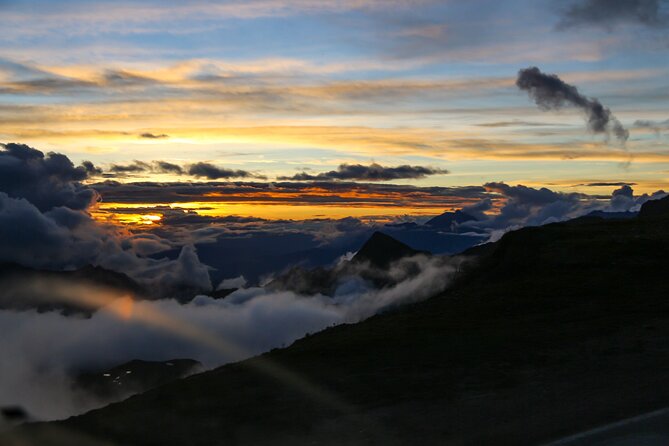
Your day begins early. You meet at Portal de Comercio 145, Cusco 08002 at 4:00 am. From there, you get transfer support toward Mollepata, where you start with breakfast before the trek portion kicks off.
That early start is not random. It is the tradeoff for fitting Humantay Lake and then getting you to camp with enough time to settle in. If you are the type who always underestimates how long mornings take, you will appreciate that the plan is already laid out.
Also note the real-world effect of early departures: you will want to be ready the night before. Have your passport and any key documents where you can grab them quickly, and keep your most-used items easy to access in your day bag.
Day 1: Mollepata to Soraypampa, Humantay Lake, and Salkantaypampa Views
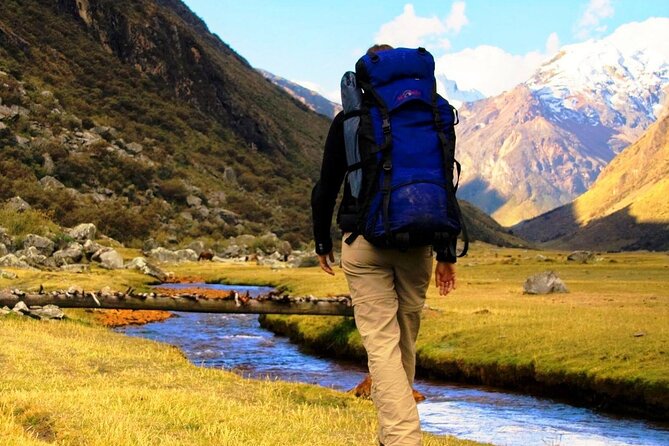
Day 1 is about altitude awakening and dramatic payoff. After pickup from Cusco and breakfast in Mollepata, you start trekking in Soraypampa (3900 m). You will meet your horsemen and horses, who carry the camping equipment, which is a big deal for comfort and stamina.
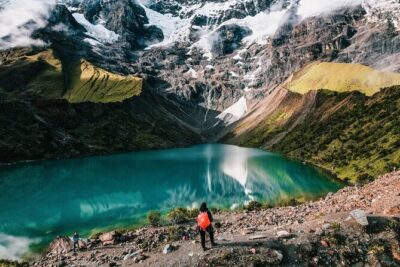
Then you hike up to Humantay Lake (4200 m). The walking is only part of the story here. The real value is the rhythm of gaining elevation, then arriving at a high, open viewpoint where the mountains do not feel distant. You spend time at the lake, then head back down to Soraypampa.
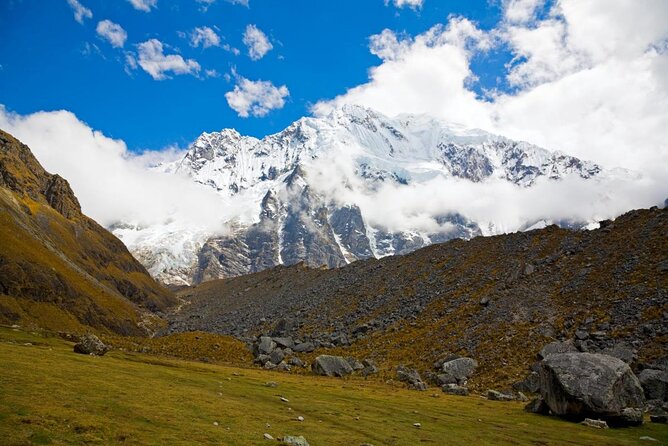
Lunch is waiting for you at Soraypampa, and then you move onward to basecamp Salkantaypampa. In the afternoon you get tea and dinner, plus time to enjoy the views of Salkantay’s snowy peak. This is a good day to practice your “settle and reset” mindset. Your body is going to be adjusting, and camp time is where you recover for tomorrow’s higher pass.
Day 2: The Salkantay Pass (4600 m) and High Jungle to Camp
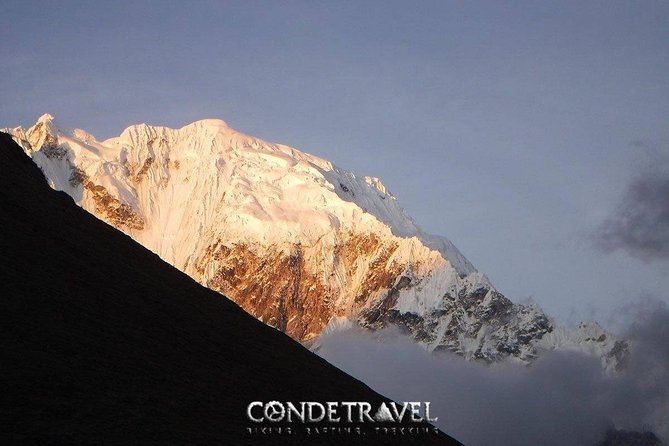
Day 2 starts with coca tea and breakfast, with mountain views while you eat. You then climb toward the Salkantay Pass (4600 m), which takes about 3 hours. That “about” matters. Your pace will depend on how your body handles elevation, but the structure keeps you moving without turning it into a full push race.
Once you reach the pass, you head toward Wayrac Machaq for lunch. After that, the day shifts into a different world. You continue into the high jungle and walk downhill, watching for large trees and plants like bromeliads and orchids hanging near streams. This is a nice contrast from the stark pass walking. It gives your eyes something other than rock and sky.
You finish at the second campsite, with a total hiking day around 8 hours. This day tends to be the one people remember most, not because it is the longest, but because it marks the high point and then pivots into the more alive, plant-rich terrain. If you are already thinking about tomorrow’s energy, focus on pacing early and staying consistent.
More Salkantay treks:
- 4-Day Salkantay Trek with Sky Camp Stay
★ 5.0 · 3,346 reviews - Salkantay Trek 5D/4N with Glass Cabins, Domes and Hobbit House
★ 5.0 · 2,488 reviews - 5-Day Premium Salkantay Trek
★ 5.0 · 788 reviews - Ultimate Salkantay Trek to Machu Picchu 5 Days
★ 5.0 · 588 reviews
Day 3: Cloud Forest Rivers, Waterfalls, Lucmabamba, and Coffee Options
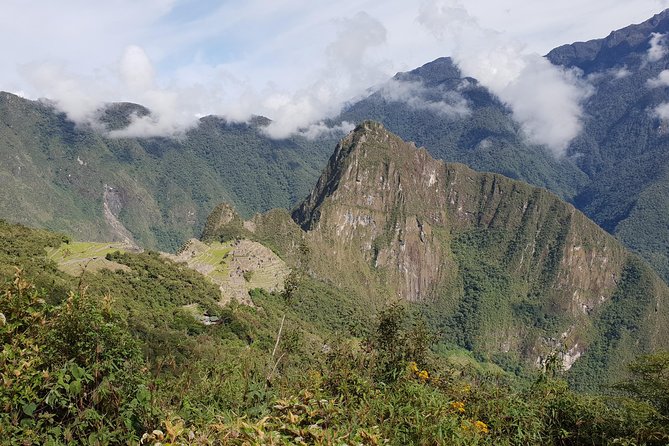
Day 3 begins with an early wake-up and breakfast, then you hike along the cloud forest for about 3 hours. Expect rivers and waterfalls along the route. This is the “soundtrack day,” where the background noise makes the forest feel active even when you are just walking.
After lunch, you hike another 3 hours to Lucmabamba campsite. This is where options appear. If you book ahead, you can add ziplining near the campsite area. Even if you do not, you still get a local twist: there are activities connected to coffee plantations and processing.
There is also an optional side trip: Cocalmayo hot springs, about 30 minutes from the campsite. You would need extra transportation and pay entrance separately, but it is a practical “reward” idea on a day when your legs will be tired. If you are going to add it, plan for time and confirm it with your guide so it does not interfere with the evening camp routine.
Day 3 is also a good day for judging your hiking legs. If you feel strong, you can enjoy the extras. If you feel cooked, treat Lucmabamba as recovery time and keep your evening simple.
Day 4: Llactapata Views, Hydroelectric Lunch, and Aguas Calientes Hotel Night
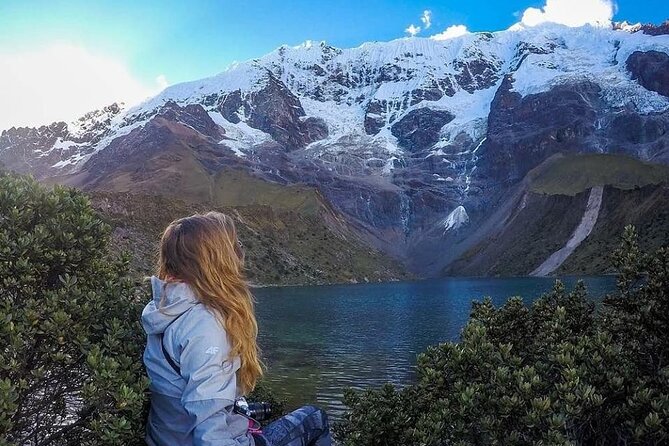
Day 4 starts with breakfast and then heads toward Llactapata. This is a high viewpoint where you can get great views of Machu Picchu. The value here is perspective. When you see Machu Picchu from a different angle than the main entrance approach, it feels less like a postcard and more like a built-in landscape feature of the mountain.
After that viewpoint, you walk downhill toward Hydroelectric for lunch, then continue hiking another 3 hours to Aguas Calientes. The evening is the comfort upgrade: you spend the night in a hotel in Aguas Calientes.
This day tends to be the “let’s get there” mix of ups and downs. It is not just trekking anymore. You are transitioning into Machu Picchu mode, so treat this as a day for sensible effort. If you push too hard on the downhill, you will pay for it during Machu Picchu morning.
Day 5: Machu Picchu Sunrise With a Private Guide, Then Back to Cusco
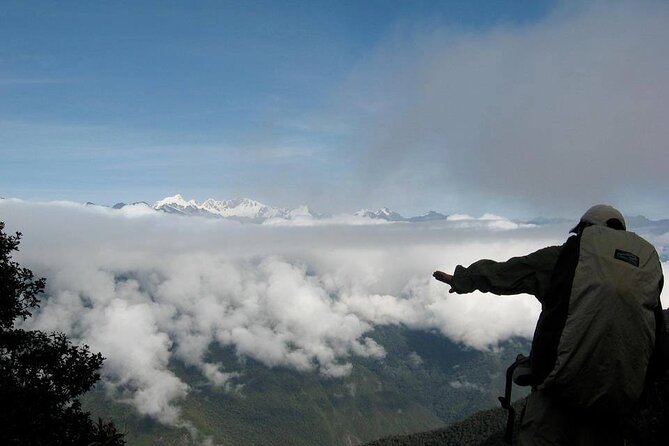
If you can handle early starts, this is where the trip cashes its check. After breakfast on Day 5, you take early buses up to Machu Picchu for sunrise. Sunrise is special because the light hits differently, and the site feels quieter than the later crowds.
Once you arrive, you explore Machu Picchu with your private tour guide. A private guide matters here because Machu Picchu is dense. You can easily miss the key alignments, structures, and how the site works. A guide helps you focus on what you should look for, instead of wandering like a kid in a museum with a tired battery.
After your visit, you head back down and take transport toward Cusco. This trek includes the train back from Aguas Calientes to Ollantaytambo, then transportation from Ollantaytambo to Cusco. You are basically done with the biggest moving parts once you finish Machu Picchu.
Included Support and Meals: Why This Feels Easier Than “DIY” Trekking
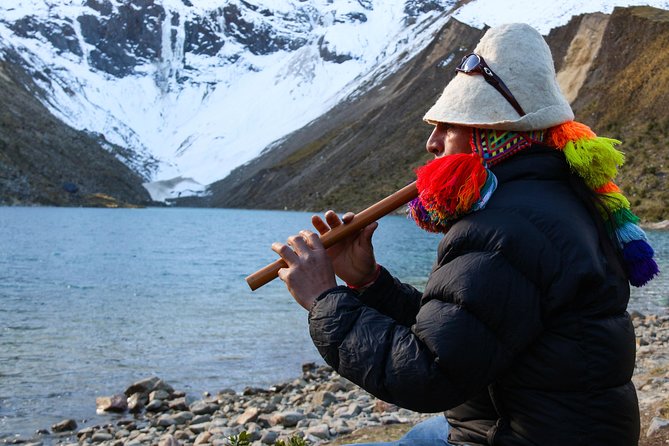
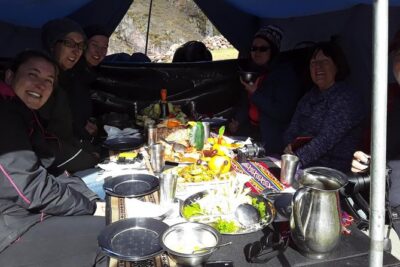
This trek includes more than just guide-led hiking. It comes with practical camp infrastructure: a roomy dining tent and kitchen, plus chairs and dining tables, and a first aid kit. On treks, these details are not glamorous, but they make a real difference when the weather shifts or you just want to eat without improvising.
Meal coverage is also included: 4 breakfasts, 4 lunches, and 4 dinners. That matters because altitude trekking makes appetite behave oddly. Knowing your meals are covered helps you avoid the common mistake of skipping food until you are “really hungry,” which can snowball into low energy.
Accommodation is split by day style: 3 nights camping during the trek, then 1 night in a hostel/hotel in Aguas Calientes. The trek’s rhythm is built around that change, so you get a proper night of rest right before Machu Picchu.
And yes, entrance fees to Machu Picchu are included. You do not want to be juggling paperwork or payments right as your Machu Picchu morning is approaching.
Packing and Gear Reality Check: What’s Missing
This is where you should read the included versus not included list carefully.
Not included: a sleeping bag and walking poles. If you do not have these already, plan to rent them or buy them before you start trekking. Trek comfort often hinges on sleeping bag quality more than you think. Cold nights can turn “I will be fine” into “why did I do this.”
Also not included: the up or down bus from Aguas Calientes to Machu Picchu. You will be taking early buses as part of the plan for sunrise, but the package specifically does not list those bus rides as included. This is one of those small line-item details that can surprise you, so budget for it.
Not included: ziplining activity (unless you add it yourself), plus Huayna Picchu or Machu Picchu Mountain entrance. You can add those if you want, but the default is the standard Machu Picchu experience with the included visit.
Value and Entrance Fees: The “What You Avoid Paying For” Advantage
When you look at value, do not just compare the headline trek price. You want to count what would cost money and coordination if you did it yourself.
Here you get a lot of the heavy lifting covered: transfers from Cusco to Mollepata, entrance fees for Machu Picchu, the train back from Aguas Calientes to Ollantaytambo, plus transportation from Ollantaytambo to Cusco. You also have lodging in Aguas Calientes and 3 nights camping set up with dining facilities.
Add in the staff component: a professional bilingual guide, plus a cook and assistants. That staffing is part of why you eat real meals and camp smoothly. Without that, you would either carry more, arrange food yourself, or join a separate meal-and-gear plan anyway.
So the value is less about a single item being cheap, and more about reducing the number of moving parts you have to manage.
Safety, Strikes, and Refund Reality: Read This Before You Book
The trek has strong ratings and high recommendation, but one caution stands out from an account related to disruption and refunds. In that case, the guest reported issues tied to transport disruptions and then said they were not reimbursed. The provider response emphasized that the trek cannot be cancelled close to departure, and that they offered a voucher for future use based on the agreement at the time.
I am not trying to scare you off. I am saying you should go in with clear expectations. This experience is non-refundable and cannot be changed for any reason according to the cancellation policy. That means if something personal comes up, you need a plan before you pay, like travel insurance and realistic backup time.
Also, the itinerary depends on getting you to key transport points on time, especially with early departures. If you are the kind of traveler who does not handle delays well, choose a booking timeline that gives you a cushion in Cusco before and after your trek.
Who Should Book This Salkantay 5D/4N Trek
This is a great fit if you:
- Want a small-group Andes experience capped at 15 people
- Prefer having meals, camping setup, and key transport handled for you
- Want the full arc: Humantay Lake, Salkantay Pass, cloud forest, and Machu Picchu sunrise
- Like the idea of switching from camping days to a hotel night in Aguas Calientes before your Machu Picchu visit
It may not be ideal if you:
- Have limited altitude tolerance, since you reach 4600 m on the pass
- Do not want to deal with very early starts
- Are traveling with a tight schedule where plans might change
Should You Book? My Decision Guide
If you want a guided, highlight-heavy trek that keeps logistics mostly off your plate, this is a smart choice. The combination of horse-carried camping gear, covered meals, and a guided Machu Picchu sunrise day makes it feel built for real humans, not just marketing brochures.
Before you book, do two things. First, confirm you can handle the altitude of 4600 m and the long hike day structure. Second, be honest about the non-refundable nature of this experience. With that in mind, you can go in calmly and focus on what you actually came for: mountain walking, cloud-forest sounds, and Machu Picchu when the sun is still rising.
If your comfort with early mornings and altitude is solid, I would book this style of trek without overthinking it.
FAQ
Where is the meeting point and what time does the trek start?
You meet at Portal de Comercio 145, Cusco 08002, Peru at 4:00 am.
How long is the Salkantay Trek experience, and what nights are included?
The experience runs for 5 days (approx.) with 3 nights camping and 1 night lodging in Aguas Calientes.
Are Machu Picchu entrance fees included?
Yes. Entrance fees to Machu Picchu are included.
What are the highest altitude points on the trek?
You start trekking around Soraypampa at 3900 m, visit Humantay Lake at 4200 m, and reach the Salkantay Pass at about 4600 m.
Is a sleeping bag included?
No. A sleeping bag is not included.
Are walking poles included?
No. Walking poles are not included.
Is the ziplining activity included?
Ziplining is not included in the base package. It can be booked in advance near Lucmabamba if you want to add it.
How does Machu Picchu transport work from Aguas Calientes?
The up or down bus from Aguas Calientes to Machu Picchu is not included. You will take early buses up for sunrise as part of the plan, but the bus cost is listed as not included.
Is this trek refundable if I cancel?
No. This experience is non-refundable and cannot be changed for any reason. If it is cancelled because the minimum number of travelers is not met, you will be offered a different date or experience, or a full refund.
If you want, tell me your hiking experience level and whether you’re used to high altitude. I can help you sanity-check if the pass day timing fits your comfort level.
Recently reviewed around Cusco
- Cusco Cooking Class by ChocoMuseo in Cusco★ 5.0 · 29 reviews
- ATV Adventure to Moray and Maras Salt Mines – Half Day★ 4.5 · 29 reviews
- 1-day excursion to Machu Picchu from Cusco★ 5.0 · 29 reviews
- Private Tour Sacred Valley, Chinchero, Maras Moray, Ollantaytambo★ 5.0 · 29 reviews
- From Cusco: Humantay Lake with Breakfast and Buffet Lunch★ 4.5 · 29 reviews
- 4 Day – Inca Jungle to Machu Picchu★ 5.0 · 29 reviews
- 2-Day Machu Picchu Tour by Train from Cusco★ 4.5 · 29 reviews
- 2-Day Sacred Valley and Machu Picchu Tour By Train★ 4.5 · 29 reviews
Salkantay Trek, compared.
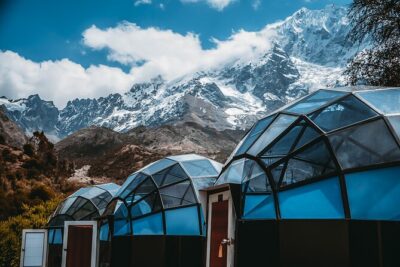
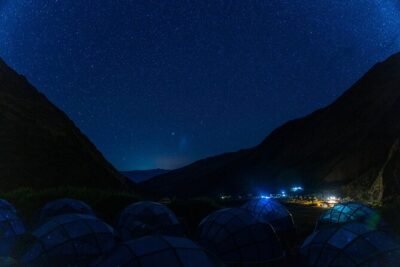
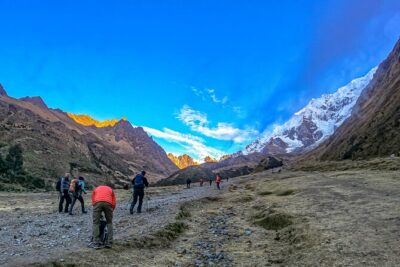
Salkantay Trek 5D/4N with Glass Cabins, Domes and Hobbit House
Read our review →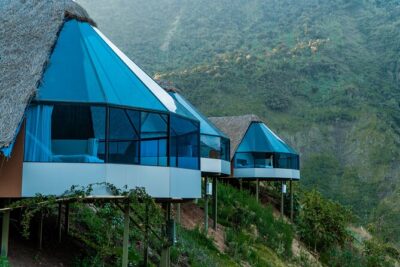
Ultimate Salkantay Trek to Machu Picchu 5 Days
Read our review →
Salkantay Trek to Machu Picchu 5 Days / 4 Nights by Glamping
Read our review →
Humantay Lake and Salkantay Pass Trek – 2 Days / 1 Night
Read our review →Browse the lists this tour appears in