
Reviewed · MACHU PICCHU
10-Day Taste Peru Experience: Lima, Nasca, Cusco & Machu Picchu
Peru is big. This trip is the opposite of vague. You get four regions in about 10 days, from Pacific Lima to high-altitude Cusco, plus a Nazca overflight you simply cannot replicate on foot. And yes, the food and drink theme matters, with pisco and local markets woven into major sightseeing.
What I like most are two very practical things. First, the trip handles the transfers and hotels for you, so you spend less time guessing and more time looking up at cathedrals, fortresses, and ruins. Second, the itinerary mixes the big-name hits with hands-on food stops, like Larco Museum, Pescados Capitales, and a full day tied to pisco culture in Ica.
One watch-out: it is a busy, physical route, and Cusco’s altitude can hit hard early on. If you get altitude sickness, plan for it, take your medicine, and build in slow minutes when you can.
Key things that make this trip work
- Private transfers between airports, hotels, bus points, and railway stations
- Nazca Lines flight from Aerodiana, plus desert scenery in Paracas and Ica
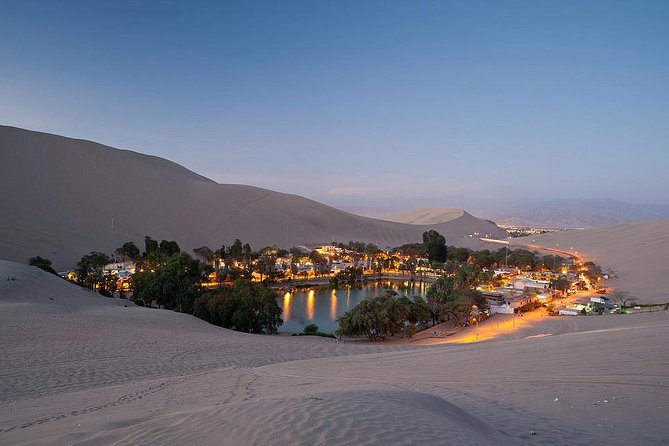
- Pisco-focused day in Ica, including Tacama winery, Huacachina, and El Catador
- Cusco plus Sacred Valley by guided route, with Sacsayhuaman, Pisac, Moray, Maras, and Ollantaytambo
- Machu Picchu guided visit with circuit options, and you get a clear plan before tickets are issued
- Small group size with a maximum of 20 travelers
A 10-day Taste Peru plan that stitches Lima to Machu Picchu
This is not a slow wander through Peru. It’s a smart sprint with a clear theme: taste the country while you see its biggest sights. The route covers Lima, Paracas and Nazca, Ica, Cusco, the Sacred Valley, and Machu Picchu in one continuous storyline. If you like having a structure, and you want the comfort of knowing you will get from A to B, you’ll probably enjoy how this one runs.
The balance is what sells it. You do get the icons: Lima’s historic center, Sacsayhuaman, the Sacred Valley sites, and Machu Picchu. But you also get the sensory extras that make Peru feel real, like markets, pisco tastings, museum time, and local meals.
And because it’s a group tour with up-front logistics, you’re not stuck on your own figuring out bus schedules, ticket timing, or where to line up. That “peace of mind” matters when you’re juggling multiple flights and an altitude jump.
More ways to reach Machu Picchu:
- 10-Day Discover Peru: Lima, Arequipa, Puno, Cusco & Machu Picchu
★ 5.0 · 299 reviews - 7-Day New Dawn in Machu Picchu: Lima, Cusco & Sacred Valley
★ 5.0 · 220 reviews - 7-Day Lima and Cusco Tour with Sunrise at Machu Picchu
★ 4.5 · 218 reviews
Price and value: what the $2,005 per person gets you (and what it doesn’t)
At $2,005 per person, this is a mid-to-premium style package. The value shows up in the big-ticket parts that normally cause chaos: 9 nights of selected hotels and private transfers tied to airports and the Machu Picchu route.
Included on the itinerary side, you also get several paid experiences: Larco Museum, Magic Water Circuit, the Nazca overflight, Sacsayhuaman, Sacred Valley stops, and Machu Picchu with lunch. There are also several breakfasts and lunches built in, which helps your budget.
What’s not included is important for planning:
- Your Lima to Cusco and Cusco to Lima flights
- The Pisco airport tax for the Nazca day (USD 10 per person)
- Food and drinks beyond what the itinerary specifies
If you prefer to handle flights yourself and you want everything else to be sorted, this can be a good deal. If you hate tight schedules or want full flexibility, you might feel boxed in.
Day 1 in Lima: arrival support, cathedrals, and a first taste of Peru
Day 1 is all about getting you settled without friction. You land in Lima, meet your group at the airport, and get taken to your hotel. That first transfer is more than convenience. After a long flight, it sets the tone so you can focus on sights instead of logistics.
Your next move is a walking and plaza-style Lima introduction that starts at Love Park in Miraflores. The ocean views here are a nice grounding moment, especially when Lima can feel like a big city blob at first. From there, you head to Huaca Pucllana, an important ceremonial center tied to Lima culture.
Then comes the historic centerpiece: the Main Square, with the Government Palace and Town Hall nearby. You tour the cathedral area and also visit the Santo Domingo Convent, including the corridors where San Martín de Porras and Santa Rosa de Lima used to walk in the 17th century.
If you care about religious art, colonial architecture, or just getting oriented, this is a strong way to start.
Day 2 Lima food and art: Larco Museum plus the Magic Water Circuit
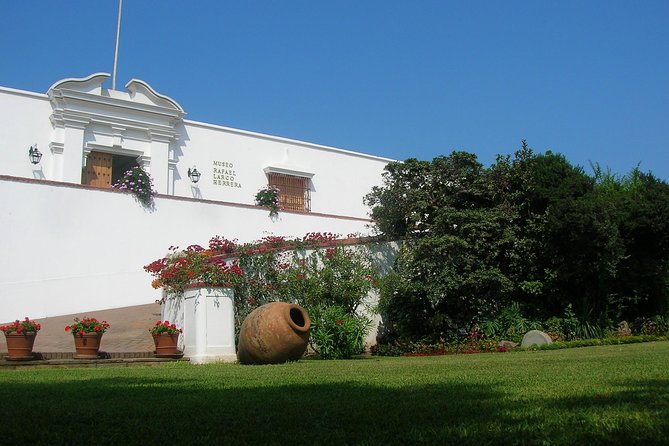
Day 2 is where the trip locks into its Taste Peru theme. In the morning, you go straight to Larco Museum, one of the best places in Lima for a “clear vision” of ancient Peru. You’ll see gold pieces, textiles, and erotic pottery, and the museum also has its warehouse open during your visit. That warehouse access gives you a more behind-the-scenes feel.
After that, the afternoon and evening shift back to modern Lima. You stop at a traditional pisco bar area in Pueblo Libre for a Chilcano and a classic sandwich called butifarra. If you’re new to pisco culture, this is a low-pressure way to try it.
Then you get the Magic Water Circuit at the Park of the Reserve. It’s 13 water fountains with lighting and illusion effects. It sounds like a theme park. In practice, it’s a fun change of pace after museum time, and it makes for a good “day two night” rhythm.
Dinner is also built in with a stop at Pescados Capitales, focused on seafood. This is a solid pick for Lima, because Peru’s coastal cooking is a big reason food here deserves attention.
A few more Lima days worth comparing
- Premium Paracas & Huacachina Day Trip from Lima with Sunset Toast
★ 5.0 · 7,380 reviews - Full Day Tour From Lima: Paracas and Huacachina Oasis
★ 5.0 · 3,694 reviews - Lima Ultimate Peruvian Food Tour
★ 5.0 · 1,845 reviews - Lima Half-Day City Walking Tour (Small Groups)
★ 5.0 · 1,508 reviews
Day 3 Nazca overflight from Paracas: the one view you cannot get on foot
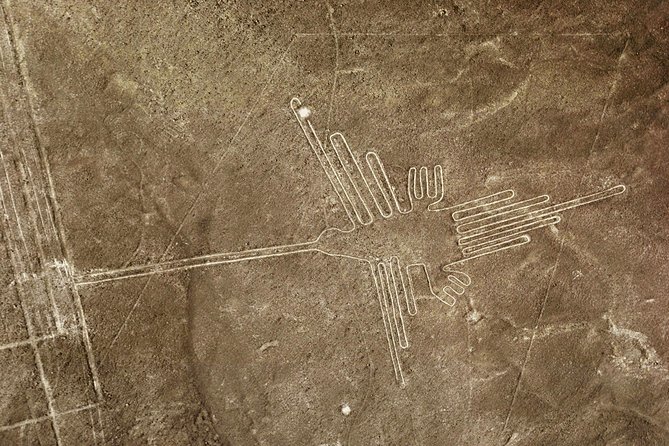
On Day 3 you transfer to Paracas Bay using a premium service, then head toward the Pisco airport for the Nazca overflight. The Nazca Lines are huge drawings you can’t truly appreciate from ground level. From the air, the shapes snap into focus fast, and you’ll spot animals and symbols like a monkey, hummingbird, condor, or spider.
You do not need a perfect theory of who made them to enjoy the flight. The real value is visual impact. It’s like seeing a giant puzzle solved in real time.
After the flight, you return to the airport and head to your hotel in Paracas. You get free time to rest, which is smart because this day is early and very sensory. If you’re prone to motion sickness, it’s worth planning ahead for the flight portion.
Day 4 Ica and Huacachina: Tacama winery and the pisco chain of craft
Day 4 starts in Ica with Tacama winery, a property open since 1540. The colonial architecture isn’t a museum prop. It sets the stage for what the day is really about: how grapes become pisco, and how local tradition keeps that chain going.
You tour the estate, including bell tower and vineyards, and you see a wine cellar. Then you visit the handcrafted pisco cellar called El Catador, where you can observe ancient clay vessels and a unique oak press.
Midday, you head into the desert to visit Huacachina Oasis, surrounded by dunes and palms. This is the scenic palate cleanser between winery and city time. Your day also includes Ica gastronomy and a return to Lima by Paracas Premium Service later.
The win here is variety in one day. You get nature, production, and a regional flavor story.
Day 5 Cusco city tour: markets, Korikancha, and a fortress-city introduction
Day 5 is a flight day. You transfer to the airport, fly to Cusco, meet your guide at arrival, then go straight into orientation.
Your afternoon city tour starts at San Cristobal Plaza, where you get panoramic views over Cusco. If you’ve never been at altitude before, a viewpoint is useful. It helps your brain map what you’re seeing, because Cusco can feel like a steep puzzle.
Next you visit San Pedro Market for local flavors. It’s a good stop for understanding what people actually eat and buy, and it also gives you a reality check on local ingredients.
Then comes Korikancha, the Gold Enclosure. Even if you’ve seen photos, seeing it in person helps. The gold covered walls are part of why the site mattered.
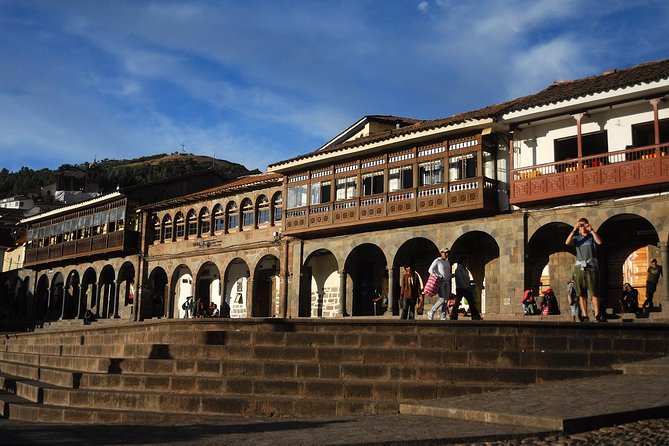
You also visit Santo Domingo Church, plus a walk from San Blas toward the Hatun Rumiyoc street. You pass the Inca Roca Palace area, the Twelve Angle Stone, and then you finish at the Main Square to visit the Cathedral and colonial masterpieces.
This is a full afternoon, and it’s exactly the kind of day that can magnify altitude discomfort. Pace yourself. Sip water. Take breaks when you need them.
Day 6 Sacsayhuaman plus Q’enqo: colossal stones and fewer crowds
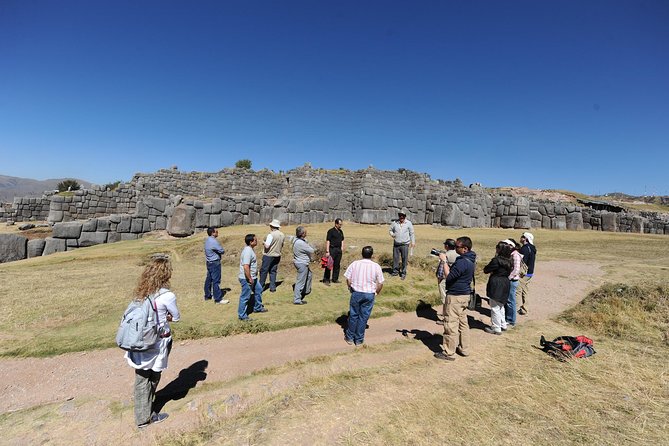
Day 6 is about big Inca-era sites with better energy. You visit Sacsayhuaman, a huge fortress of colossal constructions, and you’ll get views that connect the ruins to the hills around them.
Then you go to Q’enqo, an Inca shrine with a sacrificial altar embedded inside a rock cave. The rock here does a lot of the storytelling for you, so the visit feels more grounded than it can with purely flat museum displays.
After that, the route includes Puca Pucara viewpoint and Tambomachay, described as an important monument of Andean cosmo-vision. Even if you don’t catch every explanation, the sites give you enough to feel the logic: water, stone, ritual space, and movement through the landscape.
You also get a free afternoon. In Cusco, that freedom is valuable. Use it to explore slowly, eat something light, and let your body adjust.
Day 7 Sacred Valley: Pisac, weaving, camelid encounters, and a museum lunch
The Sacred Valley day is built like a highlight sandwich. You start at Awanacancha, a tourist complex where you can see and feed Andean camelids like llamas and alpacas. You also get textile weaving and dyeing techniques shown by locals.
Then you head to Pisac, including an Inca and colonial area. You walk the colonial town and have time for shopping at the handicraft market. Shopping here can be fun, but keep your eyes open for what you actually like, not what you feel pressured to buy.
Next you visit the Inkariy Museum and have lunch there. The museum tour is guided, focusing on pre-Hispanic civilizations and cultural representations in separate rooms.
The value of this day is mix: animals, craft, archaeology, and food, all in one arc. It also sets you up physically and mentally for the more famous Sacred Valley sites later.
Day 8 Moray and Maras: microclimates, salt wells, and Ollantaytambo stones
This is one of the most photogenic days on the route, and it earns it.
You start at Yucay Museum with a focus on preserving agricultural and cultural activities. Then the itinerary moves into less-visited Sacred Valley highlights. First is Moray, famous for concentric terraces that imitate different microclimates. The idea is practical, not mystical: farming experiments at scale.
Then you go to Maras, the millenary salt mines with those iconic white salt wells against the green valley. It’s not just pretty. It shows how local resources shaped livelihoods over centuries.
You get a buffet lunch, then head to Ollantaytambo, including a visit to the fortress and discussion of how Incas worked the stones. Ollantaytambo is also a Living Inca town area, so you see a sense of continuity, not only ruins.
If you like photography, this day will do the job. If you hate long drives, you’ll want to keep snacks and water handy because the route is active.
Day 9 Machu Picchu: bus ride, guided visit, and circuit choices
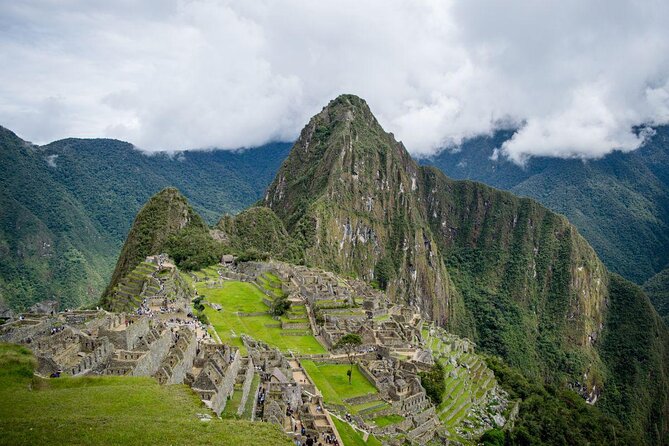
Machu Picchu day starts with a bus ride on winding roads with views over the Urubamba River and canyon. That transition from valley to cloud-town feeling is part of the magic.
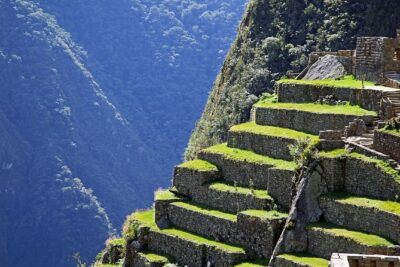
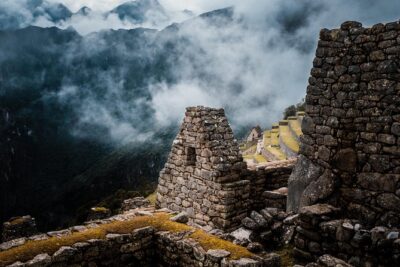
Once you arrive, Machu Picchu delivers. You get terraces, ceremonial shrines, steps, and urban areas, and you’ll have a guided visit. Then you have lunch at a restaurant in the area.
The return to Cusco happens after the visit, and you transfer back to your hotel. You’re overnight in Cusco, which is a good plan because it reduces the chance you rush through the last evening.
Two practical notes matter a lot here:
- Machu Picchu uses new visitor circuits with three main routes and specific differences. The route priority is route 2, and if it’s not available, options like circuit 3B or circuit 1B are supposed to be shared so you can confirm before tickets are issued.
- The Machu Picchu admission ticket is not refundable, and date changes are not accepted. If your visit date shifts, you need a new ticket.
So do your scheduling homework. Once you have your Machu Picchu date, guard it.
Day 10 departure flow: keep your last day simple
Day 10 is a departure transfer. This is good. After nine days of movement, you do not want a surprise “one more stop” that stretches your day and your patience.
Your last job is timing. Line up your airport transfer so you’re not trying to sprint from the wrong place.
Altitude and pace: the real challenge is Cusco days 5 to 6
If you take one lesson from this trip design, it’s this: Cusco changes your body early.
The itinerary moves you from sea level to about 11,000 feet within the first part of the trip. Even with medicine and patches, some people feel breath and stomach issues during the first couple days in Cusco. That’s not a failure. It’s biology.
Here’s how to handle it smartly:
- Take it easy on Day 5 and Day 6. Let your breathing settle.
- Keep water and small snacks handy.
- If you’re prone to altitude sickness, talk with your doctor before you go.
- Don’t treat your first Sacred Valley day like a race. It’s a long day, but it’s easier when you pace.
Also remember the trip is physical. You’re walking in markets, climbing around archaeological sites, and spending long hours on the road at least a few days in a row.
Who should book this Taste Peru experience, and who might not love it
This tour fits best if you:
- Want a major-sights route that includes Lima, Nazca, Cusco, Sacred Valley, and Machu Picchu
- Like pisco and food stops that are woven into the sightseeing, not stuck on the side
- Prefer pre-planned transfers and fewer decisions on the ground
- Are okay with altitude and can handle a busy schedule
You might want to skip it if you:
- Need lots of downtime every day
- Have very strict timing and hate the idea of non-flexible Machu Picchu ticket rules
- Know you react strongly to altitude and you cannot plan for it
Should you book this 10-Day Taste Peru tour?
I’d book it if you want the best “Peru hits” compressed into one itinerary, and you value not having to juggle transport details. The included hotels, private transfers, museum and pisco experiences, and guided time at Sacsayhuaman and Machu Picchu make it feel like a package with real substance, not just a checklist.
I’d think twice if you’re the type who needs a slow pace or you’re worried about altitude. In that case, you might prefer fewer stops and more recovery time.
If your plan is Lima, Nazca, Cusco, and Machu Picchu with food and drink woven in, this is a strong pick.
FAQ
What is the duration of the 10-Day Taste Peru Experience?
It runs for about 10 days.
How much does the tour cost per person?
The price is listed as $2,005.00 per person.
What is included in the tour price?
Private transfers between airports, hotel, bus and railway station are included, along with the city tour, Larco Museum and Magic Water Circuit tour, the Nazca lines overflight from Aerodiana, Paracas Desert, Ica City, Pisco experience stops (Huacachina lagoon, Tacama winery, El Catador), lunch in Tacama with Pisco and wine tasting, Sacsayhuaman tour, Sacred Valley stops with lunch, and Machu Picchu excursion with lunch. You also get 9 nights of accommodation and 9 breakfasts and 5 lunches.
What is not included?
Flight tickets Lima to Cusco and Cusco to Lima are not included. Also not included is the Pisco airport tax of USD 10.00 per person, plus food and drinks unless specified.
Is Machu Picchu admission refundable?
No. The Machu Picchu admission ticket is not refundable, and date changes or amendments are not accepted. If you need to change the visit date, you must purchase a new entrance ticket.
Are flights required for Lima to Cusco?
Yes. The flights Lima to Cusco and Cusco to Lima are not included in the package, and the guidance says your Lima to Cusco flight should be in the morning so you arrive by noon at the latest.
Is the Nazca overflight suitable for children?
The overflight is not recommended for children less than 8 years old. The aircraft holds up to 12 passengers.
Recently reviewed around Lima
- Lima Highlights! – City Tour & Miraflores, Barranco & San Isidro★ 5.0 · 29 reviews
- Lima Surf Trip★ 5.0 · 29 reviews
- Modern and Colonial Lima City Tour.★ 4.5 · 29 reviews
- Full day Tour Paracas Ica & Huacachina from Lima.★ 5.0 · 29 reviews
- Bohemian and artistic ravine walking tour★ 5.0 · 29 reviews
- Discover Barranco’s Nightlife with Bar Crawl Lima★ 5.0 · 29 reviews
- Cooking Class + Market Tour + City Walking Tour (Full Day).★ 5.0 · 30 reviews
- Machu Picchu, Cusco & Lima 7-Day Tour★ 5.0 · 30 reviews
Machu Picchu, compared.
Classic Inca Trail Trek 4D/3N to Machu Picchu (Group Service)
Read our review →
4-Day Inca Trail Trek with Panoramic Train Ride
Read our review →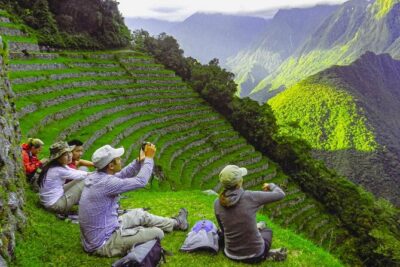
2-Day Inca Trail to Machu Picchu with Panoramic Train
Read our review →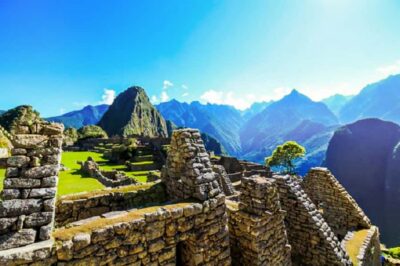

2-Day Tour: Sacred Valley and Machu Picchu by Train
Read our review →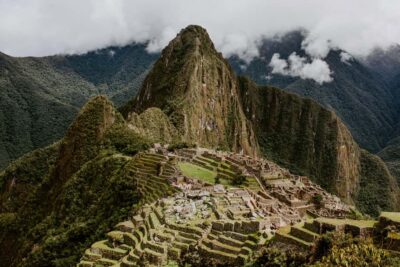
Browse the lists this tour appears in