
Reviewed · MACHU PICCHU
Machu Picchu, Cusco & Lima 7-Day Tour
If you want Peru with structure, this Lima to Cusco to Machu Picchu route is a strong fit. In a single week, you move from coastal city life to Inca cities to one unforgettable sunrise-style attraction, without having to piece together every ticket and transfer.
I especially like two parts: the guided Historic Center and Miraflores walking day in Lima, and the way the plan handles Machu Picchu logistics so you can focus on the views instead of the schedules. That includes guided time at the sites and the core transport you need to reach Machu Picchu.
The main drawback to plan around is that this experience depends on weather and it also moves fast at high altitude in Cusco, so you will want to pace yourself the first couple days.
Key highlights worth your attention
- Small group size (max 17), which usually means less waiting around and easier guide Q&A
- Coca tea on arrival in Cusco to help you ease into altitude
- Santo Domingo cloister and church in Lima with major Peruvian saint burials
- Cusco Inca circuit including Qorikancha and Sacsayhuaman’s massive stonework
- A full Sacred Valley day with Pisac market, Urubamba lunch, Ollantaytambo, then train to Aguas Calientes
- Machu Picchu day covers transport plus a professional guide so you are not figuring it out solo
Landing in Lima with a plan, not a puzzle
Day 1 is your low-stress start. You arrive at Jorge Chávez International Airport, then a team member meets you and transfers you to your hotel. After check-in, you get a clear rundown of what happens next, plus local ideas for neighborhoods, food, and shopping, which matters because Lima can feel wide and spread out.
This is also the day to reset your body. Lima is the kind of city where walking quickly turns into lounging, especially around Miraflores, and it helps if you give yourself a few hours before your tour pace starts. If you are hungry for the local food scene, this is your window to try Peruvian gastronomy without feeling rushed.
One more thing I like here: the trip is set up as a chain. You are not left wondering how to move from step to step. Even though the core days start sightseeing, the first day makes the logistics feel manageable so you can enjoy Lima instead of feeling anxious about tomorrow.
More ways to reach Machu Picchu:
- 10-Day Discover Peru: Lima, Arequipa, Puno, Cusco & Machu Picchu
★ 5.0 · 299 reviews - 7-Day New Dawn in Machu Picchu: Lima, Cusco & Sacred Valley
★ 5.0 · 220 reviews - 7-Day Lima and Cusco Tour with Sunrise at Machu Picchu
★ 4.5 · 218 reviews
Historic Lima on your feet, from Plaza Mayor to Miraflores cats
Day 2 gives you two distinct sides of Lima. First comes the Historic Center, then the more modern coastal vibe of Miraflores. It is a smart combo because it shows how Lima grew, with Spanish-era power at the center and everyday city life in the neighborhoods.
You begin at Nicolás de Piérola Avenue and then head to the heart of the Historic Center, Plaza de Armas (Plaza Mayor). Around the square you get the Government Palace, the Cathedral of Lima, and other major government and religious buildings. This is the kind of stop where you can see what the city used to run on, and you can understand why Lima became the administrative hub.
Next you visit the Basilica and Convent of Santo Domingo. It is a standout for Colonial architecture in Lima’s old town, built starting in 1578. This site also houses the remains of Santa Rosa de Lima and San Martín de Porres, two of Peru’s most significant saints. If you like places where art and faith meet in stone, this is one of your best stops in the first half.
After the old city, you shift gears to Miraflores and include huaca Pucllana, one of Lima’s “huacas.” This one is especially interesting because it is dated to roughly 200 to 700 A.D., and it functioned as a ceremonial center with administrative features. The location inside the Miraflores district makes it easier to combine modern city life with pre-Inca archaeology.
Then the day turns into a lighter, more human walk with El Parque del Amor and Kennedy Park. The Love Park is known for ceramic benches, colorful flowers, and the sculpture El Beso by Victor Delfin. Kennedy Park, meanwhile, is famous for sheltering stray cats that are cared for by the municipality of Miraflores and nonprofit groups. That is a very Lima kind of detail: the city is not only monuments, it is also routines, kindness, and street-level life.
Practical note: this is an active day. You will be on your feet and moving between areas, so pack water and wear comfortable shoes.
Cusco begins with orientation and altitude support
Day 3 is a transition day. Your team transfers you to Lima’s airport for your flight to Cusco, then you are met at the Cusco airport and taken to your hotel. After check-in, you receive guidance for getting oriented, with a map of the city and practical pointers for restaurants, exchange offices, shops, and sights.
This is also where the itinerary acknowledges altitude. You are offered coca tea, specifically described as helping with altitude sickness symptoms. I like that it is built into the first contact with Cusco, because you are not left to figure it out yourself on day one.
Cusco is the emotional center of the trip. Even if you are just settling in on this day, you will feel the change. The air is thinner, the streets have a different rhythm, and the Inca-era geography is close enough to feel like it is around you rather than behind glass.
If you are the type who pushes through discomfort, this is the day to resist that habit. Keep it easy, walk slowly, and give your body time to adjust so Day 4 can feel enjoyable instead of punishing.
The Cusco circuit: Inca geometry under colonial churches
Day 4 is your Cusco “big sites” day. You cover a long run of important stops that connect Inca ceremonial power to later Spanish and Catholic influence. The key is that the sites are not random. They create a route that makes Cusco feel like a system.
You start at Qorikancha, also called the Temple of the Sun. It was the principal worship center of Inca culture, and the site now includes a Catholic church built on top of the Inca foundations. This overlay matters. It is not just history trivia, it is a visible reminder that places did not stop meaning when the rulers changed.
From there you move to the Cusco Cathedral, a colonial baroque structure built on the foundations of an important Inca palace. Again, the pattern repeats: Inca architecture as the base layer, Spanish religion and style as the visible layer.
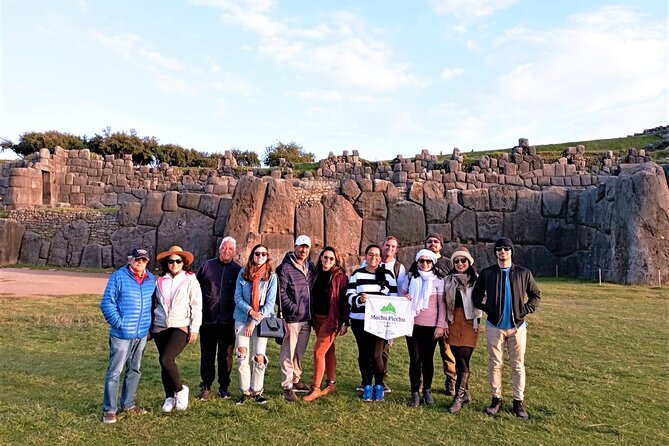
Then you head to the megalithic fortress of Sacsayhuaman. This is one of those stops where the scale does the storytelling. The itinerary notes stones that can measure up to 5 meters and weigh over 120 tons, and the fortress has survived centuries of earthquakes. If you like engineering as much as aesthetics, this part will stick with you.
Next is Q’enqo, a ceremonial center where rituals and sacrifices are described by historians. After that you climb to Puka Pukara, a fortress-like site believed to have served as a military and administrative center. Then you wrap with Tambomachay, famous for Inca hydraulic engineering, with irrigation channels and three water fountains that continue to provide water until today.
The main drawback on days like this is the pacing. Cusco altitude can make short walks feel longer. Plan for frequent pauses and keep your day flexible if you start feeling lightheaded.
A few more Lima days worth comparing
- Premium Paracas & Huacachina Day Trip from Lima with Sunset Toast
★ 5.0 · 7,380 reviews - Full Day Tour From Lima: Paracas and Huacachina Oasis
★ 5.0 · 3,694 reviews - Lima Ultimate Peruvian Food Tour
★ 5.0 · 1,845 reviews - Lima Half-Day City Walking Tour (Small Groups)
★ 5.0 · 1,508 reviews
Sacred Valley in one day: alpacas, markets, then a train to mountainside night
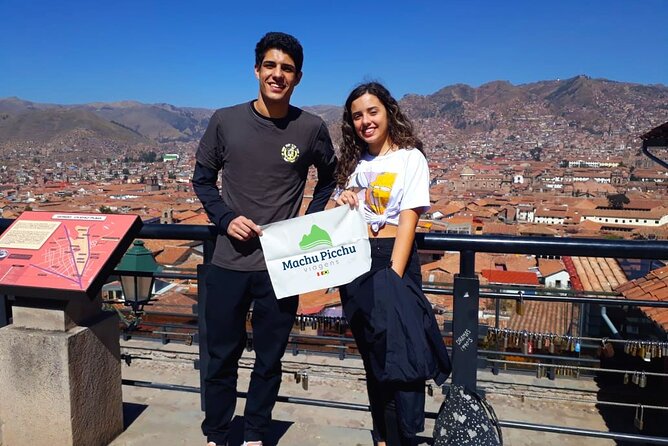
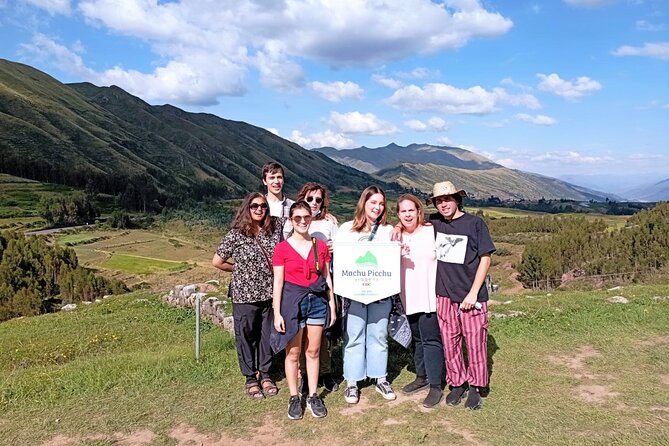
Day 5 is a full Sacred Valley day, and it is designed to pack a lot in while still giving you breathing moments. You start at Awana Kancha, a place centered on alpacas, llamas, and vicuñas, plus Peruvian textiles. If you like animal encounters tied to craft culture, it is a good “warm-up” before archaeology and markets.
Then you visit Pisac Archaeological Park at about 3,300 meters. The itinerary calls out views and the Sacred Valley setting, and Pisac itself gives you a sense of why this region mattered. The next stop is Pisac Market, described as one of the largest local markets in the area, with artisans selling handmade pieces. This is where you can slow down, shop a little, and feel the local economy in motion.
For food, you get a break with a buffet-style meal at Tunupa Restaurant, set with the calming sound of the Urubamba River. Even if you are not a big buffet person, the value here is time management. You stay on the planned route instead of hunting for a meal.
After lunch, you continue to Ollantaytambo, including its Inca urbanism, cobbled streets, and the famous drainage system. The itinerary also highlights that Ollantaytambo was the only place that defeated the Spanish army for almost 50 years. That is not a small claim, and it helps explain why Ollantaytambo feels like a stronghold, not just a pretty town.
Then comes the change of scenery. After exploring, you board the train to Aguas Calientes, a mountain town often treated as a staging point for Machu Picchu. This is why the plan includes one night there. It reduces stress and helps you start your Machu Picchu day feeling prepared rather than scrambling for transport.
Aguas Calientes: one night that buys you a better Machu Picchu morning
You get one night at a 3-star hotel in Aguas Calientes. That may not sound like much, but it matters. With Machu Picchu, timing is everything, and this overnight makes the next day’s logistics more realistic.
Aguas Calientes is where you find your easiest base for the bus ride up to the entrance area. The itinerary notes the bus journey takes about 30 minutes from Aguas Calientes to the main entrance. When the trip includes that, you can plan your energy around it instead of guessing.
This is also where the tour’s “adult supervision” shows up. You still get picked up to board the bus, and you return to Aguas Calientes after your Machu Picchu time, so you are not stuck trying to find your way back down.
Practical advice from experience with trips like this: treat this night like a prep day. Get your water ready. Check what time you are told to be ready. And if you tend to over-plan, resist the urge. You will want sleep more than extra sightseeing.
Machu Picchu day: guided time plus smooth bus and train timing
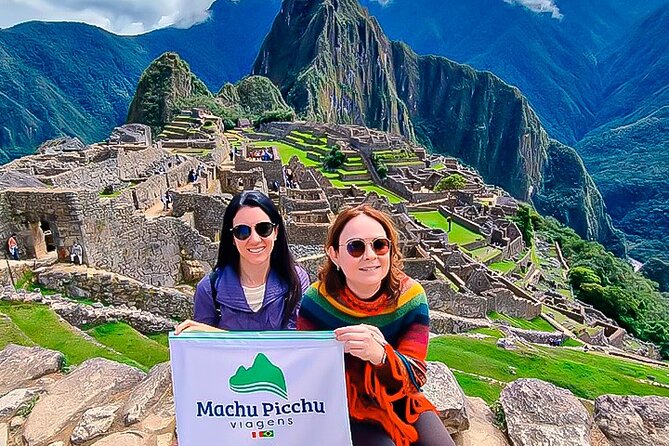
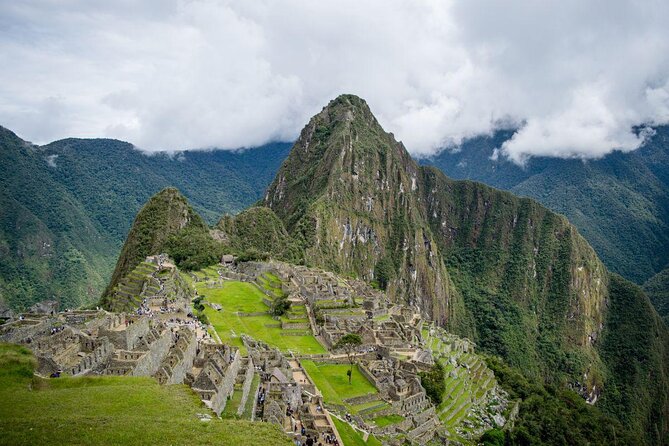
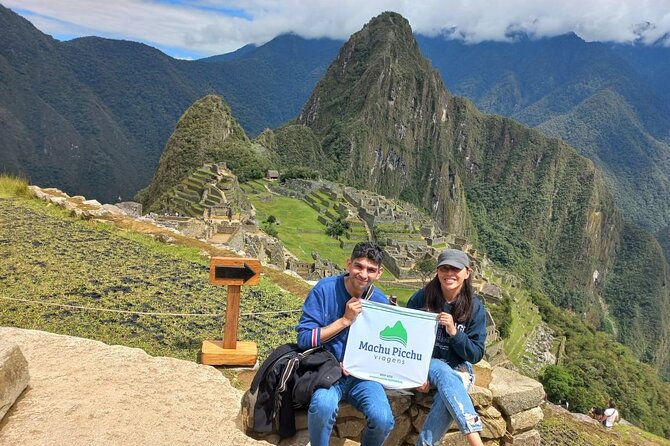
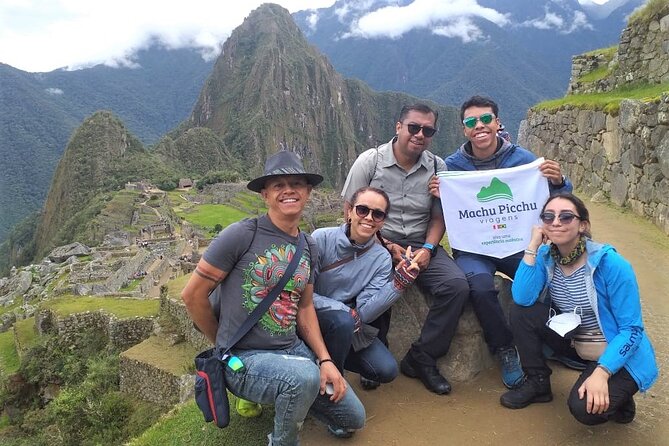
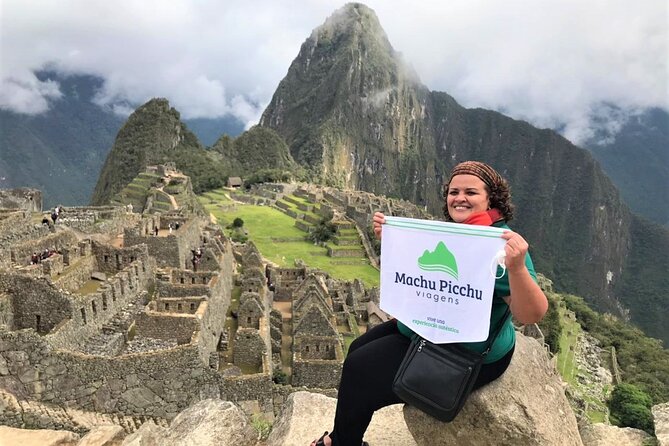
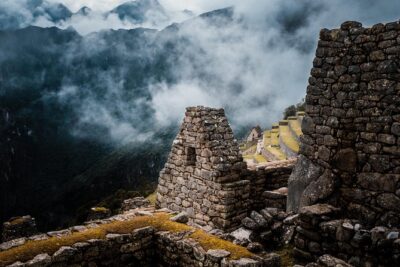
Day 6 is the payoff day. You get picked up from your hotel in the morning, then board the bus to Machu Picchu. A professional guide leads your time at the site, sharing details and fascinating facts about Inca culture and what you are seeing.
After Machu Picchu, you ride back down to Aguas Calientes. The itinerary then shifts to the return journey to Cusco by train. The plan notes that the train takes you to Poroy Train Station, about 30 minutes away from Cusco, and a team member waits to take you back to your Cusco hotel.
This is where I think the itinerary is smart. Machu Picchu can be chaotic when you build it yourself. Here, the plan covers the core transport pieces: the round trip bus between Aguas Calientes and Machu Picchu and the round trip train to Aguas Calientes. It means less stress about getting the timing right.
Also, the day is built around guidance. Machu Picchu is not just a view, it is a place with specific layout and meaning. A guided approach helps you understand why certain angles and structures matter, instead of only collecting photos.
One consideration: you need to go in with realistic energy. If you are already tired from Cusco altitude and the Sacred Valley day, Machu Picchu will feel bigger than you expected. Take breaks, drink water, and accept that you might not want to run every staircase.
Price and what it covers: $1,311, plus real logistics included
At $1,311 per person, this is not the cheapest way to do Peru. But it is also not a bare-bones itinerary. When I look at value here, the best part is that it packages the high-cost, high-friction pieces: hotel nights, site entrance tickets, and the transport that often causes headaches.
Included highlights:
- Hotels: 2 nights in Lima, 3 nights in Cusco, 1 night in Aguas Calientes (3-star)
- Entrance tickets for all archeological sites visited
- Round trip bus tickets for Aguas Calientes to Machu Picchu
- Round trip train tickets to Aguas Calientes
- Private airport transfers tied to each destination
- 24-hour assistance in Spanish and English
- Professional guides on the tours
- Lunch and six breakfasts are included in the package
Not included, so plan and budget accordingly:
- Travel insurance
- Plane tickets (your national or international flights)
- Food and drinks not mentioned in the package
- Personal expenses
For $1,311, the trade-off is that you are paying for coordination. If you hate group schedules, this might frustrate you. If you want a clean path with fewer decisions, the pricing starts to make sense fast, especially because Machu Picchu logistics can easily become a time sink.
One more plus, supported by the trip’s reputation: it has a 5/5 rating with 100% recommendation across the available feedback. That is not a guarantee, but it does suggest the operation is doing something right.
The human support layer: teams, names, and quick problem-solving
One of the hardest parts of Peru planning is not the sights. It is the small interruptions, like a flight delay or confusion at a terminal. This tour includes 24-hour assistance in Spanish and English, and that is the kind of safety net that makes you relax.
You also get a professional team on all tours and treks, plus personalized concierge-style help for needs during your stay. In the feedback connected to this operator, the support is described in very specific terms, including staff like Bryan and Alicia, and a guide network around Cusco and Machu Picchu, with names such as Walter Diaz and Shaman Manuel Jesus for guiding, and Pamela for Machu Picchu guidance.
Even if you never meet these specific people, the point is the same: the tour is not only a checklist. It is staffed with humans who show up and solve issues when they happen.
Who this 7-day Peru circuit fits best, and what to watch for
This itinerary fits best if you want a high-impact week where the big blocks are handled for you. I would point you toward this tour if you:
- Want Lima, Cusco, and Machu Picchu without piecing together tickets and transit
- Like guided structure, especially for places like Qorikancha, Sacsayhuaman, and Machu Picchu
- Prefer a small group experience, with up to 17 people
- Value practical support, including Spanish and English help and private transfers
What to watch for:
- Altitude in Cusco is real. The itinerary includes coca tea, but you still need to pace yourself
- Day 4 and Day 5 are packed. Comfort matters, especially shoes and hydration
- Machu Picchu depends on conditions, and you should be ready for weather-driven changes in rare cases
If you are a strict independent traveler who loves solving schedules yourself, you might find this plan a bit “managed.” But if you want to spend your mental energy on Peru, not on coordination, this is a solid match.
Should you book this Machu Picchu, Cusco and Lima 7-day tour?
I would say yes, with one clear recommendation: book it if you want the core Machu Picchu experience wrapped in transport, tickets, hotels, and guided time. This route is designed to protect your attention for the places that matter most, and it does that by taking care of the friction points.
Skip it if you dislike set schedules, or if you are the type who needs total freedom day to day. For everyone else, this is a practical way to do Peru in one week, with a plan that covers the logistics that usually make these trips stressful.
FAQ
How long is the Machu Picchu, Cusco & Lima tour?
It runs for about 7 days.
Where does the tour start?
The experience starts at Jorge Chávez International Airport in Lima, Peru.
What lodging is included?
You get 2 hotel nights in Lima, 3 hotel nights in Cusco, and 1 night at a 3-star hotel in Aguas Calientes.
Is Machu Picchu transportation included?
Yes. The package includes round trip bus tickets from Aguas Calientes to Machu Picchu and round trip train tickets to Aguas Calientes.
Are entrance tickets included for the sites?
Yes. Entrance tickets for all archeological sites included in the itinerary are provided.
What group size should I expect?
This tour has a maximum of 17 travelers.
What meals are included?
The package includes breakfast (6) and lunch.
Is there support in English and Spanish?
Yes. You get 24-hour assistance in Spanish and English.
Can I bring a service animal and is the tour generally suitable for most people?
Service animals are allowed, and the information provided says most travelers can participate.
What happens if the experience is canceled due to weather?
The experience requires good weather. If it is canceled because of poor weather, you will be offered a different date or a full refund. The experience is also described as non-refundable and not changeable for other reasons.
Recently reviewed around Lima
- Lima Highlights! – City Tour & Miraflores, Barranco & San Isidro★ 5.0 · 29 reviews
- Lima Surf Trip★ 5.0 · 29 reviews
- Modern and Colonial Lima City Tour.★ 4.5 · 29 reviews
- Full day Tour Paracas Ica & Huacachina from Lima.★ 5.0 · 29 reviews
- Bohemian and artistic ravine walking tour★ 5.0 · 29 reviews
- Discover Barranco’s Nightlife with Bar Crawl Lima★ 5.0 · 29 reviews
- Cooking Class + Market Tour + City Walking Tour (Full Day).★ 5.0 · 30 reviews
- Ultimate Comfort: Lima to Huacachina, Ballestas and Vineyard★ 5.0 · 31 reviews
Machu Picchu, compared.
Classic Inca Trail Trek 4D/3N to Machu Picchu (Group Service)
Read our review →
4-Day Inca Trail Trek with Panoramic Train Ride
Read our review →
2-Day Inca Trail to Machu Picchu with Panoramic Train
Read our review →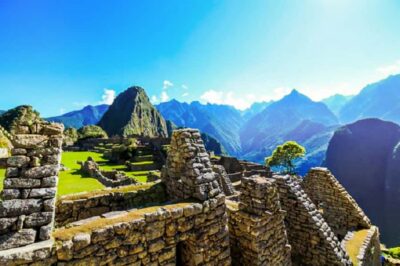

2-Day Tour: Sacred Valley and Machu Picchu by Train
Read our review →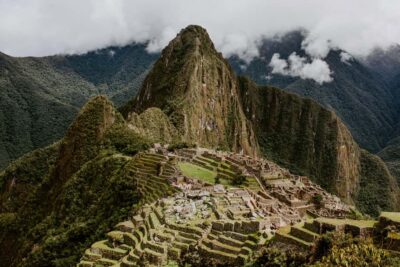
Browse the lists this tour appears in