
Reviewed · MACHU PICCHU
7-Day Peru Deep Dive: Lima, Cusco, Sacred Valley, and Machu Picchu Tour
This tour is interesting because it strings together Peru’s big contrasts in just a week, from Pacific Lima to Inca Cusco and then the main event, Machu Picchu. You start with colonial streets and modern seaside views, then you work your way up into the Sacred Valley before that final guided walk through the sanctuary.
Two things I like a lot here: the schedule is built to avoid the usual sprinting. You get time in Lima and Cusco on your own, and the Sacred Valley is handled with a real rhythm, not a rushed stop-and-shop marathon. I also appreciate the human touches I’ve seen in this setup, like coordinators such as Kevin and local helpers such as Fiorella, plus English-speaking guides including Gloria in Lima and Nataly Vera in Cusco.
One consideration: Machu Picchu planning is tightly linked to the ticket, and the tour data is clear that the Machu Picchu ticket is not cancelable or refundable. If your dates are fragile, you’ll want a backup plan before you book, especially since domestic flights are not included.
Key things you’ll care about most
- Mostly private, timed pickups help you get from airport to hotel and back without guesswork
- A guided Sacred Valley day makes Moray and Maras make sense, not just look impressive
- Night in the Sacred Valley instead of rushing straight through on Day 5
- Machu Picchu with a 2-hour guide slot plus afternoon freedom to wander
- Small group size (max 15) means less waiting and easier questions
- Vegetarian option available if you tell them up front
Lima to Cusco, the pacing that makes it feel doable
This is a classic one-week Peru route, but it’s not the classic “full-speed buffet.” Instead, you move in a logical order: Lima first, then a flight to Cusco, then Sacred Valley, then Machu Picchu, then back to Cusco for your flight onward. That order matters because Cusco and the Sacred Valley are at altitude, and you need a bit of time to breathe, walk, and get your bearings.
Day 1 gets you settled in Miraflores after arrival. Day 2 is a guided Lima city center tour and then you break free into modern districts like San Isidro and Miraflores. Days 3 through 6 are where the trip earns its magic, because Cusco starts to feel like a living museum, and the Sacred Valley starts to feel like a system, not just scenery.
What I like for you is that the tour leaves space for you to do simple things well. You’re not forced to fill every hour with a guide. You get some autonomy in Lima and Cusco, which is great for finding a good meal, resting, and keeping altitude fatigue from building.
More Sacred Valley days:
- 7-Day New Dawn in Machu Picchu: Lima, Cusco & Sacred Valley
★ 5.0 · 220 reviews - From Cusco: Sacred Valley & Maras Salt Mines Tour with Lunch
★ 4.8 · 2,227 reviews - 2-Day Tour: Sacred Valley and Machu Picchu by Train
★ 5.0 · 1,127 reviews
Miraflores base plus Lima’s colonial core on Day 2
Your Lima start is practical: you land, then you transfer to your hotel in Miraflores. That neighborhood is an easy base if you like walking, people-watching, and heading toward the water. The Pacific breeze is part of the experience here, especially once you spend time in Miraflores and adjacent areas.
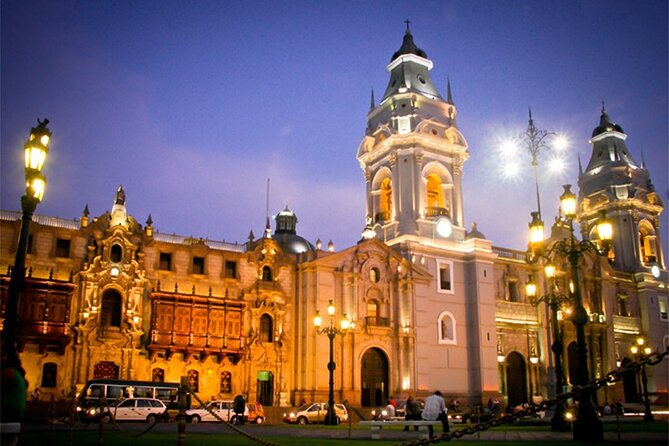
Day 2 focuses on the Centro Historico de Lima, and it’s a smart way to orient you. The tour hits the big recognizable landmarks you’ll actually want to remember later, including San Martin Plaza, Paseo de la Republica, and Plaza de Armas. You’re not just seeing buildings, you’re getting a guided explanation of how the colonial layout still shapes the city today.
Then the tour expands into more modern districts like San Isidro and Miraflores. That contrast is valuable. Lima isn’t only old stone and balconies. It’s also current Peru, with neighborhoods where you can drop into a café, look at street life, and adjust your travel legs after Day 1.
Small note for your planning: this is about 4 hours, and admission is free for that portion, so you’ll likely feel like you got your money’s worth quickly. The rest of the day is on you, which is exactly what you want in a first city on a trip like this.
Cusco near Plaza de Armas, your first altitude test
On Day 3 you fly from Lima to Cusco, then your representative meets you and takes you to a hotel about 5 minutes from the Historic Plaza de Armas. I like that detail because it changes how Cusco feels. When your hotel is close to the main square, you can pace yourself, duck out for a rest, and still step outside for a view or a quick stroll.
Most of Day 3 is leisure. That’s not filler. It’s your chance to manage altitude. Cusco is famous for Inca sites, but your body will make its own opinions first. If you keep Day 3 lighter, you’ll be in better shape for the next day’s Sacred Valley excursion.
If you’re concerned about English support, there’s a plus here. Guides and coordinators connected with this operation have been specifically praised for friendly, clear communication in Cusco. Names that show up include Nataly Vera for Cusco guiding, and coordination support led by people such as Paul and Kevin depending on the segment.
Sacred Valley day: Moray and Maras actually connect
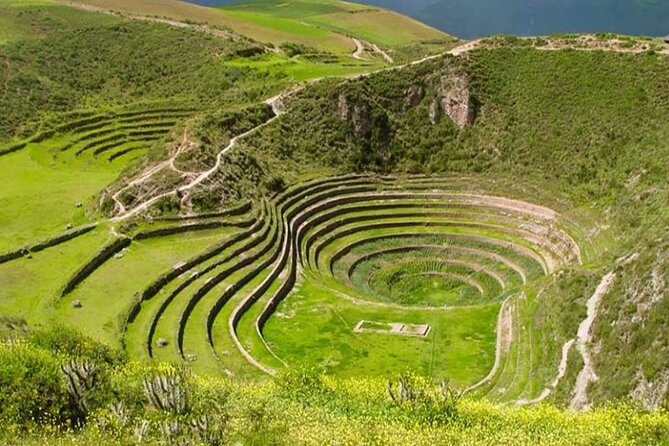
Day 4 is a half-day guided excursion in the Sacred Valley, and it’s one of the most instructive parts of the trip. You start with Moray, the circular agricultural terraces in natural sinkholes. From a distance it looks like an Inca science project. With a guide, it becomes something more grounded: you learn how the Incas used microclimates and careful farming zones.
Then you head to the salt mines of Maras. This is the part many people remember because it looks surreal, with terraces built along a narrow valley and pans fed by saline spring water. The guide helps you see it as a system too, not just a pretty set of levels.
For you, the big value is that the Sacred Valley here is not only about photo stops. It’s about understanding how people built practical solutions into a dramatic setting. You’ll have about 4 hours, and admission is included for this portion.
The one caution: salt terraces can be visually intense, and walking can be uneven depending on the weather. Wear shoes that grip on stone and dust, and keep water handy even if the schedule feels “only a half day.”
More ways to reach Machu Picchu:
- 10-Day Discover Peru: Lima, Arequipa, Puno, Cusco & Machu Picchu
★ 5.0 · 299 reviews - 7-Day Lima and Cusco Tour with Sunrise at Machu Picchu
★ 4.5 · 218 reviews - 6-Day Peru, Connect your Energies: Lima, Cusco & Machu Picchu
★ 5.0 · 138 reviews - 8-Day Peru Empire of the Senses Lima Cusco and Machu Picchu
★ 5.0 · 130 reviews
Pisac and Ollantaytambo, plus a night in the Valley
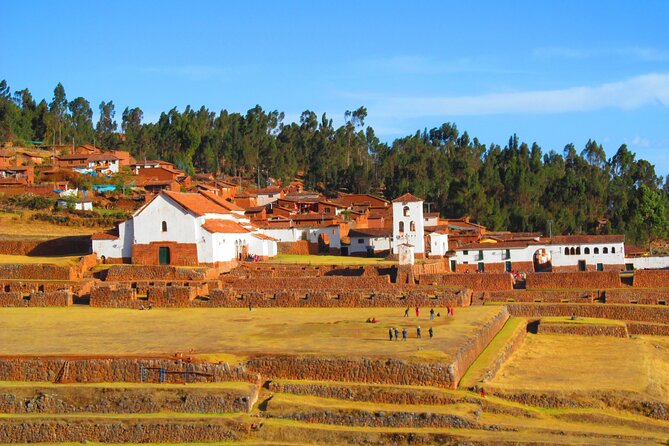
Day 5 is where the tour changes gears from half-day logic to full-day momentum. The key idea is simple: don’t rush to Machu Picchu. You move through the Sacred Valley, and your guide covers Pisac and Ollantaytambo.
Pisac and Ollantaytambo are important because they show Inca settlement patterns in different ways. You’re not just looking at temples. You’re seeing places where daily life and the larger Inca story overlap. A good guide helps you connect terraces, stones, and locations to the bigger picture.
Then you spend the night in the Sacred Valley. That overnight matters more than most people expect. It reduces the feeling of constantly traveling, and it gives you time to wake up with less stress the next day. It also helps you get comfortable with the general rhythm of the region: altitude, winding drives, and “expect sudden changes” weather.
In the reviews, one Sacred Valley lodging gets special praise: La Carson in Yucay. Even if your hotel isn’t the same one, the lesson holds. The best Sacred Valley stays put you in a valley setting where the morning feels like part of the itinerary, not an afterthought.
Machu Picchu day: train, bus, guided 2-hour focus, then your time
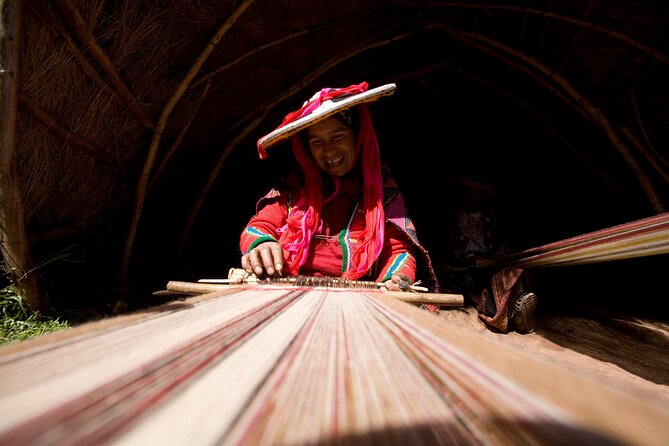
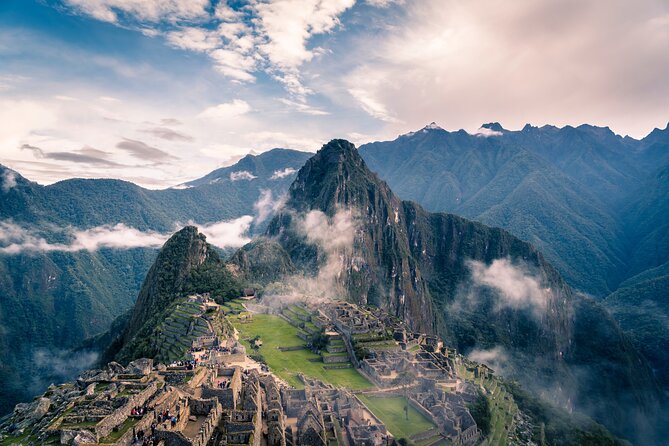
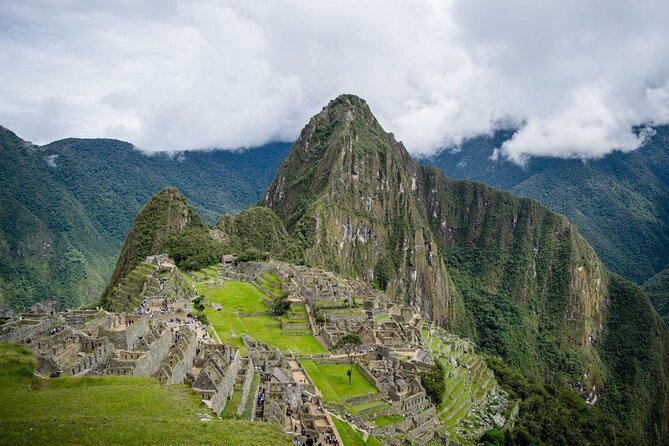
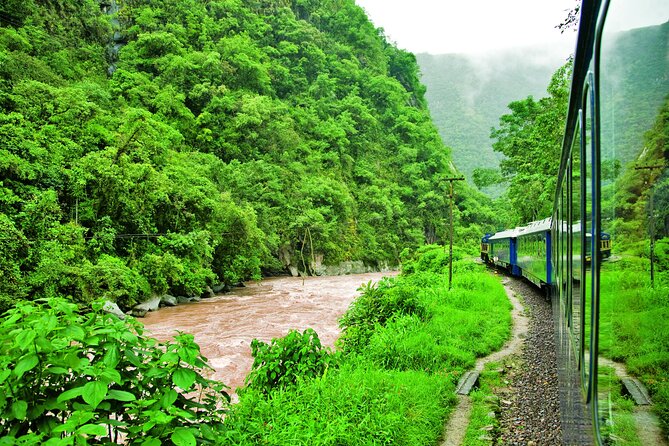
Day 6 is the signature day. You start with a short train ride to Aguas Calientes, then you take a bus up about 20 minutes to the gates of Machu Picchu. The flow here is common for a reason. It saves you the energy you’d burn hiking up and down when your time is best spent inside the site.
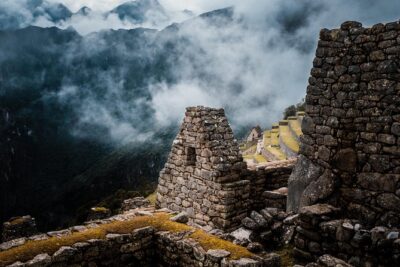
You get a 2-hour guided tour of the sanctuary, and the guide points out the major sites and explains construction techniques and cultural or ceremonial importance. That guided structure is exactly what helps Machu Picchu click. Without context, you can feel like you’re staring at ruins. With context, you understand the design choices and why certain places mattered.
Then you’re not locked into a timetable. You have afternoon time to explore on your own. That free window is where you’ll get to slow down for the views, return to areas you want to see again, and take photos at the pace your eyes prefer.
The tour then includes your return train to Ollantaytambo Station and private transport back to Cusco. That private transfer is not flashy, but it’s useful. After a big day, you want your wheels arranged, not your brain doing logistics.
One more practical note: Machu Picchu weather can change fast. If you’re traveling in September, a guest shared that days can feel warm but evenings can run cold. Even if you don’t travel in September, you should pack for cold shade and warm sun at the same time.
Hotels and guides: why small group size changes the experience
This tour caps at 15 travelers, and I think that’s a big deal for how the week feels. With fewer people, you get less downtime when moving between sites. You also get faster answers when something feels unclear, like what to look for at a terrace or how long a walk might be.
You also see a consistent pattern of strong service. Pickups have been described as punctual and smooth, with people waiting by name outside airports and stations. That matters in Peru, because arriving in a new place can be overwhelming. When someone is there with your name, you can relax and get on with your day.
Guide quality shows up in different cities. Lima guidance has included Gloria, Cusco guidance has included Nataly Vera, and coordinators named in this operation include Kevin and Paul. Even when operations span multiple local teams, the common thread is clear communication and a professional approach.
If you speak limited Spanish, the setup is still workable. The tour data and feedback point to English-speaking guides, which can make the difference between “I saw things” and “I understood what I saw.”
Price and value for $935 per person
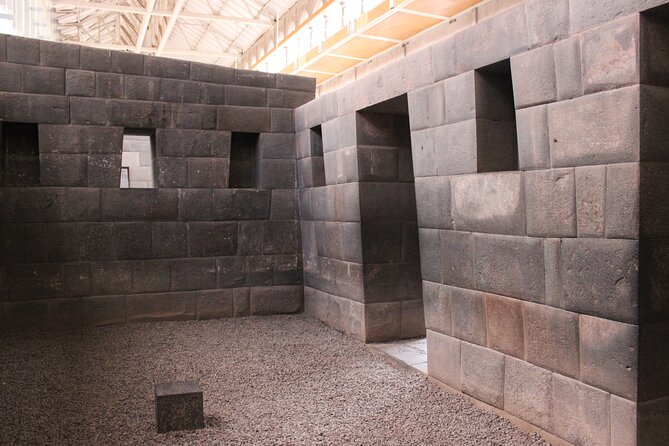
At $935 per person for 7 days, the price isn’t cheap, but it’s not random either. The tour includes private transfers, accommodations, guided excursions, and admission fees for the activities described, plus 4 breakfasts. Those inclusions are where the value lives.
Here’s how I think about it. If you tried to assemble this trip yourself, you’d still be paying for domestic flights, train tickets, local guides, and private transfers. Machu Picchu in particular is a coordination game. A well-run operator saves you time and reduces the risk of your day unraveling because of a missed connection.
Two things push value upward. First, you’re not only ticking off Machu Picchu. You also get a guided Lima orientation, a Cusco arrival base near Plaza de Armas, and a Sacred Valley day that includes Moray and Maras. Second, you get a night in the Sacred Valley, which is often where trips either become stressful or stay enjoyable.
The main cost to remember is that flights are not included. International airfare and the Lima to Cusco flight are on you. Travel insurance is also not included.
If you want a low-friction trip and you prefer someone handling the connections, this price can make sense. If you want full DIY freedom and you enjoy making your own reservations, you might find cheaper options, but you’ll be doing more work.
Practical travel tips for this exact route
Use a simple strategy: protect your energy early and be ready to move on Day 6.
Start with footwear. Sacred Valley sites involve walking on uneven ground. Even if you only have half-day or full-day guided blocks, you’ll likely cover more steps than you expect.
Plan your body for altitude. Day 3 is intentionally light, and you should respect it. Drink water, take slow walks, and avoid going full tourist sprint on arrival in Cusco.
Don’t overpack with fragile items. Machu Picchu days involve buses and train transfers. A small daypack with essentials helps you keep your day simple.
If you travel in September, keep a light layer for evenings. That timing has been described as warm in the day and slightly cold at night, and that pattern often means sun protection plus a warmer layer.
Finally, book with enough lead time. This tour often gets booked about 107 days in advance on average, so if your dates are fixed, earlier is better.
Who should book this 7-day Peru plan, and who should skip it
Book it if you want Peru highlights in one week with strong handholding. This is especially good if you value organization, English-speaking guides, and smooth logistics like name-based pickup and private transport.
It’s also a good fit if you like balance: guided time where it matters (Moray, Maras, Pisac, Ollantaytambo, and Machu Picchu), and downtime where you can wander and reset (Lima and Cusco leisure).
Skip it if you need a fully refundable Machu Picchu ticket or your schedule is uncertain. The tour data states the Machu Picchu ticket is not cancelable or refundable. If your domestic flights or work calendar might change suddenly, that could be stressful.
Also consider your physical comfort. The tour says a moderate physical fitness level is recommended. If you struggle with altitude or walking on uneven ground, you might want to choose a shorter route or ask for guidance before committing.
Should you book?
I’d recommend this tour if you’re aiming for a smooth, guided intro to Peru with enough freedom to still enjoy yourself. The best parts are the pacing (especially the Sacred Valley time), the guided explanations that make ruins feel meaningful, and the practical service that reduces travel stress.
If your priorities are strict DIY freedom or you need maximum refund flexibility, you may want a different style of itinerary. But if you want Lima, Cusco, the Sacred Valley, and Machu Picchu in a single week with small-group attention and real structure, this plan is a strong bet.
FAQ
What’s included in the tour price?
The tour includes private transportations between hotel and airport, accommodations as described, guided excursions as described, admission fees for those excursions, and 4 breakfasts.
Are flights included?
No. International and domestic airfare are not included.
How long is the tour?
It’s listed as 7 days (approx.).
How big is the group?
This tour has a maximum of 15 travelers.
Is a vegetarian meal option available?
Yes. A vegetarian option is available if you advise them at the time of booking.
What fitness level do I need?
Travelers should have a moderate physical fitness level.
Do I need a passport?
Yes, a current valid passport is required on the day of travel.
Is the Machu Picchu ticket refundable if plans change?
The tour data states that the Machu Picchu ticket is neither cancelable nor refundable in the event of cancellation.
Recently reviewed around Lima
- Full day | Paracas- Huacachina ALL included | From Lima★ 4.5 · 27 reviews
- From Lima: Pachacamac, Barranco & Chorrillos Private Tour★ 4.0 · 27 reviews
- Private Tour: Pachacamac Archaeological Site Including Barranco District★ 4.5 · 28 reviews
- City Tour Lima / Santo Domingo★ 5.0 · 29 reviews
- Lima Highlights! – City Tour & Miraflores, Barranco & San Isidro★ 5.0 · 29 reviews
- Lima Surf Trip★ 5.0 · 29 reviews
- Modern and Colonial Lima City Tour.★ 4.5 · 29 reviews
- Full day Tour Paracas Ica & Huacachina from Lima.★ 5.0 · 29 reviews
Machu Picchu, compared.
Classic Inca Trail Trek 4D/3N to Machu Picchu (Group Service)
Read our review →
4-Day Inca Trail Trek with Panoramic Train Ride
Read our review →
2-Day Inca Trail to Machu Picchu with Panoramic Train
Read our review →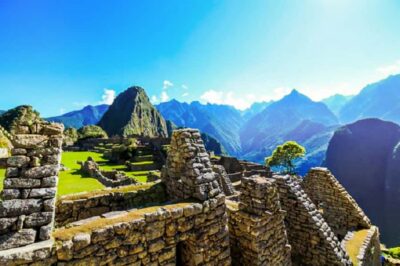

2-Day Tour: Sacred Valley and Machu Picchu by Train
Read our review →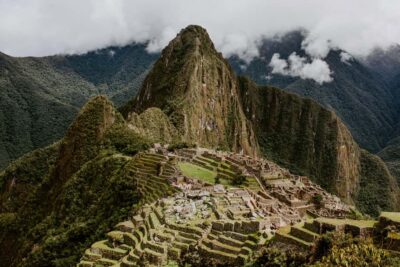
Browse the lists this tour appears in