
Reviewed · MACHU PICCHU
Inka Jungle trek to Machu Picchu 3 D/ 2 N
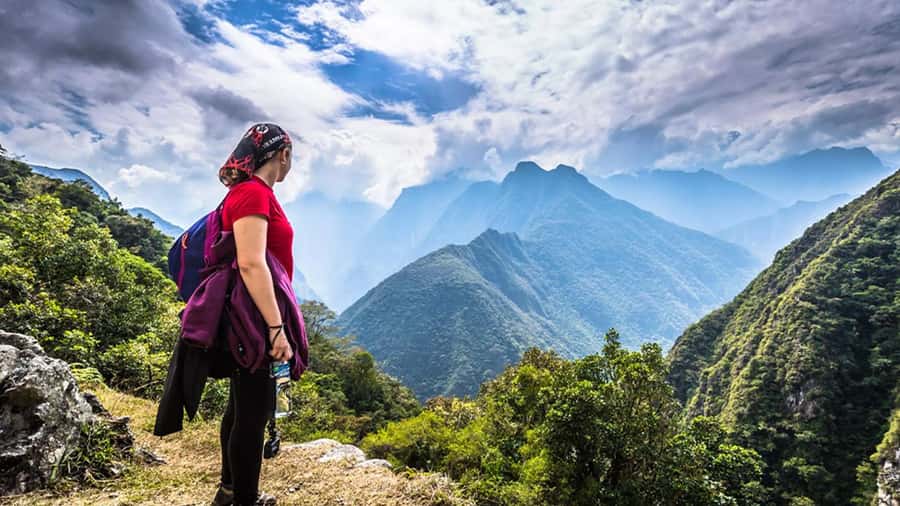
This Inka Jungle trek to Machu Picchu is interesting because it does not feel like one long hike. You get an adrenaline day with cycling and a possible zipline, then a scenic walking day, and you finish with the big payoff: a sunrise Machu Picchu visit with a guide.
I love how the route mixes adventure sports with real time in the Peruvian Andes, not just transit. I also like the small group size, limited to 18 people, which usually means the pace stays human and the guide can keep an eye on everyone. The main drawback to consider is that this is an active itinerary, with cycling and long walking segments, so it is not a good fit if you have back issues or struggle with sustained exertion.
Key takeaways
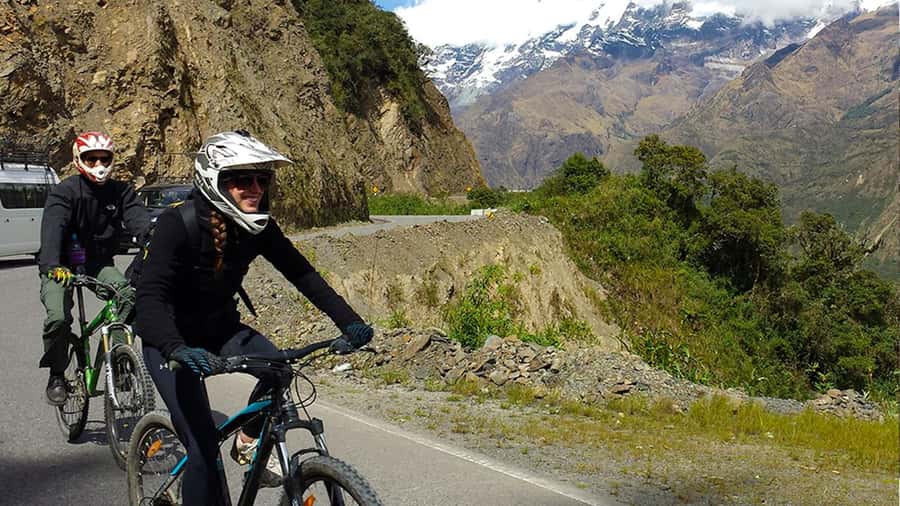
- Abra Málaga biking descent: start early from Cusco, then ride down 3 to 4 hours toward Santa María.
- Cola de Mono zipline option: adrenaline is optional, so you can match the day to your comfort level.
- Train-track walk to Aguas Calientes: after Hidroeléctrica, you follow the rails for about 3 hours to the hot springs town.
- Machu Picchu sunrise, then a guided circuit: you aim to be among the first inside, with a guide covering major stops.
- Andes-style meals included: you get 2 breakfasts, 2 lunches, and 2 dinners using ingredients from the region.
A 3-day Inka Jungle mix that actually earns its name
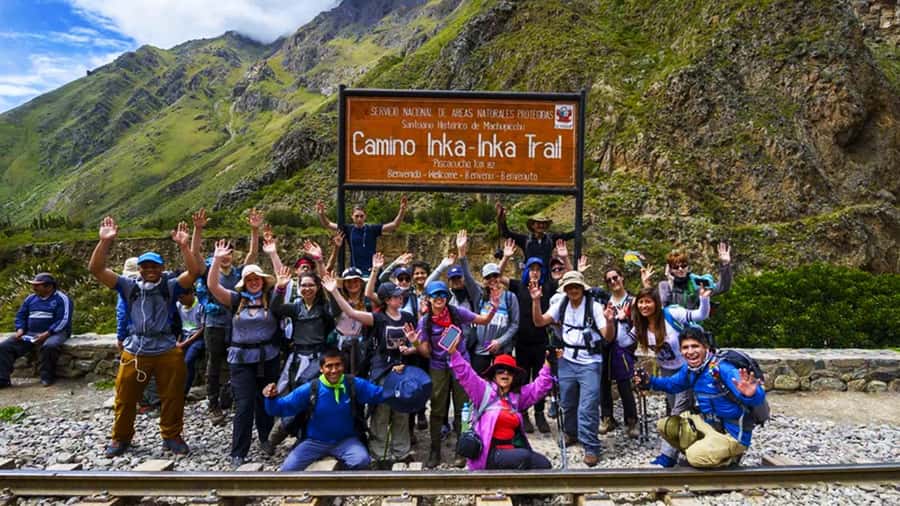
“Inka Jungle” can sound like marketing. Here, it makes sense because the route is a mix of high Andean passes, river valley conditions, and then the warmer, plant-heavy side of the region as you move toward Machu Picchu.
What you’re signing up for is not only Machu Picchu. You’re also signing up for motion, including cycling downhill, hiking through canyons, and an early start on the final day. If that sounds fun to you, great. If you prefer a slow, sit-and-snap photo vacation, this will feel like work.
The package is priced at $410 per person for 3 days and 2 nights. For Machu Picchu tours, lodging near the route, and included transport plus the adventure components, that price often lands in a fair-to-good range, especially because some of the biggest costs in this area are entrance fees, guiding time, and getting back and forth from the Machu Picchu zone.
More Hiking & Trekking in Cusco
- Salkantay Trek to Machu Picchu 5 Days with Sky Lodge Domes
★ 5.0 · 5 reviews - Classic Inca Trail Trek 4D/3N to Machu Picchu (Group Service)
★ 5.0 · 8,653 reviews - Machu Picchu: 4-Day Inca Trail Trek with Panoramic Train Ride
★ 5.0 · 4,568 reviews
Day 1: Cusco to Abra Málaga, 3 to 4 hours of biking to Santa María
Your day starts with a hotel pickup at 06:00 in Cusco. You then transfer for about 4 hours toward the Abra Málaga pass. This part is mostly travel, but it’s also where the trip sets expectations: you’re going from a high-elevation city into a route that feels more tropical and alive as the day goes on.
At Abra Málaga, your adventure begins with a bicycle descent. You ride for an average of 3 to 4 hours until you reach Santa María. The tour provides biking safety gear, including helmet, gloves, knee pads, and arm protectors, so you’re not showing up with random bike parts. If you’ve never ridden a loaded bike downhill, you can still manage it, but keep in mind your effort level is real. This is controlled, guided riding, not a casual stroll.
Along the way, you’ll stop or pass through places that add meaning beyond the adrenaline. The itinerary includes the archaeological center of Huamanmarca, which helps ground the day in the region’s Inca-era context. You also spend time taking in the shift in vegetation and wildlife, including mention of jungle birds, medicinal plants, and fruit such as mango, pineapple, papaya, avocado, coffee, and coca leaves. Whether you’re a nature nerd or just want interesting things to look at, this is the kind of detail that makes the day feel less like “downhill riding, then lunch.”
Another nice touch is a visit to local families in their daily routine. It’s not described as a scripted performance. It’s more like you see how people live, what they grow, and how the area works day to day. That’s usually more satisfying than another photo stop beside a viewpoint.
After cycling ends in Santa María, the day is not over. In the afternoon, you travel by car to Santa Teresa, where you spend the night.
Optional add-on: Cocalmayo hot springs. Not included, but it’s a popular way to loosen up after biking. If you’re prone to getting cold in the evenings, or your legs feel heavy, hot springs can be a great low-effort recovery.
Practical note: the itinerary does not list an included breakfast on day 1, so plan for a proper meal before pickup or expect to buy food on arrival. Your included meals start with 2 breakfasts overall, but not day 1.
Day 2: Cola de Mono zipline option, then the walk to Hidroeléctrica and Aguas Calientes
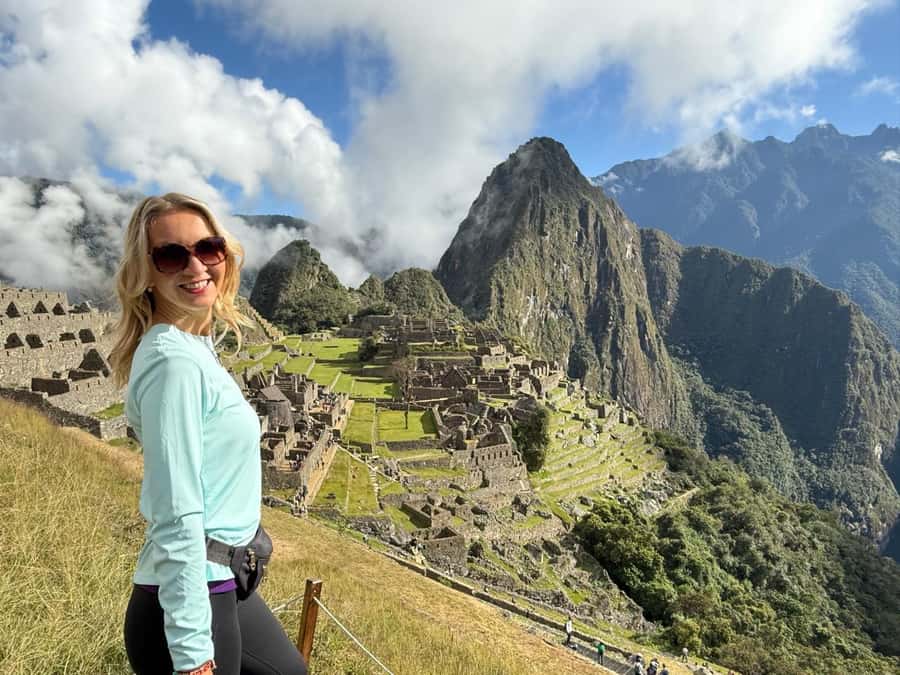
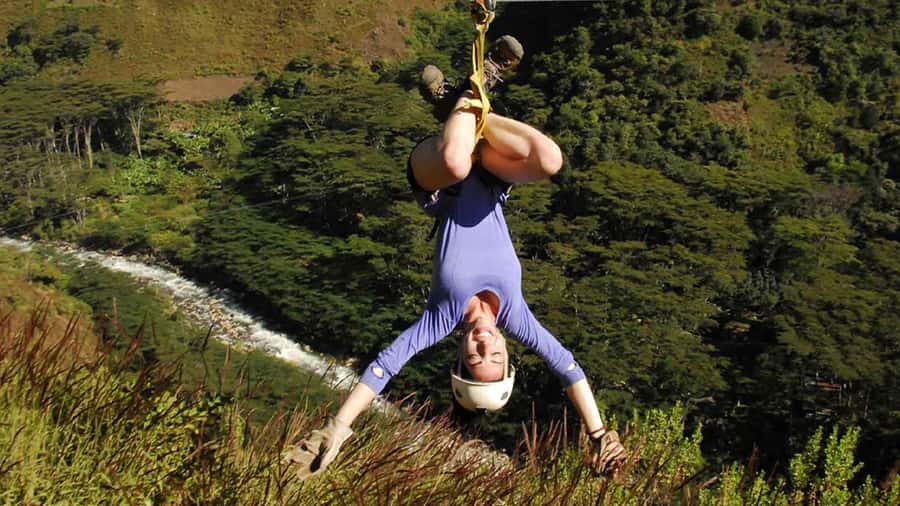
Day 2 is where the tour leans into classic “Inka Jungle day” scenery. After breakfast in Santa Teresa, you get an option to do the zipline at Cola de Mono (in the morning). Because it’s an option, you can choose based on energy and how your body feels after day 1. If you do go, it’s a straightforward way to add adrenaline without committing to another full day of extreme activity.
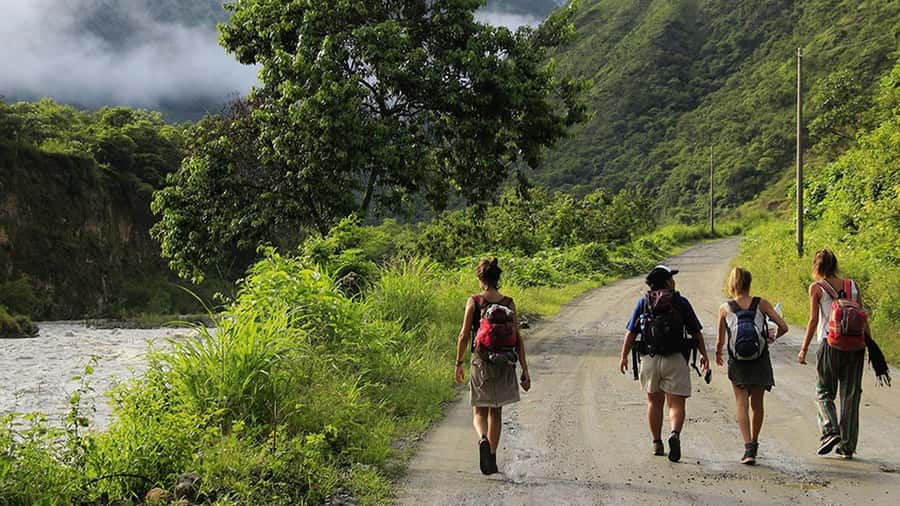
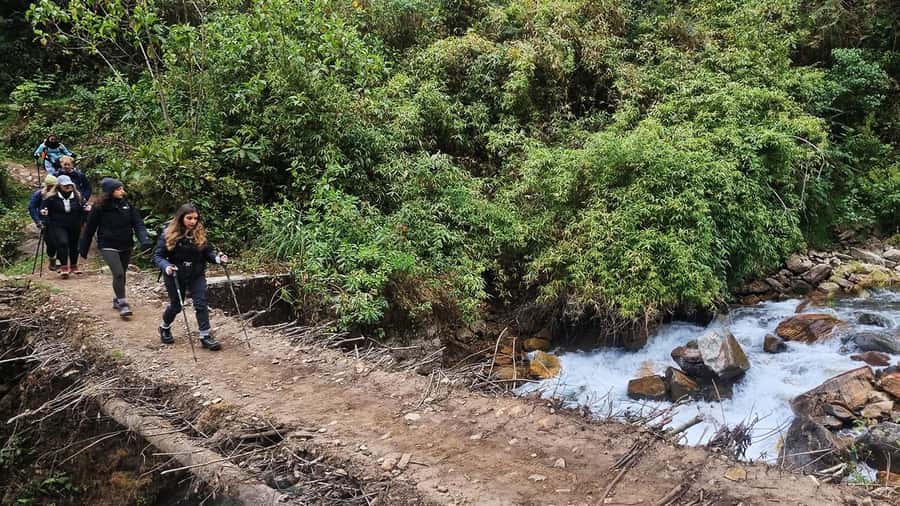
Then comes the main walking segment. You begin your walk to Hidroeléctrica. The route includes a narrow canyon, described as having a pleasant climate. On the way, you’ll pass waterfalls, areas covered with vegetation, and plantations such as banana, mango, avocado, cocoa, orange, and coca leaves.
There’s a smart pacing point here: even though you’re walking, you’re not walking through boredom. The itinerary is built around noticing things. You’re also told that you will eventually be able to see the mountain of Machu Picchu during the walk. That’s a big psychological boost. It turns the long trek into a “we’re getting closer” journey, not just “keep putting one foot in front of the other.”
Lunch is at Hidroeléctrica. After lunch, you continue along the train tracks for about 3 hours to reach Aguas Calientes (also called Machu Picchu Pueblo). Yes, it’s walking beside tracks. If you’ve never done rail-trail walking, it can feel oddly urban at first. Then you notice the rhythm of the route, the sounds of trains in the distance, and the fact that you’re moving through the same corridor that supports the whole Machu Picchu operation.
Once you arrive in Aguas Calientes, you have access to hot springs there. This is mentioned as an opportunity, and the list also notes hot springs at Santa Teresa are not included. For Aguas Calientes, the text says you will have the opportunity to visit the town’s hot springs, but it does not confirm inclusion. So treat it as optional unless your booking confirms otherwise.
You overnight in a hotel in Aguas Calientes, which is the right base for an early Machu Picchu day.
Optional extra day tip: if you’re sensitive to crowds and noise, Aguas Calientes can feel busy. Plan to keep your evening calm. Don’t go searching for a late-night adventure when you need sunrise stamina.
Day 3: Machu Picchu sunrise access, then Inti Watana and the Temple of the Condor
Day 3 starts early. After breakfast, you walk to Machu Picchu. The standout here is the chance to see the sunrise and be among the first groups inside. That’s not a small detail. Earlier access usually means less crowd noise and better light for photos, plus you can feel the place before the day fully “wakes up.”
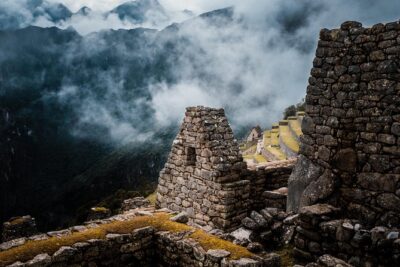
You then tour Machu Picchu with a professional guide for about 2.5 hours. The tour focuses on major sites, including Inti Watana, the Temple of the Condor, the Sacred Rock, and other important points. If you care about understanding what you’re looking at, a guide that knows the meaning of each stop is worth every hour.
One thing I like about this style of guided visit is that it balances awe with clarity. Machu Picchu can feel like a postcard at first. A guide helps you connect structures, sightlines, and ritual spaces into a bigger story you can actually follow while you’re standing there.
After the guided time, you descend to Aguas Calientes to board the tourist train back toward Ollantaytambo. From there, a tourist bus takes you to Cusco and your hotel. The itinerary also mentions an alternative: you can walk back to the hydroelectric plant to take a car. That swap depends on timing and routing decisions for your group, so just stay flexible and listen to your guide’s guidance.
More ways to reach Machu Picchu:
- From Aguas Calientes: Machu Picchu guided tour with tickets
★ 4.9 · 72 reviews - From Cusco: Machu Picchu 2 days
★ 3.6 · 29 reviews - Cusco: Machu Picchu Day Trip with Train + Entrance ticket
★ 4.5 · 17 reviews - Rainbow Mountain tour and Machu Picchu tour by train
★ 4.8 · 13 reviews
Meals in the Inka Jungle: what’s included, what you should plan for
The tour includes meals during the trek: 2 breakfasts, 2 lunches, and 2 dinners. That’s a solid amount of covered food for a 3-day program where you are moving from place to place and doing physical activities.
The itinerary specifically calls out delicious meals with ingredients from the Peruvian Andes. In practical terms, it usually means you can expect filling, region-appropriate options that match the energy needs of cycling and hiking. If you have dietary needs, the plan says vegetarian and vegan options are available if you indicate it when booking.
What is not included:
- Breakfast on the first day
- Lunch in Aguas Calientes
So, if you want a stress-free start, eat something before the 06:00 pickup, and be ready to purchase lunch on day 2 in Aguas Calientes (unless your operator offers an adjustment on the ground).
Snack strategy: the tour asks you to bring snacks. That is not optional advice. You’ll likely want something small during cycling breaks or on the longer walk segments. Pack snacks you know you tolerate well, plus water.
Altitude and comfort: coca tea, sunscreen, and pacing your day
Altitude is part of Peru, even when you’re not spending all day at the highest elevations. The tour includes a simple tip: drinking coca tea before the excursion can help prevent altitude sickness. I treat that as a low-cost, low-risk habit, especially if you start the route already feeling the effects of Cusco altitude.
Comfort matters because you’re mixing activities:
- A long biking descent
- A canyon walk with waterfalls and vegetation
- A final early sunrise hike up to Machu Picchu
Bring sunglasses, sunscreen, camera, and personal medication. Also bring cash, since the itinerary does not state that every optional stop is card-friendly.
One more thing: the tour notes that backpacks are not allowed. That means you’ll need to pack light and store your day items in the way your operator expects. If you like carrying a big bag, this tour will force you to change habits.
Gear and safety, plus what might feel tough for some bodies
Your body has to keep up. This is not a sit-on-a-bus type experience.
Included gear: bicycle, arm protector, knee pads, helmet, and gloves. That’s a big deal because it reduces the chance you show up underprepared. Still, bring your own common sense. Wear what you need for heat and sun, and expect layers to matter as the temperature changes through the day.
What’s not suitable:
- People with back problems
- Pregnant women
- Wheelchair users
Also, alcohol and drugs are not allowed. Pets are not allowed either.
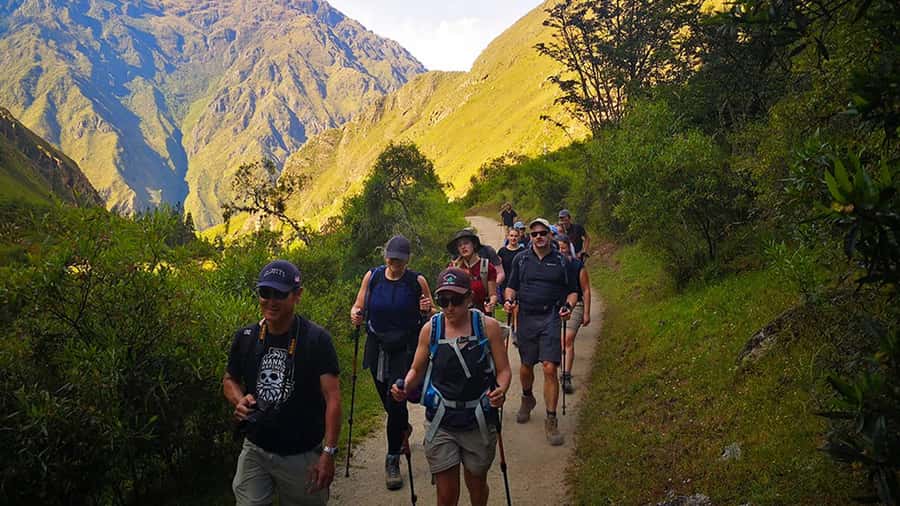
Fitness reality check: even though the cycling has a guide and included equipment, it’s still downhill riding for 3 to 4 hours. Day 2 adds a long walk that includes train-track walking for about 3 hours. Day 3 includes an early walk up to Machu Picchu.
If you’re generally active and comfortable with long days, you’ll likely enjoy the variety. If you’re more “short stroll and museum,” you might feel beat up.
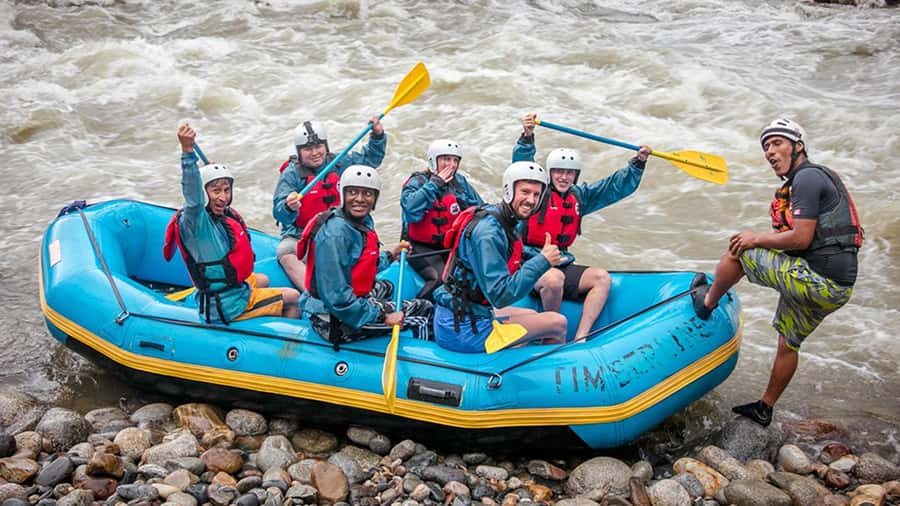
Weather note you should understand: rafting is subject to weather conditions between January 1 and March 31. If the river is high on your day of activity, rafting will not take place and there is no refund. The same general idea is tied to adventure components listed in the inclusions. So when you book, go in knowing you are paying for a plan that depends on nature.
Price and value: is $410 fair for this 3-day plan?
At $410 per person, you’re paying for more than Machu Picchu entry. Your inclusions cover:
- Transport Cusco to Abra Málaga
- Tour guide qualified for adventure
- Machu Picchu entrance
- Train from Aguas Calientes to Ollantaytambo, plus transfer back to Cusco
- 2 nights accommodation in Inka Jungle hostels
- Biking equipment and a first aid kit
- Adventure components including zipline and rafting (with the weather caveat)
That bundle is the value story. If you tried to piece this together yourself, you would spend time coordinating transport, hotels in the right zones, and entrance tickets, then negotiate guide time for the Machu Picchu portion. Here, it’s organized as one package with a single rhythm.
What can cost extra:
- Hot springs at Santa Teresa (not included)
- Wayna Picchu (USD 65 optional)
- Bus Aguas Calientes to Machu Picchu and back (USD 24 optional)
You should also remember that certain meals are not included, especially breakfast on day 1 and lunch in Aguas Calientes. Those are small costs, but they do matter if you’re budgeting tightly.
For me, the question is not just “is it cheap.” It’s “does it cover the things that usually cause friction.” This plan covers the big friction points: getting to the Machu Picchu area, timing the sunrise circuit, and feeding you during the hard hours.
Who should book this Inka Jungle trek to Machu Picchu, and who should skip
Book it if you want a Machu Picchu trip with a real active warmup. You’ll enjoy it if you like:
- Adrenaline (biking and optional zipline)
- Walking through changing environments, including canyon sections and train-track segments
- A guided Machu Picchu visit with specific stops like Inti Watana and the Temple of the Condor
Skip it if:
- You need a low-impact itinerary
- You have back problems, are pregnant, or need wheelchair access
- You dislike early starts and long travel days
If you’re the kind of traveler who likes learning small, practical details while you move, this itinerary’s plant and fruit mentions help keep the day interesting. If you prefer only iconic view moments and minimal exertion, you’ll probably find something less active a better match.
Should you book the Inka Jungle trek with Libertrek Peru Travel Agency?
I’d book this one if you want Machu Picchu plus an active, multi-day route that keeps you outside and moving, not just traveling and waiting. The guide-led Machu Picchu segment is a strong anchor, and the rest of the program builds toward it with biking, canyon walking, and that early sunrise entry.
Before you commit, think hard about your fitness for cycling and long walks, plus the rafting condition between January 1 and March 31. If you can handle that, you’ll likely feel like you got your money’s worth in both experience and logistics.
FAQ
Is Machu Picchu entrance included?
Yes. The tour includes entrance to Machu Picchu and it includes a guided visit of the key sites.
What meals are included, and what should I pay for myself?
Meals included are 2 breakfasts, 2 lunches, and 2 dinners. The tour does not include breakfast on the first day and does not include lunch in Aguas Calientes.
Are the hot springs included?
Hot springs at Santa Teresa are not included. The itinerary says you will have the opportunity to visit the hot springs in Aguas Calientes, but it does not state that they are included in the package.
Does Wayna Picchu cost extra?
Yes. Wayna Picchu entrance is listed as optional and costs USD 65.
What if rafting does not happen due to weather?
River rafting is subject to weather conditions between January 1 and March 31. If the river is high on your activity day, rafting will not take place and there is no refund.
What travel documents and items do I need to bring?
You need a passport or ID card. You should also bring sunglasses, a camera, snacks, sunscreen, water, cash, and personal medication.
More Hiking & Trekking in Aguas Calientes
- Salkantay Classic Trek 5 Days from Cusco
★ 5.0 · 4,062 reviews - 4-Day Salkantay Trek with Sky Camp Stay
★ 5.0 · 3,346 reviews - Salkantay Trek 5D/4N with Glass Cabins, Domes and Hobbit House
★ 5.0 · 2,488 reviews - Rainbow Mountain Full Day Trek
★ 5.0 · 1,469 reviews
Recently reviewed around Aguas Calientes
- Salkantay Trek to Machu Picchu 5 Days with Sky Lodge Domes★ 5.0 · 5 reviews
- Rainbow Mountain tour and Machu Picchu tour by train★ 4.8 · 13 reviews
- Machupicchu tour by tourist train in 2 days★ 4.5 · 7 reviews
- From Cusco: Train Ride and Guided Tour of Machu Picchu★ 5.0 · 6 reviews
- Machu Picchu Entry Ticket and Bus from Aguas Calientes★ 3.8 · 8 reviews
- Machu Picchu 2 Days / 1 Night (By Bus)★ 3.7 · 4 reviews
- Aguas Calientes: Lunch at Cafe Inkaterra Restaurant★ 4.9 · 5 reviews
- Inca Trail 2 days to Machu Picchu★ 5.0 · 5 reviews
Machu Picchu, compared.
Classic Inca Trail Trek 4D/3N to Machu Picchu (Group Service)
Read our review →
4-Day Inca Trail Trek with Panoramic Train Ride
Read our review →
2-Day Inca Trail to Machu Picchu with Panoramic Train
Read our review →
2-Day Tour: Sacred Valley and Machu Picchu by Train
Read our review →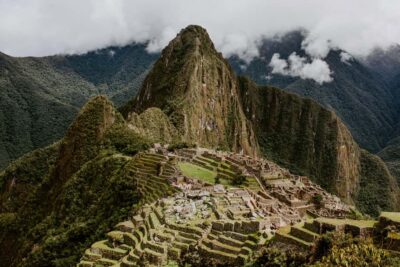
Browse the lists this tour appears in