
Reviewed · AMAZON JUNGLE
Amazonas Manu Cultural Zone 4 Days / 3 Nights
A trip into the Manu cloud forest and Amazon basin is interesting because the day feels like it keeps changing. You start high in the Andes, drop into misty forest, then move by boat and raft where wildlife shows up on its own schedule. I like the mix of birding, boat time, and night walks. One thing to consider: it is an early-start, remote-feeling plan, and comfort is more practical than fancy.
Two highlights I really like here are the parrot clay lick at dawn and the time on the Machuhuasi lagoon (Cocha Maravilla area). Watching parrots feed on the nutrient-rich wall is pure spectacle, and the lagoon cruise is where you can spot mammals and reptiles from the water. If you hate dark, loud, bug-filled nights or you dislike hiking trails, this may not be the best match.
For me, the key drawback is simple: you are moving all the time. Between Cusco pickup, buses, boats, raft rides, and multiple hikes, you should pack for an active 4 days. If you want a slow, city-style itinerary with lots of downtime, this one will feel like a lot.
Key things I’d circle on your plan
- Small group (max 15) with guides using binoculars and telescopes for wildlife spotting
- Ajanaco at 3500m start, then a real descent into cloud forest ecology
- Atalaya river route with a boat ride, plus options like swimming or a mud bath
- Machuhuasi lagoon / Cocha Maravilla raft time for monkeys, caimans, capybaras, and more
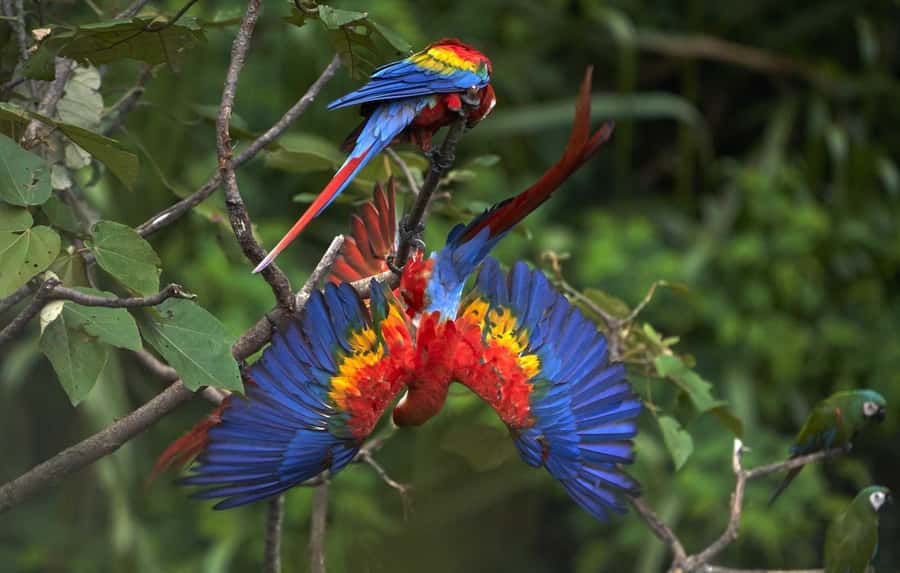
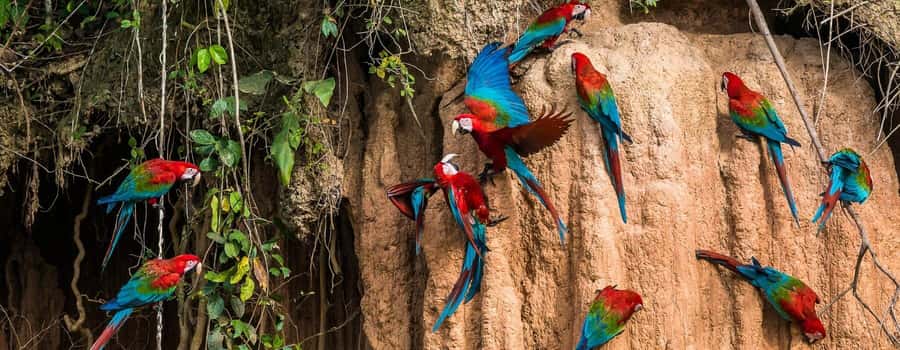
- Dawn parrot clay lick feeding show, then ceiba tree trails later in the day
- Night walks focused on insects, amphibians, and snakes, with safety gear and first aid on hand
Manu in the Cusco region: a different kind of Amazon trip
This 4 days, 3 nights experience takes you out of Cusco-style sightseeing and into the rhythms of the Amazon Manu Cultural Zone. You climb into the Andes morning, then drop into cloud forest, and finally settle into lodge time where the best moments often happen before breakfast or after dinner.
What makes it feel authentic is the way the itinerary is built around habitats. High elevation cloud forest has different birds than the river. The lagoon is its own world. Even night walking has a purpose, not just a thrill. If you enjoy nature and can handle a bit of jungle logistics, you’ll get more out of this than a short “see the rainforest” outing.
It is also a value-minded trip for a reason. You are not just paying for transport. You are paying for guides, equipment (telescope and binoculars), meals, and guided wildlife time across multiple environments.
More Manu National Park trips:
- Manu National Park 4-Day Eco Tour from Cusco
★ 5.0 · 216 reviews - Manu Jungle Tour (4 Days)
★ 5.0 · 148 reviews - 4 Day Tour to the Manu National Park
★ 5.0 · 81 reviews
Day 1: Cusco early pickup, Ajanaco cloud forest hike, then lodge rest
Your day starts early, with pickup between 5:30 and 6:00 AM from the meeting point. From there, the drive climbs through winding Andes roads. You’ll pass villages and towns on the way to the jungle entrance.
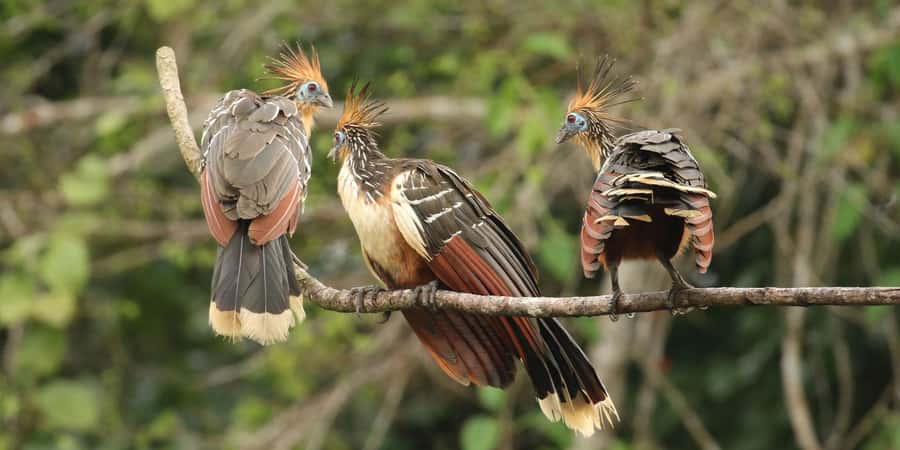
The big turning point is Ajanaco at 3500m. From that altitude you descend through the cloud forest, where the air and plant life change fast. This is where you can look for orchids, heliconias, and ferns. Bird-spotting opportunities include the cock-of-the-rock, umbrella bird, trogon, quetzal, and orioles. You will not see every species every time, but the habitat is right for it.
A practical plus: the itinerary ends with lodge time so you can actually recover. After the hike and descent, you get to relax and rejuvenate rather than staying on the move all evening.
How to prepare: bring layers. Cloud forest mornings can feel cooler than you expect, and you’ll be switching between vehicle time and trail time.
Day 2: Atalaya river day, boat to the lodge, and a night walk after dinner
Day two shifts from forest to river. After breakfast, you start with a nature walk that focuses on birds and monkeys. This is a good set-up day for spotting, since you are warming up your eyes before you head farther into the Amazon system.
Then comes the overland and water transfer. You take a 1-hour bus ride to the port of Atalaya, followed by a 30-minute boat ride to your lodge. During this river portion, you may get options like swimming in the river or enjoying a mud bath. That kind of break is more than fun, it also signals how close you are to the real ecosystem, not just a lookout.
After lunch, your plan becomes more aquatic. You go for a raft ride on the Machuhuasi lagoon, watching for shanshos and a wide range of wildlife. You might see monkeys, reptiles, dwarf caimans, capybaras, tapirs, and more. The raft format matters because you are lower than a viewpoint. You get a better sense of movement and feeding patterns.
After dinner, you finish the day with an intriguing night walk. This is when your guide helps you notice the small stuff and the slower movement you miss in daylight. You sleep at the lodge with private bathrooms and showers.
Reality check: night walks are part of the deal here. If you prefer sleeping early and skipping dark trail time, be aware that this itinerary commits to night exploring on more than one day.
Machuhuasi lagoon and Cocha Maravilla: the afternoon where wildlife feels close
The lagoon cruise is one of the most rewarding segments because it mixes open water time with plenty of observation. On the raft, you are not just watching from above. You are gliding through the same water routes where animals come and go.
Expect the cruise to focus on sightings like:
- monkeys
- reptiles
- dwarf caimans
- capybaras
- tapirs
Even if you do not see every animal, the day still has value because your guide is using their telescope and binoculars. That equipment matters on the lagoon. Distant movement can turn into a clear sighting once someone knows where to look and how to track motion.
The Cocha Maravilla highlight also fits with this lagoon time. This is the part of the trip where the “Amazon magic” feels practical, not vague. You have a set plan, a set route, and a specific place to focus your attention.
Tip for the raft: keep your camera and hands ready, but also keep your eyes on the waterline. Many of the best moments are brief, and they happen when something shifts near the banks.
More Amazon trips from Cusco:
- From Cusco: Amazon jungle for two days with sleeper bus and private lodge
★ 3.2 · 6 reviews - Tambopata Peruvian Amazon Jungle for Three Days/Two Nights
★ 4.5 · 329 reviews - Amazon Jungle Tour 3 days
★ 4.5 · 84 reviews - 4 Day Tambopata Amazon Wildlife & Canopy Experience
★ 4.5 · 72 reviews
Day 3: Parrot clay lick at dawn, then ceiba trails and another night walk
Day three begins early again, but for a reason. At dawn, you sail to the parrot clay lick. This is the moment you came for if you want nature spectacle without needing luck like a lottery ticket.
You’ll watch the cheerful parrots as they feed on a nutrient-rich wall. Clay licks are one of those natural behaviors that look almost magical. It’s also a strong example of why guide time matters. Knowing where the birds feed and when to be there can change everything.
After returning, breakfast and rest follow. That break is important because you’re not just sightseeing. You’re doing another round of hiking and wildlife searching afterward.
Then the trails take you into the kind of forest you feel in your lungs. This is where the day spotlights the ceiba tree, described as the tallest and thickest tree in the area. Your route also gives you chances to spot monkeys, reptiles, dwarf caimans, capybaras, or tapirs again, depending on what’s active.
Later, there is another night walk, this one focused on insects, amphibians, or snakes. This is where you get contrast. Daytime wildlife viewing is about movement in light. Nighttime wildlife viewing is about discovering what is active after the sun goes down.
What you’ll enjoy most: the pacing. The itinerary doesn’t cram everything into nonstop action. It stacks big experiences with recovery time.
Night walks: the part people remember for the right reasons
If you like your nature trips with actual technique, night walks are where the guide’s job becomes visible. The trip includes safety equipment and a first aid box, which is smart given that you’re walking off daylight.
You also get a clear focus:
- day walking for birds and monkeys
- night walking for insects, amphibians, and snakes
That structure is useful for you as a visitor. Instead of wandering around hoping for the best, you are learning what to look for and why. You start noticing how the jungle “works” differently at night: sound, motion, and the way animals hide or hunt.
Practical note: night time means you should expect damp ground and limited visibility. Use the included wellingtons (rain boots). They’re there for a reason, and they’ll help you stay comfortable longer.
Pilcopata camping feel: part of the trip is about staying close to nature
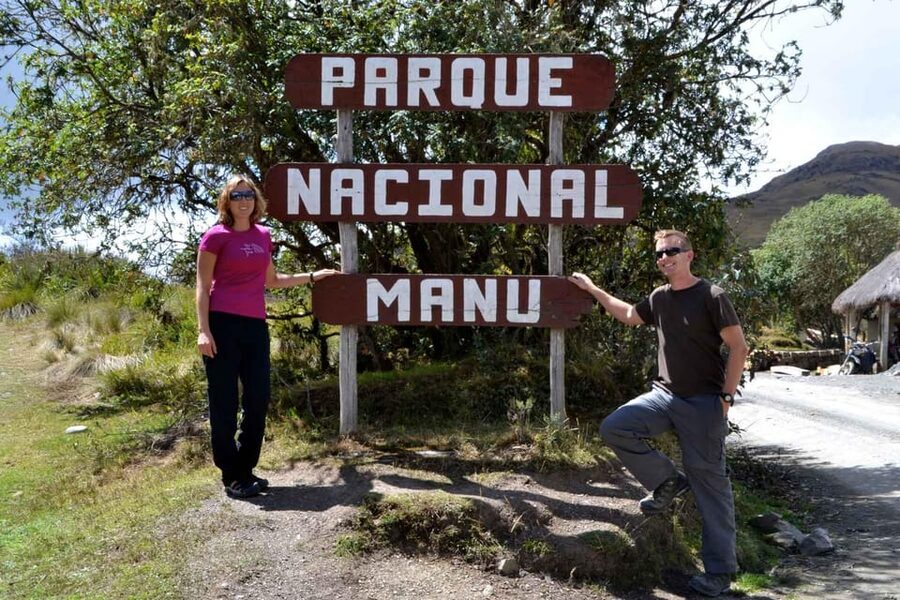
One highlight calls out a camping experience in Pilcopata. That matters because it signals that at least part of the trip leans into simpler, more outdoorsy conditions instead of hotel comfort.
Even with lodge nights included, a camping-style element usually means you should plan for:
- more exposure to the outdoors
- more reliance on your gear and routine
- less of a “return to comfort” feeling between activities
If your idea of the Amazon is a soft, spa-style getaway, this won’t be it. But if you want the experience to feel like you’re actually in the Manu environment, it fits.
Day 4: final jungle hike, watchtower time, and return to Cusco by late afternoon
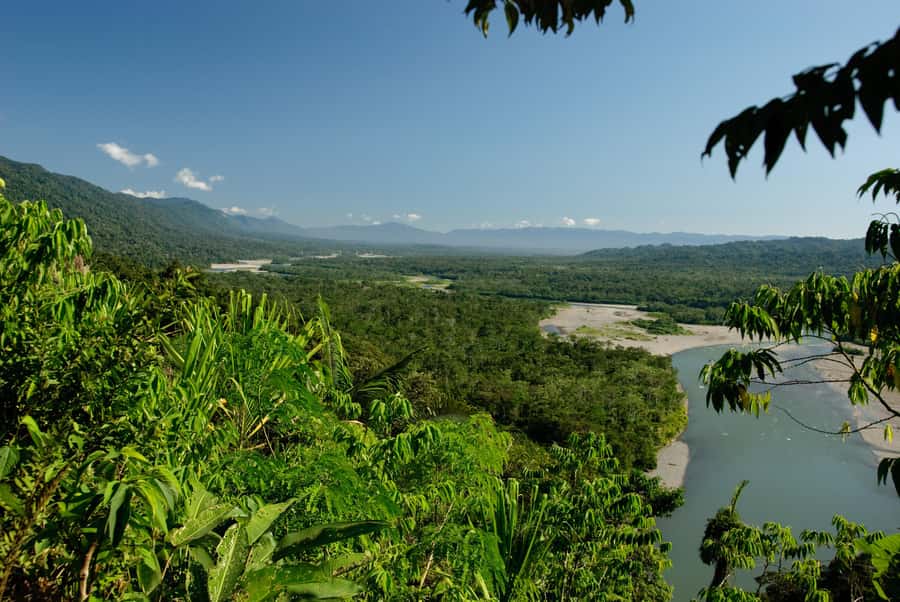
On the final morning, you do one last trail walk to observe jungle wildlife. This is a classic move on successful nature itineraries: go out again while the group still has fresh energy, then head back.
After that, you return for breakfast and then travel back. You take a boat ride to Atalaya, and then a van back to Cusco. Arrival is typically between 5:00 PM and 7:00 PM.
This homeward route also includes a chance to see things you might not have noticed earlier, like hummingbirds, orchids, waterfalls, and potentially more birds and monkeys. As you leave the jungle behind, you pass through mountainous areas with spectacular views of the Andes.
For your evening plans: plan something low-key in Cusco. You’ll be tired in a good way, but travel day fatigue is real.
What’s included (and what to budget for): meals, lodging, and the real costs
Let’s talk value with numbers in mind. The price is $430 per person for 4 days / 3 nights, and the trip includes a lot that would add up quickly if you tried to DIY it.
Included items:
- land and river transport (bus and boat)
- professional guides with telescope and binoculars
- experienced boat driver, crew member, and cook
- safety equipment and a first aid box
- breakfasts, lunches, dinners, and snacks
- accommodations with private and shared bathroom/shower options
- meals for dietary restrictions like vegetarian, vegan, or gluten-free
- mineral water at the lodge
- wellingtons
Not included:
- first day breakfast
- alcoholic drinks, soft drinks, and water for breakfast on the first day
So the money you spend goes toward the core experience: getting there, staying in the jungle area, and being guided with equipment for wildlife viewing. The main “extra spend” is drinks and the missing breakfast on day one.
My budget advice: if you like coffee, juice, or bottled water habits, set aside a little extra cash. Since day one breakfast is not included, you’ll want to plan how you’ll handle early morning food before pickup.
Guides, small group size, and why 15 people is a big deal out here
This tour runs as a small group, limited to 15 participants. That size matters in the jungle. You can actually hear instructions. Your guide can scan with binoculars and adjust pace without needing to manage a crowd.
Guides are live, with Spanish and English language support. You also travel with an experienced boat team and a cook, which reduces the stress of remote logistics.
Telescope and binoculars are not just extra gear. They change what you can realistically see. In dense forest and at a distance on the lagoon, good optics turn vague movement into a real animal sighting.
Finally, you get safety support in the form of safety equipment and a first aid box. That doesn’t remove risk from remote nature travel, but it shows the provider is planning for it.
The $430 question: is this good value for the Manu experience?
For $430, you are buying more than a bed and a ride. You’re buying multiple guided nature segments across different habitats, plus all major meals and transport.
If you compare it to piecing together:
- transportation into the Cusco region jungle
- guides for birding and wildlife walks
- a raft experience on the lagoon
- meals and lodge stays
- equipment like binoculars and telescope support
…it becomes clear why package pricing exists here. The cost covers a team that already knows the area and runs the schedule. You pay for coordination, not just time outdoors.
The only big reasons you might feel the price is high are the same reasons some people skip tours like this:
- you want a luxury, low-activity vacation
- you dislike early starts and multiple hikes
- you want guaranteed animal sightings every day
If those are you, no amount of value math will fix it. But if you enjoy wildlife spotting and you want guided access in Manu, this price feels fairly aligned with what’s included.
Should you book Amazonas Manu Cultural Zone for 4 days in the wild?
I’d book it if you want:
- the parrot clay lick at dawn and repeat wildlife searching
- a mix of cloud forest and Amazon river and lagoon time
- guided night walks with a specific focus, not random wandering
- a small group where you can actually pay attention
I might hesitate if you:
- want a slow itinerary with lots of downtime
- need high-end comfort every night
- dislike hikes, boat rides, or night trail time
My honest call: this is a good fit for active nature lovers who don’t mind remote logistics, and who can appreciate the value of guides, equipment, and meals being handled for you. It’s not a sightseeing shortcut. It’s a real jungle circuit, built for people who like being present for wildlife, not just collecting photos.
FAQ
Where is the Amazonas Manu Cultural Zone tour based?
It runs in the Cusco Region of Peru, moving from Cusco toward the jungle area and back.
How long is the tour?
The experience is 4 days with 3 nights.
How many people are in the group?
The group is limited to 15 participants.
What languages are offered?
The live tour guide offers Spanish and English.
What are the main highlights you will do?
You can expect a camping experience in Pilcopata, wildlife time in the Atalaya area, a visit to the parrot clay lick, and lagoon time around Cocha Maravilla.
Are meals included?
Yes. The trip includes breakfasts, lunches, dinners, and snacks. First day breakfast is not included.
Do you get private bathrooms?
Overnights are at the lodge, and rooms have private and shared bathroom/shower options.
What is included in the price besides transportation and meals?
Guides come with telescope and binoculars, you get safety equipment and a first aid box, wellingtons, and mineral water at the lodge.
What is not included?
Alcoholic drinks, soft drinks, and water for breakfast on the first day are not included.
Recently reviewed around Cusco
- Cusco Cooking Class by ChocoMuseo in Cusco★ 5.0 · 29 reviews
- ATV Adventure to Moray and Maras Salt Mines – Half Day★ 4.5 · 29 reviews
- 1-day excursion to Machu Picchu from Cusco★ 5.0 · 29 reviews
- Private Tour Sacred Valley, Chinchero, Maras Moray, Ollantaytambo★ 5.0 · 29 reviews
- From Cusco: Humantay Lake with Breakfast and Buffet Lunch★ 4.5 · 29 reviews
- 4 Day – Inca Jungle to Machu Picchu★ 5.0 · 29 reviews
- 2-Day Machu Picchu Tour by Train from Cusco★ 4.5 · 29 reviews
- 2-Day Sacred Valley and Machu Picchu Tour By Train★ 4.5 · 29 reviews
Amazon Jungle, compared.
Tambopata Peruvian Amazon Jungle for Three Days/Two Nights
Read our review →
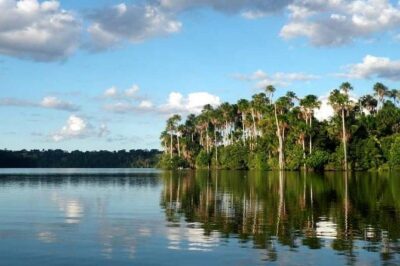
4 Day Tambopata Amazon Wildlife & Canopy Experience
Read our review →
3-Day Iquitos Amazon Jungle Adventure at Heliconia Lodge
Read our review →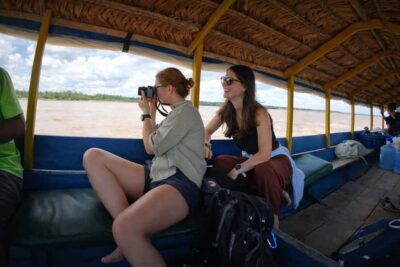
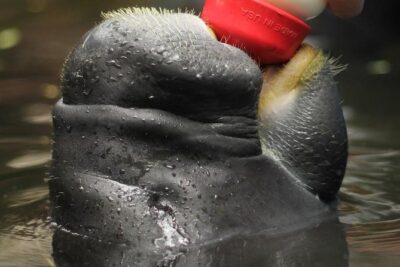
Amazon Rescue Center – Manatees Conservation Center Admission Ticket
Read our review →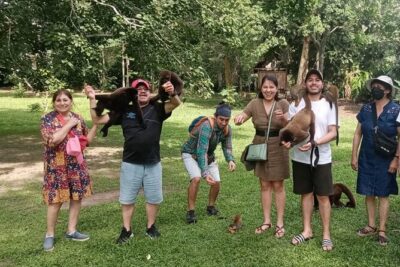
Monkey Island,Amazon River & Native Aquatic Species – All tickets
Read our review →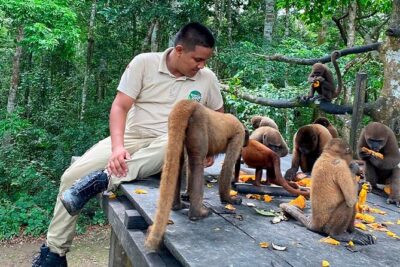
Browse the lists this tour appears in