
Reviewed · CITY TOURS
City tour Cusco
Cusco is one of those places where the city feels like it sits on top of older worlds. This half-day tour gives you a tight route through major Inca sites right around town, so you get context fast. I love that the plan includes a bilingual guide and organized hotel pickup so you can focus on the sights instead of logistics.
The best part is that you start with Qoricancha and then work outward to fortresses and ceremonial spots, which helps the Cusco story click into place. One thing to watch: the $18 base price does not cover Qoricancha entrance or the Cusco Tourist Ticket, so you will want extra cash and time for tickets.
Key Things You’ll Notice on This Cusco City Tour
- A focused 5-hour route that hits several top Inca sites near Cusco, with a clear start and end
- Qoricancha first, which sets the tone before you move to fortresses and ceremonial areas
- Bilingual live guide (English and Spanish) included, so you get explanations, not just a bus ride
- Stops with distinct styles (fortress walls, an Inca labyrinth, reddish military construction, and the baths area)
- Pickups from the main square area, which makes meeting easier for most visitors
- Bring cash and ID, since extra site fees are common and food is not included
A Smart 5-Hour Loop Through Cusco’s Inca Sites
This city tour is built for travelers who want real context without spending a full day on the road. At 330 minutes, you get a compact sweep through multiple archaeological complexes that surround Cusco, so you can connect what you see to how Inca Cusco worked. And because it is a guided format, you should get clear explanations as you move from site to site.
I like tours like this because they help you understand the “why” behind the ruins. You are not only looking at stones. You are learning what the Inca used different places for, from religious space to defense to water-related ceremonies. It is also a practical match for Cusco, where walking and altitude can add up quickly. Five hours is long enough to learn a lot, but not so long that you feel wiped out before dinner.
The tone is straightforward: you visit the main attractions, then you return to the historic center area. If you prefer seeing the highlights first and digging deeper later on your own, this works well. Just know you are going to be outside for several stretches, and the sites are not designed for slow, lingering museum pacing.
More City Tours in Cusco
- Cusco: Half-Day City Tour with Sacsayhuaman and Q’enco
★ 4.6 · 1,129 reviews - City Tour Cusco Qoricancha Sacsayhuaman y Tambomachay
★ 4.7 · 617 reviews - Cusco City Tour Four Ruins in Half-Day
★ 5.0 · 530 reviews
Meeting Point and Two Shifts: Morning Around 8:00, Afternoon Around 1:00
You get two possible starts. The morning pickup begins at about 8:00 am, and the afternoon shift starts at about 1:00 pm. That is handy if you want to plan your day around altitude acclimatization, a walking tour, or a late breakfast.
Pickups are included and made from the main square area of Cusco. After the tour, transportation returns you near the historic center, with an approximate drop-off around Plateros Street. The exact time can vary with traffic and which shift you take, but plan for an evening arrival timeframe if you take the later option.
This matters because Cusco days can get crowded fast. A clear pickup and a defined return point help you avoid the “Where do we meet?” scramble. Also, since the tour includes round-trip transportation, you are not paying for extra taxis between sites.
Qoricancha: Temple Start That Sets the Tone
Your first stop is Qoricancha, the Temple complex. You spend about an hour here with your guide, which is a good chunk for an introductory site. Starting at Qoricancha helps because it anchors the trip in religious and ceremonial importance before the tour shifts into fortresses and other functions.
Even if you have seen photos online, the experience is different in person. Stonework has scale, and angles matter. With a guide, you are not just noticing walls and openings, you are getting the cultural framing that turns the site from scenery into meaning.
One important reality check: Qoricancha entrance is not included. You should budget S/20 for the site entrance. Bring cash for this, since the tour info specifically requests it. If you forget, you might be stuck dealing with last-minute payments at a busy time, and in Cusco, that can eat into your visit.
Sacsayhuaman: Fortress Walls and Big-Sky Views
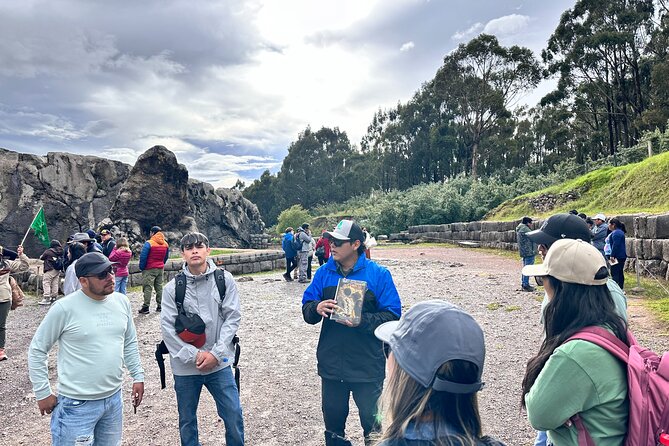
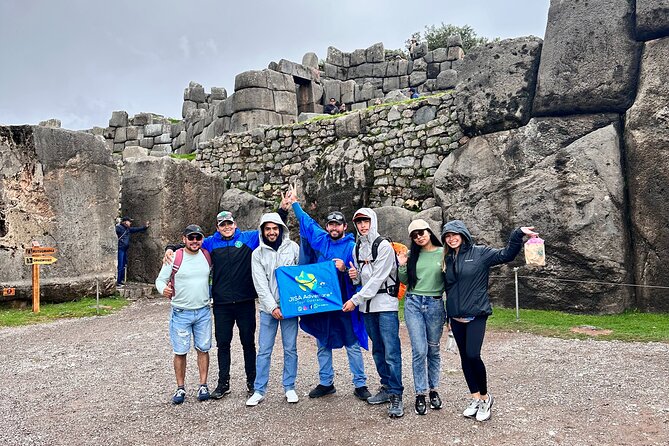
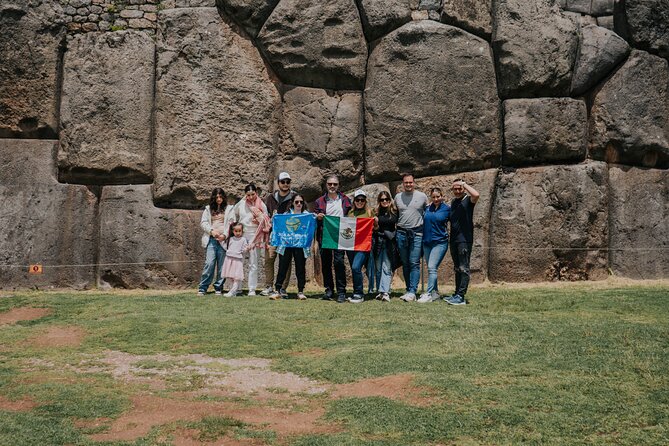
After Qoricancha, the tour moves to Sacsayhuaman, the Inca fortress. This is the kind of stop where the setting does half the explaining. The sheer scale of the stone and the strategic layout help you understand why defense and control were central to Inca power.
This is a great moment to think about how Cusco was planned. Even without memorizing details, you can sense how fortification and visibility would matter in a high-altitude city. Your guide will tie these features to the Inca way of thinking, and that makes the stones feel less random.
A practical tip: wear footwear you trust. You will be walking on uneven ground, and you want your steps to feel steady. If you tend to get winded, slow your pace slightly and let your guide’s rhythm set the tempo rather than forcing yourself to keep up too quickly.
A few more Cusco days worth comparing
- Classic Inca Trail Trek 4D/3N to Machu Picchu (Group Service)
★ 5.0 · 8,653 reviews - Cusco: Rainbow Mountain and Red Valley Day Trip with Meals
★ 4.9 · 4,893 reviews - Machu Picchu: 4-Day Inca Trail Trek with Panoramic Train Ride
★ 5.0 · 4,568 reviews - Salkantay Classic Trek 5 Days from Cusco
★ 5.0 · 4,062 reviews
Qenqo: The Inca Labyrinth Feels Unusual for a Reason
Next is Qenqo, described as an Inca labyrinth. This stop has a different mood from the fortress area. Instead of massive defensive walls, you get a more intricate, ritual-feeling layout.
The “labyrinth” label is useful, because it reminds you that the place is not only about travel routes. It is also about ceremony, movement, and how people would experience space. When a guide explains what you are looking at, it changes how you move through the site. You start noticing alignments and features that you would likely miss on your own.
Because the tour flow is tight, you will want to pay attention early rather than saving questions for the end. If there is a point where you feel lost, ask your bilingual guide then. In a half-day format, those quick questions are the best use of time.
Pukapukara: Reddish Color and Military Construction
After Qenqo, you visit Pukapukara. This site is known for its reddish color and military construction style. That combination makes it stand out in a very practical way: you can visually connect the material and the purpose.
I like this stop because it is a reminder that Inca architecture was functional. It was not only symbolic. It could be tied to organization, control, and preparedness. Your guide should help you connect the look of the stones and structures to that military feel.
If you are a photo person, this is a good location for pictures where you frame a wider view plus a close detail shot. Just remember that Cusco weather can shift. Have a light layer and keep your camera ready, not your whole life spent searching for the perfect angle.
Tambomachay: The Baths of the Inca and Water Power
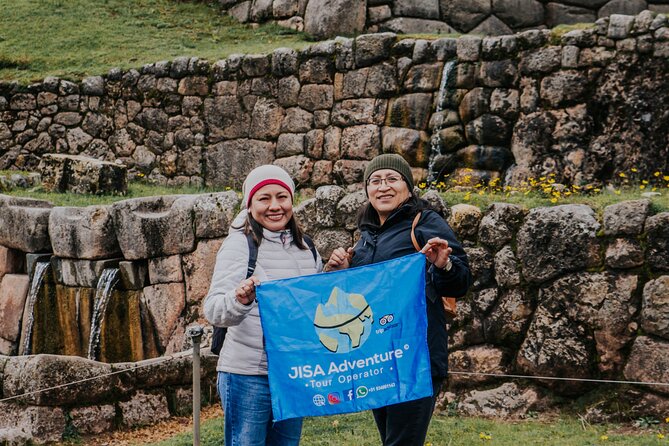
The final major archaeological complex is Tambomachay, a fortress area known for its main waterfall, often referred to as the baths of the Inca. This stop adds a different sensory element to the day. Water changes how a site feels. It is cooler nearby, and you hear the sound even before you fully absorb the structures.
Water was important in Andean cultures, and in a tour like this, Tambomachay is a fitting closing chapter. After temples, forts, and labyrinth spaces, the baths area reminds you that Inca engineering and ritual were connected. Your guide should connect this to why water features mattered in daily life and ceremonial understanding.
Wear shoes that can handle moisture. Even if the waterfall area is not a slippery disaster, mist and wet spots can happen around water sources. And if you are traveling during a drier season, the area might look different than what you expected from photos. Going with flexible expectations makes the experience better.
What the $18 Price Really Means, and What You Must Budget Extra
The headline price is about $18 per person. For Cusco, that can be fair value when you consider that the tour includes round-trip transportation and a bilingual guide. In other words, you are paying not only for the stops, but also for the setup and the interpretation.
But here is the financial part you need to plan for. Entrance to Qoricancha is not included, and it costs S/20. In addition, you need a Cusco Tourist Ticket, issued by Cosituc, for entries to the attractions and museums. The tour also notes that attractions and museums are not included, which means you should expect to pay site entrance fees beyond the base tour cost.
You can think of it like this: the $18 buys you the guided circuit and logistics. The ticket and entrances buy you admission. If you arrive expecting everything to be covered, you will be surprised, and that is not a good way to start a day in Cusco.
If you want smoother planning, do one small step before you go: confirm what you need for the sites you will enter, and bring enough cash. The tour specifically asks you to bring cash, and that is usually a hint that you should not rely on card payment at every step.
Comfort Tips That Make the Half-Day Feel Easier
This is a half-day tour, but it is still several hours of movement, walking, and time outside. Cusco can be a lot, even if you are in good shape. If you tend to get winded, keep your pace steady, and do not try to “win” the tour.
Bring a passport or ID card, since the tour instructions list both. Also bring cash, especially for Qoricancha entrance and any ticket-related needs. If you are the type who hates carrying extra things, keep it simple: ID, money, a light layer, and whatever you need to stay hydrated.
Food is not included. So if you are taking a shift that overlaps a typical meal, eat before pickup. That way you do not end up spending your limited time searching for food between stops. And do not count on snack stops to happen during the tour, because the info only says food is not included.
Not allowed rules are straightforward: no pets, and no alcohol or drugs. If you plan to travel with anything unusual, double-check with the provider before you book.
Also note the age guidance. The tour is not suitable for people over 95 years. If you are older or have mobility limits, it is worth taking that seriously and thinking about alternative slower options.
The Guide Experience You’re Paying For (and Why It Matters)
A big part of value here is the bilingual live guide, English and Spanish, included with the tour. That matters because these sites are not obvious just by looking. Stonework, layout, and cultural purpose are easier to grasp with a clear explanation.
There is also a signal from the feedback that the guides can be genuinely attentive and well-mannered, with one standout comment praising the guide as wonderful, super polite, and very helpful, plus someone who knows a lot. That kind of service is not a small detail. In a compact half-day, you want your guide answering questions and keeping the experience clear.
If you are traveling in a language you are less comfortable with, this bilingual setup helps you stay in the moment. You should be able to understand key points without guessing. And if you do speak both languages, you get flexibility in how you follow along.
Who This Tour Is Best For
This Cusco city tour is a good fit if you:
- Want the main Inca-area highlights near Cusco in one outing
- Prefer guided explanations over self-guided wandering
- Like a structured schedule, with transportation handled for you
- Are okay paying for entrances and the Cusco Tourist Ticket separately
It is especially good for first-time visitors who want context. The sequence, starting at Qoricancha and moving through fortresses and ceremonial areas, makes it easier to understand the overall Cusco picture. If you are returning later and want to revisit sites with more time, this can be a smart way to get oriented first.
If you are someone who hates paying extra fees on arrival, then you need to plan carefully for the Qoricancha entrance and the Cusco Tourist Ticket. The base price alone is not the whole story here.
Should You Book the Cusco City Tour?
If you want a guided, efficient way to see several major Inca sites around Cusco, I would book it. The price is reasonable for a 5-hour guided circuit with round-trip transport, and the guide support is the difference-maker when you are trying to understand Qoricancha, Sacsayhuaman, Qenqo, Pukapukara, and Tambomachay in one day.
Only skip it if you fall into one of these categories:
- You strongly want a fully ticketed experience with entrances included in the base price
- You cannot do about five hours of outdoor walking and uneven ground
- You are traveling without cash for site fees, since extra entrances are expected
If you do book, go in prepared: bring ID, bring cash, eat before you go, and expect to buy entry where needed. That is the recipe for a smooth half-day in Cusco that leaves you feeling informed, not rushed.
FAQ
How long is the Cusco city tour?
The tour lasts 330 minutes, which is about 5 hours.
What time do the morning and afternoon shifts start?
Pickup starts at approximately 8:00 am for the morning shift, and approximately 1:00 pm for the afternoon shift.
Where are pickups made?
Pickups are made at the main square of Cusco, with hotel pickup near the historic center.
Which stops are included on the tour?
You will visit Qoricancha, Sacsayhuaman, Qenqo, Pukapukara, and Tambomachay.
Is the guide bilingual?
Yes. The live guide is available in English and Spanish.
Are entrances included in the price?
No. Entrance to Qoricancha is not included, and attractions and museums require additional tickets.
Do I need the Cusco Tourist Ticket?
Yes. The tour mentions the Cusco Tourist Ticket issued by Cosituc for entry to the different attractions and museums.
Are meals included?
No. Breakfast or lunch is not included.
What should I bring, and what is not allowed?
Bring a passport or ID card and cash. Pets are not allowed, and alcohol and drugs are not allowed.
Recently reviewed around Cusco
- Cusco Cooking Class by ChocoMuseo in Cusco★ 5.0 · 29 reviews
- ATV Adventure to Moray and Maras Salt Mines – Half Day★ 4.5 · 29 reviews
- 1-day excursion to Machu Picchu from Cusco★ 5.0 · 29 reviews
- Private Tour Sacred Valley, Chinchero, Maras Moray, Ollantaytambo★ 5.0 · 29 reviews
- From Cusco: Humantay Lake with Breakfast and Buffet Lunch★ 4.5 · 29 reviews
- 4 Day – Inca Jungle to Machu Picchu★ 5.0 · 29 reviews
- 2-Day Machu Picchu Tour by Train from Cusco★ 4.5 · 29 reviews
- 2-Day Sacred Valley and Machu Picchu Tour By Train★ 4.5 · 29 reviews
City Tours, compared.
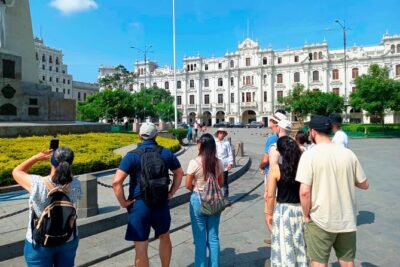
Lima Half-Day City Walking Tour (Small Groups)
Read our review →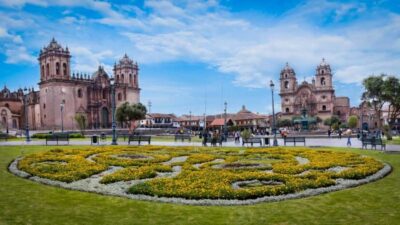
Half-Day City Tour with Sacsayhuaman and Q’enco
Read our review →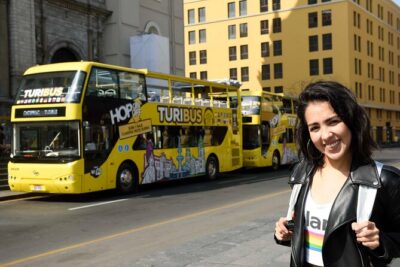
City Tour Panoramic Bus Departure From Larcomar
Read our review →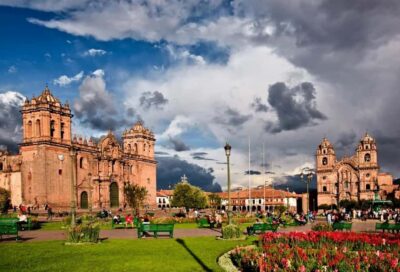
City Tour Cusco Qoricancha Sacsayhuaman y Tambomachay
Read our review →
Lima’s lively Heritage: Exploring the City’s Landmarks Half-day
Read our review →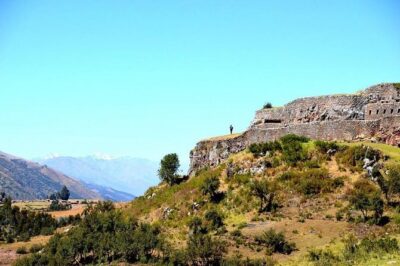
Sightseeing Tour of the City on an Open-Top Bus
Read our review →
Lima City, Central Market & Catacombs Tour (Pick-up & Drop Off)
Read our review →Browse the lists this tour appears in