
Reviewed · 5-DAY EXPERIENCES
Classic Choquequirao Trek – 5 Days / 4 Nights
Choquequirao is one of those places that feels both Inca and untamed, cut into the mountains above the deep Apurímac canyon. I like that this trek brings you there step by step, with early canyon viewpoints and a full day inside the citadel. The tradeoff is simple: this is a physically demanding trek, with long downhill and uphill days plus high altitude to manage.
What I also like is the way the logistics are handled for you. You get a licensed bilingual guide, small-group camping setup, and porters for camp gear, so you can focus on walking, eating, and soaking in the views. The possible drawback is that key gear like a sleeping bag and trekking poles are not included, so you’ll need to plan ahead and pack well.
Key points at a glance
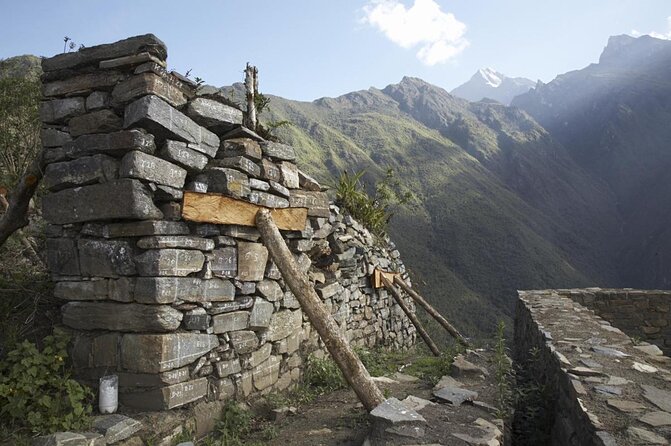
- Choquequirao, a major Inca citadel in a remote setting, with temples, plazas, and agricultural terraces
- Camping is handled for you, including tents for two people, mattresses, and dining setup
- Porters move your camp gear, plus you can send a duffel up to 5 kg with the team
- Real itinerary variety, from glacier views near Cachora to river time at Rosalina Beach and hot springs on Day 5
- Safety support is built in, with first aid, oxygen supply, walkie-talkies, and emergency satellite phones
Why Choquequirao Feels Like Andes Secret Territory
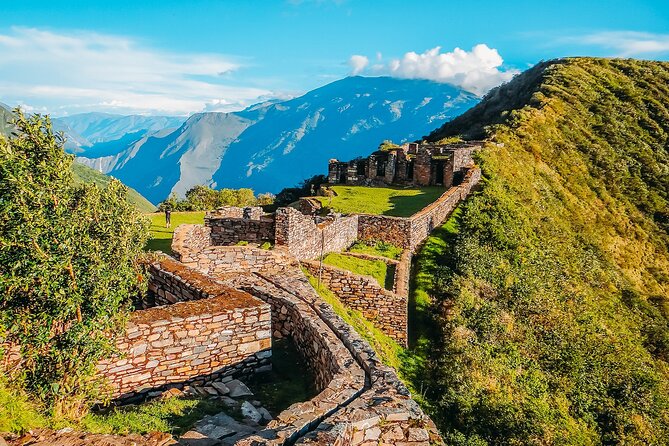
Choquequirao sits high in the mountains and stays hard to reach on purpose. That remoteness is the point. You’re not just ticking off an attraction, you’re walking through the same wild geography that shaped Inca decisions about defense, water, and farming.
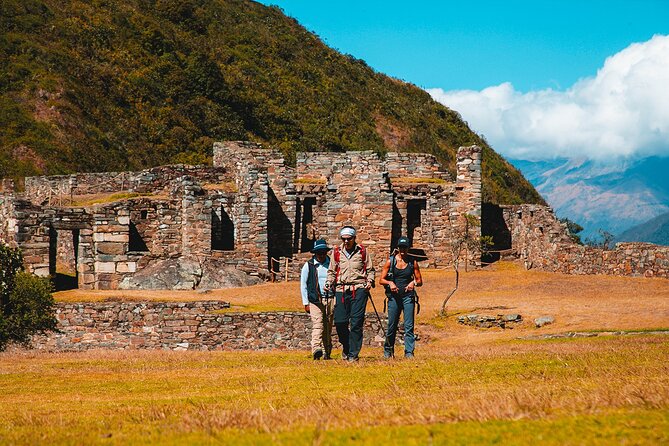
The citadel itself is described as larger than Machu Picchu, and you’ll spend a full day exploring with a guide. What makes it feel special is the layout: plazas and temples plus terraces that show how serious the Incas were about using steep land. There’s also a famous detail with the stone-carved white llamas on platforms, and only about 40% of the site is visible, which means even from viewpoints you will feel like there is more beyond what you’re seeing.
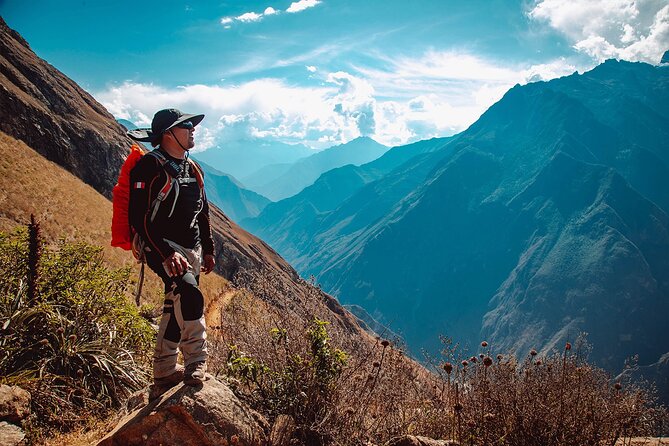
This is also a canyon trek in a big way. You’ll get repeated chances to look into deep canyons and the Apurímac Valley, with sunset turning the mountains and valley into orange tones. If you like mountain light shows and long, quiet walking days, this fits.
More Hiking & Trekking in Cusco
- Classic Inca Trail Trek 4D/3N to Machu Picchu (Group Service)
★ 5.0 · 8,653 reviews - Machu Picchu: 4-Day Inca Trail Trek with Panoramic Train Ride
★ 5.0 · 4,568 reviews - Salkantay Classic Trek 5 Days from Cusco
★ 5.0 · 4,062 reviews
Cusco Start Times and the Altitude Reality Check
Your day starts early. The tour begins around 4:00 am with hotel pickup in Cusco, and you’ll be moving by private transport toward the trekking region. That early departure helps you avoid the harsh afternoon sun later, and it gives you time to settle in before the long walking blocks.
Altitude matters here. Choquequirao sits at 3,050 m (10,007 ft), and the trek takes you through high Andean terrain. The operator recommends arriving in Cusco at least two days before you trek to adjust. That’s not overkill. If you show up just the day before and your breathing is already struggling, every steep section feels harder.
If you’re planning to bring a sleeping bag and poles, do it before you arrive. You’ll feel better having the right gear ready, rather than trying to buy or borrow something last minute in Cusco.
Day 1: From Cachora Glacier Views to Chiquisca Camp
Day 1 is all about setting your eyes on the big Andean backdrop, then easing into the trek rhythm.
You leave Cusco around the 4:30 am window and ride to Cachora, a staging area where you can enjoy views of the Salkantay and Humantay glaciers. This is a classic “wake up and look around” moment. Even before the hike really starts, you start learning the geography of what you’re about to walk through.
After breakfast, you continue to Capuliyoc. This is where you meet the cooks and muleteers. This matters because it’s your first real clue that your luggage strategy is different than a day hike. Your heavier camp items are handled by the team, and you’ll get clear guidance on how your belongings move.
Then the walking begins with a long descent to Chiquisca, roughly 3 hours. Chiquisca is a small village surrounded by fruit crops. Along the trail you’ll pass views over the Apurímac Valley and see Padreyoc and Qoriwayrachina in the distance. There’s also a chance to spot condors gliding above the valley, which is one of those moments you can’t schedule, but you’ll watch for.
In the afternoon, you arrive at Chiquisca camp in warmer conditions with arid mountains around you. Dinner and sleep happen there, so this day feels like a controlled entry, not a sudden punishment.
Practical tip: on Day 1, protect your knees on the descent. Take shorter steps, keep your weight centered, and don’t race the downhill. You’ll thank yourself on Day 2.
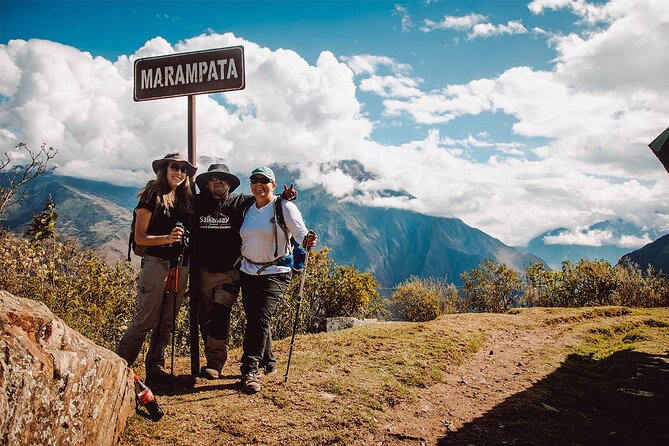
Day 2: Playa Rosalinas to Marampata, Where the Trek Bites Back
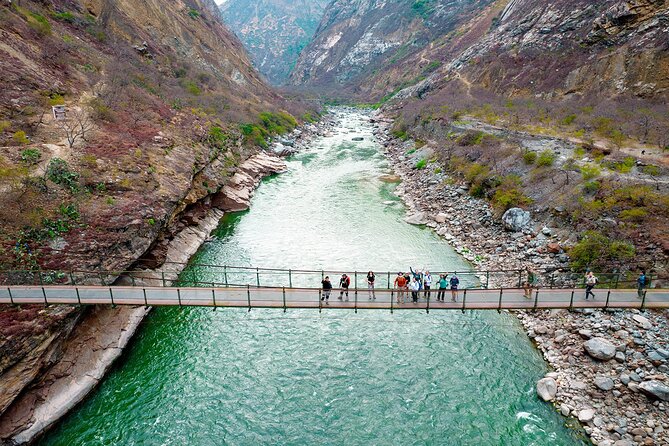
Day 2 is the long middle day. It starts with an ascent toward Marampata and then drops again into the valley before pushing uphill.
After breakfast, you hike about 1 hour to Marampata. This is just enough to get your legs working, not enough to “solve” Day 2.
Then you go to Playa Rosalinas, starting with a descent of about 1 hour to the lowest point in the valley. You cross a footbridge, and that’s your signal that the most challenging part is coming. Expect around 2 hours of harder hiking here. This is terrain where your pace will slow and you’ll need to stay relaxed with each step.
You’ll have lunch in Santa Rosa, then zigzag uphill for about 3 hours to Marampata camp. The “zigzag” detail matters. Switchbacks distribute the climb, which helps on steep slopes and keeps you from burning out early.
From Marampata, the route includes a Sendero a Choquequirao segment where you can take in impressive canyon views, including a sense of how deep the canyon system runs. Late afternoon brings sun that paints mountains and the Apurímac Valley in orange, and nightfall brings a starry sky with dinner and rest.
Practical tip: hydrate early, not late. The climb later in the day can make you feel fine until suddenly you’re behind on water.
More Choquequirao treks:
- Choquequirao Trek 4 days and 3 nights
★ 5.0 · 81 reviews - 4 Days Guided Tour in Choquequirao Peru
★ 5.0 · 8 reviews - Choquequirao Trek (4 Days)
★ 5.0 · 7 reviews
Day 3: A Full Day at Choquequirao Inca Citadel
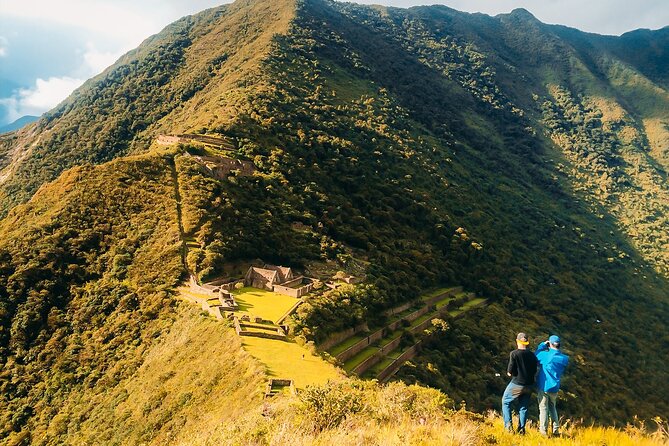
If Day 1 and Day 2 are about getting there, Day 3 is about slowing down and actually seeing Choquequirao.
You start after breakfast with a short 1 hour trek from the camp area along Sendero a Choquequirao. Then you reach Choquequirao, at 3,050 m. From Marampata, it’s about an hour to the citadel.
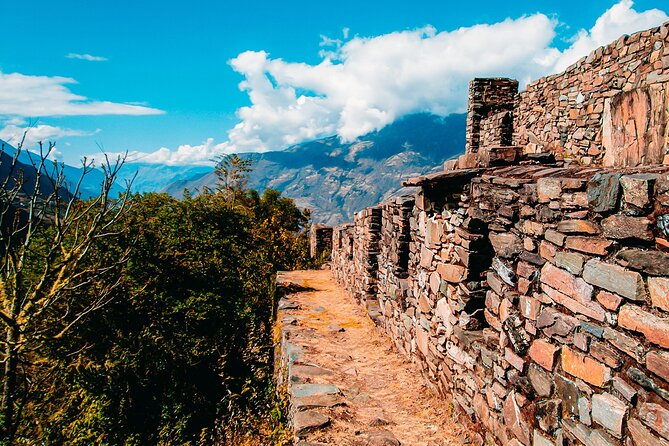
You’ll have the whole day to explore with your guide, touring the complex and learning how the architecture and agricultural terraces were designed to fit the terrain. This site is described as even larger than Machu Picchu, and what you’ll notice is the sense of planning: plazas and temples aren’t random, and terraces show Inca engineering in action.
One of the most memorable details is the famous white llamas carved in stone on platforms. There’s also the important reality check that only about 40% of the site is visible. That changes how you look at the ruins. You stop trying to “cover everything” and start noticing how the ruins sit inside their environment.
Lunch is a picnic during the visit, then at the end of the day you return to Marampata for dinner and rest.
Practical tip: take breaks even if you feel good. Your best photos and your best understanding come when you pause and look slowly, not when you rush from one viewpoint to the next.
Day 4: Return Through Santa Rosa, Cold Water at Rosalina, and a Home Visit
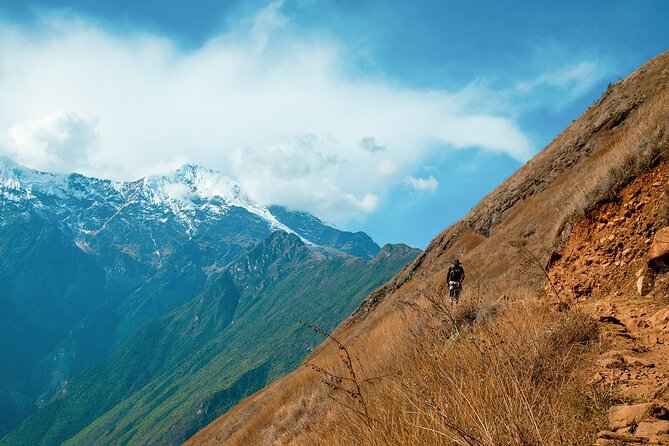
Day 4 is your return day, but it’s not just repeat walking. You get more nature variety and one of the most human moments on the whole trek.
You start with the return journey from Choquequirao back toward Marampata, bidding farewell to the canyon views from that perspective. Then you walk to Santa Rosa Alta through lush vegetation for about 2 hours, where you have lunch.
After lunch, you head to Playa Rosalinas and cool off in the cold waters of the Apurímac River. It’s not a spa. It’s a hard, quick reset that wakes you up and helps your mind stop thinking only about effort.
Then you ascend again to Chiquisca for about 3 hours. Here’s the cultural highlight: a local family welcomes you into their home. This is your chance to learn more about Andean customs, and their connection to Pachamama. That “living culture” moment is what makes a trek like this feel more than just a hike.
After dinner, you rest at the campsite.
Practical tip: keep a small towel handy for the river moment. Cold water plus sweat can mean you feel chilled later, especially if the weather turns.
Day 5: Early Walk to Capuliyoc, Saywite Monolith, and Cconoc Hot Springs
Day 5 begins early again. You’ll start with the goal of avoiding intense sun, walking alongside the sound of the Apurímac River.
You hike from Chiquisca for about 2 hours to Capuliyoc, and then you say goodbye to the hiking team. This part is emotional in a simple way. After days of shared effort, you feel the group has bonded with the landscape and with the people doing the hard logistics in the background.
Then you travel by private transport to Saywite, home to the famous Saywite Monolith. It’s a sacred site with more than 200 carved figures, valued by the Incas. This stop works well as a final cultural bookend after Choquequirao.
From there, you head toward Baños Termales de Cconoc, where you enjoy a relaxing hot spring bath before lunch. It’s one of the best ways to recover, especially after repeated descents and climbs.
Finally, you return to Cusco and arrive around 6:00 pm, with a transfer to your accommodation.
Practical tip: plan to keep your clothes dry for the hot springs segment. A little organization here saves you from feeling uncomfortable after the soak.
Price and Value: What $735 Buys on a Remote Trek
At $735 per person for a 5-day, 4-night trek, the value is mostly in what’s included. You’re not just paying for a permit and a guide. You’re paying for a full moving camp, transport, and safety systems in a remote area.
Here’s what adds real value:
- Licensed bilingual guide
- Entrance to Choquequirao
- All transportation and transfers during the tour
- Camping equipment and accommodation, including tents and setup for 2 people
- Cook, dining tent, and chairs
- Porters to carry camping equipment and transport of personal belongings
- Daily trail support, with water, tea time, and daily snacks
- Safety gear, including first aid kit and oxygen supply, plus walkie-talkies and emergency satellite phones
This also shapes your experience in a practical way. With porters handling camp weight, you can walk with less load than you would on a do-it-yourself trek. That matters when your days already include steep descent and steep ascent segments.
What’s not included is also important. You bring your own sleeping bag and trekking poles. You also need personal hiking clothing and equipment. Plan for those, and you’ll feel good about what you paid for.
Also note the luggage detail: you receive a duffel bag option for personal items up to 5 kg carried by porters. So pack smart. Don’t assume everything can go on the mule line.
Packing Like a Pro: Sleeping Bag, Poles, and the 5 kg Rule
You need to pack for a trek where your “comfort” is real but basic. The tour includes many camp comforts, yet it does not include the sleeping bag.
Bring:
- A sleeping bag (required)
- Trekking poles (recommended, and not included)
- Personal hiking clothing and equipment
The operator provides things that make life easier:
- Inflatable mattress
- Bag cover and a rain poncho
- Small hygiene items like a towel and soap
- Portable travel toilet
- Extra emergency and comfort support like a first aid kit and oxygen supply
Here’s how I suggest you think about packing. Anything you’ll want during walking should be accessible in your day bag. Anything you’ll only need at camp goes into the duffel strategy and gets carried by the team. Staying organized keeps you from rummaging at the wrong moment.
If you’re traveling with dietary needs, you can request vegetarian or vegan options during booking. One important note: you should still plan to communicate your needs clearly so the cooking team can prep properly.
Camps, Meals, and Why Good Food Changes Your Pace
On a hard trek, the biggest performance boost is often food that’s hot, filling, and predictable. This tour is built around that idea.
You get meals throughout:
- Breakfast 5 times
- Lunch 5 times
- Dinner 4 times
You’ll eat with the cook team in a dining setup, plus there are daily snacks and tea time on the trail. That means you’re not guessing about calories, and you’re not forced into grabbing random snacks at a roadside stall.
Camping is also more comfortable than many “rough trek” experiences. The tour includes high-quality tents for two people, plus chairs and a dining tent. You’ll also use a portable travel toilet, which keeps things more manageable at night.
One more thing I love about a setup like this is the schedule. Since your camp and meals are planned, you can focus on steady pacing instead of worrying about logistics. On a route with long walking days, that mental clarity helps.
Practical tip: keep some quick energy snacks for the toughest stretch. Even with included snacks, a little personal backup reduces the chance you feel stuck when you’re already tired.
Guides and Support on a Remote Route
A tough trek needs more than a map. It needs people who can read conditions and keep your group moving safely and calmly.
This tour includes a licensed bilingual guide, and that guide leads the Choquequirao exploration and your day-by-day pacing. In the feedback around this trek, names like Guido, Roman, Franz, George, Carlos, Anthony, Caesar, and Elvis show up tied to motivation, humor, and strong support. The common thread is that the guide role feels active, not passive.
There’s also strong operational support:
- Pre-departure briefing
- Walkie-talkies during the trek
- Emergency satellite phones
- First aid kit and oxygen supply
- 24/7 customer service
That safety net matters most on a route with remote sections and steep terrain. If the weather or someone’s body starts struggling, communication and medical support can make a huge difference.
If you have gluten-free needs, the trek has shown flexibility for that kind of diet support in practice, which is a great sign. Still, ask in advance so they can plan meals confidently.
Should You Book the Classic Choquequirao Trek?
Book it if you want a bucket-list Inca site without flying past the effort. This route gives you mountain viewpoints early, a demanding canyon trek through valley lows and steep climbs, and then a full day inside Choquequirao. You also get a strong small-group feel with camp support, plus cultural moments like the home visit on Day 4 and the Saywite monolith stop on Day 5.
Skip or be cautious if you know you struggle with steep descents, long walking days, or altitude. This is not a gentle stroll. You should arrive in Cusco ahead of time, and you should bring the sleeping bag and trekking poles so you’re not trying to solve comfort problems in the mountains.
If you love hiking with structure, steady guidance, and real payoff at the end of each day, this trek is a solid choice.
FAQ
What time does the trek start from Cusco?
The start time is around 4:00 am, with hotel pickup. The trip begins early to move you toward the trekking region before the day heats up.
How long is the trek and how many nights of camping are included?
It is a 5-day trek with 4 nights of camping.
Is the entrance fee to Choquequirao included?
Yes. Entrance to the Choquequirao archaeological site is included.
What trekking gear do I need to bring?
The tour does not include a sleeping bag or trekking poles. You should bring those, along with personal hiking clothing and equipment.
Are vegetarian or vegan meals available?
Yes. Vegetarian or vegan options are available if you advise the operator at booking.
What if the trek is canceled due to poor weather?
This experience requires good weather. If it is canceled because of poor weather, you will be offered a different date or a full refund.
Recently reviewed around Cusco
- Cusco Cooking Class by ChocoMuseo in Cusco★ 5.0 · 29 reviews
- ATV Adventure to Moray and Maras Salt Mines – Half Day★ 4.5 · 29 reviews
- 1-day excursion to Machu Picchu from Cusco★ 5.0 · 29 reviews
- Private Tour Sacred Valley, Chinchero, Maras Moray, Ollantaytambo★ 5.0 · 29 reviews
- From Cusco: Humantay Lake with Breakfast and Buffet Lunch★ 4.5 · 29 reviews
- 4 Day – Inca Jungle to Machu Picchu★ 5.0 · 29 reviews
- 2-Day Machu Picchu Tour by Train from Cusco★ 4.5 · 29 reviews
- 2-Day Sacred Valley and Machu Picchu Tour By Train★ 4.5 · 29 reviews
5-Day Experiences, compared.
Ultimate Salkantay Trek to Machu Picchu 5 Days
Read our review →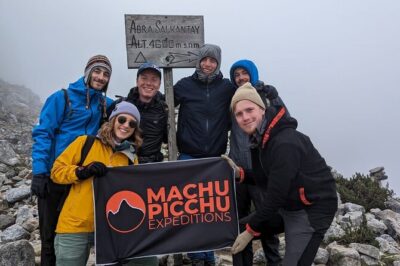
Salkantay Trek to Machu Picchu 5 Days / 4 Nights by Glamping
Read our review →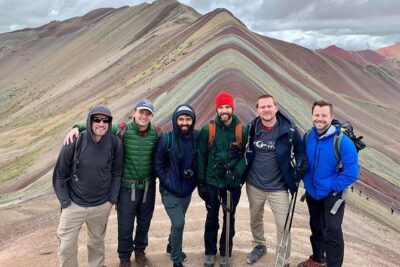
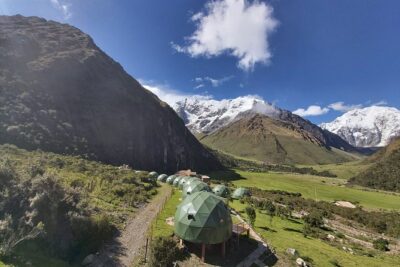
Salkantay Trek 5 days to Machu Picchu by Glamping Sky Lodge Dome
Read our review →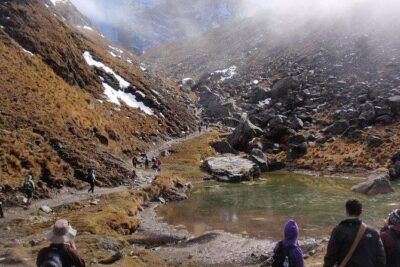
5-Day All-Inclusive Salkantay Trek To Machu Picchu
Read our review →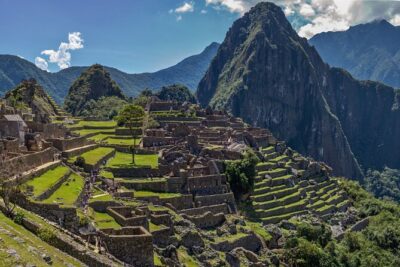
Small Group 5 Days Salkantay and Machu Picchu by Llactapata Tour
Read our review →Browse the lists this tour appears in