
Reviewed · 4-DAY EXPERIENCES
Choquequirao Trek (4 Days)
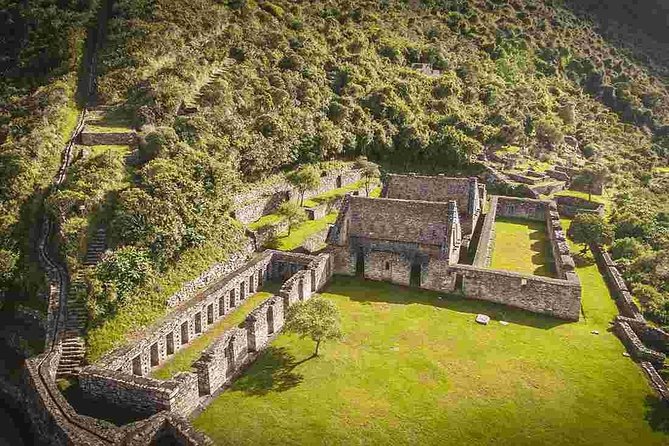
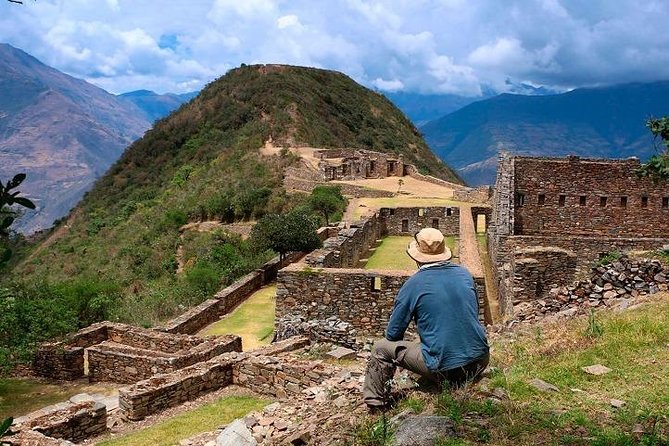
Choquequirao feels interesting because you earn the views. This is a remote Inca site you reach by walking down into, then back up out of the Apurimac canyon, sleeping at high camps and timing your visits to the ruins for clear morning light.
I especially like the small group size (max 10), because questions get answered and the pace feels human. I also love that you get a proper guided experience at Choquequirao, not just wandering around with a map, and the guides you can get like Raul or Renzo are known for making the site stories click.
The main drawback to consider is simple: it is a physically demanding trek. You’ll hike 5 to 7 hours most days, including a big uphill Day 2, and you should show up already fit and ready to acclimatize well.
Key takeaways before you commit
- Small group max 10 means more personal attention and better timing at the ruins
- Guided Choquequirao exploration includes a focused morning visit and a slow, story-led walk through the complex
- Camping at several altitude points (roughly 1950 to 3000 m) builds that true high-Andes feel
- Meals are handled with 4 lunches, 3 dinners, and 3 breakfasts included
- Long canyon days include river crossings and multiple uphill stretches, so plan your body for work
- Local transport is included from Cusco out to the trail area, then back at the end
Why Choquequirao Trek feels different from the big-name sites
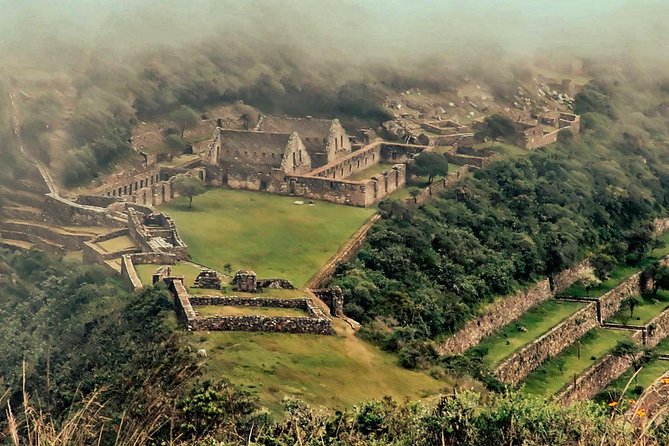
Choquequirao is for people who want Inca ruins without the crowds pressure. You get the payoff the slow way. After days of hiking through warm, dusty dry-season conditions, the first real sight of the complex feels earned, like the canyon is handing you a secret.
I also like that the trek is built around the canyon rhythm. Day 1 drops down and teaches your legs how the terrain moves. Day 2 pushes higher. Day 3 returns through the canyon again, which makes the whole place feel connected, not like a single stop.
And yes, it’s still sightseeing. But the walking turns Choquequirao from a destination into an experience you remember in full sequences, morning light, then afternoon heat, then that last pass with big valley views.
More Hiking & Trekking in Cusco
- Classic Inca Trail Trek 4D/3N to Machu Picchu (Group Service)
★ 5.0 · 8,653 reviews - Machu Picchu: 4-Day Inca Trail Trek with Panoramic Train Ride
★ 5.0 · 4,568 reviews - Salkantay Classic Trek 5 Days from Cusco
★ 5.0 · 4,062 reviews
Price, group size, and what you actually get for $647
At $647 per person for about 4 days, you’re paying for more than a guide. This price includes all transport, entrance fees, a bilingual guide (English and Spanish), first aid support, and a full set of meals: 4 lunches, 3 dinners, and 3 breakfasts. You also get camping accommodations during the trek.
That value matters because this is not just a “walk in a park” kind of trip. You’re dealing with long drive time from Cusco, remote trail access, and nightly camp logistics. The small group size (maximum 10) also helps keep costs in check while keeping the experience personal.
If you’re considering adding extra costs on your own, you should note a couple things. One traveler shared that they did not need to rent equipment because rental options were available in Chiquisca and Maranpata, but the itinerary also tells you to bring your own equipment. My practical advice: bring the basics you trust for a multi-day trek (boots, layers, rain protection), and if you’re missing something, ask your operator what’s available on the trail.
Day 1: Cusco to Santa Rosa camp, a long downhill start
Your day starts early, with pickup and a hotel breakfast around 5:00 am, then a drive to the trail area. The route takes about 4 hours from Cusco toward Cachora, then you continue to where you begin the classic canyon descent.
You’ll reach areas around Cachora 2800 m and Capuliyoc 2900 m, then meet your horseman and donkey drivers. From there, the day’s big moment is the downhill walk for about 4 hours along a serpentine trail through the Apurimac canyon. Along the way you pass small settlements and huts, including Cocamasana and Chiquisca.
Then comes the working part of Day 1, the climb back up. You lunch around Playa Rosalinda at 1500 m, after which there’s a nap and an ascent of about 2 hours to Santa Rosa at 2100 m for your first base camp.
What makes Day 1 special: you get your first real sense of the canyon scale and how the temperature shifts. The description notes warm and sunny conditions in the dry season, so dusty trail legs are part of the deal.
Possible consideration: the downhill can be tough on knees and shins. If you’ve ever regretted skipping trekking poles, this is the day your future self will thank you for using them.
Day 2: The uphill grind to Marampata and your first full ruin views
Day 2 starts with breakfast around 6:00 am, and then you work upward. You hike for about 3 hours to Marampata at 2850 m at a slow pace, which is exactly what you want at this stage. Along the way, you pass dense vegetation and you can look out for orchids and colorful flowers, plus birds and other wildlife.
At Marampata, you rest by the Chunchumayo, and you get a camp moment with a top-view perspective, including the view toward Choquequirao as the Inca complex sits around 3000 m in the description.
After lunch, you continue for about 2 hours along an Inca trail segment with impressive views of Choquequirao and the complex surroundings. In the afternoon, the plan includes a recommended visit timing with clearer views when the clouds are lighter. You then set up tents close to Choquequirao around 2950 m.
This is the day that turns anticipation into satisfaction. People often come to Choquequirao expecting a big wow at the ruins. Day 2 gives you multiple smaller wow moments on the way there.
Possible consideration: it’s mostly uphill, and the trek is physically demanding here. If you arrive under-acclimatized or under-trained, this is where that shows up first.
More Choquequirao treks:
- Choquequirao Trek 4 days and 3 nights
★ 5.0 · 81 reviews - Classic Choquequirao Trek – 5 Days / 4 Nights
★ 5.0 · 52 reviews - 4 Days Guided Tour in Choquequirao Peru
★ 5.0 · 8 reviews
Day 3: Sunrise timing at Choquequirao, condor hopes, then the long return
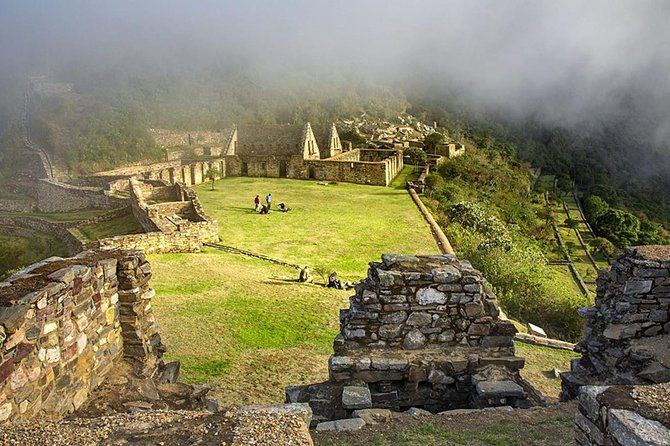
Day 3 is about timing. You wake up to the Andes morning and the plan is to get to Choquequirao in time for deep canyon impressions. There’s a chance to see a condor flying near if conditions line up, so keep your camera ready but don’t stare the whole time. Look up, notice the space, then focus on the guide’s explanations.
Breakfast is followed by walking toward the archaeological complex. You have a 1-hour walk to reach the site, then about 3 hours exploring Choquequirao with guidance and local knowledge. The style here matters. A guide can help you understand why certain structures are where they are and how the complex fits into the canyon world around it.
After exploring, you return the same way down for about 2 hours, cross the Apurimac river, then climb back up around 1 hour to Chiquisca at about 1950 m for your camp base.
You’ll feel this day in your legs. It’s the kind of hiking day where you can’t rush, because the trail is part of the experience. But it is also the day where the ruins start to feel less like ruins and more like a working, lived-in place.
What I like about Day 3: the early arrival. Getting there before the day warms up makes the views sharper and the visit more relaxed.
Possible consideration: you’re hiking around 7 hours with both exploration and a return. Don’t plan heavy side activities after.
Day 4: Capuliyoc pass, last Apurimac valley views, then back to Cusco
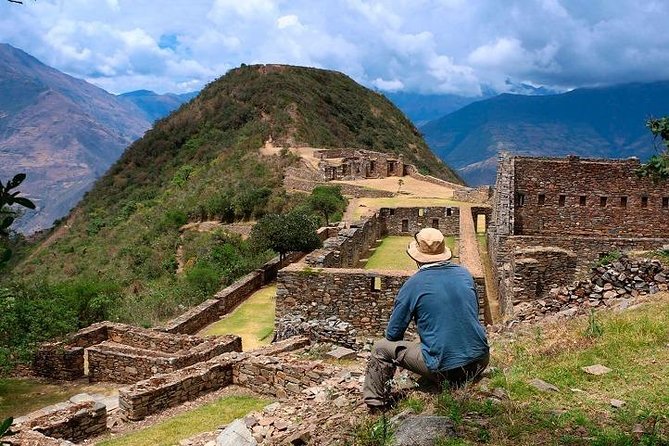
Day 4 is the finish line with one last big climb. You’ll have the final Andean breakfast, described with river noise, then head back along the route toward Capuliyoc around 2800 m.
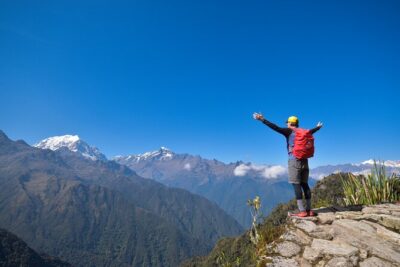
The hike includes a soft climb of about 2 hours until the Capuliyoc pass at 2915 m. The trail gives you more views of snow-capped peaks, plus flora and fauna sightings, and of course the canyon itself. This is your best time to slow down and let the whole trek connect in your head.
You’ll reach Capuliyoc around lunch time, which includes the last viewpoints over the Apurimac valley and the Choquequirao Trek route area. After lunch, the climbing portion is basically done, then you drive back to Cusco. The drive is about 5 hours, and you arrive around 6:00 pm, followed by transfer to your hotel.
What makes Day 4 feel worth it: the last pass views are the reward for all the earlier up and down. You’re not just leaving a place, you’re seeing it from the one last altitude angle that makes the canyon click.
Guides, camping, and meals that keep morale up
This trek runs on people doing their jobs well: guiding, managing the group, and getting you fed so you can keep moving. The tour includes a bilingual guide in English and Spanish, and the feedback you can find for this style of operator consistently points to guides like Adrian, Raul, and Renzo for being entertaining and informative. That matters, because Choquequirao can be big and confusing if you’re left to guess what you’re looking at.
Camping is also a big part of the appeal here. The camps happen at different altitudes: Santa Rosa, then near Choquequirao, then Chiquisca. One key value is that you sleep in those scenic camp settings rather than commuting in and out each day.
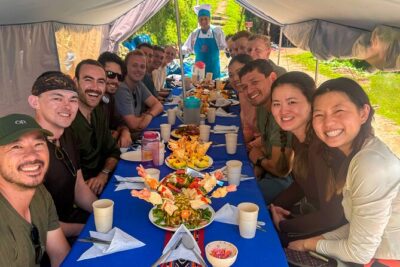
Food is handled for you, and that’s underrated. You get 3 breakfasts, 4 lunches, and 3 dinners. In a trek like this, you don’t want to negotiate meal stops or worry whether you’ll find something good along the trail. It’s part of why the schedule stays consistent.
A small but useful note from feedback: one traveler praised the idea of audio headphones for hearing explanations instead of straining to listen over other noise. Since that setup may not be guaranteed, my advice is to ask your operator the day before what’s included for hearing the guide. If it’s offered, it’s a comfort upgrade.
What to pack, and how fit you need to be for 4 days
The trek asks for a strong physical fitness level, and you can feel the structure in the hiking times: about 6 hours on Day 1, 5 hours on Day 2, 7 hours on Day 3, and about 5 hours on Day 4. You’ll also deal with altitude camps in the 1950 to around 3000 m range.
Here’s how I’d think about packing, based on what’s described. Dry season conditions can be warm and sunny, and you might get dusty. Bring sun protection, and plan layers for mornings and evenings near camp. You’ll also want good traction for downhill sections, especially Day 1, since that serpentine canyon path can beat up knees fast.
Equipment guidance in the itinerary tells you to bring your own equipment. At the same time, one traveler noted that rental options may be available in Chiquisca and Maranpata. So I’d pack what you can, and if you’re missing something small, ask whether rentals are practical for your situation rather than banking on it.
Who should book this Choquequirao Trek, and who should think twice
This is a great fit if:
- you want less-touristy ruins and you like the idea of a trek that feels away from the big circuit
- you enjoy guided walks where the stories and layout actually matter
- you’re comfortable hiking most days for 5 to 7 hours
- you want a small group experience, max 10, with personal attention
It’s a tougher match if:
- long uphill days or steep downhill sections are an issue for you
- you’re not ready to acclimatize and manage energy on consecutive hiking days
- you need a very flexible pace. This is a schedule trek, with camp locations and set sightseeing timing
Should you book this Choquequirao Trek?
If you want Choquequirao as a real experience, not a checkbox, I think this tour makes sense. The mix of camping, multiple guided ruin hours, and a small group max 10 is the core strength. Add to that the practical inclusion of transport, entrance fees, first aid, and full meals, and you get fewer headaches for a trek that otherwise could turn into a logistics project.
Book it if you’re physically ready and you’ve planned to acclimatize. Skip it if you know you struggle with uphill effort or if you’re hoping for an easy walk with short days. Choquequirao rewards the people who treat it like a journey, not a ride.
Recently reviewed around Cusco
- Cusco Cooking Class by ChocoMuseo in Cusco★ 5.0 · 29 reviews
- ATV Adventure to Moray and Maras Salt Mines – Half Day★ 4.5 · 29 reviews
- 1-day excursion to Machu Picchu from Cusco★ 5.0 · 29 reviews
- Private Tour Sacred Valley, Chinchero, Maras Moray, Ollantaytambo★ 5.0 · 29 reviews
- From Cusco: Humantay Lake with Breakfast and Buffet Lunch★ 4.5 · 29 reviews
- 4 Day – Inca Jungle to Machu Picchu★ 5.0 · 29 reviews
- 2-Day Machu Picchu Tour by Train from Cusco★ 4.5 · 29 reviews
- 2-Day Sacred Valley and Machu Picchu Tour By Train★ 4.5 · 29 reviews
4-Day Experiences, compared.
4-Day Inca Trail Trek with Panoramic Train Ride
Read our review →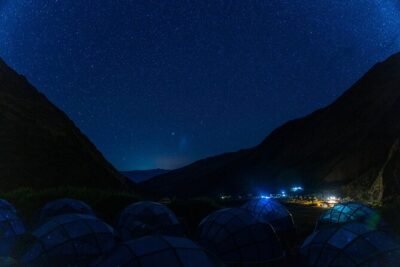
Inca Trail 4-Day 3-Night Trek to Machu Picchu with Expert Guides
Read our review →
Lares Valley Trek with Hot Spring 4-Day, 3-Night
Read our review →
4-Day Inca Jungle Trail to Machu Picchu Hiking and Biking Tour
Read our review →
4-Day Inca Trail to Machu Picchu with Accommodation
Read our review →
4-Day Adventure Tour: Inca Jungle Trail to Machu Picchu
Read our review →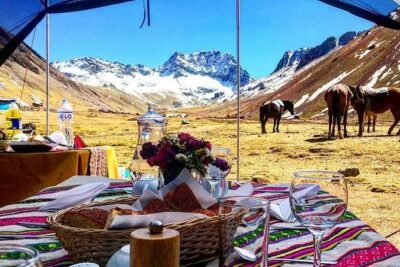
Browse the lists this tour appears in