
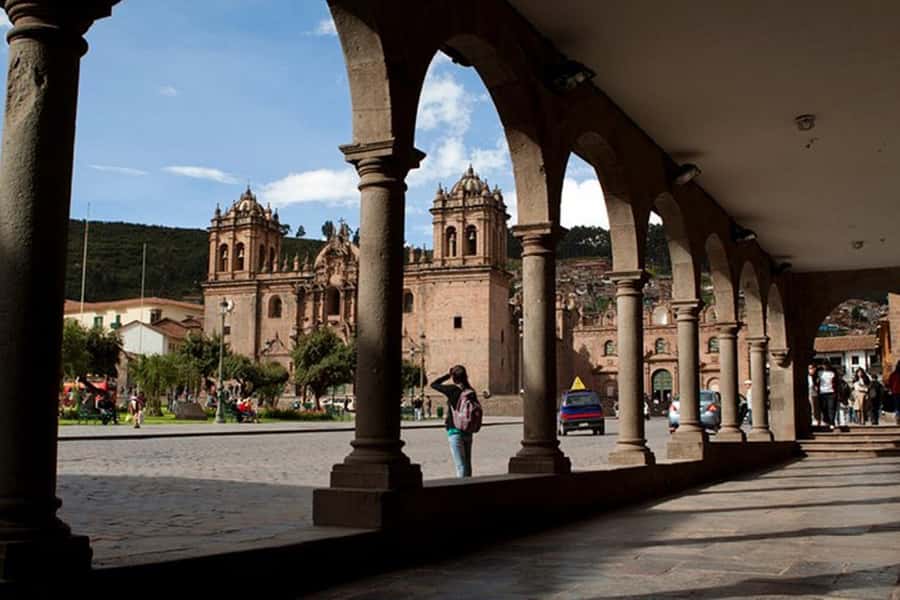
Reviewed · CITY TOURS
Cusco: Private City Tour and Trip to Archeological Sites
Cusco has this gift for first-timers: you can understand a lot of the city in one tight loop, without wasting half a day figuring out where things are. I love how the tour links Inca sacred sites to Spanish-era layers right away, and I also like the steady “walk uphill, then look out” rhythm that makes the views feel earned, not accidental. One heads-up, it is not a sit-and-stare experience, so plan for steps and uneven ground.
You get a private group, hotel pickup and drop-off, and a professional guide speaking English, Spanish, and Portuguese. The itinerary is built for big impressions in about 4 hours, with stops at Coricancha, Cusco Cathedral, Sacsayhuaman, Qenqo, and Puka Pukara. The one consideration is simple: you will need the Cusco Tourist Ticket (BTC) for the uphill archaeological stops.
Key highlights worth showing up for
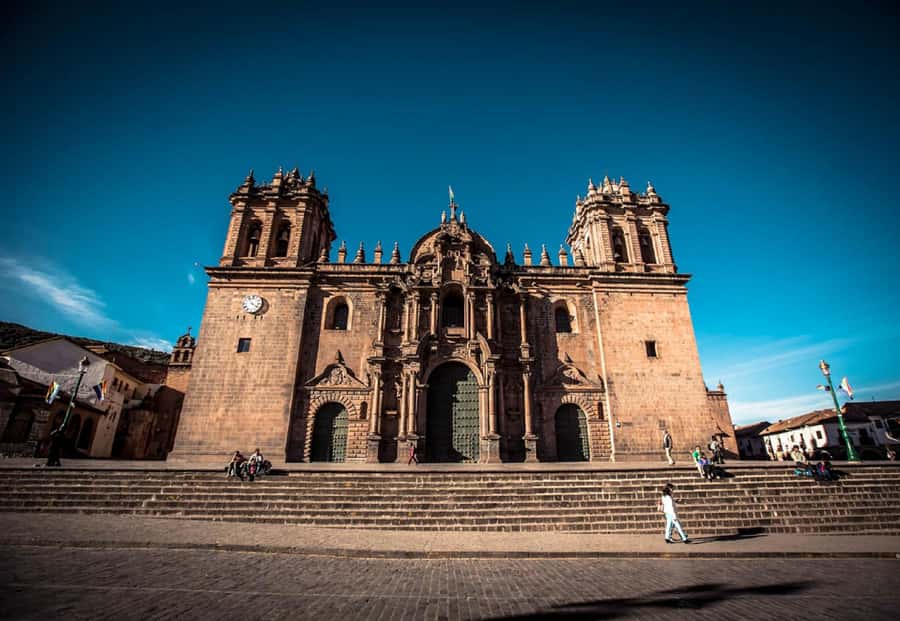
- Santo Domingo Convent over Coricancha: see Inca foundations still visible beneath the convent complex
- Coricancha backstory: the sun temple was famed for gold leaf and golden representations of nature, per ancient chronicles
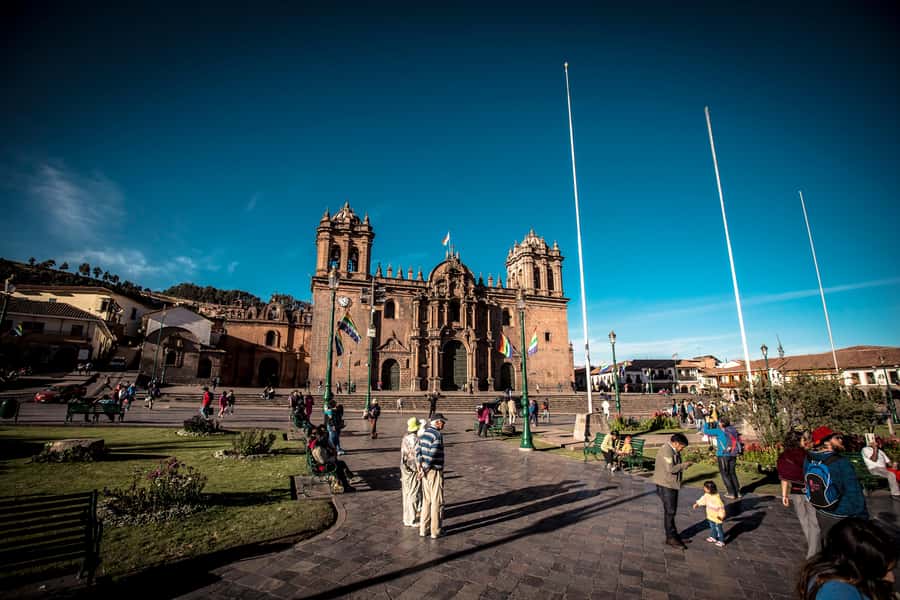
- Main Square Cathedral: a major monument in Cusco’s heart, timed to help you orient fast
- Sacsayhuaman ramparts: a fortress that comes with serious panoramic payoff
- Qenqo rituals: a temple and amphitheatre where the Incas are believed to have carried out agricultural rituals
- Puka Pukara (Red fortress): dwellings, squares, bathrooms, aqueducts, walls, and towers you can still recognize
Why this 4-hour private loop works for first-time Cusco
If you only have a short window in Cusco, this kind of private city tour is a smart way to get oriented without feeling rushed. You start in the center, where it is easy to connect the dots between streets, plazas, and major monuments. Then you move upward to the fortress and ritual sites, which is where Cusco’s story really flexes.
What I like most is the contrast built into the route. You see sacred space re-used over centuries, and you see how Inca architecture was designed to last, not just to impress. In the same morning you can stand in front of a sun-temple complex that legend says was gilded, then look up at ramparts meant to control and defend.
The other win is pacing. Four hours is long enough for multiple stops, but short enough that you are not bargaining with your legs by midday. Still, it is an active tour, so wear shoes that handle uphill walking and stone surfaces.
More City Tours in Cusco
- Cusco: Half-Day City Tour with Sacsayhuaman and Q’enco
★ 4.6 · 1,129 reviews - City Tour Cusco Qoricancha Sacsayhuaman y Tambomachay
★ 4.7 · 617 reviews - Cusco City Tour Four Ruins in Half-Day
★ 5.0 · 530 reviews
Price and what you actually get for $101 per person
At $101 per person for a 4-hour private experience, the value is in three places: hotel pickup and drop-off, a professional guide, and admissions included for two key stops.
Included admissions are Coricancha and Cusco Cathedral. That matters because those are the two “anchor” sites that help you understand what you are looking at during the rest of the tour. If you were planning to visit them anyway, you are not paying extra on top of the guided experience.
What is not included is the Cusco Tourist Ticket (BTC), plus food and drink, and personal expenses. That is normal for Peru sightseeing, but you should budget for it so the tour feels seamless once you are there. Also keep in mind gratuity is not included, so if you want to tip, plan a little extra.
If you prefer a private guide over joining a big group, this price can feel reasonable because you get uninterrupted explanations and a smoother flow between stops. It is also a good match if you want questions answered on the spot, especially when you see how the Spanish-built structures sit over Inca foundations.
Getting started: hotel pickup, comfy transport, and a punctual guide
This is set up as a door-to-door tour. Pickup and drop-off are included, and pickup is from hotels in the Cusco Historic Center area. The key detail is timing: you should arrive in the lobby about 15 minutes before your scheduled pickup.
In practice, that early start is helpful. It means you are not trudging uphill in the busiest part of the day while also trying to find your bearings. In at least one recent experience, the rides were done in a very comfortable van, and the guide showed up on time and stayed attentive throughout.
Because the group is private, you avoid the awkward shuffle of waiting for other people to catch up. Your guide can also pace the stops based on how your group is doing, rather than sticking to some fixed herd schedule.
Santo Domingo Convent and Coricancha’s foundations under your feet
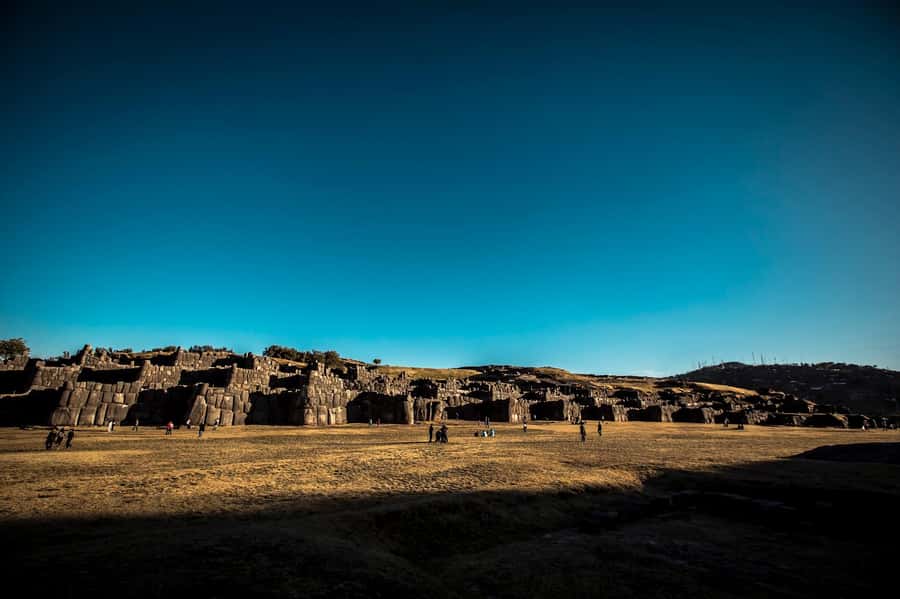
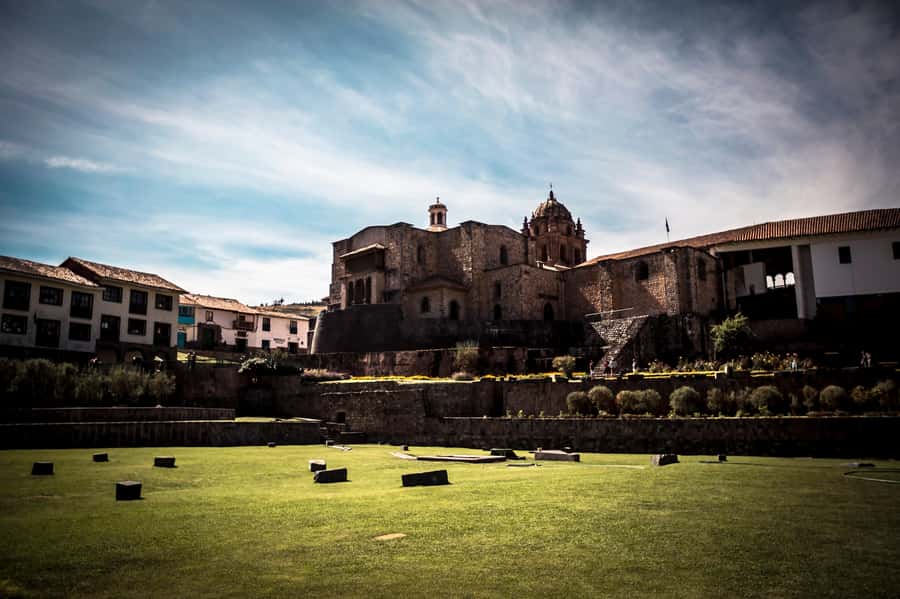
The tour begins at Santo Domingo Convent, a large Renaissance-baroque complex built over the Inca temple of Coricancha. That single fact is the whole point of the first stop: you are looking at layered history in one place.
At the convent, the foundations of Coricancha are still prominent at the base of the complex. You are not just hearing about what used to be here. You are seeing the physical base that connects the Inca sacred space to the later Spanish religious architecture.
Ancient chronicles tell a dramatic story about Coricancha, saying the temple was covered in gold leaf and filled with golden representations of nature. Even if you keep your feet on the ground and treat legend as legend, the message is clear: this was one of the most important temples dedicated to worshipping the sun.
This stop is valuable because it sets the theme for the entire tour. You learn to look for re-use, re-direction, and the way sacred places can shift without disappearing.
A few more Cusco days worth comparing
- Classic Inca Trail Trek 4D/3N to Machu Picchu (Group Service)
★ 5.0 · 8,653 reviews - Cusco: Rainbow Mountain and Red Valley Day Trip with Meals
★ 4.9 · 4,893 reviews - Machu Picchu: 4-Day Inca Trail Trek with Panoramic Train Ride
★ 5.0 · 4,568 reviews - Salkantay Classic Trek 5 Days from Cusco
★ 5.0 · 4,062 reviews
Cusco Cathedral in the Main Square, the city’s big landmark
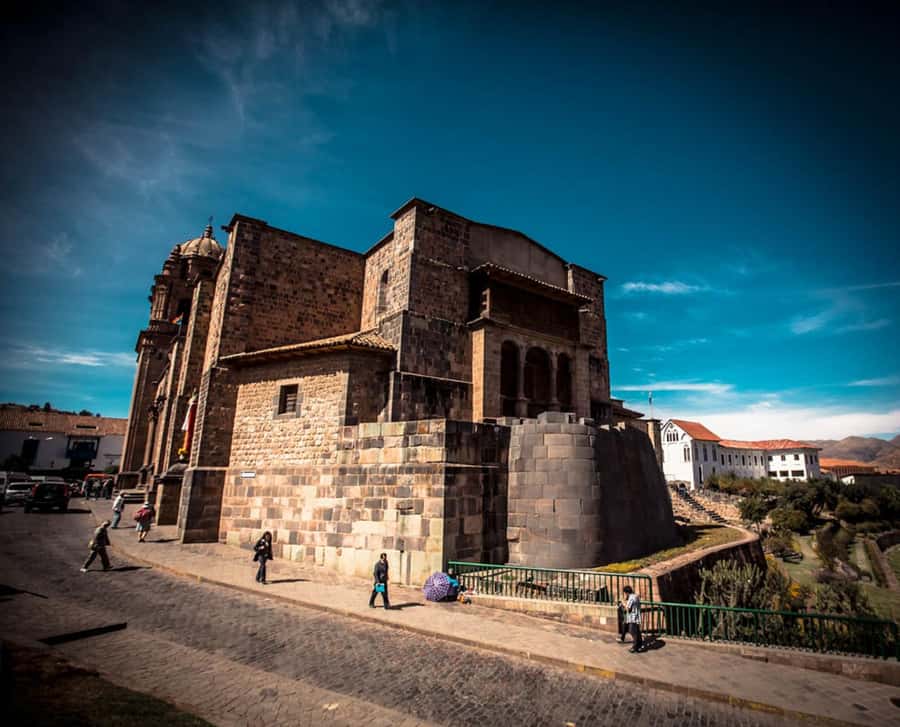
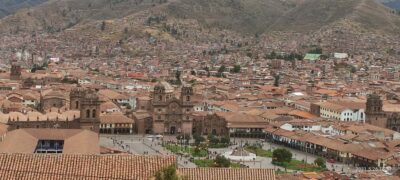
Next up is Cusco Cathedral, the imposing monument in the Main Square. This is where you connect “what I’m seeing” to “where I am in the city.”
The cathedral stop is also useful as a reset. You go from an archaeological story with Inca foundations into the Spanish-era center of Cusco, and the contrast helps your brain file everything into place. You can stand back for a minute, look around the square, and understand how the city was designed around its most important public spaces.
Because admission to the cathedral is included, you also avoid that annoying feeling of having to manage extra tickets right at the point where you most want your guide’s full attention. In a short 4-hour tour, those small friction points matter.
Sacsayhuaman: fortress ramparts and panoramic views uphill
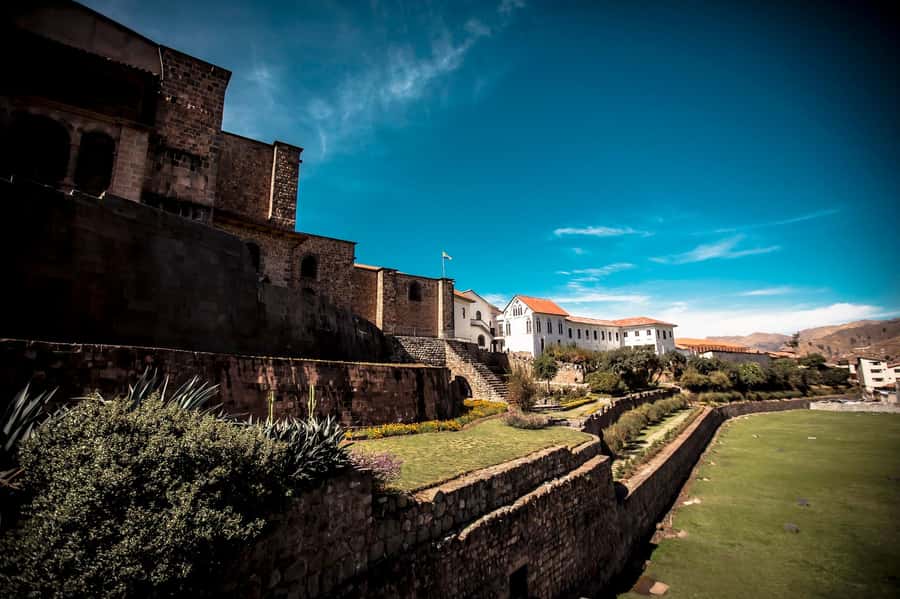
Then comes the uphill portion, heading to Sacsayhuaman, the mega fortress perched above Cusco. The ramparts here are impressive even before your guide explains details, and once you get to the vantage points, the panoramic view of Cusco is the kind you remember because you worked for it.
Sacsayhuaman is one of those stops that clicks visually. You can see how the fortifications connect across the hillside, and you start to understand why this location would matter for control and defense. Your guide’s explanations add context, but even without perfect historical detail, the scale is obvious.
One practical consideration: plan your energy for the climb. Wear comfortable shoes and expect stone steps or uneven ground. If you are sensitive to uphill walking, take it slow and lean on your guide for pacing.
This stop is a strong reason to choose a private tour. You can spend a little more time looking out and asking questions, instead of feeling rushed by a group schedule.
Qenqo’s temple and amphitheatre for agricultural rituals
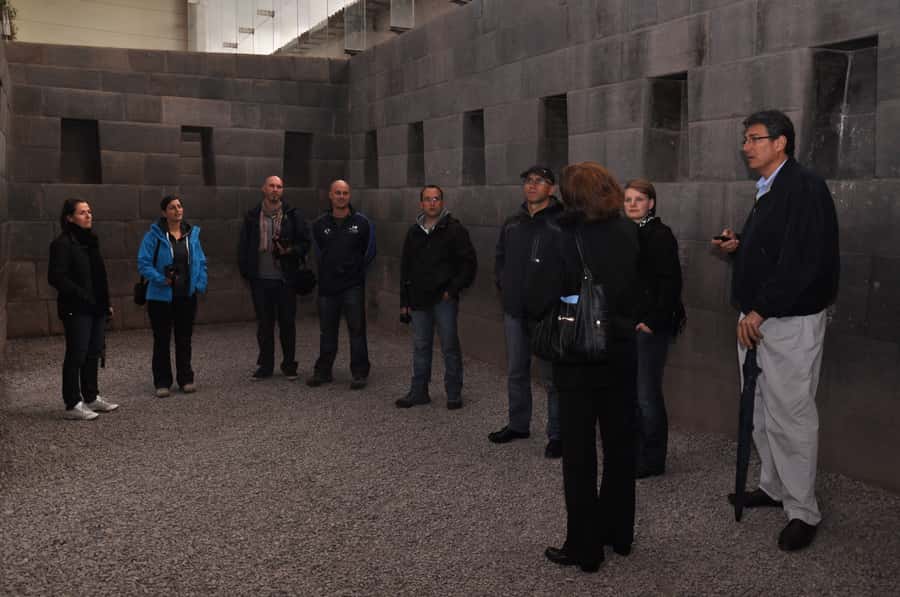
After Sacsayhuaman, you move to Qenqo, where you will see remains of the temple and amphitheatre. The tour frames the site around the belief that the Incas practiced agricultural rituals here.
That matters because Qenqo is not just “pretty ruins.” It connects architecture to what people needed for survival: crops, seasons, and the rituals that supported agricultural life. When you see the shape of the space, it is easier to picture how gatherings and practices might have unfolded.
In a guided format, you also get help interpreting the site without guessing. You learn what you are looking at and why it is arranged the way it is, even when the structures are partially worn by time.
This is also a nice contrast to the fortress. At Sacsayhuaman you think defense and power. At Qenqo you think farming and ceremony. Together, they paint a fuller picture of how the Inca world included both strength and spiritual practice.
Puka Pukara, the Inca Red fortress you can still read
The final major archaeological stop is Puka Pukara, also called the Red fortress in Quechua. It sits on a prominent hill, and that setting gives you another easy chance to slow down and take in how the site dominates the surrounding area.
What I find especially useful here is that the tour focuses on what you can still appreciate on-site: dwellings, squares, bathrooms, aqueducts, walls, and towers. That list is important because it shifts Puka Pukara from a vague ruin into something more concrete. You can start to imagine daily living and organized movement within an Inca military complex.
A good guide will help you understand how those features fit together. Even if you are not a specialist in Inca engineering, it is hard not to notice that this place was built for function, not decoration.
Expect a bit more walking here as well, since you are moving around a hilltop complex. Comfortable shoes are non-negotiable.
Walking tips, what to bring, and who this tour suits
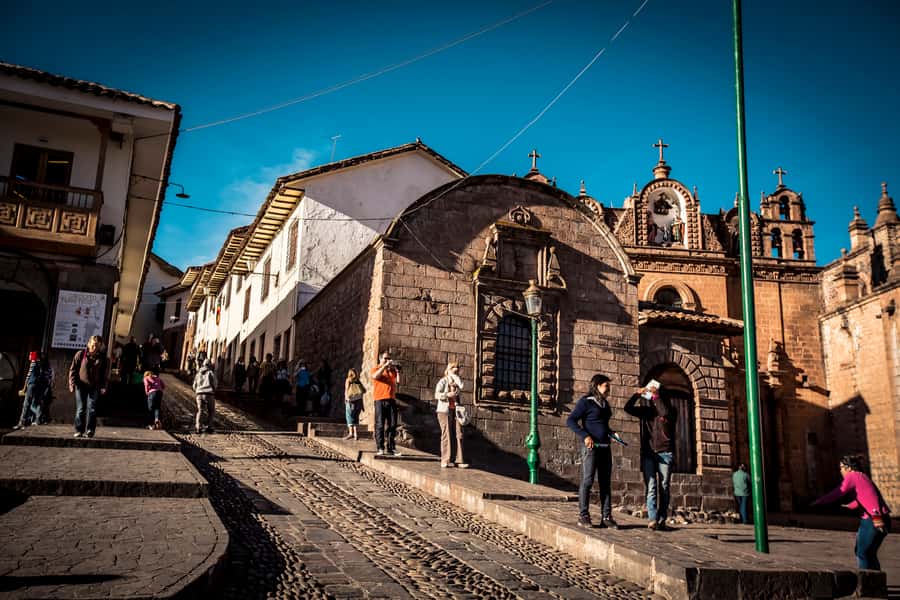
This experience is best for people who want context, not just photos. If you like historical explanations that connect buildings to daily life and belief systems, you will enjoy this route.
Bring:
- Comfortable shoes for uphill walking and stone surfaces
- Sunscreen, Cusco can get intense
- Comfortable clothes so you can move easily between sites
You should also plan around the rules. Pets are not allowed. Large luggage or big bags are not allowed. Unaccompanied minors are not allowed. Children must be accompanied by an adult.
There is also a clear accessibility limitation: this tour is not suitable for wheelchair users. Even if a guide is helpful, the hillside ruins and uneven terrain are part of the experience.
Who it fits:
- First-time visitors who want an efficient orientation to Cusco
- People who prefer a private group and clear explanations
- Travelers who want Inca sites and colonial landmarks in one morning
Should you book this Cusco city tour and archaeological sites?
Book it if you want a practical first look at Cusco that connects the big landmarks with real archaeological context. The included admissions to Coricancha and Cusco Cathedral remove a common headache, and the private guide format helps you actually understand what you are seeing instead of just scanning ruins.
I would skip it if you have limited tolerance for uphill walking, or if you need wheelchair-friendly access. Also, if you are not ready to handle the Cusco Tourist Ticket (BTC) requirement for the hillside sites, read that part carefully before you go.
If your goal is to get the Cusco story in one compact tour and leave with a clear mental map of the city, this is a strong choice.
FAQ
How long is the Cusco private city tour?
It lasts 4 hours.
Is this tour private or shared?
It is a private group tour.
What languages are the guides?
The professional tour guide speaks English, Spanish, and Portuguese.
Is hotel pickup and drop-off included?
Yes. Pickup and drop-off are included, and pickup is from hotels located in the Cusco Historic Center.
Which sites require the Cusco Tourist Ticket (BTC)?
The tour information says you need the Cusco Tourist Ticket (BTC) to visit Sacsayhuaman, Qenqo, Puka Pucara, and Tambomachay.
What admission tickets are included in the price?
Admission to Coricancha and Cusco Cathedral is included.
Is food included?
No, food and drink are not included.
Are pets or large luggage allowed?
No. Pets are not allowed, and luggage or large bags are not allowed.
Is the tour wheelchair accessible?
No, it is not suitable for wheelchair users.
What is the cancellation policy?
You can cancel up to 24 hours in advance for a full refund.
Recently reviewed around Cusco
- Cusco Cooking Class by ChocoMuseo in Cusco★ 5.0 · 29 reviews
- ATV Adventure to Moray and Maras Salt Mines – Half Day★ 4.5 · 29 reviews
- 1-day excursion to Machu Picchu from Cusco★ 5.0 · 29 reviews
- Private Tour Sacred Valley, Chinchero, Maras Moray, Ollantaytambo★ 5.0 · 29 reviews
- From Cusco: Humantay Lake with Breakfast and Buffet Lunch★ 4.5 · 29 reviews
- 4 Day – Inca Jungle to Machu Picchu★ 5.0 · 29 reviews
- 2-Day Machu Picchu Tour by Train from Cusco★ 4.5 · 29 reviews
- 2-Day Sacred Valley and Machu Picchu Tour By Train★ 4.5 · 29 reviews
City Tours, compared.
Lima Half-Day City Walking Tour (Small Groups)
Read our review →
Half-Day City Tour with Sacsayhuaman and Q’enco
Read our review →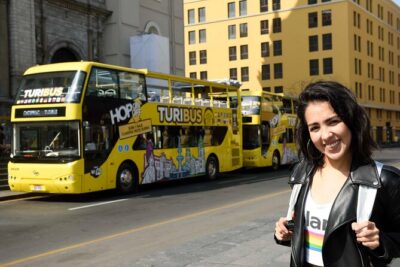
City Tour Panoramic Bus Departure From Larcomar
Read our review →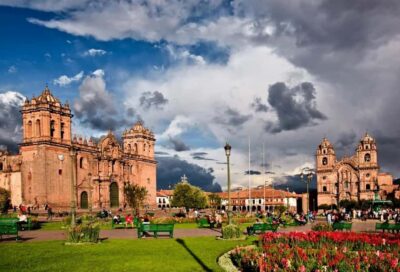
City Tour Cusco Qoricancha Sacsayhuaman y Tambomachay
Read our review →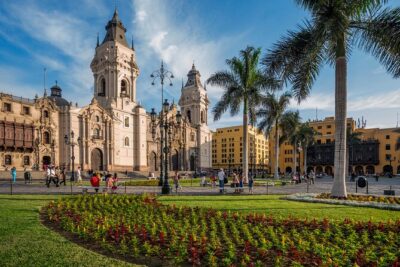
Lima’s lively Heritage: Exploring the City’s Landmarks Half-day
Read our review →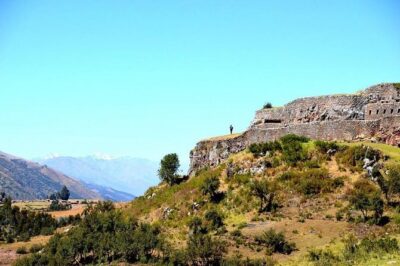
Sightseeing Tour of the City on an Open-Top Bus
Read our review →
Lima City, Central Market & Catacombs Tour (Pick-up & Drop Off)
Read our review →Browse the lists this tour appears in