Reviewed · CUSCO TOURS
Essential Peru 9 Days of Magic and Culture
This trip is interesting because it stitches Peru together like a real itinerary, not a random grab-bag of stops. You start on the coast in Lima, then climb into the Andes for the Inca highlights, and finish at Lake Titicaca with a very different kind of daily life.
Two things I really like: the plan includes major admissions and the key train so you do less logistics work yourself. I also like that your Cusco and Sacred Valley time is guided, so you get the meaning behind the stones, not just the photo spots.
One consideration: this is an early, active, altitude-aware route. You’ll be up early and moving most days, and the tour asks for moderate physical fitness, which matters after you land in Cusco.
Key things that make this tour worth your attention
- Machu Picchu guidance plus real free time after the walk-through, so you can take photos without feeling rushed
- Included train ticket to and from Aguas Calientes, which reduces the biggest stress points
- Two-day Lima mix of pre-Inca, colonial, and modern viewpoints
- Sacred Valley market stop at Pisac, where you can actually chat with vendors
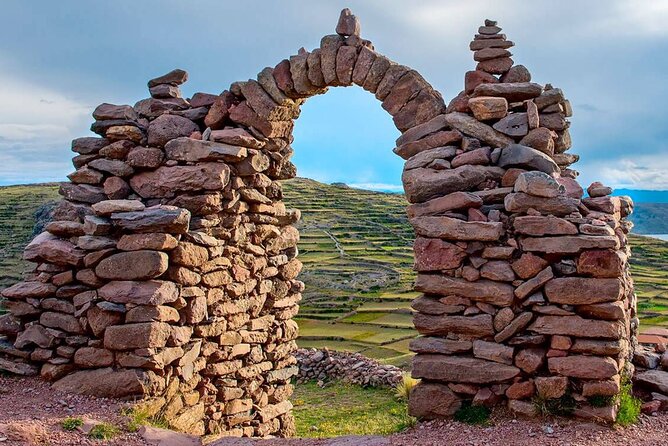
- Lake Titicaca culture day with Uros islands and a guided visit on Taquile
- Small group size (max 15) for a more manageable pace than big bus tours
Lima first: why mixing ocean walks with ancient sites works
The first two days are about setting your rhythm. Day 1 is arrival and getting your bearings in Miraflores and along the seafront. That matters because Peru trips can feel like a gear shift. You land, you’re tired, and then you’re asked to jump into long tours. Here, you get a gentler start: rest, then optional wandering at your own pace.
On Day 2, the city tour hits three eras. First you see pre-Inca Lima at Huaca Pucllana, a ceremonial center dating back to around 500 AD. It’s not just a pile of ruins. It gives you a sense that this coast has held power and ritual long before the colonial map was drawn.
Next comes the colonial center, with stops like Plaza Mayor, the Lima Cathedral, La Merced Church, and Plaza San Martin. You also pass through stops that feel more modern-med museum curious, like the Chocolate Museum and the Museum of the Central Reserve Bank. If you like context, this part helps you connect why colonial Lima looks the way it does.
Finally you end in Miraflores again, with ocean views at the Parque del Amor and the Villena Bridge. It’s a smart full-circle move: history in the morning, then Pacific light at the end of the day.
A quick practical note for your energy: the plan recommends light meals on Day 1 to help you adjust. Even if you’re not yet in Cusco altitude, you’ll still feel travel fatigue. A calmer first day pays off later.
A few more Cusco days worth comparing
- Classic Inca Trail Trek 4D/3N to Machu Picchu (Group Service)
★ 5.0 · 8,653 reviews - Cusco: Rainbow Mountain and Red Valley Day Trip with Meals
★ 4.9 · 4,893 reviews - Machu Picchu: 4-Day Inca Trail Trek with Panoramic Train Ride
★ 5.0 · 4,568 reviews
Huaca Pucllana, the Historic Center, and Miraflores ocean views
Here’s what you should expect from Day 2, step by step.
You’ll start early with pickup, then move through:
- Ancient Lima: Huaca Pucllana (the pre-Inca ceremonial site)
- Colonial Lima: the Historic Center highlights, including multiple plazas and key churches
- Modern Lima: Miraflores stops with Pacific views
You’ll probably notice a pattern: the tour keeps giving you “look and understand” moments, rather than just “walk past this.” If you’re the kind of traveler who likes to know why a place matters, you’ll appreciate the structure.
The only extra you need to plan is food. Lunch is not included on Day 2, but the itinerary suggests Mangos at Larcomar for a sea-view meal. That can be an easy choice because Larcomar is already part of the Miraflores ocean zone, so you’re not hunting for a restaurant while tired.
Paracas, Ballestas Islands, and Huacachina dune time
Day 3 is a good palate cleanser. You leave Lima early and head south, then layer in coast, animals, wine, and sand. That’s a fun combo for most people, as long as you’re okay with a long day.
You’ll start with breakfast on the way. Then comes Paracas and the sea excursion to the Ballestas Islands. The itinerary specifically calls out views of the Candelabro geoglyph, which is one of those “you’ve seen it in photos, now see it in real life” moments.
After the sea part, you continue to Ica to visit El Catador for artisanal wine and pisco tasting. If you like tasting menus of local flavor, this is where you’ll feel like you’re doing more than sightseeing.
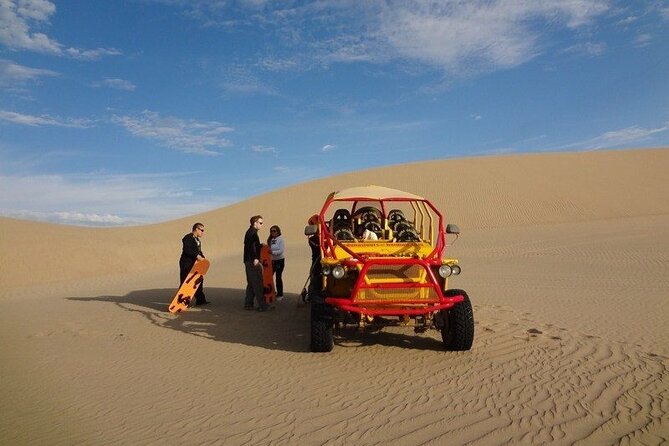
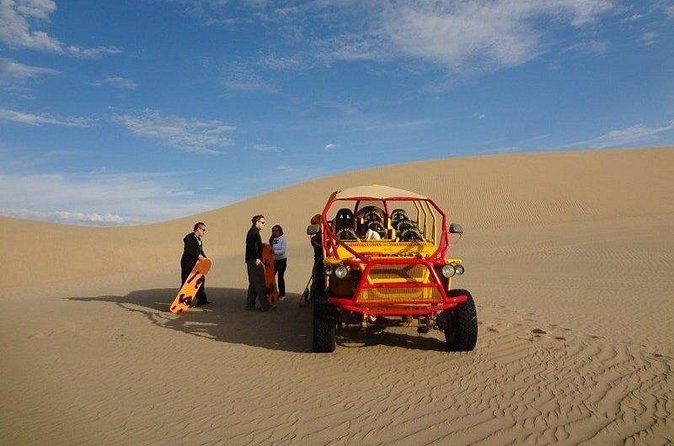
Lunch is included as a traditional meal, and then you head to Huacachina, the oasis that looks like it was dropped into the desert by mistake. The big-ticket activity is the dune buggy and sandboarding. It’s not subtle, and you’ll probably get sand on everything. Bring a small bag for electronics and keep expectations simple: you’re here for fun and motion.
Then you return to Lima in the afternoon, which keeps the trip efficient. You’re not stuck sleeping down south for another night. You’re also not splitting your attention across too many hotels.
Flying into Cusco: your altitude game plan starts Day 4
Day 4 is where the trip pivots from sea level to Cusco altitude. You fly from Jorge Chávez Airport, then get greeted and transferred to your hotel to rest and adjust.
The itinerary suggests a light meal for the first hours. I agree with that approach. When altitude plus travel fatigue hits, heavy food can feel like a bad idea. Also, keep your pace gentle that afternoon. Your job is to acclimatize, not win a walking race.
In the afternoon, your Cusco City Tour starts at 2:00 p.m. The stop list is classic Cusco, but it’s arranged in a helpful flow:
- Cusco Cathedral for colonial art and design
- Qoricancha, the Inca sun temple with a deep cultural backstory
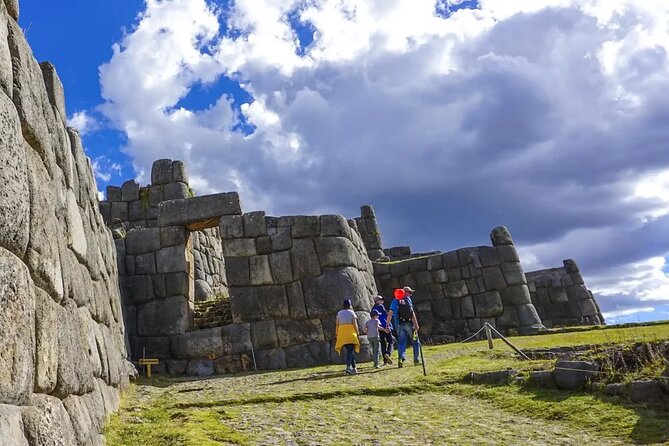
- Sacsayhuamán, known for massive stone walls
- Qenqo, another ceremonial center
- Tambomachay and Puka Pucara, with a focus on Inca ideas about water and territorial control
You finish with drop-off near Plaza de Armas, so you can explore the historic center on your own. That free time is useful because Cusco is one of those places where you’ll want to wander and find your favorite corner.
A different kind of day out of Cusco:
- Salkantay Classic Trek 5 Days from Cusco
★ 5.0 · 4,062 reviews - 4-Day Salkantay Trek with Sky Camp Stay
★ 5.0 · 3,346 reviews - Short Inca Trail to Machu Picchu 2D/1N
★ 5.0 · 3,007 reviews - Excursion to Rainbow Mountain Full Day Optional Red Valley
★ 5.0 · 2,996 reviews
Sacred Valley day: Pisac market, terraces, and the train to Aguas Calientes
Day 5 is a full stretch into the Sacred Valley, with the right mix of markets, archaeology, and a train ride you don’t have to plan yourself.
You’ll depart around 8:00 a.m. with pickup from your hotel, then stop at Taray Viewpoint for panoramic views. After that, you hit Pisac Market, a lively place where you can browse local products and talk with vendors.
From there, the tour moves to Pisac Archaeological Park, where the terraces and ceremonial structures help you see how farming and ritual worked together. This is one of those parts where photos help, but explanations help more. You’re seeing the design logic of the landscape, not just ruins.
Next comes Urubamba, with a buffet lunch to recharge. Then you continue to Ollantaytambo Archaeological Center, famous for its terraces and Inca footprint.
The day ends with logistics that are actually a big deal: you go to Ollantaytambo train station and take the train to Aguas Calientes. The ride is about 1 hour 40 minutes, and hotel staff meet you on arrival for the transfer to your accommodation.
That “transfer handled” piece matters on a travel day. It’s one less thing to sort out after you’ve been on the move all morning and afternoon.
Machu Picchu: guided 2.5 hours, bus ride, and time to breathe
Day 6 is Machu Picchu day, and the itinerary keeps it realistic.
You start in Aguas Calientes, with breakfast, then walk to the bus stop for the shuttle to the sanctuary. The bus ride is about 30 minutes, with views along the way.
Once you arrive, you get a 2.5-hour guided tour that covers iconic spots while your guide explains the history and the site’s secrets. After the guided part, you’re given free time for photos and exploring on your own.
That split is smart. Too many tours treat Machu Picchu like a checklist where everyone moves as one unit. Here, you get understanding first, then breathing room.
After the site, you head back to Aguas Calientes by bus, then enjoy lunch at a local restaurant. Then comes the train back to Ollantaytambo, followed by a driver return to Cusco, dropping you off at your hotel or in the city center.
Practical tip: wear shoes you trust. You’re on stone and uneven ground, and you want to focus on the views, not your footing. Also, plan for weather shifts. One hour you might be fine, and the next hour might surprise you.
The Sun Route to Puno: Andahuaylillas, Raqchi, and Paso de la Raya
Day 7 is a long, scenic bus day, and it’s built around culture stops. You leave Cusco at 6:00 a.m. and travel toward Puno following the Route of the Sun.
On the way, you stop at:
- Andahuaylillas Chapel, often described with a wow-factor because of its interior artistry
- Raqchi, a complex dedicated to Wiracocha
- Buffet lunch at a local restaurant
- Paso de la Raya, the highest point on the route, with mountain views
- Pucará Lithic Museum, with pre-Inca artifacts
Arrival in Puno is around 5:00 p.m., then you check in and rest.
Here’s why this day works: you get more than bus windows. You stop often enough to break up the travel, and each stop feels tied to Andean belief and daily life, not just a random photo break.
And yes, it’s a full day. Bring snacks and a layer. Even if the sun is out, higher elevations can feel sharp once you’re sitting for hours.
Lake Titicaca and Taquile: Uros floating islands plus UNESCO crafts
Day 8 shifts from mainland Andes to lake life. You’re picked up from your hotel between 7:10 and 7:25 a.m., then go to Puno’s port.
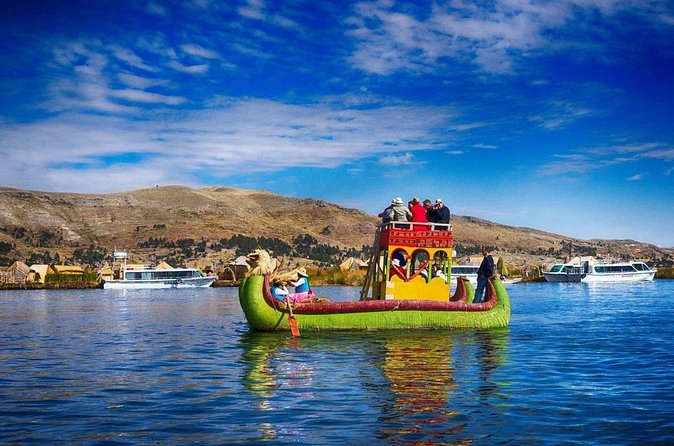
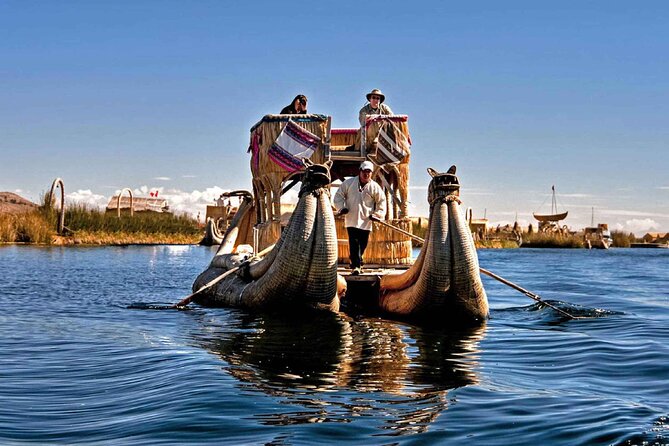
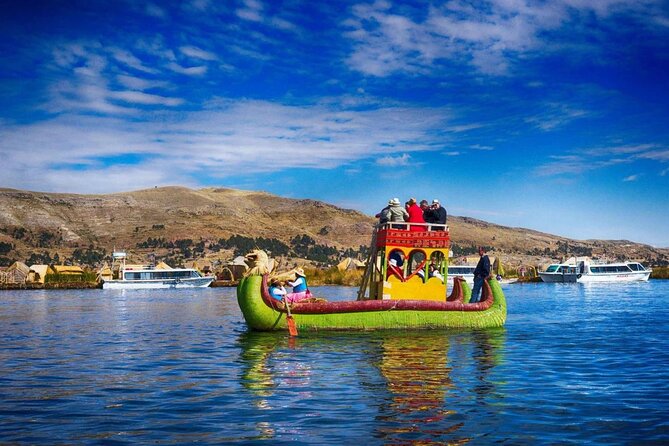
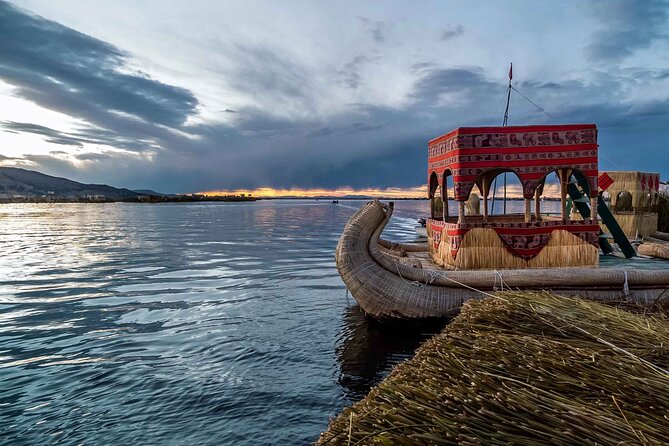
You board and sail across Lake Titicaca to the Uros Floating Islands. You’ll learn about the Uros people, including that they build islands and boats using totora reeds. This is one of those experiences where you learn quickly what makes the place practical, not just scenic.
Then you continue to Taquile Island (around a two-hour trip). On Taquile you take a guided walk and focus on local culture and handicrafts, recognized through UNESCO.
Lunch is also part of the experience, prepared by locals. The menu includes quinoa soup, plus trout or tortilla, potatoes, rice, and muña mate.
Then you return to Puno by boat, enjoy the scenery along the way, and finish with a transfer back to your hotel.
One thing I like about this day: it keeps the focus on everyday culture, not just “stand here, take a picture, leave.” Still, be respectful and keep questions thoughtful. This is people’s home, not an amusement park.
Leaving Peru from Juliaca: the last transfer that keeps things simple
Day 9 is departure, not a final sightseeing sprint.
After breakfast, the staff pick you up at the scheduled time for your flight and transfer you to Inca Manco Capac International Airport in Juliaca. It’s about 1 hour from Puno.
At the airport, you get assistance with check-in and boarding, and then you fly to Lima or another city. The service ends after your flight.
This is a good way to end. After a full week of moving around Peru, you don’t want your last day to turn into a scramble.
Price and logistics: what $1,456 gets you and why it can be worth it
At $1,456 per person for 9 days, this isn’t a budget-only option. But it’s also not just “a guide and a list.” The tour includes:
- Air-conditioned vehicle throughout the ground travel
- Entrance tickets to the archaeological sites
- Train ticket (including the Ollantaytambo to Aguas Calientes portion, and the return)
- Professional guide
- Breakfast (3) and lunch (4)
Domestic flights are not included, but the main internal flight from Lima to Cusco is part of the route design.
So what’s the value logic? For most people, the cost headache in Peru is not the ruins. It’s the transportation web: trains, transfers, and making sure tickets match your timing. By bundling the key parts, you trade some flexibility for less stress.
The group size limit of 15 travelers is also a value point. It tends to make it easier to hear your guide and keep schedules moving without the “herding cats” feeling that comes with bigger groups.
I’ll also mention names that came up in the service feedback around organization and logistics. Carlos Vizcarra shows up as someone coordinating bookings and transport, and Sarai is noted as an excellent tour organizer. Other names credited include Fabiola, Gonzalo, Henry, and Roberto. That pattern suggests you’re not just buying tickets, you’re buying people-power for the plan.
How to prepare: altitude, pacing, and the small decisions that matter
This tour is built for people who like structure, and who can handle a busy pace.
You’ll want moderate physical fitness because you’re combining city walking, archaeological walking, and early starts. Machu Picchu includes walking over uneven ground, and Sacred Valley days mean you’ll be on the move most of the day.
A few practical ways to get more out of it:
- Bring comfortable walking shoes with grip. You’ll be glad on Machu Picchu and in markets.
- Keep a light day pack. You’ll go from bus to site to train segments.
- On Day 4 in Cusco, take altitude seriously. Pace yourself and stick to light meals at first, just like the plan suggests.
- Expect long travel days on Day 3 and Day 7. Use those for rest, photos, and snacks, not big sightseeing ambitions.
Also, check what you need for your own international flights. Domestic flights are not included, and the itinerary includes an internal flight plus an end transfer to Juliaca for your departure.
Who should book this, and who should think twice
This fits best if:
- You want guided context for the big Inca and historical sites
- You’d rather have train and ticket logistics handled
- You like a mix of city, archaeology, and culture, not just one theme
- You’re okay with early mornings and full days
You might think twice if:
- You want a slow, independent pace with lots of free roaming each day
- You’re sensitive to altitude and don’t want to deal with Cusco adjustment time
- You want domestic flights fully handled, since they’re not included
Should you book Essential Peru 9 Days of Magic and Culture?
If you want one clean route that covers Lima, the Sacred Valley, Machu Picchu, and Lake Titicaca with admissions and train included, I think this is a strong value for the time you’re spending. You’ll trade some flexibility, but you’ll gain a smooth flow.
If you’re a first-time Peru visitor, it’s also a smart way to avoid the common mistake of under-planning transportation. The included train ticket and guided days do a lot of heavy lifting.
My simple advice: book it if you can handle an active schedule and early starts. If that sounds like your style, you’ll likely come home with both photos and real understanding of Peru’s cultural layers.
FAQ
What cities and regions does the tour include?
The itinerary covers Lima, Paracas, Ica and Huacachina, Cusco and the Sacred Valley (including Ollantaytambo and Aguas Calientes), Puno, Lake Titicaca (Uros and Taquile), and finishes in Juliaca for your flight.
How long is the Essential Peru tour?
It lasts 9 days, approximately.
Is pickup offered, and where does it start?
Pickup is offered. The meeting point listed is Plaza de Armas, Cusco, Peru, and the start time is 4:30 am. The itinerary also describes pickup from your hotel on tour days.
Is the tour offered in English?
Yes, it is offered in English.
What’s included in the price?
Included items are an air-conditioned vehicle, entrance tickets to the archaeological sites, the train ticket, a professional guide, breakfast (3), and lunch (4).
Are domestic flights included?
No, domestic flights are not included.
What group size should I expect?
The tour has a maximum of 15 travelers.
What fitness level do I need?
The tour notes a moderate physical fitness level is required.
What is the cancellation policy?
Free cancellation is available if you cancel up to 24 hours in advance of the experience start time. Less than 24 hours before the start time is not refunded.
When does the tour start and end?
The start is listed as at Plaza de Armas in Cusco with a 4:30 am start time. The experience ends back at the meeting point, and Day 9 includes transfer to the airport in Juliaca for your flight.
Recently reviewed around Cusco
- 6-Day ||All Included|| Excursion – MachuPichu & Rainbow Mountain-Humantay Lake★ 4.5 · 8 reviews
- Horseback Riding thru the Mountains of Cusco★ 5.0 · 8 reviews
- Cuzco City Tour and Archaeological Ruins in Half Day★ 5.0 · 8 reviews
- Full Day – Rainbow Mountain tour – Group Service★ 5.0 · 8 reviews
- Half Day Tour in Cusco: Exploring the City and Four Ruins★ 4.5 · 8 reviews
- Machu Picchu and Sacred Valley 2 Day Tour★ 5.0 · 8 reviews
- Cusco 4 Days Machu Picchu and Sacred Valley | All included★ 5.0 · 8 reviews
- Walking Tour in Legendary & Historical Cusco City★ 4.5 · 8 reviews
Cusco Tours, compared.
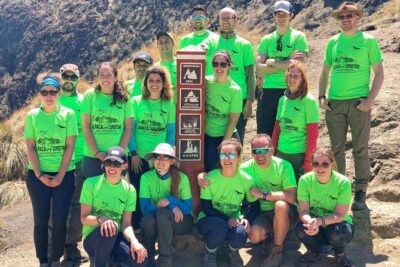
Classic Inca Trail Trek 4D/3N to Machu Picchu (Group Service)
Read our review →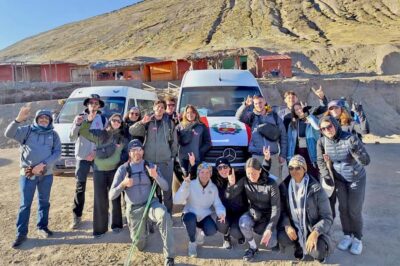
Rainbow Mountain and Red Valley Day Trip with Meals
Read our review →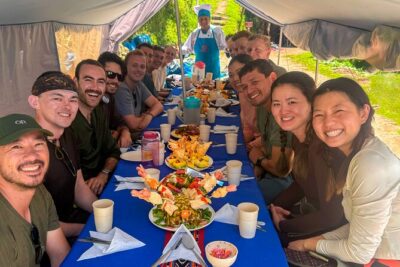
4-Day Inca Trail Trek with Panoramic Train Ride
Read our review →
Excursion to Rainbow Mountain Full Day Optional Red Valley
Read our review →