
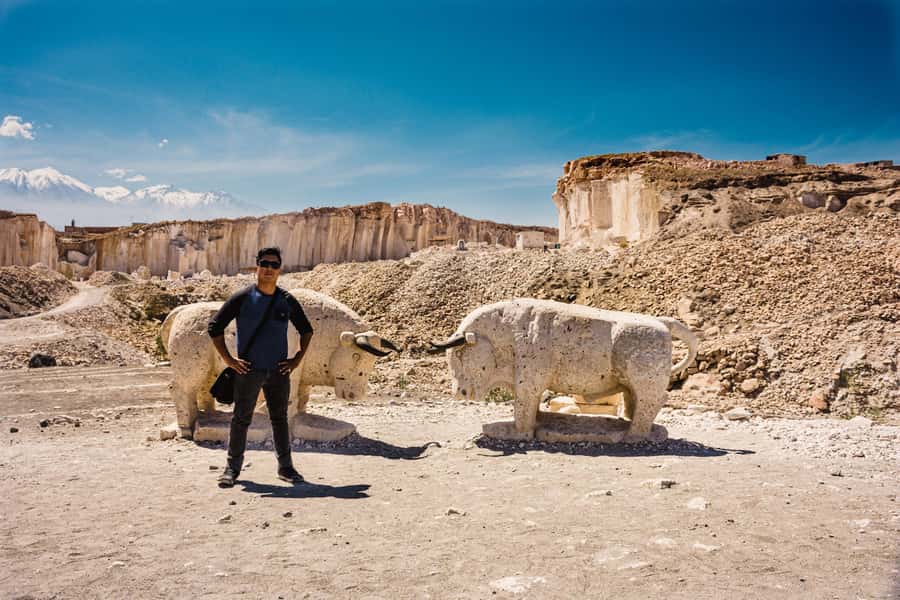
Reviewed · SILLAR ROUTE
Excursion + Sillar and Culebrillas Route in Arequipa
This excursion is interesting because it connects Arequipa’s signature white stone to the landscapes that created it, then adds a canyon walk with ancient petroglyphs. I like how the Añashuayco quarry is still in operation, so you see living stone work, not a staged museum. I also love the mix of craft and views, from volcano lookouts over the Chilina Valley to the Culebrillas canyon walk. One drawback to consider is timing, since one review noted delays from waiting for group members, and the bus may not have air conditioning.
You also get a clear, half-day rhythm that fits easily into a first or second day in town. You start at 09:15, visit quarry sites, then you’re back near Plaza de Armas by about 13:30, with an optional 14:00 shift. Just note that entrance tickets to the sites (10 soles) are not included, so budget a little extra on top of the $14 price.
Key Things That Make This Route Worth Your Time
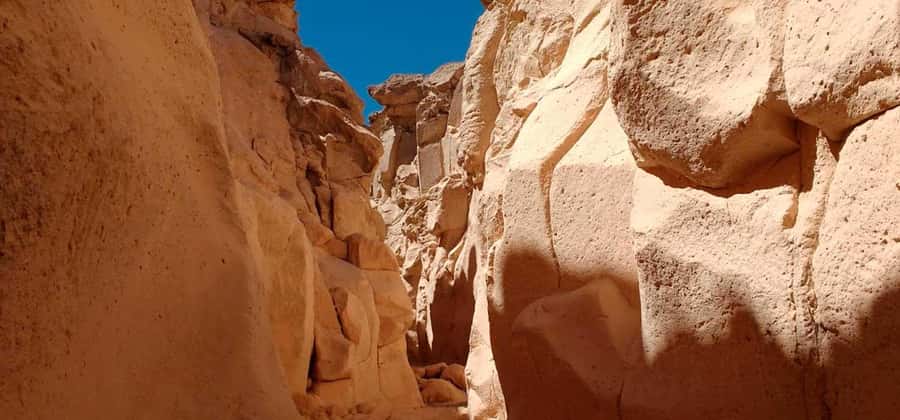
- Sillar in real use: You visit a quarry still working early in the morning, where you see how the stone industry actually runs.
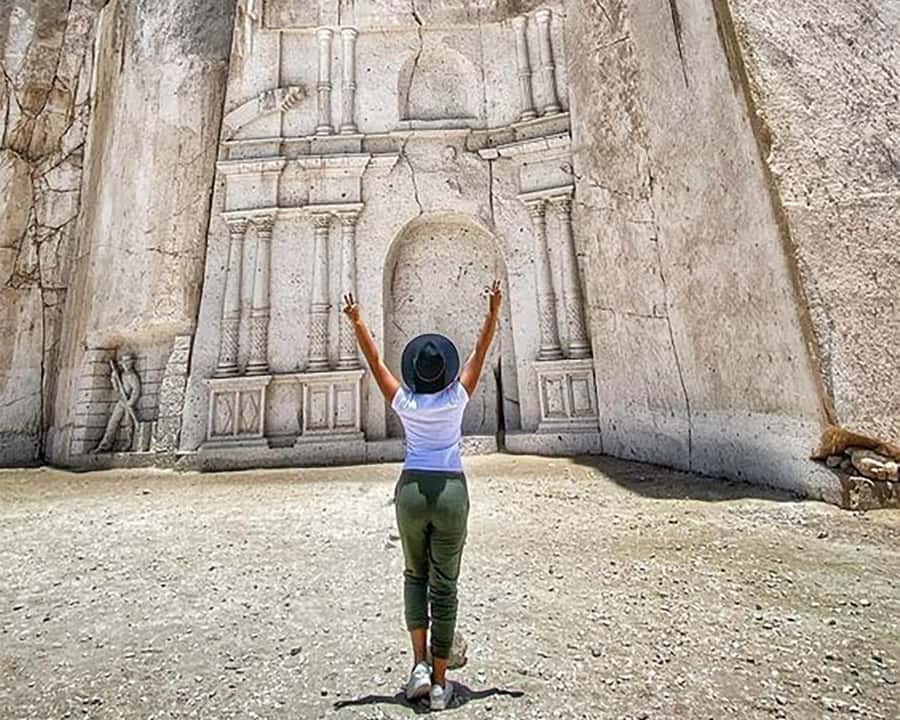
- Mega carving at Añashuayco: The large church carving made by stonemasons gives the quarry a human touch.
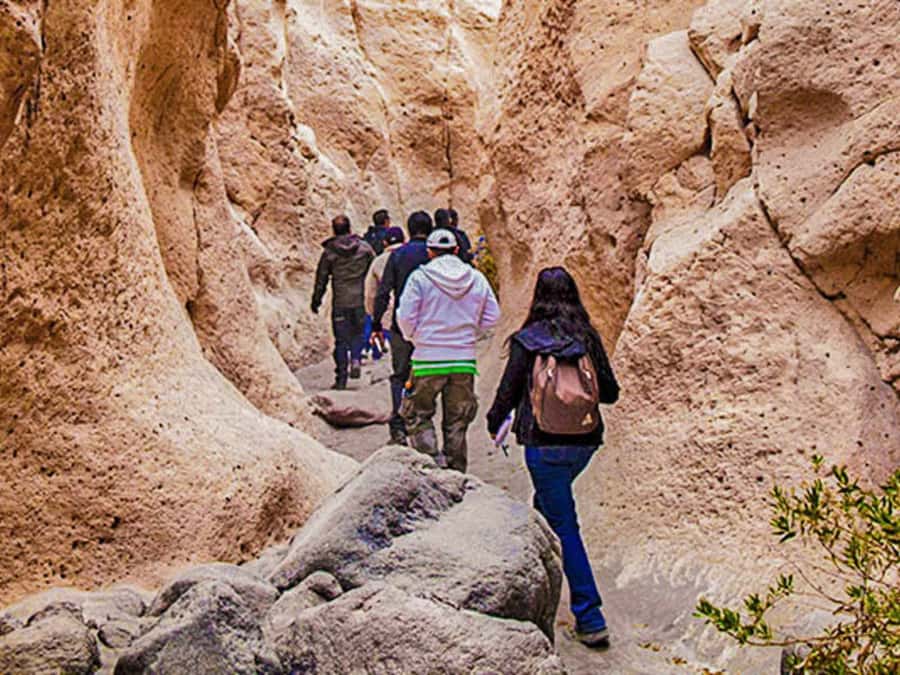
- A short canyon walk with changing heights: Culebrillas narrows and climbs as you go in, then opens up again for the petroglyph area.
- Wari petroglyphs more than a thousand years old: You get a tangible link to pre-Inca culture in a dramatic setting.
- Apachetas stop for meaning: You’ll see stacked stone formations tied to gratitude and good luck.
- Easy half-day schedule: About 4 hours total, ending near Plaza de Armas.
Getting Oriented in Arequipa, Before the Quarry Work Starts
The best part of this tour for me is that it begins with orientation, not straight into walking. You leave Arequipa around 09:15, and you’ll make an early stop at a viewpoint that looks out toward the volcanoes and the Chilina Valley. Depending on the time of year, the guide may swap in a different traditional viewpoint first, but the goal stays the same: help you understand what you’re looking at before the stone facts begin.
That matters more than it sounds. Sillar is not just a product, it’s a product of the local geology and a response to the environment. When you can see the volcanoes and the valley before you reach the quarry, the story clicks faster. You’re basically training your eyes for the rest of the day.
The tour then moves toward the Sillar Route, with the quarry as the main destination.
More Sillar Route trips:
- From Arequipa: Sillar Route Trek
★ 4.2 · 461 reviews - Sillar Route and Culebrillas Petroglyphs
★ 4.5 · 89 reviews - Sillar Route in Arequipa and viewpoint of the Volcanoes
★ 4.0 · 71 reviews
The Sillar Route and Why This White Stone Matters
Arequipa is famous for its white stone buildings. This is the tour that explains where that stone comes from and why it spread so widely. You’ll head to Añashuayco Quarry, which takes about 45 minutes from the viewpoint stop.
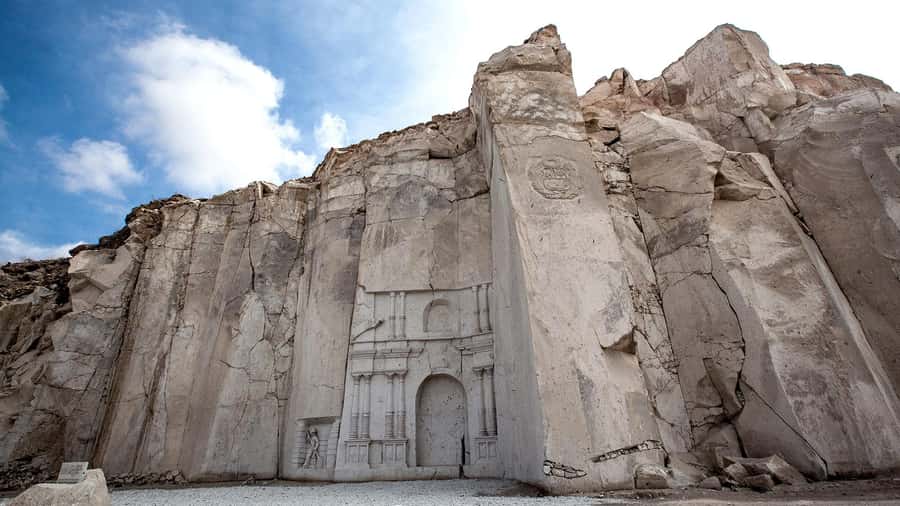
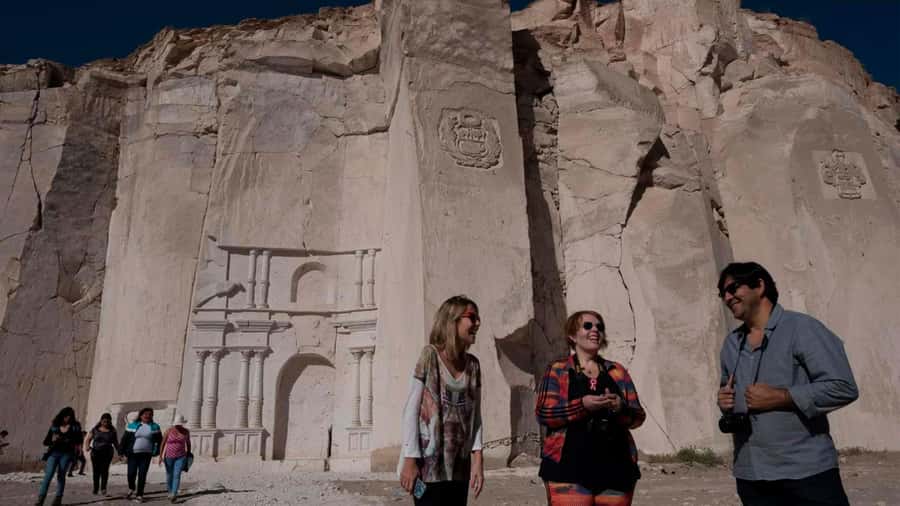
Here’s what makes this stop feel authentic. The quarry is in operation, and the quarrymen work very early. That means you’re watching a working process tied to a community rhythm, not just walking past static displays. You’ll see an immense canyon with steep cliffs, described as ignimbrite walls several meters high. That scale matters. You can feel how extraction shaped the ground you’re standing on.
Your guide explains the history of sillar, how it’s produced, and how it’s been used over time. You’ll also learn how stonemasonry became part of Arequipa’s identity, not only because the stone looks good, but because it’s workable and suited to local building traditions.
If you like “where things come from” travel, you’ll probably end up paying extra attention. You’re not just looking at quarry scenery, you’re connecting the geology to architecture you may already be seeing in the city center.
Añashuayco Quarry: Mega Carving and a Real Day in Stone Work
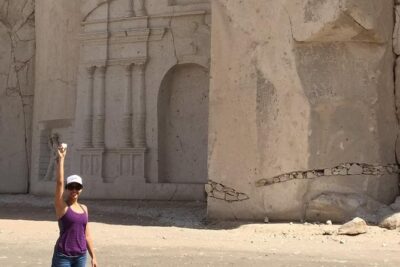
At Añashuayco, the standout feature is the mega carving of the Church of the Society of Jesus. It’s not a decorative afterthought. The description is that it was made by the stonemasons themselves, which gives it a community-owned feel. Seeing it in the quarry makes it easier to understand how these craftsmen think about scale and detail while working with heavy, durable material.
There’s also a hands-on element that I think is a big part of the value here. After the explanation, you can visit one of the quarrymen so they can explain their daily work. Then, if timing allows, you can experience cutting one of the stone blocks yourself.
Now, be realistic about what hands-on means on a short tour. You’re not signing up for a full apprenticeship. But even a small cutting experience can make the stone story feel personal, and you’ll come away with a better sense of effort and technique.
One practical consideration: you’ll be in a working quarry environment, so it’s smart to dress for close-range outdoor time. Even without details like safety gear or specific footwear rules, you should plan for uneven ground and cool morning air if you go on a morning shift.
Transition to Culebrillas: From Stone Origin to Water-Carved Walls
After Añashuayco, you head to Quebrada de Culebrillas, about 30 minutes away. This is the point where the tour changes pace. You’re moving away from the quarry canyon and into a smaller canyon created by water over time.
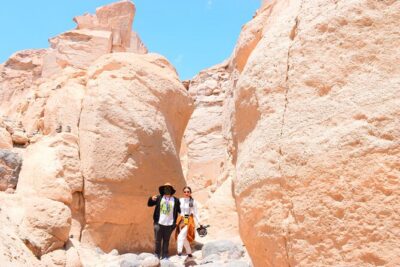
When you arrive, you’ll take a walk of about 20 minutes inside the canyon. The walls are described as 15 to 20 meters high. As you go deeper, the walls increase in height, so the space feels tighter and more dramatic. For many people, this is the moment the route clicks as a visual experience, not just a historical one.
And you’re not just walking for views. The tour includes a stop for ancient markings.
A few more Cusco days worth comparing
- Classic Inca Trail Trek 4D/3N to Machu Picchu (Group Service)
★ 5.0 · 8,653 reviews - Cusco: Rainbow Mountain and Red Valley Day Trip with Meals
★ 4.9 · 4,893 reviews - Machu Picchu: 4-Day Inca Trail Trek with Panoramic Train Ride
★ 5.0 · 4,568 reviews - Salkantay Classic Trek 5 Days from Cusco
★ 5.0 · 4,062 reviews
Inside Quebrada de Culebrillas: Wari Petroglyphs and the Apacheta Moment
Near the end of the walk, you’ll be able to see petroglyphs made by the Wari culture, described as more than a thousand years old. This is where I like to slow down mentally, because petroglyphs are easy to overlook if you treat them like a random photo stop. On this tour, you’re in the right setting to notice them, because the canyon itself is the backdrop for old human presence.
At the end of the walk, you’ll observe apachetas, stone formations placed one on top of the other. They’re described as symbols of gratitude toward nature, and also an attraction of good luck. You’ll probably feel the mood shift here. It’s not a complicated explanation, but it adds meaning to what could otherwise be a purely scenic stop.
One reason I think this works well is that it connects landscape and belief. You see the volcanoes and the valley from above, then you see the ground carved by both extraction and water, and then you finish with stone stacks that represent a relationship with the land.
When you’re ready, you’ll begin the return to Arequipa around 12:30, with arrival near Plaza de Armas around 13:30. There’s also a 2:00 pm shift, which gives you a later option if mornings feel too tight.
Practical Logistics That Actually Affect Your Comfort
This tour is listed at $14 per person and lasts about 4 hours, with tourist transport and a professional guide included. That’s a solid deal in a city where half-day tours can easily cost more, especially when you’re getting two distinct environments: the sillar quarries and the Culebrillas canyon.
Still, there are a few practical things worth planning around:
First, entrance tickets are not included and are listed as 10 soles for the sites. If you’re budgeting tightly, add this in before you decide. It’s not a big surprise cost, but it is real.
Second, pay attention to transport comfort. One review specifically mentioned a bus without air conditioning and noted delays from waiting on group members. You can’t predict how the bus will feel on your day, but you can prepare. Bring a light layer in case mornings are cool, and keep water handy since you’re outside for parts of the route.
Third, timing depends on a group schedule. If you’re the type who hates running late, you’ll want to keep your next plan flexible after pickup and drop-off near Plaza de Armas.
Who This Tour Suits Best (And Who Might Want Another Option)
This is a great fit if you want an Arequipa experience that’s practical, visual, and tied to real local work. You’ll enjoy it if you like geology and materials, or if you’ve already noticed sillar buildings and want the story behind them.
It also suits people who like short walks with a clear purpose. You’re not doing an all-day trek. You’re doing a walk of about 20 minutes in a canyon, then you get interpretation of petroglyphs and apachetas.
On the other hand, if you hate any element of group timing, this may feel a little less smooth. One review mentioned delays waiting for group members, and group tours can never fully avoid that risk. Also, if you require consistently cool transport, you may want to ask about bus comfort when you book, since air conditioning may not be available.
Value Check: Is $14 a Good Deal Here?
For me, the value comes from combining three things you rarely get together in one half day:
- Living craft setting: an active quarry with real quarrymen and the mega carving.
- A geology and landscape story: sillar origin plus the canyon formed by water.
- Ancient culture stops: Wari petroglyphs and apachetas.
At $14 plus an extra 10 soles for entrance tickets, you’re paying for a guided route with transport and entry to the key places. It’s not a splurge, and it’s not a bare-bones photo tour either. You leave with a better understanding of why Arequipa looks the way it does, and you see the land that shaped the materials used in the city.
If your schedule only allows one half-day outside central Arequipa, this is a strong candidate.
Final Verdict: Should You Book This Sillar and Culebrillas Route?
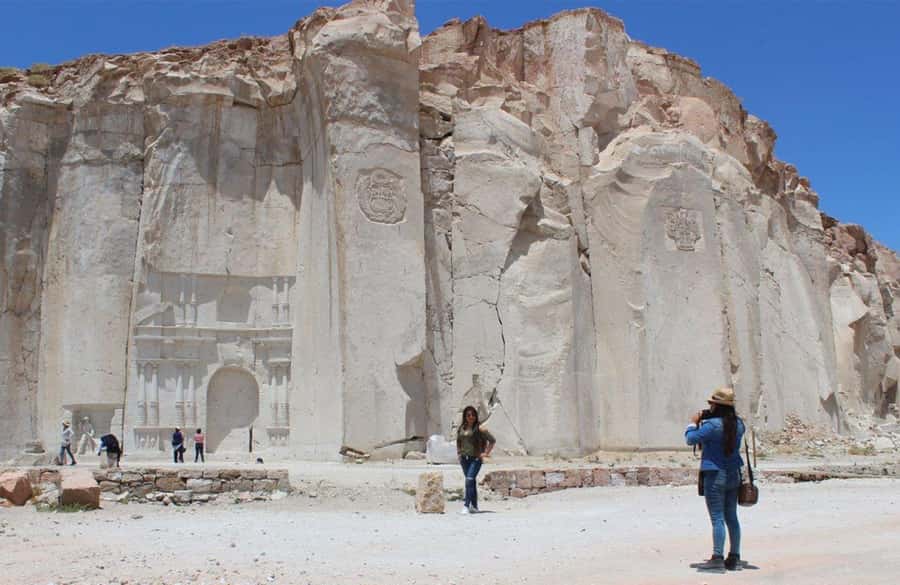
I’d book this tour if you want Arequipa to feel grounded in place. The sillar quarry visit, with its active work and the mega church carving, gives you an authentic material story. The Culebrillas canyon walk adds drama, then the Wari petroglyphs and apachetas add meaning.
Skip it if you’re extremely sensitive to group delays or if you strongly dislike uncomfortable transport conditions, since one past experience flagged lack of air conditioning and waiting time.
If you like a balanced half-day that mixes views, craft, and ancient marks on stone, this route is a worthwhile use of a few hours in Arequipa.
FAQ
What does the tour include?
It includes tourist transport and a professional guide.
How long is the excursion?
The duration is 4 hours.
Where does the tour start and end?
It starts around 09:15 in Arequipa and ends near Plaza de Armas in the center of Arequipa at about 13:30. There is also a 14:00 shift.
What sites are visited?
You’ll visit the Sillar Route with stops including Añashuayco Quarry and the Quebrada de Culebrillas canyon, plus viewpoint areas.
Is there a walk during the tour?
Yes. Inside Quebrada de Culebrillas, you’ll walk for about 20 minutes in the canyon.
Are the entrance tickets included in the price?
No. Entrance tickets are not included and are listed as 10 soles.
What languages is the guide available in?
The guide offers live narration in Spanish and English.
Does the itinerary include viewpoints?
Yes. Early on, there is a viewpoint stop where you can see the volcanoes and the Chilina Valley, and depending on the season an alternate traditional viewpoint may be used.
Is the quarry stop a working place or just a photo spot?
It’s described as currently in operation, with quarrymen working early.
Can you participate in stone cutting?
You can visit a quarryman who explains daily work, and you may be able to experience cutting one of the stone blocks yourself.
Recently reviewed around Cusco
- Cusco Cooking Class by ChocoMuseo in Cusco★ 5.0 · 29 reviews
- ATV Adventure to Moray and Maras Salt Mines – Half Day★ 4.5 · 29 reviews
- 1-day excursion to Machu Picchu from Cusco★ 5.0 · 29 reviews
- Private Tour Sacred Valley, Chinchero, Maras Moray, Ollantaytambo★ 5.0 · 29 reviews
- From Cusco: Humantay Lake with Breakfast and Buffet Lunch★ 4.5 · 29 reviews
- 4 Day – Inca Jungle to Machu Picchu★ 5.0 · 29 reviews
- 2-Day Machu Picchu Tour by Train from Cusco★ 4.5 · 29 reviews
- 2-Day Sacred Valley and Machu Picchu Tour By Train★ 4.5 · 29 reviews
Sillar Route, compared.
Sillar Route in Arequipa and viewpoint of the Volcanoes
Read our review →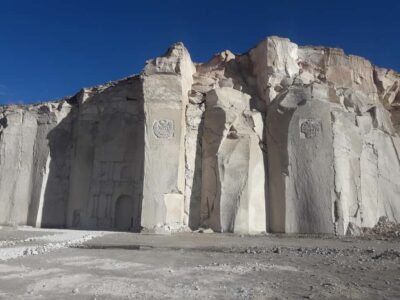
4 hours Tour: Route of Sillar with Trek in Culebrillas
Read our review →
Hike to the Ruta del Sillar and Culebrillas in Arequipa
Read our review →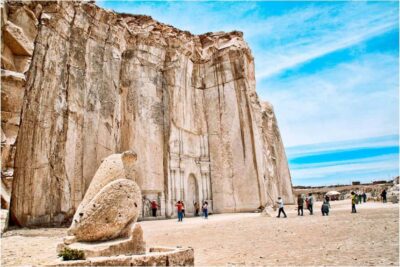
Route of the Sillar | Quarries of Añashuaycos | Half day
Read our review →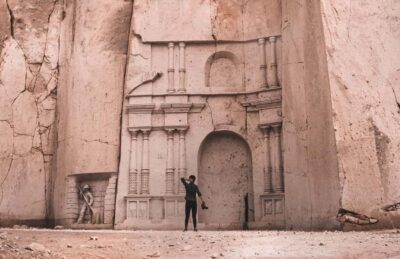
4-hour excursion: Sillar Route with Hiking in Culebrillas
Read our review →Browse the lists this tour appears in