
Reviewed · SILLAR ROUTE
From Arequipa: Sillar Route Trek
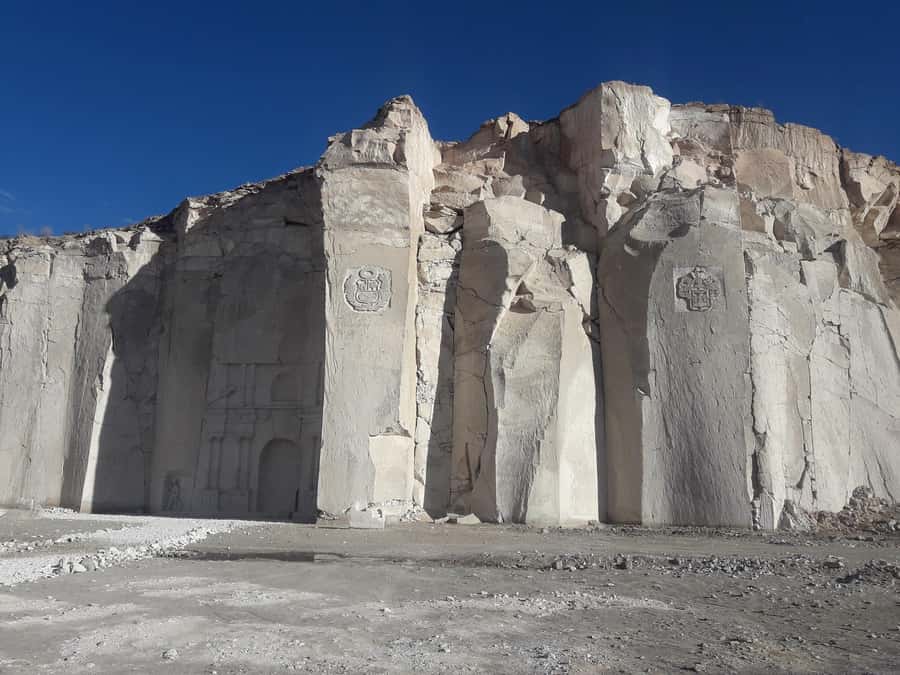
This is interesting because the Sillar Route shows you stone that is still being worked by hand, not just scenery behind a fence. I especially love the chance to see the active cutting at Añashuayco Quarry, and I also love the walk into the Culebrillas canyon, where old Wari petroglyphs show up on the canyon walls.
One consideration: the visit includes a short canyon walk with uneven footing, so it is not the right choice if you prefer zero walking. Also, you should plan for extra site entrance fees totaling 18 soles, and it is smart to carry cash in soles just in case.
Key highlights to put on your radar
- Active stonemasons at Añashuayco Quarry, working very early and showing how the stone is extracted
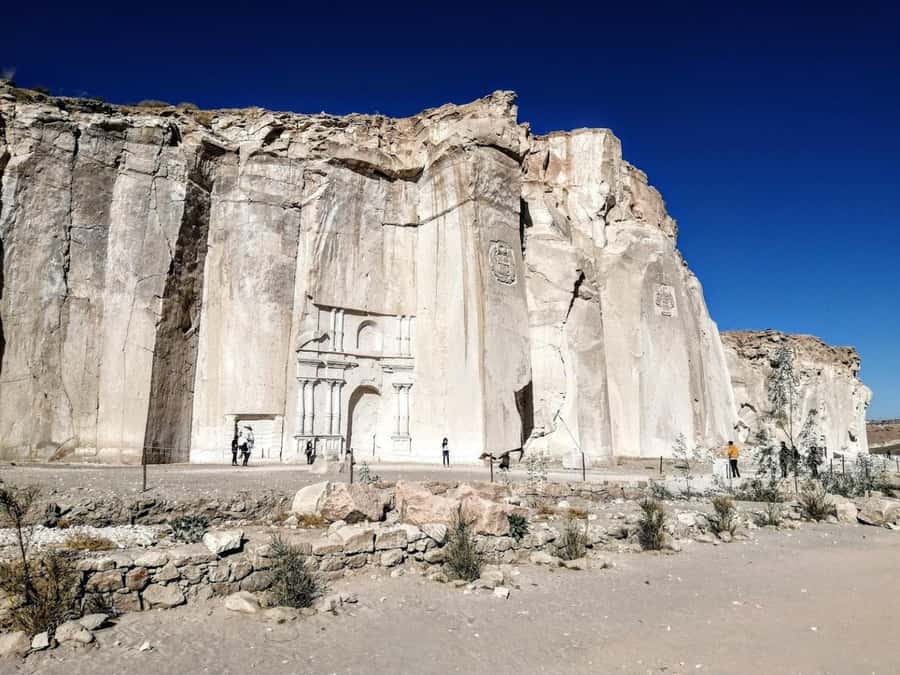
- Mega carving of the Church of the Company of Jesus, carved by stonemasons directly in the quarry area
- Hands on stone experience, where you may be able to try cutting a stone block yourself
- Quebrada de Culebrillas canyon walk, with 15 to 20 meter walls that rise as you go in
- Wari petroglyphs more than a thousand years old, visible during the canyon walk
- Apachetas and volcano viewpoint stops, including stacked gratitude stones and a Mirador photo stop
Sillar Route Trek: why this Arequipa stone route feels real
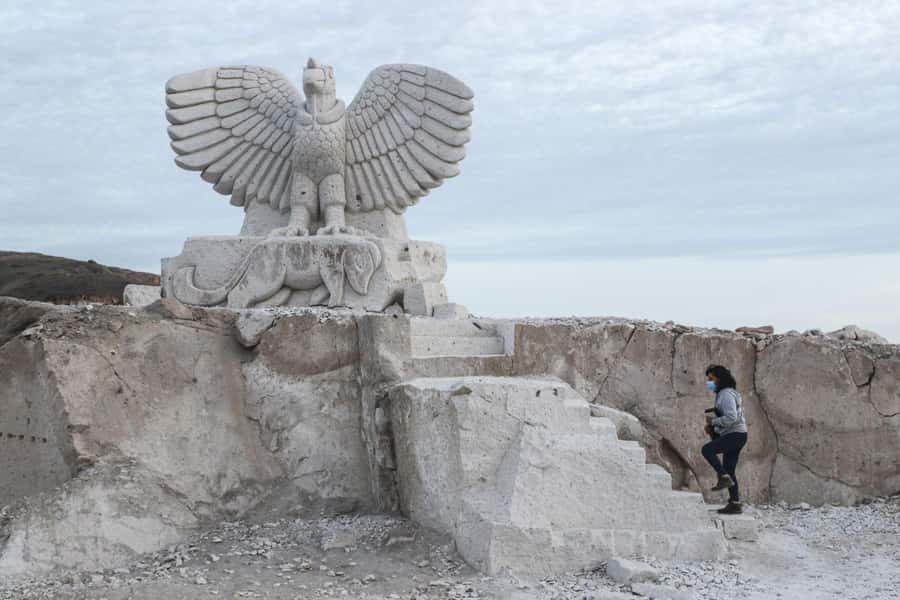
Arequipa is famous for its white stone, and this tour helps you understand why. The Sillar Route is about more than photos. You get an up close look at the quarrying process and the people who still do the work.
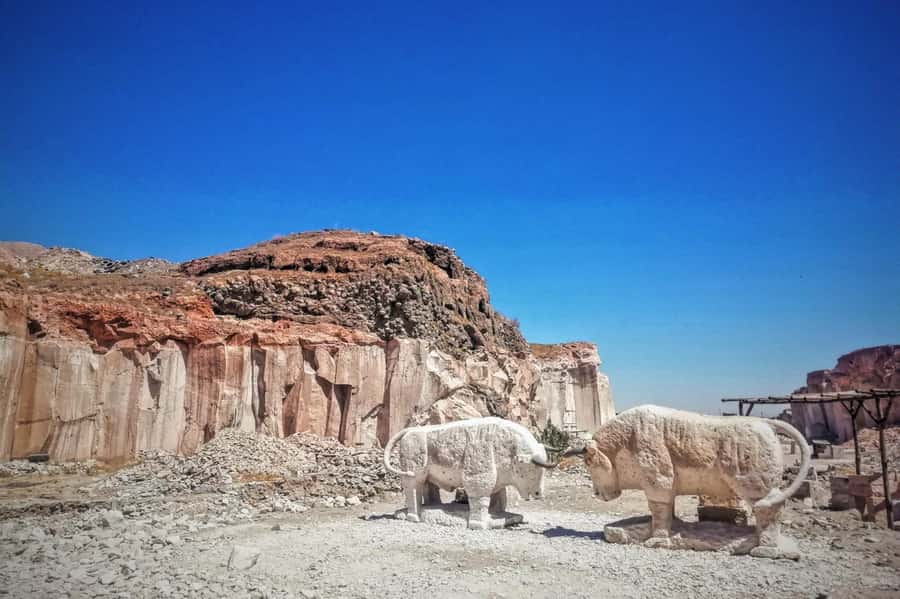
What makes it work is the mix of hands on human activity and big natural shapes. At Añashuayco you face the scale of the extraction walls, and in Culebrillas you walk through a narrow corridor carved by water. That combination turns the experience from sightseeing into understanding.
More Hiking & Trekking in Arequipa
- 2 day 1 night trek / Colca Canyon
★ 5.0 · 1,069 reviews - Colca Canyon Trek 3 Day 2 Night
★ 5.0 · 328 reviews - From Arequipa: 2-Day Colca Canyon Trekking Tour
★ 4.8 · 243 reviews
A tight half day plan, morning 9:15 or afternoon 2:00
The tour runs about 4 hours, with a morning start around 9:15 AM and an afternoon shift around 2:00 PM. In the morning version, you typically return to the city by about 1:30 PM, close to the main square area.
That morning timing is great if you want an early start and your afternoon stays flexible for museums, food, or a second short walk. If you choose the afternoon shift, you’ll generally be chasing better light for the rock colors, since the sun angle changes the look of the quarry and the canyon.
Where you meet and how you get out of town
You start at C. Álvarez Thomas 115, where there is a main office and your name is checked on the list. After that, you head out by van, and the driving time is part of the flow rather than a hassle.
One practical point: this is a short day trip, so you are not trying to tour every corner of the region. You are aiming for three distinct stops, plus a viewpoint, with enough time at each to actually look around.
Volcanoes and Chilina Valley viewpoints before the quarry
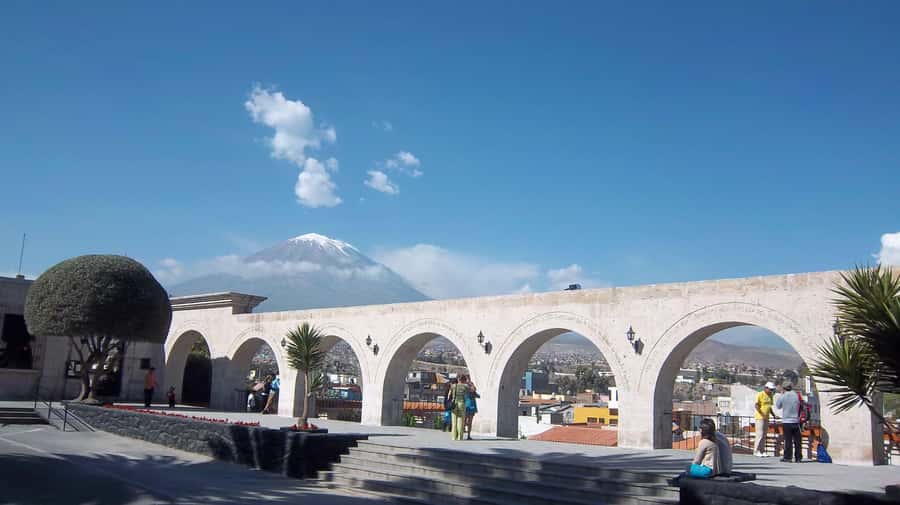
Before you reach the quarry, you get a brief stop at an emblematic viewpoint with views of volcanoes and the Chilina Valley. Depending on the season, the operator may swap in another traditional viewpoint first, so the exact framing can change.
I like this pre quarry stop because it sets the map in your head. You see where the land rises, and you start to understand why these stone deposits are where they are. It also gives you a smooth “warm up” before the more dramatic quarry setting.
More Sillar Route trips:
- Sillar Route and Culebrillas Petroglyphs
★ 4.5 · 89 reviews - Sillar Route in Arequipa and viewpoint of the Volcanoes
★ 4.0 · 71 reviews - 4 hours Tour: Route of Sillar with Trek in Culebrillas
★ 4.2 · 69 reviews - Hike to the Ruta del Sillar and Culebrillas in Arequipa
★ 4.3 · 36 reviews
Añashuayco Quarry: huge ignimbrite walls and real stonemason work
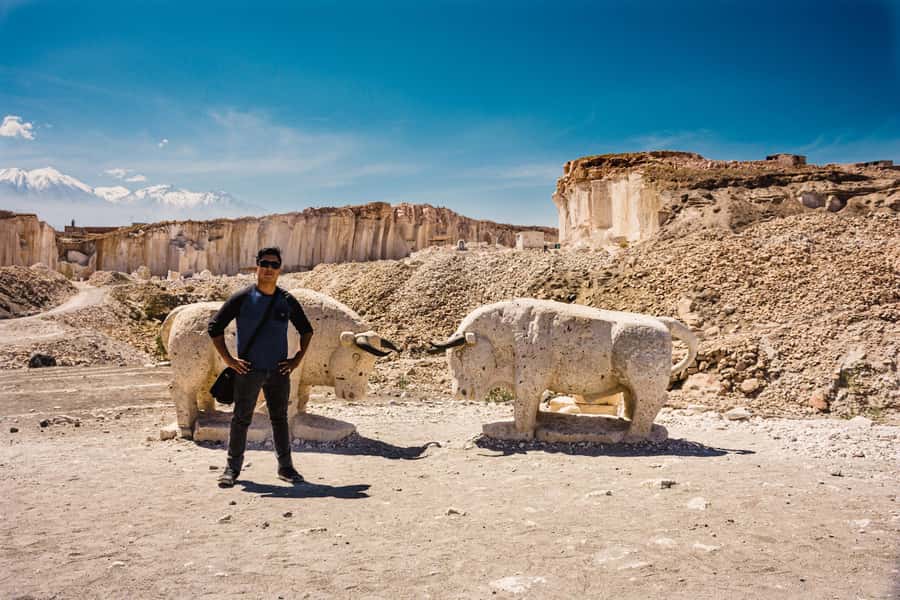
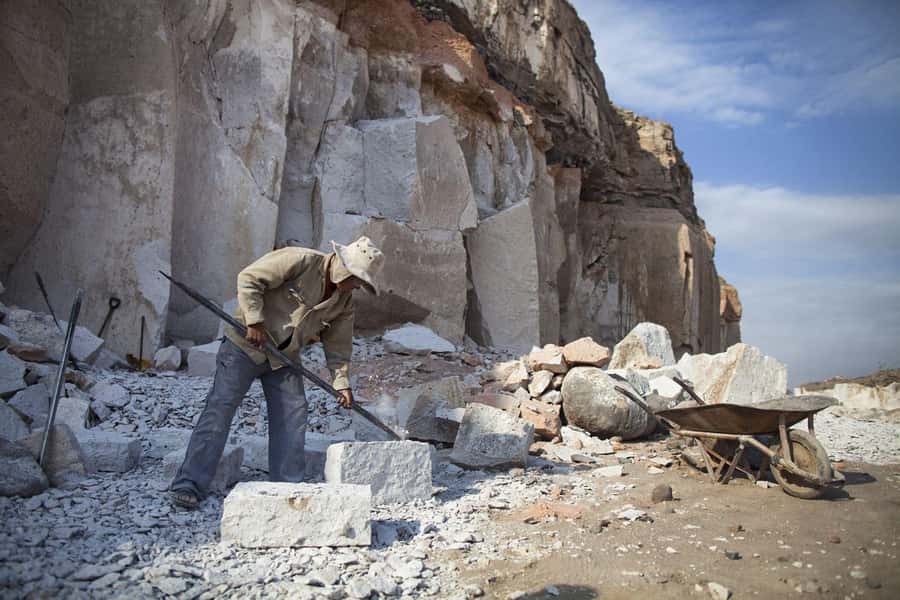
Añashuayco Quarry is the main stage. You arrive after about 45 minutes, and the site is in operation, with stonemasons working very early. That matters, because you are not watching a staged demo, you are seeing the rhythms of actual production.
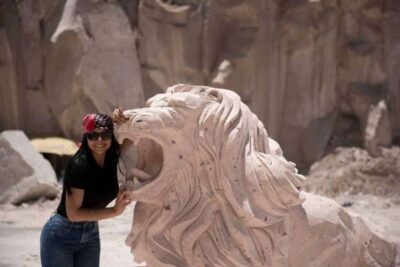
You also get the wow factor immediately: an immense canyon with cliffs formed by extraction for the production of ashlar blocks. The walls can be several meters high, and you can really feel the scale of removal in a way that a simple overlook never does.
The mega carving you can only appreciate up close
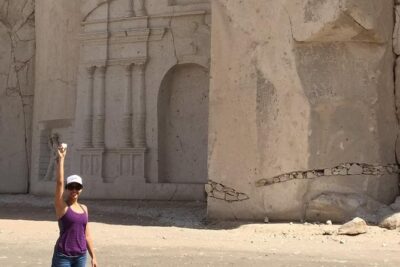
One highlight that visitors keep coming back to is a mega carving of the Church of the Company of Jesus, created by stonemasons as part of their work. Seeing it in the quarry context changes how you read it. It is not just decorative stone art, it is a message built out of the same material that is being extracted and finished for construction use.
This is also where the guide’s explanation makes a difference. You learn the history and production of ashlar and what it has been used for over time, and you connect that story to what you’re seeing in the working canyon.
Hands on with stone, plus a look at daily stonemason life
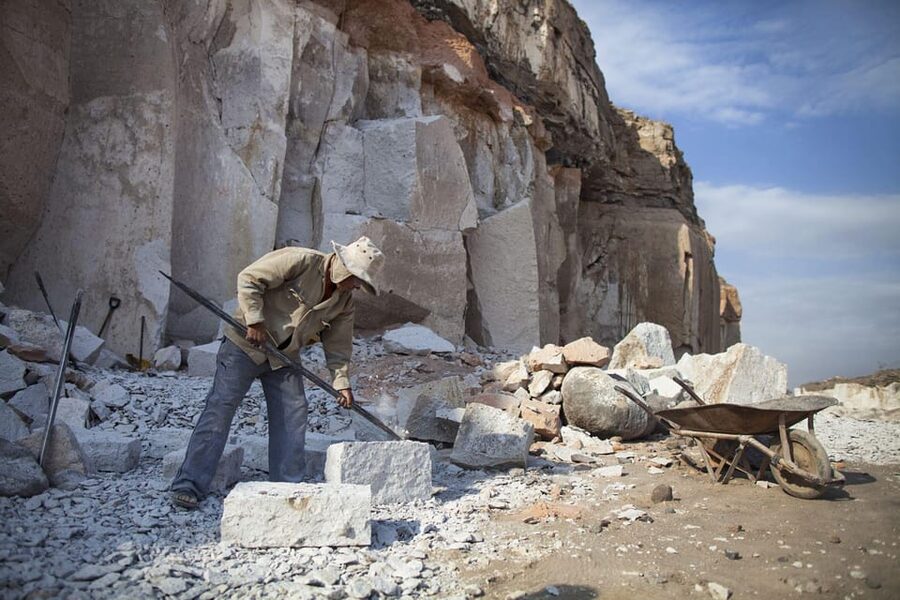
At Añashuayco, you can visit one of the stonemasons so they can explain their daily work. For many people, this is the most human part of the day, because you see the craft process and the patience required to work with heavy blocks.
If you want a more active role, you may also be able to try cutting one of the stone blocks yourself. Even if you only get a brief try, it changes your understanding fast. You stop thinking of “stone” as a static object and start seeing it as a material with constraints.
The walk to Quebrada de Culebrillas: a canyon that tightens as you go in
After the quarry, the day shifts to a different mood. You travel about 30 minutes to Quebrada de Culebrillas, then take a walk of around 20 minutes inside the canyon. There is an easy approach outside, but once you enter, the space becomes more enclosed.
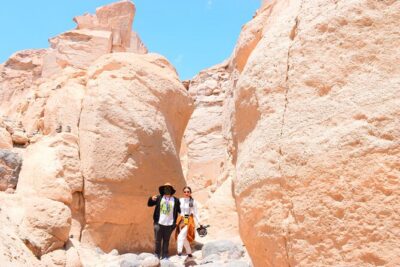
Inside, the canyon walls rise to roughly 15 to 20 meters. The walk is short, but it is active enough that you’ll feel it in your legs if you are not used to walking on uneven ground.
Wari petroglyphs in the canyon walls
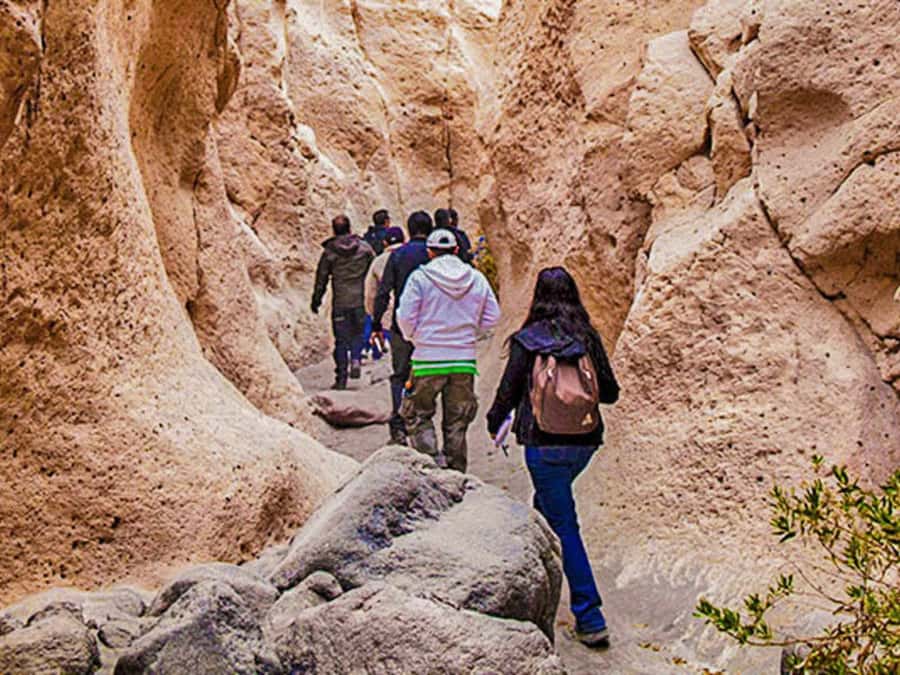
The best surprise in Culebrillas is the petroglyphs made by the Wari culture, more than a thousand years ago. You’ll see them as you move through the canyon, and the guide helps you notice details you could otherwise miss.
This is one of those stops where you should slow down and look twice. Photos are fine, but the carvings reward calm attention, especially when the canyon shape funnels your focus toward the rock faces.
Apachetas: stacked gratitude stones and the feeling of the place
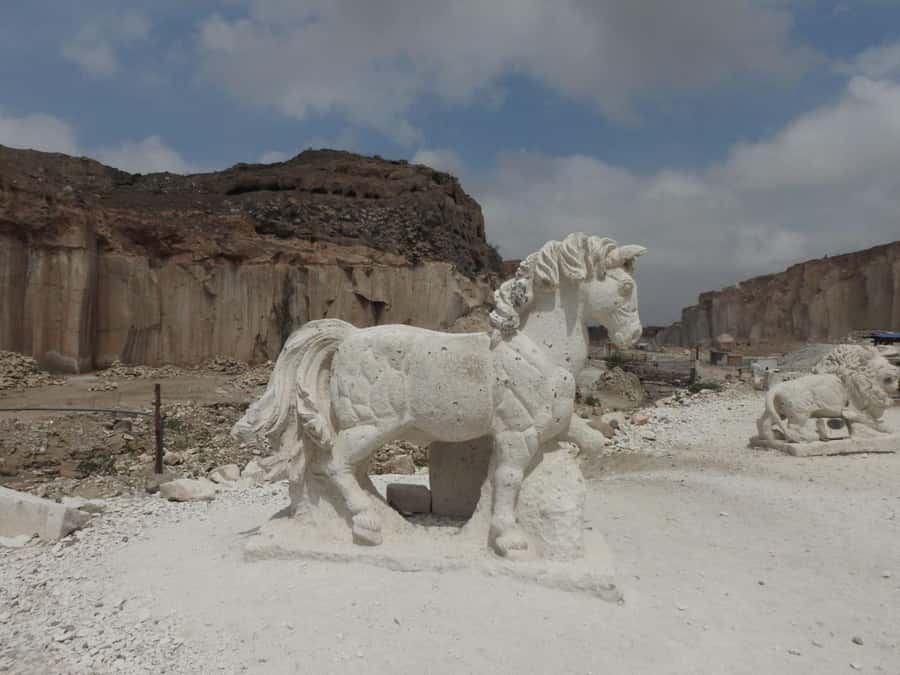
Before heading back toward Arequipa, you will also observe Apachetas, stone formations stacked one on top of the other. These are a symbol of gratitude toward nature and are also linked to wishes for good luck, which is why you’ll often see them at routes and crossings.
I like Apachetas because they are not a “rule lesson” like many monuments. They feel like living tradition. You can treat them as a quiet moment in the middle of a busy half day, even if your group is chatting and taking pictures.
Mirador de los Volcanes: photo stop plus a viewpoint tour
On the way back, there is a Mirador de los Volcanes stop with a photo moment and a guided explanation. The tour includes a viewpoint focused on volcano views and Andenerias viewpoints.
This is your chance to scan the region from above. You’ll connect it to what you saw earlier in the quarry and canyon, because now you can see the broader shape of the land. It also gives you a last round of photos before you head back into the city.
Price and logistics: what your $12 gets you, and what to budget for
The tour costs $12 per person, and it includes transportation and a guide. For a half day with multiple stops, I think that is strong value, especially because you are getting explanation at each site, not just a drive by.
The one extra cost you should budget is entrance fees: 18 soles totally, for the ticketed parts of the route. Keep cash in soles ready. Even if you might be able to pay some places another way, the safest bet is cash on hand because you will not want to waste time hunting for an ATM.
If you are traveling on a tighter budget, this is one of those trips where spending the extra 18 soles is still worth it, because you are paying to access working and protected areas, not just viewpoints.
What to bring so the canyon walk stays easy
This is not an extreme trek, but you should still pack for it. A few common sense items will make the day more comfortable, especially in the canyon.
- Close shoes (you will walk inside a canyon section)
- Sunscreen and a hat (views plus open sky time add up)
- Insect repellent (people often recommend it for the canyon area)
- A small water bottle, so you can keep your pace during the walk
Also, bring patience with timing. The day has set stops, and if your group stops to chat or take photos nonstop, it can make the later moments feel a bit tighter. That’s not a deal breaker, it just helps to manage your expectations.
Group size, van comfort, and how the tour pace feels
The ride is short, and the whole day is designed to fit into a morning or afternoon block. Some trips are run with groups that can feel like a moderate crowd, and the bus or van comfort can vary.
What stays consistent is the structured flow: a viewpoint, quarry time with guiding, canyon walk, then another viewpoint. Most people seem happiest when they treat it like a guided “fast story” of the region, not a slow wandering day with unlimited freedom.
The tour guide role, why it can make or break your experience
This tour lives and dies by the guide’s explanations. Many people highlight that the guide keeps timing moving while still giving clear context, like how ashlar is produced and why certain parts of the land matter.
In terms of guide names, I have seen examples like Jose Jose and Mike, and I have also heard of Alexandra, Alexa, Julia, Roni, and Alexandra being involved on different runs. Whoever you get, the core value is that you learn to read the stone instead of just staring at it.
If you want more interaction, ask questions. People who said they felt included often pointed out that the guide can switch between English and Spanish to make sure everyone follows.
Who should book this Sillar Route Trek (and who might not)
You should book if you want:
- Hands on quarry culture, with stonemasons working on site
- A short, scenic canyon walk with visible cultural markings like Wari petroglyphs
- A half day plan that teaches you how the region’s stone is extracted and shaped
You might rethink it if:
- Your mobility is limited, because the canyon walk is part of the experience
- You prefer lots of free roaming time, because the stops are guided and timed
- You dislike crowds, since photo focused moments can get busy at viewpoints and popular quarry areas
This is a practical choice for first time visitors to Arequipa who want a meaningful nature and culture mix without committing to a full day.
Should you book the Arequipa Explorer Sillar Route Trek?
I’d say book it if you like experiences where the setting has work happening inside it. The Añashuayco Quarry portion plus the Quebrada de Culebrillas canyon walk is a strong pairing, and the cultural add ons like Wari petroglyphs and Apachetas give the day more depth than a simple scenic loop.
Skip it only if you know you cannot handle uneven canyon footing or you hate timed group pacing. Otherwise, this is a solid, good value half day that helps you understand why Arequipa’s stone culture is more than just a postcard.
FAQ
Where is the meeting point for the Sillar Route Trek?
The meeting point is at the main office located on the corner at C. Álvarez Thomas 115.
How long is the tour?
The tour lasts about 4 hours.
What time does the morning tour start and when do I return?
The experience begins around 9:15 AM and you typically arrive back near the main square area around 1:30 PM.
Is there an afternoon departure time?
Yes, there is also a 2:00 PM afternoon shift.
What is the price of the tour?
The price is $12 per person.
What is included in the price?
The price includes transportation and a guide.
Are entrance fees included?
No. Entrance ticket costs are not included, and the total is 18 soles.
What languages does the guide speak?
The guide speaks English and Spanish.
What should I bring for the walk?
Wear close shoes and plan for sun protection and insect repellent, since you will do some walking in and around the canyon.
What is the cancellation policy?
You can cancel up to 24 hours in advance for a full refund.
Recently reviewed around Arequipa
- 2-Day Tour to the Magical Colca Canyon★ 4.5 · 29 reviews
- Full Day Tour to Colca Canyon from Arequipa★ 4.0 · 34 reviews
- Full Day Tour To The Salt Lake Salinas in Arequipa★ 4.5 · 34 reviews
- Full Day Trip to Colca Canyon from Arequipa★ 4.0 · 34 reviews
- Tour Fullday Colca Canyon with Breakfast and Typical Lunch★ 4.3 · 35 reviews
- Colca 2 Days and 1 Night★ 5.0 · 35 reviews
- 2 Day Trek Including Transfer to Puno / Colca Canyon★ 4.5 · 38 reviews
- 3-Day Colca Canyon trek with Professional Guide★ 5.0 · 40 reviews
Sillar Route, compared.
Sillar Route in Arequipa and viewpoint of the Volcanoes
Read our review →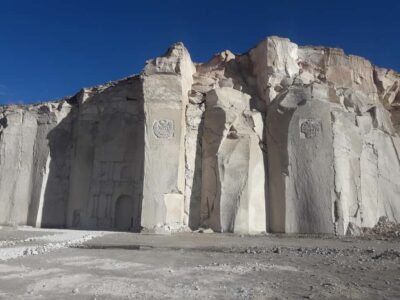
4 hours Tour: Route of Sillar with Trek in Culebrillas
Read our review →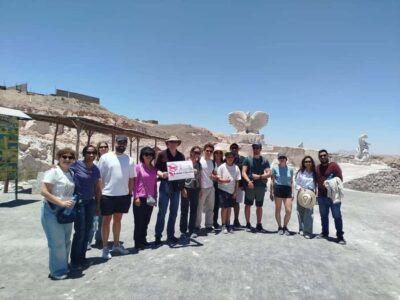
Hike to the Ruta del Sillar and Culebrillas in Arequipa
Read our review →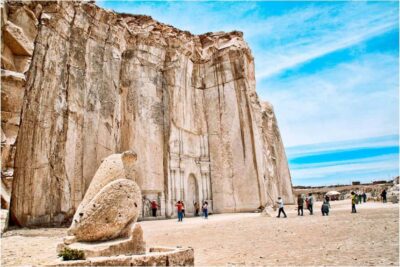
Route of the Sillar | Quarries of Añashuaycos | Half day
Read our review →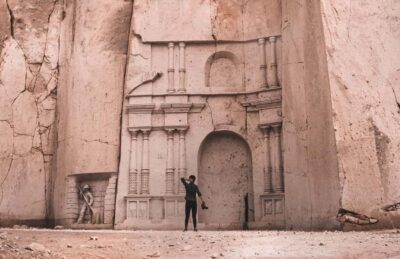
4-hour excursion: Sillar Route with Hiking in Culebrillas
Read our review →
Exclusive Arequipa Ruta del Sillar Tour with Pickup
Read our review →Browse the lists this tour appears in