Reviewed · CUSCO TOURS
From Cusco: Balcony of the Devil Rock Climbing
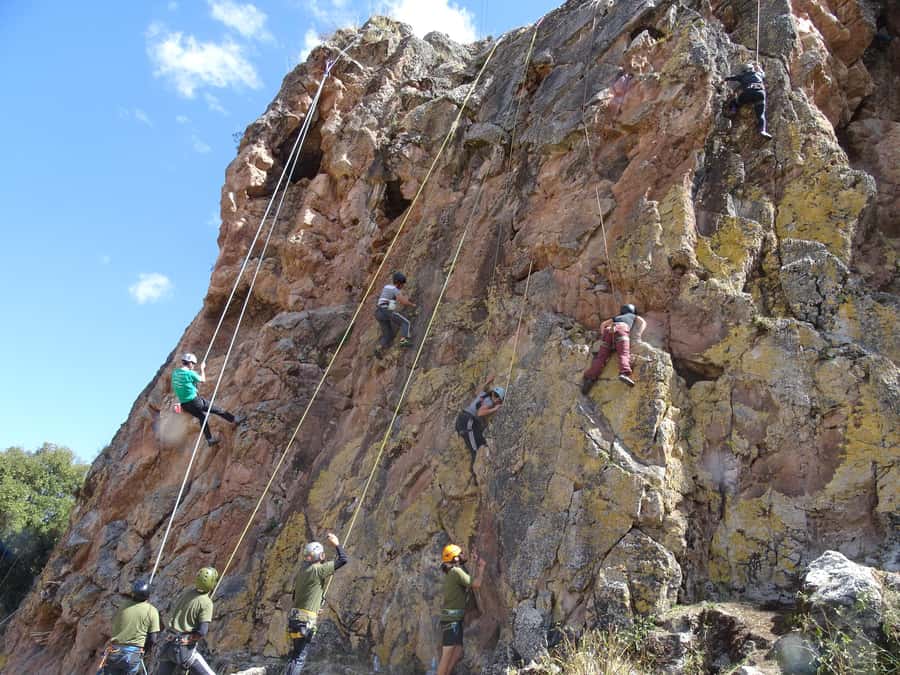
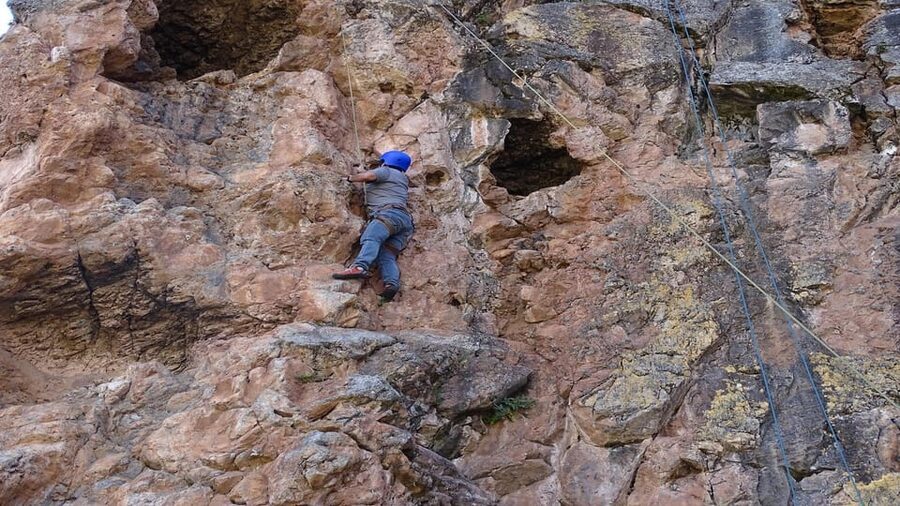
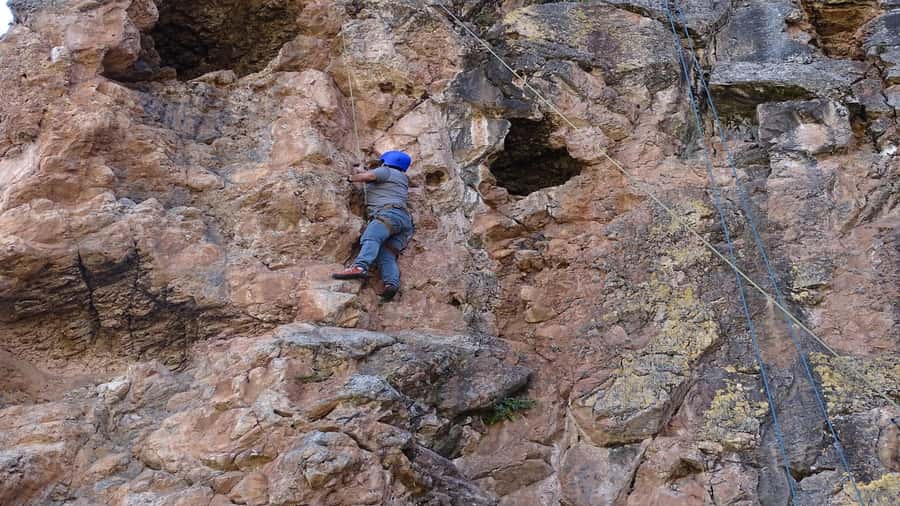
What makes Balcony of the Devil rock climbing near Cusco so interesting is the mix of hands-on adventure and big natural drama at altitude. You’ll work your way up Devil’s Balcony on limestone near Sacsayhuaman, then look out over the Andes from the top.
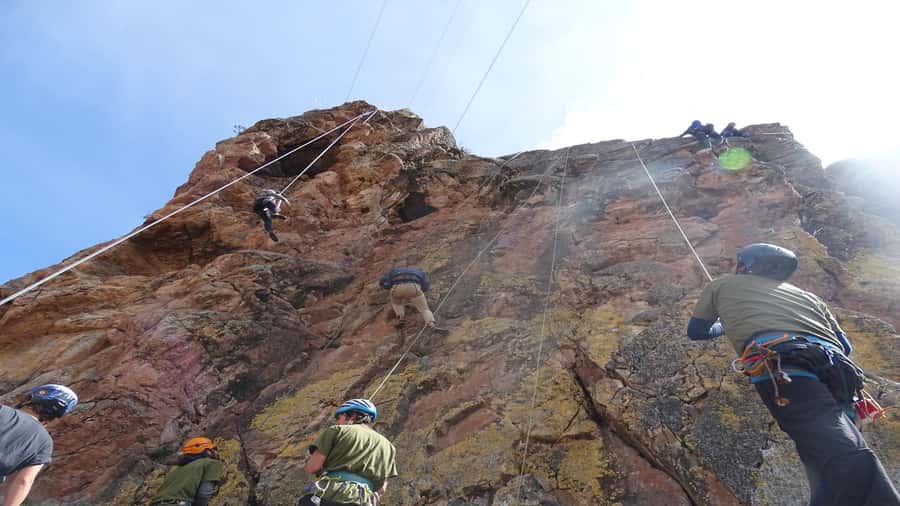
Two things I really like about this outing are that you climb three different levels with professional instructors, and you get the reward of panoramic mountain views once you reach the summit area. The whole experience is paced so you’re not just watching, you’re actually climbing and earning the scenery.
One consideration is the altitude and the climbing exposure. You’ll be at about 3,750 meters, and the activity is not suitable if you have vertigo or heart problems, since it involves real heights.
Key highlights to know before you go
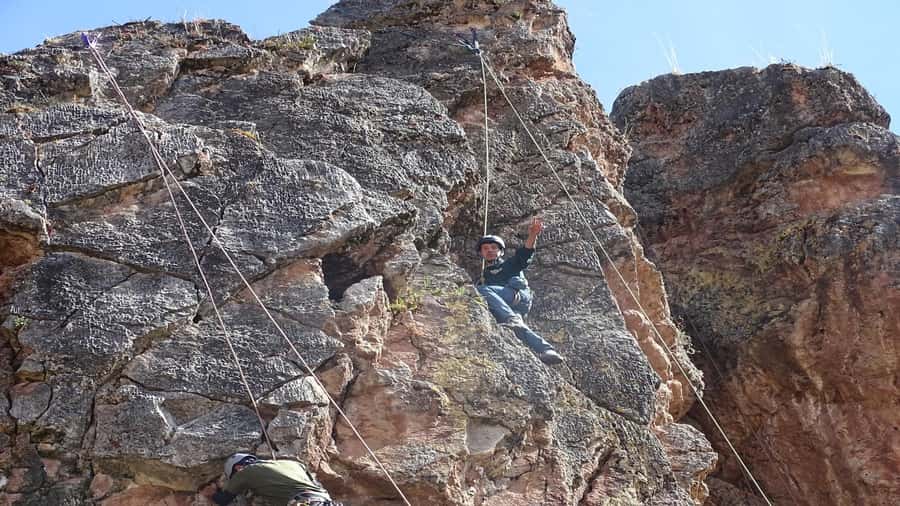
- Three climbing levels so you can match your comfort, not just your courage
- A 20-minute equipment briefing that teaches you how to handle the gear before you start
- Devil’s Balcony walk-in includes a short 10-minute hike after the drive from Cusco
- Bilingual instruction in Spanish and English to keep safety and technique clear
- Roundtrip city transportation from the Cusco center area makes it easy to fit into a day
From Plaza Regocijo to Devil’s Balcony, how the timing actually feels
This tour runs in a tight half-day window, about 4 hours total, which makes it a good fit when you want active time without burning your whole day. You start at Plaza Regocijo, close to the historic Plaza de Armas, then you’re taken to the climbing area by vehicle.
Expect a 30-minute ride out of the city area, followed by a 10-minute walk to reach Devil’s Balcony. That walk is short, but you’ll feel it at altitude. I like tours that build in that light approach, because it helps you wake up your legs and get your breathing settled before the equipment goes on.
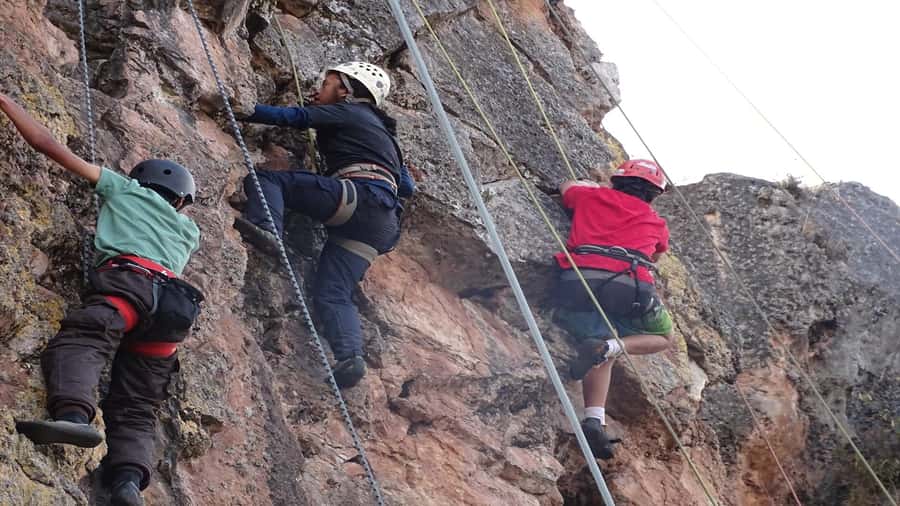
Once you’re at the rock, you get a 20-minute briefing. That’s one of the smartest parts of the experience, because it sets expectations for how the routes work and how you’ll be supported while you climb. Then the climbing itself happens in stages as you move through three levels toward the summit area.
If you hate being rushed, this still feels reasonably paced. You spend enough time on instruction and climbing, instead of doing a quick demo and sending you up immediately.
A few more Cusco days worth comparing
- Classic Inca Trail Trek 4D/3N to Machu Picchu (Group Service)
★ 5.0 · 8,653 reviews - Cusco: Rainbow Mountain and Red Valley Day Trip with Meals
★ 4.9 · 4,893 reviews - Machu Picchu: 4-Day Inca Trail Trek with Panoramic Train Ride
★ 5.0 · 4,568 reviews
Devil’s Balcony at 3,750 meters: altitude, sun, and what to plan for
Devil’s Balcony sits at about 3,750 meters above sea level. In Cusco you’re already at altitude, but the climbing area is higher than what you may be used to on a normal city walk. That matters because climbing is effort plus exposure, so your body will notice the thinning air fast.
You’ll also be outdoors for the briefing, the approach, and the climb. That’s why you should take the sun prep seriously. The tour asks you to bring sunglasses, sun hat, and sunscreen. I agree with that list. At altitude, sun can feel intense, even if the air is cooler.
The experience guide also recommends insect repellent. That’s not the first thing people think about in the Andes, but it’s a practical reminder that the climbing area is still in a natural setting.
What I’d add as practical common sense: wear sportswear you can move in, and if you’re the type who gets winded easily, take the first route a little slower than you think you need to. Your goal is smooth breathing and calm movement, not sprinting to the next hold.
Gear, briefing, and why belay support matters on limestone
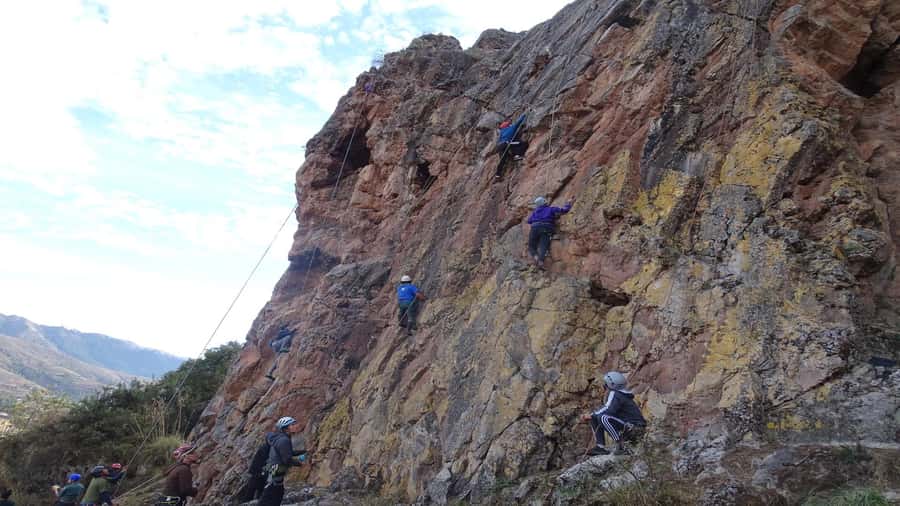
This tour includes climbing equipment and a guide who supports you in Spanish and English. The standout element here is that you don’t just get gear and go. You get a 20-minute briefing before you start.
That briefing is important for two reasons. First, it teaches you how to handle the equipment safely and comfortably. Second, it reduces the mental load of figuring things out while you’re already attached to the rock.
Rock climbing is part technique, part body position, and part trust. The limestone at Devil’s Balcony is solid enough to take confident foot placements, but the real comfort comes from how the instruction and belay support are managed. One past climber highlighted a belayer named Brayan for making them feel secure and for being friendly and easy company during the trip. That lines up with what you want at a wall: clear communication, steady support, and no drama.
Safety also shows up in the rules for who should skip the climb:
- Not suitable for children under 13
- Not suitable for pregnant women
- Not suitable if you have heart problems
- Not suitable with vertigo
- Not suitable for people over 65
- Maximum weight allowed is 95 kilos
If any of those apply to you, don’t try to push through. This is exactly the kind of activity where taking safety constraints seriously makes the day better for everyone.
Three routes on Devil’s Balcony: how the challenge is structured
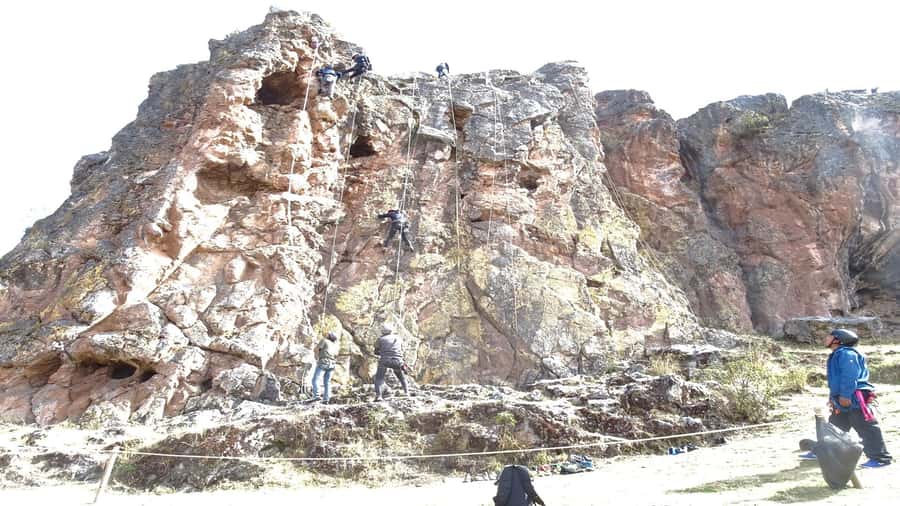
One of the most practical reasons this climb feels fun for a range of people is that it’s organized into three different levels. Instead of being one long “all or nothing” line, you get progressive climbing segments. That structure helps you settle in, learn the rhythm, and then enjoy the later sections more confidently.
The rock itself is limestone, and that changes how your hands and feet respond compared to other rock types. Limestone often rewards careful placement. In other words: you can’t just brute strength your way through. You’ll do better with patience, body positioning, and following instructor cues.
Because you have professional instructors, you’re not left guessing what you’re supposed to do. The key is to listen closely during the briefing and then apply it without overthinking every move. A common trap on first climbs is trying to look perfect instead of staying efficient. I like that this tour gives you enough time at the wall to focus on technique rather than panic.
A past climber also said the three routes were doable as a casual climber. That doesn’t mean it’s effortless, but it does suggest the experience is set up so non-expert climbers can still have a real go. If you’re curious and you enjoy learning, this is exactly the kind of activity that can turn a fear of heights into a controlled thrill.
A different kind of day out of Cusco:
- Salkantay Classic Trek 5 Days from Cusco
★ 5.0 · 4,062 reviews - 4-Day Salkantay Trek with Sky Camp Stay
★ 5.0 · 3,346 reviews - Short Inca Trail to Machu Picchu 2D/1N
★ 5.0 · 3,007 reviews - Excursion to Rainbow Mountain Full Day Optional Red Valley
★ 5.0 · 2,996 reviews
The summit views over the Andes and Saphy River backdrop
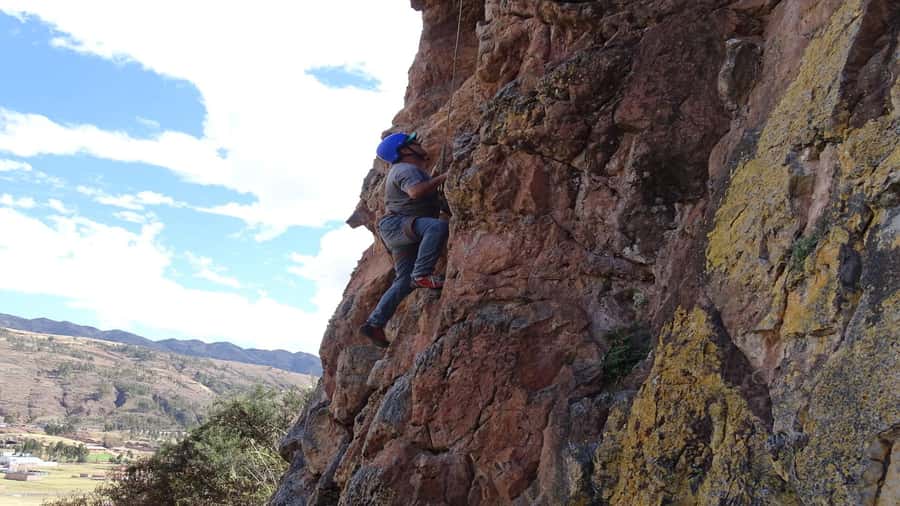
Reaching the top is the payoff. Once you finish the climbing segments and get up to the summit area, you’re rewarded with spectacular panoramic views of the Andes Mountains.
Devil’s Balcony is also described as being near the archaeological park of Sacsayhuaman, with the Saphy River in the background. That combination matters. You’re not climbing in a random quarry. You’re climbing in a place that feels tied to the geography and history of the Cusco region, with big scale around you.
From a traveler’s perspective, those views are more than a photo moment. They change how the climb feels. When you’re on the wall, everything is focus and breath. When you reach the top, the mind gets to reset, and you can actually appreciate where you are in Peru.
If you’re the sort who wants a few good pictures, do it calmly. Don’t rush your time at the top, but also don’t stop moving if you feel short of breath from altitude. Enjoy, then get ready to head back down as instructed.
Getting back to Cusco: why the drop-off at Plaza Regocijo is convenient
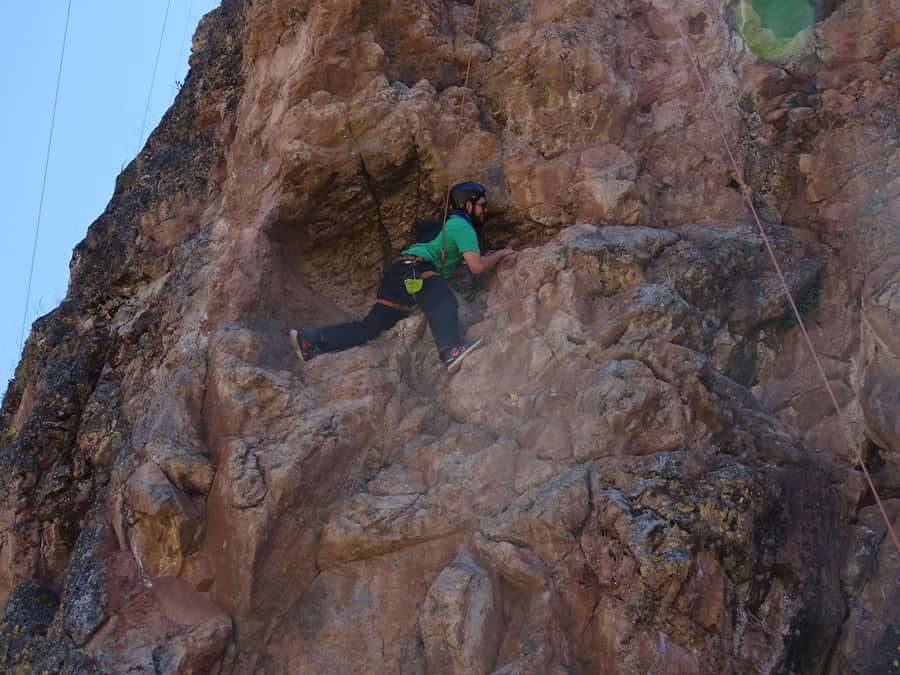
After the climbing is done, the tour returns to Cusco and drops you back at Plaza Regocijo. I like this because it keeps you near the center. You’re not stuck far from where you want to eat or relax.
Also, since food and drinks are not included, plan to re-fuel after the activity. Even if you’re not starving, a climb uses energy fast, and altitude can make it feel more intense than you expect.
What to do next? Keep it simple. You’re likely to want a warm drink or a meal close to the center. If you’re planning other city walking later, wear comfortable shoes and take it easy for a bit. Your legs may feel it even if the climb didn’t feel that long.
Price and value: what $59 includes, and what you supply
The price is $59 per person, and for that you get real value if you want convenience and guided climbing. Included in the cost:
- Roundtrip transportation to the Cusco city center
- Tour guide in Spanish and English
- Climbing equipment
You also get a full half-day program that covers travel, walking in, a briefing, and climbing three routes.
Where your budget needs to flex:
- Food and drinks are not included
So the best value argument here is that you avoid separate equipment rental and you get expert instruction in two languages. In many adventure tours, gear and guide time are the expensive part. Here, they’re folded into the one price.
For $59, I’d think of this as paying for a guided, safety-focused activity plus transportation, not just the climbing moments. That’s why it works well if you want minimal hassle, especially if you’re staying in the center and don’t want to coordinate multiple transfers on your own.
Who should book this rock climb from Cusco, and who should skip it
This is a great fit for you if:
- You’re comfortable being outdoors at altitude around 3,750 meters
- You want hands-on action with three different climbing levels
- You like guided adventure where safety is taken seriously, not improvised
- You’d appreciate Spanish and English instruction and clear communication
It may not be the right choice if:
- You have vertigo, heart problems, or you’re pregnant
- You’re under 13 or over 65
- You’re above the 95-kilo maximum weight
If you’re a casual climber, there’s reason to be optimistic. One past guest specifically praised the experience as doable for a casual climber, which points to the fact that the routes are set up with learning and enjoyment in mind, not only for hardcore athletes.
If you’re new to climbing and you worry you’ll feel out of your depth, that fear is normal. The key is how the briefing and belay support work in practice. The fact that guides are described as making people feel secure is the kind of detail that matters, because comfort is what lets you focus on movement instead of worry.
If you’re chasing adrenaline only, you’ll still get it, but the better way to enjoy this trip is with a learning mindset. The limestone climbing rewards patience, not just guts.
FAQ
How long is Balcony of the Devil rock climbing from Cusco?
The tour lasts 4 hours total. You’ll check availability to see starting times.
What is included in the tour price?
It includes roundtrip transportation to the Cusco city center, a tour guide in Spanish and English, and climbing equipment.
Do I need to bring food or drinks?
Food and drinks are not included, so plan to handle that on your own.
What should I bring for the climb?
Bring sunglasses, a sun hat, sunscreen, insect repellent, and sportswear.
What is the maximum weight allowed?
The maximum weight allowed per person is 95 kilos.
Is this tour suitable for everyone?
No. It is not suitable for children under 13, pregnant women, people with heart problems, people with vertigo, or people over 65.
What is the cancellation policy?
You get free cancellation up to 24 hours in advance for a full refund.
Should you book this Devil’s Balcony climb?
Book it if you want a short, guided climbing experience with three routes, bilingual instruction, and the payoff of Andes views at altitude. It’s especially worth it if you’d rather show up, get taught, and climb without dealing with gear logistics.
Skip it if you don’t handle heights well, have any of the listed health concerns, or you’re outside the age and weight limits. This is a real rock activity, not just a walk with a view, and the safety rules are there for good reason.
If you’re a curious, active traveler who can handle a couple short outdoor segments before you climb, this is one of those Cusco-area adventures that turns the region’s dramatic setting into something you do, not just something you look at.
Recently reviewed around Cusco
- Cusco Cooking Class by ChocoMuseo in Cusco★ 5.0 · 29 reviews
- ATV Adventure to Moray and Maras Salt Mines – Half Day★ 4.5 · 29 reviews
- 1-day excursion to Machu Picchu from Cusco★ 5.0 · 29 reviews
- Private Tour Sacred Valley, Chinchero, Maras Moray, Ollantaytambo★ 5.0 · 29 reviews
- From Cusco: Humantay Lake with Breakfast and Buffet Lunch★ 4.5 · 29 reviews
- 4 Day – Inca Jungle to Machu Picchu★ 5.0 · 29 reviews
- 2-Day Machu Picchu Tour by Train from Cusco★ 4.5 · 29 reviews
- 2-Day Sacred Valley and Machu Picchu Tour By Train★ 4.5 · 29 reviews
Cusco Tours, compared.
Classic Inca Trail Trek 4D/3N to Machu Picchu (Group Service)
Read our review →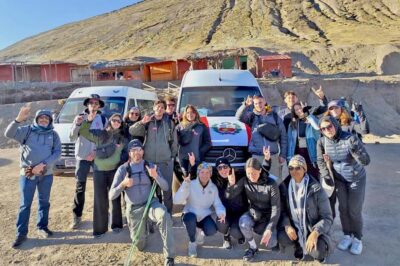
Rainbow Mountain and Red Valley Day Trip with Meals
Read our review →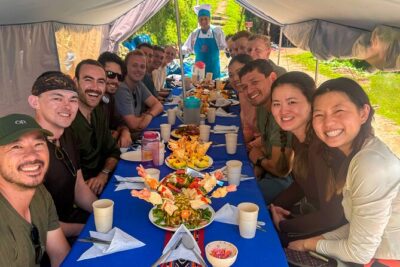
4-Day Inca Trail Trek with Panoramic Train Ride
Read our review →
Excursion to Rainbow Mountain Full Day Optional Red Valley
Read our review →